The organisation released a statement to mark [South Africa’s] Human Rights Day on Thursday 21 March 2024. It said human rights defenders, such as the Abahlali baseMjondolo activists, continue to be threatened or killed for standing up for fighting for basic services or speaking against corruption.
“Currently, the movement’s general secretary Thapelo Mohapi is in hiding and facing threats because of his activism.“
Quintal says the attacks on those fighting for basic rights are a violation of human dignity.
“It is imperative that our government takes decisive action to ensure the protection of these individuals and enacts strong legislation to safeguard their rights…There is an urgent need for legislative measures to safeguard the lives of human rights defenders.”
Global Voices has released a special coverage called Empowering voices: Women in politics, which explores the state of women’s political participation around the world.
Human Rights First referred to a new report reveals that WHRDs face increasing harassment and threats from a global movement against gender equality and LGBTQI+ rights. The Kvinna till Kvinna Foundation, a leading feminist women’s rights organization, released Hope and Resistance Go Together: The State of Women Human Rights Defenders 2023, a report that found discouraging growth in harassment of WHRDs. The foundation surveyed 458 women’s and queer rights activists and interviewed 25 activists representing WHRDs from 67 countries affected by violence or conflict.
They found that 75% reported facing harassment for their activism, a 15% increase from two years ago, and 25% of respondents have received death threats. Most harassment comes from government authorities, but increased harassment from far-right groups and anti-gender equality actors is also driving these startling statistics. Human Rights Defenders (HRDs) across the world face resistance and violence. In 2022, at least 401 HRDs were killed for their peaceful work. But some of the obstacles facing WHRDs are distinct. https://humanrightsfirst.org/library/recognizing-women-human-rights-defenders-on-international-womens-day/
Human Rights Watch on 7 March carried a piece by Macarena Sáez who says inter alia:
On this International Women’s Day, we march for the one in three women who experience physical or sexual violence in their lifetime. We cheer for countries like Argentina, Colombia, and Ireland that value our autonomy to choose to be pregnant and have legalized access to safe abortion, while protesting that abortion is still or again illegal in many places, including US states like Alabama and Texas. At the same time, we march to honor the women who marched before us, like the Mexican women who organized the first feminist congress in 1916 to push for family law reforms and their right to vote, and the Nigerians who waged their “Women’s War” against colonization and patriarchal laws in 1929. Their struggles sadly mirror the reality of many women around the world today – especially women who belong to historically marginalized groups – who continue to rally against violence and abuse.
Fearing the power of women’s solidarity and collective actions, governments have stifled women’s speech through restrictions on movement, censorship, smear campaigns, and criminal prosecutions. In highly repressive contexts, like Afghanistan and Iran, women suffer arbitrary detention, and even enforced disappearance and torture, for their activism. Meanwhile, social media companies have not done enough to protect women from online violence, chilling women’s freedom of expression on and offline. These barriers make it hard for women’s equality to become reality. Gender justice requires an enabling environment in which women can express themselves, speak and spread their political views, and participate in political and public life. Instead of repressing or tolerating the repression of women, governments should recognize our collective actions – and consequent power – and enshrine our rights in laws, policies, and practice. [https://www.hrw.org/news/2024/03/07/womens-voices-have-power-drive-change]
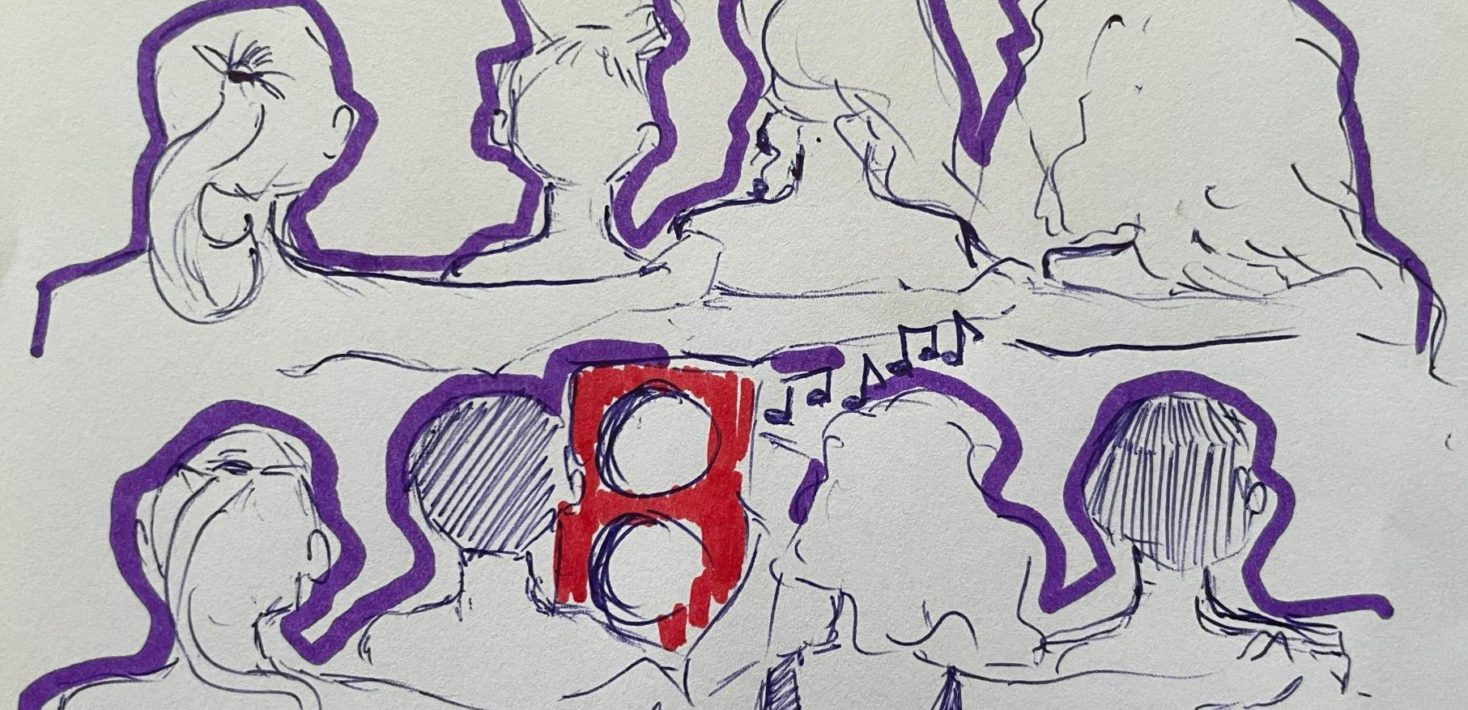
On 8 March 8, 2024 Almyra Luna Kamilla and Rosalind Ratana opined in IMHO on “Navigating the storms of repression: The resilience of young women rights defenders in Asia”
In recent years, Asia has been witnessing rising authoritarianism and shrinking civic space. Among those in the frontlines of resistance are young women human rights defenders. As we celebrate International Women’s Day, let us demand for an enabling world where women human rights defenders can continue their noble pursuits without fear of reprisals.
In Thailand, the royal defamation law is being excessively used to silence criticisms against the monarchy. Meanwhile in Sri Lanka, economic and political mismanagement has sparked peaceful protests that are met with violence and intimidation. The fate of Asia’s political climate hangs by a thread as elections are held across many countries, including Bangladesh, Indonesia, India, South Korea, and Pakistan. Now more than ever, governments across the region are finding ways to solidify their power, putting an even tighter grip on civil society to the detriment of democracy and people’s fundamental rights and freedoms.
Despite such challenges, many are courageously speaking out and taking collective action to reclaim power for the people. This includes young women human rights defenders – or Youth WHRDs – who are claiming space to call out human rights violations and to demand accountability from oppressive governments. [https://www.rappler.com/voices/imho/young-women-rights-defenders-asia/]
The Alliance for Human Rights in Afghanistan(a coalition of 9 major NGOs) urgently appealed to the international community to significantly bolster its support and actively safeguard the human rights of Afghan women and girls, including Afghan women human rights defenders who face persecution for their peaceful campaigns for rights and basic freedoms.
In 2023, the Taliban further intensified its oppressive policies toward women, girls, the LGBTIQ+ community, and religious minorities. Afghan women and girls have seen their rights and prospects increasingly curtailed, from greater enforcement of restrictions on education – including a ban on girls attending secondary schools and universities – to intensifying exclusion of women from political and public life. Women have been banned from a growing list of forms of paid employment, and economic barriers, such as the ban on women registering organisations and undergoing vocational training, have contributed to a sharp decline in women’s participation in the labour market, impeding their right to make a living. This exacerbates financial insecurity, widens gender disparities, and further confines women to the private sphere. Lesbian, bisexual, and transgender women face severe threats, including torture, sexual violence, forced marriage, and death. Victims of gender violence, including those who identify as such, lack minimal legal and practical support. Obstacles to healthcare and education have exacerbated poverty and vulnerability among women and girls. In 2023, new discriminatory restrictions imposed by the Taliban included the closure of all beauty salons, blocking women from overseas travel for study, mandating female health workers in some areas to have a male chaperone while travelling or at work, and prohibiting women from entering a famous national park.
The oppressive environment extends to female activists, NGO leaders and journalists. Notable cases include the arrests of women’s rights activists Neda Parwani and Zholia Parsi, the enforced disappearance and subsequent discovery of Manizha Seddiqi in Taliban custody to date, the arrest of Matiullah Wesa, founder of an NGO advocating for girls’ education rights, and the arbitrary detainment of Ahmad Fahim Azimi and Seddiqullah Afghan—both dedicated girls’ education activists, among many others. Journalists reporting on the Taliban, facing arrests and threats, equally illustrate the difficulties encountered by the media, particularly women, when covering crimes against women or advocating for women’s rights. Collectively, these cases underscore the near-total denial of freedom of expression, gender equality, or any other internationally recognized right in Afghanistan under the Taliban.
Amid this growing oppression, segregation and fear, Afghan women human rights defenders have urged the international community to exert greater pressure on the Taliban. They call on international bodies to involve Afghan women in all negotiations with the Taliban and to facilitate direct meetings between women and the de facto authorities to address their concerns. Afghan women have also stressed the importance of advocacy for women’s rights by external actors based on the voices and realities of women inside Afghanistan. They call for coordinated efforts between organisations inside and outside the country to defend the rights of Afghan women and girls.
The UN Special Rapporteur on the situation of human rights in Afghanistan, Richard Bennett, called on the Taliban to release women human rights defenders as the world marks International Women’s Day.
I reiterate my appeal to the Taliban to respect all the human rights of women and girls in Afghanistan, including to education, work, freedom of movement and expression, and their cultural rights, and I urge the meaningful and equal participation of Afghan women and girls in all aspects of public life. I call on the Taliban to immediately and unconditionally release all those who have been arbitrarily detained for defending human rights, especially the rights of women and girls.”
On International Women’s Day, the a group of NGOs (ALQST for Human Rights, Amnesty International, CIVICUS, European Saudi Organization for Human Rights (ESOHR), Front Line Defenders, Gulf Centre for Human Rights (GCHR), HuMENA for Human Rights and Civic Engagement, International Service for Human Rights (ISHR),MENA Rights Group, Salam for Democracy and Human Rights) renewed their call on Saudi Arabian authorities to release all women human rights defenders (WHRDs), women’s rights activists and their supporters who are detained in contravention of international human rights standards. The organisations further call on Saudi authorities to lift travel bans imposed on WHRDs and their relatives, and to abolish the male guardianship system. [https://ishr.ch/latest-updates/civil-society-reiterates-their-call-on-saudi-authorities-to-release-jailed-womens-rights-activists/]
The President of Georgia awarded severl with mesla of honor: co-founder of “Safari” organization Babutsa Pataraia, human rights defender Ana Arganashvili, founders of “National Network for Protection from Violence”: Eliso Amirejibi and Nato Shavlakadze and founder of “Vedzeb” organization Tamar Museridze.
UN Report Unveils Strategies to Shield Child, Youth Human Rights Defenders
Emmanuel Abara Benson, on 6 March 2024, unveils in BNN a new UN report which highlights the challenges faced by young activists, advocating for global support and legal frameworks to safeguard their rights and efforts:
Amnesty International heralds a new UN report as a significant advancement for young activists worldwide, set to be introduced by UN Special Rapporteur Mary Lawlor during the 55th Session of the Human Rights Council on 12 March 2024. The document, titled “We are not just the future”: challenges faced by child and youth human rights defenders”, highlights the unique challenges faced by young activists, including oppression, age-based discrimination, and barriers to resources and legal aid.
The report by Mary Lawlor sheds light on the considerable obstacles child and youth defenders encounter, such as intimidation, threats, and attacks, both in physical and digital realms. Amnesty International’s Sara Vida Coumans emphasizes the overdue recognition of the distinct experiences and adversities young defenders face compared to their adult counterparts. The report also addresses the issue of “gatekeeping” by adult-led groups, which hampers the ability of young activists to access necessary resources and participate in decision-making processes.
Amnesty International has documented numerous instances of abuses against young human rights defenders. Examples include Fatima Movlamli from Azerbaijan and Mahmoud Hussein from Egypt, who faced intimidation and arbitrary detention, respectively, due to their activism. Moreover, the report mentions the plight of child climate defender Leonela Moncayo in Ecuador, who was intimidated with an explosive device outside her home, highlighting the risks young activists face. The organization calls for governments worldwide to heed the Special Rapporteur’s recommendations, particularly in providing legal aid and support for young defenders. See also: https://humanrightsdefenders.blog/2023/11/13/hrw-submission-to-special-rapporteur-focuses-on-child-and-youth-human-rights-defenders/
The document not only brings to the forefront the specific challenges faced by child and young human rights defenders but also underscores the importance of global support and legal frameworks to safeguard these individuals. By spotlighting the adverse impact of social media, the right to peaceful assembly, and the effects of climate change on young people, the report advocates for a more inclusive and supportive environment for young activists. Governments are urged to adopt the recommendations, recognizing the vital role of young defenders in advocating for human rights and democratic reforms.
This groundbreaking report marks a pivotal moment in the recognition and support of child and young human rights defenders. By highlighting the unique challenges they face and offering targeted strategies for protection, the UN and Amnesty International are paving the way for a more inclusive and equitable future for young activists. The global community’s response to these recommendations will be instrumental in ensuring that young voices are not only heard, but also protected in their brave efforts to defend human rights.
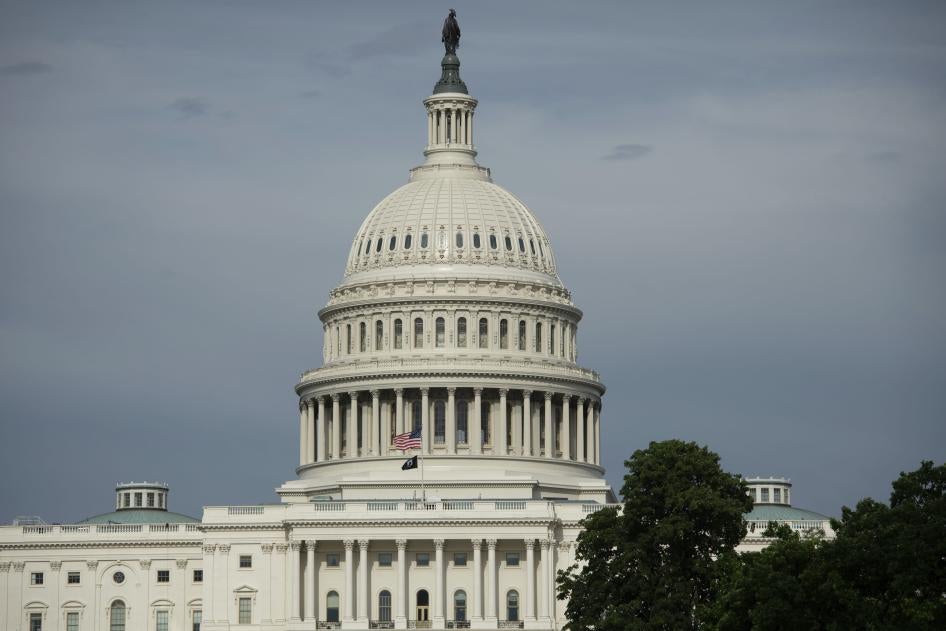
On 31 January 2024 several NGOs – including HRW and AI -came out in support of a bill in the US Senate. Senator Ben Cardin introduced the Human Rights Defenders Protection Act of 2024, which aims to protect individuals abroad “who face reprisals for defending human rights and democracy.” The law, if enacted, would strengthen the US government’s ability to “prevent, mitigate, and respond” to such cases.
Senator Cardin said this legislation “will help elevate, guide, and enhance US efforts to support these courageous individuals globally at a time when their efforts are more important than ever.”
HRW said: The bill would integrate support for rights defenders into various US policies and programs and encourage engagement with the private sector. It aims to improve assistance for rights defenders living in exile from their home countries and strengthen US tools to hold perpetrators of rights abuses accountable.Human Rights Watch has long documented the risks, threats, and attacks that rights defenders across the globe face. In Rwanda, for example, the government for many years has targeted with impunity rights defenders at home and extended its repression beyond its borders to silence Rwandan critics living abroad. Last December, the Emirati government brought new charges under its counterterrorism law against 87 activists and dissidents, including imprisoned rights defender Ahmed Mansoor.
The proposed legislation would create a new US visa for rights defenders who face a “credible fear of an urgent threat,” allowing those who qualify to reach safety before they are detained or harmed. It would also increase the number of US government personnel dedicated to democracy and human rights issues in the federal government and at embassies in countries with a high risk of rights abuses.
Andrew Fandino, Advocacy Director for the Individuals at Risk Program at Amnesty International USA. stated: “The Human Rights Defenders Protection Act of 2024 is a critical piece of legislation that will help strengthen and improve the U.S. government’s ability to support human rights defenders around the world,” ..“With over 401 human rights defenders killed globally in 2022 alone, now more than ever, human rights defenders need this additional support and protection.”
If passed, the legislation would require the US government to establish a “Global Strategy for Human Rights Defenders.” The strategy would survey current tools and resources to support human rights, identify how the government would prioritize and bolster protections for rights defenders, and establish specific goals for implementing the legislation’s policy objectives. This would link to the existing EU Guidelines on Human Rights Defenders (2008), and the OSCE Guidelines on the Protection of Human Rights Defenders (2014) and those of a small group of European countries.
To mark the Day of the Endangered Lawyer, the Law Society of England and Wales issued a press release on 24 January honouring legal professionals who are targeted for upholding the rule of law and defending a strong justice system.
The Law Society has published its annual intervention tracker which shows that the Society took 40 actions relating to 17 countries in 2023. Most of these actions were initiated by concerns relating to arbitrary arrest or detention (58%) followed by harassment, threats and violence (27%).
Law Society president Nick Emmerson said: “Across the world, lawyers continue to face harassment, surveillance, detention, torture, enforced disappearance and arbitrary arrest and conviction...
We use this day to draw attention to the plight faced by countless lawyers across the globe, as they fight for their right to freely exercise their profession and uphold the rule of law.
A recent example comes from Amnesty International on 25 January 2024: On 31 October 2023, human rights lawyer, Hoda Abdelmoniem, was due to be released after serving her unjust five-year prison sentence stemming solely from the exercise of her human rights. Instead, the Supreme State Security Prosecution (SSSP) ordered her pretrial detention pending investigations into similar bogus terrorism-related charges in a separate case No. 730 of 2020. During a rare visit to 10th of Ramadan prison on 4 January, her family learned that her health continues to deteriorate and that she developed an ear infection, affecting her balance and sight. She must be immediately and unconditionally released. [see also: https://humanrightsdefenders.blog/2020/11/29/2020-award-of-european-bars-associations-ccbe-goes-to-seven-egyptian-lawyers-who-are-in-prison/]
On 22 January 2024, Amnesty International published an interesting piece by Alex, a 31-year-old Romanian activist working at the intersection of human rights, technology and public policy.
Seeking to use her experience and knowledge of tech for political change, Alex applied and was accepted onto the Digital Forensics Fellowship led by the Security Lab at Amnesty Tech. The Digital Forensics Fellowship (DFF) is an opportunity for human rights defenders (HRDs) working at the nexus of human rights and technology and expand their learning.
Here, Alex shares her activism journey and insight into how like-minded human rights defenders can join the fight against spyware:
In the summer of 2022, I watched a recording of Claudio Guarnieri, former Head of the Amnesty Tech Security Lab, presenting about Security Without Borders at the 2016 Chaos Communication Congress. After following the investigations of the Pegasus Project and other projects centring on spyware being used on journalists and human rights defenders, his call to action at the end — “Find a cause and assist others” — resonated with me long after I watched the talk.
Becoming a tech activist
A few days later, Amnesty Tech announced the launch of the Digital Forensics Fellowship (DFF). It was serendipity, and I didn’t question it. At that point, I had already pushed myself to seek out a more political, more involved way to share my knowledge. Not tech for the sake of tech, but tech activism to ensure political change.
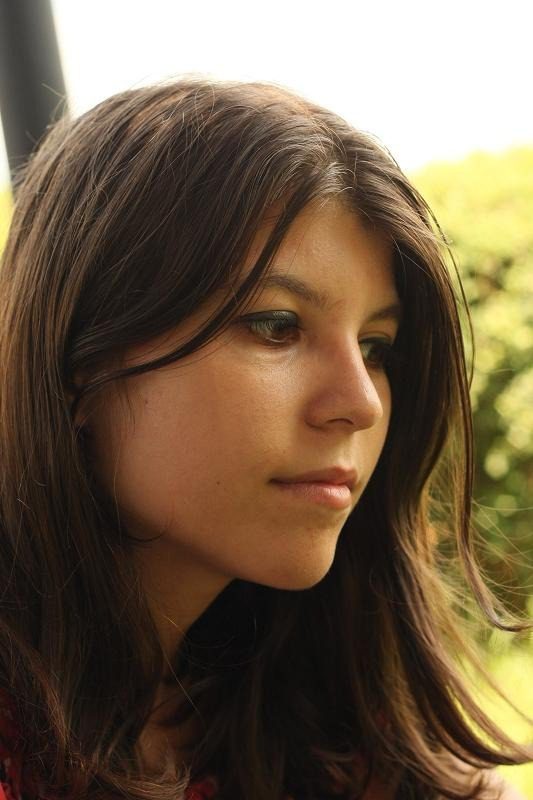
Alex is a 31-year-old Romanian activist, working at the intersection of human rights, technology and public policy.
I followed an atypical path for a technologist. Prior to university, I dreamt of being a published fiction author, only to switch to studying industrial automation in college. I spent five years as a developer in the IT industry and two as Chief Technology Officer for an NGO, where I finally found myself using my tech knowledge to support journalists and activists.
My approach to technology, like my approach to art, is informed by political struggles, as well as the questioning of how one can lead a good life. My advocacy for digital rights follows this thread. For me, technology is merely one of many tools at the disposal of humanity, and it should never be a barrier to decent living, nor an oppressive tool for anyone.
Technology is merely one of many tools at the disposal of humanity. It should never be a barrier to decent living, nor an oppressive tool for anyone.
The opportunity offered by the DFF matched my interests and the direction I wanted to take my activism. During the year-long training programme from 2022-2023, the things I learned turned out to be valuable for my advocacy work.
In 2022, the Child Sexual Abuse Regulation was proposed in the EU. I focused on conducting advocacy to make it as clear as possible that losing encrypted communication would make life decidedly worse for everyone in the EU. We ran a campaign to raise awareness of the importance of end-to-end encryption for journalists, activists and people in general. Our communication unfolded under the banner of “you don’t realize how precious encryption is until you’ve lost it”. Apti.ro, the Romanian non-profit organisation that I work with, also participated in the EU-wide campaign, as part of the EDRi coalition. To add fuel to the fire, spyware scandals erupted across the EU. My home country, Romania, borders countries where spyware has been proven to have been used to invade the personal lives of journalists, political opponents of the government and human rights defenders.
The meaning of being a Fellow
The Security Lab provided us with theoretical and practical sessions on digital forensics, while the cohort was a safe, vibrant space to discuss challenges we were facing. We debugged together and discussed awful surveillance technology at length, contributing our own local perspective.
The importance of building cross-border networks of cooperation and solidarity became clear to me during the DFF. I heard stories of struggles from people involved in large and small organizations alike. I am convinced our struggles are intertwined, and we should join forces whenever possible.
Now when I’m working with other activists, I try not to talk of “forensics”. Instead, I talk about keeping ourselves safe, and our conversations private. Often, discussions we have as activists are about caring for a particular part of our lives – our safety when protesting, our confidentiality when organizing, our privacy when convening online. Our devices and data are part of this process, as is our physical body. At the end of the day, digital forensics are just another form of caring for ourselves.
I try to shape discussions about people’s devices similarly to how doctors discuss the symptoms of an illness. The person whose device is at the centre of the discussion is the best judge of the symptoms, and it’s important to never minimize their apprehension. It’s also important to go through the steps of the forensics in a way that allows them to understand what is happening and what the purpose of the procedure is.
I never use a one-size-fits-all approach because the situation of the person who owns a device informs the ways it might be targeted or infected.
The human approach to technology
My work is human-centred and technology-focused and requires care and concentration to achieve meaningful results. For activists interested in working on digital forensics, start by digging deep into the threats you see in your local context. If numerous phishing campaigns are unfolding, dig into network forensics and map out the owners of the domains and the infrastructure.
Secondly, get to know the person you are working with. If they are interested in secure communications, help them gain a better understanding of mobile network-based attacks, as well as suggesting instant messaging apps that preserve the privacy and the security of their users. In time, they will be able to spot “empty words” used to market messaging apps that are not end-to-end encrypted.
Finally, to stay true to the part of me that loves a well-told story, read not only reports of ongoing spyware campaigns, but narrative explorations from people involved. “Pegasus: The Story of the World’s Most Dangerous Spyware” by Laurent Richard and Sandrine Rigaud is a good example that documents both the human and the technical aspects. The Shoot the Messenger podcast, by PRX and Exile Content Studio, is also great as it focuses on Pegasus, starting from the brutal murder of Jamal Khashoggi to the recent infection of the device of journalist and founder of Meduza, Galina Timchenko.
We must continue to do this research, however difficult it may be, and to tell the stories of those impacted by these invasive espionage tactics. Without this work we wouldn’t be making the political progress we’ve seen to stem the development and use of this atrocious technology.
In a joint public statement with the Centre for Reproductive Rights, Women’s Link Worldwide and Front Line Defenders the organisations welcome today’s decision acquitting Vanessa Mendoza Cortés and remind the authorities that she should face no further intimidation or reprisals for carrying out her important and legitimate human rights work.
“Today’s acquittal upholds Vanessa Mendoza Cortés’ right to freedom of expression and affirms the legitimacy of the efforts of all those defending women’s rights and sexual and reproductive rights. However, Vanessa Mendoza Cortés has paid a high price for defending human rights. She has endured an unjust and protracted judicial process lasting more than four years. This has impinged on her crucial work and that of the organisation she represents.
Vanessa Mendoza Cortés has paid a high price, enduring an unjust and protracted judicial process lasting more than four years.
“We call on the Andorran authorities to publicly recognize the legitimacy of the human rights work carried out by Vanessa Mendoza Cortés. The authorities must take concrete measures to ensure she and other activists can defend the human rights of women and girls in Andorra, including the right to safe and legal abortion, without intimidation and fear of reprisals.
“Andorra should comply with its obligations to decriminalize abortion and make access to it safe and legal in the country.”
Vanessa Mendoza Cortés, President of the women’s rights organisation Stop Violence (Stop Violències), was charged with criminal defamation after voicing concerns about Andorra’s total abortion ban at a meeting of the United Nations Committee on the Elimination of Discrimination against Women (CEDAW) to examine the country’s record on women’s rights in 2019.
7 January 2024 Cyprus Mail reported that a demonstration will be held condemning the attack on the offices of refugee NGO Kisa.
Kisa’s offices were attacked on Friday, when an improvised explosive device went off outside their offices, smashing windows, destroying computers and photocopiers.
In their statement, the protest organisers said: “Kisa and its members have repeatedly received threats of various forms, against which the state authorities have shown unacceptable tolerance, which, together with government policies and their racist and xenophobic rhetoric on immigration issues, have not only allowed but also encouraged racist and fascist attacks against migrants and refugees, as well as their rights defenders, thus fostering fascism in society.”
Issuing a statement after the attack, the international NGO Amnesty International’s Cyprus Research Kondylia Gogou said: “Last night’s violent attack on anti-racist organisation Kisa is despicable and raises serious concerns over the safety of human rights defenders in the country. However, it did not happen in a vacuum. Racist violence is on the rise in Cyprus, and KISA and its volunteers have been the target of repeated threats, verbal attacks, and smear campaigns in connection with their work supporting refugees and migrants and denouncing hate crimes.”
According to Amnesty, authorities in Cyprus must send an unequivocal message that attacks on human rights defenders and NGOs will not be tolerated, and conduct a prompt, thorough, independent, and impartial investigation on the attack on the Kisa’s offices “that prioritises the hypothesis that the attack was related to their human rights and anti-racist work”.
In August and September 2023, racialised people including refugees and migrants were subjected to pogrom-like attacks in Chloraka and Limassol. Previously, in early 2023, racist attacks were carried out in Limassol and in January 2022 attacks were carried out in Chloraka. In 2023, the European Commission against Racism and Intolerance (ECRI) found that the public discourse in the country had become “increasingly xenophobic”.
In December 2020, further to an amendment to the law on associations, KISA was removed from the Registry of Associations, and proceedings for its dissolution were initiated. KISA’s appeal to challenge the decision before the country’s Appeal Court remains pending, and despite its registration as a non-profit company, KISA operates with many obstacles.
In the podcast, Amnesty International’s Tatyana Movshevich discovers the story behind the declaration and meets brave activists from Chile, the USA, Nepal, Ireland and Ghana, all of whom have been fighting for the rights of marginalized people — and risking their lives in the process.
“Every day, human rights defenders are risking their lives, sometimes at a significant personal cost. They experience violence and discrimination simply for defending the rights of others,” said Tatyana Movshevich, Amnesty International’s Campaigner.
“For this podcast I have interviewed five incredible human rights defenders and it was inspiring to hear about their work, but also distressing to realise the enormous dangers they are facing. During our interview, Anas Aremeyaw Anas, a journalist from Ghana, told me a chilling story of how his investigation into killings linked to ritual magic in Malawi had gone terribly wrong. And it was not the only time when Anas found himself in mortal danger because of his human rights work. Far from it.”
Every day, human rights defenders are risking their lives, sometimes at a significant personal cost.Tatyana Movshevich, Amnesty International’s Campaigner
Others featured in the podcast include Lorena Donaire, a water defender from Chile whose life was turned upside down as she was tackling the catastrophic results of a mega-drought; Monica Simpson, a queer activist and artist from the USA and Durga Sob, a Dalit woman and Nepalese feminist activist, who have both been confronting long-ignored issues of racism and caste-based discrimination; and Sean Binder, a migrant rights defender from Ireland whose freedom was compromised while he was volunteering on an idyllic Greek island. [see lso: https://humanrightsdefenders.blog/2021/11/17/greeces-mistaken-deterrence-migrants-and-aid-workers-facing-heavy-prison-sentences/]
International experts that took part in the series include Mary Lawlor, the UN Special Rapporteur on the situation of Human Rights Defenders, and Hina Jilani, women rights activist and co-founder of Pakistan’s first all-women law firm.
Following the decision of a judge in Guatemala City to authorize the immediate release of Virginia Laparra, former prosecutor of the Special Prosecutor’s Office against Impunity (FECI) on Tuesday, 3 January, Ana Piquer, Americas director at Amnesty International, said:
“Virginia Laparra should never have spent a day in jail. It’s great news that she can be reunited with her loved ones after nearly two years as a prisoner of conscience. Her release is a first step towards ending the terrible human rights violations she has faced in retaliation for her outstanding work as an anti-corruption prosecutor.”
“We lament, however, that Virginia Laparra remains convicted of a crime she did not commit and faces another unfounded trial, due to the regrettable use of criminalization against dozens of people who, like her, have led the fight against impunity. Amnesty International reiterates its call for the Guatemalan authorities to put an immediate end to the misuse of the criminal justice system to harass, intimidate and punish judges, prosecutors, human rights defenders and journalists”.
On 28 November 2022, Amnesty International named the former prosecutor as a prisoner of conscience, having found that her detention was solely due to her human rights work as head of FECI in Quetzaltenango, and requested her immediate and unconditional release. In May 2023, the United Nations Working Group on Arbitrary Detention declared that the detention of the former anti-corruption prosecutor was arbitrary and requested her immediate release. At the same time, the international mobilization of thousands of human rights activists on the case has not ceased.
“Amnesty International underscores the importance of international pressure in cases such as those of Virginia Laparra. Our movement in the Americas and around the world has not rested in demanding the release of the former prosecutor,” said Ana Piquer.
The unfounded criminal prosecution against Virginia Laparra took place in a context of attacks against dozens of people for their role in the investigation of high-profile cases of large-scale corruption and human rights violations. In 2022, there were 3,754 attacks against human rights defenders and at least 73 judicial workers, journalists and activists had to go into exile, according to data from Guatemala’s Human Rights Defenders Protection Unit (UDEFEGUA).

![[OPINION] Navigating the storms of repression: The resilience of young women rights defenders in Asia](https://www.rappler.com/tachyon/2024/03/women-rights-defenders-asia-mar-7-2024.jpg)
/bnn/media/media_files/7d7279a6fe08cbdd641cda8431af6038216be3c9c100f79beacc07763c194f26.jpg)


 Hans Thoolen on Human Rights Defenders and their awards