Brent Patterson posted on Rabble.ca on 4 February, 2019 a piece entitled: “Impunity for human rights violations must be challenged from Guatemala to the Wet’suwet’en territories“. It looks at the concept of impunity, especially in the context of indigenous people in Latin America and..Canada.Read the rest of this entry »
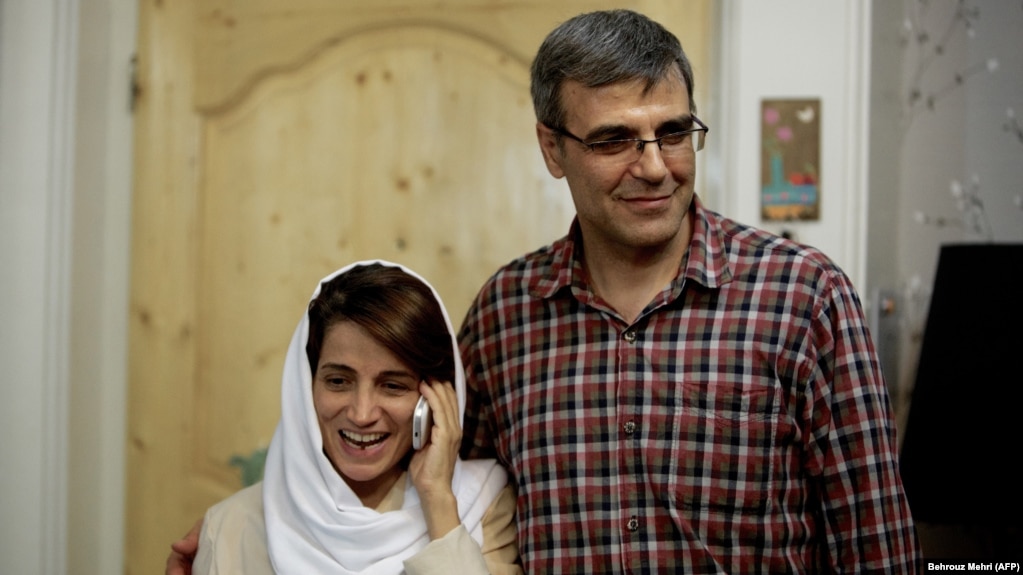
On 23 January 2019 RFE/RL reported that Iranian human rights defender Reza Khandan got a six-tear prison sentence. The next day Amnesty International issued a damning overview of the situation of human rights defenders in that country: Iran arrested more than 7,000 people in a sweeping crackdown against protesters and dissidents in the past year. See more below:
Rez Khandan with his wife, Nasrin Sotoudeh, in Tehran in 2013
he Russian authorities have for the first time used the repressive “undesirable organizations” law to open a criminal case against human rights defender Anastasia Shevchenko, exposing her to the risk of a six-year prison term. Until now, violations of this law were punished under administrative law.
This morning Anastasia Shevchenko, a Coordinator with the Otkrytaya Rossiya (Open Russia) movement, was charged with “repeated participation in the activities of an undesirable organization.” “In recent years, the Russian authorities have progressively suffocated and criminalized dissent. The Open Russia movement has become the latest victim of this crackdown,” said Marie Struthers, Director for Eastern Europe and Central Asia at AI.
It’s clear that the authorities are expanding their toolkit for imprisoning human rights defenders and activists, so if applied broadly this practice will have far-reaching implications for the right to freedom of expression.”In recent days, police have opened criminal investigations, conducted searches and arrests of Open Russia’s activists across the country. [see also my older post: https://humanrightsdefenders.blog/2015/05/21/russia-human-rights-ngos-likely-to-become-officially-undesirable/]
Background: On 17 January, Open Russia Coordinator in Pskov Liya Milushkina and her husband Artyom Milushkin were arrested and accused of selling drugs, an offense punishable by up to 20 years’ imprisonment. Artyom, who is also a political activist, previously reported that police officers threatened to plant drugs on him during his recent arrest in November. Amnesty International has interviewed several associates of the Milushkins all of whom are adamant that the criminal case against the couple is fabricated. Amnesty International has documented a number of cases in which activists in Russia have been prosecuted on trumped-up drug charges, including human rights defender Oyub Titiev who is currently standing trial in Chechnya. On 18 January, police filed a case against Open Russia Coordinator in Krasnodar Yana Antonova for posting a video about the shortage of schools in the region. She was charged with “participation in the activities of an undesirable organization”, an administrative offence when “committed” for the first time.
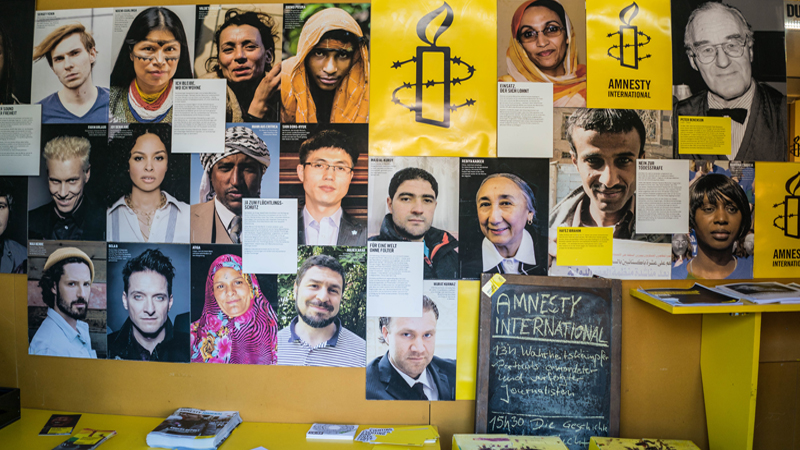
The German NGO Wahrheitskämper (TruthFighters) and Amnesty International set up a bus stall at the International Frankfurt book fair every year to educate people about threats to freedom of expression. Different sketch artists pay tribute to courageous human rights defenders.
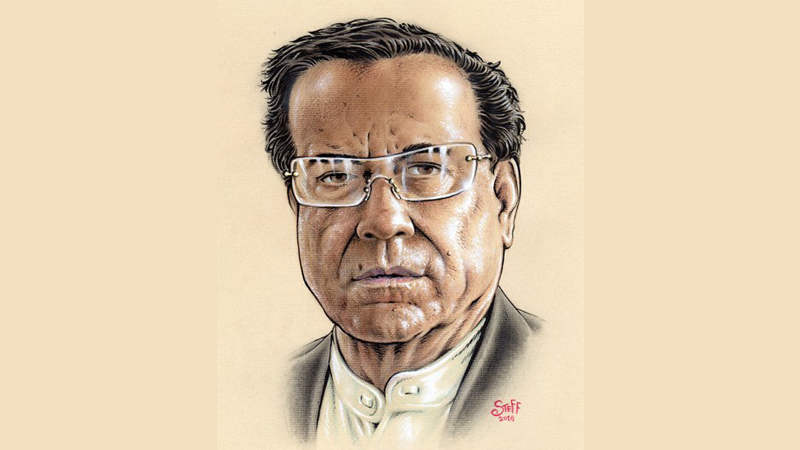
In 2018 the stall included portraits of Shaheed Salmaan Taseer, the late publisher of Daily Times of Pakistan, made by the German artist Steff Murschetz. Illustrator from Oberursel Christine Krahe painted the portrait of the Turkish author Ahmet Altan, who is imprisoned since 2016. Susanne Köhler, a Frankfurt based illustrator and initiator of the memorial project Wahrheitskämpfer – Fighters for Truth – drew the portrait of the Journalist Kyaw Soe Oo who is imprisoned in Myanmar. Christian Scharfenberg also made a portrait of slain US journalist John McNamara, who was killed in a mass shooting at The Capital Gazette newspaper in June 2018. Deniz Yucel was imprisoned by Turkish government in February 2017 for almost a year while serving as a correspondent for Germany’s Die WeltN24 media group in Turkey.
Artist Steff Murschetz from U-Comix-Magazin drew a sketch of Salmaan Taseer Shaheed
Speaking to Daily Times, Steff Murschetz said that Salmaan Taseer’s sketch was his way of conveying his love and respect for the visionary man who gave up his life while protecting Pakistani society from intolerance and injustice. Known German lawyer of Pakistani origin Advocate Muzaffar Chaudhry also joined the Amnesty International event and told Daily Times that the Supreme Court’s decision in Aasia Bibi’s case was a recognition of Salmaan Taseer’s clarity of vision.
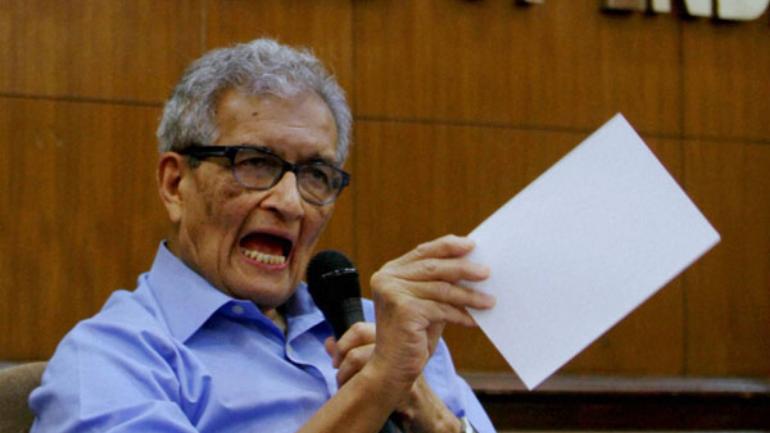
Amartya Sen said that many institutions in the country are under attack. (Photo: PTI)
Nobel laureate Amartya Sen on Sunday 6 January 2019 came out in support of actor Naseeruddin Shah, who recently stoked a controversy with his remark on mob violence and appeared in a video for Amnesty India against alleged government crackdown on NGOs, and said attempts were being made to “disturb” the actor. In a 2.13-minute solidarity video for Amnesty, Shah had said on 4 January that those who demand rights are being locked up. [for example: https://humanrightsdefenders.blog/2018/10/07/india-attacks-on-human-rights-defenders-abound-under-unlawful-activities-prevention-act/ ]
On being asked about the actor’s comments, Sen said, “We must protest against such attempts to disturb the actor. What has been happening (in the country) is objectionable. It should stop.” The 85-year-old economist Amartya Sen said that many institutions in the country are under attack, and their freedom is being encroached. “Even journalists are facing harassment,” he said.
Further talking about the troll attacks against personalities like Shah, Sen said, “Losing the ability to tolerate others is a serious cause for concern, it points to losing of the ability to think and analyse.”
Under the hashtag #AbkiBaarManavAdhikaar, Amnesty India had claimed that India has witnessed a massive crackdown on freedom of expression and human rights defenders. In a solidarity message in Urdu, Shah had said, “Artistes, actors, scholars, poets are all being stifled. Journalists too are being silenced.” “In the name of religion, walls of hatred are being erected. Innocents are being killed. The country is awash with horrific hatred and cruelty“. Last month, the 68-year-old also said that the death of a cow had acquired more significance than that of a police officer in the country. He was speaking in the wake of a mob violence that broke out in Uttar Pradesh’s Bulandshahr on December 3 over alleged cow slaughter in the Mahaw village. The violence led to the death of two men, including a police inspector.
The National Award-winning actor’s visit to a literary fest in December was cancelled following protests by Hindu outfits over his comments on mob violence.
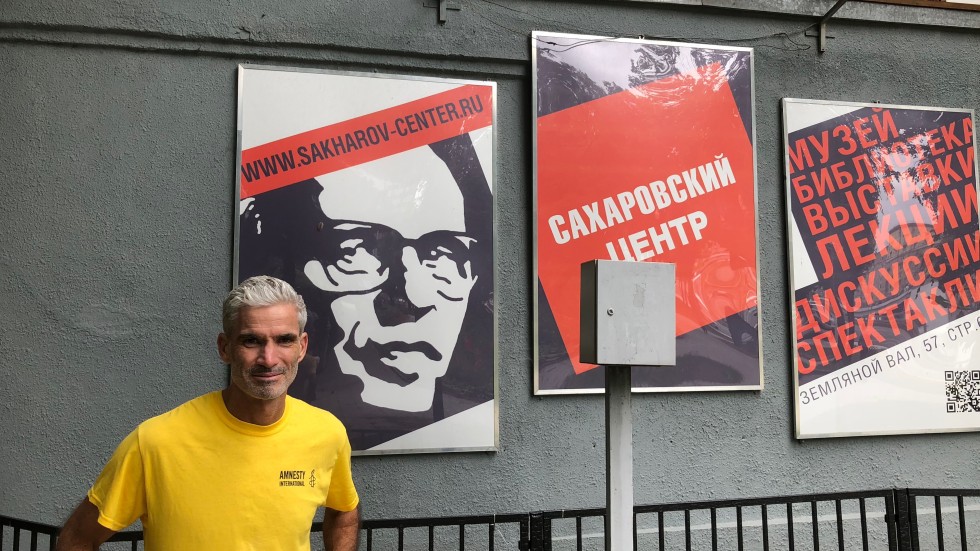
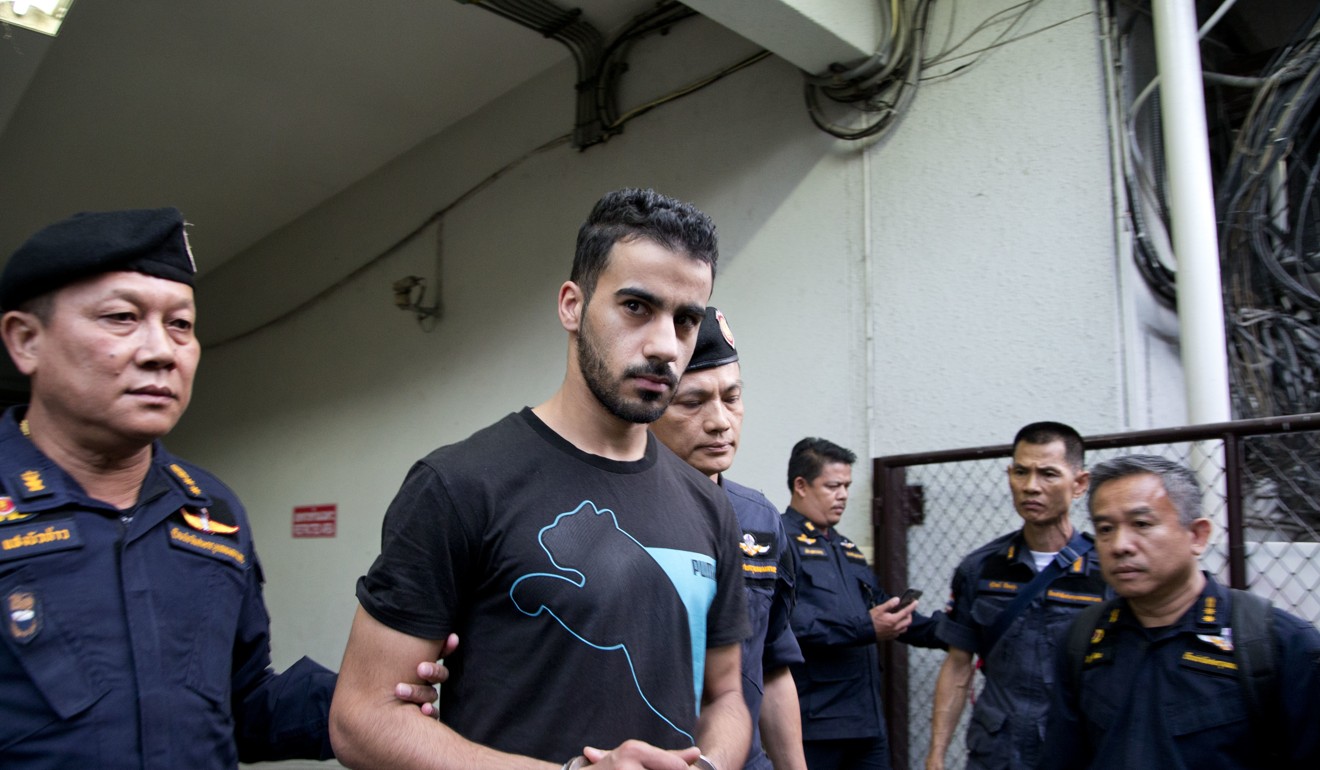
Football’s power to fight injustice motivates Craig Foster. The former Socceroos captain who played for Hong Kong’s Ernest Borel in the early ’90s is a broadcaster in Australia and also works for Amnesty International as a human rights and refugee ambassador. He is among the most vocal of activists in calling out human rights transgressions in football and sport and is one of the many prominent figures fighting for the release of Bahrain’s Hakeem al-Araibi, an Australia-based refugee footballer who is in a Thai jail awaiting extradition to his home country where he fears torture and persecution. [For some of my other posts on football and human rights, see: https://humanrightsdefenders.blog/tag/football/]
On Tuesday, 01 January, 2019, Nazvi Careem wrote a long piece about Craig Foster’s work and dedication:
And if he ever doubted just how powerful this sport can be, he only needs to recall the heartbreaking words of a young African refugee who had lost everything – fleeing his war-torn homeland after his parents, sibling and other members of his family were killed. “He was involved in a football programme over a period of time. He was very, very quiet and said very little,” said Foster. “He was in a new country and was experiencing psychological difficulties, which is totally understandable. “When he was asked why he liked the programme, he simply said: ‘The only thing that still exists in my life is football. It is the only thing that hasn’t been taken away from me’. And he was crying when he said it.
…Since retiring as a player in 2002, Foster became involved in social issues related to football, working with disadvantaged, minority and indigenous communities in a variety of programmes. “I’m just finishing my law degree, which has given me some further insight into the challenges of human rights and international refugee law. I feel strongly about these issues and in football, we are at an advantage because we are the most diverse, multicultural community in Australia.
…..Foster, who played for Portsmouth and Crystal Palace in England and also had a stint in Singapore, said he felt an obligation to give something back to the sport. As an ex-player and a broadcaster with the SBS organisation in Australia, Foster is in an ideal position to reach out to the masses. At the same time, he puts his contribution to social issues in perspective, admitting that he is in a position of comfort compared with activists whose lives are on the line in their efforts to effect change.
“Of course, you can’t fight every battle, but there are key ones which take a huge amount time. But the people I have immense respect for are the human rights defenders in their countries….In Australia we have serious human rights issues, with indigenous Australians and also in terms of refugees and arrivals.
(This article appeared in the South China Morning Post print edition as: using football to fight injustice)
Responding to the news that the South Cairo Criminal Court on 20 December 2018 acquitted all 43 defendants in the retrial of Egypt’s notorious “foreign funding” case – also known as Case 173 – Najia Bounaim, Amnesty International’s North Africa Campaigns Director said: “Today’s acquittal of all 43 NGO workers in the first ‘foreign funding’ case is a step in the right direction for Egyptian justice. This was a bogus case that targeted human rights defenders simply for doing their legitimate work and should never have happened in the first place…However, today’s ruling only relates to the first phase of the case which investigated the funding of international organizations; the investigation into local Egyptian NGOs is ongoing and dozens of staff are still at risk.”
“The key test now will be whether today’s court decision paves the way for an end to the persecution of all human rights defenders in the country. The Egyptian authorities must lift all travel bans and asset freezes against NGO staff and drop their investigations into Egyptian NGOs and human rights defenders for their legitimate human rights work.”
[In June 2013,the first phase of the investigation into NGO funding (Case 173 of 2011) concluded when 42 foreign and Egyptian NGO workers were sentenced to prison terms of between one and five years and a series of international NGOs were closed. Since 2014, investigative judges have been conducting a criminal investigation into the work and funding of local NGOs and have issued asset freezes against six organizations and 10 human rights defenders. They have banned at least 30 human rights defenders and NGO staff from travel abroad. The judges also summoned at least six directors and 61 civil society organization staff for interrogation and later ordered their release on bail.]
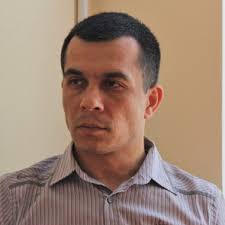
esponding to the news that Crimean lawyer Emil Kurbedinovwas detained by the de-facto authorities in Russian-occupied Crimea and is now facing charges for a Facebook post he made five years ago, Marie Struthers, Amnesty International’s Director for Eastern Europe and Central Asia said: “Following yesterday’s arrest of prominent human rights defender Lev Ponomarev in Moscow, the detention of Emil Kurbedinov is the second time in two days that a human rights defender has been thrown behind bars over a Facebook post….The similarities of these two cases are obvious, even if they are not directly related. Both men are prominent members of the human rights community and both have been deliberately targeted by Russian authorities for this very reason. See also:
Background: Emil Kurbedinov, a human rights defender and lawyer for a number of Crimean Tatar activists prosecuted by the Russian authorities, was detained on 6 December by Russian Interior Ministry officers on his way from home to his office in the Crimean capital Simferopol. He faces charges under the Russian law forbidding “propaganda or public demonstration of Nazi or other extremist attributes or symbols”, on account of his 2013 Facebook post on a Hizb ut-Tahrir event in Simferopol published a year before Russia occupied the peninsula. A number of groups and organizations which legally exist in Ukraine, including Hizb ut-Tahrir, are banned in Russia. On 5 December, a court in Moscow sentenced 77-year-old human rights activist Lev Ponomarev to 25 days in administrative detention for a Facebook post.
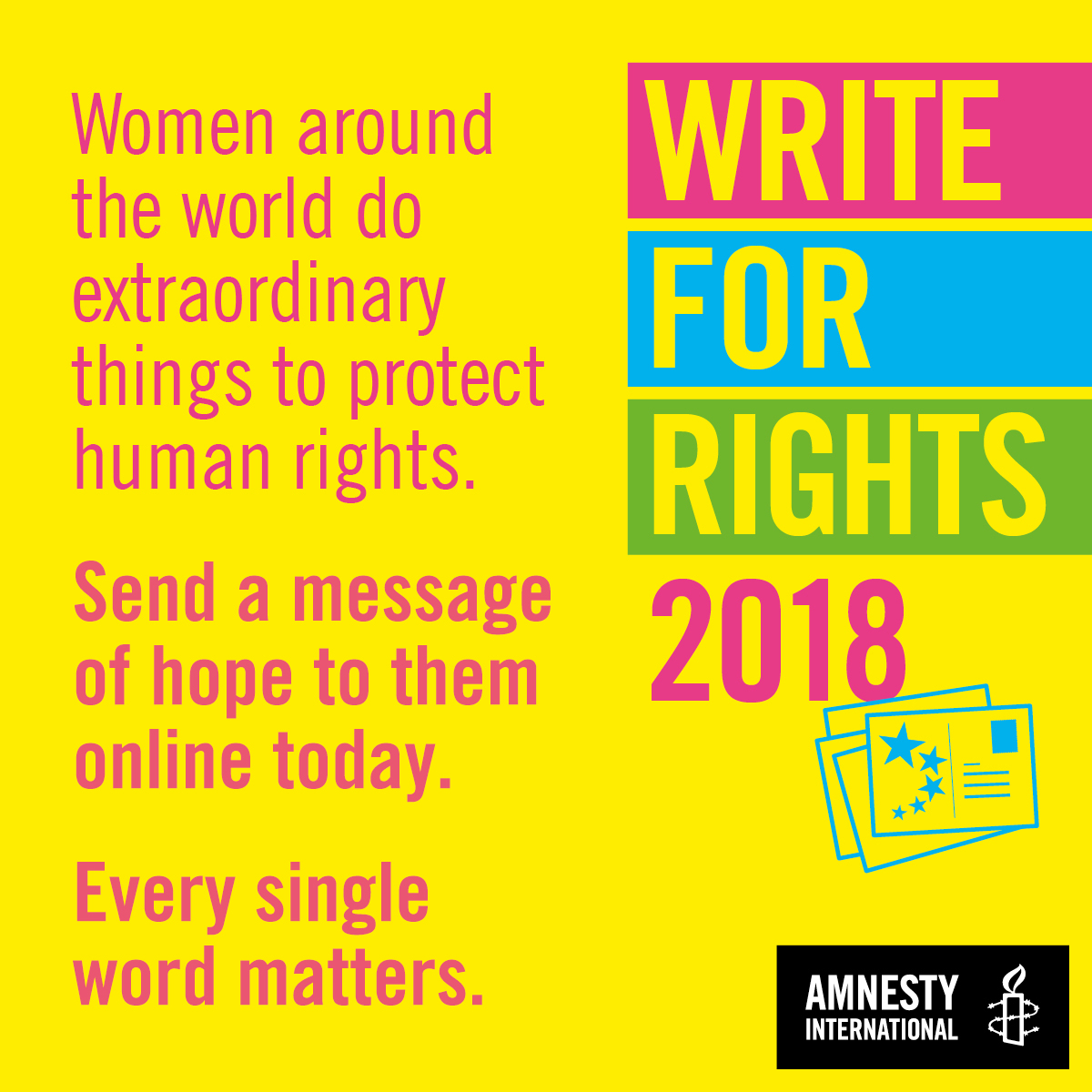
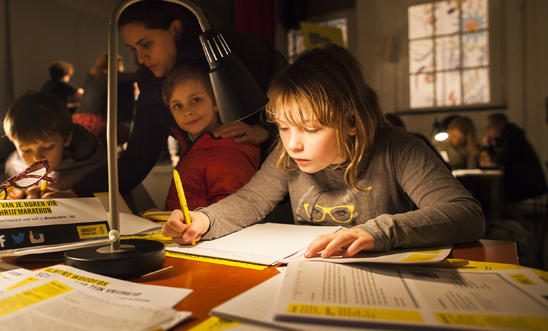
Every year, Amnesty International runs its Write For Rights, a campaign over November and December where it encourages you to write messages of support to people around the world who have suffered injustice, and show you how to support their campaigns for justice. And the yearly campaign seems to work. For last year’s campaign see: https://humanrightsdefenders.blog/2017/12/04/write-for-rights-again-in-december-2017/
There is plenty of material for those who want to support:
Get the campaign booklet Download the campaign booklet (PDF). It introduces you to each case and sets out how you can write to them, and how to write to the authorities on their behalf. This is the main resource for Write For Rights.
Three ways to join in Write For Rights:
1. Write a message of solidarity
This is where Write For Rights began: writing to people who are wrongly punished, to show them that they’re not alone. If writing letters isn’t for you, you can send a message of solidarity online.
2. Write an appeal letter
In a world of petitions, physical post does get noticed! As well as writing to the people suffering human rights abuses, we also ask you to write to the authorities who can bring them justice. All the details of how to write to authorities are in our campaign booklet.
You can download pre-printed ‘appeal’ address labels to make it easier to send multiple letters.