Archive for the 'Human Rights Defenders' Category
EU continues to run a human rights award In the GCC Region
December 10, 2019Sweden charges ex-Ambassador to China over pressure on daughter of Gui Minhai
December 10, 2019Sweden Charges Ex-Ambassador to China Over Secret Meetings
Last month I reported on Sweden standing up to China in giving an award to Gui Minhai [see: https://humanrightsdefenders.blog/2019/11/19/sweden-defies-chinese-threats-after-award-to-book-publisher-gui-minhai/] On 9 December 2019 the New York Times comes with a related story that is quite amazing: the former Ambassador to China, Anna Lindstedt, is accused of arranging unauthorized talks between the daughter of a detained bookseller and two men representing Chinese interests. She has even been charged with “arbitrariness during negotiations with a foreign power”. “In this specific consular matter, she has exceeded her mandate and has therefore rendered herself criminally liable,” Hans Ihrman, the deputy chief public prosecutor for Sweden’s National Security Unit, said in a statement on Monday. Mr. Ihrman said the charge of arbitrariness during negotiations with a foreign power was “unprecedented.” Angela Gui, the daughter of Gui Minhai, said the two Chinese men who had offered to help free Mr. Gui instead pressured her to keep silent.

Credit…Leif R Jansson/TT, via Associated Press
A lawyer for Ms. Lindstedt, Conny Cedermark, said Monday in an email that no crime had been committed. “Arbitrary conduct in negotiation with a foreign power has a series of prerequisites,” he said, and none of them had been met in the case.
Mr. Gui was one of five Hong Kong-based publishers who were abducted and taken to China in 2015 after publishing books that were critical of the Communist Party elite, setting off international condemnation. See also: https://humanrightsdefenders.blog/2016/01/21/confessions-abound-on-chinese-television-first-gui-minhai-and-now-peter-dahlin/
Relations between Sweden and China have been strained since Gui Minhai was kidnapped in 2015, and tensions increased last month when the Swedish office of the writers’ group PEN said that it was awarding a literary prize to Mr. Gui. The prize is given annually to an author or publisher who is persecuted, threatened or living in exile. Three days later, the Chinese Embassy in Stockholm called the prize a “farce” and threatened consequences if members of the Swedish government were to attend the award ceremony. A week later, Amanda Lind, Sweden’s minister of culture, not only attended the ceremony but also awarded the prize, despite warnings from the Chinese ambassador that Ms. Lind and other government officials working in the area of culture would no longer be welcome in China. Late last month, China appeared to follow through on its warning, with SVT reporting that two Swedish films had been banned from screenings in China. Last week, after a seminar in Gothenburg, Sweden, on Swedish-Chinese relations, the Chinese ambassador to Sweden, Gui Congyou, told the newspaper Goteborgs-Posten that China would limit trade with Sweden because of its handling of the Gui Minhai case.
Carter Centre: Human Rights Defenders speak out
December 10, 2019At the occasion of international human rights day 2019, the Carter Center published “Human Rights Defenders: In Their Own Words“, a selection of participants at the 12th Human Rights Defenders Forum in Atlanta [see: https://humanrightsdefenders.blog/2019/10/22/carter-centre-wants-to-preserve-the-stories-of-human-rights-defenders/]:
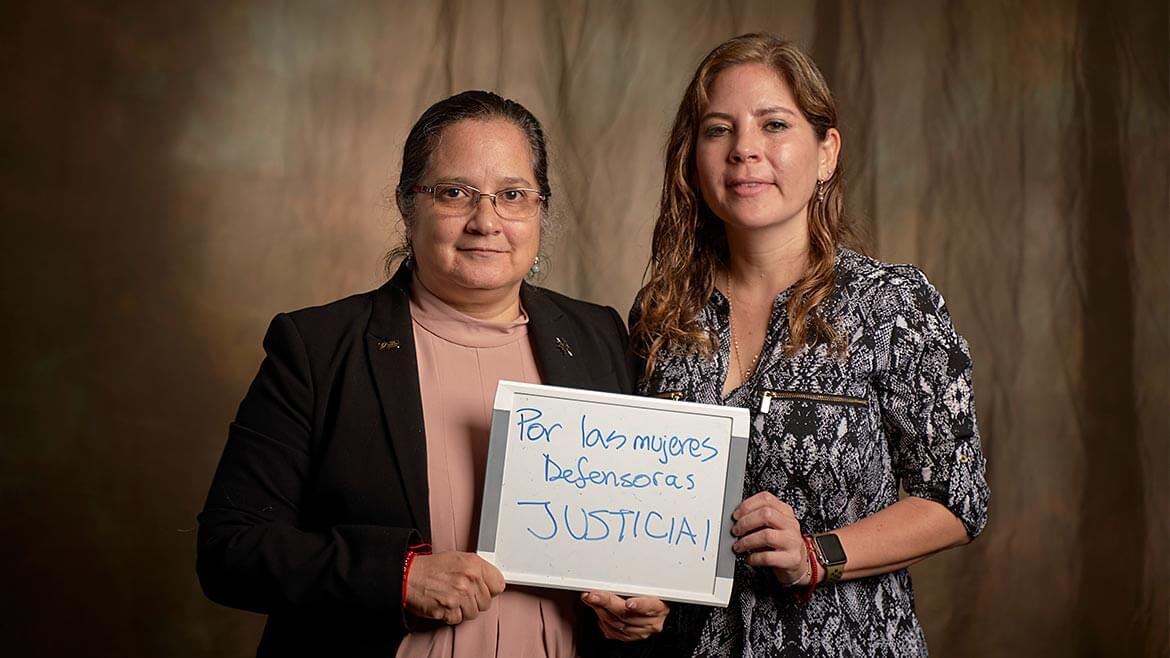
“The right to defend human rights is a right already recognized. We have to be mindful and careful and state clearly that no one should be defamed, persecuted, prosecuted, or killed because they exercise their right to defend rights, regardless of their political position.”
CLAUDIA SAMAYOA
Unidad de Protección a Defensoras y Defensores de Derechos Humanos
Guatemala
and
ALEJANDRA SERRANO PAVÓN
Environmental Law Alliance
Mexico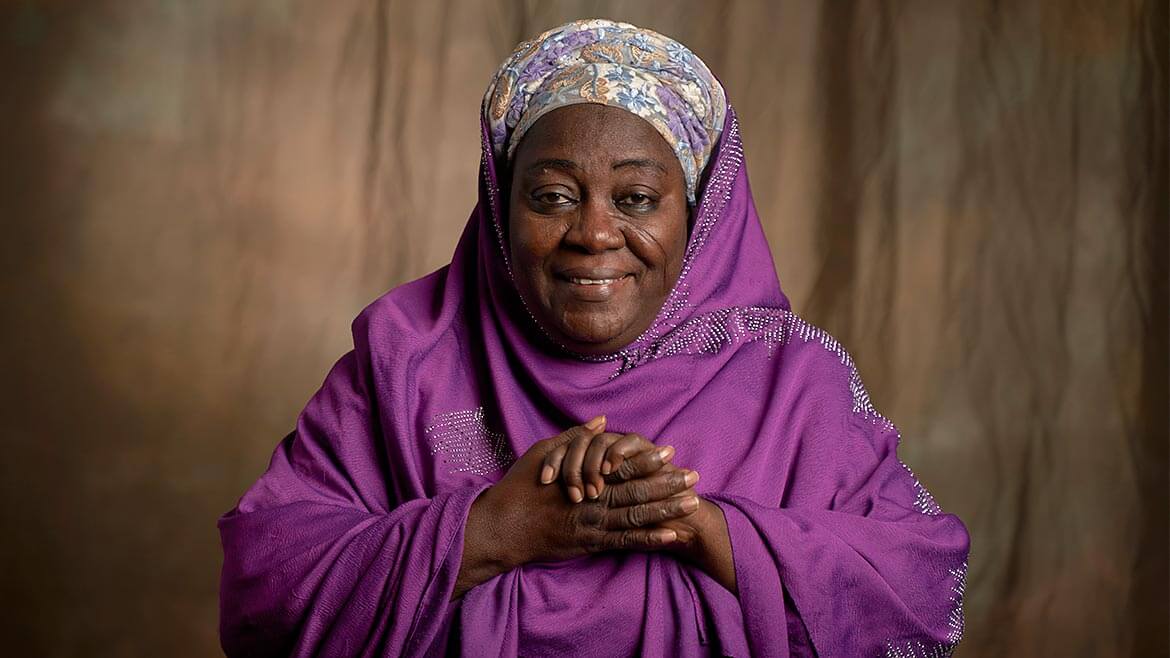
“We believe that if people understand the concept of human rights and are able to apply it to their lives, then there will be more peaceful coexistence. Then government can cut down on the bills for buying arms and ammunitions. Then development can take place because everybody’s living peacefully and they’re able to go about their normal businesses fully.”
HALIMAT JIBRIL
Federation of Muslim Women’s Associations in Nigeria (FOMWAN)
Nigeria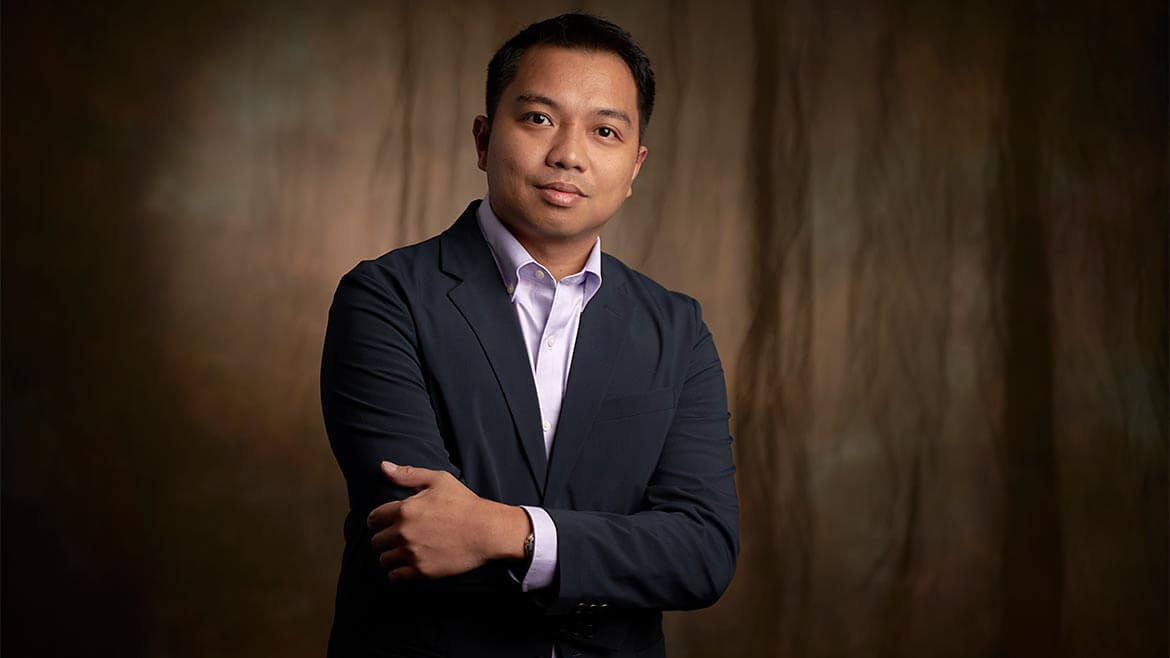
“We have seen the rise of many youth-led movements around the world, and these young protesters are speaking out and standing up not just on the issue of environmental crisis, but also on land rights, on democracy. All of them are using the internet as a tool not just for communication but also for organizing and mobilizing these campaigns. One concrete way we can support youth-led movements is to make sure that these internet tools remain accessible, safe, and truly empowering.”
RAYMOND “MONG” PALATINO
Global Voices
The Philippines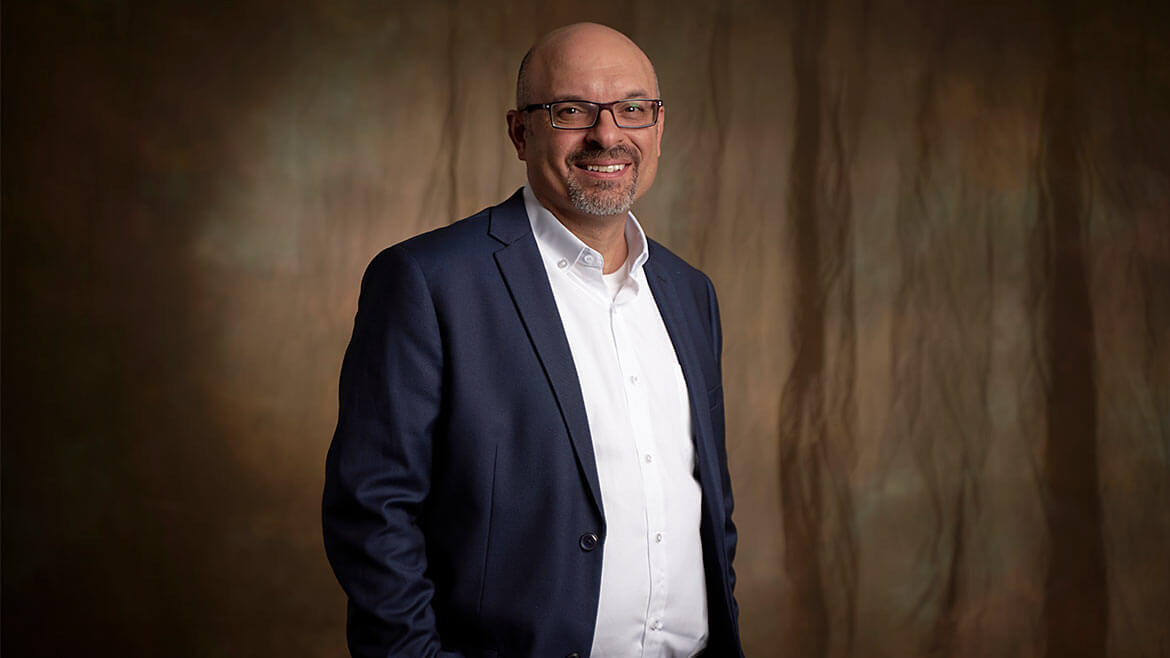
“The Palestinian people, just like all people around the world, are seeking the preservation of life, liberty, and the pursuit of happiness. And when that is undermined in one part of the world, it is undermined everywhere. I feel like the Palestinian situation is just a microcosm of global injustice. If we can solve one, we can solve the other. But big problems require collective minds.”
WESAM AHMAD
Al-Haq
Palestine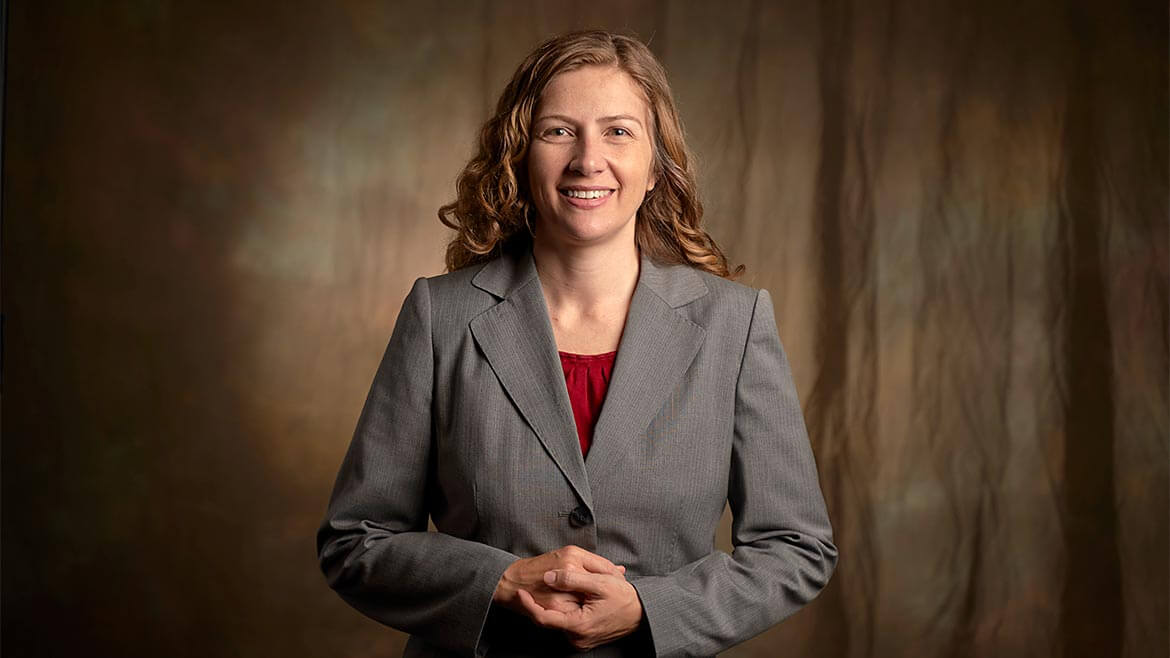
“Every time that we’ve had significant change in our country, religion has been at the heart of it. It’s been part of what motivates people. It speaks to our values. To neglect religion in thinking about human rights would be to neglect a huge part of the resources that we have in taking on the injustices we face.”
COLLEEN WESSEL-MCCOY
Kairos Center for Religions, Rights, and Social Justice
United States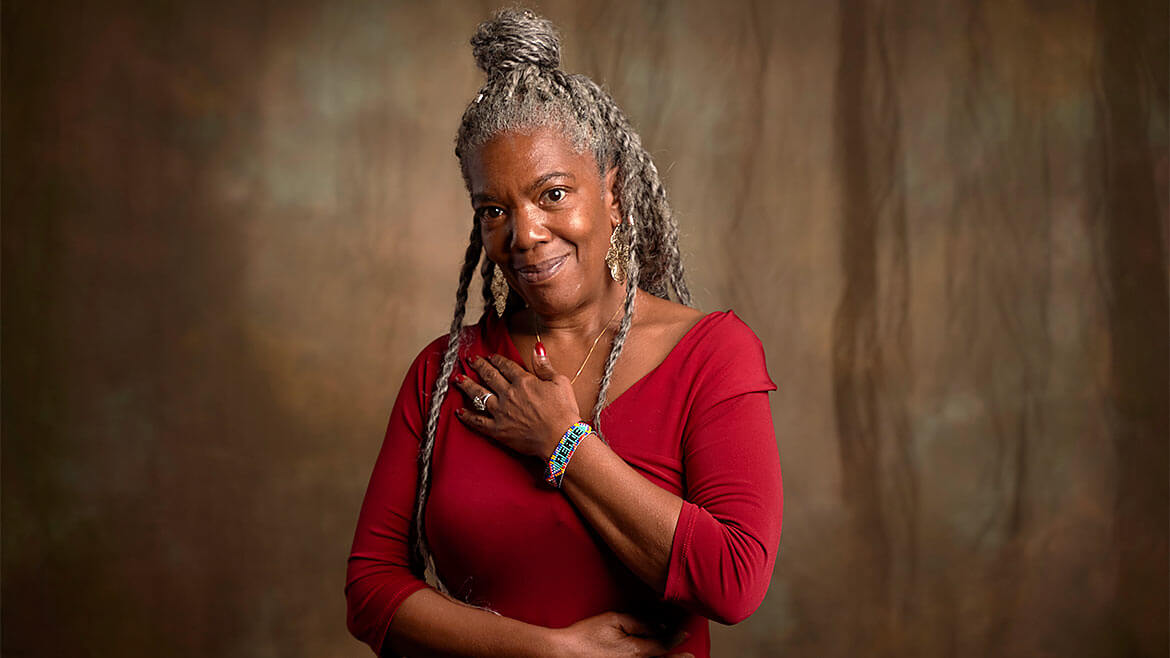
“Solidarity is not about ‘me’; it’s about ‘we.’ It’s about just being there – not being ahead of somebody or behind somebody, but standing with them.”
STACEY HOPKINS
Activist
United States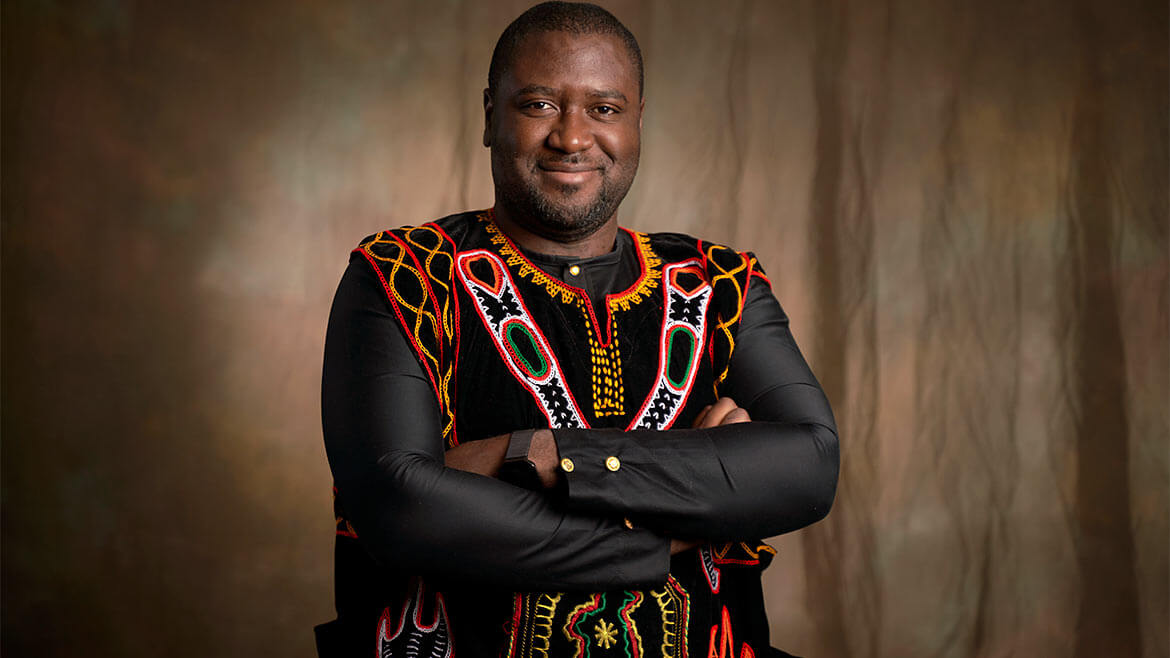
“The relationship we build between people is the greatest wealth we can have. It is beyond money. It goes beyond what you have in your bank account. When you have a good relationship with the people – your friends, your family, your colleagues – that is a good foundation to build a country.”
HALIDOU NGAPNA
Carter Center Human Rights House
Democratic Republic of Congo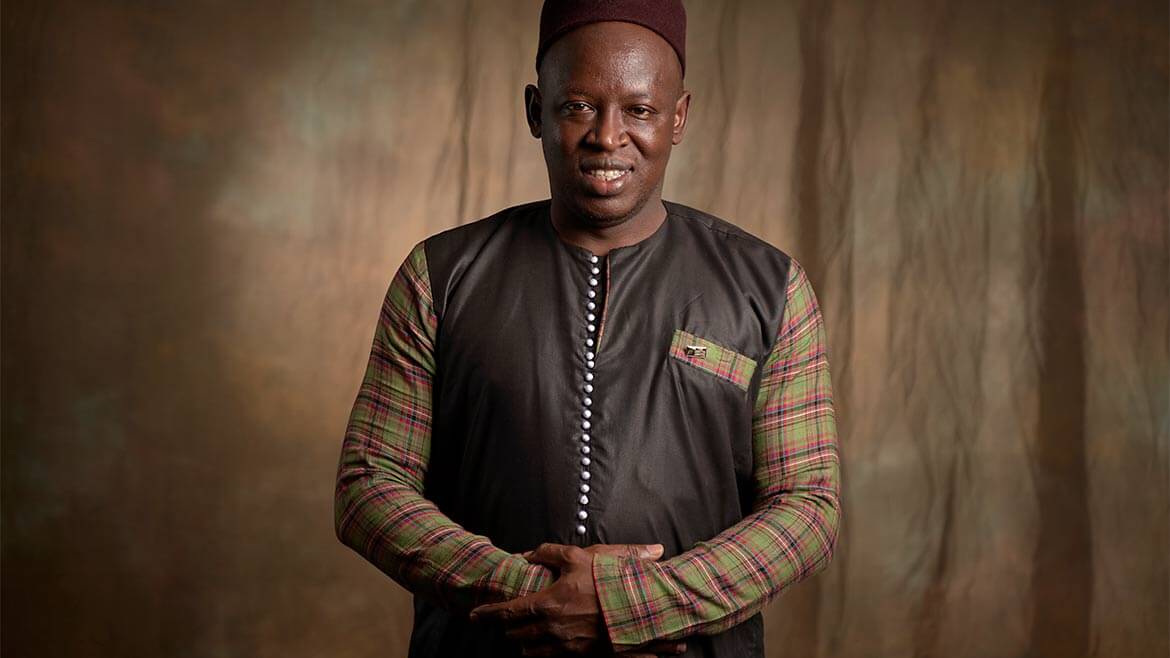
“In 1996, we embedded human rights into our three-year program. Immediately, we started seeing change. It was like a revolution. Community members started coming out and promoting their own rights, started talking about their responsibilities. This was possible because we talked about all the aspects of human rights – economic rights, cultural rights, political rights, and civil rights. After people understood human rights, we started seeing changes in deeply rooted cultural practices, including female genital cutting and child marriage. They started having dialogues around gender-based violence against women and girls. Women started taking political positions, because they now understood they have the right to vote, and the right to be elected. Things started changing.”
GODFREY OCHIENG OKUMU
Tostan International
Senegal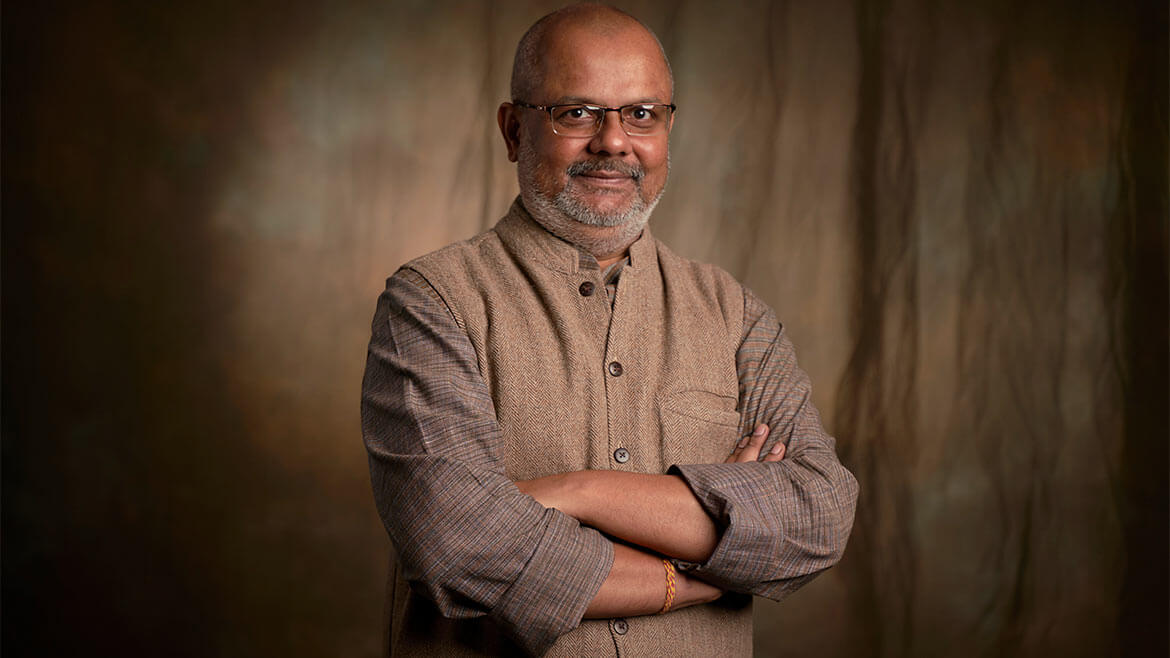
“If you’re not indifferent, the world will be different. Challenging our own indifferences is extremely important.”
RAMESH SHARMA
Ekta Parishad
India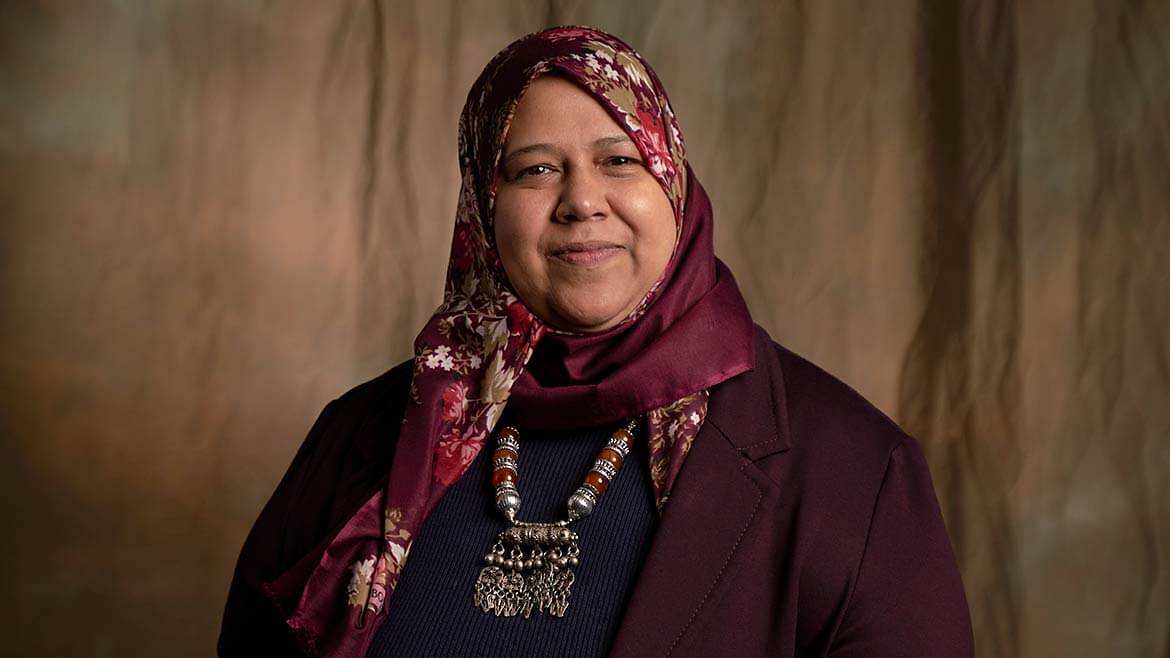
“In 2015, our lives began to change completely. We lost our jobs; we lost our homes; we lost our country; we lost our dignity. But we did not lose hope, and we will never lose hope.”
MUNA LUQMAN
Food4Humanity
Yemen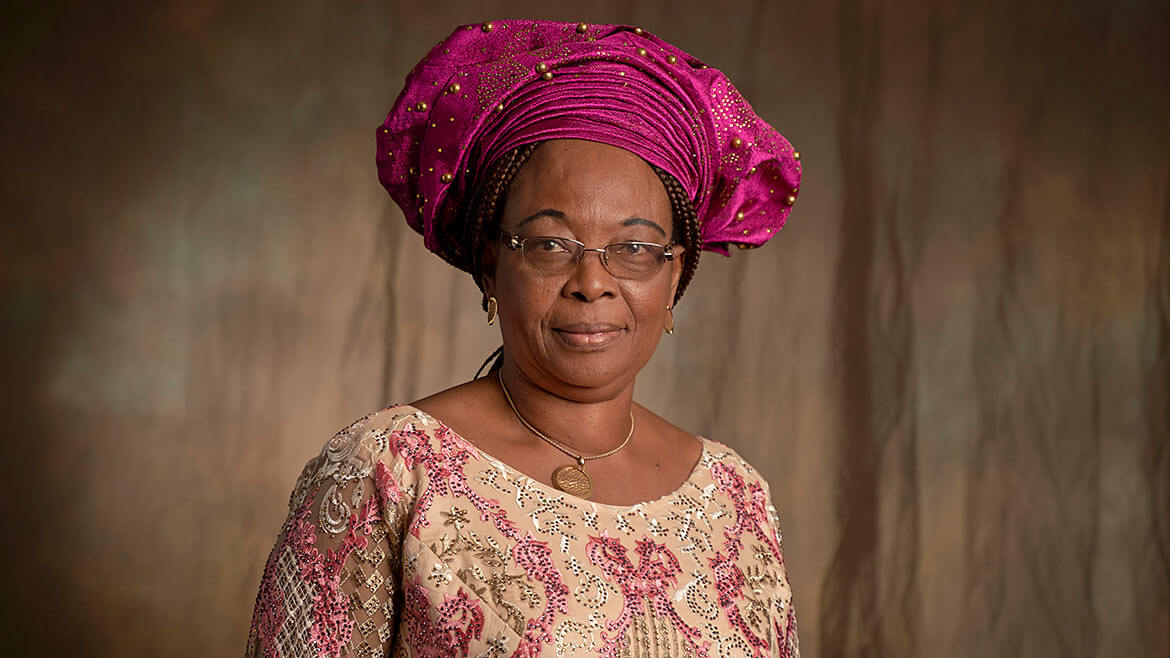
“The motto of our organization is taken from John 17:21, which says, ‘That all of them may be one.’ If all should be one, there should be no violence, there should be no quarrel, there should be no killing. For all of us to be one, there must be love. There must be peace. There must be unity. And there must be togetherness.”
VICTORIA BOLANLE IHESIULOR
Christian Association of Nigeria, Women’s Wing
Nigeriahttps://www.cartercenter.org/news/features/p/human_rights/hrdf-in-their-own-words.html
Andrew Gilmour in the Financial Times about reprisals
December 10, 2019On the occasion of International Human Rights Day 2019, Andrew Gilmour – the UN assistant secretary-general for human rights – wrote an opinion piece in the Financial Times stressing that the UN must protect human rights defenders from government reprisals against them….
Within the global movement, it’s widely accepted that the onslaught on the human rights agenda is more ferocious now than ever before. ……..We estimate that, around the world, several hundred people have been punished for co-operating with the UN since 2016 when I was assigned responsibility for dealing with this issue. Reprisals can take many forms — I’ve been presented with countless stories of travel restriction, threats from security agents, internet abuse, arrest, imprisonment and even torture, rape, disappearance and killing. The aim is punishment and/or deterrence. And it often works. Despite the staggering courage of many human rights defenders, who persist in exposing violations notwithstanding their knowledge of the likely consequences, others understandably self-censor their actions and words.
For his annual report see: https://humanrightsdefenders.blog/2019/09/23/andrew-gilmours-2019-report-on-reprisals-it-gets-worse-but-response-remains-mostly-rhetoric/
…..Even though reprisals appear to be on the rise, however, there are grounds for optimism. More countries now take the issue seriously. They condemn such acts and warn against the scope of the problem, which many recognise has an impact on the global discourse on any matter related to human rights — development, the environment, protection of civilians in conflict settings and even preventing terrorism. When people are cowed into silence, governments and inter-governmental organisations are deprived of the full picture, and that makes their actions in any of these spheres less effective. Increased awareness that there is a growing problem with intimidation and reprisals against human rights defenders is vital. But so is the courage to speak out on behalf of the victims of such actions, even if the perpetrators are hugely powerful, such as the Chinese authorities, whose efforts to silence almost anyone from speaking out are often draconian and can extend even into UN headquarters. There are many brave people who are ready to withstand the threats of their own governments and provide information to the UN, even when the price for doing so can be horrific. Surely everyone at the world body, starting with its member states, has a moral obligation to show at least a fraction of that courage and speak up in defence of those beleaguered front-line defenders. Such is the nature of the governments that carry out most reprisals that only a firm international response of solidarity can have any chance of halting this ominous trend.
For some of my other posts on reprisals see: https://humanrightsdefenders.blog/tag/reprisals/
—-
https://www.ft.com/content/e339fe22-1a66-11ea-81f0-0c253907d3e0
Rare: involvement by a UK bank in the Write for Rights campaign
December 9, 2019
The Co-operative Bank Picture: Rui Vieira/PA Wire
of York Press reports that the YORK branch of a nationwide bank is supporting the annual Write for Rights campaign. The Co-Operative Bank is encouraging colleagues and customers to write letters of support for people facing injustice, here in the UK and around the world. Helen Naylor, branch manager in York, will be running an awareness event. The branch has chosen to highlight three issues to support, climate change, migrant women and young trans-people in the UK. There will also be a representative from the local Amnesty International group to support customers. The event will take place on December 10 from 10am-2pm at the Co-Operative Bank York branch in Feasegate. See also: https://humanrightsdefenders.blog/2019/11/18/amnestys-write-for-rights-campaign-2019-launched-today-focuses-on-youth-activists/
Daughter’s murder motivated Norma Ledezma to hunt for Mexico’s disappeared
December 5, 2019The former factory worker, who left school at 11 but has completed a law degree since becoming a campaigner and founded her organization Justice for our Daughters in 2002. She succeeded in getting the government to name a justice center for women was named after Paloma, who was 16 when she went missing. She has also helped locate some victims alive, including several who were being trafficked. Most, however, are never found.
…Collectives of mothers who have lost children have scoured the Mexican countryside armed with shovels following tips of where mass graves might hold their loved ones. About one in four of those listed as missing are women, though the government said earlier this year it was reviewing the data. Ledezma said the government had no strategy to fix the issue. The government did not immediately respond to a request for comment. Earlier this year it said it would allow the United Nations to review reports on cases of disappearances.When her body was found, authorities did not run DNA tests on her, instead relying on clothing samples and the color of her nail polish. Ledezma could not bring herself to go into the room where her body lay. It was on the day of Paloma’s funeral that Ledezma decided to help those who seek justice for similar cases and she has pressed on despite threats from organized criminals. “I haven’t left the country because I have a debt to my daughter… I’ll be here until the last day”, she said.
Save the date: 14 January 2020 Webinar on protection of human rights defenders in development
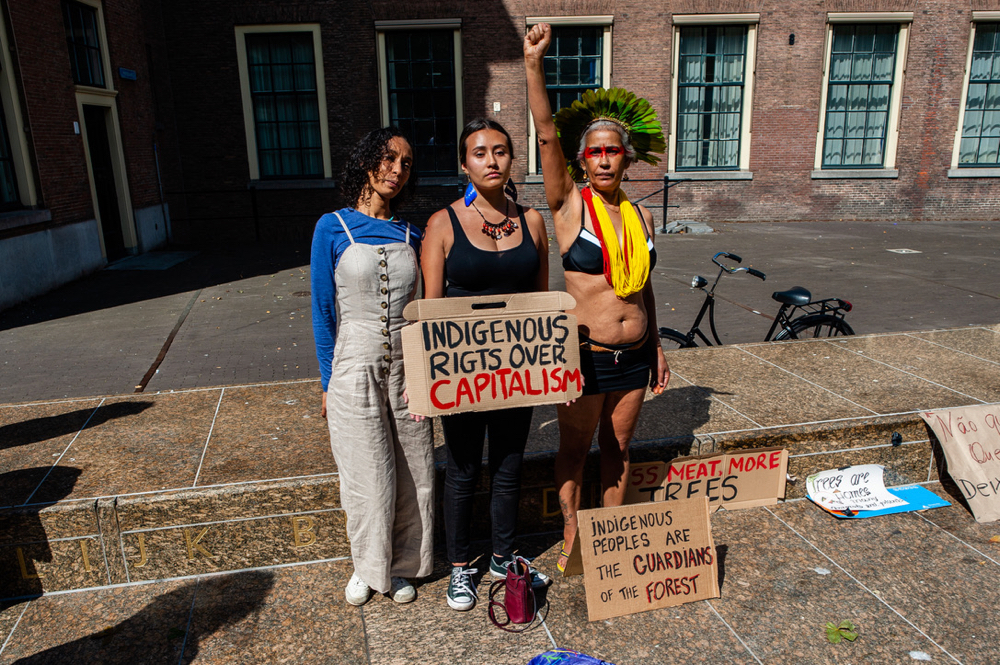
December 1, 2019The Human Rights Funders Network announces a WEBINAR: “Uncalculated Risks: How funders can address threats to human rights defenders in development” to be held on 14 January 2020.
Behrouz Boochani gives interview in New Zealand – finally out of Manus island
December 1, 2019
On 28 November, 2019 Sally Blundel inteviewed Iranian asylum seeker Behrouz Boochani. The award winning refugee [see: https://humanrightsdefenders.blog/2019/02/04/manus-island-detainee-behrouz-boochani-wins-major-literary-prize-putting-more-pressure-on-detention-policy/] was invited to New Zealand. Where he will be after his month-long visa expires, he cannot say, but he will still write, he says, this time a novel. “Because literature has the power to give us freedom. Because through literature we can challenge the power structure.”
In a quiet suburban Christchurch garden, Kurdish-Iranian journalist, writer, poet and film-maker Behrouz Boochani, cigarette in hand, paces out three large steps. “We lived in a very small room, from here to here, four of us. On Manus you didn’t have privacy or space. Finding the time and quiet to write was the hardest thing.”
But find time he did, to write poems and articles, film a documentary on a smartphone and tap out an entire book, furtively sent paragraph by paragraph via What’sApp text messages, chronicling the squalid conditions, medical neglect, mental anguish, suicide, even murder, experienced by asylum seekers held on Manus Island under Australia’s “stop the boats” policy.
It is six years since Boochani was pulled from a sinking boat just days out of Indonesia and taken to Australia’s “offshore processing centre” on Manus Island, Papua New Guinea. It is just over a week since he left Port Moresby to fly to Auckland, taking a route that avoided Australia, to speak at Christchurch’s WORD book festival as a free man. “I got my freedom through literature,” he says.
Boochani knows the power of words. As a journalist in Iran in 2013, he reported on the arrest and detention of his colleagues on Kurdish-language magazine Werya in Ilam, north-west Iran. His fellow journalists were eventually released – they attributed their survival to Boochani’s article – but by then he was in danger. He fled, travelling through South-east Asia to Indonesia where, in July that year, he was among a group of 75 men, women and children who boarded an unseaworthy boat heading for Australia. The vessel’s bilge pump failed in rough seas. When rescued by the Royal Australian Navy, Boochani requested asylum under the 1951 Convention Relating to the Status of Refugees, to which Australia is a party. Instead, he and his fellow asylum seekers were incarcerated on Christmas Island before being transferred to the Manus Island detention centre as part of Australia’s “Pacific Solution II”.
………To write his book, he adopted a new routine, sleeping from 6pm until 11pm when everyone was too busy to note his absence. From 11pm, he would write under the blankets until 8am, then sleep until noon. In 2016, after the PNG Supreme Court declared the indefinite detention of asylum seekers to be unlawful, phones were no longer prohibited. Each night, he would sit outside, smoking, writing, absorbing as much of the natural environment as he could from his side of the prison fence. “For the prisoner who is alone, nature is so important,” he says. “Always, it is a place you can escape to – even the sky, they cannot take the sky away. But it is very harsh to look up at the many birds flying and knowing you cannot follow them.”
….
“If someone asked me to write this book again, of course I am able to write it, but I could not write it this way. When I describe starving, I was starving. When I describe the characters, those people were around me in prison. It is the same with the feelings. In that camp people rely on each other; there’s a culture of brotherhood because there is no space, but there’s also a kind of hatred because you are so tired of having so many other people around you. I have lost those feelings now, but in prison they were true feelings.”

Through articles sent to the Guardian, the Sydney Morning Herald, the Refugees Action Collective and the United Nations, and the support of a global network of writers, translators, academics and activists, including Australia’s Janet Galbraith, founder of online project Writing Through Fences, Boochani refused to let the thousands of asylum seekers sent to Manus Island and Nauru fade from public gaze. In 2017, the UN High Commissioner for Human Rights described Australia’s offshore processing centres as “unsustainable, inhumane and contrary to human rights” (New Zealand’s offers under National first, then Labour, to settle at least 150 detainees were rejected by successive Australian prime ministers).
……
Plea for release
But within the camp the book also drew attention to Boochani himself. This year, the Media, Entertainment and Arts Alliance, the union for Australia’s creative professionals, sent an open letter to the Government of Scott Morrison urging Boochani’s release. Signed by prominent journalists and writers, including Tom Keneally Helen Garner, Christos Tsiolkas, Kate Grenville and Nobel laureate JM Coetzee, it said, “We are deeply concerned for Behrouz Boochani’s welfare and safety. The success of his book and his status as a journalist have made him a target of the Manus authorities; a danger that has only increased with his rising profile.”
In June, WORD Christchurch programme director Rachael King invited Boochani to speak at a special festival event. Especially after the city’s March 15 mosque shootings, she explained, “it felt important to share the stories of refugees”.
With help from author Lloyd Jones, whose recent book The Cage is itself a dark parable about the human capacity for inhumanity, she was able to email her invitation directly to Boochani. Boochani was receptive to the idea. By then he was one of more than 300 people moved from Manus Island to Port Moresby. He was hoping to be part of Australia’s “refugee swap” deal with the US (he was later accepted for this programme), but he wanted to wait until the Manus Island camp was finally closed.
“It would have been immoral for me to leave those people in Manus, to create a platform and have this privilege and this recognition, because it is about all our resistance – it was not only for me.”
In October, Australia’s Home Affairs Minister, Peter Dutton, told Parliament “we’ve completely closed” the Manus Island facility. By then, only three asylum seekers were left on the island. The remaining detainees still in Papua New Guinea were in Port Moresby, including a reported 46 held in Bomana Prison.
Listen to Behrouz Boochani in conversation at WORD Christchurch with broadcaster John Campbell.
New Amnesty report: Governments failing women human rights defenders
December 1, 2019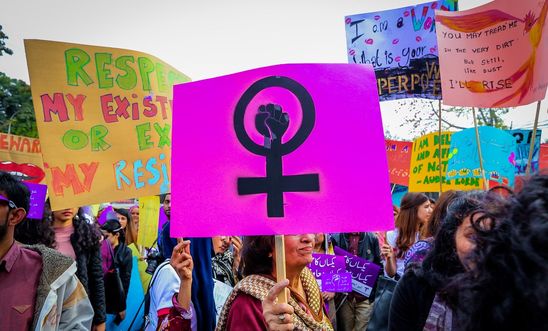
Women in Lahore, Pakistan, march to mark International Women’s Day 2019 © Ema Anis for Amnesty International
Governments around the world are failing to protect women human rights defenders from increasing attacks, Amnesty International said on 29 November 2019, International Women Human Rights Defenders Day. In a new report – “Challenging power, fighting discrimination” – based on interviews with 23 activists across 21 countries, Amnesty highlights how women human rights defenders continue to be assaulted, threatened, intimidated, criminalised and even killed for their campaigning.
Kumi Naidoo, Amnesty International’s Secretary General, said: “Women human rights defenders are attacked because of who they are and what they do. The risks are even greater for those facing intersecting forms of discrimination: if you are a woman and from a racial minority, indigenous, poor, lesbian, bisexual, trans, or a sex worker, you have to fight so much harder to have your voice heard by those in power…All over the world, women human rights defenders are speaking out against injustice, abuse and discrimination, often because they have experienced it first-hand…..They are central to human progress: they fight for human rights and against patriarchy and racism, while pushing for ground-breaking reforms on so many fronts. Governments must live up to their commitment to ensure these activists can operate freely and safely.”
In recent years, campaigners working on the rights of women, LGBTI people and other marginalised groups have come under growing pressure from politicians, religious leaders and violent groups. Women campaigning on these issues tend to be the first to be targeted in increasingly frequent backlashes against a more inclusive, fairer world.
Sexual violence
The report highlights several cases in which violence, including sexual violence as a form of torture, was used against women human rights defenders to silence them. In Bahrain, Ebtisam El-Saegh, an activist with the human rights organisation SALAM for Democracy and Human Rights, was sexually assaulted, badly beaten, kicked in the stomach and kept standing for most of the seven hours she was being interrogated while in detention in 2017. El-Saegh told Amnesty: “I was threatened that they would harm my family and that they would bring my husband and torture and electrocute him. The men told me ‘no one can protect you’.”
In Egypt, Malak al-Kashef, a 19-year-old transgender woman human rights defender was arrested in March this year following her involvement in peaceful protests in Cairo. She faced trumped-up charges of ‘aiding a terrorist organisation’ and ‘misusing social media to commit a crime punishable by law.’ While in detention, she was subjected to a forced anal examination and other forms of sexual assault. Even though she was undergoing gender affirming treatment, Malak was placed in an all-male detention facility which put her at increased risk of sexual violence. She was eventually released in July this year.
Smear campaigns
Women activists are often subjected to smear campaigns which vilify their “deviant behaviour” and are designed to fuel hostility against them. After rescuing migrants from the central Mediterranean Sea in June 2019, Carola Rackete, the Italian captain of the rescue boat Sea-Watch 3, was repeatedly insulted by the Italian Minister of Interior who called her a pirate and a criminal. His slurs were followed by vicious verbal attacks by others who incited sexual violence against her while also targeting her gender and appearance.
In Mauritania, Mekfoula Brahim, a woman human rights defender who has campaigned for an end to female genital mutilation, was branded an apostate in 2016 Facebook posts after defending a blogger sentenced to death for criticising those who use religion to discriminate against minorities. The slur exposed her to the risk of being prosecuted and sentenced to death.
 Hans Thoolen on Human Rights Defenders and their awards