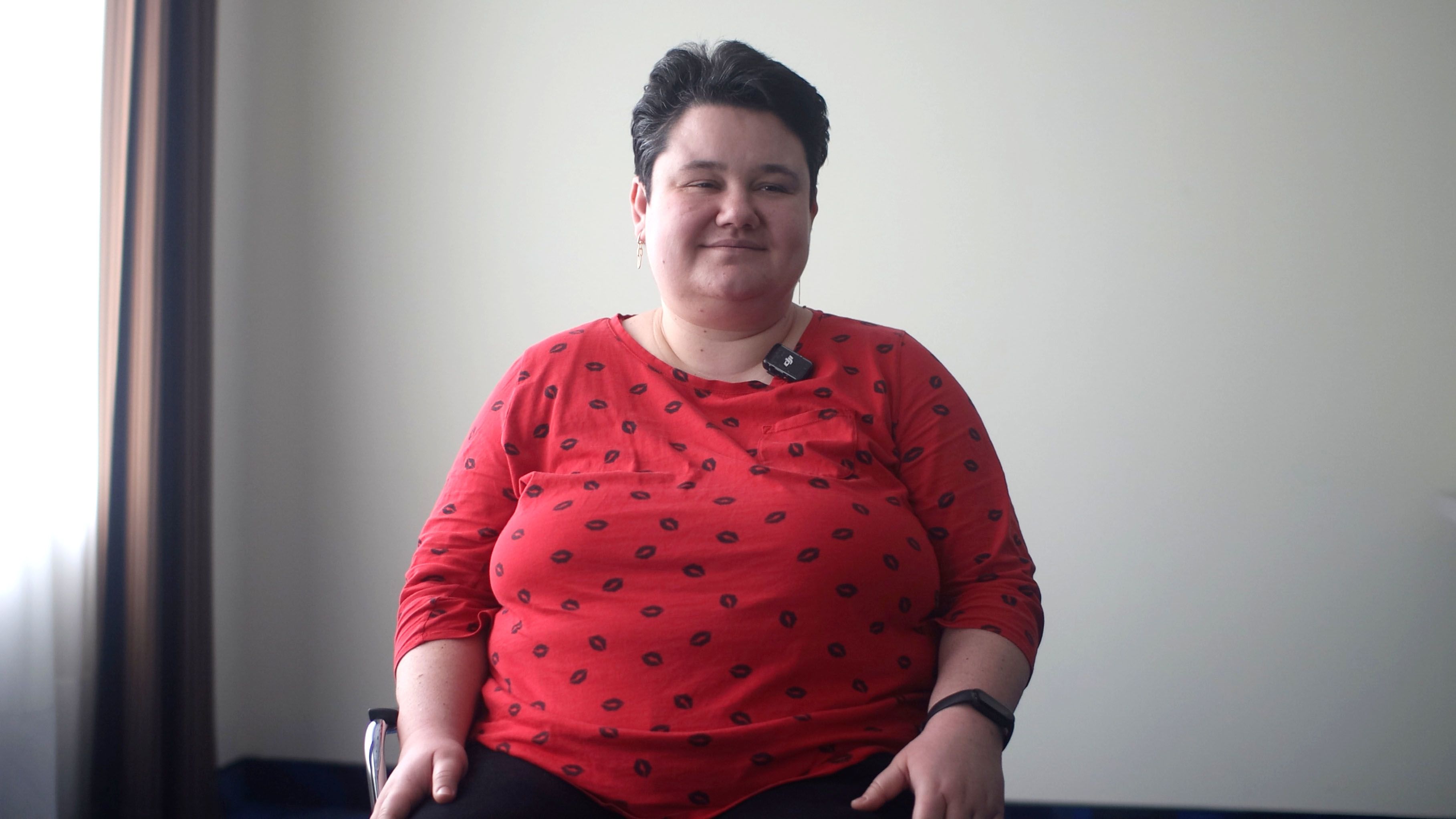
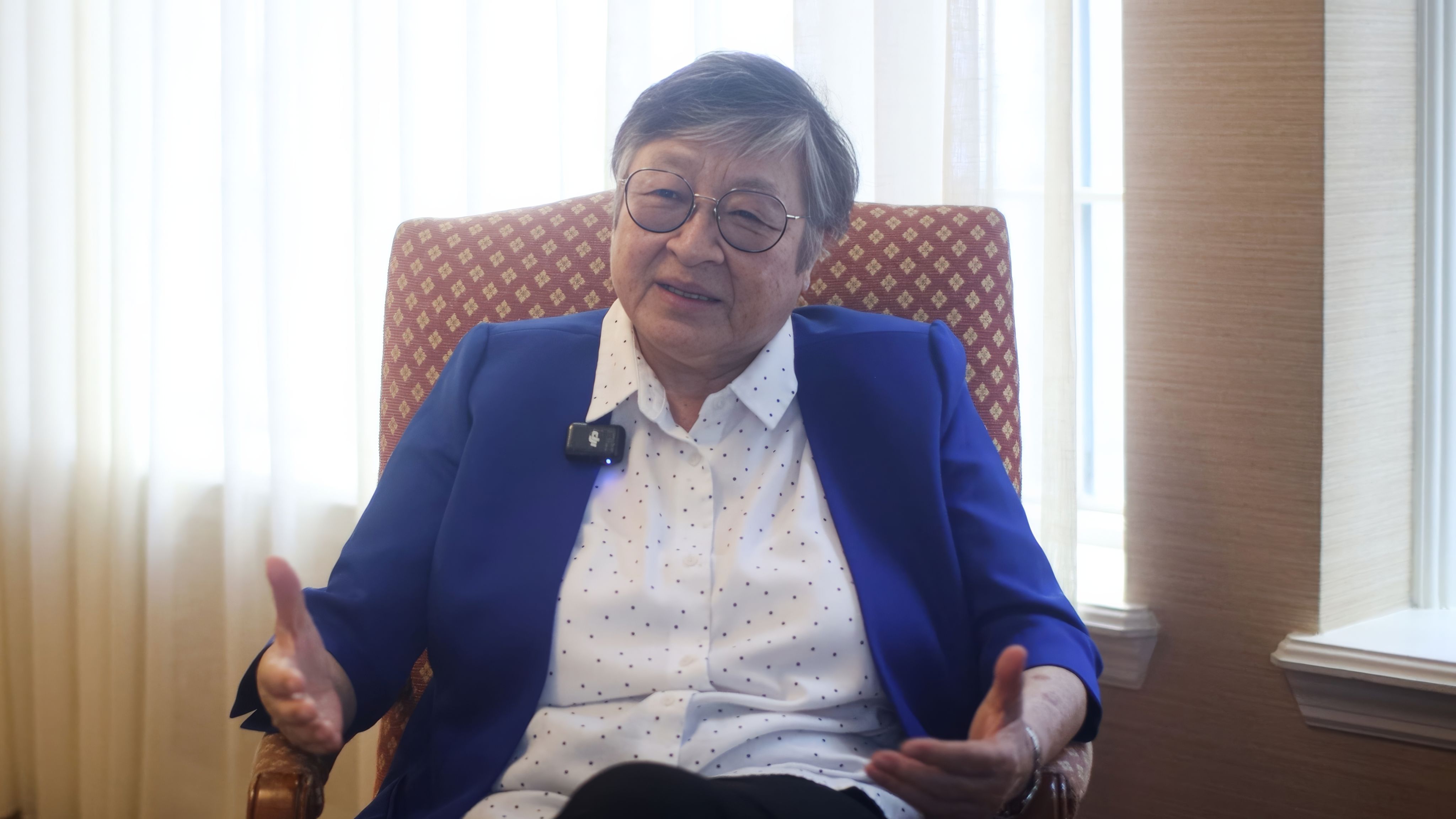
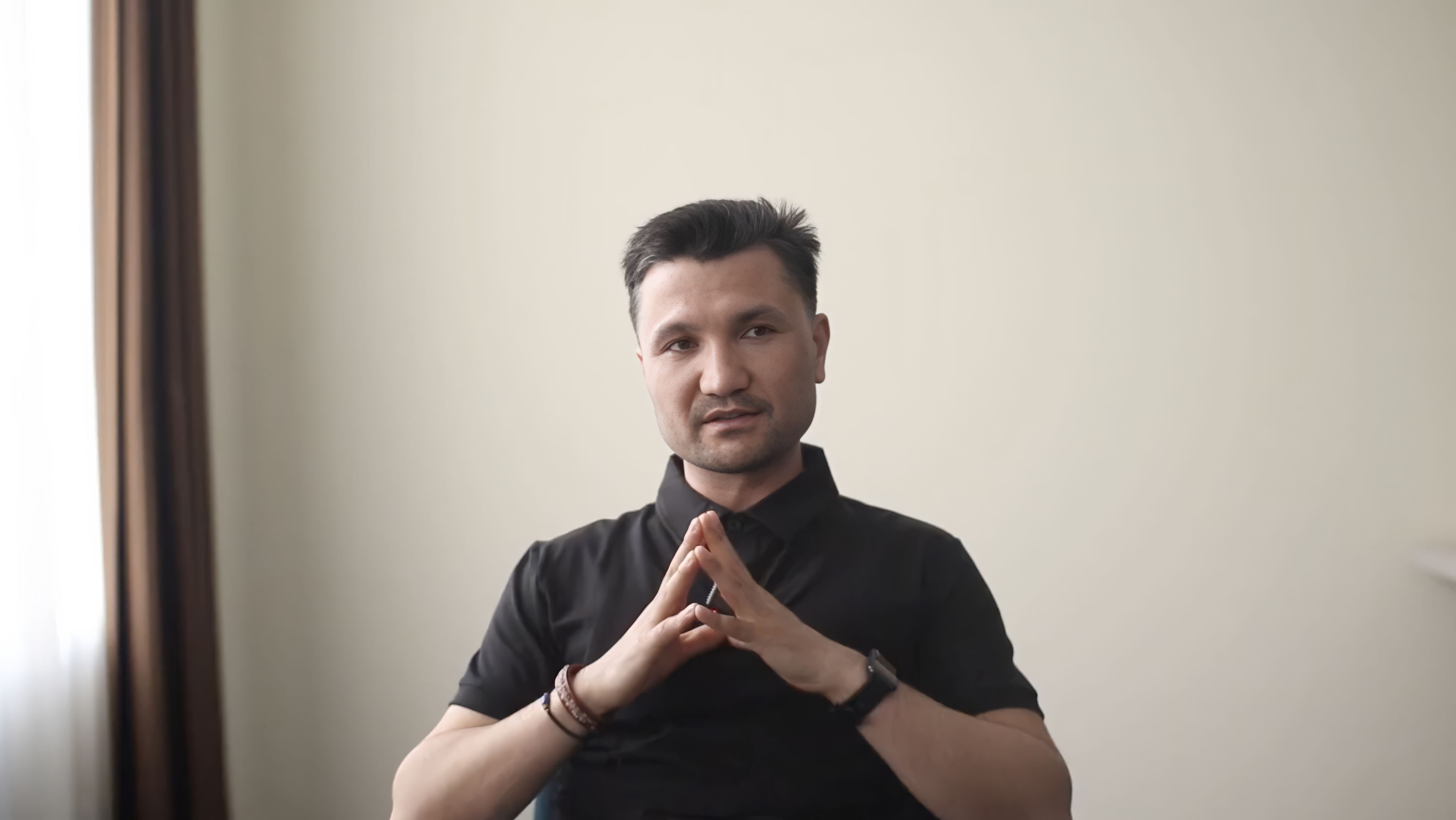
Nathalia Bonilla is an environmental human rights defender from Ecuador who works in the protection of the rights of Nature. She told ISHR about her country’s sharp policy turn in favour of extractive activities and spoke about the ‘utopia’ she and her peers would like to see in its place. ‘A revolution where you can’t dance is not my revolution,’ Nathalia said, in arguing for an ‘environmentalism for the people’.
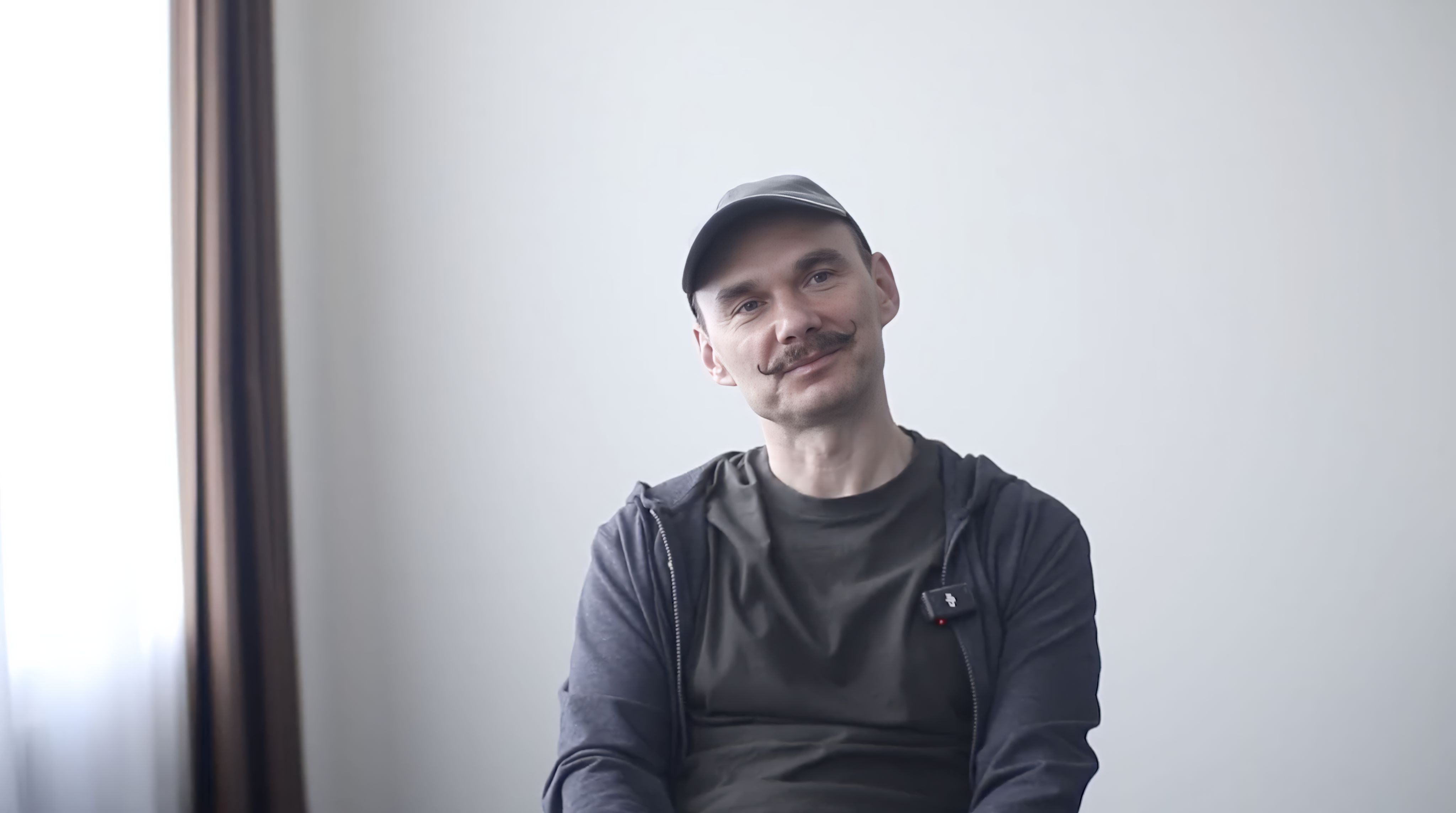
Jawad Fairooz is a Bahraini human rights defender, Founder of OMCT’s SOS-Torture Network member organisation SALAM for Democracy and Human Rights. He is also a former Member of the Bahraini Council of Representatives, currently living in exile after years of persecution by the authorities, including detention, torture, and the revocation of his nationality. In Bahrain, severe restrictions on civic space persist alongside widespread impunity and ongoing allegations of torture. As the UN Committee Against Torture reviews Bahrain’s record, Jawad Fairooz reflects on the human rights climate in the country, the personal cost of his advocacy, and the urgent need for accountability, drawing on his experience and the findings highlighted by OMCT and partners’ Global Torture Index.Since the crackdown on the Arab Spring protests in 2011, Bahrain has been marked by grave human rights violations. .. More than 435 people have had their nationality revoked [see also: https://humanrightsdefenders.blog/2018/02/25/i-am-bahraini-website-launched-in-effort-to-stop-denationalizations/], and over 300 prisoners of conscience remain behind bars, including opposition leaders. Freedom of speech and assembly are criminalised, torture has not been systematically banned, and political and civil rights continue to be restricted. The core violations that began years ago are still continuing today.
What has been the cost of your advocacy in Bahrain?
From the moment I became active in public life, I knew there would be a high price to pay. In 2004, while leading a large protest against the US invasion of Iraq, I was shot in the head with a live bullet. Since then, I have been targeted repeatedly through detention, torture, and eventually the revocation of my nationality.
The Global Torture Index classifies Bahrain as facing a “very high risk” of torture. Why?
Torture is not taken seriously by the authorities. There are no accountability and no clear mechanism to hold senior officials responsible. Victims are denied remedies, redress, and rehabilitation. Even after release, former detainees struggle to regain basic civil and political rights. They face obstacles in obtaining employment, housing, and other services. International recommendations from bodies such as the UN Committee Against Torture have not been implemented. There have been no meaningful legal amendments to fully prohibit torture or establish independent investigations. Semi-government institutions lack independence and cannot be trusted to address these abuses. All of this shows a clear lack of political will.
What are the main obstacles facing survivors of torture when seeking justice?
The government focuses on public relations rather than real reform. Institutions like the National Institution for Human Rights, the Special Investigation Unit, and other bodies exist, but they are not independent. Cases referred to them rarely result in accountability or fair trials. Victims consistently report that justice is denied. Torture has evolved from overt physical abuse to psychological and “soft” methods, including deprivation of rights, travel bans, revocation of nationality, deportation, and denial of documents and services. These practices show that torture continues in different forms, and the authorities are not serious about ending it at its roots…
You have been in exile. How do defenders continue their work despite reprisals?
Human rights defenders in exile pay a heavy price. Many are banned from entering Bahrain or face fabricated cases, Interpol notices, travel restrictions, and harassment of their families. Smear campaigns label activists as terrorists or foreign agents. Despite this, defenders continue out of belief in the cause and responsibility toward victims. It is extremely difficult, but repression cannot last forever, especially under international scrutiny.
What gives you hope to continue your work?
Silence only strengthens repression. The resilience of victims and their families gives me hope. Standing with them is a moral and spiritual duty. I believe oppression has a short life, and that by continuing this work, we help ensure that future generations do not inherit a reality of torture, executions, statelessness, and detention.
Nathalia Bonilla is an environmental human rights defender from Ecuador who works in the protection of the rights of Nature. She told ISHR about her country’s sharp policy turn in favour of extractive activities and spoke about the ‘utopia’ she and her peers would like to see in its place. ‘A revolution where you can’t dance is not my revolution,’ Nathalia said, in arguing for an ‘environmentalism for the people’.
Chinese authorities harassed several dozen Chinese film directors and producers, as well as their families in China, causing them to pull films from the inaugural IndieChina Film Festival in New York City. On November 6, 2025, the festival’s organizer, Zhu Riku, announced that the film festival, scheduled for November 8-15, had been “suspended.”
“The Chinese government reached around the globe to shut down a film festival in New York City,” said Yalkun Uluyol, China researcher at Human Rights Watch. “This latest act of transnational repression demonstrates the Chinese government’s aim to control what the world sees and learns about China.”
Chiang Seeta, a Chinese artist and activist, reported that nearly all participating directors in China faced intimidation. Even directors abroad, including those who are not Chinese nationals, reported that their relatives and friends in China were receiving threatening calls from police, said Chiang.
On November 1, the organizers issued an announcement on social media saying they had received messages from some film directors and producers and their families about Chinese government harassment: “We are deeply concerned about the situation. … [I]f you are under pressure not to attend the festival … we fully understand and respect it.” By November 4, more than two-thirds of participating films had cancelled their screenings.
After the festival was suspended, Zhu issued a statement that the decision was not out of fear, but rather to “stop harassment of … directors, guests, former staff, and volunteers associated with the festival, including my friends and family.”
Independent film festivals in China have faced intensifying crackdowns over the past decade, Human Rights Watch said. The Chinese authorities have shut down all three major independent film festivals in China: Yunfest, founded in 2003; the China Independent Film Festival, founded in 2003; and Beijing Independent Film Festival, founded in 2006.
When the authorities shut down the last screening of the Beijing Independent Film Festival in 2014, they cut off electricity from the venue, confiscated documents from the organizer’s office, and forced the organizers to sign a paper promising not to hold the festival. Many festival organizers have tried without success to adapt, for instance by changing their format to screenings at multiple venues.
The 14th China Independent Film Festival was shuttered in 2018, the last time such a festival took place in China.
A court in January 2025 sentenced Chen Pinlin, known as Plato, to three-and-a-half years in prison for allegedly “picking quarrels and provoking trouble” after he made a documentary about the “white paper protests” during Covid-19 lockdowns. Transnational repression can be defined as government efforts to silence or deter dissent by committing human rights abuses against their own nationals living abroad, their families at home, or members of the country’s diaspora. [see also: https://humanrightsdefenders.blog/2025/10/17/un-report-highlights-chinas-targeting-of-human-rights-defenders-abroad/]
The Chinese government’s transnational repression of the arts has not been limited to film. Chinese officials interfered with an exhibition in Bangkok and censored artwork by Uyghur, Tibetan, and Hongkonger artists in August.
Global Citizen is a social action platform for a global generation that aims to solve the world’s biggest challenges. On the platform, you can learn about issues, take action on what matters most, and join a community committed to social change. toRegister: https://www.globalcitizen.org/
On 27 September 2025, United Nations High Commissioner for Human Rights Volker Türk joined award-winning actor, playwright, and Global Citizen and UN Women Goodwill Ambassador Danai Gurira, along with Global Citizen Prize winners Valeriia Rachynska, Director of Human Rights, Gender and Community Development at 100% Life (Ukraine), and Omowumi Ogunrotimi, Founder and Executive Lead of Gender Mobile Initiative (Nigeria), to announce commitments to protect human rights defenders and share powerful personal stories of impact at Global Citizen Festival in New York City
‘Water is to protected. Water is not for sale. Water is to be defended.’
Doris Ramírez is a fisherwoman and a fisherfolk’s union representative from Guatemala’s southern coast. She told ISHR how her late husband’s passing drove her to embrace activism and described her aspirations for the future for her coastal community.
In March 2025, Doris attended the 58th session of the UN Human Rights Council, delivering a statement calling on Guatemala to abide by its obligations to secure the protection of marine biodiversity, the traditional rights of fisherfolk and the protection of those who are protecting the environment.
Judi Aldalati is a Syrian journalist, a researcher and human rights defender. She told ISHR how seeing the early days of the Arab Spring led her to pursue the defence of human rights and shared her aspirations for the future of Syria amidst the uncertainty that has followed the collapse of the Assad regime.
Gladys Mbuya is a lawyer by profession, a human rights defender, and a peace crusader. She is the founder of the Liberal Law Office in Cameroon and serves as the president of the International Federation of Women Lawyers for Cameroon. She also holds a role as a traditional leader.
Her work centres on promoting the recognition and respect of human rights, particularly the rights of women and girls. She represents women and girls in court who cannot afford legal fees and actively advocates for the revision of laws that discriminate against them.
Gladys faced intimidation, threats, and even attempts at arrest for her activism, yet remains steadfast in her mission. She has defended numerous individuals – including prominent activists – in cases involving arbitrary detention and violations of free expression and assembly. She was part of the legal team that defended Mimi Mefo, Ndoki Michèle, and Agbor Balla, which led to their cases being dropped at the court.
‘Human rights defence work is a noble cause. The international community should continue standing by human rights defenders. They should increase the volume of political pressure on our governments for them to fulfil their obligations under all the international conventions they have ratified.’
Angélique is a Malagasy environmental and community rights defender who founded the Razany Vohibola Association in 2016. She represents over 3,000 villagers from four communities near the Vohibola Forest and leads efforts to preserve one of Madagascar’s last remaining primary forests.
Under her leadership, and in collaboration with the Ministry of the Environment, villagers have formed patrols to monitor and protect the forest against illegal logging, poaching, and the growing impacts of climate change. Angélique and her community face ongoing threats, including direct intimidation and violence from the authorities. One of her colleagues, patrol officer Mick, was killed for speaking out against illegal land grabbing, yet his death remains unpunished by local authorities.
Despite these grave risks, Angélique continues to advocate for justice and environmental protection. She also calls for structural change, urging the Malagasy government to pass a law that protects human rights defenders and holds public officials accountable.
There is currently no law to protect human rights defenders in Madagascar. We need this law to pass. The army and the gendarmes must be trained to understand who we are so they can become our allies.
‘What we need first is peace. (…) The international community, the UN, has the ability to end what’s happening in eastern RDC – what is happening today in the East is truly alarming.’
Judith Maroy is a Congolese journalist and human rights defender from Bukavu, in the South Kivu province of the Democratic Republic of the Congo.
Judith began her advocacy work through LUCHA, a youth-led citizen movement demanding social justice, democratic governance, and equality. She later became a journalist with La Prunelle RDC and co-founded a local organisation advocating for the rights of women, youth, and Indigenous communities.
She is calling for a just, peaceful Congo where young people have opportunities, women’s voices are heard, and no one is displaced in their own country.