Archive for the 'books' Category

Thailand: Amnesty and UN Rapporteur agree on misuse of lese-majeste

December 23, 2019

Thailand: Amnesty International published a special 30-page report “They Cannot Keep Us Quiet” on Wednesday 11 December 2019. It is sub-titled “The criminalization of activists, human rights defenders and others in Thailand.” It was released hours after David Kaye, the UN Special Rapporteur on freedom of opinion and expression, after meetings on Tuesday launched a scathing attack on what he called misuse of laws prohibiting defamation of the monarchy. “Thai authorities are waging a campaign to criminalise and punish dissent by targeting civil society and political activists who peacefully exercise their rights to freedom of expression and assembly,” the Amnesty report said.

Mr Kaye said at a media briefing: “Lese-majeste provisions have no place in a democratic country. I urge the authorities of Thailand to take steps to revise the country’s Criminal Code and to repeal the law that establishes a justification for criminal prosecution.

And both singled out the refusal of the regime to back bail for dissident Jatupat Boonpatararaksa, better known as Pai Daodin.

https://wellstonjournal.com/un-envoy-amnesty-denounce-regime-ways.html

https://wellstonjournal.com/un-envoy-amnesty-denounce-regime-ways.html

“Are You With Me?” – the life of Kevin Boyle

December 23, 2019

One Man’s War for Human Dignity: The Extraordinary Life of Kevin Boyleis the title of a piece by Charles Norchi (law professor) in Global Geneva of 6 December 2019. It is about the new book by Mike Chinoy about the life and work of Kevin Boyle, the Northern Irish human rights activist: “Are You With Me? Kevin Boyle and the Rise of the Human Rights Movement”. It chronicles the life of a man who spanned civil rights in Northern Ireland and the human rights movement from the halls of academia to international organizations and tribunals.

Boyle, a scholar-teacher-advocate-counselor who, like Eleanor Roosevelt, occupied multiple roles in the human rights movement, played a significant role in helping to bring an end to this turmoil which also affected the United Kingdom itself, Ireland, Europe and the United States. Yet he remained an unsung hero, until this book.

…Chinoy delivers the reader to a front row seat of the late 20th Century human rights canvass – the Northern Ireland civil rights movement, advocacy before the European Court of Human Rights, academia, civil society and the flowering human rights movement. Boyle was at the forefront of it all. From his perch at the Queen’s University Law Faculty in Belfast, he drafted proposals for resolving the Northern Irish conflict. He also shone a light upon the abuses perpetrated by the British army and Northern Ireland police in a landmark case to the European Commission on behalf of seven Northern Irish men who were interned without trial, beaten and tortured. He mobilized international law on behalf of victims of torture, unjust imprisonment, discrimination and defended freedom of expression, belief and association.

Boyle with former Irish president Mary Robinson during her stint as United Nations High Commissioner for Human Rights in Geneva (1997-2002).

Boyle also guided Amnesty International’s campaign against apartheid in South Africa, and spearheaded efforts to defend Salman Rushdie as Director of Article 19. Yet he never neglected human rights teaching, because students were the future. So he Directed the University of Essex Human Rights Law Centre and was founding Director of the Irish Centre for Human Rights at the National University of Ireland at Galway. When President Mary Robinson became United Nations High Commissioner for Human Rights, she wisely appointed Boyle her chief legal advisor – so he moved to Geneva.

This human rights law professor, advocate and activist died of lung cancer at age sixty-seven. At the time my University of Maine School of Law colleague Orlando Delogu who taught with Boyle at Galway observed, “He was single minded in his defence of oppressed people. The breadth of his interests was quite amazing, but always behind the scenes, the use of law – never violence.” Boyle helped lay the foundation for expanded human rights protections across the planet and inspired generations of scholars and activists.

How did Chinoy choose the title for this book? Boyle was first a university teacher. While lecturing he would pause and ask his students, “Are you with me?” It was a two-fold question. Did they understand the material? And would they be with him on the front line in the fight for human rights? “Are you with me?”

Are You With Me? will be launched at Essex University on 19 March 2020, with book events to follow in Dublin, Belfast, London, Galway and  Oxford. it can be pre-ordered through Lilliput Press: https://www.lilliputpress.ie/product/are-you-with-me

One Man’s War for Human Dignity: The Extraordinary Life of Kevin Boyle

How to work with the UN and its Rapporteurs: new ISHR guidance for human rights defenders

December 18, 2019

On 18 November 2019 the ISHR launched its new guide to the UN Special Procedures, an essential tool for human rights defenders seeking to engage more strategically with these experts, for greater impact on the ground.

ISHR’s Practical Guide to the UN Special Procedures provides an overview of the system of independent human rights experts known as the Special Procedures, and the different ways human rights defenders can make use of it to further their human rights causes. Often their independence allows them to discuss issues deemed too politically ‘sensitive’ at the international level. It also enables them to act swiftly and react publicly against human rights violations. This handbook is intended to be a practical aid to working with the Special Procedures for non-governmental organisations (NGOs) and human rights defenders. O

Read the Practical Guide to the UN Special Procedures here

You can find more tips and examples of how to engage with Special Procedures in the ISHR Academy, ISHR’s e-learning space for human rights defenders looking to strengthen their advocacy skills with the UN for greater impact on the ground. Helping human rights defenders strengthen their advocacy skills with the UN

Navigating the UN

An overview of the international human rights system and the importance of civil society engagement

Watch the video

Test your knowledge

Learning Modules

Build your advocacy skills

Hand holding a globe in a light bulb

ISHR Academy Introduction

A quick start guide to getting the most out of the learning modules developed by ISHR

People sat around the council debating chamber

UN Human Rights Council

Understand the structure, purpose and mandate of the Human Rights Council and the opportunities for effective engagement

A team of experts

Special Procedures

Explore the purpose and mandates of the Special Procedures and how you can work with them to strengthen your advocacy. For more see: https://academy.ishr.ch/

New Amnesty report: Governments failing women human rights defenders

December 1, 2019
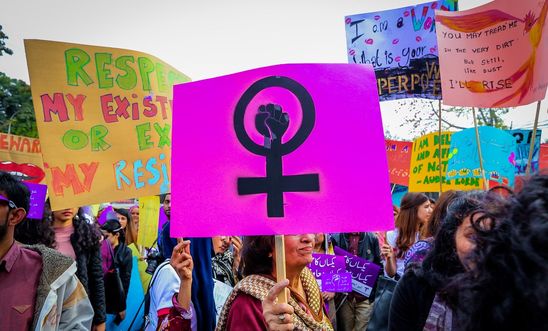
Women in Lahore, Pakistan, march to mark International Women's Day 2019
Women in Lahore, Pakistan, march to mark International Women’s Day 2019 © Ema Anis for Amnesty International

Governments around the world are failing to protect women human rights defenders from increasing attacks, Amnesty International said on 29 November 2019, International Women Human Rights Defenders Day. In a new report –Challenging power, fighting discrimination” – based on interviews with 23 activists across 21 countries, Amnesty highlights how women human rights defenders continue to be assaulted, threatened, intimidated, criminalised and even killed for their campaigning.

Kumi Naidoo, Amnesty International’s Secretary General, said: “Women human rights defenders are attacked because of who they are and what they do. The risks are even greater for those facing intersecting forms of discrimination: if you are a woman and from a racial minority, indigenous, poor, lesbian, bisexual, trans, or a sex worker, you have to fight so much harder to have your voice heard by those in power…All over the world, women human rights defenders are speaking out against injustice, abuse and discrimination, often because they have experienced it first-hand…..They are central to human progress: they fight for human rights and against patriarchy and racism, while pushing for ground-breaking reforms on so many fronts. Governments must live up to their commitment to ensure these activists can operate freely and safely.

In recent years, campaigners working on the rights of women, LGBTI people and other marginalised groups have come under growing pressure from politicians, religious leaders and violent groups. Women campaigning on these issues tend to be the first to be targeted in increasingly frequent backlashes against a more inclusive, fairer world.

Sexual violence

The report highlights several cases in which violence, including sexual violence as a form of torture, was used against women human rights defenders to silence them. In Bahrain, Ebtisam El-Saegh, an activist with the human rights organisation SALAM for Democracy and Human Rights, was sexually assaulted, badly beaten, kicked in the stomach and kept standing for most of the seven hours she was being interrogated while in detention in 2017. El-Saegh told Amnesty: “I was threatened that they would harm my family and that they would bring my husband and torture and electrocute him. The men told me ‘no one can protect you’.”

In Egypt, Malak al-Kashef, a 19-year-old transgender woman human rights defender was arrested in March this year following her involvement in peaceful protests in Cairo. She faced trumped-up charges of ‘aiding a terrorist organisation’ and ‘misusing social media to commit a crime punishable by law.’ While in detention, she was subjected to a forced anal examination and other forms of sexual assault. Even though she was undergoing gender affirming treatment, Malak was placed in an all-male detention facility which put her at increased risk of sexual violence. She was eventually released in July this year.

Smear campaigns

Women activists are often subjected to smear campaigns which vilify their “deviant behaviour” and are designed to fuel hostility against them. After rescuing migrants from the central Mediterranean Sea in June 2019, Carola Rackete, the Italian captain of the rescue boat Sea-Watch 3, was repeatedly insulted by the Italian Minister of Interior who called her a pirate and a criminal. His slurs were followed by vicious verbal attacks by others who incited sexual violence against her while also targeting her gender and appearance.

In Mauritania, Mekfoula Brahim, a woman human rights defender who has campaigned for an end to female genital mutilation, was branded an apostate in 2016 Facebook posts after defending a blogger sentenced to death for criticising those who use religion to discriminate against minorities. The slur exposed her to the risk of being prosecuted and sentenced to death.

Click to access ACT3011392019ENGLISH.PDF

https://www.amnesty.org.uk/press-releases/governments-failing-protect-women-activists-increasing-attacks-new-report

http://www.voxy.co.nz/politics/5/353494

Rescuing Human Rights – another way of re-assessing human rights

November 17, 2019

I wrote abut Hurst Hannum’s book ‘Rescuing Human Rights’ earlier [https://humanrightsdefenders.blog/2019/04/20/hurst-hannum-wants-a-radically-moderate-approach-to-human-rights/]. On 30 July 2019, Peter Splinter wrote for ISHR a book review “Rescuing Human Rights – Making the case for a reassessment of the scope of human rights advocacy”

 
Hurst Hannum, Rescuing Human Rights: A Radically Moderate Approach, Cambridge University Press, 2019. 223 pp.

Hannum argues the case for a hard-headed reassessment of what human rights are and what they can achieve, done with the aim of preventing unrealistic expansion or overreach that undermines their legitimacy and universal acceptance.

Hannum expresses a firm conviction in the durable value of human rights. He brings to Rescuing Human Rights a lifetime of rich and diverse experiences as an observer, teacher and practitioner of human rights in numerous capacities and settings. While conservative, Hannum’s thesis does not hark back to a golden age of human rights. He recognises that human rights law has evolved and will continue to evolve. He also accepts that “pushing the envelope of human rights norms may sometimes be a legitimate [advocacy] tactic.”

Hannum’s principal concern is with human rights ‘overreach’ – efforts to resolve contentious political issues by trying to make them into technical human rights matters that they are not. He is not a fan of a widespread inclination to advocate for human rights of the next good cause.

“Attempting to regulate ever more narrow slices of life under ever more diverse circumstances through promoting new human rights runs a serious risk of undermining both the legitimacy of human rights and their universality. The result may be to simply expand the number of rights that are routinely ignored rather than to bring real help to those whose rights, no matter how narrowly construed, are already being violated.” (p. 79)

He perceives that human rights activism based on an expansive concept of rights as the primary means to effect domestic social and political change is feeding a global backlash against human rights. He is concerned that this will undermine the legitimacy and effectiveness of human rights advocacy to protect universally recognised rights, which “facilitate the development and influence of other socio-economic-political-moral change agents in ways that are likely to respond to the needs of most people of the world.” (p. 10) While acknowledging that human rights are inherently political, as they constrain government behaviour, Hannum suggests that the more that human rights advocacy approximates politics, the less rights will be able to effectively set the boundaries for the open, inclusive, democratic politics required to effectively address major contemporary social, political and economic issues by ensuring that political decision-making takes account of the needs and preferences of all relevant parts of society.

“This book is an appeal for radical moderation, which values and promotes human rights norms without distorting or deifying them. …  Underlying many of the book’s arguments is the belief that human rights cannot provide dispositive answers to all of the world’s problems, although they may be a necessary precondition for resolving many of them.” (p. 157)

Rescuing Human Rights focusses on human rights as universal legal norms embodied in public international law, particularly universal and regional treaties. Hannum assumes a universal consensus over the core content and legitimacy of most human rights. He distinguishes human rights from moral and political standards, while acknowledging their complementarity as forces that shape societies.

While Rescuing Human Rights discusses human rights primarily as they are shaped and invoked at the international level, Hannum emphasises that they are applied in national contexts where the relationship of the State and rights-holders is played out. Human rights promotion and protection are essentially a national project that is shaped and constrained by national governments’ voluntary acceptance of universal legally binding human rights standards. An important chapter is devoted to arguing for flexibility in the application and prioritisation of human rights norms on the grounds that universality is not uniformity. This recognition points to the need for further examination of Hannum’s thesis in specific national contexts. Are the dangers of human rights expansion and overreach at the international level mirrored by developments at the national level in individual countries?

Rescuing Human Rights focusses largely on what human rights are not and should not be made out to be. Hannum’s thesis would also benefit from further exploration of how human rights can be used better to contribute to efforts to address major contemporary social, economic and political issues at the international and national levels. If one accepts that human rights cannot determine the outcomes for issues such as development, climate change and corruption, then what are the contributions that specific rights make in specific contexts to political, economic, cultural, moral and technological efforts to meet those and other challenges? Any recalibrating of human rights promotion and advocacy in accordance with the approach Hannum proposes would benefit from robust exploration of the important contributions that human rights do and can make, such as ensuring that climate change policies are developed in consultation with representatives of all persons whose rights might be affected and have regard to their human rights impacts, including for the most marginalised communities and groups.

Today, while human rights are increasingly invoked in connection with efforts to address a growing range of global and national challenges, they are also increasingly flouted or questioned in many parts of the world. This includes in some countries where until recently human rights appeared largely beyond challenge. Many governments are demonstrating a renewed brazenness in violating their international human rights obligations. In many countries, there is widespread apathy, popular disillusionment and even hostility for human rights. This current state of human rights has led to calls from civil society organisations, academics, governments and inter-governmental organisations for urgent stocktaking about what is to be done to defend and reinforce the post-1945 human rights achievement. Some call into question the human rights project, and others call for its reinvention. Some appeal to humanity’s better angels, and others buckle down on business as usual. Some pursue novel organisational approaches to human rights advocacy, and others look to human rights to provide solutions for ever more matters of concern.

The way forward is not clear. However, Hannum’s lucid argument for greater focus and humility in recourse to human rights and his call for the recalibration of the scope of human rights advocacy should form part of any discussion about the future of human rights. Rescuing Human Rights merits reading and reflection by all who study, defend or promote human rights.

Peter Splinter is an international human rights consultant and was Amnesty International’s Representative in Geneva from 2004 to 2016. Follow him on Twitter at @pgsplinter.

http://www.ishr.ch/news/book-review-i-rescuing-human-rights-making-case-reassessment-scope-human-rights-advocacy

UNESCO: 9 out of 10 killings of journalists go unpunished

November 4, 2019

The report, called Intensified Attacks, New Defences, covers the period 2014-2018. It assesses trends in the safety of journalists and media professionals around the world and provides an update on the status of journalist killings, based on condemnations issued by the Director-General and recorded in the UNESCO Observatory of Killed Journalists. 2Key findings include the rise in the number of journalist killings and other attacks, as well as the continued trend of widespread impunity. The report highlights the changing nature of violence against journalists, with more and more journalists being killed outside of conflict areas, and the growing prevalence of threats and harassment in the online sphere. It also highlights the specific risks being faced by women journalists, including online where they are disproportionately targeted by harassment and abuse. The intensified attacks against journalists are being met with a growing commitment to monitoring, protection, prevention and prosecution mechanisms for the safety of journalists. New coalitions, involving Members States, civil society, the media and academia reflect a stronger and more coordinated response to the protection of journalists, in line with the logic of the UN Plan of Action on the Safety of Journalists and the Issue of Impunity.

The report also notes that killings of journalists have risen by about 18 percent in the past five years (2014-2018), compared to the previous five-year period.

The deadliest countres for journalists, according to the statistics, are Arab States, where almost a third of the killings took place. The Latin American and Caribbean region (26 percent), and Asian and Pacific States (24 per cent) are the next most dangerous. Journalists are often murdered for their reporting on politics, crime and corruption, and this is reflected in the study, which reveals that, in the past two years (2017-2018), more than half of journalist fatalities were in non-conflict zones. In his statement, the UN Secretary-General noted the rise in the scale and number of attacks on journalists and media workers, as well as incidents that make their work much harder, including “threats of prosecution, arrest, imprisonment, denial of journalistic access, and failures to investigate and prosecute crimes against them”….“Without the ability to protect journalists, our ability to remain informed and contribute to decision-making, is severely hampered.

A high-profile example is the murder of Maltese journalist Daphne Caruana Galizia in 2017. The case is being followed by independent UN human rights expert Agnes Callamard, among others, who has suggested that too little has been done by the Maltese authorities to investigate the killing. [see: https://humanrightsdefenders.blog/2019/02/26/son-of-maltese-journalist-daphne-caruana-galizia-tells-un-impunity-continues/]

India has similarly horrifying stories to tell, where the brutal murder of Bangalore-based journalist Gauri Lankesh in 2017 made headlines. Lankesh, the editor of Kannada weekly Lankesh Patrike, was shot dead in cold blood by religious activists at her residence, allegedly because of her liberal views. Though one of the six arrested gang members confessed to the crime last year, no convictions have been secured in the case. [see https://humanrightsdefenders.blog/2018/05/27/un-rapporteurs-ask-india-to-protect-journalist-rana-ayyub-and-refer-to-fate-of-gauri-lankesh/]

This year UNESCO has launched the #KeepTruthAlive social media campaign, which draws attention to the dangers faced by journalists close to their homes, highlighting the fact that 93 percent of those killed work locally, and featuring an interactive map created for the campaign, which provides a vivid demonstration of the scale and breadth of the dangers faced by journalists worldwide.

Carnegie paper: international community must redouble efforts to defend human rights defenders

October 22, 2019
The Carnegie Endowment for International Peace pubished on 22 October 2019 a working paper by Saskia Brechenmacher and Thomas Carothers entitled “Democracy,Defending Civic Space: Is the International Community Stuck?”. It concludes that as space for civil society continues to close, the international community must redouble its efforts to defend the right of human rights defenders to hold governments around the world accountable. The Executive Summary:

Civic Space Continues to Close

Since the mid-2000s, civic space has come under attack in many countries around the world. To counter this trend, transnational actors that support civil society have responded in many ways—from exerting diplomatic pressure and building international norms to providing emergency funds for activists. Despite these efforts, governments continue to impose legal and extralegal restrictions amid a worsening larger political environment for civil society. Closing civic space now appears to be just one part of a much broader pattern of democratic recession and authoritarian resurgence. The international response seems stuck: some useful efforts have been undertaken, but they appear too limited, loosely focused, and reactive.

Areas of Progress in the International Response

  • Research and knowledge dissemination: Timely information about civil society restrictions and overall trends is now widely available. Funders, policymakers, and relevant multilateral organizations are generally more aware of the problem; some actors have carried out internal strategic reviews and trainings to strengthen their programmatic and policy responses.
  • Support for local resistance and adaptation: Major funders have established or expanded emergency funds for persecuted rights activists and organizations. Some have also initiated programs to help civic actors adapt to regulatory, political, and legal pressures, while some have examined ways to offer more flexible funding. Several new transnational coalitions and initiatives have been set up to share lessons and lead joint campaigns.
  • Diplomatic pressure and international policy changes: Western governments have sometimes applied pressure on countries that are closing civic space, and they have supported advocacy in international bodies such as the United Nations. Civil society advocates have successfully pushed for reforms to harmful counterterrorism regulations, and some have begun engaging private sector actors on the importance of protecting civic space.

Factors Limiting the International Response

  • Lack of conceptual and strategic clarity: Ongoing confusion over the root causes of closing civic space impedes efforts to develop a more unified strategy. Diverse actors disagree on whether tackling the challenge will require addressing the global political backlash against progressive causes or the overall global democratic recession, or whether a more focused approach would be more effective.
  • Countervailing interests: Most Western governments still do not strongly prioritize closing civic space in their foreign policy agendas. They often refrain from escalating diplomatic pressure on repressive governments for fear of damaging their geopolitical, security, or economic interests. The loss of U.S. leadership on the issue has been particularly damaging.
  • Closing space at home: Civic space is now under threat in many established democracies, and the international repercussions are profound. Western governments that lash out against domestic critics are less likely to speak out against civil society restrictions abroad, and they have less credibility when they do so. Their actions also set a negative example for leaders in other parts of the world.
  • Inadequate scale: The resources committed to fighting the problem have been insufficient. Funders have also generally failed to embed their responses into a broader strategic framework. Explanations include a weak appetite for political risk among funders, the cross-cutting nature of the problem, and a lack of clarity on what a large-scale response might look like.
  • Working in silos: Weak coordination and information sharing between different parts of the assistance community persist. Obstacles include the diverging policy and organizational interests within and between governments, as well as divisions in the wider funder community, including between human rights organizations and development and humanitarian actors.
  • Struggles to change aid practices: Implementing far-reaching changes in aid practices has proven difficult, due to bureaucratic inertia, risk aversion, and narrower methods of monitoring and evaluation.
  • Chasing a moving target: The problem of closing space continues to evolve quickly, which makes it difficult for the international community to anticipate new openings and threats. For example, international actors have been slow to react to the spread of new technological tools for restricting civic space online and offline.

Policy Recommendations

  • Develop a strategic framework that links closing civic space to other key foreign policy challenges, articulates a positive vision of civic space globally, and offers tailored tactical guidance. Such a strategy should differentiate short-, medium-, and long-term priorities and distinguish between different types of political contexts.
  • Improve foreign policy alignment by issuing specific guidance on defending civic space to embassies, systematically integrating the issue into diplomatic training and senior leadership briefings, designating a senior official to spearhead interagency coordination on civic space–related issues, and amplifying the voices of civil society actors, particularly in restrictive contexts.
  • Avoid setting negative precedents by ensuring that domestic legislation does not threaten civic space. Nongovernmental actors should build cross-border alliances to share knowledge and resources, engage lawmakers in established democracies who stigmatize civil society, and champion transparency and accountability in internal practices and external partnerships.
  • Bolster coordination among concerned transnational actors by evaluating existing mechanisms, investing in new platforms or tools for information sharing and institutional learning, expanding country-level networks, and forging new partnerships between governmental and private funders.
  • Adjust funding practices to ensure a balance between support for long-term institution- building and catalytic funding, and track how much funding goes directly to local organizations as core versus project support. Funders should continue to expand flexible funding strategies for hostile environments, work with intermediaries that can reach a wider range of partners, and reduce grantees’ administrative burdens.
  • Anticipate new opportunities and threats by, for example, monitoring and recognizing examples of positive reform, developing targeted roadmaps that identify opportunities and flashpoints in collaboration with embassies or local partners, and investing in technological know-how.

For the full text of this working paper, see: https://carnegieendowment.org/files/WP_Brechenmacker_Carothers_Civil_Space_FINAL.pdf

See also: https://humanrightsdefenders.blog/2019/05/05/civil-society-and-human-rights-ngos-are-fighting-back-but-against-odds/ and https://humanrightsdefenders.blog/2019/02/21/amnesty-launches-report-on-laws-designed-to-silence-human-rights-defenders/

https://carnegieendowment.org/2019/10/22/defending-civic-space-is-international-community-stuck-pub-80110

The State of the African Regional Human Rights Bodies and Mechanisms

October 21, 2019

African rights bodies are frustrated at every turn by the lack of cooperation and support from African Union (AU) member states who desperately try to undermine their independence and autonomy, according to a new report published by Amnesty International. The new report, The State of African Regional Human Rights Bodies and Mechanisms, found that the continent’s rights bodies are working in harsh conditions whereby their decisions are blatantly ignored and their pleas for proper funding and human resources persistently fall on deaf ears.

[see also: https://humanrightsdefenders.blog/2019/10/11/the-ngo-forum-and-the-65th-session-of-the-african-commission-on-human-and-peoples-rights/]

Africa’s human rights bodies are being wilfully subverted. The African Union’s Executive Council must resist these efforts and take its responsibility to monitor and enforce compliance with the decisions of the human rights mechanisms seriously,” said Netsanet Belay, Amnesty International’s Director for Research and Advocacy.

The report offers an assessment of the performance of three of Africa’s regional human rights institutions between January 2018 and June 2019: the African Commission on Human and Peoples’ Rights (African Commission); the African Child Rights Committee; and the African Court.

It found that out of the continent’s 54 countries, five (Comoros, Equatorial Guinea, Guinea Bissau, Sao Tome and Principe and Somalia) have not submitted a single report on the human rights situation in their countries since they ratified the Africa Charter for Human and People’s Rights. Many countries that submitted their human rights reports to the African Commission during the reporting period did so after delays in excess of a decade. Gambia and Eritrea set records by submitting their reports 21 and 19 years late respectively.

In the timeframe in review, the African Commission sent 83 urgent appeals to states over concerns of human rights violations. Of these only 26 (31 percent) received a written response. The African Commission further requested 27 country visits, of which only 13 were authorized in principle, and just five materialized.

Despite facing many stubborn challenges, African human rights bodies registered a relatively impressive record in developing new norms and standards including developing a draft treaty on the rights to social protection and social security. The African Commission also published seminal studies on transitional justice and on human rights in conflicts. The African Court on Human and Peoples’ Rights (African Court) issued 25 decisions. However, only Burkina Faso had fully complied with the court’s decisions by the end of the reporting period. Some countries, including Tanzania, partially complied, while Cote d’Ivoire, Kenya, Libya and Rwanda didn’t comply at all.

Both the African Commission and the African Court face a chronic backlog problem because of a slow pace in determining cases. They must urgently develop plans to speed up determinations and ensure strict adherence to time limits for parties, especially state parties,” said Netsanet Belay.

The report also highlights an onslaught on human rights defenders in Africa. Between January 2018 and June 2019, appeals for protection of HRDs accounted for 71 percent of all appeals issued to state parties by the African Commission. HRDs in the Democratic Republic of Congo (DRC) and Egypt were the worst hit, the Africa Commission issuing 11 and 10 urgent appeals respectively to their governments. These were closely followed by Burundi with seven urgent appeals, Cameroon and Algeria each with six, and Uganda and Sudan, each with five appeals.

It is extremely alarming that governments across Africa have singled out human rights defenders to try to silence them and bring an end to their activism through brutal attacks, harassment, unlawful arrest and detention. Attacks on human rights defenders are an attack on the rights of all the people whose freedoms they are fighting for.
Netsanet Belay, Amnesty International’s Director for Research and Advocacy

—–

https://www.amnesty.org/en/latest/news/2019/10/africa-states-frustrate-continental-rights-bodies-efforts-to-uphold-human-rights/

AIV report on Sustainable Development Goals and Human Rights

October 16, 2019


Being a Dutchman I should be a bit modest about government reports, but this one by the independent Advisory Council  on International Affairs about “Sustainable Development Goals and Human Rights” is worth a read. It was published on 19 August 2019.

Seventy years ago – on 10 December 1948 – the member states of the United Nations adopted the Universal Declaration of Human Rights. It was the first document in which the international community recognised and affirmed the ‘inherent dignity and […] the equal and inalienable rights of all members of the human family’. The Universal Declaration is not a binding treaty, but it is universally accepted as a moral and legal standard for human rights.

The foundations of the Universal Declaration had been laid seven years before by President Franklin D. Roosevelt. His ‘Four Freedoms’ speech outlined his vision of a world in which everyone could rely on freedom of speech, freedom of religion, freedom from want and the freedom from fear. Roosevelt was keenly aware that these four freedoms were inseparable. Without basic needs such as food and security, freedom of speech is of limited value. Freedom of expression is in turn necessary in order to demand social and economic justice. This understanding found expression after the end of the Second World War in the Universal Declaration, which laid down both civil and political rights (art. 1-21) and social, economic and cultural rights (art. 22-27).

The Universal Declaration of Human Rights is the source of a network of legally binding human rights treaties to which all countries in the world have committed themselves in one way or another. Together they form the multilateral human rights system, whose significance should not be underestimated. Human rights treaties and the national laws based on them have made the rights and freedoms of hundreds of millions of people all over the world visible and tangible, helping them to speak out for better living conditions, and to be and develop themselves. This global achievement must be cherished and defended, if necessary in the face of opposition.

At the same time, unremitting poverty, hunger, economic inequality, environmental degradation, war and violence compellingly expose the fallacy that human dignity can be achieved simply by signing legally enforceable national and international agreements. True universality of human rights also requires sustained and popular support for development processes, both at home and abroad. Development is a precondition for the achievement of human rights, and human rights are necessary for development.

Human rights and development cooperation have long been seen – wrongly – as separate policy fields. Moreover, Western governments and human rights organisations in particular have traditionally prioritised the promotion of civil and political rights. Social, economic and cultural rights are also part of the treaty-based human rights system, but they have not always received the attention they deserve. Human rights, including environmental rights, are inherently inseparable. Interaction between development and human rights organisations did not commence until the 1980s, and it remains an ongoing challenge. Major multilateral actors such as the World Bank still seem reticent about making human rights a central focus of their programmes.

The Netherlands’ foreign policy is not yet truly integrated either. Its human rights policy focuses on traditional civil rights, while its development policy prioritises the creation of social, economic and environmental conditions conducive to development. In the AIV’s opinion, this compartmentalised approach is understandable from a historical perspective but it weakens the impact of policy and is counterproductive. The AIV welcomes the initiatives the Minister of Foreign Affairs and the Minister for Foreign Trade and Development Cooperation have taken to foster harmonisation, but the relationship between the two policy fields, as set out in the Human Rights Report 2017 and the policy document Investing in Global Prospects: For the World, For the Netherlands, rests, on balance, on weak foundations.

The AIV believes the 2030 Agenda for Sustainable Development provides a practicable worldwide framework for a coherent (integrated) approach to sustainable development and human rights. The Sustainable Development Goals (SDGs) are concrete social, economic and environmental goals, and achieving them can also deliver many human rights goals in these fields. The 2030 Agenda also recognises that the Universal Declaration of Human Rights and international human rights treaties are the framework in which the SDGs must be achieved. The SDGs therefore recapitulate and reaffirm the reciprocal relationship between human rights and sustainable development, as originally articulated by President Roosevelt. The 2030 Agenda and the SDGs therefore provide a unique opportunity to realise this close association, both in theory and in policy and practice. The Netherlands must not miss this opportunity. Overcoming the major social, economic and climate-related challenges facing the world requires urgent action at a time when international solidarity is coming under heavy pressure.

The acceptance of the SDGs, including by the Kingdom of the Netherlands, makes it easier to implement the traditional foreign policy priority of promoting human rights. The AIV believes the SDGs and human rights can strengthen each other in a variety of areas.

Opening for dialogue

The SDGs provide an opportunity for the Netherlands to engage with countries that are reticent about, or even dismissive of, the traditional human rights dialogue, which tends to be narrowly legalistic and sometimes cursory and ritualised. The goal of human dignity is a good starting point, as it is a universally recognised and widely held ambition. Both sustainable development and human rights are aimed at achieving human dignity. The SDGs, moreover, stress the overarching principle of ‘leaving no one behind’. They also require a discussion of issues that are directly related to social, economic and environmental rights, such as good healthcare, education, clean drinking water, food security, gender equality, good working conditions and housing. Human rights in many of these areas are already laid down in international treaties. Talks can be held on how they can be achieved in tandem with the SDGs.

Support

The leaders of the UN member states adopted the 2030 Agenda unanimously. The SDGs’ legitimacy is also founded on the willingness of many countries to report voluntarily to the High-level Political Forum that oversees the SDGs’ progress. Support for the multilateral human rights system can be strengthened, with the help of the SDGs, by giving human rights greater prominence. With hundreds of millions of people facing inequality, suffering extreme poverty and living in fear, it is no surprise that they rarely make a priority of pressing for their other human rights. By means of an integrated rights approach to the social, economic and environmental dimensions of sustainable development, it can be made clear that human rights make a tangible contribution to improving the daily living conditions of citizens. This can create and foster public support for human rights.

Oversight and monitoring

Both the SDG process and the human rights tools are aimed at measuring and assessing the action taken and results achieved, as well as collecting information and data. Currently, however, these processes often occur separately from each other. Knowledge and insight would probably be enhanced if more information were shared and used jointly. Integration of SDG and human rights data would also lighten the burden of the many international reporting requirements imposed by the 2030 Agenda and human rights treaties. The requirements are particularly onerous for countries with less well developed civil services. The data and reporting requirements, however, create a source of basic information that governments need to pursue meaningful and effective policy. The integration of SDG and human rights data and reports would therefore have a welcome multiplier effect and could significantly improve national problem analysis, planning and policy.

In view of the above, the AIV has drawn up the following policy recommendations. For each one, a number of suggestions are included on how foreign policy could be made operational.

1. INTEGRATE DEVELOPMENT, HUMAN RIGHTS AND ENVIRONMENTAL POLICY.

Dutch foreign policy should consistently promote and invoke sustainable development as a necessary condition for human rights, and human rights as a condition for development. Achieving the SDGs requires a comprehensive, rights-based approach to the social, economic and environmental dimensions of development processes. The close substantive relationship and interaction between these dimensions cannot be ignored.

The AIV believes that the Netherlands’ development, human rights and environmental policies can be strengthened by increasing their coherence. The 2030 Agenda and the SDGs provide a good framework for deepening this integration. Policy on foreign trade and development cooperation is already explicitly situated in the 2030 Agenda framework, but the human rights dimension of the policy should be better elaborated. Conversely, the annual Human Rights Report could explain how various priority issues contribute to the SDGs. A human rights-based approach to sustainable development must be established and made binding at intraministerial and interministerial level. Ideally, there should be just one overarching policy framework.

The indivisibility of human rights requires foreign policy to focus more consistently on both political and civil rights on the one hand and social, economic, cultural and environmental rights – both individual and collective – on the other. An important step to strengthen coherence with domestic human rights policy would be ratification of the optional Protocol to the International Covenant on Economic, Social and Cultural Rights.

Priority 4 of the Netherlands’ human rights policy – support for human rights defenders – must provide sufficient scope to support advocates of social, economic, cultural and environmental rights.

In its capacity as a donor, the Netherlands can urge multilateral development organisations such as the World Bank to put human rights at the heart of their development programmes.

The AIV recommends that both the Minister for Foreign Trade and Development Cooperation and the Minister of Foreign Affairs take part in parliamentary debates on human rights policy.

2. USE AGENDA 2030 TO STRENGTHEN THE MULTILATERAL HUMAN RIGHTS SYSTEM.

There is a risk that some countries will use the SDGs, with their emphasis on collective social, economic and environmental rights, to undermine the legal obligations laid down in international human rights treaties. This requires vigilance from the Netherlands during international consultations. In bilateral and multilateral talks it must consistently emphasise that, when it comes to achieving the SDGs, human rights – with their established international minimum standards – are the cornerstones of countries’ explicit and enforceable obligations.

In the UN Human Rights Council, international financial institutions, the European Union, the Council of Europe and elsewhere, the Netherlands must consistently draw attention to the indivisible relationship between respect for human rights and the achievement of the 2030 Agenda’s Sustainable Development Goals.

As the UN Convention on the Rights of the Child and the UN Convention on the Rights of Persons with Disabilities show, binding treaties can be effective instruments to establish and implement specific human rights. Other instruments include UN declarations (e.g. on human rights defenders), resolutions (e.g. the 2030 Agenda), Global Compacts (e.g. on business and on migration) and the UN Guiding Principles on Business and Human Rights. The AIV recommends that the Netherlands determine whether one or more specific socioeconomic rights, such as the right to clean drinking water and the right to a healthy environment, can be further elaborated with the aid of these human rights instruments.

3. IMPROVE SUPERVISION OF AND ACCOUNTABILITY FOR THE IMPLEMENTATION OF THE 2030 AGENDA AND ESTABLISH A LINK WITH INTERNATIONALLY RECOGNISED HUMAN RIGHTS INSTRUMENTS.

To make a success of the 2030 Agenda, a transparent and straightforward system of verifiable supervision and accountability is needed. There is still a great deal to be achieved in this area, and the Netherlands could play a leading role. The Netherlands should ask the UN Secretary-General to make proposals to streamline and lighten the burden of reporting to the High-level Political Forum and the UN Human Rights Council. The Netherlands can highlight the intertwined nature of human rights and the SDGs by consistently referring to the 2030 Agenda in its own recommendations for the Universal Periodic Review.

The Netherlands can ask the UN Human Rights Council’s Advisory Committee to identify ways to enhance the SDGs’ international policy coherence. It should also urge signatories of human rights treaties to address the SDGs in the national reports that they are required to issue.

The Netherlands could also mobilise financial and human resources to help less developed countries build capacity to collect and interpret data and prepare SDG and human rights reports. Moreover, the Netherlands could also help national human rights bodies and civil society organisations improve national reporting obligations.

Within the Inter-agency and Expert Group on SDG Indicators (IAEG-SDGs), the Netherlands could make proposals for the further refinement and operationalisation of the SDG indicators. To that end, it could use human rights indicators developed to measure, for instance, inclusion, gender and other forms of equality, and non-discrimination, drawing on the expertise of the Office of the UN High Commissioner for Human Rights and the EU Agency for Fundamental Rights.

The AIV welcomes the involvement of the Netherlands Institute for Human Rights in the preparation of the third SDG report to be submitted to the House of Representatives. The Institute should be permanently involved in both the SDG report and the Voluntary National Reviews that the Kingdom of the Netherlands submits to the High-level Political Forum.

4. MAKE TACKLING INEQUALITY WITHIN AND BETWEEN COUNTRIES A STANDARD TOPIC IN INTERNATIONAL CONSULTATIONS.

The AIV recommends that the Netherlands draw attention to inequality in various international forums. At the High-level Political Forum at the level of heads of state and government in September 2019, the Netherlands could organise a prominent side event on income and capital inequality and its relationship with the SDGs, working in a broadbased partnership with one or more like-minded countries (North and South), multilateral organisations (World Bank, ILO), non-governmental organisations (Oxfam, Transparency International) and multinational businesses and banks. The Netherlands could subsequently organise similar side events during, for instance, the UN General Assembly and the annual World Economic Forum in Davos.

5. PROMOTE THE REFORM OF GLOBAL GOVERNANCE.

In the AIV’s opinion, the Netherlands, with its exceptionally open economy and strong international orientation, should actively promote international policy coherence and global governance. The global partnership necessary to achieve the SDGs can only work on the basis of equality. The Netherlands must work internationally to give emerging and developing countries a stronger voice in multilateral organisations and partnerships216 This applies particularly to their say in the composition of the executive boards of the main international financial institutions. Global governance also includes the network of SDG partners.

6. MAINTAIN THE NETHERLANDS’ LEADING ROLE ON BUSINESS AND HUMAN RIGHTS.

The Netherlands should pursue a stronger relationship between business, human rights and the SDG agenda. Eliminating ‘business and human rights’ as a human rights policy priority must not be allowed to diminish the Netherlands’ international prominence in this area. Cooperation with the business community on achieving the SDGs should be strengthened in both human rights policy and foreign trade and development policy.

If the private sector is to play a major part in achieving human rights and the SDGs (for example those in the area of climate change and the environment), government must actively oversee how business fulfils that role. The AIV recommends that the government prepare a second national action plan on business and human rights in order to clarify the relationship between human rights, business and the SDGs, further flesh out states’ duty to protect against human rights abuses by third parties, and identify instruments that encourage businesses to help achieve the SDGs while respecting human rights.

In addition to encouraging businesses to self-regulate (through international responsible business conduct agreements), the Netherlands should retain the option of binding regulations as a policy tool to deal with companies that lag behind on human rights. It should make an active, constructively critical contribution to the exploratory talks on a business and human rights treaty currently being held in the UN Human Rights Council. After all, international agreements help create a level playing field for national and multinational businesses alike.

7. MAKE COMBATING ‘SHRINKING CIVIC SPACE’ AN INTEGRAL PART OF HUMAN RIGHTS AND DEVELOPMENT POLICY.

Civil society organisations play an indispensable role in the SDG partnership. That is why the Netherlands’ human rights and development policy should include targeted activities to prevent deliberate government action, either political or financial, to shrink civic space. The Netherlands should publicly highlight the importance of independent civil society organisations and human rights defenders more often. The European Commission should be urged to do the same.

Measures should therefore be taken to strengthen the embassies’ knowledge and capacity regarding human rights and attacks on civil society. Dutch embassies in countries where human rights organisations are under fire should implement the EU directives on human rights defenders, which are based on the UN Declaration on Human Rights Defenders (1998).

The Ministry of Foreign Affairs’ support for civil society organisations should be strategic and flexible, preferably using long-term core financing (rather than short-term project financing). The Netherlands should not support civil society organisations established by repressive governments.

8. ACTIVELY INVOLVE YOUNG PEOPLE IN IMPLEMENTING THE 2030 AGENDA.

The Netherlands should press for a special representative in the UN system to focus attention on the interests of future generations. Acting on a proposal by the UN Secretary-General (see chapter I), the Netherlands could encourage the High-level Political Forum for the 2030 Agenda to make the rights of future generations a standard item on its agenda.

The annual SDG report submitted to the House of Representatives includes a section on young people written by the National Youth Council. This is undoubtedly a positive move by the Ministry of Foreign Affairs. However, the AIV believes the Dutch government should make far more use of young people’s ability to promote action on the SDGs. It should be standard practice for youth organisations to be involved in Dutch policymaking on the 2030 Agenda and have a say in related policy fields, such as education, climate change and sustainable development, health and equality. By guaranteeing young people a seat at the table, including at line ministries and in local government, government would increase knowledge and awareness of human rights and sustainable development among new generations.

9. STRENGTHEN THE COORDINATION AND COHERENCE OF NATIONAL AND INTERNATIONAL ACTION ON THE SDGS.

Responsibility for coordinating internal and external SDG policy rests with the Minister for Foreign Trade and Development Cooperation. This can create the impression that the Netherlands’ primary focus in implementing the 2030 Agenda lies abroad. But the 2030 Agenda must be implemented in every country, including the Netherlands. The Netherlands’ international efforts on the SDGs will be convincing only if it puts its own house in order. This is a responsibility of the government as a whole.

The annual SDG progress report submitted to the House of Representatives should include a standard section on SDG efforts, including human rights, in the Caribbean Netherlands (Bonaire, St Eustatius and Saba). Although the islands of the Caribbean Netherlands are an integral part of the Netherlands, their specific development and human rights challenges do not receive the attention they deserve from the European Netherlands. The annual SDG report should also consider the coordination of SDG policy between the four countries that make up the Kingdom of the Netherlands (the Netherlands, Aruba, Curaçao and St Maarten).

Given the overwhelming importance of the 2030 Agenda to society as a whole, the AIV calls on the prime minister to accentuate the Netherlands’ European and international profile on the SDGs and human rights in the run up to the High-level Political Forum at the level of heads of state and government in September 2019, for example by hosting the side events referred to in recommendation 4.


https://aiv-advice.nl/b08

NGOs call Canada’s revised guidelines on human rights defenders a step in the right direction

September 1, 2019

With human rights defenders increasingly under attack around the world, civil society organizations in June 2019 welcomed the Government of Canada’s revised guidelines aimed at strengthening its approach to ensuring the safety and security of these courageous activists. In 2016 [see https://humanrightsdefenders.blog/2016/12/13/canada-joins-select-group-of-governments-with-guidelines-on-human-rights-defenders/] they were first made public. After input from civil society, the government now has revised and updated the guidelines.

.. The groups welcome Canada’s acknowledgement that human rights defenders put themselves at great risk—along with their families, communities and the movements they represent—as they work to promote human rights and strengthen the rule of law. Women and LGBTI human rights defenders, for example, face high-levels of sexual and other forms of gender-based violence because of their gender and the rights they are advocating for. “In many parts of the world, human rights defenders are at risk as a result of their courageous work and their willingness to speak truth to power. Canada and the international community need to be strong supporters of these brave individuals. Human rights defenders must be able to act freely and without any interference, intimidation, abuse, threats, violence or reprisal. We are committed to speaking out against violations, standing up for human rights defenders and striving for a world where the rights and freedoms of all people are respected,” said Foreign Affairs Minister Chrystia Freeland on 17 June in Ottawa at a human rights event where the guidelines were announced.

For Canada’s new guidelines to be effective in helping to protect and support human rights defenders, they will need to be accompanied by a comprehensive implementation plan and increased Canadian funding going directly to human rights defenders and the movements they represent.  Canada also needs to take a stronger approach to support human rights defenders advocating for corporate accountability, for instance, by enabling robust investigations when defenders face heightened risks linked to private sector investments.  It will also be critically important that Canada create an advisory body that includes the participation of human rights defenders with experience and first-hand knowledge of the threats facing human rights defenders….

Importantly, the new guidelines call for Canadian diplomats working abroad at overseas missions or at Global Affairs Canada headquarters in Ottawa to take a more feminist and intersectional approach to promoting the rights of defenders. The document notes that many human rights defenders have multiple and “overlapping” identities, and often work on multiple issues.  Human rights defenders may belong to one or more groups facing discrimination, including women, LGBTI people, Indigenous people, land and environment defenders, people with disabilities, journalists, and those seeking greater freedom of religion or beliefs.  Human rights defenders in conflict and post-conflict countries face unique risks posed by high levels of militarization.

Quotes from Canada’s Voices at Risk: Canada’s Guidelines on Supporting Human Rights Defenders

Canada recognizes the key role played by human right defenders in protecting and promoting human rights and strengthening the rule of law, often at great risk to themselves, their families and communities, and to the organizations and movements they often represent.

Canada’s guidelines on supporting human rights defenders is a clear statement of Canada’s commitment to supporting the vital work of HRDs.”

Endorsed by:
  • Amnesty International Canada
  • The MATCH International Women’s Fund
  • Nobel Women’s Initiative
  • Oxfam Canada
  • United Church of Canada

https://www.oxfam.ca/news/canadas-new-guidelines-to-support-human-rights-defenders-a-step-in-the-right-direction/