Every year, people from around the world take part in Amnesty International’s Write for Rights campaign. It’s a really easy way to make a big difference by doing something “little”. It doesn’t take much time – all you need to do is write a letter, send a post or sign a petition.
Since Write for Rights started in 2001, millions of people have changed the lives of those whose human rights have been taken away. In fact, over the past 20 years more than 56 million actions have been taken, while over 100 people featured in our campaign have seen a positive outcome in their case. For this years toolkit see:
This year’s campaign will feature nine individuals and groups from all around the world. From a TikToker in Angola to a women’s rights defender in Saudi Arabia, these inspiring people are connected because their human rights have been violated.
For results from the recent past: Meet three incredible people whose lives have been changed for the better and find out what people power means to them.
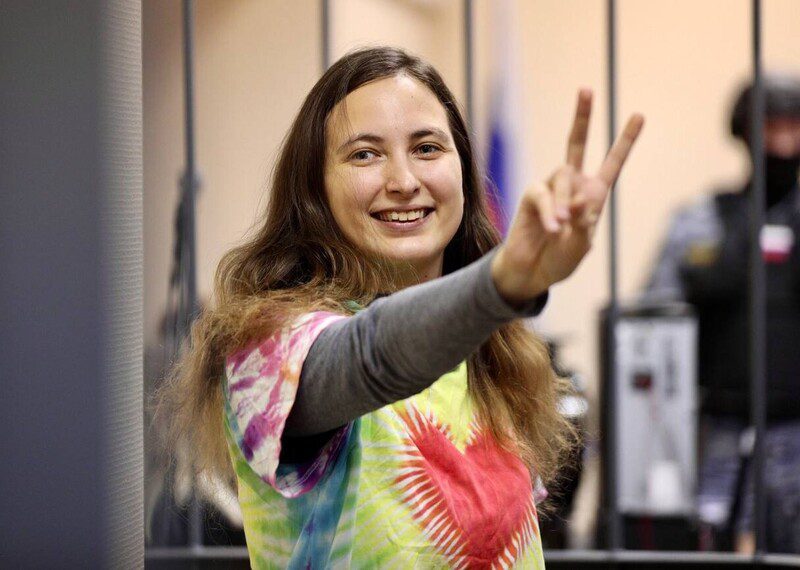
After huge public campaigning, artist and anti-war activist Aleksandra (Sasha) Skochilenko was freed in a historic prisoner swap in August 2024. The deal was brokered between Russia and Belarus on the one hand and Germany, Norway, Poland, Slovenia and the USA on the other.
Aleksandra Skochilenko on the day of sentencing, November 16, 2023.
Rita Karasartova is a human rights defender and expert in civic governance from Kyrgyzstan. For over a decade she dedicated her life to providing independent legal advice, helping people whose rights had been violated. Charged with attempting to “violently overthrow the government”, which carries a maximum sentence of 15 years’ imprisonment, Rita and 21 other defendants were acquitted on 14 June 2024.
In August 2017, Myanmar’s military unleashed a deadly crackdown on Rohingya Muslims – an ethnic minority who have faced decades of severe state-sponsored discrimination in Myanmar. Over 620,000 Rohingya fled to Bangladesh after security forces unleashed a campaign of violence, killing an unknown number of Rohingya; raping Rohingya women and girls; laying landmines; and burning entire Rohingya villages.
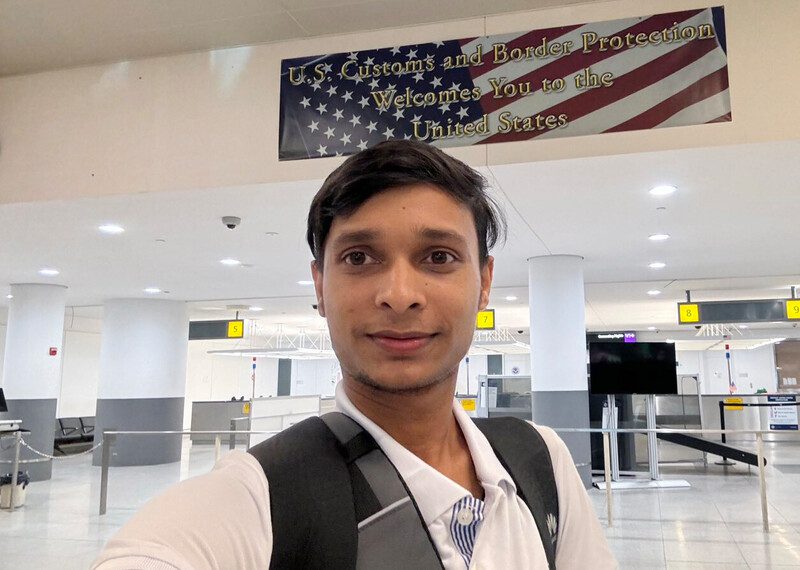
Fearing for their lives, then 17-year-old Maung Sawyeddollah and his family walked 15 days to Bangladesh, where they reached Cox’s Bazar refugee camps. Fuelled by his desire to become a lawyer, Sawyeddollah wanted to seek justice for the suffering around him.
Alongside his studies, he started a campaign calling for Facebook’s owner, Meta, to take responsibility for the way its algorithms amplified anti-Rohingya incitement on the Facebook platform, fuelling the Myanmar military’s violence.
In 2023 Sawyeddollah was facing serious security risks in the refugee camps. Together with partners Victim Advocates International and Dev.tv, Amnesty International put together resources to help ensure Sawyeddollah’s safety. Through Amnesty’s Global Relief Team he was provided with urgent financial assistance to support his security needs throughout the year. In August 2024, Sawyeddollah was granted a student visa and moved to the USA to study. He landed in New York City on 19 August 2024, and he is now an international student at New York University.
Naw Hser Hser and Maggi Quadrini wrote in the Diplomat of 31 January 2024 how 3 years after the Myanmar coup, women Human Rights Defenders remain at the forefront
Three years have passed since the military coup in Myanmar. Since then, the resistance movement has flourished into an inspired example of people’s power and the defiance of authoritarian forces. In the eyes of the military, the hijacking of the 2020 general election and subsequent coup attempt was an easy conquest. They thought that violence and their long-practiced orders of “shoot to kill” would silence the civil unrest that immediately followed. It soon became clear that the generals gravely underestimated the will of the country’s people, who refused to inherit another era of military rule. The people’s rejection of the junta has been widespread and notable for the prominent role played by women in the revolution against military rule.
While the political, social, and armed aspects of the revolution have shifted, what has remained constant is the unwavering participation and leadership of women who have defied patriarchal systems, including gender stereotypes, and set an unquestionable new standard of what is possible for women and girls in Myanmar.
Women human rights defenders are resisting the military dictatorship in different ways despite the many challenges they face. They remain resilient and unwavering in their quest to see the fall of the junta. During these difficult times, women and girls, especially those from ethnic areas, including the Rohingya as well as those who identify as LGBTQ, have faced more forms of violence, including domestic assaults, sexual violence, rape, being coerced into sex work, and human trafficking.
No reliable justice mechanisms exist in Myanmar that can bring perpetrators to court and ensure accountability. Facing a myriad of barriers that prevent and undermine women’s participation, women human rights activists have defied the patriarchal systems promoted by the Myanmar military, which have been used to influence a culture that does not see women as equals.
Rather than submit to the military junta and its patriarchal dictates, women have increased their participation in various facets of the pro-democracy movement. The women’s rights movement has also become more intersectional than ever. Women from urban and rural backgrounds, different ages, ethnic groups, and religions have united in their shared goal of defeating the Myanmar armed forces, quashing the patriarchy, and ensuring gender equality.
In the immediate aftermath of the coup, many women human rights defenders were forced into exile. Many fled to border areas, their names rapidly reaching the top of the lists of those wanted by the junta. This also put a target on their family members. The threat of unlawful arrest and the possibility of torture and death has taken an immense strain on women fighting the military. Yet they have continued to resist the junta’s tactics of intimidation and terror in pursuit of a gender-equal future for Myanmar that is free from military rule.
Women human rights defenders have refused to adhere to Myanmar’s patriarchal status quo in many ways. This was evident through their strong participation in the Civil Disobedience Movement (CDM), where many female majority professions, including garment workers, health care providers, teachers, engineers, police, and even those in the military, quit their jobs following the attempted coup and refused to work for the junta. The Gender Equality Network has estimated that women comprise over 60 percent of frontline protest leaders and roughly 70 to 80 percent of the CDM’s leaders…
Women have been actively involved in resolving the many struggles of this revolution, including in the political, social, and armed arenas. However, there is still a lack of funding support and a lack of recognition within the resistance of women’s roles. There is also a lack of women’s participation in decision-making.
Findings from a new report called “Triple Resistance,” released this month by the Women’s League of Burma (WLB), a community-based organization working on the rights of the country’s women, revealed that despite the risks facing women human rights defenders, including threats to their physical and digital security, they have not been discouraged. On the contrary, they remain committed to seeing an end to military rule – something that is only possible through the participation of women. Of the women interviewed for WLB’s report, nearly 100 percent are involved in humanitarian work, and 50 percent have taken on new roles in the political arena, particularly as federalism becomes more established.
Women-led organizations are driving relief efforts on the ground, particularly in conflict-affected areas of Myanmar. These organizations provide services for victims of gender-based violence, counseling, food kits, and dignity kits, including menstrual care items and materials for expectant or new mothers. In Karenni State, where the capital city is being attacked relentlessly, the Karenni National Women’s Organization is continuing its operations to ensure displaced and vulnerable communities receive urgently needed humanitarian assistance and access to safe houses as gender-based violence rises.
Similarly, in Karen State, the Karen Women’s Organization works with its networks to ensure the swift and secure delivery of aid through cross-border channels effectively and efficiently to meet the needs of displaced groups, the majority of whom are women and children.
In addition, as local leadership across ethnic states and regions in Myanmar adopt federal bodies and institutions, women have participated in leadership capacities and have been central to forming a new federal Myanmar. For example, in Karenni State, women occupy several positions in the Karenni State Consultative Council, the Ta’ang Political Consultative Council, and other locally-driven bodies, as well as in People’s Administration Teams and village administrations.
Women leaders bring decades of experience working with armed actors and rights groups to provide security and protection for their communities. Their leadership must be recognized, encouraged, and accelerated. Without women, there is no sustainable development and consideration of gender perspectives during operations, service provision, or other political developments.
At an international level, governments and donors must understand that knowledge and expertise on locally-led challenges and solutions come from lived experiences and trust, which women and ethnic people can speak to. Global actors must recognize the efforts of women human rights defenders who continue to defy the status quo to ensure that the fall of the military junta will also lead to substantial improvements in gender equality. To do so, they must reinforce their commitment to amplify civil society organizations, including women-led initiatives. This new political space must be supported in order to hold the military junta accountable, at the International Criminal Court, if not in Myanmar itself.
In short, support of gendered programs, and for women’s participation more generally, is an integral part of the struggle against the military junta. Whether on the frontline, in political positions, or the classroom, women make up the substance of the revolution and are gradually carving out a new, progressive Myanmar. They deserve the world’s support.
The International Court of Justice (ICJ) on 22 July, 2022, rejected Myanmar’s preliminary objections to the case brought by Gambia under the international Genocide Convention. The case concerns Myanmar’s alleged genocide against the ethnic Rohingya population in Rakhine State, with a focus on military operations launched in October 2016 and August 2017.
Gambia filed the case before the ICJ in November 2019 alleging that the Myanmar military committed the genocidal acts of “killing, causing serious bodily and mental harm, inflicting conditions that are calculated to bring about physical destruction, imposing measures to prevent births, and forcible transfers … intended to destroy the Rohingya group in whole or in part.”
“The ICJ decision opens the door toward an overdue reckoning with the Myanmar military’s murderous campaign against the Rohingya population,” said Elaine Pearson, acting Asia director at Human Rights Watch. “By holding the military to account for its atrocities against the Rohingya, the World Court could provide the impetus for greater international action toward justice for all victims of the Myanmar security forces’ crimes.”
In February 2022, the ICJ heard Myanmar’s four objections challenging the court’s jurisdiction and Gambia’s legal standing to file the case, as well as Gambia’s response.
In response to Myanmar’s argument that Gambia has no standing to bring the case due to its lack of ties to Myanmar or the Rohingya, the court concluded, “All the States parties to the Genocide Convention thus have a common interest to ensure the prevention, suppression and punishment of genocide, by committing themselves to fulfilling the obligations contained in the Convention.”
By rejecting the preliminary objections, the ICJ is allowing the case to proceed on the merits to examine Gambia’s genocide allegations against Myanmar. Myanmar will now have to submit its response to Gambia’s main arguments filed in October 2020 detailing its case.
The ICJ case is not a criminal case against individual suspects, but a legal action brought by Gambia against Myanmar alleging that Myanmar bears responsibility for genocide as a state.
In December 2019, the court held hearings on Gambia’s request for provisional measures to protect the Rohingya remaining in Myanmar from genocide, which it unanimously adopted in January 2020. The provisional measures require Myanmar to prevent all genocidal acts against the Rohingya, to ensure that security forces do not commit acts of genocide, and to take steps to preserve evidence related to the case. The court also ordered Myanmar to report on its compliance with the provisional measures every six months.
Myanmar is legally bound to comply with the order. However, Human Rights Watch and other groups have continued to document grave abuses against the 600,000 Rohingya remaining in Myanmar, contravening the provisional measures.
The court’s decision on Myanmar’s preliminary objections should encourage the United Kingdom, Netherlands, Canada, and other concerned governments to support Gambia’s case through formal interventions to bolster the legal analysis on specific aspects of the Genocide Convention as it relates to the Rohingya, Human Rights Watch said.
Under article 41(2) of the ICJ Statute, the court’s order for provisional measures is automatically sent to the UN Security Council. As the fifth anniversary of the military’s atrocities against the Rohingya approaches, Security Council members should take steps to address the failure to secure justice and security for the Rohingya. Council members should work to adopt a resolution that gives the International Criminal Court (ICC) a mandate over the situation in Myanmar and severs the junta’s supply of arms and revenue, even if the resolution would be vetoed by Russia or China.
As the Myanmar armed forces continue to carry out atrocities against civilians and ethnic minorities, the ICJ remains one of the few available paths for holding the military to account. Ethnic groups and human rights defenders have aligned in Myanmar to push for the establishment of democratic rule, efforts that are amplified by the pursuit of justice at the ICJ.
“Concerned governments seeking to be leaders for accountability in Myanmar should formally intervene in the Genocide Convention case,” Pearson said. “The case provides an important opportunity to scrutinize the Myanmar military’s abusive policies and practices that have preserved its power over decades.”
Fortify Rights, a human rights organisation on Thursday urged the Bangladesh government to immediately investigate the assassination of Rohingya human rights leader Rohingya human rights leader Mohibullah
In a written statement the organisation called on the authorities to get to the bottom of the murder and hold the perpetrators accountable. No one has claimed responsibility for his murder, but a Rohingya leader claimed that Ullah was killed by the extremist group Arakan Rohingya Salvation Army, which was behind several attacks on Myanmar security posts in recent years.
“This is a devastating loss for everyone who knew and loved Mohib Ullah, and it is also a tremendous loss for Myanmar, the Rohingya people, and the human rights movement more broadly,” said Matthew Smith, chief executive officer at Fortify Rights.
He also said Mohibullah was committed to truth, justice, and human rights and had been facing serious and sustained threats in Bangladesh. Smith further said the Rohingya leader had needed protection.
“Dhaka must prioritize the protection of Rohingya people, including human rights defenders, who routinely experience heightened threats to their personal security,” he added.
Mohibullah, 46, who led the Arakan Rohingya Society for Peace and Human Rights, was shot dead at around 8:30pm at a Kutupalong camp office in Cox’s Bazar on Wednesday.
He had represented the Rohingya community at the United Nations Human Rights Council in 2019. In his address to UNHRC, he said: “Imagine you have no identity, no ethnicity, no country. Nobody wants you. How would you feel? This is how we feel today as Rohingya…”
“For decades we faced a systematic genocide in Myanmar. They took our citizenship. They took our land. They destroyed our mosques. No travel, no higher education, no healthcare, no jobs … We are not stateless. Stop calling us that. We have a state. It is Myanmar.”
Mohibullah came to the limelight on 25 August 2019 when a rally organised by Arakan Rohingya Society to observe two years of the latest Rohingya exodus from the Rakhine state of Myanmar, drew more than 100,000 people.
Amal de Chickera of the Institute on Statelessness and Inclusion worre on 5 July 2019 an OPINION: “We need to build a global statelessness movement”.
…The denial of the right to a nationality and resultant statelessness is a condition imposed on people (almost always through violating international law), with the intention of weakening them. Statelessness is thus, nothing short of violence. Even as the words and actions of many world leaders cheapen human rights and lives; promote insularity, narrow nationalism, racism, xenophobia, misogyny and hypocrisy and disproportionately target the most vulnerable; those denied legal status, the stateless and those at risk of statelessness are inevitably targeted by the politics of hatred and fear.
If the right to a nationality and inclusion were a house, it would be no exaggeration to say global politics and events have (again) lit a spark under its wooden foundation.
Confronted with this reality, over a year ago, our Institute decided to organise a World Conference on Statelessness. This may appear a strange decision, considering the number of all-consuming emergencies globally, but our motivation stemmed from a sense that we cannot always be in reaction mode.
We must confront the issue on the front foot, finding inclusive, creative and effective ways to promote the right to nationality. The conference brought together 300 activists, advocates, academics, artists and others from 60+ countries. One participant referred to it as the ‘A team’, not merely for the alliterative descriptors, but because of the commitment shown to come together and create something bigger and better than the sum of our parts.
But what does this mean?
On an issue as complex and intersectional as statelessness, spanning numerous fields including human rights, migration, child rights, development, feminism, humanitarianism, conflict, economics and politics (to name but some), it is evident that there are no simple or straightforward solutions. The conference however did throw up some clear indicators:
The grand challenges of statelessness: the conference was structured around 10 Grand Challenges focusing on global crises and big issues – the Rohingya, Syria, gender discrimination, citizenship stripping and legal identity etc. These issues are bigger than statelessness but can only be resolved if the right to a nationality and statelessness is understood and prioritised.
The underlying problems: The underlying causes of exclusion and statelessness are most often racism, patriarchy and xenophobia. We can tell right from wrong when a racist attacks a minority child, a misogynist harasses a woman, or a xenophobe abuses a migrant. But when this happens under the cloak of law, procedure and official language, we respond not with anger, but tolerance. We try to find a middle ground. The Kuwaiti Bidoon, the Nepali mother or stateless refugee in Greece are not searching for middle ground. They demand their rights.
Celebrating successes: We have many successes to celebrate, including the Makonde successfully securing their Kenyan citizenship and Sierra Leone passing a gender equal nationality law. We must learn from our successes, as we do from our defeats.
Inclusive, interdisciplinary and effective: We have to confront inequalities among ourselves, accepting the very real barriers to inclusion we face, challenging ourselves to diversify our work and our partners, and ultimately transcend the limitations of our own organisations and contexts, creating something bigger, that cannot be claimed by one entity.
Activists front and centre: A global movement must have courageous activists who defy the odds to fight for their people. We who are not directly impacted by statelessness must step aside and let the real experts set the agenda, guide us and hold us to account.
We have a long way to go, but the stakes cannot be higher. The more nationality is instrumentalised and viewed as a privilege to be taken away from the undeserving, the more we will see people and groups being labelled as such, so they may be excluded, denied and deprived. Our house is burning and we can only stem the fire through a global movement and working together.
Earlier on Tuesday, Myanmar said it will release 6,520 prisoners in an amnesty, according to a statement from the president’s office. President Win Myint pardoned thousands of prisoners in two mass amnesties last month. It is customary in Myanmar for authorities to free prisoners around the time of the traditional New Year, which began on April 17.
“We are enormously pleased that Myanmar has released our courageous reporters,” Reuters editor-in-chief Stephen Adler said in a statement. “Since their arrests 511 days ago, they have become symbols of the importance of press freedom around the world. We welcome their return.” Reuters has said the two men did not commit any crime and had called for their release.
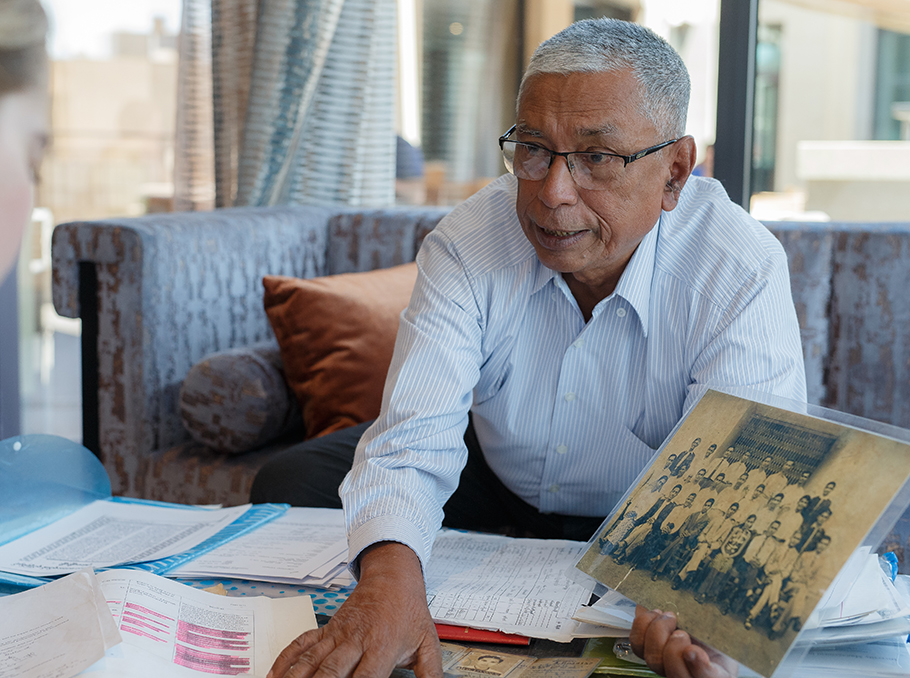
The third Aurora Prize for Awakening Humanity was awarded to Mr. Kyaw Hla Aung, a lawyer and activist recognized for his dedication to fighting for equality, education and human rights for the Rohingya people in Myanmar, in the face of persecution, harassment and oppression. The award comes with 1 million USD to be given by the Laureate to other organisations. For more on this and other awards see: http://trueheroesfilms.org/thedigest/awards/aurora-prize-for-awakening-humanity. See also: https://humanrightsdefenders.blog/2016/04/25/inaugural-aurora-prize-1-million-goes-to-marguerite-barankitse-founder-of-burundian-orphanage/Vartan Gregorian, Co-Founder of the Aurora Prize and Member of the Selection Committee, commended Mr. Aung, stating: “As we remember the horrors and violence experienced by Armenians – especially women and children – on the deportation route during the Genocide, it is with a great sense of responsibility that we stand ready to support Kyaw Hla Aung’s advocacy work that will hopefully lead one day to the enactment of national and international policies to protect and defend the vulnerable. Kyaw Hla Aung is doing tremendous work, at great risk to himself, and exemplifies the far-reaching impact one person can have to galvanize a movement, and to help individuals transform their lives.”
As the 2018 Aurora Prize Laureate, Kyaw Hla Aung will receive a $ 100,000 grant and he will donate $ 1,000,000 award to:
• Médecins Sans Frontières (London)
• Malaysian Medical Relief – MERCY Malaysia (Malaysia)
• International Catholic Migration Commission – ICMC (Switzerland, USA)
Kyaw Hla Aung has been working for decades, using his legal expertise to appeal for basic human rights for the stateless Rohingya people. His commitment to fight for justice for the hundreds of thousands of Muslim refugees in Myanmar persecuted by the government, and for the children who no longer have access to education, remains stronger than ever. He sacrificed a total of 12 years in prison as a result of his mission, at huge personal cost to his own family. On being named the 2018 Aurora Prize Laureate, Kyaw Hla Aung said: “There are severe restrictions on my people. They have lost their courage and faith in themselves, have become illiterate, and, as a result, are penniless. It has been heartbreaking to see my community suffer from such discrimination. The support of the Aurora Prize serves as important recognition for all of the Muslim victims of human rights violations, as the plight of the Rohingya people continues to become more visible to the international public.”
Kyaw Hla Aung was congratulated by Dr. Tom Catena, who was awarded the 2017 Aurora Prize for his exceptional commitment to providing urgent medical care to the 750,000 people in the war-torn Nuba Mountains of Sudan. He said: “The Aurora Prize has created a true light for our people in Nuba, and has helped rebuild the resilience of our community, ultimately to keep people alive. I am proud to share the Aurora Prize mantle with such a selfless humanitarian as Kyaw Hla Aung. I congratulate him on receiving this award and applaud his incredibly selfless efforts fighting for such a noble cause.” [see also” https://humanrightsdefenders.blog/2017/06/28/nominations-are-open-for-the-2018-aurora-prize-for-awakening-humanity/]
Guests of the Aurora Prize Ceremony also honored the contributions of the other two 2018 Aurora Prize Humanitarians: Dr. Sunitha Krishnan, women’s rights advocate and Co-Founder of Prajwala, India, and Father Tomás González Castillo, Founder of La 72, a center that supports Central American migrants in Mexico.
This week’s ‘television programme’ Just Asia (9 February 20018) covers a number of important issues:
Burma: the UN’s Human Rights Commissioner warning that the government’s persecution of the Rohingya Muslim minority has the potential to spark regional conflict. “It is sometimes said that today’s human rights violations will become tomorrow’s conflicts.” Also this week, the Associated Press confirmed at least five mass graves found in Rakhine, through multiple interviews and time-stamped cell phone videos. The graves are the newest piece of evidence suggesting genocide.
Indonesia: the visit of the United Nations High Commissioner for Human Rights, Mr. Zeid Ra’ad Al Hussein, ended 7 February. Among the Commissioner’s various meetings, two important ones were the civil society meeting hosted by Indonesia’s Minister of Foreign Affairs, and the meeting with victims of human rights violations hosted by the National Commission on Human Rights. Local groups are hopeful that the high profile visit will significantly influence human rights development in Indonesia. Moreover, Mr. Zeid ended his visit with the announcement that his office would soon send a mission to West Papua to learn about the human rights situation there. (with an interview with Mr. Bedjo Untung, a Survivor of the 1965-1966 massacre)
The Philippines, President Rodrigo Duterte’s political allies are proposing to amend the Constitution, to change the country’s presidential form of government to a federal one. While focusing on political changes, the current constitutional debate is silent on constitutional rights. Philippines’1987 Constitution includes the Bill of Rights and many provisions relating to social justice. These are the culmination of a people’s aspirations after suffering for years under the dictatorship of Ferdinand Marcos. Any debate on constitutional change must therefore include discussion on the protection of constitutional rights.
Nepal, Plain clothes police arrested 14 year old Sandip Prasai on 1 February, and accused him of being a thief and a drug addict. Sandip was admitted to a hospital on February 4, where the doctors said there are no visible signs of injuries on his body, but he has suffered from panic attacks. Activists are calling on the government to investigate the incident and suitably punish the officers involved in beating a juvenile.
Yanghee Lee, U.N. human rights special rapporteur to Myanmar, talks to journalists during a news briefing in Yangon, Myanmar, in July 2017.
Yanghee Lee, the U.N. special rapporteur on Myanmar, says she has been told that the Myanmar government will neither cooperate with her nor grant her access to the country for the remainder of her tenure. Lee was scheduled to visit Myanmar in January to assess human rights in the country, particularly in western Rakhine state, where the Rohingya are concentrated.
“I am puzzled and disappointed by this decision by the Myanmar Government,” she said in a statement. “This declaration of non-cooperation with my mandate can only be viewed as a strong indication that there must be something terribly awful happening in Rakhine, as well as in the rest of the country.” “Only two weeks ago, Myanmar’s Permanent Representative informed the Human Rights Council of its continuing cooperation with the UN, referencing the relationship with my role as Special Rapporteur,” Lee said. Amnesty International called Myanmar’s decision to bar Ms Lee “outrageous”. James Gomez, the group’s director for Asia and the Pacific, said: “It is a further indication that authorities will do anything they can to avoid international scrutiny of their human rights record.” [see also: https://humanrightsdefenders.blog/2017/02/01/murder-of-human-rights-defender-ko-ni-in-myanmar/]
The U.N. says more than 630,000 Rohingya have fled Myanmar since ongoing military attacks that began in August. Doctors Without Borders estimates that 6,700 Rohingya were killed in the first month of the crackdown. Refugees streaming into neighboring Bangladesh have brought with them tales of rape and murder at the hands of Myanmar’s soldiers.
Myanmar’s refusal to cooperate with the U.N. comes as the country set up a joint working committee for the return of Rohingya refugees with Bangladesh — where hundreds of thousands are housed in squalid border camps. Under an agreement signed last month in Dhaka, a 30-member working group is to be set up for the voluntary repatriation of Rohingya.
The authorities last week arrested Wa Lone and Kyaw Soe Oo, Reuters journalists who have been covering the Rohingya crisis, and the men are being held incommunicado at an undisclosed location. They were arrested after being invited to dine with police officers on the outskirts of Yangon, the commercial capital. After the arrests, the ministry of information released a picture of the men in handcuffs and alleged they had “illegally acquired information with the intention to share it with foreign media”.
‘If you threaten human rights defenders, you break the eyes, mouths, legs, and arms of the people’, said the Wai Wai Nu, Director of Women Peace Network Arakan in Myanmar/Burma.
Ms Wai Wai Nu is a Burmese human rights defender committed to working for peace and justice in her country. She is the Director the Women Peace Network Arakan, which she founded in 2012 upon her and her family’s release from prison after seven years of detention. ‘When I was released, I saw some positive changes in cities but not in rural areas: not in areas where ethnic minorities lived. It was then I took responsibility to work for my people’.
The Women Peace Network Arakan carries out civic education and works for the empowerment of women and young people. The Network also encourages interfaith dialogue to build much-needed trust between religious communities. Ms Nu – herself a member of the Rohinga Muslim community – is vocal about the rights of minorities in Burma. She stresses that the notion of democracy needs to be understood beyond a strict notion of parliamentary democracy where the majority rules. Upholding the rights of the many minority communities in the country requires commitment to democratic processes that respect and protect rights, including land rights.
‘There are so many human rights violations occurring in Burma – from land grabbing, and sexual violence in conflict areas, to media restrictions, and attacks against human rights defenders. We work with young people, who tend to be open-minded, encouraging them to engage with the spirit of democracy, to work for the promotion of justice and human rights for all’.
Ms Nu is also co-founder of ‘Justice for Women’, which works to promote women’s rights, raises awareness about sexual harassment and discrimination and provides basic legal education.
With the political reforms in Burma since 2011, opportunities for human rights defenders to operate in the country have opened up. However, the environment for defending rights remains restricted and attacks against defenders numerous. The changing political landscape has seen a rapid increase in foreign companies operating in the country and with it reported threats against HRDs working in the field of economic, social, and cultural rights. Human rights defenders have experienced arbitrary arrest and former detainees report the fear of re-arrest.
‘We have to be very careful. Defenders feel they are being watched. I make sure I speak in terms of the international human rights legal framework, and don’t directly confront the government. I adopt a very diplomatic approach’.
The protection of human rights defenders remains a crucial component of securing the respect of rights in Burma. Ms Nu is clear that when human rights defenders are threatened, there is no protection of the population as a whole, and there can be no progress towards a truly democratic country or economic development. The UN has focused specific attention on Myanmar through the work of the Special Advisor of the Secretary General and the Special Rapporteur on Myanmar. There are also several UN bodies working in the country.
This comes from an interview with ISHR on 10 November 2014.



 Hans Thoolen on Human Rights Defenders and their awards