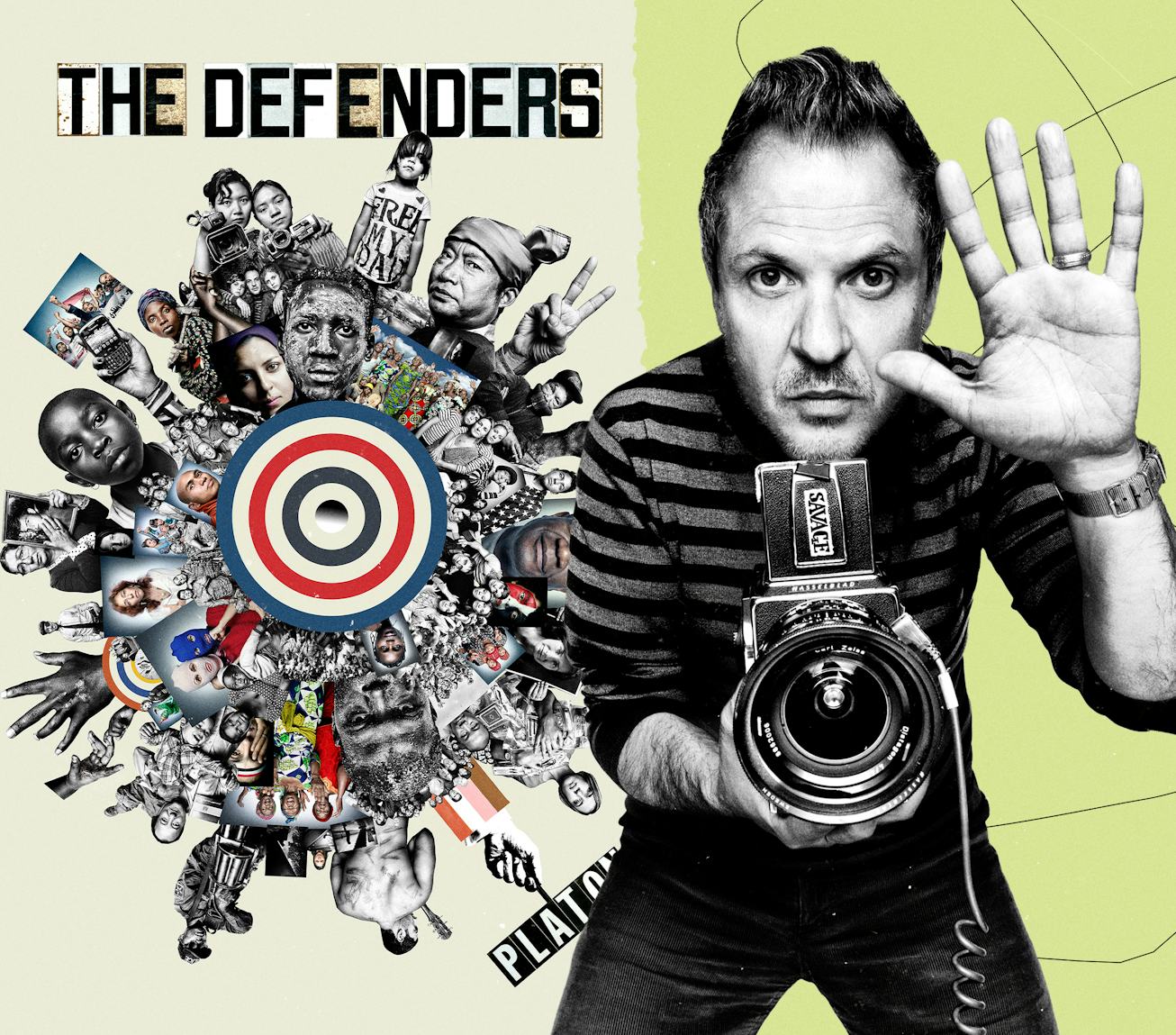
Fifteen years ago, Human Rights Watch approached celebrity portrait photographer Platon with a pitch: They wanted him to help educate the public on the human rights crisis in Myanmar by capturing imagery of the people there. The trip swerved the trajectory of Platon’s career, putting him on a years-long path of putting a face to those affected by and fighting against human rights violations. Now, Platon is releasing those photographs in an ambitious book titled The Defenders: Heroes of the Global Fight for Human Rights, which is accompanied by a major exhibition of portraits at UTA Artists Space in Los Angeles, on view from May 3 to 25.
“You photograph them the way you photograph celebrities and world leaders and models,” Platon says of his subjects in Myanmar. “I photographed them not as victims; I photographed them as powerful, resilient human beings who refuse to be broken.” When he returned from Myanmar, he went to The New Yorker and urged them to publish the photos; after those ran, the media began “seeing human rights defenders and activists as heroes,” he says. “It was a different mindset.”
In 2013, Platon formed his own human rights foundation, which gave him the resources to document the Egyptian Revolution, as well as to Russia, where he photographed dissidents under Vladimir Putin’s regime. He went to the Democratic Republic of the Congo, capturing images of people fighting against sexual violence. He spent a whole year crossing the Mexican-American border, taking photos of families torn apart by immigration policy. The Defenders is a compilation of all this work over the last 15 years.
“I’ve spent so much time in front of powerful people,” Platon says. “They say I’ve photographed more world leaders than anyone in history now. I’ve seen dandruff on world leaders. I see if they’re nervous and their eyelids flutter. I feel their pulse. People ask me a lot what I think power is. I think power is something that, if you are lucky to acquire any at all, you have to share it. You have to use it to help others.”
‘My passion is the defence of the right to land and territory,’ says Lourdes Gómez, a land rights defender and professor working on issues affecting Indigenous women defenders and the impacts of palm oil production.
The ISHR had the chance to meet Lourdes Gómez during her Geneva visit to attend the Human Rights Council’s 55th session. Lourdes, a land right defender and professor working on issues of Indigenous women defenders and the impacts of oil palm production, delivered a powerful statement during the session. She was also one of the speakers at a side event about the human rights situation in Guatemala.
Lourdes recently participated into the ‘artivism’ project by journalist and photographer Teresa Ordás, ‘Paisojos de mujeres defensoras de derechos humanos de Guatemala‘ (‘Landscapes of women human rights defenders from Guatemala’). The project is a collection of beautiful photographs of the real reflections of the subjects’ eyes, where Teresa Ordás highlights ‘the world in people’s eyes.’ [Website: https://www.paisojos.com]
Here is how Lourdes introduces herself in the frame of ‘Paisojos’:
‘I am a Q’eqchi’ Mayan woman of African descent. I inherited my path of defending human rights from my mother Lucia Willis Paau, who since my childhood had joined the movement to defend the rights of Mayan women in the north of Guatemala. My passion is the defense of the right to land and territory. I have dedicated myself to denouncing the violence that the State of Guatemala exerts at the community level on Indigenous, rural and peasant women while they fight for access, use, control and protection of their land. These communities face racism, discrimination and machismo. I have dedicated myself to the defense of land rights, contributing through historical registry and communal research, to the restitution of land rights’.
From 30 November to 15 December 2022, the Swedish Embassy in The Hague and the Swedish Institute, show a series of portraits of Human Rights Defenders. A tribute to those fighting for human rights & women’s rights “In a number of countries, human rights defenders and journalists are subject to arbitrary detentions, kidnappings, disappearances, physical aggressions, judicial harassments, death threats and intimidations. Some have paid the ultimate price for their commitment. I hope that these extraordinary and courageous people will inspire others to create a better, safer and more gender-equal society.” Anette Brolenius, Photographer .
Location: ATRIUM, The Hague Open for all, free of charge. *
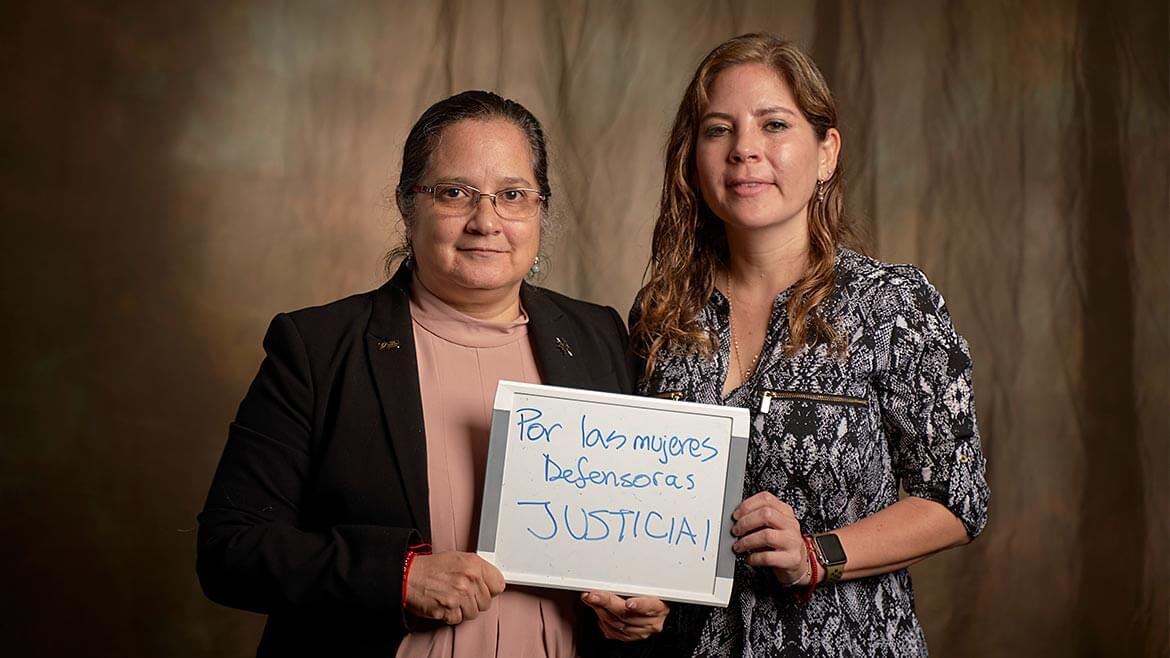
“The right to defend human rights is a right already recognized. We have to be mindful and careful and state clearly that no one should be defamed, persecuted, prosecuted, or killed because they exercise their right to defend rights, regardless of their political position.”
CLAUDIA SAMAYOA
Unidad de Protección a Defensoras y Defensores de Derechos Humanos
Guatemala
and
ALEJANDRA SERRANO PAVÓN
Environmental Law Alliance
Mexico
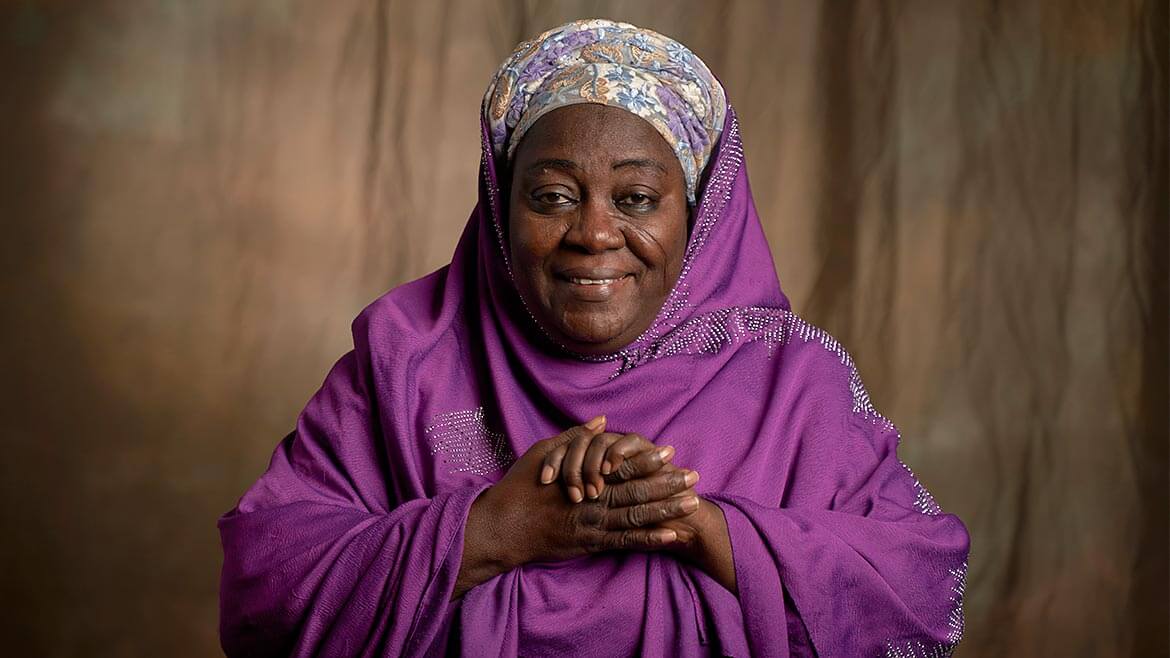
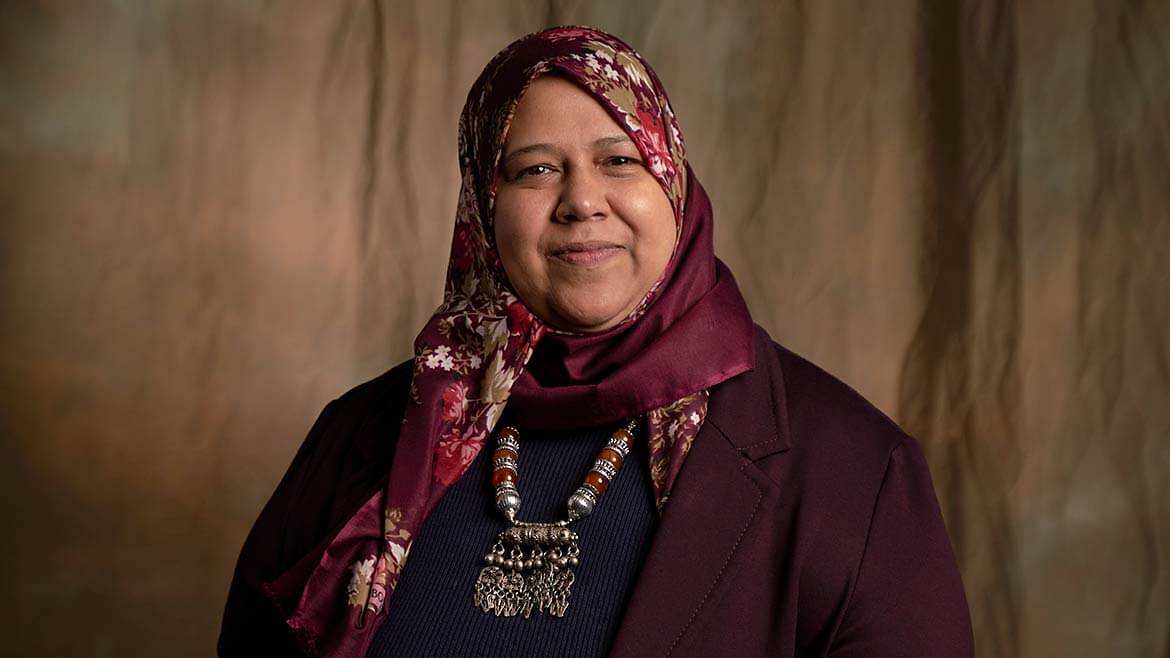
“We believe that if people understand the concept of human rights and are able to apply it to their lives, then there will be more peaceful coexistence. Then government can cut down on the bills for buying arms and ammunitions. Then development can take place because everybody’s living peacefully and they’re able to go about their normal businesses fully.”
HALIMAT JIBRIL
Federation of Muslim Women’s Associations in Nigeria (FOMWAN)
Nigeria
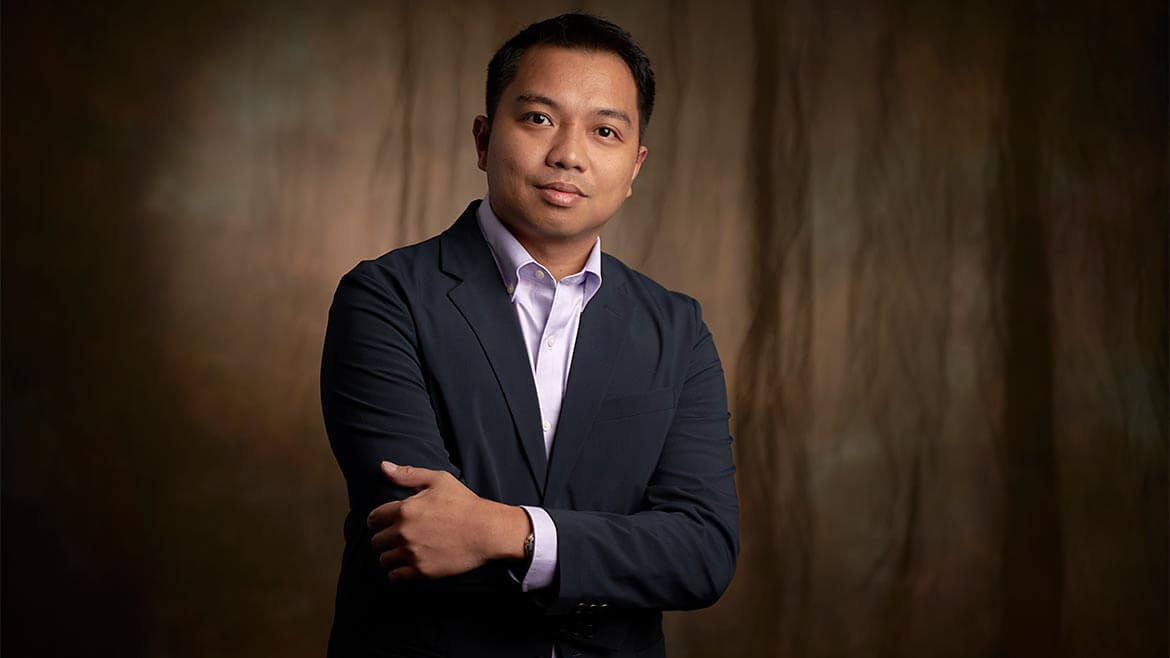
“We have seen the rise of many youth-led movements around the world, and these young protesters are speaking out and standing up not just on the issue of environmental crisis, but also on land rights, on democracy. All of them are using the internet as a tool not just for communication but also for organizing and mobilizing these campaigns. One concrete way we can support youth-led movements is to make sure that these internet tools remain accessible, safe, and truly empowering.”
RAYMOND “MONG” PALATINO
Global Voices
The Philippines
“The Palestinian people, just like all people around the world, are seeking the preservation of life, liberty, and the pursuit of happiness. And when that is undermined in one part of the world, it is undermined everywhere. I feel like the Palestinian situation is just a microcosm of global injustice. If we can solve one, we can solve the other. But big problems require collective minds.”
WESAM AHMAD
Al-Haq
Palestine
“Every time that we’ve had significant change in our country, religion has been at the heart of it. It’s been part of what motivates people. It speaks to our values. To neglect religion in thinking about human rights would be to neglect a huge part of the resources that we have in taking on the injustices we face.”
COLLEEN WESSEL-MCCOY
Kairos Center for Religions, Rights, and Social Justice
United States
“Solidarity is not about ‘me’; it’s about ‘we.’ It’s about just being there – not being ahead of somebody or behind somebody, but standing with them.”
STACEY HOPKINS
Activist
United States
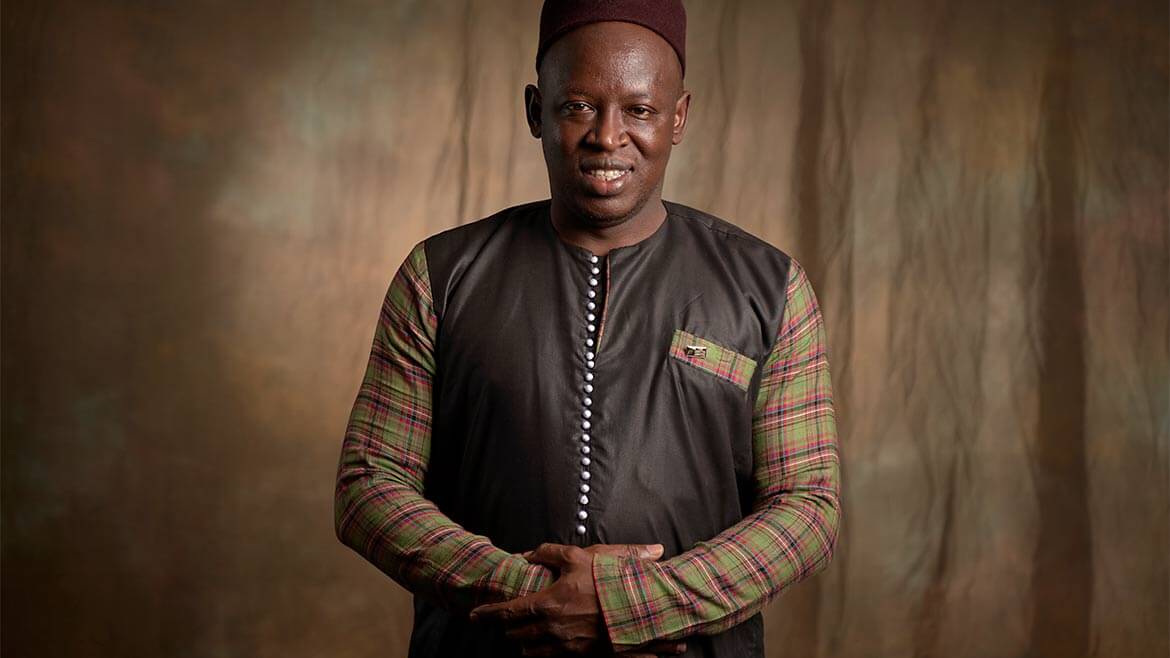
“The relationship we build between people is the greatest wealth we can have. It is beyond money. It goes beyond what you have in your bank account. When you have a good relationship with the people – your friends, your family, your colleagues – that is a good foundation to build a country.”
HALIDOU NGAPNA
Carter Center Human Rights House
Democratic Republic of Congo
“In 1996, we embedded human rights into our three-year program. Immediately, we started seeing change. It was like a revolution. Community members started coming out and promoting their own rights, started talking about their responsibilities. This was possible because we talked about all the aspects of human rights – economic rights, cultural rights, political rights, and civil rights. After people understood human rights, we started seeing changes in deeply rooted cultural practices, including female genital cutting and child marriage. They started having dialogues around gender-based violence against women and girls. Women started taking political positions, because they now understood they have the right to vote, and the right to be elected. Things started changing.”
GODFREY OCHIENG OKUMU
Tostan International
Senegal
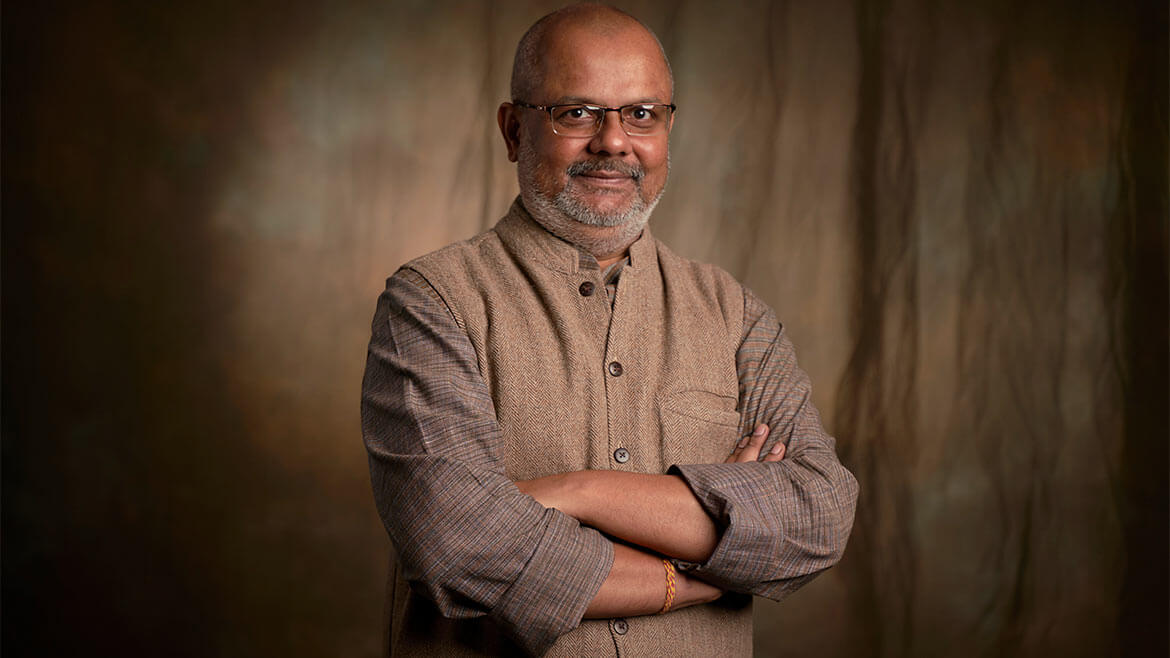
“If you’re not indifferent, the world will be different. Challenging our own indifferences is extremely important.”
RAMESH SHARMA
Ekta Parishad
India
“In 2015, our lives began to change completely. We lost our jobs; we lost our homes; we lost our country; we lost our dignity. But we did not lose hope, and we will never lose hope.”
MUNA LUQMAN
Food4Humanity
Yemen
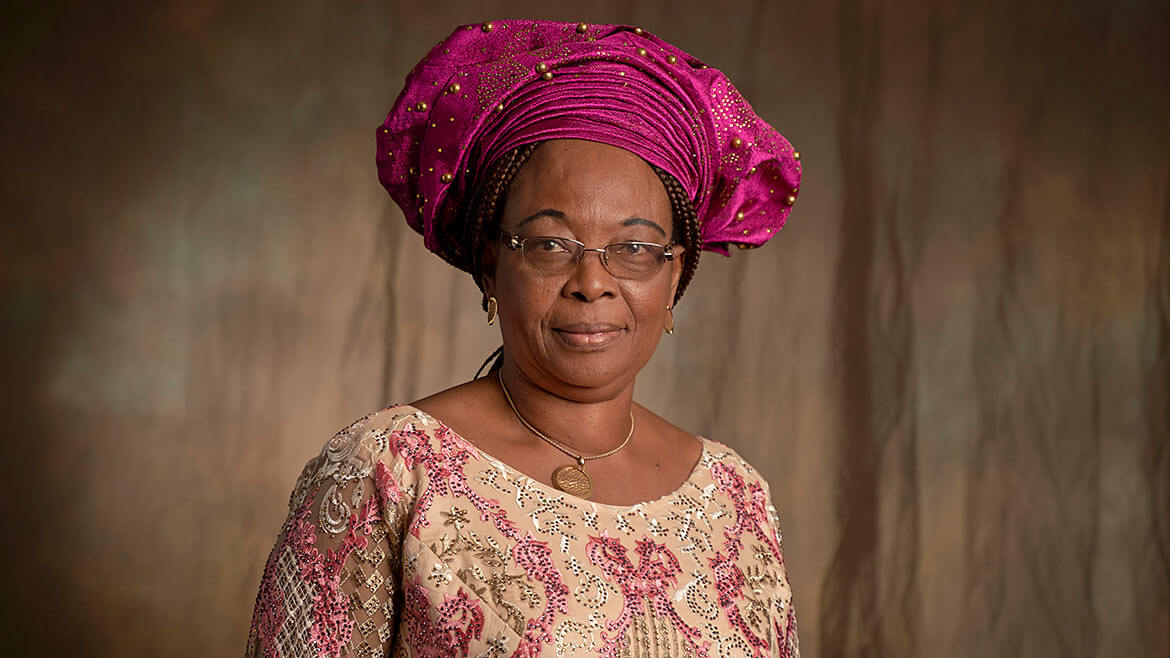
“The motto of our organization is taken from John 17:21, which says, ‘That all of them may be one.’ If all should be one, there should be no violence, there should be no quarrel, there should be no killing. For all of us to be one, there must be love. There must be peace. There must be unity. And there must be togetherness.”
VICTORIA BOLANLE IHESIULOR
Christian Association of Nigeria, Women’s Wing
Nigeria
When looking for ways to engage young people in human rights work, this is an idea: Amnesty International UK has been running for many years a series of media awards. In 2010 it added human rights awards for YOUNG reporters, photographers, reporters, campaigners, fundraisers and poets. Read the rest of this entry »
The tribute was first launched at AWID’s 12th International Forum on Women’s Rights in Development, held in April 2012 in Istanbul, Turkey. The new version of the tribute takes the form of an online photo exhibition launched on 25 November, Day for the Elimination of Violence Against Women and ends on 10 December, International Human Rights Day with a special slide show featuring 16 WHRDs from around the world. The tribute features photographs and biographies of rights leaders from around the world. Each day of the campaign AWID will share the story of a WHRD(s) on its website as well as through Facebook and Twitter using hashtags #16days and #AWIDMembers and link back to the full online exhibit which will commemorate and celebrate the work and lives of WHRDs who have passed away since January 2011.
About one third of those honored in this tribute were killed or disappeared due to their activism. Women like Agnes Torres, from Mexico, Cheryl Ananayo, from the Philippines who was assassinated as she struggled against a mining company; Colombian women’s human rights defender Angelica Bello who died in suspicious circumstances; and Petite Jasmine, board member of Swedish sex worker’s rights organization Rose Alliance who was murdered by the father of her children, who had threatened and stalked her on numerous occasions.
Just now I received – via HURIDOCS – from the Odhikar Team in Bangladesh this update: “Today, 11 February 2014, at around 12:30 in the afternoon, the man who drives Saira Rahman Khan’s car, [Adilur Rahman Khan is Secretary of the human rights NGO Odhikar], received a phone call from 01822924228. The man who called him said he was Sub-Inspector Shahid from the intelligence agency. He told the driver that he must give him regular updates on Adilur Rahman Khan’s whereabouts. The driver said that he did not work for Adilur Rahman Khan and did not know where the latter went everyday and he could not give that kind of information. The man hung up. After that at 12:57 the same man, from a different phone number (01678046854) called the driver again and threatened him that if he did not give the information he wanted, he would face grave physical harm. The driver went to Odhikar and told the fact finders that he feared for his safety.”
With this message, the Odhikar Team attached the photograph (below) of members of the intelligence agencies in the lane outside the Odhikar office. Notice that the motorcycle has no license plate, which is apparently rather typical for the intelligence agency. Read the rest of this entry »
The reliability of images captured and transmitted by HRDs is crucial to keep the value of their hard-won evidence high . The InformaCam application proposed by Witnessuses the built-in sensors in modern smartphones as well as wi-fi, bluetooth, and cell-tower information to create a snapshot of the environment in which an image or video was captured. This validates the date, time and location of capture. Digital signatures and encryption ensure that the images haven’t been tampered with and can only be opened by the intended recipient.
I have always tried to keep you up to date on technological developments that can benefit human rights defenders. On 5 September 2013 I listed several new ideas (Natalia bracelet; Panic Button; Silent Circle; Security in a Box) and added the question who among the hard-pressed human rights defenders on the ground have the time and energy to sort through all this and pick what is most meaningful for them?.

 Hans Thoolen on Human Rights Defenders and their awards