
carried an article on “Protecting Those Who Protect Rights: Why Temporary Relocation Programs Are Essential”
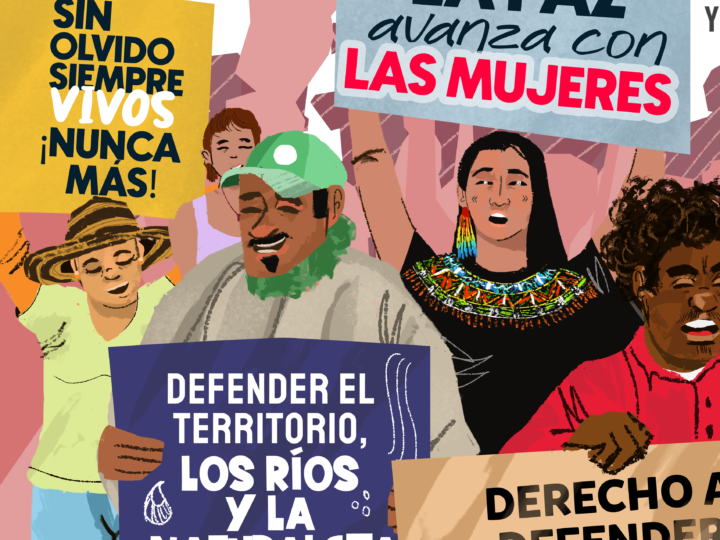
Illustration by Kevin Valenzuela
Every day, human rights defenders risk their lives to safeguard the freedoms we often take for granted. They face threats, violence, and relentless pressure simply because they choose to stand on the side of justice. Every year, different NGOs monitor the situation for human rights defenders globally and publish evidence of the attacks they are facing. Yet behind the headlines and statistics are real people – exhausted, targeted, and often left without adequate protection. For many, a safe space to take a break is not a luxury; it is a lifeline. It is the difference between burnout and resilience, between silencing and survival.
Human rights defenders work under constant pressure, facing political hostility, economic hardship, and systemic threats. The risks are severe and growing. Globally, Front Line Defenders reported at least 324 killings across 32 countries in 2024. These are not merely numbers; they reveal great risks and ongoing rights violations. Such realities underscore the urgent need for temporary relocation programs to offer defenders safety and space to continue their work.
Beyond the physical risks, defenders also face severe burnout and psychological strain. The emotional toll of their work is immense: constant exposure to threats and stories of violence can lead to secondary trauma, chronic exhaustion, and deep isolation, especially for those working without strong support systems. Temporary relocation programs help address these often‑invisible harms by offering a protected space for rest, reflection, and psychological support. As one participant from the Oslo as a Breathing Space City (Oslo Breathing Space City) program explained,
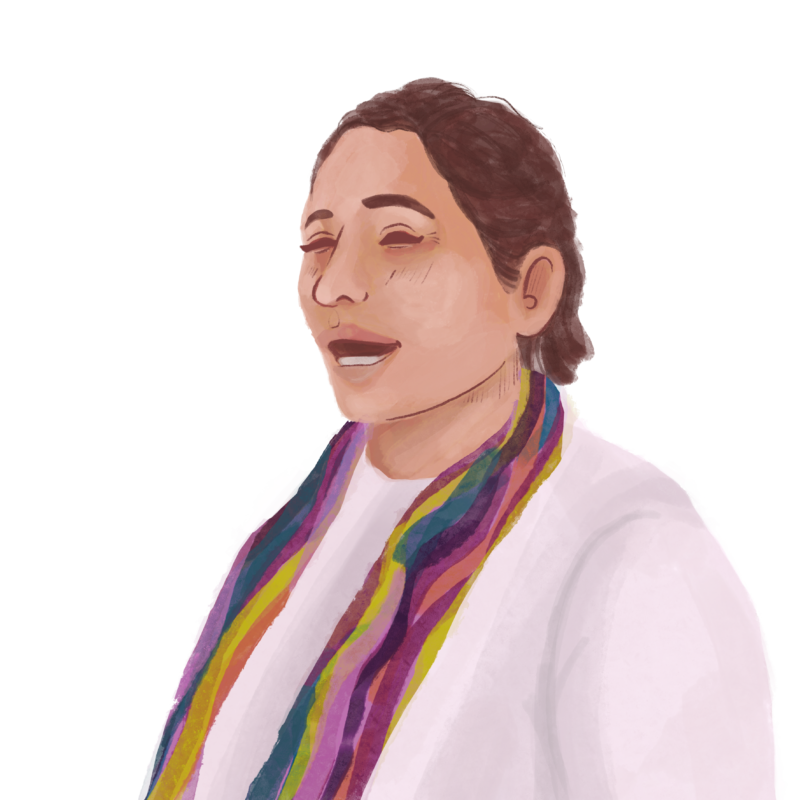
“The learnings related to well-being, stress management, and sustainable engagement have influenced how I interact with colleagues and community members. I have helped normalise conversations around mental health and burnout within my professional circles”Naghma Iqtidar, Pakistani human rights defender and Oslo Breathing Space City guest during Spring 2023.
This is precisely where temporary relocation initiatives play a crucial role. Similar to other rest and respite temporary relocation programmes, Oslo Breathing Space City offer defenders a three‑month stay in Oslo tailored to their individual needs. These initiatives provide psychosocial support, opportunities to connect with other organisations, and a safer environment in which defenders can continue their activism. Importantly, they take a holistic approach to protection, addressing not only immediate security needs but also the emotional, psychological, and relational dimensions of a defender’s wellbeing in the long term. Because of this broader focus, they can create different forms of impact, which are complementary to more traditional protection tools. They not only offer safety but also create the conditions for sustainable, long‑term resilience...
Finally, the impacts of supporting individual human rights defenders with a holistic and long-term approach can have great benefits for their organisations, movements and communities at home, as the learnings and networks on an individual level can lead to concrete initiatives that are positive for many people or be passed on to colleagues and ultimately impact the organisational or community resilience. Some examples have been shared by previous participants of Breathing Space City:
Why are temporary relocation programs for human rights defenders essential?
- They serve as an essential fallback when other protections fall short, giving defenders the space to step away from immediate danger, regain perspective, and gather the clarity and energy they need to continue their work more effectively once they return home.
- They help prevent burnout and psychological harm, allowing them to sustain their activism with greater resilience over the long term.
- They strengthen global networks and solidarity, creating long-term impact beyond the relocation period.
- They contribute to stable and resilient human rights communities in regions where defenders face systemic violence and persecution.
Expanding relocation support as a lifeline for human rights defenders
Supporting them through relocation programs is not just an act of solidarity; it is a lifeline that enables them to continue their vital work with even more impact, resilience and sustainability.
There are currently numerous temporary relocation programmes worldwide, each with its own focus and reach. They need continuous funding and political support to be able to keep hosting human rights defenders. While programmes in safe countries of the Global South should be expanded, so that defenders facing stricter visa barriers can also access temporary protection, there is also a strong need to sustain programmes in the Global North. These locations often offer unique added value to guests, including access to international networks, advocacy spaces, and specialised resources. In addition, locations like Oslo support rest by providing security, easy access to nature, and a welcoming environment.
According to the latest report from ProtectDefenders.eu, about 30% of protection investment now goes to temporary relocation programs, showing that donors see relocation as a key mechanism within human rights defender protection efforts. While overall public funding for defenders remains very low relative to need, around 0.10% of total Official Development Assistance, the portion dedicated to protection, including relocation, has grown noticeably. This suggests donors recognise the urgency of investing in safety as a priority, even as broader funding remains constrained. Nonetheless, as the need is growing, more funding efforts are necessary to maintain and develop existing and new programmes. The EU Agency for Fundamental Rights recommends broadening relocation programs, increasing awareness about defenders’ work and risks, providing more adequate support during stays, and revising legal instruments to address their specific needs.


 Hans Thoolen on Human Rights Defenders and their awards