Posts Tagged ‘joint letter’

JOINT NGO LETTER asks to suspend EU-CHINA HUMAN RIGHTS DIALOGUE 2024

June 17, 2024

On 12 June 2024, a group of important NGOs addressed the following letter to Josep Borrell, EU High Representative for Foreign Affairs:

We, the undersigned civil society organisations, are writing to reiterate our request for the European Union to suspend its human rights dialogue with China, and to consider other, more impactful measures at the EU’s disposal to address the Chinese government’s assault on human rights at home and abroad.

While appreciative of the open and frank discussion and engagement with the EEAS in preparation of each round of human rights dialogue with China, we regret that the EU continues this exercise despite its amply proven ineffectiveness over 38 rounds. While the EU raises concerns during these dialogues, it knows that the Chinese government will not acknowledge abuses, will not undertake any effort to secure accountability, and will not be persuaded to undertake any policy or legislative action to comply with China’s international human rights obligations. The EU’s reluctance to establish any measurable benchmark of progress, or even to establish clearly defined objectives beyond having a dialogue, exacerbates the ineffectiveness of this exercise.

This year’s human rights dialogue would also entail EU officials sitting down with authorities in Beijing to “engage… through dialogue and cooperation” on human rights, days after the 35th anniversary of the Tiananmen massacre.

Since Xi Jinping came to power in 2013, the Chinese government has intensified its crackdown on dissent, harassing and imprisoning human rights defenders and activists including the Swedish bookseller Gui Minhai, the Uyghur economist and Sakharov Prize laureate Ilham Tohti [7 human rights awards, see: https://www.trueheroesfilms.org/thedigest/laureates/37AE7DC4-16DB-51E9-4CF8-AB0828AEF491], the Hong-Kong barrister and human rights activist Chow Hang-tung and human rights lawyers Yu Wensheng and his wife Xu Yan, who were arrested a little over a year ago on their way to meet with the EU delegation [see: https://www.trueheroesfilms.org/thedigest/laureates/69fc7057-b583-40c3-b6fa-b8603531248e and https://humanrightsdefenders.blog/2023/07/12/new-wave-of-repression-against-human-rights-lawyers-unleashed-in-china/]. The Chinese government has committed egregious violations against Uyghur and other Turkic communities in Xinjiang/The Uyghur Region, which a report of the UN High Commissioner for Human Rights in August 2022 stated “may constitute international crimes, in particular crimes against humanity.” Beijing has also intensified its repression in Tibet, while in Hong Kong the creation of a new national security architecture at Beijing’s behest has severely restricted the rights and freedoms long enjoyed by Hong Kong’s people.

Beijing’s foreign policy has also been increasingly detrimental to human rights, both in the region and beyond. The Chinese government continues to support highly abusive governments, to challenge international efforts to secure accountability for grave abuses, and to intensify efforts to undermine the international human rights system and rewrite its norms. The Chinese government has also engaged in increasingly brazen transnational repression – abuses committed outside its borders – including in EU countries.

The EU has already suspended human rights dialogues with highly repressive countries such as Russia, Syria, Belarus, and Myanmar, among others, in light of the nature, scale and pervasiveness of their authorities’ human rights abuses and violations of international law. The Chinese government has committed serious crimes amounting to crimes against humanity. It has long been evident that the human rights dialogue is not an appropriate nor an effective tool to address them. There is no reason to expect the 39th round will prove more beneficial to the rights of people in China than the previous 38. The EU and its member states should pursue different, more effective actions to press the Chinese government to end its crimes against humanity and other serious violations – and to hold accountable those responsible for failing to do so.

We have long been suggesting alternative action, latest in this February 2023 letter. We stand ready to discuss these and other options with you any time.

Signatories:
Amnesty International
Front Line Defenders
Human Rights Watch
International Service for Human Rights
World Uyghur Congress

https://www.frontlinedefenders.org/en/statement-report/joint-public-civil-society-letter-eu-china-human-rights-dialogue-2024

and see https://www.ucanews.com/news/jailing-of-chinese-metoo-journalist-upsets-rights-groups/105431

https://www.aol.com/news/eu-urges-china-stop-human-145953152.html

https://www.reuters.com/world/china/eu-urges-china-stop-human-rights-crackdown-2024-06-17/

Kyrgyzstan (and Slovakia) on their way to emulate Russia with draft law on ‘foreign representatives (agents)’

March 24, 2024

On 21 March 2024, Nikkei Asia carried the story on Kyrgyzstan taking a page from Russia in pushing for a ‘foreign agents’ law

Kyrgyzstan: Veto the draft law on ‘foreign representatives’ - Civic Space

Kyrgyz President Sadyr Japarov faces a high-stakes decision on whether to sign new legislation that critics warn will significantly impair how human rights defenders and independent media, among others, can work in his mountainous Central Asian state. On March 14, Kyrgyzstan’s parliament voted overwhelmingly in favor of a “foreign agents” bill that mirrors legislation adopted in Russia over a decade ago. The law is designed to control the activities of nonprofit and nongovernmental organizations that receive funding from abroad by compelling them to register as “foreign representatives,” leading to closer scrutiny of their activities by the authorities.

Japarov has a month from that date to sign it into law. Many observers have been vocal in their opposition and are urging the president to veto the bill. Syinat Sultanalieva, Central Asia researcher at Human Rights Watch, told Nikkei Asia that this law “would see the further and sharper shrinking of civil society,” a sector that has been under attack in Kyrgyzstan for more than a decade. BUT see: https://www.aol.com/kyrgyzstan-adopts-law-targeting-foreign-100124498.html

In the meantime the Prague based NGO, People in Need, speaks out against the Slovakian government’s proposed measures to curb critical media and NGOs, which would mirror tactics employed by autocrats and dictators in places ranging from Russia to Latin America, It has raised concerns about the erosion of civil liberties and the stifling of dissent. In a move reminiscent of authoritarian regimes, officials seek to designate these entities as “foreign agents,” a term often utilised to suppress opposition voices. The Fico government has already taken steps to cut NGO funding, raising further alarms about the independence of civil society activities. Additionally, Culture Minister Martina Šimkovičová and Justice Minister Boris Susko have initiated cuts to subsidy programmes, redirecting funds away from NGOs to other areas, citing concerns about transparency and favouritism in grant allocation. The government’s actions have prompted backlash from NGOs, with 90 organisations signing a petition against the minister’s decisions. 

As an organisation with roots steeped in the freedom and civic movements of post-Cold-War Czechoslovakia, we are appalled to see the illiberal turn taken by the Slovak government. The Fico government’s proposal to impose a Russian-style foreign agents’ law is anathema to the shared goals of the Czech and Slovak people who fought to end the Russian subjugation of our homelands. This is of great concern and sadness to us at People in Need.  

https://www.peopleinneed.net/slovak-government-targets-ngos-with-proposed-foreign-agents-act-11299gp

On 21 March 2024, a large group of civil society organisations jointly called on the president of Kyrgyzstan, Sadyr Japarov, to veto the amendments to the Law on Non-commercial Organisations, known as the law on ‘foreign representatives’ which clearly violates the country’s international human rights obligations and would be a devastating blow the civil society. [see also: https://humanrightsdefenders.blog/tag/foreign-agent-law/]

We are writing to you on behalf of the undersigned civil society organisations from different countries to express support for Kyrgyzstan’s civil society and urge you to veto the amendments to the Law on Non-commercial Organisations, known as the law on ‘foreign representatives’, which parliament adopted on third reading on 14 March 2024. The proposed amendments fall seriously short of Kyrgyzstan’s international human rights obligations and risk delivering a devastating blow to its vibrant civil society. The amendments will impair civil society’s ability to carry out its important and legitimate work to the benefit of the people of Kyrgyzstan, and to promote public participation, transparency, accountability and good governance, thereby eroding democratic and human rights progress made by Kyrgyzstan with negative implications for its international reputation. Further, the proposed amendments will endanger international development and economic assistance programmes in the country, which will also undermine prospects for the achievement of sustainable development goals contrary to your government’s ambitious agenda in this area. Thus, we urge you to veto the amendments for the benefit of Kyrgyzstan and its people.

Both national and international human rights experts have concluded that the draft law on ‘foreign representatives’ clearly violates Kyrgyzstan’s international human rights obligations. For example, such conclusions were presented in a joint communication addressed to your government by three UN Special Rapporteurs, appointed by the UN Human Rights Council, of which Kyrgyzstan currently is a member. The three rapporteurs stated: ‘many provisions in the proposed law would be contrary to the international human rights obligations of the Kyrgyz Republic, including the right to the freedom of association, the right to freedom of opinion and expression, the right to non-discrimination and the right to privacy. If passed, this draft law could have a chilling effect on the operation of all associations in the Kyrgyz Republic, limiting their ability to advocate for human rights, provide social services, and contribute to the development of a robust and inclusive society.’

In an earlier legal assessment prepared at the request of Kyrgyzstan’s Ombudsperson, the OSCE Office for Democratic Institutions and Human Rights (ODIHR) found that the proposed provisions lack legitimate justification and do not meet the requirements of international human rights law for acceptable restrictions on the right to freedom of association. ODIHR also stressed that the key concepts of ‘foreign representatives’ and ‘political activities’ used in the draft law are inconsistent with the principle of legal certainty and predictability and ‘would allow unfettered discretion on the part of the implementing authorities’. ODIHR further found that the proposed provisions are contrary to the principle of non-discrimination and risk stigmatising organisations carrying out legitimate work and triggering mistrust, fear and hostility against them.

The draft law on ‘foreign representatives’ does not only violate your country’s international obligations but also contradicts provisions of the Constitution of the Kyrgyz Republic (including articles 36, 32, 24 and 29), which protect the right to freedom of association and other fundamental rights. In this way, the draft law challenges the legitimacy of the current Constitution, which was initiated by you and endorsed by citizens in a national referendum in 2021.

The proponents of the draft law on ‘foreign representatives’ have argued that it is aimed at ensuring the transparency of civil society organisations (CSOs). However, while transparency is an important issue, it is not a legitimate reason under international human rights law for imposing invasive, discriminatory, and stigmatising restrictions on CSOs. On the contrary, transparency can be ensured in ways that do not contradict international law nor hamper the work of CSOs. Moreover, all non-commercial organisations in Kyrgyzstan, including those that receive foreign funding, are already subjected to extensive state control and regularly report about their activities and finances to various state bodies, which ensures transparency of their work. In particular, amendments to the Law on Non-commercial Organisations, adopted in 2021, oblige non-commercial organisations to annually provide detailed information on their sources of funding, use of funds and assets for publication on the Tax Service’s website. This information is thus already publicly accessible.

Rather than increasing the transparency of non-commercial organisations, the draft law risks undermining civil society’s crucial role in assisting public bodies with the provision of support to vulnerable groups of the population, and also in promoting public sector transparency and accountability. Watchdog organisations have already warned of a significant decline in government transparency in Kyrgyzstan, preventing the exposure of wrongdoing and increasing the risk of corruption. This impairs foreign investments as well as economic growth and well-being in the country.

Kyrgyzstan’s international partners have warned that the adoption of the law on ‘foreign representatives’ would negatively affect development assistance programmes in the country. For example, in a joint statement issued on 14 March 2024, the Delegation of the EU to the Kyrgyz Republic and the Embassies of Canada, France, Germany, the United Kingdom, and the United States stated that the proposed provisions would ‘jeopardise our ability to provide assistance that improves the lives of the citizens and residents of the Kyrgyz Republic’. They stated that, if signed in its current form, the law ‘has the potential to hurt the most vulnerable who rely on the essential services – such as food, healthcare, and education – that non-profits and NGOs [non-governmental organisations] provide’. The UN Resident Coordinator in the Kyrgyz Republic pointed out that enacting the law would threaten civil society engagement in development initiatives and the achievement of UN Sustainable Development Goals (SDGs). Thus, the law contradicts the government’s aim of being among the top 30 countries in the realisation of SDGs by 2030.

The World Bank and the European Bank for Reconstruction and Development have also stressed the importance that they attach to CSO engagement for the success of their in-country operations, when commenting on NGO concerns about the draft law’s potential impact on the activities of international financial institutions in Kyrgyzstan.

As you know, as a beneficiary of the General Scheme of Preferences Plus (GSP+), the Kyrgyz Republic is required to effectively implement international human rights conventions, including the International Covenant on Civil and Political Rights (ICCPR) in return for trade benefits afforded by the EU. Thus, the adoption and enforcement of the law on ‘foreign representatives’ is likely to negatively affect these benefits. The European Commission’s recent GSP+ monitoring report on the Kyrgyz Republic highlighted shrinking space for civil society as a key area of concern and called for swift measures to reverse this negative trend in the light of the country’s ICCPR obligations. Moreover, in its resolution adopted in July 2023, the European Parliament called for a reassessment of Kyrgyzstan’s GSP+ benefits in view of recent developments, in particular draft legislation that runs counter to the country’s international human rights obligations.

We are aware that proponents of the draft law on ‘foreign representatives’ have argued that it is similar to the US Foreign Agent Registration Act (FARA). However, FARA differs from the proposed legislation in Kyrgyzstan in crucial respects. In particular, FARA is not targeted at non-commercial organisations that receive foreign funding. Instead, FARA requires persons who conduct certain activities ‘at the order’ or ‘under the direction or control’ of a foreign government or other foreign entity to register as an ‘agent of a foreign principal’ and periodically file supplementary information about their activities in this capacity. The purpose of FARA is to ensure the public disclosure of such information rather than to subject those registered under it to ongoing, invasive state control.

President Japarov, when you consider whether or not to sign the draft law on ‘foreign representatives’, you are deciding the fate of civil society in Kyrgyzstan. Will you opt for the path taken by authoritarian countries, where similar legislation has been used in campaigns to systematically dismantle independent civil society, with negative implications for the reputation, prosperity and well-being of these countries? Or for a more forward-looking, inclusive, and democratically-oriented approach under which CSOs are treated as important, respected partners who can work together with state bodies in addressing societal problems, and international partners retain their confidence in Kyrgyzstan’s commitment to sustainable development?

For the reasons outlined above, we urge you to refrain from signing the draft law on ‘foreign representatives’ and ensure that any new legislation impacting non-commercial organisations reflects Kyrgyzstan’s international human rights obligations and undergoes thorough and inclusive consultations with civil society, as well as national and international experts. When elaborating this type of legislation, it is crucial to take the opinions of CSOs directly affected by it into account.

Signed by the following organisations (listed in the order of signature):

International Partnership for Human Rights (IPHR), Belgium

IDP Women Association Consent, Georgia

Norwegian Helsinki Committee

Hungarian Helsinki Committee, Hungary

Legal Policy Research Centre, Kazakhstan

Public Association “Dignity”, Kazakhstan

Netherlands Helsinki Committee

Civil Rights Defenders, Sweden

Protection of Rights without Borders NGO, Armenia

Swedish OSCE-network

Helsinki Citizens’ Assembly – Vanadzor, Armenia

Center for Civil Liberties, Ukraine

Public Verdict, Russia

Turkmen Helsinki Foundation, Bulgaria

Crude Accountability, USA

Freedom Files, Poland

Human Rights Center “Viasna”, Belarus

Center for Participation and Development, Georgia

Human Rights Defence Center Memorial, Russia

Civic Assistance Committee, Russia

Austrian Helsinki Association

Bulgarian Helsinki Committee

Human Rights Center (HRC), Georgia

Macedonian Helsinki Committee

Sova Research Center, Russia

Promo LEX Association, Moldova

Helsinki Foundation for Human Rights, Poland

ARTICLE 19 Europe

FIDH (International Federation for Human Rights), within the framework of the Observatory for the Protection of Human Rights Defenders

World Organisation Against Torture (OMCT), within the framework of the Observatory for the Protection of Human Rights Defenders

Amnesty International

https://asia.nikkei.com/Politics/Kyrgyzstan-takes-page-from-Russia-in-pushing-foreign-agents-law

Human rights NGOs use Financial Action Task Force (FATF) review to help human rights defenders in India

November 7, 2023

Amnesty International, C&SN and HRW accuse Indian government of harassing human rights activists and NGOs; the organisations seek FATF’s intervention days before the India’s performance with respect to action taken against money laundering and terrorist funding is up for review

On 6 November 2023, The Hindu newspaper (TH) reports that NGOs are accusing the Indian government of prosecuting, intimidating, and harassing human rights defenders, activists, and non-profit organisations on the pretext of countering terrorist financing, Thus Amnesty International, Charity & Security Network (C&SN), and Human Rights Watch (HRW) have sought the intervention of the Financial Action Task Force (FATF).

FATF mutual evaluations are in-depth country reports analysing the implementation and effectiveness of measures to combat money laundering, terrorist and proliferation financing. The reports are peer reviews, where members from different countries assess another country. Mutual evaluations provide an in-depth description and analysis of a country’s anti-money laundering and counter-terrorist financing system, as well as focused recommendations to further strengthen its system. During a mutual evaluation, the assessed country must demonstrate that it has an effective framework to protect the financial system from abuse.

The FATF conducts peer reviews of each member on an ongoing basis to assess levels of implementation of the FATF Recommendations, providing an in-depth description and analysis of each country’s system for preventing criminal abuse of the financial system.

The joint statement of the 3 NGOs came on November 3, days before the start of FATF’s periodic review of India’s performance with respect to the action taken against money laundering and terrorist funding. They have accused the authorities of exploiting FATF’s recommendations “to restrict civic space and stifle the rights to freedom of expression, association, and peaceful assembly”. “Draconian laws introduced or adapted to this end include the Foreign Contribution (Regulation) Act (FCRA), the Unlawful Activities (Prevention) Act (UAPA), and the Prevention of Money Laundering Act (PMLA)…,” the groups said. See also: https://wordpress.com/post/humanrightsdefenders.blog/22074

“During its third FATF review, in 2010, the Indian government itself recognised the risk posed by the non-profit sector as ‘low’. However, since the Bharatiya Janata Party (BJP) came to power in 2014, the authorities have used overbroad provisions in domestic law to silence critics and shut down their operations, including by cancelling their foreign funding licences and prosecuting them using counterterrorism law and financial regulations,” the groups alleged.

https://www.thehindu.com/news/national/amnesty-international-csn-and-hrw-accuse-indian-govt-of-harassing-human-rights-activists-and-ngos/article67504479.ece

https://www.fatf-gafi.org/en/topics/mutual-evaluations.html

National Human Rights Institutions of Egypt and Bahrain fail the Paris Principles

October 30, 2023
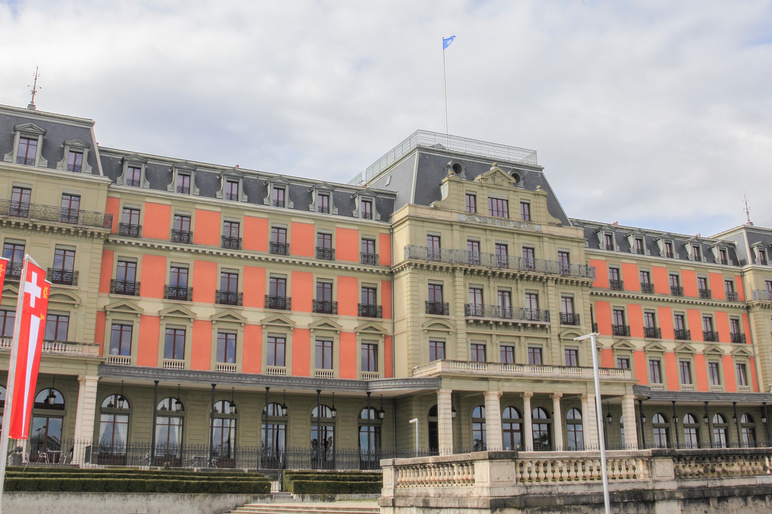
Palais Wilson shutterstock 1084789991

In a letter addressed to the Sub-Committee on Accreditation (SCA) of the Global Alliance of National Human Rights Institutions (GANHRI), civil society organisations, including the FIDH and the World Organisation Against Torture (OMCT), warn that Bahrain and Egypt do not comply with the Paris Principles, failing to respect the very pillars of these principles: pluralism, independence and effectiveness.

The undersigned civil society organisations believe that the two countries’ NHRIs have failed to comply with the Paris Principles and to implement recommendations outlined by the SCA’s previous reports in 2016 and 2018, respectively.

The Paris Principles define the minimal standards that NHRIs must abide by “in order to be considered credible and to operate effectively.” The pillars of these principles are pluralism, independence and effectiveness. NHRIs must be independent from the government, represent and cooperate with civil society, and effectively promote human rights by monitoring violations and addressing them. Based on civil society reports, the Bahraini and Egyptian NHRIs fall short of these standards.

In Bahrain, all the current members of the National Institution for Human Rights (NIHR) were appointed by King Hamad through a royal decree issued on 9 May 2021, and there is no democratic or independant mechanism through which these selections are made. The current Chairman of the NIHR, Ali al-Derazi, was reportedly implicated in abuses against migrant workers. Furthermore, the Vice-Chairperson of the NIHR, Mr. Khaled Abdulaziz Alshaer had previously called on those who criticised the Bahraini government to receive the death penalty.

In August 2022, the UN Committee on Economic, Social and Cultural Rights concluded that “[the NIHR] has not yet attained the independence required to perform its functions.” Previously in 2018, the UN Human Rights Committee had expressed similar concern and “[regretted] the lack of information on the complaints [the NIHR] has received and the investigations it has carried out in response to those complaints.”

In addition, Bahrain’s NIHR fails to address and outright denies the human rights abuses committed by the authorities, including arbitrary detention, ill-treatment and medical negligence in various detention facilities. This contradicts the UN Working Group on Arbitrary Detention’s findings regarding Abduljalil al-Singace, Abdulhadi al-Khawaja and Naji Fateel, three Bahraini human rights defenders who were arbitrarily detained, tortured, medically neglected and subjected to sham trials. [see also: https://humanrightsdefenders.blog/tag/bahrain/]

As for the Egyptian National Council for Human Rights (NCHR), it also lacks independence from the government. In 2021, new members of the NCHR were appointed for four years. The Chair, Ms. Moushira Khattab, and the Vice-President, Mr. Mahmoud Karem Mahmoud are both former Egyptian officials and diplomats. In both 2014 and 2018, Mahmoud was the coordinator of al-Sisi’s presidential campaign, which clearly demonstrates the NCHR’s close relationship with the executive.

In March 2023, the UN Human Rights Committee had echoed these concerns over the “lack of safeguards to ensure [the NCHR’s] full independence and effectiveness”, as well as over “the lack of information provided on the effective implementation of its recommendations.”

The NCHR has left hundreds of complaints unanswered and blatantly denies that certain human rights abuses are being committed. In 2020, the Council stated that findings of the UN Committee against Torture, according to which torture was “systematic” in Egypt, were a “politicized categorization” seeking to “undermine the efforts of the government”. The NCHR has also remained silent on prominent human rights issues such as the practice of enforced disappearance or the dire conditions of detention. In July 2023, the Council’s president compared a new correctional facility in Wadi al-Natroun to a “5-star hotel”. We believe that the Egyptian NCHR is far from acting as a NHRI with “A” status, which it has worryingly been granted since 2006 by the SCA. [see also: https://humanrightsdefenders.blog/tag/egypt/]

In light of the above, it is clear that the NHRIs of Bahrain and Egypt have consistently failed to comply with the Paris Principles and to implement the SCA’s recommendations.

We urge you to consider the aforementioned shortcomings of Bahrain and Egypt’s NHRIs when reviewing them during your upcoming session, and to not grant them status “A”.

Signatories:

  • Bahrain Institute for Rights and Democracy (BIRD)
  • CIVICUS
  • Democracy for the Arab World Now (DAWN)
  • Egyptian Commission for Rights and Freedoms
  • Egyptian Front for Human Rights (EFHR)
  • El Nadeem against Violence and Torture
  • Human Rights Foundation (HRF)
  • HuMENA for Human Rights and Civic Engagement
  • International Federation for Human Rights (FIDH) – within the framework of the Observatory for the Protection of Human Rights Defenders
  • International Service for Human Rights (ISHR)
  • Law and Democracy Support Foundation (LDSF)
  • MENA Rights Group
  • Rights Realization Centre (UK)
  • Salam for Democracy and Human Rights (SALAM DHR)
  • The #FreeAlKhawaja Campaign
  • The Freedom Initiative (FI)
  • World Organisation Against Torture (OMCT) – within the framework of the Observatory for the Protection of Human Rights Defenders

https://www.omct.org/en/resources/statements/bahrain-and-egypts-national-human-rights-institutions-do-not-comply-with-the-paris-principles

Human rights lawyer Gao Zhisheng and the practice of enforced disappearances: joint letter

September 5, 2023

We, the undersigned organizations, call on the Chinese authorities to immediately and unconditionally release prominent human rights lawyer Gao Zhisheng ahead of the sixth anniversary of his disappearance on August 13. 

And as we near “The International Day of the Disappeared” on August 30, we also condemn the Chinese government’s use of enforced disappearances as a tactic to silence and control activists, religious practitioners, Uyghurs and Tibetans, and even high-profile celebrities, entrepreneurs, and government officials. [see also: https://humanrightsdefenders.blog/2022/08/31/enforced-disappearances-in-china/]

Gao Zhisheng was one of the first human rights lawyers to emerge in the early 2000s and he became an important leader of China’s rights defense movement. He took on cases to help migrant workers and defend spiritual practitioners, including Falun Gong adherents and Christians. Gao wrote open letters to China’s top political leadership to call attention to the plight of Falun Gong practitioners and the abuse he had suffered while defending them. 

In 2006, Gao was sentenced to three years in prison on the charge of “inciting subversion of state power,” and after being released on parole, he was repeatedly disappeared for extended periods and tortured by police between 2007 and 2011. In December 2011, state media reported that Gao had been imprisoned in the Uyghur region to serve out his sentence after violating terms of his parole. He was then released in 2014 but remained under house arrest.

Gao’s relatives in China, as well as fellow rights lawyers and activists, who previously remained in contact with him, have not heard from him since August 13, 2017. Ever since then, Chinese authorities have, implausibly, claimed that Gao is not under any “criminal coercive measures.”   

Over the past six years, Gao has effectively remained in a state of enforced disappearance. 

Gao Zhisheng’s wife, Geng He, although living in the United States, has continued to advocate for him, pleading with the Chinese government to allow the world to “see him if he’s alive, or see his corpse if he’s dead”. Most recently, she has demanded that he be put on trial if he is guilty, and at the very least, that his lawyers should be allowed to meet with him and family members should have videoconferences. 

However, the Chinese government has not provided Geng He with even this minimum amount of information. 

On several occasions United Nations bodies and human rights experts have sought information about Gao Zhisheng’s status, but the Chinese government has refused to clarify his situation. Most recently, in 2020, the Chinese government responded to a letter from six UN Special Rapporteurs by claiming that, “In August 2014 Mr. Gao was released, having served his sentence. Since his release, the public security authorities have not taken any coercive measures against him.”

Gao Zhisheng’s case has been treated under the humanitarian mandate of the UN Working Group on Enforced or Involuntary Disappearances (case no. 10002630). The UN Working Group on Arbitrary Detention had also previously issued an opinion in 2010 stating that Gao’s detention was arbitrary under international law and calling for his immediate release, but Gao has remained under control of the authorities ever since.

Enforced disappearances of other human rights defenders

While Gao Zhisheng’s case is arguably the most famous and well-documented case of prolonged enforced disappearance in blatant violation of international law, there are several other noteworthy cases: 

Former human rights lawyer Yu Wensheng and his wife Xu Yan were detained in April 2023 as they were taking the subway to attend an event at the European Delegation in Beijing. They have been arrested and charged with “inciting subversion of state power,” but authorities have prevented lawyers from visiting them, and their 18-year-old son is under “house arrest.”  See also: https://humanrightsdefenders.blog/tag/yu-wensheng/

Human rights activist Jia Pin has been missing since September 24, 2022. He was last known to have been traveling to Beihai City in Guangxi. His friends do not know where he is, although some speculate that he may have been taken away by Henan provincial police.

Protester Peng Lifa, was taken away by authorities on October 13, 2022 after engaging in a one-man protest on the Sitong Bridge in Haidian District in Beijing against China’s stringent COVID measures and against the rule of Xi Jinping. There have been no reports about where Peng Lifa is being held.

Jiangsu-based human rights defender Tao Hong has been a victim of enforced disappearance since September 9, 2022, after she signed a open petition showing concern for the death of Mao Lihui, a petitioner who police claimed died via self-immolation while detained in a hotel. Before being detained, Tao Hong told friends on WeChat that she “absolutely wouldn’t commit suicide” – as a pre-emptive warning not to believe authorities should she mysteriously turn up dead.

Journalist Yang Zewei, who goes by the pen name Qiao Xinxin, was presumably taken away in Laos on May 31 by what is believed to have been a joint Chinese and Laotian policing effort. Earlier in the year he had launched a campaign to urge for the dismantling of the Great Firewall, an action he labeled as the #BanGFW movement. Before being detained Yang had tweeted that authorities were harassing his relatives in his hometown, and he also declared that he would not commit suicide in detention. On August 8 it was confirmed that he had been returned to China and was being held at the Hengyang Detention Center in Hunan.

Falun Gong practitioners Chen Yang (陈阳) and Cao Zhimin from Hunan province have been held incommunicado since October 2020, after being detained when studying spiritual scriptures with fellow believers. Yang had previously been jailed for four years for his activism and Cao had been held with her five-year-old daughter at an extralegal detention facility in 2010. According to the couple’s daughter, now a teenager studying in the United States, relatives in China have been unable to meet with them since their detention and lawyers hired were stopped from representing the couple. They are believed to have been sentenced to prison in November 2022, but the length of sentence remains unknown, no formal notification was sent to the family, and no news is available on their condition in custody. 

Enforced disappearances of Uyghurs and Tibetans

The Chinese Communist Party, composed solely of Han Chinese officials at the highest levels of decision making, continues to use systemic enforced disappearances of non-Han groups to control, intimidate, and silence them. See: https://humanrightsdefenders.blog/2023/08/18/un-experts-demand-detailed-information-on-nine-tibetan-environment-defenders/

In the Xinjiang Uyghur Autonomous Region (XUAR), also known as the Uyghur region or East Turkistan by Uyghurs, there likely remain hundreds of thousands of Uyghurs who are subjected to arbitrary detention and enforced disappearance through the legal system. In 2022, the Xinjiang High People’s Procuratorate, stated that 540,826 people had been prosecuted in the region since 2017. In November 2022, the UN Committee on the Elimination of Racial Discrimination (CERD) urged China to “immediately release all individuals arbitrarily detained in the XUAR, and to provide relatives of those detained or disappeared with detailed information about their status and well-being.”

As the UN Office of the High Commissioner for Human Rights (OHCHR) has noted, there is almost no public data about the criminal justice system in the region since 2020 and the government has not made public criminal verdicts or provided relevant information to the OHCHR. Furthermore, as a UN Working Group on Arbitrary Detention (WGAD) opinion noted in a 2022 decision finding that three Uyghurs – Qurban Mamut, Ekpar Asat and Gulshan Abbas – had been arbitrarily detained and were victims of enforced disappearance, no verdicts were ever made public and the Chinese government did not respond to the UN with any information regarding the proceedings, “it is unclear if they have indeed stood trial at all.”  In another case from 2022, the WGAD issued an opinion that found that Abdurashid Tohti, Tajigul Qadir, Ametjan Abdurashid and Mohamed Ali Abdurashid had been arbitrarily detained. The Chinese government refused to provide any information about the detention and or of any legal proceedings against them, and the WGAD was “disturbed at the total secrecy which appears to surround the fate and whereabouts” of the four people.

In Tibet, the Panchen Lama, Gedhun Choekyi Nyima, has been missing since May 17, 1995.  In 2022, UN human rights experts have raised their concerns regarding the arrest, detention and subsequent enforced disappearance of Tibetan writer Mr. Lobsang Lhundup (pen name of Dhi Lhaden), musician Mr. Lhundrup Drakpa, and teacher Ms. Rinchen Kyi, in connection with their cultural activities advocating for Tibetan language and culture. Dhi Lhaden and Rinchen Kyi were subsequently released.

On August 10, UN experts urged Chinese authorities to provide clarification on the situation regarding nine imprisoned Tibetan environmental human rights defenders, including information about why they were imprisoned, where they were detained, and their current health conditions. The nine defenders are Anya Sengdra, Dorjee Daktal, Kelsang Choklang, Dhongye, Rinchen Namdol, Tsultrim Gonpo, Jangchup Ngodup, Sogru Abhu and Namesy. 

Disappearances as a form of governance [see also: https://humanrightsdefenders.blog/2022/08/31/enforced-disappearances-in-china/]

Even powerful and famous people in China are not immune to becoming victims of disappearances: 

..

More broadly, the Chinese authorities appeared to have increasingly adopted disappearances as a form of governance. In 2012, the government amended the Criminal Procedure Law to allow for the police to hold suspects in non-detention facilities for up to six months, depriving those investigated for national security crimes of access to lawyers, family members, or other detainees – a practice known as “residential surveillance in a designated location” (RSDL). The government continues to use RSDL, despite numerous UN independent experts urging its abolition because it is a form of secret detention and enforced disappearance, and therefore incompatible with China’s human rights obligations and despite countless cases of torture and other ill-treatment occurring in RSDL having been exposed. 

In 2018, the National Supervision Law created a “retention in custody” (or liuzhi) system to subject Chinese Communist Party members and public employees to incommunicado detention for up to six months for disciplinary infractions and alleged dereliction of duty, including, but not limited to, corruption. The system is run by a non-judicial, non-law enforcement body, the National Supervision Commission (NSC) and precedes formal detention and arrest. 

As humanity approaches the 75th anniversary of the Universal Declaration of Human Rights (UDHR), we urge the Chinese government to take seriously the fundamental principles of human rights enshrined in the UDHR.

Unconditionally and immediately free Gao Zhisheng, and all others who are victims of enforced disappearance, and pending that release, allow for Geng He and other family members as well as Gao Zhisheng’s lawyers to communicate with him through in-person visits and/or videoconferencing.

Provide other relatives of those detained or disappeared with detailed information about their status and well-being.

End the practice of enforced disappearance, which gravely impacts some of the core rights articulated in the UDHR, such as the right not to be subjected to torture, the right not to be subjected to arbitrary arrest or detention, and even the right to life. 

Abolish RSDL (Articles 72-75 of the Criminal Procedure Law) and liuzhi (Article 22 of the National Supervision Law), and any other laws and regulations providing for practices tantamount to enforced disappearance.

Cosigned by, in alphabetical order:

ARTICLE 19

Campaign For Uyghurs

China Aid

China Against the Death Penalty (CADP)

Chinese Human Rights Defenders (CHRD)

Christian Solidarity Worldwide (CSW)

Committee for Freedom in Hong Kong Foundation

Dialogue China

European Criminal Bar Association 

FIDH – International Federation for Human Rights

Freedom House

Friends of Falun Gong (FoFG)

Front Line Defenders

Hans Gaasbeek, Coordinator of the Foundation Day of the Endangered Lawyer

Human Rights in China (HRIC)

Human Rights Now

Humanitarian China

International Association of People’s Lawyers (IAPL) Monitoring Committee on Attacks on Lawyers

International Observatory for Lawyers in Danger (OIAD) 

International Service for Human Rights (ISHR)

Judicial Reform Foundation

Lawyers’ Rights Watch Canada 

New School for Democracy Association

PEN America

PEN International

Safeguard Defenders

Symone Gaasbeek-Wielinga, President of the Dutch League for Human Rights

Taipei Bar Association Human Rights Committee 

Taiwan Bar Association Human Rights Protection Committee

Taiwan Support China Human Rights Lawyers Network

Tencho Gyatso, President of The International Campaign for Tibet 

Tibetan Centre for Human Rights and Democracy 

The Rights Practice

The World Uyghur Congress (WUC)

Uyghur Human Rights Project (UHRP)

https://www.frontlinedefenders.org/en/statement-report/release-human-rights-lawyer-gao-zhisheng-and-end-practice-enforced-disappearances
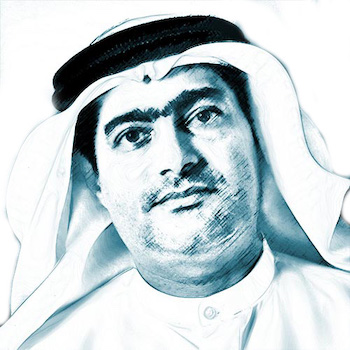
19 NGOs Call on US to Press the UAE to Release Ahmed Mansoor ahead of COP 28

September 1, 2023

On August 29, 2023, Amnesty International USA, Human Rights Watch, Project on Middle East Democracy (POMED) and 16 additional civil society organizations delivered an open letter urging U.S. Secretary of State Antony Blinken to encourage the United Arab Emirates (UAE) government to immediately and unconditionally release Emirati human rights defender Ahmed Mansoor ahead of the 28th Conference of Parties of the United Nations Framework Convention on Climate Change (COP28) that will take place from November 30 to December 12, 2023. [for more on UAE: see https://humanrightsdefenders.blog/tag/ahmed-mansoor/]

In the letter, the organizations urged Secretary Blinken to call on the UAE government to immediately and unconditionally release Ahmed Mansoor and other jailed human rights defenders and peaceful critics both privately and publicly at the highest levels. The organizations also called on the Secretary to signal deep concern about Mansoor’s well-being and request permission to visit him in prison as soon as possible.

“With the world’s attention on Dubai, the US government should deliver on this administration’s promise to center human rights in its foreign policy and press the Emirati authorities to finally release Ahmed Mansoor,” said Elizabeth Rghebi, Advocacy Director for the Middle East and North Africa, “As a participant in COP28, the US government can demand the UAE demonstrate through this high profile release its commitment to the human rights principles required for healthy civic space at this upcoming global gathering.”

Governments have an obligation to protect the civic space for protest, in particular guaranteeing the rights to freedom of peaceful assembly and freedom of expression. Subjecting human rights defenders and critics to unlawful use of force, arbitrary detention, unfair trials, and abusive detention conditions violate these and other rights. The US government should work to uphold its obligations both at home and when engaging diplomatic partners.

Mansoor was arrested by Emirati authorities in March 2017 for “spreading false news” to “harm the reputation of the state.” All the charges on which he was convicted were based solely on his human rights advocacy, including using email and WhatsApp to communicate with human rights organizations. Following more than a year in isolation in pre-trial detention and a grossly unfair trial, an Emirati state security court sentenced Mansoor to 10 years in prison. Mansoor is a laureate of the MEA [see: https://www.trueheroesfilms.org/thedigest/laureates/074ACCD4-A327-4A21-B056-440C4C378A1A]

Throughout his imprisonment, Mansoor has been subjected to treatment that violates the prohibition against torture and other cruel, inhuman, or degrading treatment, including being held in solitary confinement without access to reading materials, television, or radio. Since December 2017, he has been denied eyeglasses, most personal hygiene items and, at least until recently, a bed or mattress in his cell.

https://www.amnestyusa.org/press-releases/19-organizations-call-on-us-administration-to-press-uae-on-release-of-ahmed-mansoor/

https://www.hrw.org/news/2023/08/30/cop28-us-should-press-uae-activists-release

EU – China Summit on 1 April should not be a joke

March 30, 2022

European Union leaders should announce specific policy responses to the Chinese government’s atrocity crimes, Human Rights Watch said today, 30 March 2022. A virtual summit between the EU and China is scheduled for April 1, 2022.

The summit takes place at a time of heightened tensions between the EU and the Chinese government, which retaliated against Lithuania for its relations with Taiwan, baselessly sanctioned EU bodies and European research institutions, and has not condemned Russian war crimes in Ukraine. The Chinese government’s disregard for international human rights norms mirrors its domestic track record of grave abuses without accountability.

The EU’s foreign policy chief has pointed with alarm to the Chinese government’s ‘revisionist campaign’ against universal human rights and institutions,” said Sophie Richardson, China director at Human Rights Watch. “Brussels should revise its approach to match the magnitude of that threat.”

In a March 18 joint letter from 10 nongovernmental organizations to Ursula von der Leyen, president of the European Commission, and Charles Michel, president of the European Council, Human Rights Watch cited Chinese authorities’ deepening assault on human rights, including crimes against humanity targeting Uyghurs and other Turkic communities in Xinjiang, and heightened repression in Tibet and Hong Kong. Human rights defenders across the country – including the citizen journalist Zhang Zhan, the Uyghur intellectual and Sakharov Prize laureate Ilham Tohti, the Swedish publisher Gui Minhai, and many others – remain arbitrarily detained. {see https://www.trueheroesfilms.org/thedigest/laureates/37AE7DC4-16DB-51E9-4CF8-AB0828AEF491, and https://humanrightsdefenders.blog/2020/02/25/gui-minhai-10-years-jail-sentence-in-china/

While the EU has taken important steps in reaction to these developments, including some targeted sanctions and strong condemnations of Beijing’s abuses at the United Nations, these efforts lack the consequences to bring significant change. The rights groups urged Michel and von der Leyen to use their time with the Chinese leaders to announce further steps to counter Beijing’s abuses, and cautioned them against calling for yet another round of the bilateral human rights dialogue, which after 37 rounds has proven unable to secure concrete progress.

Stronger, better coordinated action is also supported by the European Parliament, which has remained a staunch critic of the Chinese government’s crackdown and has repeatedly denounced its abuses. Beijing responded by sanctioning several members of the European Parliament. In response, the European Parliament froze consideration of a bilateral trade deal and called for a new, and more assertive, EU strategy on China, including further targeted sanctions and closer coordination with like-minded partners. [see: https://humanrightsdefenders.blog/2021/05/21/china-eu-investment-deal-off-the-rail/]

Presidents Michel and von der Leyen should go beyond words of condemnation at the summit if they want to deter Chinese government violations now and in the future,” said Claudio Francavilla, EU advocate at Human Rights Watch. “Bolder steps are needed to counter Beijing’s crimes against humanity and anti-rights agenda, and EU leaders should announce their determination to pursue them.”

https://www.hrw.org/news/2022/03/18/joint-ngo-letter-ahead-eu-china-summit

https://www.hrw.org/news/2022/03/30/eu-no-business-usual-china-summit

Draft Resolution on Human Rights Defenders in 49th session of Human Rights Council gets support from civil society

March 4, 2022

On 4 March 2022 Forum Asia published an Open Letter to States on the Draft Resolution on Human Rights Defenders, which has been signed by an impressive number of NGOs:

“At its current session, the UN Human Rights Council will be discussing a draft resolution on human rights defenders operating in conflict and post-conflict situations.  This is a useful and timely focus providing a means to give effect to a range of recommendations including those contained in the report of the Special Rapporteur on Human Rights Defenders in 2020.

[see also: https://humanrightsdefenders.blog/2022/02/21/guide-to-49th-session-of-human-rights-council-with-human-rights-defenders-focus/]

It is important for the Council to adopt a resolution that reflects the gravity and the reality of the situation defenders face every day and is tailored to addressing the specific protection needs they face. Our organisations call on members of the UN Human Rights Council to ensure that the resolution adopted by the Council clearly:

  • Acknowledges the critical role of human rights defenders in conflict and post-conflict situations, including those who report on gross and systematic human rights violations or systematic targeted violations against particular populations and communities as these can serve to provide an early warning of escalating conflict;
  • Acknowledges the precariousness that human rights defenders can experience working in conflict and post-conflict situations due to the disruption to basic supplies and services and increased security risks, all of which compound the risks associated with defending human rights;
  • Recognises the intersectional dimensions of discrimination, violations and abuses against specific groups of human rights defenders, including women human rights defenders, indigenous peoples, people of African descent, children, people belonging to minorities, defenders working on issues related to sexual orientation, gender identity and expression, older persons and rural and marginalized communities, and calls on States to pay particular attention to the protection needs of different groups in conflict and post-conflict situations integrating an age and gender responsive approach;
  • Outlines the elements that constitute a safe and enabling environment and restates that States have the obligation to create and safeguard such an environment including in conflict and post-conflict situations;
  • Includes in that overview the need to urgently lift all undue restrictions on the rights to freedom of association and collective bargaining, peaceful assembly and expression, including restrictive ‘NGO Laws’, foreign agent and foreign funding laws, counter-terrorism laws, ‘fake news’ laws and those specifically targeting women and LGBTQ+ organizations and defenders;
  • Expresses deep concern at the invocation of countering terrorism and extremism as a justification to target, threaten, or limit the activities and access to funding sources of human rights defenders operating in conflict or post-conflict areas, both online and offline;
  • Stresses that the use of digital surveillance tools must be regulated to ensure they are not used for violating human rights, including by targeting human rights defenders or journalists, and that mobile networks and internet access must not be shut down;
  • Calls for the development of protection mechanisms and support for human rights defenders in such contexts in line with the best practice identified by the Special Rapporteur. These should address the fact that, in some cases, state and non-state actors orchestrate ways  to make defenders appear to be supporting hostilities, and that attacks against defenders constitute “collateral damage” during hostilities;
  • Recognises that impunity and failure to protect and provide effective remedy prevails in several conflict and post-conflict situations, including in regard to attacks against human rights defenders, all of which can fuel further conflict;
  • Acknowledges the role of women human rights defenders and women peacebuilders in the prevention, in mediation and the resolution of conflicts, and recognizes the link between their involvement and the effectiveness and long-term sustainability of those efforts;
  • Recognizes that women human rights defenders are targeted for violence and subjected to intimidation and retaliation because of their efforts to ensure women’s rights, including sexual and reproductive health rights and for their demanding accountability for pervasive sexual violence and feminicides;
  • Calls on States to reaffirm the positive, important, and legitimate role played by child human rights defenders for the promotion of human rights in conflict and post-conflict situations, and the role of organisations advocating for the protection of the rights of older persons in these contexts;
  • Calls on States to act on their responsibility to protect against human rights abuses by non-State actors, including businesses, including in times of conflict when oversight of the operations of businesses can be weaker and human rights defenders can stand unprotected as they resist corporate abuse;
  • Calls on States to monitor and report on the implementation of this resolution in a comprehensive and systematic way and share updates on challenges faced and progress made during relevant UN dialogues and debates.

We ask States to actively support the drafting of a resolution that recognizes the essential work of human rights defenders operating in conflict and post-conflict situations, outlines means to ensure their work is enabled despite the situation of conflict and uncertainty that may prevail, and formulates concrete asks of States, companies and all other actors with the power to protect and promote the right to defend rights. We also call on States to resist efforts that undermine and weaken the resolution.”

Signed,

  • Access Now
  • African Centre for Democracy and Human Rights Studies (ACDHRS)
  • Al Mezan Centre for Human Rights
  • Al-Haq – Law in the Service of Man
  • Amnesty International
  • Amnesty International Norway
  • ARTICLE 19
  • Asian Forum for Human Rights and Development (FORUM-ASIA)
  • Association for Progressive Communications (APC)
  • Cairo Institute for Human Rights Studies (CIHRS)
  • Center for Reproductive Rights
  • Centro de Estudios Legales y Sociales (CELS)
  • Centro de Justicia y Paz – Cepaz
  • Centro para los Defensores y la Justicia (CDJ)
  • CIVICUS: World Alliance for Citizen Participation
  • Commonwealth Human Rights Initiative (CHRI)
  • DefendDefenders (East and Horn of Africa Human Rights Defenders Project)
  • Egyptian Initiative for Personal Rights (EIPR)
  • Freedom House
  • FRI – The Norwegian Organisation for Sexual and Gender Diversity
  • Gulf Centre for Human Rights
  • Human Rights House Foundation
  • Human Rights Watch
  • IFEX
  • International Commission of Jurists (ICJ)
  • International Service for Human Rights (ISHR)
  • KIOS Foundation
  • Mwatana for Human Rights
  • Norwegian Helsinki Foundation
  • Peace Brigades International
  • Protection International
  • Rafto Foundation for Human Rights
  • Rainforest Foundation Norway
  • Save the Children
  • Sexual Rights Initiative
  • UN Association of Norway
  • World Organisation Against Torture (OMCT)

NGOs protest harassment of Ambika Satkunanathan in Sri Lanka

February 17, 2022

On 14 February 2022 FIDH published a joint statement to support Sri Lankan human rights defender Ambika Satkunanathan:

We the undersigned human rights organizations, express our deep concern about the statement issued by the Sri Lankan Foreign Ministry on February 4, 2022, in which the government denounced testimony given by Ambika Satkunanathan, a leading human rights lawyer, to the European Parliament on January 27. The government statement clearly constitutes an act of harassment and intimidation. We condemn the Sri Lankan government’s tactics to intimidate human rights defenders, and express our full solidarity with Ms. Satkunanathan, a well-known, respected and courageous human rights defender. Targeting her for providing accurate testimony about the human rights situation in Sri Lanka to the European Parliament is completely unacceptable, and sends a chilling message to all Sri Lankan civil society, especially those in the north and east, who are already operating under considerable duress under the current administration.

Sri Lanka’s international partners, including the European Union, should publicly condemn the Sri Lankan government’s statement and express solidarity with Ms. Satkunanathan, who has been targeted for her international engagement, and increase their efforts to engage with Sri Lankan civil society at large.

The Foreign Ministry’s statement contains numerous false claims in an attempt to disparage and delegitimize a distinguished human rights advocate, placing her at risk of physical danger in retribution for her brave work. The government’s claim that her testimony was “reminiscent of LTTE [Liberation Tigers of Tamil Eelam] propaganda that once stoked hatred among communities,” and that “such allegations need to be refuted in the interest of social harmony” Is particularly insidious and dangerous.

The government’s statement mirrors its repeated practice of falsely equating human rights defenders and human rights advocacy with those pursuing “terrorism.” The statement’s language aligns these baseless allegations with vague and frequently abused provisions under the Prevention of Terrorism Act (PTA), exposing Ms. Satkunanathan to a heightened risk of threats, attacks and persecution.

Ms. Satkunanathan was a commissioner of the National Human Rights Commission of Sri Lanka before that body’s independence was compromised under the current administration and led the first national study on Sri Lanka’s prisons. Prior to that, she was for many years a legal consultant to the Office of the United Nations High Commissioner for Human Rights. She is the author of an important recent report on abuses committed during the so-called “war on drugs.”

We are concerned that the government’s statement seeks to place the blame on human rights defenders if the European Union determines that Sri Lanka failed to meet its human rights commitments under GSP+, the preferential tariff system. The European Union should remind the Sri Lankan government that the responsibility to uphold its international human rights obligations rests with the government. The government’s treatment of human rights defenders reflects its lack of respect for international human rights law.

We support Ms. Satkunanathan’s testimony to the European Parliament, which accurately described a situation already reported by the United Nations and many domestic and international human rights organizations. The government’s response contains numerous false statements, including:

- The government claims to be “engaged in long standing cooperation with the UN human rights mechanisms and the UN Human Rights Council.” On the contrary, in February 2020, soon after taking office, the government of President Gotabaya Rajapaksa withdrew Sri Lankan support from consensus resolutions of the council, repudiating commitments made by the previous government. Special Procedures mandate holders of the Council issued a statement on February 5, 2021, noting that their recommendations, including on torture, the independence of the judiciary, arbitrary detention, enforced disappearances, minority rights, counterterrorism, freedom of religion or belief, and freedom of assembly and association, had been ignored.

- The government claims to be “strengthen[ing] rule of law, access to justice and accountability.” However, President Rajapaksa campaigned on a platform of protecting “war heroes” from prosecution, and has appointed individuals implicated in war crimes to senior government posts. His presidential commission on “political victimization” has sought to interfere in judicial proceedings and block trials and investigations in human rights cases implicating the president’s associates and the president himself. The president pardoned Sunil Ratnayake, one of very few members of the armed forces ever convicted of human rights violations, who murdered eight Tamil civilians including children.

- The government denies that civic space is shrinking, as Ms. Satkunanathan described in her testimony. Yet under the current government, many human rights defenders have said that they are subjected to continual government intimidation, intrusive surveillance, and attempts to block their access to funds. In her most recent update to the Human Rights Council, High Commissioner Michelle Bachelet wrote that, “surveillance, intimidation and judicial harassment of human rights defenders, journalists and families of the disappeared has not only continued, but has broadened to a wider spectrum of students, academics, medical professionals and religious leaders critical of government policies.” The UN Special Rapporteur on contemporary forms of slavery in his end-of-mission statement last December documented government intimidation of civil society and a “shrinking civic space.”

- The government claims there is no “concrete evidence of discrimination against minorities.” In fact, for nearly a year the government banned the burial of people said to have died with Covid-19, causing immense distress to the Muslim community without any medical justification in what is only but one example of discrimination against ethnic and religious minorities. Such burials are now permitted only at a single remote site. In January 2021 High Commissioner Bachelet found that, “Tamil and Muslim minorities are being increasingly marginalized and excluded in statements about the national vision and Government policy… Sri Lanka’s Muslim community is increasingly scapegoated.” The High Commissioner’s findings are in line with reports by Amnesty International, Human Rights Watch, and others that the Prevention of Terrorism Act is used almost exclusively against members of the Tamil and Muslim communities. The government continues to deny efforts to commemorate war victims belonging to the Tamil community.

- The government denies Ms. Satkunanathan’s description of alleged extrajudicial killings committed in the context of Sri Lanka’s “war on drugs.” However, these abuses are widely documented. In September, High Commissioner Bachelet said, “I am deeply concerned about further deaths in police custody, and in the context of police encounters with alleged drug criminal gangs, as well as continuing reports of torture and ill-treatment by law enforcement officials.”

The Sri Lankan government’s statement attacking Ambika Satkunanathan for her testimony to the European Parliament’s Sub-Committee on Human Rights exemplifies threats faced by human rights defenders, particularly when they engage with foreign and international forums, and it further shows the government’s refusal to address the ongoing serious human rights violations taking place in the country. Instead of trying to silence those who seek to defend human rights, the government should give serious consideration to their input and contributions, and take urgent action to ensure that they can work in a safe environment without fear of reprisals.


https://www.fidh.org/en/region/asia/sri-lanka/sri-lanka-organisations-express-solidarity-with-human-rights-defender

https://en.wikipedia.org/wiki/Ambika_Satkunanathan

Towards a fairer selection of NGOs to participate in the UN human rights debate

February 14, 2022
This image has an empty alt attribute; its file name is international-un-ecosoc-ngos-committee-participation-getty.jpg
A plenary meeting at the 76th Session of the General Assembly, at the UN Headquarters, in New York, USA, 21 January 2022, Lev Radin/Pacific Press/LightRocket via Getty Images

NGOs that seek to participate fully at the UN – making statements and organising events to highlight injustice and provide recommendations – have to get accredited.  The “Committee on NGOs” manages the process – as  the gateway for NGOs into the United Nations. If you’re a State with a mind to block NGOs, membership of the Committee is perfect. This is where you can sit and control who comes in. By asking questions of NGO applicants, members of the Committee can push their accreditation for many years.  For more on this see: https://humanrightsdefenders.blog/2018/02/09/the-saga-of-the-anti-ngo-committee-in-the-un-continues/

Currently there are 70 organisations that have faced over four years of deferrals.  Two human rights organisations have been deferred for over ten years.  Some  NGOs  have also been accused by Committee members of having terrorist sympathies: baseless accusations against which the NGOs have been denied appeal.  

In four short months there’s  a chance to change things. Elections to the Committee on NGOs will be held in April 2022. The 54 members of the UN’s Economic and Social Council (ECOSOC) vote to fill the 19 seats on the Committee across all regional groups. 

A joint letter by a massive number of NGOs of 10 February 2022 makes the point:

To: Member States of the UN General Assembly

Excellencies:

We are five months out from elections to the ECOSOC Committee on Non-Governmental Organisations for the 2023-2026 term. These are key elections for all those who value the expertise of civil society and seek to ensure the UN can benefit from it.

The Secretary General has called civil society the UN’s ‘indispensable partners”. Member States recently committed to boosting partnerships ‘to ensure an effective response to our common challenges’. In recommending approval of the participation of non-governmental organisations in a range of UN bodies and processes, the Committee on NGOs plays a key role in facilitating such partnerships. It is essential that the members of the Committee are committed to fulfilling such a task fairly and judiciously.

With this in mind, we would like to request the following, that:

1/ States with an interest in facilitating and safeguarding civil society access to and participation in UN processes stand for election to the Committee.

2/ Candidates make public the reasons for their candidacy and their commitment to fulfil their responsibilities as members of the Committee, as per ECOSOC Resolution 1996/31.

3/ All regions put up competitive slates, as the Asia-Pacific and GRULAC regions did in the last elections for the Committee in 2018. Competitive elections are important to create buy-in to the process and encourage states to be accountable for their commitments.

4/ All regions make public candidacies at least two months before the elections to allow for proper consideration of candidates.

5/ All ECOSOC members vote (and be encouraged to vote) only for candidates with positive track records in regard to civil society access and participation. Candidates could be assessed in regard to indicators such as support for relevant UN resolutions, such as those on civil society space and human rights defenders; on responses to cases of intimidation and reprisals; and on national level initiatives to safeguard civic space, press freedom – online as offline – and the right to defend human rights.

6/ ECOSOC members should consider introducing term limits for membership of the Committee on NGOs, among other reforms encouraging openness and accountability. As with other UN bodies, states should be required to leave the Committee for a specific interval of time after serving for a maximum agreed period. Term limits would encourage greater diversity in membership over time and encourage states to step up as candidates.

The Committee on NGOs is entrusted with the task of facilitating civil society access so that the expertise and experience of civil society partners can enrich and inform UN debates. It needs members that are committed to fulfilling the Committee’s mandate in a fair, transparent, non-discriminatory, expeditious and apolitical manner. It falls on all member states – as potential candidates and / or electors – to ensure that the Committee membership is fit for purpose.

Please elect to stand up for civil society!

Yours sincerely,

In addition to the letter, individuals can undertake additional steps. You can engage with States on all the campaign objectives!

  • On competitive elections and voting with integrity: See here for a model email for sending to those who get to vote, ECOSOC members.  Check here whether your State is going to vote. 
  • On candidates: Does your state have a positive record on promoting civil society but isn’t running? See here for a model email to encourage them. 

https://ishr.ch/action/campaigns/openthedoor2ngos/

Working Together

https://www.hrw.org/news/2022/02/16/letter-members-uns-general-assembly-regarding-ecosoc-committee-ngos