Posts Tagged ‘in memoriam’

Chilean human rights defender Mercedes Bulnes dies

November 27, 2024

human rights defender Mercedes Bulnes.

The lawyer and independent legislator for the Maule region died at the age of 74, a victim of cancer. “She left attentive, fighting until the end, and her life leaves these marks that will not be erased,” wrote X Boric on her account, who highlighted her fight for citizen prerogatives in the country’s dark times.

Despite being pregnant, Bulnes, along with her husband Roberto Celedón, were arrested after the 1973 coup d’état and subjected to torture, after being accused of having links with the Revolutionary Left Movement. After living in exile in the Netherlands, they returned to the country and opened a law firm in the 1990s to help those who did not have access to justice due to their lack of financial resources.

“Our Mercedes Bulnes has passed away, but she leaves behind in all of us who knew her a beautiful memory of life and struggle. Always a loving and fierce defender of human rights,” said the government spokesperson, Camila Vallejo.

The Frente Amplio party expressed its sorrow for the death of its colleague, whom it described as an “example of commitment and work for justice.”

Felice Gaer, inspiring Human Rights Defender dies at 78

November 26, 2024

Felice Gaer Baran, an internationally renowned human rights expert who for more than four decades brought life and practical significance to the Universal Declaration of Human Rights and international commitments to prevent grave human rights abuses around the world, died on November 9, 2024 in New York City, following a lengthy battle with metastatic breast cancer. She was 78. At the time of her death, she was the director of the American Jewish Committee’s Jacob Blaustein Institute for the Advancement of Human Rights (JBI)Felice Gaer headshot

Longtime UN official and Acting High Commissioner for Human Rights from 2003-2004 Bertrand Ramcharan characterized Gaer as a “pillar of the human rights movement.

Throughout her career, in myriad roles, Gaer insisted that governments and the United Nations should consistently condemn the practices of tyrants and authoritarians and recognize that many forms of harm and inequality once considered ‘internal affairs’ of states as human rights abuses. Gaer’s influence established more protective interpretations of human rights norms from within and outside the United Nations human rights system. She effectively advocated for the creation and evolution of numerous international institutions and processes that play a critical role today in monitoring states’ human rights practices and holding violators to account.

Gaer achieved international recognition among human rights advocates as a force multiplier capable of overcoming the obstacles within government bureaucracies and multilateral institutions that often allow perpetrators of egregious abuses to avoid scrutiny and condemnation. Dr. Ahmed Shaheed, who served as the UN’s independent monitor on human rights in Iran and on the right to freedom of religion or belief, praised Gaer’s “exemplary track record” in 2021, stating that “You and JBI have made exemplary contributions to advancing human rights through the UN, especially in strengthening the effectiveness of the UN’s human rights mechanisms. Your own personal contribution, not just through the JBI, but in your own capacity as a member of the UN Committee against Torture and other roles, are not only legendary, but are a source of inspiration for everyone.” Elena Bonner, a one-time Soviet political prisoner, founder of the Moscow Helsinki Group, relentless advocate for democratic change in Russia, and wife of famed Soviet physicist, dissident, and Nobel Laureate Andrei Sakharov, with whom Gaer worked closely, recounted in 1997 that Gaer’s fierce approach to advocacy had helped a nascent international human rights movement find its voice. Said Bonner, “it was thanks to individuals like…Felice…who had the courage to be impertinent, that today it is more and more difficult for the rights-violating governments to challenge the universality of human rights and to ignore human rights concerns.”

Gaer began her career at the Ford Foundation as a program officer in 1974, focusing on the Soviet Union and Eastern Europe; subsequently, her areas also included arms control and human rights. At Ford, she became heavily involved in advocacy for the rights of Soviet Jewish refuseniks and encouraging broader internal changes that would catalyze greater respect for human rights for all in the Soviet Union. She maintained a passion for championing individual rights defenders while expanding her geographical focus. As the Executive Director of the International League for Human Rights from 1982 to 1991, Gaer championed human rights defenders throughout Latin America, particularly in Chile and Venezuela. She then served as Director of European Programs for the United Nations Association of the USA from 1992 to 1993, before becoming director at the Jacob Blaustein Institute in 1993–where she remained for the following three decades.

Gaer served for nine terms as an appointed “public member” of official U.S. government delegations to United Nations meetings between 1993 and 1999, including six U.S. delegations to meetings of the U.N. Commission on Human Rights. As a public member of the U.S. delegation to the 1993 World Conference on Human Rights in Vienna, Gaer’s advocacy was instrumental in the creation of the position of UN High Commissioner for Human Rights. Gaer also played a critical role in bringing about the conceptual and political victory that the U.S. government achieved for women’s rights at the 1995 World Conference on Women in Beijing – at which the UN explicitly recognized for the first time that women’s rights are human rights – working closely with US Ambassador to the UN Commission on Human Rights Geraldine Ferraro and First Lady Hillary Clinton.

In 1999, Gaer became the first American and first woman to serve on the 10-person United Nations Committee against Torture, an expert body that monitors implementation of the Convention against Torture. Over her 20 years on the United Nations Committee against Torture, Gaer insisted that the Committee and all other UN treaty bodies should affirmatively and publicly press governments to address allegations of wrongdoing, rather than accepting States’ assertions of compliance at face value. She led the Committee to develop practices that made it far more accessible to non-governmental organizations and human rights defenders seeking to share evidence of human rights violations. She also devoted extraordinary effort to ensuring that the Committee acted on information it received from third parties and conveyed accurate appreciation of the key human rights challenges occurring in every country it reviewed. Her rigorous and unsparing critiques – and her practice of inquiring about alleged victims of torture and arbitrarily imprisoned lawyers and advocates by name in public meetings – occasionally provoked angry outbursts by government officials accustomed to deferential, non-adversarial treatment in UN settings. However, Gaer’s approach turned what might otherwise have been pro-forma exercises into valuable opportunities for advocates to secure formal UN recognition of their claims.

Gaer’s efforts also led to a transformation in the Committee’s against Torture’s approach to the issue of violence against women, which previously was seen only as often a private matter rather than a form of torture or ill treatment for which perpetrators should be punished and victims of which are entitled to redress. The Committee became an important avenue for women’s rights advocates seeking to compel governments to develop more effective national capacities to protect women from violence, as well as members of vulnerable groups such as religious minorities and LGBTQI persons. These efforts brought significant public attention to previously overlooked issues in several countries. In one particularly noted case, Gaer’s insistence at public Committee meetings that Ireland had failed to address the abuses of the church-run ‘Magdalene Laundries’ – which had imprisoned and punished women the church had deemed ‘morally irresponsible’ – galvanized local advocates’ efforts for an official government inquiry to redress this longstanding historical injustice and acknowledge the State’s enduring obligations to survivors of the Laundries.

Gaer also championed the rights of religious minorities and victims of violence justified in the name of religion in countries around the world. Gaer was appointed and served five terms as an independent expert member of the bipartisan federal U.S. Commission on International Religious Freedom from 2001-2012, including as its chair. In that capacity, Gaer traveled to countries ranging from Sudan and Egypt to China to Afghanistan, directly pressing government officials to change policies and practices. She testified frequently before Congress and organizations including the Organization for Security and Cooperation in Europe on religious freedom issues.

Gaer’s commitment to universality also inspired her to work for decades to correct the persistent failure of the United Nations to recognize antisemitism as a serious human rights concern and to recognize the Holocaust as its most violent manifestation. Her engagement with public delegations to the UN Commission on Human Rights encouraged the U.S. to secure the inclusion of the first reference to antisemitism as an evil that UN efforts should seek to eradicate, in a resolution of the UN General Assembly, in a 1998 text condemning racism, using language previously negotiated by the U.S. at the Commission.

Gaer not only shared her wisdom and practical experience with colleagues but also convened numerous strategy discussions and facilitated the work of hundreds of human rights defenders, advocates, and other independent UN experts through JBI grants that empowered and encouraged their efforts to advance human rights norms and protections on a wide range of subjects and countries. For many colleagues and beneficiaries of her supports, Gaer was an invaluable resource, strategist, collaborator, mentor, and friend…

A prolific author of over 40 published articles and book chapters and editor of the volume “The United Nations High Commissioner for Human Rights: Conscience for the World,” Gaer received the American Society of International Law’s Honorary Member Award in 2023, an Honorary Doctorate from the Jewish Theological Seminary in 2018, and the First Freedom Center’s prestigious National First Freedom Award for her religious freedom advocacy in 2010. Gaer’s JBI was also named a “Champion of Prevention” by the UN Office on the Prevention of Genocide in 2023. [https://humanrightsdefenders.blog/2013/12/21/jacob-blaustein-institute-for-human-rights-publishes-book-on-un-high-commissioner-for-human-rights/]

One of three children of Abraham Gaer, a businessman who owned a toy shop, and his wife Beatrice Etish Gaer, Felice was born on June 16, 1946 in Englewood, New Jersey. She was raised in Teaneck, New Jersey and graduated from Teaneck High School. She received a Bachelor of Arts degree from Wellesley College and pursued her graduate studies in political science at Columbia University’s Russian Institute (now Harriman Institute), where she received a Master of Arts degree in 1971 and a Master of Philosophy degree in Political Science in 1975. In 1975, she married Dr. Henryk Baran, a professor at the State University of New York-Albany; Dr. Baran has a long and distinguished career specializing in Russian literature and culture of the Russian Silver Age and avant garde. The couple’s two sons – Adam, a queer filmmaker and curator, and Hugh, a workers’ rights attorney who litigates wage theft, discrimination, and forced labor cases – survive her, as do her brother Arthur Gaer, sister Wendy Philipps, son-in-law Jacob Rozenberg, five nephews, and ten cousins. Gaer’s wisdom, support, conviction, and passionate concern for all humanity made her truly exceptional, and she will be deeply missed.

https://www.ajc.org/news/felice-gaer-legendary-human-rights-champion-who-inspired-generations-of-global-advocates-dies

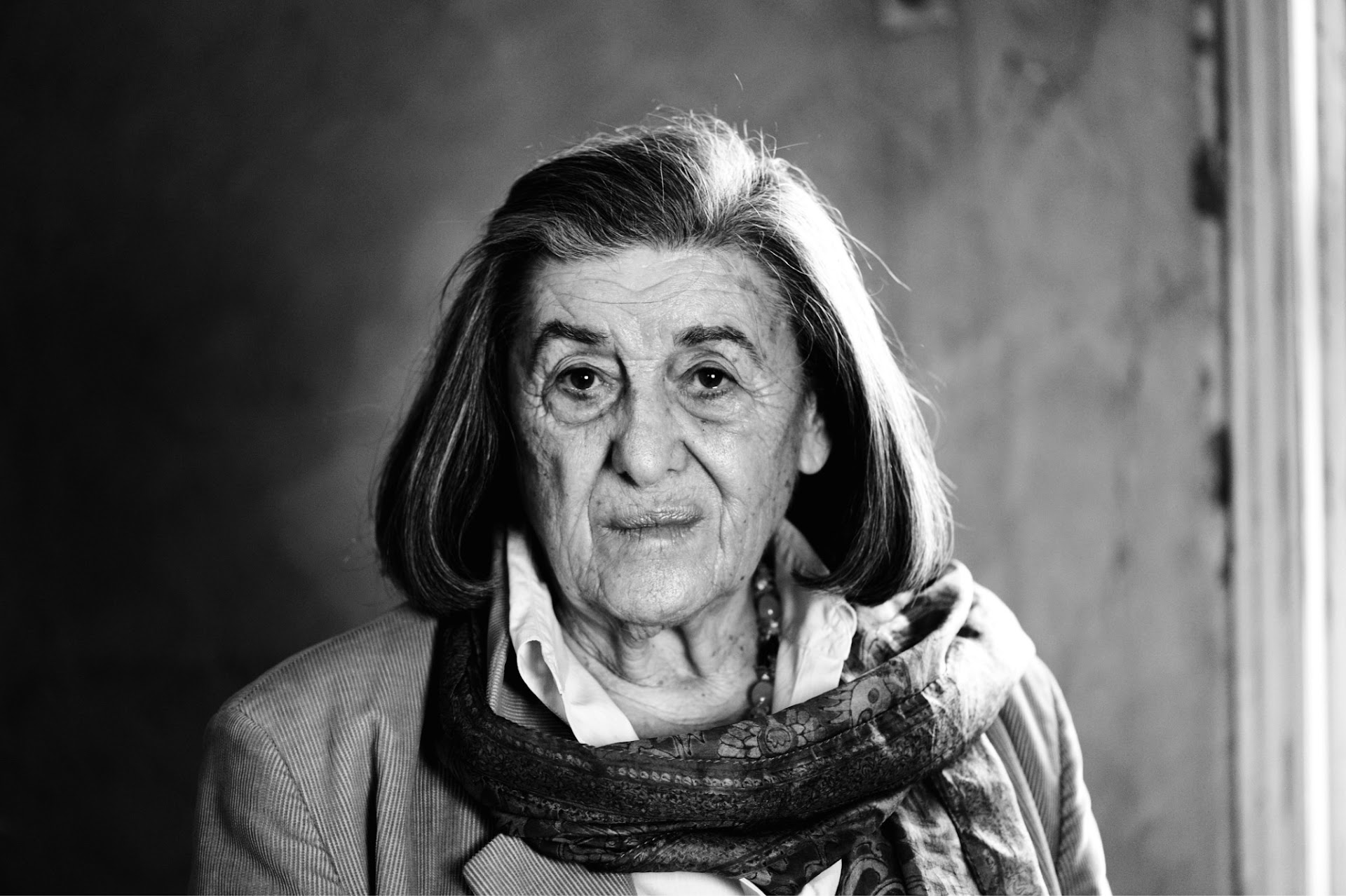
Obituary of Leah Levin: 1926 – 2024

June 7, 2024

I am not a professional obituary writer, but I surely wished I were, as writing about my dear friend Leah Levin deserves the best possible skills. Fortunately, I received some excellent input from her caring family of which I am making good use. A celebration of Leah’s life will be held by the family on 13 June, 4 pm BST which can also be followed online.

For those of you who wish to attend via zoom, here is the link:
https://ted-conf.zoom.us/j/91594050908?pwd=cE9SaHB4S0JkSW5MWFEwUTdOWmJIZz09

And you can leave messages at: : https://www.mykeeper.com/profile/LeahLevin/ 

Leah Levin, was a well-known figure in the international human rights movement of the 1970’s and onwards. She died of cardiac arrest on 25 May, 2024, at the formidable age of 98. For over half a century, she served and led a range of human rights organisations and collaborated globally with some of the world’s leading activists. For which she received an honorary doctorate from the University of Essex in 1992 and an OBE in 2001.

She was the author of UNESCO’s “Human Rights: Questions and Answers”, one of the world’s most widely disseminated books on human rights, (translated into more than 30 languages).

From 1982-1992, she was director of JUSTICE, a pioneering organisation that sought to right miscarriages of justice and which was a national section of the International Commission of Jurists . She served as a board member or trustee of the United Nations Association, the Anti-Slavery Society, International Alert, Redress, Readers International and The International Journal of Human Rights. But most of all, I remember her from the work she did to make sure that we would not forget one of our most impressive friends: Martin Ennals, who had led Amnesty from 1968 to 1980 and had been one of her closest friends until his death in 1981. [see his biography in the Encyclopedia of Human Rights, OUP, 2009, Vol 2, pp 135-138].

Leah’s contribution to the creation and development of the Martin Ennals Award for Human Rights Defenders was enormous. She stepped down from the board after two decades in 2013.[see: https://humanrightsdefenders.blog/2013/10/07/leah-levin-a-human-rights-defender-of-the-first-rank/].

Frances D’Souza, said about Leah: “without any pretension she was nearly always right. She hit the nail on the head whether dealing with world affairs or people. She made a significant difference by her wise counsel and fact that she could really see what the issues were, read the situation and do something about it.”

Leah Levin had the special talent to draw other like-minded people to her and help coalesce a community of activists with whom she would collaborate throughout her entire life.

Her own life story is one of human rights struggle: Leah was born Sarah Leah Kacev on 1 April 1926 in Lithuania. She grew up as Leah Katzeff in Piketberg, South Africa, a small, rural town in Western Cape to where the family had to flee to escape poverty and anti-Semitism in the difficult years after the First World War and Russian revolution. Leah was the first of four children and the first person in her family to go to university. She graduated in 1945, when at the end of the second world war, the Katzeffs found out that their family along with their entire Jewish community in Mazeikiai, had been murdered by local Lithuanians organized by the Germans in the very first days of the Nazi advance in 1941.

In 1947 she married Archie Levin, fifteen years her senior. Like Leah, Archie was the child of European Jewish immigrants. Together they set up a new business, writing travel guides to Central and Southern Africa. In 1960, disgusted by the repression of anti-apartheid protest, the couple moved to the British colony of Southern Rhodesia (now Zimbabwe) with their two children Michal and Jeremy. A third son, David, was born in Salisbury (now Harare).  

In Rhodesia, Leah completed a second degree in international relations at the University of Rhodesia and Nyasaland, while her husband became politically active. His activities angered those in power; shortly before Rhodesia unilaterally declared independence. Archie was tipped off that he was likely to be arrested. He rapidly left for the UK with his daughter Michal and later was joined by his son Jeremy; a few months later, Leah and her infant son David joined the rest of the family in the UK. 

In London, Leah found a volunteer post as Secretary of the newly founded United Nations Association. The UNA human rights committee brought together people who became lifelong friends as well as colleagues: Martin Ennals, Sir Nigel Rodney, Amnesty’s first legal officer and later UN rapporteur on torture, and Kevin Boyle, who ran the Human Rights Centre of the University of Essex.  After the death in 1977 of her husband Archie, Leah threw herself still more wholeheartedly into human rights work.  In 1978, she took a job as Secretary of the Anti-Slavery Society, which connected her to the United Nations in Geneva. And in 1982 she moved to run JUSTICE for a decade. In 1992, she co-founded Redress, representing victims of torture to obtain justice and reparation for them. 

Even when fully retired Leah continued to keep an active interest in children and grandchildren as well as her human rights “children”. I will bitterly miss her almost yearly phone calls to check on me to make sure I am doing the right thing.

See also: https://www.trueheroesfilms.org/thedigest/laureates/ac7b872e-5b7d-409f-975b-265a59f5f160

On 21 June 2024 the Times published https://www.thetimes.com/article/4a2d6b5a-a2a0-477d-8701-29a8358a6dee?shareToken=0dd6ee7a6cedbc723f18cce633713205 with emphasis on her ‘national’ role but disappointingly leaving out much of her international contribution.

and later:https://www.washingtonpost.com/obituaries/2024/06/26/leah-levin-human-rights-dies/

Laurie Wiseberg, pioneer human rights defender, is no more

October 16, 2023

On 12 October 2023, Laurie Wiseberg’s son, Jesse Scoble, informed the world on her passing on 11 October 2023 in Montréal. 

It is with great sadness that I announce the passing of Dr. Laurie Sheila Wiseberg, Laurie to most, Dr. Wiseberg to a few, Libby to her family, Nama to my kids, and mom to me. How does one sum up a life, let alone one as impressive and eventful as hers?

It would take another lifetime to try to capture it. She described herself in simple terms as:

Dr. Laurie S. Wiseberg (project advisor and contributor) was a human rights scholar/advocate who taught and wrote extensively about the work of human rights for non-governmental organizations. She served as Executive Director of a human rights NGO (Human Rights Internet) for 20 years. Dr. Wiseberg spent the following 20 years doing humanitarian work “in the field”, assisting United Nations agencies in providing better protection for persons displaced as a result of conflict or environmental disasters in countries across the globe.

Jesse will write a proper obit for her in the coming days, but wanted us to know that after a year long struggle she left this world on her own terms. “A glass of red wine in her hand“.

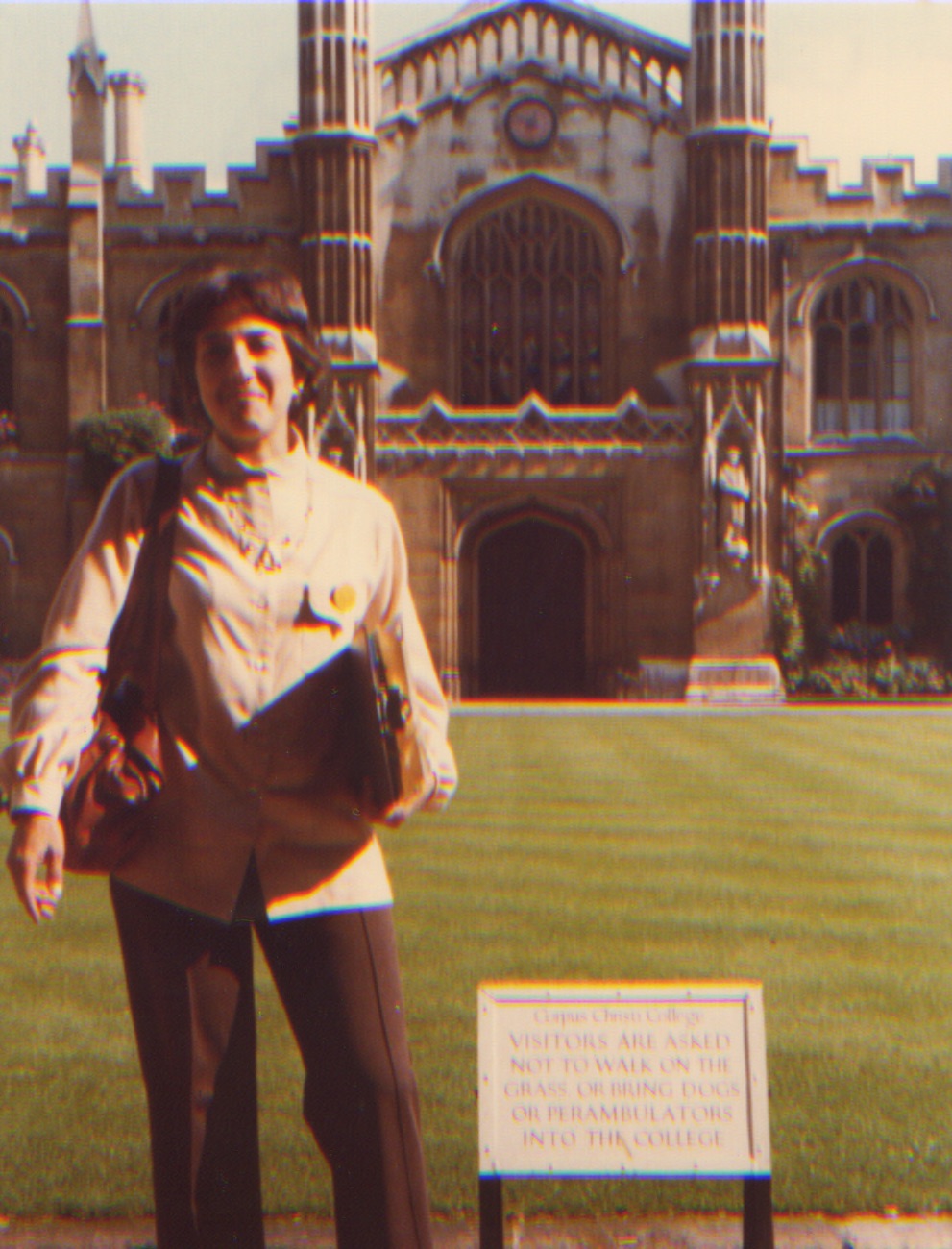
I personally have known Laurie almost all of my ‘human rights life’, starting with the creation of HURIDOCS some 40 years ago. Here the first picture i have of her, September 1978 in Cambridge at an Amnesty meeting.

Belarusian Human Rights defender Aleh Hulak dies

December 18, 2022
Aleh Hulak
Aleh Hulak © 2022 Belarusian Helsinki Committee

On 16 December, 2022 Human Rights Watch published “In Memory of Aleh Hulak“, chair of the Belarusian Helsinki Committee (BHC) and a long-time leader of the Belarus human rights movement. Hulak, 55, led the Helsinki Committee with courage and unwavering commitment, including through the country’s recent, vicious crackdown on rights and the entrenchment of President Aliaksandr Lukashenka’s autocracy.

The BHC, one of the country’s oldest human rights groups, has a broad mandate to advance civil and political, and social and economic rights. Hulak was a strong voice for free speech and the release of political prisoners and also for fair work conditions, and upholding human rights in business, trade union operations and health care.  

The Belarusian government liquidated the BHC in 2021, along with hundreds of other independent groups. Hulak for years had pursued, against all odds, the group’s accreditation at the United Nations Economic and Social Council. In a bittersweet victory, his efforts succeeded less than two months ago.

https://www.hrw.org/news/2022/12/16/belarus-memory-aleh-hulak

Aktham Naisse no more

February 7, 2022

Aktham Naisse was a Syrian lawyer and human rights activist. He was president of the Committees for the Defence of Democratic Liberties and Human Rights (CDDL-HR), which he helped found in 1989.

He was first arrested in February 1982, when he was held for four months and tortured. In 1989 the CDDL-HR formed an underground publication, Sawt al-Dimuqratiyya (The voice of democracy). In 1991 the group called for free elections, leading to Naisse’s arrest in December 1991. In 1992 he was tried and sentenced to 9 years imprisonment in Sednaya prison. Released in July 1998, Naisse was not subsequently permitted to practice law.

In August 2003 Naisse was questioned and threatened by military security. The committee posted a public letter on the Internet, calling for the lifting of the state of emergency. On 8 March 2004 they led around 700 demonstrators in a peaceful sit-in in front of the Syrian parliament building in Damascus. Naisse and one hundred others presented the parliament with a petition against the state of emergency, signed by over 7,000 people.

On 13 April 2004 Naisse was arrested and returned to Sednaya prison. There he suffered a stroke, leaving him partially paralysed. He began a hunger strike, and was released on bail pending trial on 16 August 2004. After international appeals on his behalf, the court acquitted him on 26 June 2005.

Naisse won the Ludovic-Trarieux International Human Rights Award in October 2004and the 2005 Martin Ennals Award for Human Rights Defenders. [https://www.trueheroesfilms.org/thedigest/laureates/96EB3030-144D-204E-3C6C-31CD4CA4501C]

Desmond Tutu, human rights champion par excellence, is no more

December 29, 2021

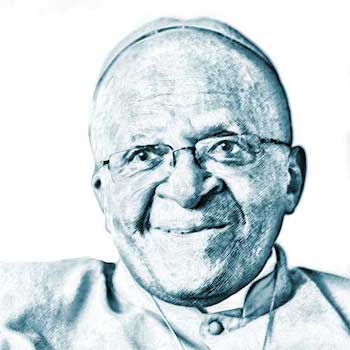
Archbishop Emeritus Desmond Tutu, who was post-apartheid South Africa’s moral compass and the driver of its troubled reconciliation process, has died. He was 90 years old.

He is the laureate of at least 10 human rights awards: For the complete list, see:

https://www.trueheroesfilms.org/thedigest/laureates/3E4065ED-420D-D94E-ECB1-4A2C91FE3BE6

Andrew Donaldson in News24 of 26 December 2021 published an interesting obituary: A tireless social activist and human rights defender, Tutu not only coined the term “Rainbow Nation” to describe the country’s ethnic diversity but, after the first democratic elections in 1994, went on to become its conscience, using his international profile in campaigns against HIV/Aids, tuberculosis, poverty, racism, xenophobia, sexism, homophobia and transphobia, among others…

His was a powerful, forthright voice, one that irked both the Nationalist government and its successor, the African National Congress and its allies. He was, an activist noted, “given to expressing his opinion in ways that are guaranteed to be outside the realm of comfortable politics”. As Tutu himself put it, in 2007, “I wish I could shut up, but I can’t, and I won’t.“..

Both at home and abroad, Tutu’s opposition to apartheid, which he often likened to Nazism, was vigorous and unequivocal. The Nationalists twice revoked his passport, and he was briefly jailed in 1980 after a protest march. Many felt that his increasing international reputation and his advocacy of non-violence had spared Tutu from more harsh treatment by the government…

He was a born orator and, according to the journalist Simon Hattenstone, “a natural performer [with] his hands and eyes flying all over the place, his voice impassioned and resonant; a tiny ball of love.”

Tutu would often play down such adulation. “I was,” he once said of his reputation, “this man with the big nose and the easy name who personalised the South African situation.”…

Following the Soweto riots in 1976, Tutu became an increasingly vocal supporter of economic sanctions and a vigorous opponent of US president Ronald Reagan’s “constructive engagement” with the Nationalist government.

In 1978, he was appointed general secretary of the SACC, a position he used to further rally support, both local and international, against apartheid. He was just as harsh in his criticism of the violent tactics later used by some anti-apartheid activists, and was unequivocal in his opposition to terrorism and communism.

Tutu’s finest hour came when he chaired the Truth and Reconciliation Commission, which was set up to bear witness to, record and in some cases grant amnesty to the perpetrators of apartheid-relation human rights violations, as well as rule on reparation and the rehabilitation of victims…

See also: https://humanrightsdefenders.blog/2013/07/30/desmond-tutu-chooses-hell-over-homophobic-heaven/

He is survived by his wife, four children, seven grandchildren and great-grandchildren.

Desmond Tutu was responsible for countless notable quotes throughout his life as an activist and elder. TimesLive (Ernest Mabuza) of 26 December 2021 in “In his own words: Desmond Tutu’s unwavering stance on human rights” published 12 of his best:

https://www.news24.com/news24/Obituaries/obituary-desmond-tutu-tenacious-charismatic-and-a-thorn-in-the-national-party-and-ancs-side-20211226

https://www.timeslive.co.za/news/south-africa/2021-12-26-in-his-own-words-desmond-tutus-unwavering-stance-on-human-rights/

Michel Tubiana passed away

October 4, 2021

On 2 October 2021 EuroMed Rights announed with great sadness the passing of Michel Tubiana.

Born in 1952 and a lawyer by training, Michel Tubiana was first and foremost a human rights activist, a cause he had been committed to since university. Alternately Secretary General, then Vice-President and President of the League of Human Rights in France, Michel Tubiana put his knowledge, practice of law and pugnacity at the service of the fight against racism and the respect of human rights.

Michel Tubiana was President of the EuroMed Rights Network from 2012 to 2018 before becoming its Honorary President.

The EuroMed Rights Network expresses their most sincere condolences to his family and friends in their grief.

https://euromedrights.org/publication/passing-of-michel-tubiana-euromed-rights-honorary-president/

https://fr.wikipedia.org/wiki/Michel_Tubiana

In memoriam John Ruggie, father of “Business and Human Rights”

September 28, 2021

On 22 September 2021, Harvard announced the death of Professor John Gerard Ruggie, last week.

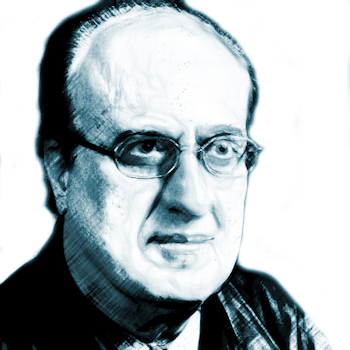
A post by Gerald L. Neuman describes him as a major figure in international relations and human rights. Ruggie was the Berthold Beitz Professor in Human Rights and International Affairs at Harvard’s Kennedy School of Government.  In the human rights field he is most famous for establishing a viable foundation for addressing the human rights responsibilities of business corporations, the UN Guiding Principles on Business and Human Rights (2011).  A brilliant strategist, Ruggie engaged in extensive consultation, study, analysis and persuasion to rescue the business-and-human-rights project from the polarized confrontation that had brought it to an impasse.  His invaluable book Just Business:  Multinational Corporations and Human Rights (2013) provides a model for the multi-dimensional negotiations that enable such achievements. John’s unique blend of kindness, rigour, insight, and attentive listening will be sorely missed.

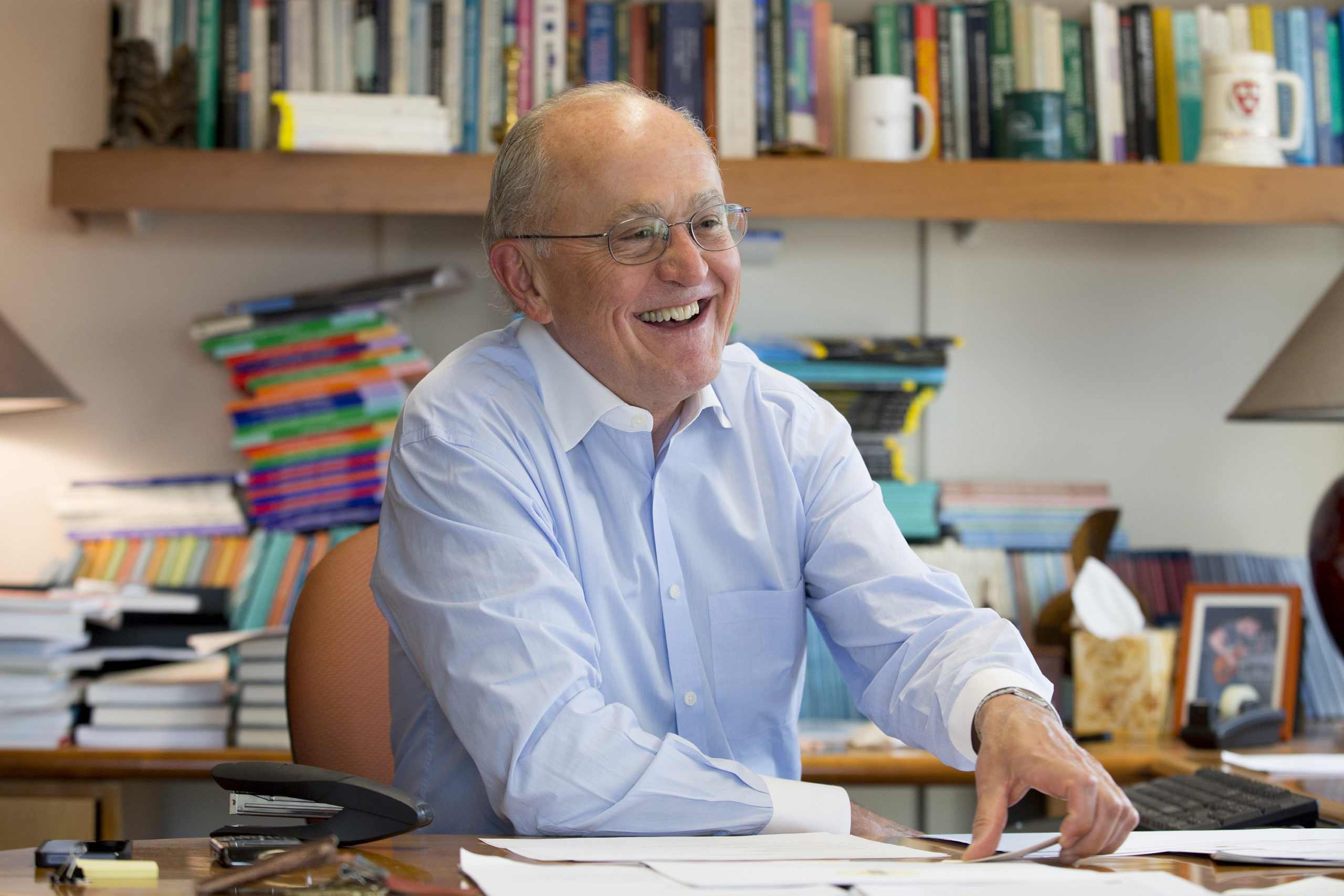
Photo of John G. Ruggie sitting in his office.
John G. Ruggie is the Berthold Beitz Professor in Human Rights and International Affairs. Rose Lincoln/Harvard Staff Photographer

see also: https://humanrightsdefenders.blog/2014/07/11/more-on-un-process-toward-contentious-treaty-on-business-and-human-rights/

Human right defender Sergei Kovalev died

August 19, 2021

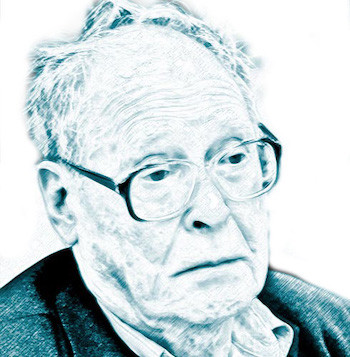
One of Russia’s most famous human rights defenders and former Soviet dissident, Sergei Kovalev, died aged 91 on Monday 9 August 2021 his family said. He won 9 international human rights awards, see: https://www.trueheroesfilms.org/thedigest/laureates/7B15D0E9-FDB2-4727-B94F-AA261BDB92D9

Kovalev was a biologist who became one of the leading members of the USSR’s pro-democracy movement. He was held for years in Soviet labour camps for his activism. After the collapse of the Soviet Union, he became a fierce critic of Moscow’s war in Chechnya and warned against democratic backsliding when President Vladimir Putin came to power in 2000.

His son Ivan Kovalev said on Facebook that his father died “in his sleep” in the early hours of Monday morning.

Russian rights group Memorial, which Kovalev co-founded, said he was “faithful to the idea of human rights always and in everything — in war and peace, in politics and every day life”.

The leading rights organisation — which has been labelled a “foreign agent” by Russian authorities under a controversial law — said Kovalev had campaigned for human rights since the 1960s. See also: https://humanrightsdefenders.blog/2013/04/26/russia-pursues-its-policy-of-labeling-human-rights-defenders-as-foreign-agents/

As a biology student, Kovalev had dreamed of devoting himself exclusively to science.

But he changed his mind after the arrests of dissident writers Yuli Daniel and Andrei Sinyavsky.

“I then understood that it was not possible to only be in science,” he said. “It would have been shameful.”

In 1968, Kovalev was fired from his job at a Moscow university laboratory for joining the Action Group for the Defence of Human Rights in the USSR — considered to be the Soviet Union’s first rights group.

He then grew close to the dissident academic Andrei Sakharov.

Kovalev was part of a group of dissidents writing the “Chronicle of Current Events”, an underground typed bulletin that reported on human rights violations in the USSR.

It reported the arrests and psychiatric internments of the Soviet regime’s opponents and on the situation in its labour camps.

He was arrested in 1974, accused of spreading “anti-Soviet propaganda” and sentenced to seven years in a Gulag camp, followed by three years of house arrest in the icy Siberian region of Kolyma.

He was only allowed to return to Moscow in 1987, thanks to the perestroika reforms launched by Soviet leader Mikhail Gorbachev.

He went on to help found Memorial, which recorded testimonies of Soviet political repression.

Kovalev was one of the few Soviet dissidents that entered post-USSR politics.

He contributed to writing Russia’s new constitution and was elected a parliamentary deputy twice.

In 1994, he was appointed as chairman of President Boris Yeltsin’s human rights commission in 1994. But he was forced to give up the post two years later for his outspoken criticism of Russia’s brutal intervention in the Chechen conflict.

Kovalev also criticised the political system created by Putin, from the beginning of the former KGB spy’s long rule. “A controlled democracy is being created in our country that seeks to create problems for ‘enemies inside as well as outside’,” he said in 2001, a year after Putin was inaugurated as president.

In 2014, he called on Western countries to “stop Russian expansion” into Ukraine after Moscow annexed Kiev’s Crimea peninsula.

According to Kovalev, the West had made “too many concessions” to Russia.

He also criticised Russian opposition leaders, whom he accused of being pragmatists without strong moral convictions. “I belong to the camp of idealists in politics,” he said.

https://www.france24.com/en/live-news/20210809-soviet-dissident-sergei-kovalev-dies

https://today.rtl.lu/news/world/a/1768110.html

https://www.hrw.org/news/2021/08/09/human-rights-watch-mourns-death-sergei-kovalev

https://www.theguardian.com/world/2021/aug/09/sergei-kovalev-soviet-dissident-who-clashed-with-yeltsin-putin-dies-aged-91