Posts Tagged ‘human rights’

Minority Rights and Advocacy Toolkit Online Course

January 24, 2024
Minority Rights Group

Challenges to freedom of religion and belief and abuses to the human rights of religious minorities are on the rise across the world, with increased violence, harassment, and threats often met with a lack of accountability. They occur against a backdrop of long-standing social, political, economic, and cultural marginalization and exclusion, particularly for those who face intersectional discrimination, such as religious minority women or persons with disabilities.

It is, therefore, vital to support organizations and activists representing these communities who work towards strengthening the rights of minorities of faith and belief and combatting the discrimination, prejudices and persecution these communities experience daily.

What is the course about?

The free, 7-week online course aims to build an understanding of regional and international minority rights mechanisms and ways to implement these rights frameworks at the national and local levels and build the capacity of human rights defenders (HRDs) to advocate for the rights of minorities.

The course will offer opportunities to exchange and collaborate with other HRDs to:

  • Monitor and report on violations against religious minorities
  • Raise awareness amongst key stakeholders of the human rights violations, persecution and discrimination these communities face
  • Campaign from local to international levels to secure commitments from key stakeholders to improve the situation of religious minorities
  • Train Graduates will also have the opportunity to follow up with access to a Training of Trainers that will give them the opportunity to develop their skills and share the knowledge they learned

Who can apply for this course?

Civil society organizations and activists representing religious minority and indigenous communities from two regions of the world where religious minorities are suffering from serious human rights violations, widespread discrimination and marginalization are welcome to apply.

Applicants from and/or based in the following countries will be prioritized: Bangladesh, Egypt, India, Indonesia, Iraq, Iran, Lebanon, Morocco, Myanmar, Nepal, Pakistan, Sri Lanka, Syria, Thailand, Tunisia.

  • Basic Concepts in Human Rights and Minority Rights
  • UN Declaration on the Rights of Persons Belonging to National or Ethnic, Religious and Linguistic Minorities
  • UN Treaties and Human Rights Mechanisms
  • Freedom of Religion or Belief (FoRB)
  • UN Mechanisms to Protect Minorities
  • Regional Human Rights Systems and Mechanisms
  • Advocacy Campaigns

To complete the course, participants must submit three written assignments: a briefer, an outline of a shadow report and an advocacy plan.

How many hours a week is the course?

The course will require approximately 3 hours per week for the duration of the course. Your participation will be facilitated by a tutor who will offer mentoring on a one-on-one basis as required. Our tutor is an expert in minority rights and community networking.

During the course we also organize a webinar, which offers a unique opportunity to learn more about the mandate of the UN Special Rapporteurs and engage in a Q&A session with them.
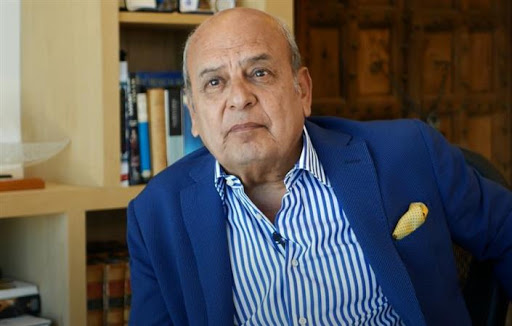
Thomas Antkowiak urges priority for the safety of front-line human rights workers

January 20, 2024

On January 12, 2024, Thomas Antkowiak in Just Security reflects on dangers of HRDs in Mexico and Latin america generally, motivated by the fate of his friends Ricardo and Antonio Díaz Valencia.

…Strategic use of the legal mechanisms—bolstered by the research and financial resources, political leverage, reputations, and media connections of Northern institutions—can be very effective to obtain remedies for victims of rights violations, and even to bring about legal reform and structural change. But the methods are toothless, and even misguided, without partners like Ricardo, the expert local attorneys. Truly, without such counterparts, this kind of human rights project lacks legitimacy. Without sustained connections to the affected communities, it would become just another decree handed down from the ivory tower.

In our isolated and polarized world, virtual meetings may have increased productivity in international lawyering, but they can further insulate us—cutting off deeper engagements to our clients abroad and the communities we hope to work with. In contrast, frontline defenders are fully connected and, of course, face all the risks. Authoritarian governments, criminal organizations, and complicit transnational corporations are all closing in. Can we still sense their peril?

If these human rights advocates are in more jeopardy than ever, so are the human rights themselves. Frontline defenders are the torchbearers of the international human rights movement. As such, they deserve the honors, the funding, and the protection. For the work to continue, we urgently need to do our part: the Global North’s human rights organizations, governments, universities, foundations, and businesses must coordinate to shield and support them.

Certainly, some institutions are already doing good work. Where to redouble our efforts? First, let’s ask the defenders themselves what they most need, recalling that their role is primary and their safety paramount. In the case of Mexico, there is almost total impunity for these types of cases. If the cartels, corrupt officials, and their accomplices cannot be held accountable, the killings will continue unabated (and thousands will keep fleeing from the violence to the southern U.S. border). When the defenders’ work becomes too hazardous, asylum must be streamlined—and the opportunity forever preserved. U.S. legislation and political pressure on Mexico play key roles here. So does divestment from colluding transnational corporations.

Every day, I wish that we could have somehow prevented the disappearance of my cherished friend and long-time collaborator. Through various channels, Global Rights Advocacy, other colleagues, and my clinic continue to push the Mexican government to find Ricardo and Antonio, and to prosecute the case. The world cannot afford the loss of another Ricardo, Berta Cáceres, Thulani Maseko. Without such guiding lights, we won’t be marking another 75 years of the international human rights movement.

Attack against Cypriot anti-racism NGO KISA

January 19, 2024

7 January 2024 Cyprus Mail reported that a demonstration will be held condemning the attack on the offices of refugee NGO Kisa.

Kisa’s offices were attacked on Friday, when an improvised explosive device went off outside their offices, smashing windows, destroying computers and photocopiers.

In their statement, the protest organisers said: “Kisa and its members have repeatedly received threats of various forms, against which the state authorities have shown unacceptable tolerance, which, together with government policies and their racist and xenophobic rhetoric on immigration issues, have not only allowed but also encouraged racist and fascist attacks against migrants and refugees, as well as their rights defenders, thus fostering fascism in society.”

Issuing a statement after the attack, the international NGO Amnesty International’s Cyprus Research Kondylia Gogou said: “Last night’s violent attack on anti-racist organisation Kisa is despicable and raises serious concerns over the safety of human rights defenders in the country. However, it did not happen in a vacuum. Racist violence is on the rise in Cyprus, and KISA and its volunteers have been the target of repeated threats, verbal attacks, and smear campaigns in connection with their work supporting refugees and migrants and denouncing hate crimes.”

According to Amnesty, authorities in Cyprus must send an unequivocal message that attacks on human rights defenders and NGOs will not be tolerated, and conduct a prompt, thorough, independent, and impartial investigation on the attack on the Kisa’s offices “that prioritises the hypothesis that the attack was related to their human rights and anti-racist work”.

In August and September 2023, racialised people including refugees and migrants were subjected to pogrom-like attacks in Chloraka and Limassol. Previously, in early 2023, racist attacks were carried out in Limassol and in January 2022 attacks were carried out in Chloraka. In 2023, the European Commission against Racism and Intolerance (ECRI) found that the public discourse in the country had become “increasingly xenophobic”.

In December 2020, further to an amendment to the law on associations, KISA was removed from the Registry of Associations, and proceedings for its dissolution were initiated. KISA’s appeal to challenge the decision before the country’s Appeal Court remains pending, and despite its registration as a non-profit company, KISA operates with many obstacles.    

https://euobserver.com/migration/157914

Virginia Laparra, former impunity prosecutor in Guatemala, released

January 4, 2024

Following the decision of a judge in Guatemala City to authorize the immediate release of Virginia Laparra, former prosecutor of the Special Prosecutor’s Office against Impunity (FECI) on Tuesday, 3 January, Ana Piquer, Americas director at Amnesty International, said: 

Virginia Laparra should never have spent a day in jail. It’s great news that she can be reunited with her loved ones after nearly two years as a prisoner of conscience. Her release is a first step towards ending the terrible human rights violations she has faced in retaliation for her outstanding work as an anti-corruption prosecutor.” 

“We lament, however, that Virginia Laparra remains convicted of a crime she did not commit and faces another unfounded trial, due to the regrettable use of criminalization against dozens of people who, like her, have led the fight against impunity. Amnesty International reiterates its call for the Guatemalan authorities to put an immediate end to the misuse of the criminal justice system to harass, intimidate and punish judges, prosecutors, human rights defenders and journalists”.

On 28 November 2022, Amnesty International named the former prosecutor as a prisoner of conscience, having found that her detention was solely due to her human rights work as head of FECI in Quetzaltenango, and requested her immediate and unconditional release. In May 2023, the United Nations Working Group on Arbitrary Detention declared that the detention of the former anti-corruption prosecutor was arbitrary and requested her immediate release. At the same time, the international mobilization of thousands of human rights activists on the case has not ceased. 

“Amnesty International underscores the importance of international pressure in cases such as those of Virginia Laparra. Our movement in the Americas and around the world has not rested in demanding the release of the former prosecutor,” said Ana Piquer.

The unfounded criminal prosecution against Virginia Laparra took place in a context of attacks against dozens of people for their role in the investigation of high-profile cases of large-scale corruption and human rights violations. In 2022, there were 3,754 attacks against human rights defenders and at least 73 judicial workers, journalists and activists had to go into exile, according to data from Guatemala’s Human Rights Defenders Protection Unit (UDEFEGUA).

see also: https://humanrightsdefenders.blog/2023/05/10/guatemalan-lawyer-claudia-gonzalez-orellana-laureate-lawyers-for-lawyers-award-2023-ceremony-on-line-11-may/

https://www.amnesty.org/en/latest/news/

Basic Misconception of Nobel Peace Prize

January 3, 2024

Mr Miknas

On 29 December 2023 Akram Miknas posted a piece on gdnonline attacking the Nobel Peace Prize. It is not my role to “defend” the Peace Prize, but the misconception underlying much of the piece is such that it is worth putting the record straight:

Wish it were feasible to revoke the Nobel Peace Prize! Especially when some individuals upon whom this supreme honour is bestowed, show, by their subsequent actions and behaviour, that they are more suited to a ‘prize’ or ‘badge’ of shame associated with war and destruction or violence and bloodshed

The author then raises the cases of Menachem Begin, Shimon Peres, and Aung San Suu Kyi, who are seen as violators. He could have added others such as Le Duc Tho, de Klerk, Arafat and Kissinger or more recently Abiy Ahmed Ali.

…”These examples make us question the logic of bestowing the Nobel on individuals or groups for peace, when their actions are anything but peaceful! In fact, after having received this honour, they have been involved in terrible acts that have stained them with the blood of their victims.”

…..Indeed, many of these Nobel Peace Prize laureates, are, in reality, perpetrators of war crimes. As far back as 2012 I published a piece ‘Nobel Prize is for Peace not necessarily Human Rights‘ which states that the Prize is a PEACE prize and was in certain cases awarded ‘merely’ because they stopped violating human rights. See: https://www.comminit.com/content/nobel-prize-peace-not-necessarily-human-rights

The author makes the sensible point of asking for a critical reassessment of the award selection process: “One key criterion should be that recipients must refrain from intertwining human rights advocacy with political activities. Failure to adhere to this condition should warrant the withdrawal of the award in the future. This measure ensures that the accolade is granted solely based on an individual’s commitment to human rights without any influence from political affiliations or perspectives.”

The author’s call to “to establish alternative awards that are …specifically designed to champion the causes of the vulnerable. It should recognise individuals who are committed to tirelessly working for peace, justice and the promotion of humane values within societies. These awards should gain appreciation and support from individuals and organisations dedicated to fostering positive change in oppressed communities.” is fine but hardly necessary as there are at least 200 such awards, see: https://www.trueheroesfilms.org/thedigest.

https://www.gdnonline.com/Details/1299326/Nobel-Peace-Prize-A-legacy-tainted-with-blood

Report on four areas where synergies in human rights and anti-crime regimes should be enhanced

December 29, 2023

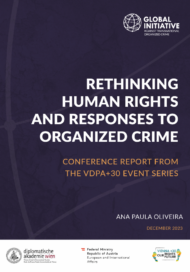
On 27 Dec 2023 Ana Paula Oliveira posted for Global Initiative on the Report of an interesting topic: the convergences between organized crime and human rights agendas, as well as communities’ responses to mitigate the negative impact of organized crime on human rights over the past year.

The Vienna Declaration and Programme of Action (VDPA), which in 2023 celebrated 30 years since it was adopted….Global issues such as digitization, climate change and conflict pose multiple challenges to human rights. Organized crime cuts across many of these challenges. In this context of reflection on the effectiveness of the human rights framework, the Global Initiative Against Transnational Organized Crime (GI-TOC) has worked to raise awareness of the convergences between organized crime and human rights agendas, as well as communities’ responses to mitigate the negative impact of organized crime on human rights over the past year. In 2023, the topic was selected for the GI-TOC’s Resilience Fund Fellowship. In this context, the Fund organized its first in-person Fellowship meeting with a group of grantees and Fellows to discuss pressing human rights implications of organized crime. The meeting provided a platform for the Fellows to share experiences and current challenges related to the human rights impact of organized crime in their communities.

Building on this work, the GI-TOC, with the support of the Sector Programme on Human Rights of the Deutsche Gesellschaft für Internationale Zusammenarbeit (GIZ) on behalf of the Bundesministerium für wirtschaftliche Zusammenarbeit und Entwicklung (BMZ) and the government of Norway, launched the first institutional report on the issue, ‘Four reasons why organized crime is a human rights issue’ during the 24-hour Organized Crime Conference (OC24). This report draws attention to four areas where synergies in human rights and anti-crime regimes should be enhanced, so that safeguards for human rights are woven into states’ policy responses to transnational organized crime.

As a final 2023 activity and part of the series of follow-up events to celebrate the 30th anniversary of the VDPA (VDPA+30) and the 75th anniversary of the UDHR, the GI-TOC organized a series of events to raise awareness of the intersection between organized crime and human rights in Vienna with the support of the Government of Austria. The programme comprised a two-day expert group meeting held from 29 November to 30 November in Vienna and a public event. The expert group meeting (EGM) brought together experts based in Vienna and selected global experts (comprising academia, non-governmental organizations, and representatives from international and grassroots organizations) from both the human rights and crime prevention fields to discuss the multifaceted interactions between organized crime and human rights. It was designed to spark discussion on organized crime as a global challenge that keeps human rights from being fulfilled, based on our research and evidence on the issues.

During this series of discussions, the GI-TOC also hosted a public panel at the Vienna Diplomatic Academy. This was followed by a reception where participants could engage more informally. This event reflected on high-level principles, community experiences and responses, as well as the dissemination of community tools to respond to organized crime violence through a human rights lens.

This report summarizes the key points discussed in this series of events and proposes a way forward for those who want to pursue further work on the issue.

https://globalinitiative.net/analysis/human-rights-responses-organized-crime/

Conference report

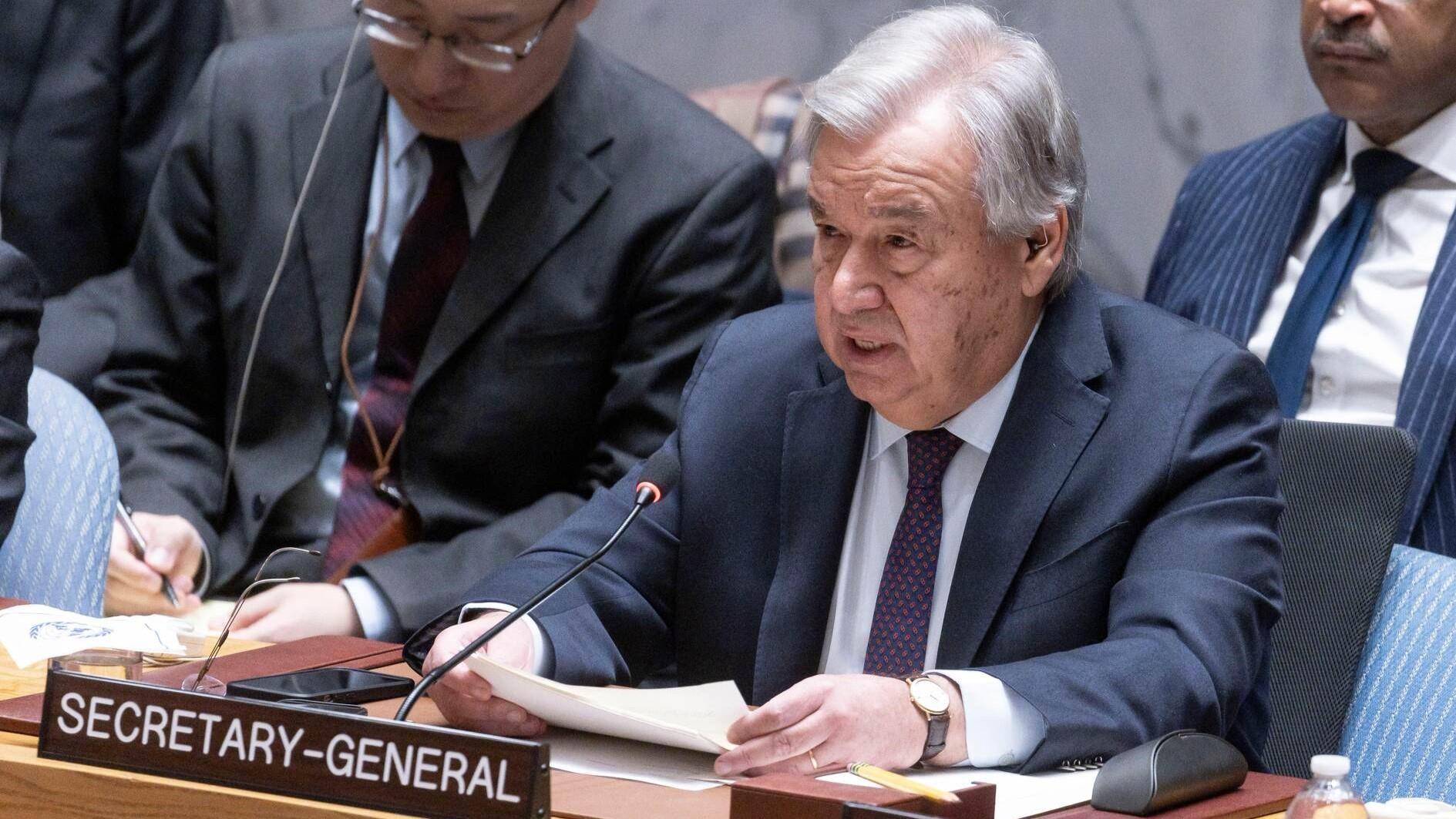
Secretary-General’s remarks at the Human Rights Prize Award Ceremony

December 18, 2023
UN chief warns human rights under attack, praises rights defenders

U.N. Secretary-General Antonio Guterres

It is a pleasure to join you to honour the achievements of human rights defenders across the globe. Three quarters of a century ago, in a world decimated by war, the United Nations General Assembly proclaimed that: “All human beings are born free and equal in dignity and rights”.

The Universal Declaration of Human Rights is a clarion call to act in accordance with a fundamental truth: that each of us is an equal member of a single human family.

Seventy-five years on, the world must recall that wisdom. And it must act on it. Because human rights are under attack around the world. Conflicts are raging, with appalling consequences for civilians as we are dramatically witnessing every single day with immense death and suffering in Gaza after the horrors of the 7 October attacks. Inequalities are deepening. Hunger and poverty are rising. Women’s rights are stalling, and in some cases, going into reverse. Civic space and media freedom is being rolled back.

New threats are blossoming – from catastrophic climate disasters, to artificial intelligence, which holds the potential for immense possibility, but also for immense peril. And age-old hatreds are resurging with a vengeance – from racism, to xenophobia, and religious intolerance. People are being violently targeted solely for their religion, their ethnicity or who they love.

But across the world, human rights defenders are lights in the darkness.

They are changing lives:

Fighting, educating, and holding power to account, to make human rights a living, breathing reality. This is deeply dangerous work. Last year, almost 450 human rights defenders, journalists and trade unionists were killed. Forty percent more than the previous year. Thirty-three vanished without a trace – a staggering three hundred percent increase from 2021.

In this context, today’s Human Rights Prize is all the more important. This prize has recognized the achievements of human rights defenders since 1968. It has honored luminaries such as Nelson Mandela, Malala Yusafzai and the International Committee of the Red Cross. See: https://www.trueheroesfilms.org/thedigest/awards/74A3B502-F3DF-4DDB-8D6F-672C03B4A008.

I pay tribute to each of the recipients of the prize today for their extraordinary work, their humanity and their courage [see: https://humanrightsdefenders.blog/2023/07/22/winners-of-2023-un-human-rights-prize-announced/]:

Julienne Lusenge from the Democratic Republic of the Congo;

Julio Pereyra from Uruguay;

The Amman Center for Human Rights Studies;

The Human Rights Center “Viasna”, working in Belarus;

And the Global Coalition of civil society organizations, Indigenous Peoples, social movements and local communities for “the universal recognition of the right to a clean, healthy and sustainable environment”. 

Congratulations to you all. And thank you for everything you are doing. I would also like to pay tribute tonight to the thousands of unsung human rights defenders around the world. 

Leaders of all kinds must take inspiration from you – our prize recipients today –and defend all human rights – political, civil, social, economic, and cultural.  

The world needs leaders of countries, corporations, political parties, religious and civil organizations and beyond, to speak out against antisemitism, anti-Muslim bigotry, attacks on minority Christian communities, and all forms of hate and abuse.   It needs them to protect human rights defenders, and bring those who threaten them to justice.

It needs them to embrace our common norms and values, to act on them, and be guided by the spirit of humanity and dignity embodied by the Universal Declaration – to prevent conflict, protect the planet and heal divides. 

And to place human rights at the front and centre of efforts to update our international institutions at the Summit of the Future next September. 

..

As we celebrate the 75th anniversary of the Universal Declaration of Human Rights, we need leaders of all kinds to embrace their role as human rights defenders too.

Thank you.

https://www.un.org/sg/en/content/sg/statement/2023-12-15/secretary-generals-remarks-the-human-rights-prize-award-ceremony-delivered

Universal human rights drowning in geopolitical rivalry between US and China

December 9, 2023

On 8 December, 2023 Jake Werner – Acting Director of the East Asia program at the wrote an interesting piece “Outrage Without Strategy Means Failure on China and Human Rights”. It makes in my view some very valid points, see for yourself:

The deplorable human rights record of the Chinese government has long featured in U.S. political discourse as an example of that venerable trope, the heroic individual demanding freedom from the tyrannical state. U.S. leaders quite naturally align themselves with the advocates of freedom, coming to their aid by repudiating and punishing their tormentors.

The antagonism between civil society and the state highlighted in this view is undeniably true, but this truth is only partial. Its seeming clarity threatens to obscure the complexities of Chinese politics and U.S.–China relations in ways that may produce counterproductive responses.

The political journey of a friend of mine in recent years illustrates dynamics excluded from the conventional human rights framing. I first met Zhao (a pseudonym) a decade ago while doing research in Shanghai, when both of us were grad students interested in leftist politics. I joined a reading group he was running with other Chinese grad students and we discussed ideas that posed a deep challenge to Chinese social and political inequalities.

In the years since, his critical energies have increasingly flowed away from inequalities within China to focus instead on the inequality between what he sees as a domineering United States and a victimized China. Increasingly he deems the Chinese government as the champion of the beleaguered Chinese people, whose opportunity to rise in wealth and status is being harshly circumscribed by jealous American leaders. To him, “human rights” is a fig leaf for the defense of naked U.S. power and a feature of western culture foisted on countries like China, whose level of development makes it inappropriate.

It was not state propaganda that moved Zhao in this direction — when we first connected he was already perfectly capable of seeing through official Communist Party narratives. Instead, it was heavy–handed U.S. behavior, tendentious U.S. narratives that refuse to give any credit to the Chinese system, and the glaring hypocrisy of American leaders harshly condemning Chinese abuses while remaining silent on the abuses of countries U.S. leaders are cultivating to counter China.

From Zhao’s experience, we can discern additional truths: that U.S. human rights rhetoric is not impartial but is a feature of geopolitical rivalry; that this fact threatens to discredit the whole idea of human rights in the eyes of many Chinese; that the Chinese government strategy of casting human rights defenders as agents of U.S. power rather than advocates of universal values may in the process find considerable success among Chinese citizens.

Yet Zhao’s truths are also selective. Other friends of mine bear witness to the reality not only of Chinese government repression but the dramatic expansion of that repression in both quantitative and qualitative terms over the last decade. The labor activist forced to move to Hong Kong to continue his work after the crackdown on worker rights, only to be hounded from Hong Kong when the mainland government crushed its democracy movement. The Uyghur scholar detained under atrocious conditions, forced to recite loyalty oaths that only poisoned him against the regime. The feminist activists studying overseas, wracked with fear that even outside the country they will suffer terrible consequences for criticizing officials’ increasingly open misogynistic policies.

The vision of human freedom and dignity expressed in the Universal Declaration of Human Rights provides a standard against which to judge the Chinese political system. Many of those same principles are enshrined in the Chinese constitution, making the argument that they are alien to Chinese culture untenable. By both measures, the Chinese government falls far short.

Yet neither document provides a strategy to achieve human freedom and dignity. In formulating such a strategy, moral truths are necessary but inadequate. The truths of power politics and psychological dynamics must be incorporated as well.

We in America need to reflect on some uncomfortable truths. As much as we might wish to see ourselves as an agent of global justice, other countries and their citizens do not always share this view. The conflict with China is not only an ethical dispute but is also a power struggle over which country will dominate East Asia militarily and the world economically. The United States is not just criticizing Chinese repression, but is actively seeking to limit China’s global influence.

Where does this leave U.S. policy on China? First, deploying human rights as a resource in geopolitical conflict is more likely to inspire cynicism around the idea of human rights than it is to vindicate the claim to higher values.

Second, because geopolitics makes national rivalry the most salient axis of political conflict, it is singularly ill–suited to advancing the human rights project. A geopolitics focused on U.S. global primacy encourages an alignment between China’s government and the Chinese people against threatening foreign forces. Under such circumstances, Chinese leaders are more likely to see those within China who defend human rights as the agents of alien ideas and alien interests, and can more convincingly portray them as such. Linking human rights efforts to geopolitical conflict strengthens those forces in China and the United States that are most hostile to human rights — forces such as nationalism, xenophobia, and militarism.

A U.S. strategy on human rights in China should begin by reducing the prominence of geopolitical division in U.S.–China relations. This would help to shape a domestic environment in China (and the United States) that would open space for human rights advocacy. America’s longstanding punitive and coercive approach to human rights promotion has failed everywhere it has been tried. The danger of such an approach is magnified in a moment when great power tension threatens to spin out of control.

It is more urgent than ever to formulate a more strategic approach. By stepping away from the commitment to global primacy as the centerpiece of U.S. foreign policy, a foreign policy of restraint offers new ways to approach human rights that avoid the pitfalls of associating universal rights with the power machinations of specific countries.

See also: https://humanrightsdefenders.blog/2011/03/08/ngos-in-china-and-europe-just-published-contains-fascinating-information/

https://quincyinst.org/2023/12/08/addressing/

The 2023 CIVICUS State of Civil Society Report is out

March 30, 2023

On 30 March 2023 the CIVICUS State of Civil Society Report 2023 was published. This is the world as captured by the report:

[for last year’see: https://humanrightsdefenders.blog/2022/06/29/civicus-state-of-civil-society-report-2022/]

Vast-scale human rights abuses are being committed in Ukraine, women’s rights have been trampled on in Afghanistan and LGBTQI+ people’s rights are under assault in Uganda, along with several other African countries. Military rule has been normalised in countries such as MaliMyanmar and Sudan, and democracy undermined by autocratic leaders in El SalvadorIndia and Tunisia, among others. Even supposedly democratic states such as Australia and the UK are undermining the vital right to protest.

But civil society continues to strive to make a crucial difference to people’s lives. It’s the force behind a wave of breakthroughs in respecting abortion rights in Latin America, most recently in Colombia, and in making advances in LGBTQI+ rights in countries as diverse as BarbadosMexico and Switzerland. Mass protests in response to the high cost of living have won concessions on economic policy in countries including Ecuador and Panama, while union organising has gained further momentum in holding big-brand companies such as Amazon and Starbucks to account. Progress on financing for the loss and damage caused by climate change came after extensive civil society advocacy. The events of the past year show that civil society – and the space for civil society to act – are needed more than ever.

Key findings

  • Civil society is playing a key role in responding to conflicts and humanitarian crises – and facing retaliation

Civil society is playing a vital role in conflict and crisis settings – including in conflicts in Ethiopia, Syria and Ukraine – providing essential services, helping and advocating for victims, monitoring human rights and collecting evidence of violations to hold those responsible to account. But for doing this, civil society is coming under attack.

  • Catastrophic global governance failures highlight the urgency of reform

Too often in the face of the conflicts and crises that have marked the world over the past year, platitudes are all international institutions have had to offer. Multilateral institutions have been left exposed by Russia’s invasion of Ukraine. It’s time to take civil society’s proposals to make the United Nations more democratic seriously – starting with the appointment of a civil society champion.

  • People are mobilising in great numbers in response to economic shock – and exposing deeper problems in the process.

As it drove a surge in fuel and food prices, Russia’s war on Ukraine became a key driver of a global cost of living crisis. This triggered a mass wave of protests in at least 133 countries – from Argentina to Indonesia and from Ghana to Kazakhstan – demanding economic justice. Civil society is putting forward progressive economic ideas, connecting with other struggles for rights, including for climate, gender, racial and social justice.

  • The right to protest is under attack – even in longstanding democracies

Many states, unwilling or unable to concede the deeper demands of protests have responded with violence, including in IranSierra Leone and Sri Lanka. The right to protest is under attack all over the world, including when people are mobilising to seek economic justice, democracy, human rights and environmental action. Civil society groups are striving to defend protest rights.

  • Democracy is being eroded in multiple ways – including from within by elected leaders

Economic strife and insecurity are providing fertile ground for the emergence of authoritarian leaders. In more democratic contexts, there are distinct trends of a further embrace of far-right extremism, and of the rejection of incumbency. In volatile conditions, civil society is working to resist regression and keep making the case for inclusive, pluralist and participatory democracy.

  • Disinformation is skewing public discourse, undermining democracy and fuelling hate

Disinformation is being mobilised, particularly in conflicts and during elections, to sow polarisation, normalise extremism and attack rights. Powerful authoritarian states and far-right groups are key sources, and social media companies are doing nothing to challenge a problem that’s good for their business model. Civil society needs to forge a joined-up, multifaceted global effort to counter disinformation.

  • Movements for women’s and LGBTQI+ rights are making gains against the odds

In the face of difficult odds, civil society continues to drive progress on women’s and LGBTQI+ rights. But breakthroughs have made civil society the target of a ferocious backlash. Civil society is working to resist attempts to reverse gains and build public support to ensure that legal changes are backed by shifts in attitudes.

  • Civil society is the major force behind the push for climate action

Civil society continues to be the force sounding the alarm on the triple threat of climate change, pollution and biodiversity loss. Civil society is urging action using every tactic available, from street protest and direct action to litigation and advocacy in national and global arenas. But the power of the fossil fuel lobby remains undimmed and restrictions on climate protests are burgeoning. Civil society is striving to find new ways to communicate the urgent need for action.

  • Civil society is reinventing itself to adapt to a changing world

In the context of pressures on civic space and huge global challenges, civil society is growing, diversifying and widening its repertoire of tactics. Drawing on its special strengths of diversity, adaptability and creativity, civil society continues to evolve. Much of civil society’s radical energy is coming from small, informal groups, often formed and led by women, young people and Indigenous people. There is a need to support and nurture these..

Interviews For more information or to arrange an interview, please contact: media@civicus.org 

https://www.civicus.org/index.php/media-resources/news/6339-civil-society-in-a-world-of-crisis-2023-civicus-state-of-civil-society-report

Today: the people of Ukraine win this year’s European Union Prize

October 19, 2022

The European Parliament on Wednesday 19 October awarded “the people of Ukraine” its annual Sakharov Prize for freedom of thought amid the ongoing war with Russia. For more on this award and its previous laureates, see: https://www.trueheroesfilms.org/thedigest/awards/BDE3E41A-8706-42F1-A6C5-ECBBC4CDB449

This award is for those Ukrainians fighting on the ground. For those who have been forced to flee. For those who have lost relatives and friends. For all those who stand up and fight for what they believe in. I know that the brave people of Ukraine will not give up and neither will we,” said Roberta Metsola, the European Parliament’s head.

EU Commission chief Ursula von Der Leyen congratulated the people of Ukraine and said: “Their spirit and determination to fight for the values we hold dear is an inspiration to us all.”

At (the EU Council) we’ll focus on continuing our assistance; we will stand with Ukraine for as long as it takes,” European Council President Charles Michel said on Twitter.

Last year: https://humanrightsdefenders.blog/2021/10/21/alexei-navalny-wins-eus-sakharov-prize/

https://www.europarl.europa.eu/news/en/press-room/20221017IPR43706/the-ukrainian-people-awarded-the-european-parliament-s-2022-sakharov-prize

https://www.aa.com.tr/en/europe/ukrainian-people-awarded-eus-sakharov-prize-for-freedom-of-thought/2715666