Posts Tagged ‘human rights of women’

March 8, 2024 was again International Women’s Day

March 8, 2024

Like every year, many organisations used the occasion to focus on the role of women human rights defenders. Here a selection of this year’s actions [for earlier posts see: https://humanrightsdefenders.blog/tag/international-womens-day/]:

Global Voices has released a special coverage called Empowering voices: Women in politics, which explores the state of women’s political participation around the world. 

Human Rights First referred to a new report reveals that WHRDs face increasing harassment and threats from a global movement against gender equality and LGBTQI+ rights. The Kvinna till Kvinna Foundation, a leading feminist women’s rights organization, released Hope and Resistance Go Together: The State of Women Human Rights Defenders 2023,  a report that found discouraging growth in harassment of WHRDs.  The foundation surveyed 458 women’s and queer rights activists and interviewed 25 activists representing WHRDs from 67 countries affected by violence or conflict.

They found that 75% reported facing harassment for their activism, a 15% increase from two years ago, and 25% of respondents have received death threats. Most harassment comes from government authorities, but increased harassment from far-right groups and anti-gender equality actors is also driving these startling statistics. Human Rights Defenders (HRDs) across the world face resistance and violence. In 2022, at least 401 HRDs were killed for their peaceful work. But some of the obstacles facing WHRDs are distinct. https://humanrightsfirst.org/library/recognizing-women-human-rights-defenders-on-international-womens-day/

Human Rights Watch on 7 March carried a piece by Macarena Sáez who says inter alia:

On this International Women’s Day, we march for the one in three women who experience physical or sexual violence in their lifetime. We cheer for countries like Argentina, Colombia, and Ireland that value our autonomy to choose to be pregnant and have legalized access to safe abortion, while protesting that abortion is still or again illegal in many places, including US states like Alabama and Texas. At the same time, we march to honor the women who marched before us, like the Mexican women who organized the first feminist congress in 1916 to push for family law reforms and their right to vote, and the Nigerians who waged their “Women’s War” against colonization and patriarchal laws in 1929. Their struggles sadly mirror the reality of many women around the world today – especially women who belong to historically marginalized groups – who continue to rally against violence and abuse.

Fearing the power of women’s solidarity and collective actions, governments have  stifled women’s speech through restrictions on movement, censorship, smear campaigns, and criminal prosecutions. In highly repressive contexts, like Afghanistan and Iran, women suffer arbitrary detention, and even enforced disappearance and torture, for their activism. Meanwhile, social media companies have not done enough to protect women from online violence, chilling women’s freedom of expression on and offline.    These barriers make it hard for women’s equality to become reality. Gender justice requires an enabling environment in which women can express themselves, speak and spread their political views, and participate in political and public life. Instead of repressing or tolerating the repression of women, governments should recognize our collective actions – and consequent power – and enshrine our rights in laws, policies, and practice. [https://www.hrw.org/news/2024/03/07/womens-voices-have-power-drive-change]

Amnesty International on 8 March highlighted three prominent women who reveal why sexual and reproductive rights are a major human rights issue : Charlotte Bunch, USA Leila Hessini, Algeria Marge Berer, UK [https://www.amnesty.org/en/latest/campaigns/2024/03/three-prominent-women-reveal-why-sexual-and-reproductive-rights-are-a-major-human-rights-issue/]

On 8 March 8, 2024 Almyra Luna Kamilla and Rosalind Ratana 
opined in IMHO on “Navigating the storms of repression: The resilience of young women rights defenders in Asia

[OPINION] Navigating the storms of repression: The resilience of young women rights defenders in Asia

In recent years, Asia has been witnessing rising authoritarianism and shrinking civic space. Among those in the frontlines of resistance are young women human rights defenders. As we celebrate International Women’s Day, let us demand for an enabling world where women human rights defenders can continue their noble pursuits without fear of reprisals.

In Thailand, the royal defamation law is being excessively used to silence criticisms against the monarchy. Meanwhile in Sri Lanka, economic and political mismanagement has sparked peaceful protests that are met with violence and intimidation. The fate of Asia’s political climate hangs by a thread as elections are held across many countries, including Bangladesh, Indonesia, India, South Korea, and Pakistan. Now more than ever, governments across the region are finding ways to solidify their power, putting an even tighter grip on civil society to the detriment of democracy and people’s fundamental rights and freedoms.

Despite such challenges, many are courageously speaking out and taking collective action to reclaim power for the people. This includes young women human rights defenders – or Youth WHRDs – who are claiming space to call out human rights violations and to demand accountability from oppressive governments. [https://www.rappler.com/voices/imho/young-women-rights-defenders-asia/]

The Alliance for Human Rights in Afghanistan (a coalition of 9 major NGOs) urgently appealed to the international community to significantly bolster its support and actively safeguard the human rights of Afghan women and girls, including Afghan women human rights defenders who face persecution for their peaceful campaigns for rights and basic freedoms.

In 2023, the Taliban further intensified its oppressive policies toward women, girls, the LGBTIQ+ community, and religious minorities. Afghan women and girls have seen their rights and prospects increasingly curtailed, from greater enforcement of restrictions on education – including a ban on girls attending secondary schools and universities – to intensifying exclusion of women from political and public life. Women have been banned from a growing list of forms of paid employment, and economic barriers, such as the ban on women registering organisations and undergoing vocational training, have contributed to a sharp decline in women’s participation in the labour market, impeding their right to make a living. This exacerbates financial insecurity, widens gender disparities, and further confines women to the private sphere. Lesbian, bisexual, and transgender women face severe threats, including torture, sexual violence, forced marriage, and death. Victims of gender violence, including those who identify as such, lack minimal legal and practical support. Obstacles to healthcare and education have exacerbated poverty and vulnerability among women and girls. In 2023, new discriminatory restrictions imposed by the Taliban included the closure of all beauty salons, blocking women from overseas travel for study, mandating female health workers in some areas to have a male chaperone while travelling or at work, and prohibiting women from entering a famous national park.

The oppressive environment extends to female activists, NGO leaders and journalists. Notable cases include the arrests of women’s rights activists Neda Parwani and Zholia Parsi, the enforced disappearance and subsequent discovery of Manizha Seddiqi in Taliban custody to date, the arrest of Matiullah Wesa, founder of an NGO advocating for girls’ education rights, and the arbitrary detainment of Ahmad Fahim Azimi and Seddiqullah Afghan—both dedicated girls’ education activists, among many others. Journalists reporting on the Taliban, facing arrests and threats, equally illustrate the difficulties encountered by the media, particularly women, when covering crimes against women or advocating for women’s rights. Collectively, these cases underscore the near-total denial of freedom of expression, gender equality, or any other internationally recognized right in Afghanistan under the Taliban.

Amid this growing oppression, segregation and fear, Afghan women human rights defenders have urged the international community to exert greater pressure on the Taliban. They call on international bodies to involve Afghan women in all negotiations with the Taliban and to facilitate direct meetings between women and the de facto authorities to address their concerns. Afghan women have also stressed the importance of advocacy for women’s rights by external actors based on the voices and realities of women inside Afghanistan. They call for coordinated efforts between organisations inside and outside the country to defend the rights of Afghan women and girls.

https://www.omct.org/en/resources/statements/afghanistan-lifting-afghan-women-from-the-shadows-into-the-light-in-the-face-of-the-taliban

The UN Special Rapporteur on the situation of human rights in Afghanistan, Richard Bennett, called on the Taliban to release women human rights defenders as the world marks International Women’s Day.

I reiterate my appeal to the Taliban to respect all the human rights of women and girls in Afghanistan, including to education, work, freedom of movement and expression, and their cultural rights, and I urge the meaningful and equal participation of Afghan women and girls in all aspects of public life. I call on the Taliban to immediately and unconditionally release all those who have been arbitrarily detained for defending human rights, especially the rights of women and girls.”

https://www.ohchr.org/en/statements/2024/03/afghanistan-un-expert-calls-taliban-release-women-human-rights-defenders

On 8 March, Civil Rights Defenders presented 4 woman human rights defenders and asked them to share their message to women around the world.


On International Women’s Day, the a group of NGOs (ALQST for Human Rights, Amnesty International, CIVICUS, European Saudi Organization for Human Rights (ESOHR), Front Line Defenders, Gulf Centre for Human Rights (GCHR), HuMENA for Human Rights and Civic Engagement, International Service for Human Rights (ISHR),MENA Rights Group, Salam for Democracy and Human Rights) renewed their call on Saudi Arabian authorities to release all women human rights defenders (WHRDs), women’s rights activists and their supporters who are detained in contravention of international human rights standards. The organisations further call on Saudi authorities to lift travel bans imposed on WHRDs and their relatives, and to abolish the male guardianship system. [https://ishr.ch/latest-updates/civil-society-reiterates-their-call-on-saudi-authorities-to-release-jailed-womens-rights-activists/]

The President of Georgia awarded severl with mesla of honor: co-founder of “Safari” organization Babutsa Pataraia, human rights defender Ana Arganashvili, founders of “National Network for Protection from Violence”: Eliso Amirejibi and Nato Shavlakadze and founder of “Vedzeb” organization Tamar Museridze.

https://www.interpressnews.ge/en/article/130159-in-connection-with-the-international-womens-day-the-president-awarded-five-female-human-rights-defenders-with-medals-of-honor

a few more addtions:

https://www.un.org/sg/en/content/sg/statement/2024-03-08/secretary-generals-remarks-the-observance-of-international-womens-day-delivered

https://www.eeas.europa.eu/delegations/indonesia/launch-women-human-rights-defenders-network-indonesia_en

https://www.unwomen.org/en/news-stories/speech/2024/03/speech-be-the-light-that-brings-hope-and-that-accelerates-progress-towards-an-equal-sustainable-and-peaceful-future

https://iucn.org/es/node/40738 [IUCN President and Director General’s Statement on International Women’s Day]

https://havanatimes.org/features/march-8-womens-day-with-less-rights-in-nicaragua/amp

https://bnnbreaking.com/breaking-news/human/global-women-human-rights-defenders-lead-the-charge-for-equality-and-justice

Rising Attacks against Women Human Rights Defenders in Sudan

February 25, 2024

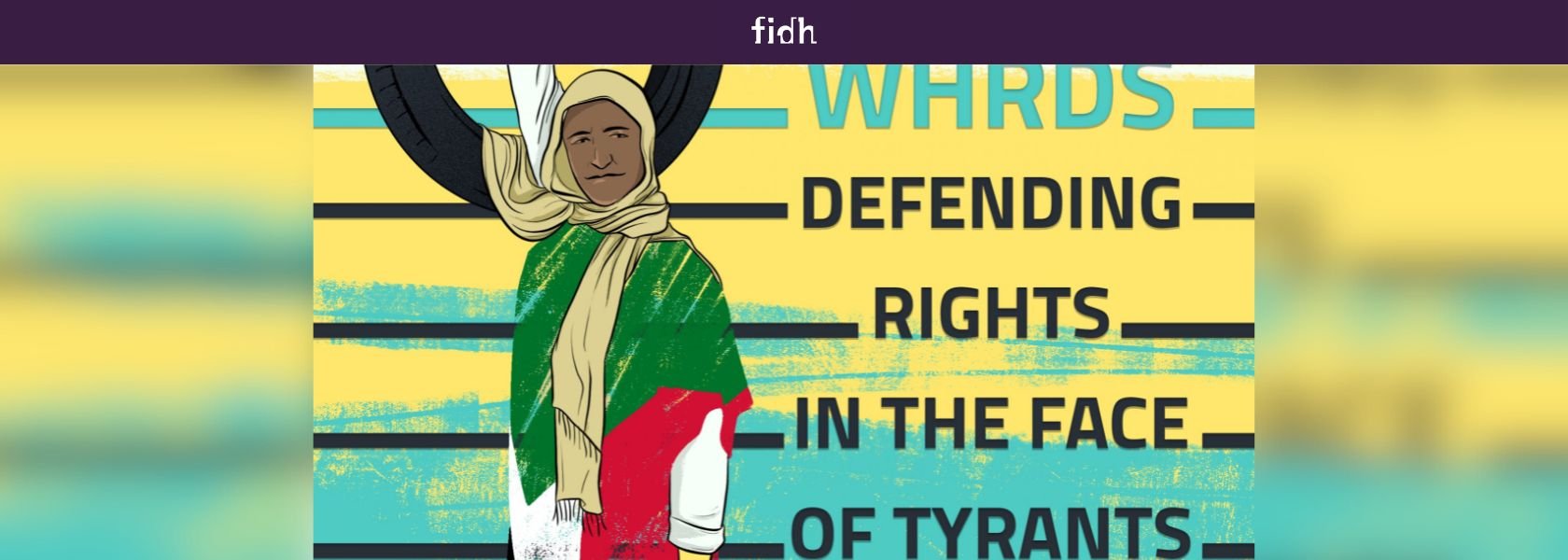
© MENA WHRD Coalition

On 14 February 2024, eight organisations, including FIDH and OMCT within the framework of the Observatory for the Protection of Human Rights Defenders, expressed their grave concern over the closure of civic space, attacks on freedom of expression, rising militarisation and continuous disruption and shutdown of communication that threatens the work and safety of Women Human Rights Defenders (WHRDs) and Women’s Rights Groups in Sudan:

February 14, 2024. We the undersigned groups and organisations would like to express our grave concern and raise the alarm over ongoing reports about the closure of the civic space, attacks on freedom of expression, rising militarisation and continuous disruption and shutdown of communication that threatens the work and safety of Women Human Rights Defenders (WHRDs) and Women’s Rights Groups in Sudan.

Shutdown of Communications

On February 7th, 2024, Sudan witnessed a complete communications shutdown. Reasons behind this shutdown remain unknown in the absence of official statements from operating companies and the warring parties. This shutdown followed two days of the extensive interruption of communications at the end of January 2024. The interruption of communications and frequent shutdowns have life threatening implications and put the safety and security of WHRDs at risk. Without access to communications, WHRDs struggle to document and report on the mounting atrocities on the ground. The interruption of internet networks has also impeded women groups’ access to the mobile banking apps that facilitate money transfers to operate or secure protection for WHRDs at risk. The #KeepItOn coalition — a global network of over 300 human rights organisations from 105 countries working to end internet shutdowns — has raised concerns that “amid the ongoing brutal violence in Sudan, the continued weaponisation of internet shutdowns is a flagrant violation of international law.”

Attack on Wad Madani

Since the attack on Wad Madani, the capital of the central Al Jazirah state, in mid-December 2023, Women’s Rights groups and WHRDs have lost the resources collected since the start of the war. Dozens of WHRDs and Women’s Rights Groups were forcibly displaced for the second time, driven from the city that had been the humanitarian response hub for local and international NGOs. As WHRDs were forced to flee again, they faced enormous challenges searching for safe locations across states and neighbouring countries. Dozens of WHRDs were harassed, detained, summoned and threatened by both warring parties during the last few weeks.

Targeting of Activists

The Sudanese Armed Forces (SAF) launched an intensified attack on human rights defenders, humanitarian workers and volunteers, journalists, and peace activists in the last few months in the areas under their control. Aid groups and first responders faced rising restrictions of movement and supplies.

Rapid Support Forces (RSF) continued to arrest civilians, loot both public and private properties and perpetrate systemic sexual violence across the areas under their control. WHRDs and Women’s Rights Groups struggle to operate in these areas as the risks of sexual violence are growing.

At least five WHRDs and women first responders have been detained, summoned, harassed or threatened in the last few weeks. The attacks were reported in areas controlled by both warring parties. Since the war erupted, four WHRDs have been killed, two of whom were journalists. At least 11 women health workers were killed as well.

Closure of Civic Space and Restrictions on Freedom of Expression

In January 2024, Sudanese authorities in the relatively safer states in Northern and Eastern Sudan, including local governors, issued decrees to dissolve neighbourhood resistance committees. These grassroot groups were mobilizing and organising communities since the emergence of the protests movement in 2018. The governors of five states also banned publication of information and imposed heavy penalties on publishing information on social media or other newspapers regarding the security situation in their states. Journalists and activists were detained in three states and two women journalists were summoned and threatened by local authorities following these decrees. In the Blue Nile state, Red Sea and other states, meetings and other forms of peaceful civic activities are either banned or not authorized. Women’s Rights groups and other NGOs operating in these states are working in hostile and increasingly challenging environments. Civic space in Sudan is closed, with an increasing militarisation of the state and local communities.

Rising Militarisation

During the last three months, Sudanese authorities launched a mobilisation campaign to arm civilians in various states under SAF control. This campaign’s leaders attacked and threatened activists who criticized the armament of civilians, including women, girls and boys. Voices of peace activists are considered treasonous by SAF supporters. The widespread arms in the hands of civilians has led to unprecedented threats to women and peace and security, including gender-based violence (GBV) in the areas outside of the fighting zones.

We the undersigned groups call on:

The warring parties:

  • An immediate ceasefire and the prompt creation of safe corridors for humanitarian aid organisations and groups, and to guarantee the safety of their operations;
  • An immediate restoration of telecommunications across the country;
  • Cease attacks on health facilities, medical supplies, and health workers, and uphold obligations under international humanitarian law;

The international community:

  • States and international human rights, peace-building and feminist groups and organisations to work together to create an immediate long-term protection program for WHRDs (and their families) that addresses relocation needs (in several locations if needed), provides psychological support for post-traumatic stress caused by war and conflict, including due to GBV, and equips WHRDs’ with all the necessary means to continue their work in the defense of human rights;
  • States to provide support for the FFM and other international mechanisms mandated to document human rights violations in Sudan, including by ensuring that these entities have the necessary resources to carry out their work effectively;
  • States to support local initiatives providing humanitarian support to local communities as well as support services to victims, and to support civil society’s documentation and reporting efforts so that the evidence obtained can be used for future judicial proceedings, including for those related to SGBV crimes.
  • The international community to establish a mechanism for the disclosure of the whereabouts of the disappeared and the release of detainees, and to urgently address the issue of enforced disappearances and grave violations in detention centers, including GBV;
  • The international community to reinforce and protect medical staff in accordance with international humanitarian law;
  • The Fact Finding Mission (FFM) recently established by the UN Human Rights Council, to ensure accountability is pursued for GBV crimes committed by warring parties, to regularly and meaningfully engage with civil society in this process, and to ensure effective protection of witnesses and victims;
  • All other UN human rights mechanisms, including UN Special Procedures, to support the FFM’s work and to investigate GBV as a weapon of war, to call for the release of detainees and for the disclosure of the whereabouts of the disappeared, and to demand an investigation into violations in detention, including GBV;

https://www.fidh.org/en/region/Africa/sudan/sudan-rising-attacks-against-whrds-and-women-s-rights-groups

Anushani Alagarajah: “As a human rights defender, you’re almost expected to be superhuman”

December 8, 2023
UN Women

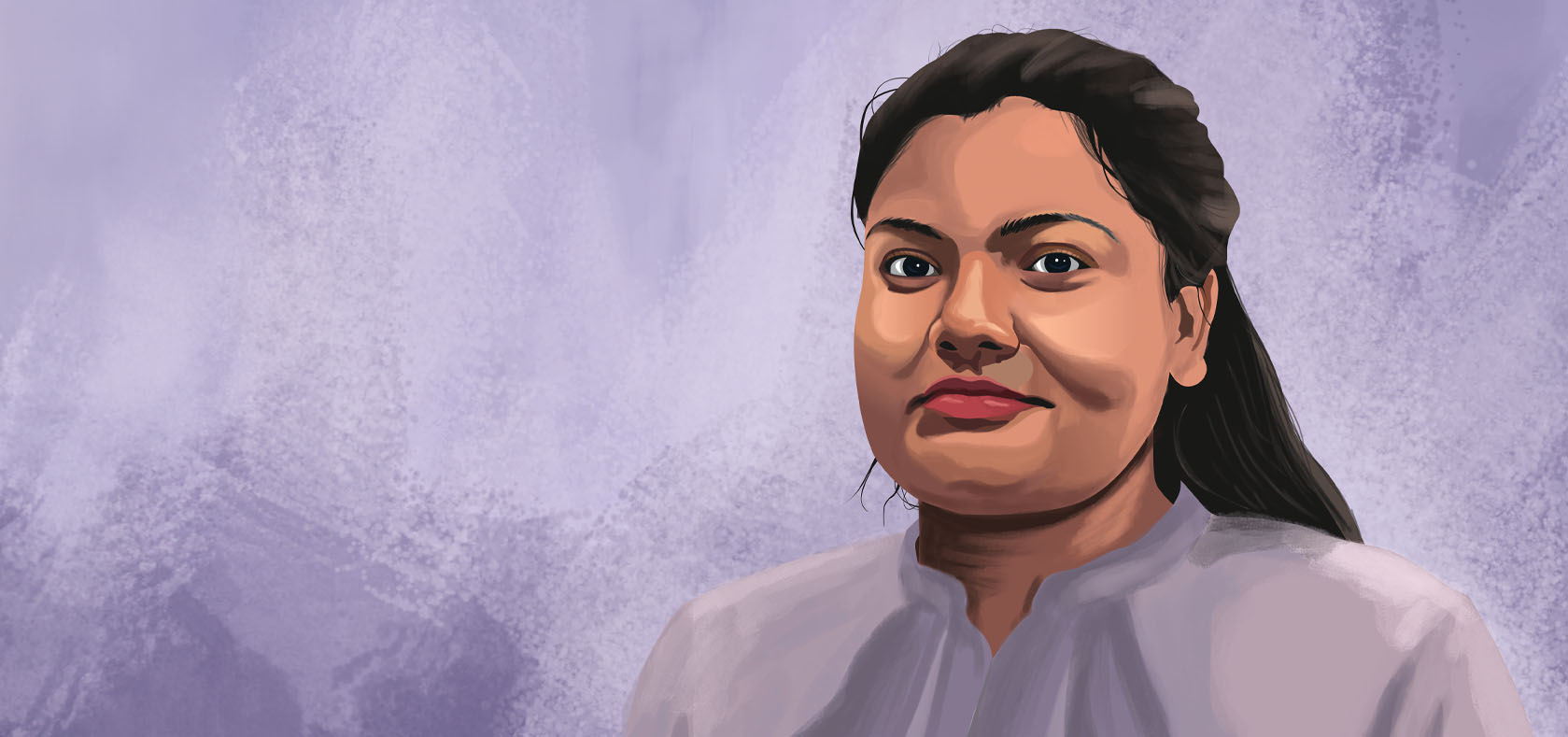
Anushani Alagarajah, human rights defender and executive director at the Adayaalam Centre for Policy Research. Illustration: UN Women Sri Lanka/Dinuk Senapatiratne

Anushani Alagarajah is a human rights defender who has worked closely with conflict-affected communities in the North and East of Sri Lanka. She is the Executive Director at the Adayaalam Centre for Policy Research, a non-profit research think-tank that works on public policy issues in Sri Lanka. On the occasion of the International Day for Women Human Rights Defenders, Ms. Alagarajah spoke about her work in post-conflict Sri Lanka.

I don’t know if I ever consciously decided to become a human rights defender. But when I was seven, there was a gang rape of a girl from our school. Her classmates held a sit-in protest. I didn’t know what rape meant, but children living with conflict grow up fast. I wanted to protest too. If I see injustice, I want to speak up.

As a child, it was horrible to live in bunkers [during the conflict], to come out and see ashes. I’ve been in survival mode my entire life. Seeing what’s happening in other countries, I worry that children will spend their entire lives trying to make sense of it, trying to be okay.

Grief is not only for people, it’s also for a place you called home, that belonged to you. For me, it was always about the childhood I didn’t have. I will probably be grieving that for the rest of my life.

I left Sri Lanka in 2009 to study in Bangladesh. I never wanted to come back. But from the time I left, I knew I had to return. I came home every summer, to conduct workshops with orphanages and conflict-affected communities.

I couldn’t run away. Afterall, I am from this community.

I was displaced thrice. I couldn’t sleep peacefully knowing I could have done something, and I didn’t do it. I thought, “I can try to make things better.” So, I returned after finishing my studies in 2014. Since then, I have been living my purpose in the community.

Whether it is the economic crisis or a lack of opportunities, a lasting political solution requires the political will for change.

It’s difficult when you come from a history of violence, conflict and trauma. During the conflict, a range of violent acts were committed against women.

Women bear the brunt of any damage, and are also expected to be the ones to rebuild, protecting the family unit, community and culture. Yet, particularly in the global South, women are not afforded resources.

Patriarchy is the norm.

Men can take a job in different places, access resources, work with men, divorce, remarry. Women cannot. They must provide out of nothing. Even though they suffered tragic, unspeakable experiences, they are still shackled by stereotypical expectations.

My own work is considered unfitting. I’m expected to be a good woman and get married. We are very far from being inclusive.

In the early days, I would try to talk to older activists about mental health, saying “I’m not doing okay”. But as a human rights defender, you’re almost expected to be superhuman. I think being sensitive helps me do my job better because I look out for others.

For the last four years, when my office researches something difficult, we check in with everyone about how they feel. Whenever one of us needs support, the community will hold them, providing a safe space to be vulnerable or angry. It took a long time for me to find this community.

You cannot heal on your own.

With my colleagues, I run practical workshops to create the next generation of activists, training people in small communities and villages to advocate for their rights. We have participants pick an issue, ideate a solution and work with relevant stakeholders. For example, we have young participants who want to reclaim an occupied land in their village. They met the parliamentarian and the Divisional Secretary’s Office and are now drafting a lease. If they have the courage and knowledge to do that at 20 years old, there is so much we can do. I’m always looking for a few people to take our struggle forward.

Sometimes, it only takes one person.

A wise woman once told me: “You will not see the changes you work for in your lifetime.” This helps put things in perspective. We can only chip at the corners so that one day, hopefully, things will be different. Giving up is not an option. We can’t stop now.”

https://asiapacific.unwomen.org/en/stories/in-the-words-of/2023/11/anushani-alagarajah

Iran: One year after uprising in Iran the international community must combat impunity says Amnesty

September 15, 2023

The international community must pursue pathways for justice at the international level to address systemic impunity for Iranian officials responsible for hundreds of unlawful killings of protesters and widespread torture, Amnesty International said on 13 September 2023, as Iran marks the one-year anniversary of the “Woman Life Freedom” uprising.

Over the past year, Iranian authorities have committed a litany of crimes under international law to eradicate any challenge to their iron grip on power. These include hundreds of unlawful killings; the arbitrary execution of seven protesters; tens of thousands of arbitrary arrests; widespread torture, including rape of detainees; widespread harassment of victims’ families who call for truth and justice; and reprisals against women and girls who defy discriminatory compulsory veiling laws.

The anniversary of the ‘Woman Life Freedom’ protests offers a stark reminder for countries around the world of the need to initiate criminal investigations into the heinous crimes committed by the Iranian authorities under universal jurisdiction. Government statements calling on the Iranian authorities to halt the unlawful use of firearms against protesters, stop torturing detainees, and release all individuals detained for peacefully exercising their human rights remain as crucial as ever. These actions show victims they are not alone in their darkest hour.

The anniversary of the ‘Woman Life Freedom’ protests offers a stark reminder for countries around the world of the need to initiate criminal investigations into the heinous crimes committed by the Iranian authorities under universal jurisdiction. Diana Eltahawy, Amnesty International’s Deputy Regional Director for the Middle East and North Africa

The Iranian authorities have waged an all-out assault on the human rights of women and girls over the past year. Despite months of protests against Iran’s compulsory veiling laws, triggered by the arbitrary arrest and death in custody of Mahsa/Zhina Amini, the authorities have reinstated “morality” policing and introduced a raft of other measures that deprive women and girls who defy compulsory veiling of their rights.

These include the confiscation of cars and denial of access to employment, education, healthcare, banking services and public transport. Simultaneously, they have prosecuted and sentenced women to imprisonment, fines and degrading punishments, such as washing corpses.

This assault on women’s rights is taking place amid a spate of hateful official statements referring to unveiling as a “virus”, “social illness” or “disorder” as well as equating the choice to appear without a headscarf to “sexual depravity.”

The authorities are also working on new legislation that will introduce even more severe penalties for defying compulsory veiling.

Mass arbitrary detentions and summons

During the uprising and in the months that followed, the authorities arbitrarily arrested tens of thousands of men, women and children, including protesters, human rights defenders and minority rights activists.  Those arrested include at least 90 journalists and other media workers and 60 lawyers, including those representing families of individuals unlawfully killed. Scores of other lawyers were summoned for interrogations. [see e.g. https://humanrightsdefenders.blog/2023/05/11/now-it-is-the-turn-of-the-iranian-journalists-who-reported-on-mahsa-amini/]

Ahead of the anniversary, the authorities have intensified their campaign of arbitrary arrests targeting, among others, family members of those unlawfully killed, and forcing thousands of university students to sign undertakings not to participate in anniversary protests.

Execution of protesters

Over the past year, the authorities have increasingly used the death penalty as a tool of political repression to instil fear among the public, arbitrarily executing seven men in relation to the uprising following grossly unfair sham trials. Some were executed for alleged crimes such as damage to public property and others in relation to the deaths of security forces during the protests. All were executed after Iran’s Supreme Court rubber stamped their unjust convictions and sentences despite a lack of evidence and without carrying out investigations into their allegations of torture. Dozens remain at risk of execution or being sentenced to death in connection with the protests.

A crisis of impunity

The authorities have refused to conduct any thorough, independent and impartial investigations into the human rights violations committed during and in the aftermath of the “Woman Life Freedom” uprising and have failed to take any steps to hold those suspected of criminal responsibility to account.

Instead, authorities have applauded the security forces for suppressing the unrest and shielded officials from accountability, including two officials who admitted raping women protesters in Tehran. They have also dismissed complaints from victims and/or their families, threatening them with death or other harm if they pursued their complaints.

Amnesty International welcomed the establishment of a Fact-Finding Mission on Iran by the UN Human Rights Council in November 2022, yet much more is needed to combat the crisis of impunity for serious crimes in Iran – and to deter further cycles of bloodshed.

Amnesty International urges all states to consider exercising universal and other extraterritorial jurisdiction in relation to crimes under international law and other serious human rights violations committed by Iranian authorities, irrespective of the absence or presence of the accused in their territory. This includes initiating adequately resourced criminal investigations aimed at disclosing the truth about the crimes, identifying those suspected of responsibility, including commanders and other superiors and issuing, when there is sufficient admissible evidence, international arrest warrants. States should also contribute to achieving reparations for the victims.

https://www.amnesty.org/en/latest/news/

https://www.hrw.org/news/2023/09/15/iran-crackdown-dissent-ahead-protest-anniversary

see also:

https://www.fidh.org/en/region/asia/iran/iran-statement-on-the-un-fact-finding-mission-s-oral-upda

https://news.un.org/en/story/2023/09/1141017

https://www.ohchr.org/en/press-releases/2023/09/iran-un-experts-denounce-crackdown-public-commemoration-jina-mahsa-aminis

Joint statement NGOs on 77th GA Third Committee

November 23, 2022

14 NGOs that closely follow and engage with the Third Committee have joined together to publish a joint statement on outcomes of this 77th session. The undersigned civil society organisations mark the conclusion of the UN General Assembly’s (GA) 77th Third Committee session with the following observations on some thematic and country-specific resolutions considered at this session. We urge all States to implement the commitments they have made in the resolutions discussed below to their full extent.

  • Joint statements

We welcome the joint statement on the human rights situation in Xinjiang, China delivered by Canada on behalf of a cross-regional group of 50 countries. This statement echoes the UN Human Rights Office’s independent, objective analysis and its findings which the UN’s human rights office determined may amount to crimes against humanity, and urges China to implement that report’s recommendations, in particular on enforced disappearance. There was an increase in State support compared to last year, signalling hope for future initiatives to debate the situation and support victims to secure accountability. Nonetheless, there is more work to ensure support from member states, in the EU and globally, as well as from Muslim-majority countries. 

We welcome the joint statement on reprisals led by Ireland and joined by a cross-regional group of countries, calling on all States and the UN to prevent, respond to, and ensure accountability for cases of intimidation and reprisals against those who engage or seek to engage with the UN. We welcome that 80 States continued to sign on to the statement but urge more States to sign on to future such statements. See also: https://humanrightsdefenders.blog/2020/11/30/75-countries-join-statement-on-reprisals-at-the-third-committee-but-more-needed/

We welcome a resolution on the right to privacy in the digital age. The resolution integrates much of the progressive language seen in the most recent Human Rights Council version of the resolution, contending with new and persisting challenges for the right to privacy worldwide, with a particular focus on the impact on human rights defenders and journalists. However, the resolution missed an opportunity to make strong recommendations on the proliferation of private surveillance technologies, including spyware, which global experts are calling to ban or suspend through a moratorium. We call on future resolutions to contain stronger language on biometric technologies, particularly recognising that these technologies should never be used for mass surveillance of public spaces. 

We welcome the adoption of the resolution on Extrajudicial, summary or arbitrary executions by a vote which aims to uphold the right to life, liberty and security and acknowledges that impunity is a major contributor to executions. We welcome the new references to freedom of religion or belief, new technologies, institutions as places of custody, as well as strengthened language on the role of civil society and human rights defenders in the protection against arbitrary deprivation of life. We also welcome that the resolution once again highlighted the targeting (including killing) of specific groups of persons belonging to national or ethnic, religious and linguistic minorities, indigenous communities, human rights defenders, lawyers, journalists or demonstrators, or because of their sexual orientation or gender identity. Critically, we welcome the rejection by a vote of an oral amendment attempting to remove the reference to ‘sexual orientation and gender identity’ in that listing.

We welcome support by an overwhelming majority of States for the resolution on a moratorium on the use of the death penalty proposed by Australia and Costa Rica (on behalf of an Inter-Regional Task Force of States). A record number of 126 States voted in favour of the text (including Ghana, Liberia and Myanmar, after abstaining in the GA plenary in 2020), while 37 voted against and 24 abstained. The text reiterates calls made in previous resolutions, including to halt executions with the view to abolishing the death penalty. It also includes additions on the importance of transparency and access to information regarding the use of the death penalty and criminal prosecutions to identify discriminatory practices, the negative impact on the rights of children and youth whose parental caregivers face the death penalty, the need to ensure that trial leading to imposition of the death penalty complies with fair trial and non-discrimination guarantees, ensuring the death penalty is not applied on the basis of laws targeting individuals for exercising their human rights, the need to improve conditions in detention for those on trial for capital crimes or on death row, ensuring respect for their inherent dignity, and complying with international standards, in evaluating, promoting, protecting and improving their physical and mental health.  

We welcome the adoption of the resolution on Inclusive development for and with persons with disabilities, that newly calls for leadership and participation of persons with disabilities in disaster risk reduction, climate change adaptation and mitigation, and other climate change policies and programmes, as well as affordable and accessible internet, and continues to emphasize non-discrimination, accessibility and inclusion in the implementation of the 2030 Agenda, including for women and girls with disabilities. In particular, we welcome the request for the Secretary-General to report on participation of persons with disabilities in COVID-19 response and recovery, and on the implementation of the UN Disability Inclusion Strategy. We regret that despite wide support, language supporting the right to the enjoyment of the highest attainable standard of sexual and reproductive health of persons with disabilities, on an equal basis with others, was not included in the final resolution.

We welcome the adoption by consensus of the resolution on the Human rights treaty body system. We regret that States were not able to ‘welcome’, but merely ‘take note’ of the biennial report by the UN Secretary-General on the state of the treaty body system and the report of the most recent meeting of treaty body chairpersons. We urge all States to follow through with their reaffirmation in the resolution of the formula contained in General Assembly resolution 68/268, and allocate corresponding financial and human resources in the Fifth Committee that the treaty bodies require to function effectively.

Gender Issues

We welcome the adoption by consensus of the resolution on Child, Early and Forced Marriage (CEFM) presented by Canada and Zambia, and for the first time co-sponsored by 125 States, including several countries with high CEFM prevalence. We welcome new references to multiple and intersecting forms of discrimination, including in the context of climate change, conflict and poverty. We particularly welcome the call to Member States to address the root causes of gender inequality, gender stereotypes and negative social norms that underlie CEFM and for participatory and adequately funded measures to address the ongoing impacts of COVID-19 including school closures; the digital divide; uninterrupted access and funding for sexual and reproductive health-care services; adolescent-centered services; and redistribution of unpaid care and domestic work. We regret that despite significant support, references to comprehensive sexuality education and intimate partner violence were omitted. 

The resolution on Intensification of efforts to prevent and eliminate all forms of violence against women and girls, presented by Netherlands and France, was adopted by a vote for the second time. We welcome the text, focused this year on eliminating gender stereotypes and negative social norms. It included commitments to prevent and eliminate violence against all women, including intimate partner violence, femicide, commitments to protect, respect and fulfill all human rights, including sexual reproductive health and reproductive rights; recognize challenges and obstacles to eliminating discriminatory attitudes perpetuating multiple and intersecting forms of discrimination against women and girls; text on migrant and indigenous women and girls, racism, xenophobia, women human rights defenders, promoting young women and adolescents’ participation and leadership in decision making positions as well as full, effective, equal and meaningful participation of all women in all their diversity. Although we are encouraged by the rejection of 9 amendments presented by Guatemala, Egypt, Iraq, Libya, Nigeria, Russia, Saudi Arabia and Yemen, we regret that consensus was not achieved on a number of important commitments, that have been previously agreed, aiming to prevent and eliminate gender stereotypes and negative social norms and take multisectoral, effective and gender-responsive measures to prevent and eliminate all forms of violence. We are also dismayed that a vote was called on the reference to the Generation Equality Forum, an initiative with wide support from diverse stakeholders globally.

We welcome the adoption of the resolution on Intensifying global efforts for the elimination of female genital mutilation (FGM) presented by Burkina Faso (on behalf of African Group) which has not been fully opened up since 2018. The resolution failed to strengthen the most pertinent and pressing areas for preventing and eliminating FGM, especially in relation to health outcomes for girls, adolescents and women including the lack of inclusion on sexual and reproductive health, comprehensive sexuality education and  multiple and intersecting forms of discrimination. Despite this, we welcome language on the cross-border and transnational practice of FGM, an important component of FGM prevention and elimination.

The resolution on Intensifying efforts to end obstetric fistula presented by Senegal (on behalf of African Group) was a  technical rollover (with no substantive changes to the respective 2018 and 2020 texts) and adopted by consensus. Given the devastating impact of Obstetric fistula on women and girls, and the exacerbation of root causes due to climate change and the COVID-19 pandemic, we are disappointed about the missed opportunity to outline global, regional and national level efforts to end this tragedy by 2030, an integral component of achieving the Sustainable Development Goals. 

We welcome the adoption of the resolution on Trafficking in women and girls presented by the Philippines, which includes references to access to justice for victims, government commitments to eliminate, prevent and respond to all forms of violence against women and girls including trafficking, and the linkage between climate change and trafficking. While encouraged that the text maintained critical elements from previous years, we regret that it did not include: progressive references to gender transformative, survivor, victim-centred and trauma-informed approaches to anti-trafficking efforts; references to women and girls in all their diversity; comprehensive sexuality education; and recognition of the importance of full, equal and meaningful participation of women and girls in addressing trafficking. 

Country Situations

We welcome the adoption of the resolution on the human rights situation in the Islamic Republic of Iran, with 50 cosponsors by a vote of 79 (80) votes in favour (Panama voted after votes were locked), 28 against and 68 abstentions. We welcome new references expressing concern on the violent enforcement of the hijab and chastity law by the Iranian morality police, ‘widespread use of force against non-violent protestors’, the proposed bill on the use of firearms during protests, and calls to release persons participating in peaceful protests, to address poor conditions of prisons, and to implement the amendment to the Nationality Law, which gives Iranian women married to foreign nationals the right to request Iranian citizenship for their children under 18. We also welcome calls to end violations of the rights to freedom of expression and opinion including internet disruption practices, and the right to freedom of thought, conscience, religion or belief against recognized and unrecognised religious minorities, particularly Baha’is being subject to increased persecution, arrest, destruction and confiscation of property.  See more: https://humanrightsdefenders.blog/2022/11/23/un-human-rights-council-holds-special-session-on-iran-on-24-november/

We welcome the resolution on the situation of human rights in the Syrian Arab Republic, cosponsored by 32 Member States. The resolution references the wide range of human rights violations and abuses perpetrated in Syria, many of which may amount to war crimes and crimes against humanity. We particularly welcome the decision to take further actions on the issue of missing people in Syria, based on the SG’s recommendation in his report on the matter, and to include survivors and their families throughout the process. We call upon the Member States to implement the SG’s recommendation by establishing an International Mechanism to reveal the fate and whereabouts of the missing persons in Syria without further delay.  

We regret that the resolution on the situation of human rights of Rohingya Muslims and other minorities in Myanmar, which was adopted by consensus, does not reiterate key elements of the 2021 UNGA resolution which followed the military coup in February 2021. We regret that it fails to comprehensively address, condemn, and call for an end to ongoing and escalating human rights violations by the military, as described in detail by the Special Rapporteur on human rights in Myanmar. However, we acknowledge that language regarding the ongoing commission of rights violations against and protection needs of the Rohingya has been retained, and the expression of solidarity with the Rohingya made by Myanmar’s Permanent Representative.

We welcome the consensus adoption of the resolution on the human rights situation in the Democratic People’s Republic of Korea (DPRK). We welcome in particular the retention of a call for the UN Security Council to resume discussions on the human rights situation in the DPRK, supplemented with a call for the OHCHR to brief it. The Security Council held formal meetings annually on the human rights situation in the country in December from 2014-2017, however in December 2020 and 2021, the subject was discussed in closed consultations under ‘Any other Business’.

We welcome the adoption of the resolution on Human rights in the temporarily occupied Autonomous Republic of Crimea and the city of Sevastopol, Ukraine. We welcome in particular the resolution’s condemnation of the ‘unprecedented wave’ of violations that Russian forces have committed in Crimea following the February 2022 invasion of Ukraine, including  arbitrary detention, forcible transfers and enforced disappearances. We also welcome the call on Russia to cease violations and abuses including those within the framework of so-called filtration procedures and forcible transfers or deportation of Ukrainian children to Russia, and to lift discriminatory regulatory barriers prohibiting or limiting the activities of religious groups.

  • Civil society access

While we welcome the action by some States to welcome civil society organisations to join informals as observers this session, it was deeply disappointing that only a few States extended this invitation. This year, civil society again faced additional challenges in even keeping abreast of information regarding informal negotiations as information on informals taking place was once again not shared in the UN journal as it previously was. This year this information was only published on the e-deleGATE platform to which civil society has no access. These critical barriers to civil society access to Third Committee negotiations, deprive the Committee of civil society’s technical expertise and mean that its outcomes fail to leverage the contributions of a crucial stakeholder in promoting the implementation of human rights.

Access Now 

Amnesty International

Association for Progressive Communications 

Center for Reproductive Rights

Fòs Feminista, International Alliance for Sexual and Reproductive Health, Rights and Justice

Global Centre for the Responsibility to Protect

Global Justice Centre

Human Rights in China

Human Rights Watch

International Disability Alliance

International Service for Human Rights

Jacob Blaustein Institute for the Advancement of Human Rights

Outright Action International

Syrian Center for Media and Freedom of Expression (SCM)

https://ishr.ch/latest-updates/joint-civil-society-statement-on-the-outcomes-of-unga-77-third-committee/

50th session Human Rights Council: issues directly affecting Human Rights Defenders

June 22, 2022

A bit belatedly this overview for the 50th session:

The 50th session of the UN Human Rights Council, from 13 June to 8 July 2022, will consider issues including sexual orientation and gender identity, violence and discrimination against women and girls, poverty, peaceful assembly and association, and freedom of expression, among others. It will also present an opportunity to address grave human rights situations including in Afghanistan, Belarus, China, Eritrea, Israel and OPT, Russia, Sudan, Syria and Venezuela, among many others. With “HRC50 | Key issues on agenda of June 2022 session” the ISHR provided again its indispensable guide. Here’s an overview of some of the key issues on the agenda that are the most relevant to HRDs [see also: https://humanrightsdefenders.blog/2022/02/21/guide-to-49th-session-of-human-rights-council-with-human-rights-defenders-focus/ and https://humanrightsdefenders.blog/2022/04/15/results-49th-session-human-rights-council-as-seen-by-ngos/

Thematic areas of interest

Here are some highlights of the session’s thematic discussions

Business and human rights

Despite their vital work to protect the environment and combat climate change, Indigenous peoples as well as land and environmental defenders continue to be attacked. New data shows an alarming pattern of violence and harassment as a precursor to lethal attacks against defenders. 

In 2020, Global Witness registered the killings of 137 land and environmental defenders in just five of the most dangerous countries for them: Colombia, Guatemala, Kenya, Mexico and the Philippines. However, a new dataset from the ALLIED Data Working Group, a coalition in which ISHR takes part, focused on these countries has for the first time documented what is often hidden – the non-lethal attacks, including threats, harassment, smear campaigns and stigmatisation that are a precursor to the shocking number of deaths we see each year.

The findings highlight the urgent need for States to monitor, collect data, report on the situation of these defenders, and address the root causes of attacks against them. ISHR urges all States to make a commitment to the systematic monitoring of attacks on indigenous, land and environmental defenders in their countries, and to take stronger action, together with civil society and relevant UN Special Procedures, to address the root causes of attacks in the debate with the Working Group due to take place on 21 June 2022. 

Reprisals

Reports of cases of intimidation and reprisal against those cooperating or seeking to cooperate with the UN not only continue, but grow. Intimidation and reprisals violate the rights of the individuals concerned, they constitute violations of international human rights law, and they undermine the UN human rights system.

The UN has taken action towards addressing this critical issue, including:

  • Requesting that the Secretary General prepare an annual report on cases and trends of reprisals;
  • Establishing a dedicated dialogue under item 5 to take place every September;
  • Affirmation by the Council of the particular responsibilities of its Members, President and Vice-Presidents to investigate and promote accountability for reprisals and intimidation; and
  • The appointment of the UN Assistant Secretary General on Human Rights as the Senior Official on addressing reprisals.

Despite this, ISHR remains deeply concerned about reprisals against civil society actors who try to engage with UN mechanisms, and consistent in its calls for all States and the Council to do more to address the situation.

During the 48th session, the Council adopted a resolution on reprisals. The text was adopted by consensus for the first time since 2009 and invites the UN Secretary General to submit his annual report on reprisals and intimidation to the UN General Assembly. Once again the resolution listed key trends, including that acts of intimidation and reprisals can signal patterns, increasing self-censorship, and the use of national security arguments and counter-terrorism strategies by States as justification for blocking access to the UN. The resolution also acknowledged the specific risks to individuals in vulnerable situations or belonging to marginalised groups, and called on the UN to implement gender-responsive policies to end reprisals. The Council called on States to combat impunity by conducting prompt, impartial and independent investigations and ensuring accountability for all acts of intimidation or reprisal, both online and offline, by condemning all such acts publicly, providing access to effective remedies for victims, and preventing any recurrence.

Item 5 of the Human Rights Council’s agenda provides a key opportunity for States to raise concerns about specific cases of reprisals, and for governments involved in existing cases to provide an update to the Council on any investigation or action taken toward accountability. The President should also update the Council on actions taken by the President and Bureau to follow up on cases and promote accountability under this item.

Due to the lack of a general debate under item 5 at HRC 50, ISHR encourages States to raise concerns about specific cases of reprisals during the interactive dialogues on the relevant countries on the agenda at this session or in the context of thematic interactive dialogues where relevant.

During the organisational meeting held on 30 May, the President of the Council stressed the importance of ensuring the safety of those participating in the Council’s work, and the obligation of States to prevent intimidation or reprisals.

In line with previous calls, ISHR expects the President of the Human Rights Council to publicly identify and denounce specific instances of reprisals by issuing formal statements, conducting press-briefings, corresponding directly with the State concerned, publicly releasing such correspondence with States involved, and insisting on undertakings from the State concerned to investigate, hold perpetrators accountable and report back to the Council on action taken.

Sexual orientation and gender identity

The mandate of the Independent Expert on violence and discrimination on the basis of sexual orientation and gender identity is up for renewal for the second time at this session. We will be following this closely and call on all States to support the mandate and contribute to the Council’s efforts to combat violence and discrimination on the basis of sexual orientation and gender identity.

Other thematic reports

At this 50th session, the Council will discuss a range of civil, political, economic, social and cultural rights through dedicated debates with the mandate holders and the High Commissioner, including interactive dialogues with:

  • The Special rapporteur on the rights to freedom of peaceful assembly and of association
  • The Independent Expert on protection against violence and discrimination based on sexual orientation and gender identity
  • The Special Rapporteur on the right of everyone to the enjoyment of the highest attainable standard of physical and mental health
  • The Special Rapporteur on the promotion and protection of the right to freedom of opinion and expression
  • The Special Rapporteur on the right to education
  • The Independent Expert on human rights and international solidarity
  • The Special Rapporteur on extrajudicial, summary of arbitrary executions
  • The Special Rapporteur on extreme poverty and human rights
  • The Special Rapporteur on promotion and protection of human rights in the context of climate change
  • The Working Group on the issue of human rights and transnational corporations and other business enterprises
  • The Special Rapporteur on contemporary forms of racism, racial discrimination, xenophobia and related intolerance
  • The High Commissioner on State responses to pandemics 

In addition, the Council will hold dedicated debates on the rights of specific groups including;

  • The Special Rapporteur on the rights of internally displaced persons
  • The Working Group on discrimination against women and girls
  • The Special Rapporteur on violence against women and girls, its causes and consequences
  • The Special Rapporteur on the human rights of migrants
  • The Special Rapporteur on trafficking in persons, especially women and children
  • The Special Rapporteur on the elimination of discrimination against persons affected by leprosy and their family members
  • The Special Rapporteur on independence of judges and lawyers

Country-specific developments

Afghanistan

Together with WHRDs from the country and civil society organisations from all regions, ISHR calls on States to lead and support an Urgent Debate at HRC50 on women’s rights in Afghanistan.

Since August 2021, when the Taliban took control of the country, there has been an enormous deterioration in the recognition and protection of the rights of women and girls in Afghanistan, including with respect to the rights to non-discrimination, education, work, public participation, health, and sexual and reproductive health. The Taliban has also imposed sweeping restrictions on the rights to freedom of expression, association, assembly and movement for women and girls. Afghanistan is now the only country in the world to expressly prohibit girls’ education.

The world’s worst women’s rights crisis demands a response and it would be unacceptable for the June session of the HRC, traditionally the session focused on gender-related issues, to pass without some meaningful action on the issue. I

The Council will hold an interactive dialogue with the High Commissioner on the update on Afghanistan on 15 June 2022. 

China 

The High Commissioner’s visit to China failed to adequately address widespread and systematic violations in the country, express solidarity with victims and defenders, or pave the way for meaningful monitoring of China’s human rights crisis across the Uyghur and Tibetan regions, Hong Kong and mainland China. The High Commissioner’s end of mission statement failed to address strong, specific concerns or make substantive, concrete recommendations to the governmen. The broad concerns issued in a light language do not match the scope and gravity of human rights violations across the country that have been thoroughly documented by UN experts and civil society and that could amount to crimes against humanity and genocide.

States should call on the High Commissioner to immediately publish her OHCHR report on the Uyghur region, with clear, compelling recommendations to the government, and present her findings in a briefing to the Human Rights Council. The High Commissioner should also ensure that the established annual meeting and working group for dialogue with the authorities are of public nature, include specific substantive recommendations to the government, and involve substantial consultation with a diverse set of independent civil society groups. China should also follow suit on promises for subsequent visits by the OHCHR by granting prompt unfettered access to Hong Kong and the Tibetan region. See also: https://humanrightsdefenders.blog/2022/06/09/disappointment-with-un-high-commissioners-visit-to-xinjiang-boils-over/

Burundi

The Commission of Inquiry on Burundi (CoI) concluded its work at the 48th HRC session in October 2021 while a new resolution establishing a mandate of UN Special Rapporteur on Burundi was adopted, resolution 48/16. The resolution tasks the mandate with monitoring the human rights situation in the country, making recommendations for its imp­ro­ve­ment, and re­por­ting to the Human Rights Council. During the 50th HRC session, the newly nominated Special Rapporteur on Burundi will present their first oral update on 29 June 2022.

Egypt

Notwithstanding the launch of a national human rights strategy, the fundamental purpose of which is to deflect international scrutiny rather than advance human rights, there has been no significant improvement in the human rights situation in Egypt since the joint statement delivered by States in March 2021 at HRC46. Emblematic recent examples include: Ayman Hadhoud’s death in the custody of Egyptian security forces following his enforced disappearance over two months ago and the execution of seven people in Egypt on 8 and 10 March 2022 following trials in which the defendants were forcibly disappeared, tortured, and denied their right to a lawyer.

In response to the Egyptian President’s announcement of “reactivating the work of the Presidential Pardon Committee” on 26 April 2022, Egyptian human rights organisations submitted a proposal for a fair and transparent process to release political prisoners in Egypt. Yet, recent harsh sentences in unfair trials against peaceful critics demonstrate further the lack of political will of the Egyptian authorities to address the crisis of arbitrary detention in Egypt. ISHR joined more than 100 NGOs from around the world in urging the HRC to create a monitoring and reporting mechanism on the ever-deteriorating human rights situation in Egypt. 

Israel and oPT

This session, the COI on the oPt and Israel established in 2021 will present its first report to the HRC. Civil society from around the world had welcomed the historic resolution establishing the standing Commission of Inquiry to address Israel’s latest and ongoing violations against the Palestinian people on both sides of the Green Line, while also addressing the root causes of Israel’s settler colonialism and apartheid. The interactive dialogue with the CoI comes in the context of mounting recognition of Israel’s establishment and maintenance of an apartheid regime by Israel over the Palestinian people as a whole. During HRC49, the SR on the oPT called on the international community to accept and adopt his findings as well as the “findings by Palestinian, Israeli and international human rights organisations that apartheid is being practised by Israel in the occupied Palestinian territory and beyond.” In its 2019 concluding observations, the Committee on the Elimination of Racial Discrimination found that Israel’s policies violated Article 3 of ICERD pertaining to segregation and apartheid on both sides of the Green Line. In 2022, the Human Rights Committee concluding observations on Israel emphasized the “pre-existing systematic and structural discrimination against non-Jews”.

While some States continue to seek to undermine the mandate of the CoI and effective accountability mechanisms to put an end to Israel’s apartheid regime, CSOs support the CoI’s methodological approach to fulfill its vital mandate. We call on States to engage with the substance of the mandate of the CoI during the interactive dialogue, express support for this important accountability mechanism and ensure it has sufficient resources to discharge its mandate.

Russia 

Together with a coalition of international and regional NGOs, as well as numerous Russian civil society organisations, ISHR urges the Council to establish an independent international monitoring and reporting mechanism on Russia. In the context of the systematic repression of civil society organisations, severe restrictions on press freedoms and independent media, severe restrictions and criminalisation of many forms of free expression, association, assembly and peaceful protest, and the propagation of huge volumes of misinformation, a Special Rapporteur is necessary to ensure that the international community receives vital information about the human rights situation on the ground. 

Sudan

The Council will hold a debate with the High Commissioner and Expert on Sudan on 15 June 2022.

The Sudanese Women Rights Action documented from March to April 2022 the violations against women protesters, including arrests, injuries, and sexual violence. Their report also highlighted the economic and humanitarian situation in conflict areas and in the country in general. The report shows that “the coup leaders are using increasing violence against women protesters, including arrests, fabricated charges, direct lethal violence in protests, and sexual violence. The civic space is shrinking across Sudan, where human rights groups and WHRDs are not able to work freely and safely. Surveillance on internet, communication, movement, and offices of many groups led them to work from underground. The economic conditions and the fragile political situation is increasing women insecurity, as the peace process failed to end violence conflict areas. Women in Sudan are living in constant fear of violence with growing threats of the collapse of the state.”

In light of this context, ISHR urges all States to support the adoption of a resolution that ensures continued attention to Sudan’s human rights situation through enhanced interactive dia­logues at the Council’s 52nd and 53rd regular sessions. While the Expert’s mandate is ongoing, a resolution is required for the Council to hold public de­bates and continue to formally discuss the situation. A resolution at the Council’s 50th session would ope­ra­tio­nalise resolution S-32/1, which in its operative paragraph 19 called upon “the High Commis­sioner and the designated Expert to monitor human rights violations and abu­ses and to continue to bring information thereon to the attention of the Human Rights Council, and to advise on the further steps that may be needed if the situation continues to deteriorate.”

Venezuela

On 29 June, the Council will hold an interactive dialogue with the High Commissioner on her report on the situation of human rights in Venezuela. The Council requested her to provide in this report a detailed assessment of the implementation of the recommendations made in her previous reports. Implementation of recommendations and improvements in the human rights situation on the ground remains a critical question as HRC mandates for OHCHR and the international investigative body for Venezuela expire in September. Venezuelan civil society groups continue to show evidence of a lack of any substantive human rights reform in the country, of a lack of meaningful cooperation by the State and – in fact – of regression in key areas such as judicial independence and civic space. ISHR urges States at the upcoming session to express support for the work of OHCHR in the country, and encourage the Office to speak clearly to realities on the ground. In addition, States should signal their support for the continuance of the work of the HRC’s fact-finding mission to the country through an extension of the Mission’s mandate at HRC51. 

The adoption of the report of the third cycle UPR on Venezuela will also take place on the 29 June or 1 July.  

Other country situations

The Council will hold an interactive dialogue on the High Commissioner’s annual report on 14 June 2022. The Council will hold debates on and is expected to consider resolutions addressing a range of country situations, in some instances involving the renewal of the relevant expert mandates. These include:

  • Interactive Dialogue with the Special Rapporteur on Eritrea
  • Interactive Dialogues with the High Commissioner and Special Rapporteur on Myanmar
  • Interactive Dialogue with the High Commissioner on Nicaragua
  • Interactive Dialogues with the High Commissioner on Ukraine
  • Interactive Dialogue with the Commission of Inquiry on Syria
  • Interactive Dialogue with the International commission of Human Rights Experts on Ethiopia 
  • Interactive Dialogue with the Special Rapporteur on Belarus
  • Interactive Dialogue with the Independent Fact-Finding Mission on Libya
  • Interactive Dialogue with the Independent Expert on Central African Republic 

Council programme, appointments and resolutions

The President of the Human Rights Council will propose candidates for the following mandates: 

  1. Special Rapporteur on freedom of religion or belief
  2. Special Rapporteur on the right to education
  3. Special Rapporteur on the situation of human rights in the Democratic People’s Republic of Korea
  4. Working Group on the issue of human rights and transnational corporations and other business enterprises, member from African States
  5. Expert Mechanism on the Right to Development, member from Latin American and Caribbean States
  6. Special Rapporteur on torture and other cruel, inhuman or degrading treatment or punishment
  7. Working Group on Enforced or Involuntary Disappearances, member from Eastern European States
  8. Working Group on the issue of human rights and transnational corporations and other business enterprises, member from Western European and other States

Resolutions to be presented to the Council’s 50th session

At the organizational meeting on 30 May the following resolutions were announced (States leading the resolution in brackets):

  1. Elimination of discrimination against women (Mexico), mandate renewal 
  2. Freedom of expression (Brazil, Canada, Fiji, Sweden, Namibia, Netherlands) 
  3. Elimination of female genital mutilation (Africa Group)
  4. Rights to freedom of peaceful assembly and of association (Czech Republic, Indonesia, Lithuania, Maldives, Mexico), mandate renewal 
  5. Human rights situation in Sudan (United Kingdom, Germany, Norway, United States)
  6. Human rights situation in Syria (Germany, France, Italy, Jordan, Kuwait, Netherlands, Qatar, Turkey, United States, United Kingdom)
  7. Mandate of the Independent Expert on protection against violence and discrimination based on sexual orientation and gender identity  (Argentina, Brazil, Chile, Colombia, Costa Rica, Mexico, Uruguay), mandate renewal 
  8. Casualty recording and the promotion and protection of human rights (Liechtenstein, Croatia, Costa Rica, Sierra Leone) 
  9. Human rights and climate change (Bangladesh, Philippines, Viet Nam)
  10. Access to medicines and vaccines in the context of the right of everyone to the enjoyment of the highest attainable standard of physical and mental health (Brazil, China, Egypt, India, Indonesia, Senegal, South Africa, Thailand)
  11. Enhancement of international cooperation in the field of human rights (NAM)
  12. Independence and impartiality of the judiciary, jurors and assessors, and the independence of lawyers (Hungary, Australia, Botswana, Maldives, Mexico, Thailand)
  13. Human rights and the regulation of civilian acquisition, possession and use of firearms (Ecuador, Peru)
  14. Human rights in Belarus, mandate renewal (European Union)
  15. Human rights in Eritrea, mandate renewal (European Union) 
  16. The promotion and protection of human rights in the context of peaceful protest (Switzerland, Costa Rica)
  17. Situation of human rights of Rohingya Muslims and other minorities in Myanmar (OIC) 
  18. Accelerating efforts to eliminate all forms of violence against women (Canada), mandate renewal 
  19. Mandate of the Special Rapporteur on the human rights of internally displaced persons (Austria, Honduras, Uganda), mandate renewal
  20. Human rights and international solidarity (Cuba)
  21. Social Forum (Cuba)

Read the calendar here

Adoption of Universal Periodic Review (UPR) reports

During this session, the Council will adopt the UPR working group reports on Myanmar, Togo, Syrian Arab Republic, Iceland, Venezuela, Zimbabwe, Lithuania, Uganda, Timor-Leste, Republic of Moldova, South Sudan, Haiti and Sudan.

Panel discussions

During each Council session, panel discussions are held to provide member States and NGOs with opportunities to hear from subject-matter experts and raise questions. Seven panel discussions are scheduled for this upcoming session:

  1. Panel discussion on the root causes of human rights violations and abuses against Rohingya Muslims and other minorities in Myanmar 
  2. Panel discussion on menstrual hygiene management, human rights and gender equality
  3. Panel discussion on good governance in the promotion and protection of human rights during and after the COVID-19 pandemic
  4. Annual full-day discussion on the human rights of women
  5. Panel discussion on the adverse impact of climate change on the full and effective enjoyment of human rights by people in vulnerable situations
  6. High-level panel discussion on countering the negative impact of disinformation on the enjoyment and realization of human rights
  7. Annual thematic panel discussion on technical cooperation and capacity-building

Stay up-to-date: Follow @ISHRglobal and #HRC50 on Twitter, and look out for its Human Rights Council Monitor. During the session, follow the live-updated programme of work on Sched. 

https://ishr.ch/latest-updates/hrc50-key-issues-on-agenda-of-june-2022-session/

Qatar: where is human rights defender Noof Al-Maadeed?

January 4, 2022

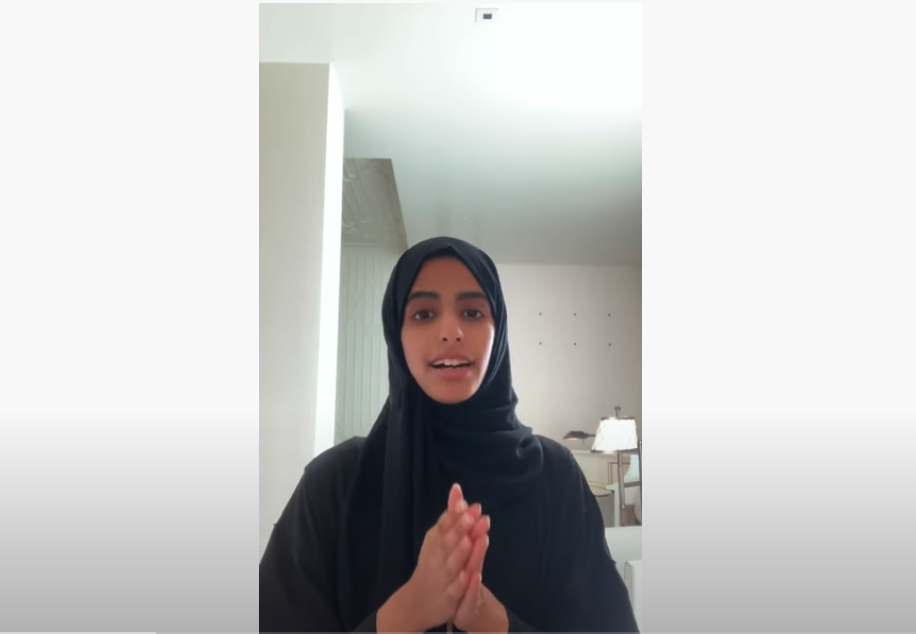
A screenshot of Noof Al-Maadeed from her YouTube video entitled “The Return of #Noof_AlMaadeed to Qatar 2021”, posted on October 6, 2021

Khalid Ibrahim, executive director of he Gulf Center for Human Rights posted on 29 December 2021 the case of Noof Al-Maadeed, a 23-year-old Qatari woman.

When she faced domestic violence from members of her family, including her father, and government institutions failed to provide her with any protection, she fled her country to Britain after using her father’s phone without his knowledge to obtain permission to travel. In a television interview on August 4, 2020, she spoke of her November 26, 2019 escape from Qatar to Britain, via Ukraine.

Upon arriving in Britain, she applied for asylum. During her stay in Britain, Al-Maadeed introduced herself as a defender of Qatari women’s rights and explained how male guardianship prevents women from working or traveling without a male family member’s consent, as well as how women victims of domestic violence are left with little protection.

Al-Maadeed withdrew her application for asylum in Britain after receiving assurances from the Qatari authorities that she would be protected if she returned to her home country. On October 6, this year, Al-Maadeed posted on her Instagram account a video in which she explained the details of her return from London on September 30 to the capital, Doha, where she arrived the following day.

What happened next is incomprehensible. Qatari authorities, who pledged to protect her, as it should with to all citizens, reneged on all their promises and left her alone trying to survive domestic abuse. In a video posted on her Twitter account on October 12, Al-Maadeed said that she had been subjected to three failed assassination attempts by her family. She also described her father’s coming into the lobby of the hotel where she was staying, despite being one of her main opponents and the reason for her running away from home. Perhaps the following tweet, dated October 12, honestly sums up the torments she suffered upon her return: https://platform.twitter.com/embed

My family, and those who I count as my own, want to slaughter me.

Shortly thereafter, she posted the following tweet: “Sheikh Tamim is the only one who can stop the danger to my life with his own hands.” On October 13, Al-Maadeed completely disappeared from social media, and her whereabouts have not yet been known. The Emir of Qatar, Sheikh Tamim bin Hamad, on whom Al-Maadeed relied for protection and pleaded for support, was not able to provide the necessary protection for a citizen who did not commit any violation and voluntarily returned to her country based on many promises from the authorities that they’ll keep her safe.

Since her disappearance, there have been conflicting reports, with regards to what has happened to the 23-year-old. According to some reports, Al-Maadeed was killed by her family, while others reported her forcible detention in a psychiatric hospital under heavy sedation, Meanwhile, the Qatari government refuses to provide documented information to prove that she is alive, which raises many suspicions.

The Gulf Center for Human Rights cannot confirm any of the above-mentioned reports but holds the authorities, who have pledged but failed to protect Noof Al-Maadeed, responsible for any harm done to her. At present, all information indicates that Al-Maadeed is facing serious risk to her life and freedom. If not killed, then it is a fact that she may be facing a lengthy incommunicado detention, which puts her life at imminent risk.

The GCHR, once again calls on the international community, particularly UN institutions, and governments with influence in Qatar—including members of the European Union—to take immediate action to pressure the Qatari authorities to ensure that Al-Maadeed is safe and can live freely in Qatar.

The government of Qatar cannot continue to ignore international opinion that is searching for the truth, and its absolute silence will be a sure condemnation, as it bears full responsibility for preserving the safety of its citizens, including Nouf Al-Maadeed.

Rita Aciro winner of the 2021 EU’s Human Rights Defenders’ Award in Uganda

May 1, 2021

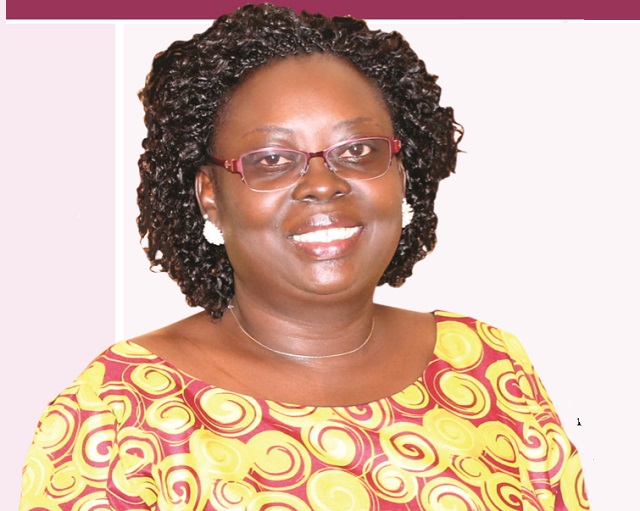
Noelyn Nassuuna in KFM of 30 April 2021 reports that Ugandan women’s rights activist Rita Aciro is the winner of the 2021 European Union Human Rights Defenders’ Award.

The award is given annually by the European Union and Norway to recognise a human rights defender in Uganda for their outstanding contribution.

Aciro, the Executive Director of the Uganda Women’s Network was recognised for her outstanding work to advance the role of girls and women in all aspects of life in Uganda. For last year’s see: https://humanrightsdefenders.blog/2020/06/19/eus-ugandan-human-rights-defenders-award-2020-to-aime-moninga/

Speaking during the award ceremony last evening, the Germany Ambassador to Uganda Matthias Schauer said human rights need to be defended all over the world especially for disadvantaged groups.

While receiving the award, Aciro said it was an honour of the invisible Human Rights Defenders in homes, and public spaces who never have the spot light yet do an incredible job in giving a voice to women and girls.

Sandra Aceng, profile of a woman human rights defender from Uganda

March 19, 2021

In February 2021 Defenddefenders announced Sandra Aceng as Human Rights Defender of the Month Sandra Aceng is an outspoken and energetic woman human rights defender (WHRD). She is a gender and ICT researcher and policy analyst for Women of Uganda Network (WOUGNET) where she coordinates the Women ICT Advocacy Group, advocating for internet access for all. In addition, she writes on various platforms such as Global Voices, Freedom House, and Impakter Magazine. Her regular contributions to Wikimedia Uganda often focus on profiling WHRDs, female politicians, and journalists. “After Uganda’s January [2021] elections, many female politicians joined parliament. We want to increase their online visibility. For example, most of the profiles on Wikipedia  are on men, so we need to close the gender digital divide,” Sandra says.

After Uganda’s January [2021] elections, many female politicians joined parliament. We want to increase their online visibility. For example, most of the profiles on Wikipedia are on men, so we need to close the gender digital divide.

Having grown up in the digital age, the 27-year-old is a digital native and mainly focuses on defending women’s rights online. Her employer WOUGNET empowers women through the use of ICT for sustainable development. Their three main pillars are information sharing and networking, gender and ICT policy advocacy, and providing technical support to WOUGNET staff, beneficiaries, and members. As a Programme Manager, Sandra analyses internet and ICT policies to ensure that they are gender inclusive. She has noticed that oppressive patriarchal structures are shifting and perpetuating online. Part of her work is to document women’s rights violations and gather evidence, but she has also learned that it’s not enough to just talk about statistics. To truly understand the problems, it is important to talk to the victims and listen to find out what they face, she says.

Having experienced some forms of online gender-based violence (GBV) herself, she knows how stressful and draining it can be. On top of receiving non-consensual content, she also felt pressure to keep quiet, women are not supposed to complain, she says. As a WHRD, she is used to the subtle pressure that women not abiding by patriarchal gender norms experience. A continuous trickling of seemingly small questions can be rather stressful: “Why are you so loud and outspoken as a woman? When will you get married? How will you take care of your family if the authorities come for you? These kinds of questions make me feel uncomfortable, they make me wonder if I am doing the right thing,” Sandra shares, “but if we want online GBV to end we also need to end these harmful gender stereotypes. Establishing women’s rights is a slow process and keeping quiet won’t speed it up.”

Why are you so loud and outspoken as a woman? When will you get married? How will you take care of your family if the authorities come for you? These kinds of questions make me feel uncomfortable, they make me wonder if I am doing the right thing.

There is still a lot of work ahead of Sandra and her fellow Ugandan women’s rights activists. She recently researched digital rights violations during the COVID-19 pandemic and struggled to find female interviewees. Female journalists reporting on politically sensitive topics experienced reprisals like rape, but due to stigma and worries how this will affect their future, they were not willing to speak out. While male journalists on the other hand expressed themselves freely: men are often perceived as bold and brave, making it easier to speak out on reprisals and rights violations they endured.

But the more women speak out, the easier it gets, Sandra is convinced. “It really motivates me when I see that other women have faced the same kind of challenges with online violence, and they have dealt with it. Whatever I go through, it’s not the end of life. Hearing other stories helps me to keep working hard, to be a better version of myself and to go beyond the difficulties.” Fighting the digital gender divide is Sandra’s way to make sure that it gets easier for women to speak out and be loud.

https://defenddefenders.org/human-rights-defender-of-the-month-sandra-aceng/

Celebrating International Women’s Day in 2021

March 8, 2021

This day leads to a plethora of statements and actions. Here a small selection focusing on women human rights defenders:

Credit: UN Women/Yihui Yuan.

Joan Kuriansky – a volunteer with The Advocates For Human Rightswrites: “Celebrating International Women’s Day in 2021 compels us to pause and examine the lessons of the past year- the COVID pandemic, economic distress and the surging mandate of Black Lives Matter. Each phenomenon has made so more visible the challenges that historically face women across the globe. Importantly, these forces have also made it clear how connected we are to each other whether in neighborhoods within miles of our home or across a continent and the extraordinary role that women play in making lives better and more just in every corner of the world. The UN and UNDP estimate that the pandemic will push 47 million more women and girls below the poverty line. Our upcoming workshop at the NGO CSW65 Virtual Forum will highlight the economic and other inequalities women face as a result of the pandemic. Register here: https://bit.ly/3dmVgSk Event link: https://bit.ly/2NhPoiL

Women have been in the forefront of promoting peaceful solutions to conflict -conflict that has often included the rape and violation of women, the death of those in combat and the destruction of communities. Women have been in the forefront of promoting peaceful solutions to conflict -conflict that has often included the rape and violation of women, the death of those in combat and the destruction of communities. The Soldiers Mother’s Committee in Russia and Chechnya [[https://www.trueheroesfilms.org/thedigest/laureates/3371DC1A-42AE-44BF-E349-26987BF98314], or the Women of Liberia Mass Action for Peace founded by Leymah Gbowe or the 3 co-founders of Black Lives Matter have inspired all of us. And as we documented in our work with the Liberian Truth and Reconciliation Commission, women have a key role to play in the post-conflict and peacebuilding process.], or the Women of Liberia Mass Action for Peace founded by Leymah Gbowe or the 3 co-founders of Black Lives Matter [https://www.trueheroesfilms.org/thedigest/laureates/4f840e00-be5d-11e7-b953-f7f66015c2f3]have inspired all of us. And as we documented in our work with the Liberian Truth and Reconciliation Commission, women have a key role to play in the post-conflict and peacebuilding process.

Women's World Summit Foundation (WWSF)

The WWSF introduces 60 Heroes out of 462 Laureates awarded with the WWSF Prize for Women’s Creativity in Rural Life (1994-2020)

UN Women this year is celebrating women’s leadership in all its forms and calling for women and feminists across the world to claim their space in leadership and decision-making. Presently, only 7.4 per cent of Fortune 500 companies are run by women. Despite progress and many broken records, women continue to be excluded in certain sports. Systemic barriers, gender bias, discrimination and gender stereotypes continue to hold women back from rising in STEM careers. Women and girls have been leading climate action and environmental movements, but men occupy 67 per cent of climate-related decision-making roles. 119 countries have never had a woman leader. Just 25 per cent of national parliamentary seats are held by women.

Around the world, the space for civil discourse and movements is shrinking. The media plays a critical role in amplifying women’s voices and stories and drawing attention to key issues. But, with women holding only 27 per cent of top management jobs in media organizations, More than one-third of women’s employment is in agriculture, increasing women’s access to land and providing better support for women farmers is, therefore, essential. The majority of negotiators, mediators, and signatories in peace processes are still men.

In news media, only 24 per cent of the persons heard, read about or seen in newspaper, television and radio news are women. In global news coverage of COVID-19, only one in five expert sources counsulted were women.

Amnesty International stated that across the Middle East and North Africa (MENA), despite some limited reforms, women continue to face entrenched discrimination and daily violence amid the abject failure of governments to stamp out arbitrary arrests, abductions, assassinations, so-called “honour” killings and other forms of gender-based violence, said Amnesty International, marking International Women’s Day. ..Inadequate government action to protect women from gender-based violence and address impunity has long perpetuated this form of abuse.  As a first step, authorities must publicly condemn all forms of gender-based violence and dismantle discriminatory structures that facilitate such abuse – such as male guardianship,” said Heba Morayef.   “They must also ensure that the rights of survivors are protected, that survivors can safely access justice and that perpetrators are held to account. Survivors must be able to access adequate shelter, psycho-social support as well as legal and other services.”

All over the world, a female-driven political awakening is taking place. But this is met with prosecution by the State and persecution by self-vigilante groups. Their experiences are marred with patriarchal subordination, sexualised violence, threat and harassment. They face severe retribution and systematic abuse, even at the hands of the State. It is important to have an enabling environment for these soft targets who face heightened risks as compared to their male counterparts. International obligation requires the State to stop criminalising women defenders, write SHRUTIKA PANDEY & MRINALINI MISHRA in The Leaflet of 8 March 2021.

MRT of 8 March 2021 states that International Women’s Day is not celebrated, a struggle is commemorated – that has not ended- in favor of justice, peace and freedom of each one of them. In a strict sense, feminism seeks make gender issues visible. Under that idea, there should be no censorship or exclusion. Nevertheless, What about trans women? While it is true that some people do not agree that they are part of the feminist movement, the reality is that they also suffer from violence, harassment and discrimination. Therefore, they are in the same fight. With that said, we present to you 8 recognized trans women in history

The Media Line of 7 March writes that “Women face uphill climb to equality in the MENA region” Activists and human rights groups paint a daunting portrait of the equality landscape between the genders in the MENA region, as they prepare to mark International Women’s Day, March 8. The coronavirus epidemic, certainly, did not help the plight of women this past year. Still, going forward, the largest issues facing women in the Middle East were entrenched long before the pandemic hit.

In the Gulf Cooperative Council (GCC) countries, women’s rights defenders have it tough. While prominent Saudi women’s activist Loujain al-Hathloul was freed last month after almost three years in prison [see https://www.trueheroesfilms.org/thedigest/laureates/1a6d84c0-b494-11ea-b00d-9db077762c6c], Samar Badawi [https://www.trueheroesfilms.org/thedigest/laureates/eaed8641-4056-4130-a5ff-fb7bf289cece], Nassima al-Sadah, Nouf Abdelaziz and Maya’a al-Zahrani remain in jail after their 2018 arrests on charges of advocating for women’s rights. “Those who are behind bars are the champions for the change that took place,” Khalid Ibrahim, executive director of the Gulf Centre for Human Rights, told The Media Line, referring to women driving.

In UCANews of 8 March 2021 Mary Aileen D. Bacalso, Manila writes that “Millions of women the world over suffer from discrimination, abuse, poverty, gender-based violence and human rights violations, of which enforced disappearance is one of the most cruel forms. Enforced disappearance, which motivated the international community to establish the International Convention for the Protection of All Persons from Enforced Disappearance, especially affects women.  On this significant occasion, I remember the faces and voices of women I personally encountered from 50 countries that I visited during my almost three decades of advocacy for the cause of the disappeared. Many of them carried pictures of their loved ones. Some gave me every bit of information with the hope against hope to find light amidst the dark night of the disappeared.”

Euromed uses the occasion for a series of podcast. For our first episode, the story you are about to hear is that of Mozn Hassan, a woman human rights defender and the founder and executive director of Nazra for Feminist Studies, a feminist organisation working in Egypt and the MENA region on gender equality and combatting violence against women. See: https://www.trueheroesfilms.org/thedigest/laureates/38B5C337-72F5-C4DE-BC95-95094B9E3939

[https://open.spotify.com/episode/0BLcZcwdDrab9guLW6fHVo]

https://www.woman.ch/campaign-17-days/meet-60-heroes-out-of-462-laureates-awarded-with-the-wwsf-prize-for-womens-creativity-in-rural-life-1994-2020/

https://un-women.medium.com/claiming-womens-space-in-leadership-6acc13946e2

https://www.amnesty.org/en/latest/news/2021/03/mena-gender-based-violence-continues-to-devastate-lives-of-women-across-region/

https://www.ucanews.com/news/women-turn-grief-into-courage/91671#