If you are you a human rights defender keen to use the UN you would do well to apply to the 2022 edition of ISHR’s flagship training the Human Rights Defender Advocacy Programme (HRDAP).
The course equips human rights defenders with the knowledge and skills to integrate the UN human rights system into their existing work at the national level in a strategic manner, and provides an opportunity for participants to prepare for and engage in lobbying and advocacy activities at the UN with the aim to effect change back home.
Applications for HRDAP22 will remain open until Monday 3 January 2022.
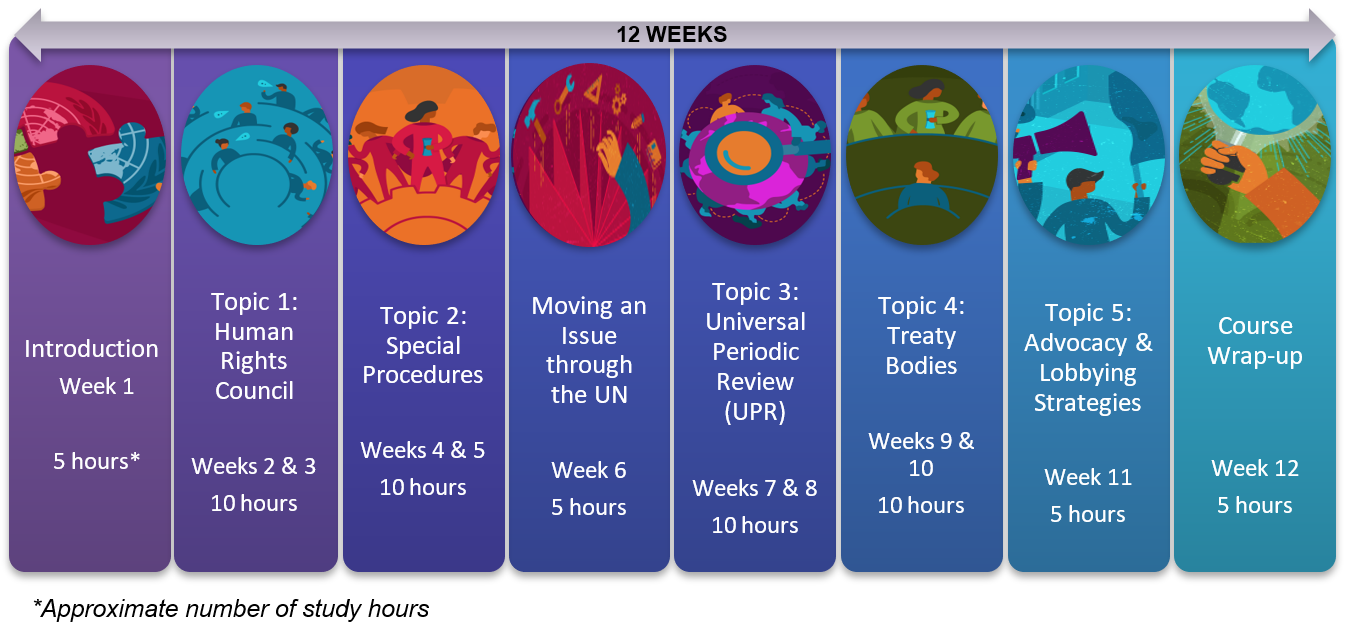
The 12-week course allows defenders to continue their vital work on the ground, while diving into the inner workings of each key UN human rights mechanism, and gaining first-hand experience from advocates and UN staff on how civil society can strategically engage in the international human rights space.
By participating in HRDAP, defenders:
Gain knowledge and tools, which they can use to ensure their voice is central in international human rights decision-making
Explore and compare the benefits of engagement with the Human Rights Council, the Special Procedures, the OHCHR, the UPR and the Treaty Bodies, and examine how they can use them to bolster their work at the national level
Develop strategies and lobbying techniques to increase the potential of their national and regional advocacy work
During the last training, 19 human rights defenders from 17 countries took part in the programme. At the end of the training, 100% of those surveyed were satisfied with the programme, with 82% indicating they were “very satisfied”. Find out more about what they learnt here.
This programme is directed at experienced human rights defenders in non-governmental organisations, with existing advocacy experience at the national level and some prior knowledge of the international human rights system. ISHR supports, and promotes solidarity with and between, defenders working in the following areas or contexts, which we recognise as intersectional and interdependent:
Equality, dignity and non-discrimination
Environmental justice and sustainability
International accountability for the repression of human rights defenders
Protection International, ProtectDefenders.eu and the Centre for Applied Human Rights of the University of York have been promoting a Human Rights Defenders Poetry Challenge:
This poetry challenge is for all activists and artists irrespective of previous experience with this form of art. As the global pandemic continues, we’d like to encourage those that work in support of human rights to take a moment to reflect on the past year, take a break from the current context in which we are situated and ponder about where we should be go from here.
We are accepting poetry of all styles (haiku, slam poems, free verse, limericks, etc.) and multimedia submissions are also welcome. Poems can be submitted in English, Spanish, French, Portuguese, Swahili and Thai, and the top poems in each language will be published in a digital booklet. The top three poems overall will win a cash prize, the authors be granted free access to our e-learning course on preventative protection and security and they will also be invited to a virtual poetry reading with key stakeholders and celebrity guests. The Poetry Challenge is completely free to participate, with no submission or entry fees.
Kyrgyzstan must investigate death threats against human rights defender Kamilzhan Ruziev instead of harassing him for making complaints against the police, said Mary Lawlor, the UN Special Rapporteur on the situation of human rights defenders “It is extremely disturbing that authorities began laying criminal charges against Mr. Ruziev after he exposed police torture and ineffectiveness, when they should actually be investigating the death threats made against him,”
As director of the non-governmental human rights organisation Ventus, Ruziev defends victims of torture, domestic violence, and discrimination. In 2019, a police investigator, whom Ruziev exposed for committing torture, reportedly threatened to kill him. When the State Committee for National Security and the Prosecutor’s Office failed to investigate the threats, Ruziev took them to court, only to find himself facing seven criminal charges.
“Kyrgyz authorities must give Mr. Ruziev a fair trial and effectively investigate all allegations of threats and ill-treatment against him and other human rights defenders,” she said. The next hearing on Mr. Ruziev’s case will be on 11 November 2021.
Lawlor said she was also disturbed by reports that Mr. Ruziev was ill-treated while held in detention for 48 hours in May 2020, and denied access to his lawyer.
“Now I hear that his health is deteriorating, and complaints to the authorities about violations committed against him continue to fall on deaf ears,” she added.
In a report to the Human Rights Council earlier this year on threats and killings of human rights defenders, Lawlor warned: “when a human rights defender receives death threats, swift action must be taken to prevent the threats from escalating. Impunity fuels more murders.”
Lawlor is in contact with the authorities of Kyrgyzstan on this issue, and stressed that “Kyrgyzstan must do better to safeguard the environment for human rights defenders to carry out their work.”
Thomson Reuters Foundation is to host a two-day conference on 17 and 18 November focused on a post-pandemic roadmap to inclusive growth and the protection of free media and civil liberties. Nobel Peace Prize winner Maria Ressa, and an Afghan reporter who fled the Taliban, Zahra Joya, will join a distinguished line-up of speakers that also includes world-renowned Professor of Economics Jeffrey Sachs, Executive Director of Aspen Digital Vivian Schiller and founder of craigslist, philanthropist Craig Newmark.
They will join human rights defenders, innovators, media experts, policymakers and business leaders at the online forum, which brings together thousands of delegates from around the world. The event comes at a critical juncture of the COVID-19 crisis and the UN climate summit, and will address how the pandemic has deepened longstanding social and economic inequalities, has revitalised the drive for a sustainable future and has triggered an alarming spike in media freedom and human rights violations.
With 18 hours of live-streamed talks, plenaries and insight sessions, leading experts from a variety of disciplines will share new insights on shifting the post-pandemic economy onto a more inclusive and sustainable path, one built on the principles of human rights, media freedom and climate justice. They will weigh in on cutting-edge solutions to tackle the world’s most consequential challenges, including the business case for economic inclusion, the path to zero emissions, the human cost of internet shutdowns and a legal network for journalists at risk.
This year’s diverse speakers also include Dr Hilda C. Heine, Senator and former President of the Marshall Islands; Yvonne Aki-Sawyerr OBE, Mayor of Sierra Leone’s capital, Freetown; Zahra Joya, Journalist and founder of Rukhshana Media in Afghanistan; Javier Pallero, Policy Director at Access Now; Shamina Singh, Executive VP for Sustainability at Mastercard; Jorge Rubio Nava, Global Head of Social Finance at Citi; Danielle Belton, Editor-in-Chief of the Huffington Post; Lina Attalah, Co-founder of independent Egyptian news outlet Mada Masr; Alessandra Galloni, Editor-in-Chief of Reuters; Kanbar Hossein Bor, UK Coordinator Media Freedom Campaign & Deputy Director Democratic Governance, FCDO; Ma Jun, Founding Director of the Institute of Public and Environmental Affairs and Caoilfhionn Gallagher QC, Barrister at Doughty Street Chambers, specialising in human rights and civil liberties.
“The converging economic, health and climate crises are putting our democracies, people and planet under an existential threat,” said Thomson Reuters Foundation CEO Antonio Zappulla. “But there is also a great opportunity for a coordinated global response – the success of which depends on how well we work with and learn from each other.
In response to the ongoing, drastic deterioration of media freedoms, the Foundation will also be launching a new Legal Network for Journalists at Risk (LNJAR) at Trust Conference, an initiative in partnership with the Committee to Protect Journalists (CPJ) and Media Defence.
The LNJAR comprises 15 organisations, and strategically coordinates different types of legal support to enable journalists and independent media outlets to continue to cover public interest stories and hold power to account without fear of retribution.
Additionally, the Foundation will unveil its partnership with UNESCO, the International Women’s Media Foundation and the International News Safety Institute (INSI) through which it has developed practical and legal tools for journalists, media managers and newsrooms to counter harassment.
Now in its ninth year, Trust Conference reflects the Thomson Reuters Foundation’s work in tackling the world’s most complex societal issues, with a focus on socio-economic inclusion, sustainability, media freedom and human rights.
The programme and the speaker line-up of Trust Conference are available here. Register for your complimentary ticket here.
Trust Conference Agenda
The 2021 forum will address urgent global challenges through a series of talks, debates and high-profile exchanges. Themes include:
Climate change as a human rights risk
Making a ‘Just Transition’
The impact of financial vulnerability on editorial independence
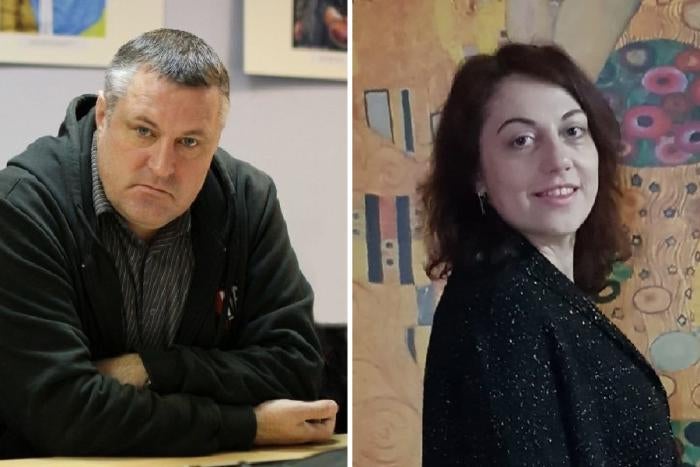
On Wednesday, November 3, the Centraĺny District Court in Homieĺ delivered the verdict in the politically motivated criminal case against two human rights defenders with the Homieĺ branch of Viasna, a leading Belarusian human rights group. The court sentenced the head of Viasna’s Homieĺ office Leanid Sudalenka and Viasna’s volunteer Tatsiana Lasitsa to three and two and a half years in prison, respectively.
18 international and Belarusian organizations call on Belarusian authorities to immediately annul the outrageous verdict and drop all charges against Sudalenka and Lasitsa, as well as five other members of Viasna who are currently in jail on politically motivated charges.
“Politically motivated prosecutions of Viasna members and volunteers are part of the ‘purge’ of Belarusian civil society declared by Aliaksandr Lukashenka and his government. Belarusian authorities’ targeting of Viasna in particular is no doubt designed to punish the organization for its outstanding and courageous human rights work over the course of 25 years.”
On October 14, the prosecutor’s office requested three years’ imprisonment for Sudalenka and Lasitsa on charges of “organizing, financing, training, and preparation of actions grossly violating public order and financing such activities.” The charges were backed by absurd “evidence,” such as Sudalenka’s Facebook post offering to buy firewood for the family of someone accused of “mass rioting” in connection with the peaceful protests of 2020.
Sudalenka and Lasitsa have been in pretrial detention for over nine months, having been arrested on January 18 and 21, respectively. Their trial began in early September and was held behind closed doors.
On January 18, authorities also detained Viasna’s volunteer Maryia Tarasenka in connection to Sudalenka and Lasitsa’s case. She was released under her own recognizance three days after the arrest. Tarasenka left Belarus after prosecutor’s office requested two and a half years imprisonment for her in October.
The other five Viasna members currently behind bars on politically motivated criminal charges are Ales Bialiatski, the founder and chairman of Viasna, Valiantsin Stefanovic, Viasna deputy chairman, Uladzimir Labkovich, a lawyer and coordinator of the group’s campaign “Human rights defenders for free elections,” Marfa Rabkova, coordinator of Viasna’s network of volunteers, and Andrei Chapyuk, a volunteer for Viasna in Minsk.
Around 100 Viasna human rights defenders and volunteers, as well as their family members, have also been interrogated and designated witnesses in criminal cases against their colleagues. At least seven have been designated suspects.
Belarusian law enforcement continues regular interrogations in connection with the criminal cases against Viasna employees, including activists of other civil groups and initiatives.
On September 17, 23 international and Belarusian human rights groups launched a campaign #FreeViasna, demanding the immediate release of the jailed Viasna human rights defenders. We continue calling on the Belarusian authorities to:
Fully abide by their international human rights obligations as a party to the International Covenant on Civil and Political Rights to respect the rights to freedom of association, peaceful assembly, and expression of all people in Belarus.
Fully respect the work of human rights defenders and lawyers and ensure that everyone can complain without fear of retaliation about actions and policies of individual officials and governmental agencies.
In line with these obligations, release Tatsiana Lasitsa, Leanid Sudalenka, Ales Bialatski, Valiantsin Stefanovic, Uladzimir Labkovich, Marfa Rabkova and Andrei Chapyuk immediately, drop all charges against Viasna staff and volunteers, including Maryia Tarasenka, and other human rights defenders, and ensure their right to a remedy for arbitrary detention and malicious prosecution.
Also woth mentioning is that on 4 November 2021 in response to the Belarusian authorities’ failure to respond satisfactorily to the 5 November 2020 Moscow Mechanism report, 35 OSCE states invoked the Vienna (Human Dimension) Mechanism and Belarus’ commitments under that Mechanism.
Signed:
Amnesty International
Article 19
Barys Zvozskau Belarusian Human Rights House
Belarusian Helsinki Committee
Center for Civil Liberties
Civil Rights Defenders
FIDH, within the framework of the Observatory for the Protection of Human Rights Defenders
Front Line Defenders
Helsinki Foundation for Human Rights
Human Rights Center Viasna
Human Rights House Foundation
Human Rights Watch
International Partnership for Human Rights
Libereco – Partnership for Human Rights
Norwegian Helsinki Committee
Östgruppen – Swedish Initiative for Democracy and Human Rights
Right Livelihood
World Organisation Against Torture (OMCT), within the framework of the Observatory for the Protection of Human Rights Defenders
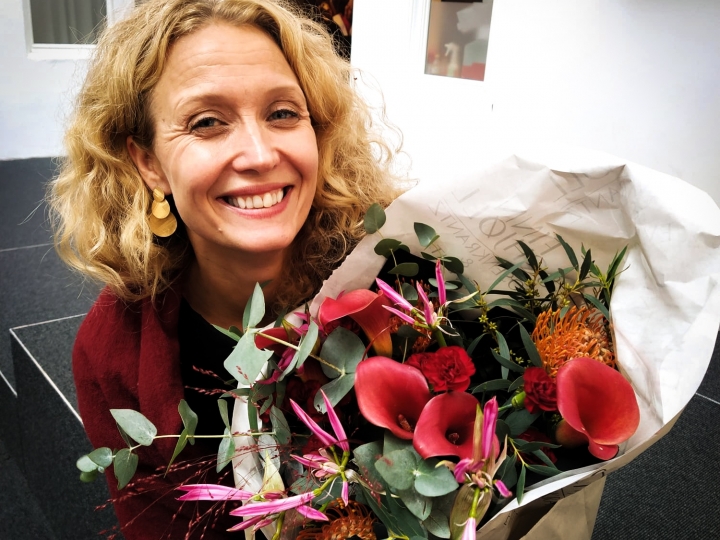
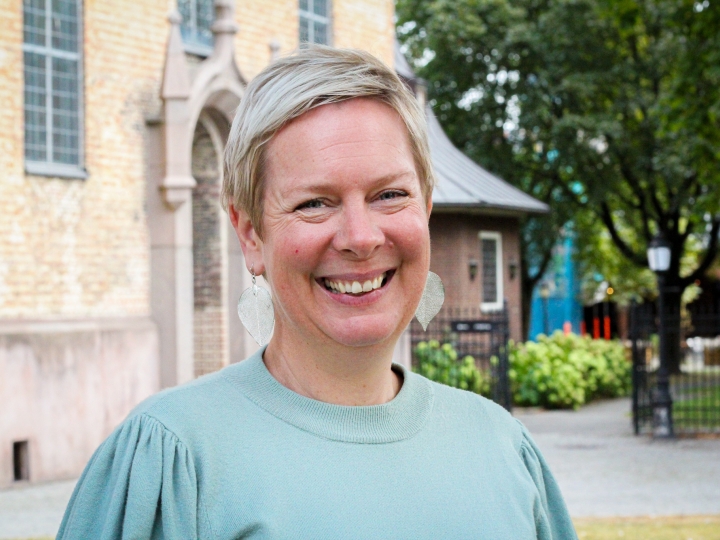
After 11 years as the NHRF’s Executive Director Sandra Petersen was succeeded by Ingeborg Moa on 15 October 2021.
sandraIngeborg
Ingeborg Moa comes to the NHRF from the position as Director of Activism and Organisational Development at Amnesty Norway, and has nearly two decades of international experience working with local organizations and human rights defenders around the world. She has ten years of working experience with the Norwegian People’s Aid (NPA), as well as having worked for Norwegian Refugee Council and the UN. Geographically, she has extensive work experience from the Middle East and Southeast Asia, having spent a number of years in Palestine and Myanmar, as well as in Cambodia, Thailand, Iraq and Turkey. She has also been working on Syria. “My own experiences after working with human rights defenders for nearly 20 years is that for situations of injustice to change, it is the affected communities and people on the ground who need to organize, mobilize and take the lead in the struggle for their own rights. At the same time, international solidarity is necessary both in order to ensure support for practical initiatives on the ground, and not least in order to ensure that local struggles are supported by policy initiatives on a multilateral level”, she says.
Sandra Petersen will during the next four years undertake a PHD research at the Norwegian Center for Human Rights, University of Oslo with a focus on International Support to Human Rights Defenders. Apart from her research, Sandra Petersen will continue to work with the NHRF as a special advisor on human rights defenders.
Sandra Petersen first started working in the NHRF in 2009 leading the work on Pakistan and India. In 2010 she moved into the role of the executive director and has for more than a decade been leading the organisation towards growth; both with strengthening NHRF’s financial muscles to support frontline grassroots human rights organisations and defenders, and by increasing the organisational capacity from a two-staffed office in Oslo in 2010 to 25 people divided between the Oslo and Colombia offices – including team members and consultants in the US, India, Pakistan, Indonesia, Thailand and Mexico. [see also: https://humanrightsdefenders.blog/2020/04/21/norwegian-human-rights-fund-annual-report-2019/]
In an interview (see link below) Sandra give her views on what was achieved and her hopes for the future. And tells a bit more about her research project: The project is partly funded by the NHRF and by the Norwegian Research Council, and will be undertaken at the Norwegian Center for Human Rights at the Law Faculty, University of Oslo. I will seek collaboration with international universities and hopefully contribute to new partnerships. The primary goal of this research is to make an important contribution to future policy outcomes by providing empirical knowledge and comparative analysis of international and in particular Norway’s role in efforts on human rights defender’s protection. This will be shared within institutional structures here in Norway as well as internationally. The Ph.D. seeks to highlight best practices, lessons learned, as well as to try pointing to areas for improvement. Importantly, it aims to understand how human rights defenders in a selection of countries perceive international efforts to support them. Central to this analysis will be to understand possible new needs including effects of COVID-19 and the rapidly evolving technology and digital developments that can affect defenders’ safety and security. I think this is immensely important for all of us that wish to support human rights work and defenders’ role in these efforts. I deeply believe in a combined practitioner and academic approach to our work. Our actions should be well founded in knowledge.
As if the fight against terrorists is not already complex enough, Israel has muddied the water more by accusing six prominent Palestinian human rights groups of being terrorist organisations, saying they have undercover links to a militant movement. Not surprisingly. most of the groups document alleged human rights violations by Israel and the Palestinian Authority.
The six are Al-Haq, a human rights group founded in 1979, [and the winner of 5 human rights awards, see: https://www.trueheroesfilms.org/thedigest/laureates/0F74BF45-72C4-9FDD-F96D-2B87BF6C7728] Addameer, Defence for Children International – Palestine, the Bisan Center for Research and Development, the Union of Palestinian Women’s Committees and the Union of Agricultural Work Committees.
The Israeli defence ministry said they were linked to the Popular Front for the Liberation of Palestine (PFLP), a secular political movement with an armed wing that in the past carried out attacks against Israel. The groups “were active under the cover of civil society organisations, but in practice belong and constitute an arm of the [PFLP] leadership, the main activity of which is the liberation of Palestine and destruction of Israel”, the defence ministry said. It claimed they were “controlled by senior leaders” of the PFLP and employed its members, including some who had “participated in terror activity”. The groups serve as a “central source” of financing for the PFLP and had received “large sums of money from European countries and international organisations”, the defence ministry said.
The groups, well known for their human rights work, have indeed quite openly received funding from EU member states, the United Nations and other donors.
Shawan Jabarin, the director of Al-Haq, said the move was an attempt to stifle criticism. “They may be able to close us down. They can seize our funding. They can arrest us. But they cannot stop our firm and unshakeable belief that this occupation must be held accountable for its crimes,” he told the Times of Israel.
The Israeli human rights group B’Tselem called the government’s declaration “an act characteristic of totalitarian regimes, with the clear purpose of shutting down these organisations”. It added: “B’Tselem stands in solidarity with our Palestinian colleagues, is proud of our joint work over the years and is steadfast to continue so.”
Human Rights Watch and Amnesty International, who work closely with many of these groups, said in a joint statement:
“This appalling and unjust decision is an attack by the Israeli government on the international human rights movement. For decades, Israeli authorities have systematically sought to muzzle human rights monitoring and punish those who criticize its repressive rule over Palestinians. While staff members of our organizations have faced deportation and travel bans, Palestinian human rights defenders have always borne the brunt of the repression. This decision is an alarming escalation that threatens to shut down the work of Palestine’s most prominent civil society organizations. The decades-long failure of the international community to challenge grave Israeli human rights abuses and impose meaningful consequences for them has emboldened Israeli authorities to act in this brazen manner.
How the international community responds will be a true test of its resolve to protect human rights defenders. We are proud to work with our Palestinian partners and have been doing so for decades. They represent the best of global civil society. We stand with them in challenging this outrageous decision.”
The US Department of State spokesperson Ned Price said his office had not been given advance warning of the designation. “We will be engaging our Israeli partners for more information regarding the basis for the designation,” Price said on a telephone briefing with reporters in Washington.
The move by the Israeli government represents a challenge for the many European countries that provide financing to the six organizations, European governments, .. now risk being accused of funding terrorism if they continue financing the six groups. One senior European official working in the region admitted the move was likely aimed at putting pressure on donors’ decision-making but said there needed to be an analysis of any evidence put forward by Israel, said CNN Europe.
Justice & Peace Netherlands is launching a new call for applications for at risk human rights defenders to participate in Shelter City. The deadline for applications is 7 November 2021 at 23:59 CET.
It is part of Shelter City network – a worldwide initiative to protect human rights defenders at risk and support them to reclaim their civic space! Seventeen cities worldwide offer temporary relocation and shelter, capacity-building tools, trainings and safety to human rights defenders worldwide who stand up against human rights violations in their home countries.
Shelter City provides temporary safe and inspiring spaces for human rights defender at risk where they re-energise, receive tailormade support and engage with allies. The term human rights defender is intended to refer to the broad range of activists, journalists and independent media professionals, scholars, writers, artists, lawyers, civil and political rights defenders, civil society members, and others working to advance human rights and democracy around the world in a peaceful manner.
From March 2022 onwards, several cities in the Netherlands will receive human rights defenders for a period of three months. At the end of their stay in the Netherlands, participants are expected to return with new tools and energy to carry out their work at home.
Journalists’ Safe Haven Initiative
Justice & Peace aims to promote the safety of journalists, and in particular women journalists, worldwide so that they can build new strategies and continue their important work for freedom of expression in their country of origin. With support of the Dutch Ministry of Foreign Affairs, Justice & Peace will be able to provide two additional temporary safe spaces per year in The Hague for journalists at risk and provide them with tailor-made support.
Shelter City and COVID-19
Please note that COVID-19 may pose certain challenges to the stay of human rights defenders in the Netherlands in 2022. These challenges can include:
Limitations and/or changes in the programme that we can offer HRDs during their stay in the Netherlands;
New measures and restrictions (including a lockdown) taken by the Dutch government;
Cancellation of flights to/from the Netherlands;
Postponement of return to the home country after 3 months because of travel restrictions;
Participants might be requested to self-quarantine for 5-10 days upon arrival in the Netherlands (Shelter City programme will be adapted accordingly) and to take other preventive measures due to COVID-19, including a COVID-19 test before travelling to the Netherlands.
Please consider these potential challenges carefully before applying to the programme.
To be eligible for Shelter City, human rights defenders should meet the following conditions:
They implement a non-violent approach in their work;
They are threatened or otherwise under pressure due to their work or activism;
They can be relocated for a period of maximum 3 months. Limited spots are available for people who are not able to stay for the full 3 months;
They are willing and able to return to their country of origin after 3 months;
They are willing to speak publicly about their experience or about human rights in their country to the extent that their security situation allows;
They have a conversational level* of English (limited spots are available for French or Spanish speaking human rights defenders);
They have a valid passport (with no less than six months of validity) or be willing to carry out the procedures necessary for its issuance. Justice & Peace covers the costs of issuing a passport and / or visa (if applicable);
They are not subjected to any measure or judicial prohibition to leaving the country;
They are willing to begin their stay in The Netherlands around March 2022.
Note that additional factors will be taken into consideration in the final round of selection, such as the added value of a stay in The Netherlands as well as gender, geographic, and thematic balance. Please note that we can only accept human rights defenders currently residing in a third country under exceptional circumstances.
To apply for Shelter City, please fill in the form by clicking the link below. Application forms must be submitted by 7 November 2021 at 23:59 CET (Central European Time). An independent commission will select the participants.
Here a bit of wrap up on recent developments in Indonesia. First two disclaimers:
(1) I have a long-standing interest in this country [see: Indonesia and the Rule of Law, 20 Years of “New Order” Government, a Study prepared for the ICJ, published by Frances Pinter Publishers, London, 1987, pp 208 (ISBN: 0 86187 919 8) and previous posts: https://humanrightsdefenders.blog/tag/indonesia/]
(2) the human rights situation has generally improved since that book in 1987 and is a lot better compared to other countries in Asia such as China and Myanmar.
Over the past two years, human rights defenders (HRDs) have faced unprecedented challenges in Asia, where existing risks were exacerbated, while new threats have emerged. Governments enacted and used repressive laws, online harassment became widespread, and Asian HRDs have seen their families and loved ones increasingly subjected to harassment and threats. The COVID-19 pandemic has also significantly increased violations against defenders, and created new challenges for them to safely conduct their work.
Asian Forum for Human Rights and Development (FORUM-ASIA) and the Commission for Disappeared Persons and Victims of Violence (KontraS) presented a joint analysis, “Refusing Silence: A joint analysis on the situation of Human Rights Defenders”, as part of a collaboration in documenting cases of violations against human rights defenders in Asia, and particularly in Indonesia since 2020. [For the full PDF version of this analysis in English, click here]
The Indonesian government should put an end to the judicial harassment against human rights defenders Fatia Maulidiyanti and Haris Azhar, and uphold the right to freedom of expression, the human rights organisations said.
‘The Government of Indonesia must uphold its international human rights obligations under the International Covenant on Civil and Political Rights (ICCPR) as well as its own national constitution which protects the right to freedom of expression,’ said the groups.
The groups urged the Indonesian government to ensure that all persons can express their opinions without fear of reprisals, and to ensure its actions are compliant with Indonesia’s Constitutional protections for human rights and the ICCPR, of which Indonesia is a State Party. The National Human Rights Institution, Komnas HAM, must also work towards ensuring the protection of defenders facing judicial harassment, the groups said.
On 22 September, Luhut Binsar Pandjaitan, the Indonesian Coordinating Minister for Maritime Affairs and Investment filed a police report against human rights defenders Fatia Maulidiyanti, Coordinator of the Commission for the Disappeared and Victims of Violence (Kontras), and Haris Azhar, Founder of Lokataru Foundation. The police report alleges that the two individuals violated criminal defamation provisions (Article 310 (1) of the Penal Code), and the controversial Electronic Information and Transaction Law (EIT Law). Luhut Binsar Pandjaitan has reportedly demanded IDR 300 billion, approximately USD 21 million, in compensation.
The report was filed after subpoenas were earlier sent to the two human rights defenders following a talk show on Haris Azhar’s YouTube channel, titled ‘Ada Lord Luhut di balik Relasi Ekonomi-Ops Militer Intan Jaya!! Jenderal BIN Juga Ada!!’, (There is Lord Luhut behind the relation of Economy-Military Operation Intan Jaya!! General of State Intelligence Agency is also there!!) in which Haris Azhar and Fatia Maulidiyanti discussed the findings of a multi-stakeholder report revealing the alleged involvement of active and retired Indonesian army officials in the business operations of the gold mining sector…
The report also recorded the escalation of violent and armed conflict triggered by military operations, one of which occurred in the Intan Jaya Regency. The conflict resulted in the loss of civilian lives and the displacement of thousands of people, including children and women.
‘The legal actions by the Coordinating Minister constitute judicial harassment and abuse of power. It criminalises the rights of these two human rights defenders to express their opinions on public affairs and creates a chilling environment for individuals who criticise the government,’ the groups said.
‘We call on the Indonesian government to amend all repressive laws and legal provisions that hinder the protection of freedom of expression, and ensure the laws align with international human rights standards. The criminalisation of defamation is an inherently disproportionate and unnecessary restriction to the right to freedom of opinion and expression, under international human rights law.[4] Indonesia must immediately drop the charges against Fatia and Haris and take steps towards preventing the misuse of litigation against human rights defenders and civil society that erode the exercise of their rights,’ they concluded.
And then there is the situation of Papua:
Indonesia regularly receives criticism for its strategy in relation to separatist groups in Papua, a strategy that relies heavily on a security-based approach and which has raised questions about the government’s commitment to human rights. Most recently, the nation found itself included on a list of 45 countries cited as being culpable of intimidation and reprisals against human rights defenders seeking to cooperate with the UN, according to an annual report from the UN Secretary General’s Office distributed on September 17.
On 21 September 2021 A U.N. expert has urged Indonesia to provide an independence activist in its Papua province with proper medical care to “keep him from dying in prison”, after reports that his health had deteriorated.
Victor Yeimo, 39, who is the international spokesman of the West Papua National Committee, was arrested in the provincial capital of Jayapura in May. He has been charged with treason and inciting violence and social unrest in relation to pro-independence protests that swept the remote, resource-rich region for several weeks in 2019. Yeimo has denied the charges.
His trial went ahead in August despite repeated requests from his lawyer for a delay on medical grounds, Mary Lawlor, U.N. special rapporteur on the situation of human rights defenders, said in a statement on Monday. “I’ve seen it before: States deny medical care to ailing, imprisoned human rights defenders, which results in serious illness or death,” said Lawlor. “Indonesia must take urgent steps to ensure the fate does not await Mr Yeimo,” she said, adding that his access to medical care had been restricted and his prison conditions “may have amounted to torture”. Yeimo is being treated at a Jayapura hospital after a court ordered he receive medical attention. Papuan activist Rosa Javiera told a news conference organised by the rights group Amnesty International on Tuesday that Yeimo was suffering from chronic tuberculosis that required continuous medical treatmentt.
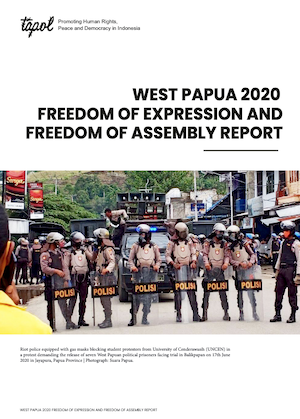
The Indonesian government has used the covid-19 pandemic as a pretext to crack down on West Papuan street protests and to impose online censorship, according to new research published by the human rights watchdog TAPOL. Covid-19 protocols have given more power to the police and military to crush protests but they are not fairly implemented across Indonesia in general. The findings are in a new study, the West Papua 2020: Freedom Of Expression And Freedom Of Assembly Report, in which TAPOL has collated and analysed incidents recorded by West Papuan and Indonesian civil society organisations.
The West Papua 2020 Report. Image: Tapol screenshot APR
 Thomson Reuters Foundation is to host a two-day conference on 17 and 18 November focused on a post-pandemic roadmap to inclusive growth and the protection of free media and civil liberties. Nobel Peace Prize winner Maria Ressa, and an Afghan reporter who fled the Taliban, Zahra Joya, will join a distinguished line-up of speakers that also includes world-renowned Professor of Economics Jeffrey Sachs, Executive Director of Aspen Digital Vivian Schiller and founder of craigslist, philanthropist Craig Newmark.