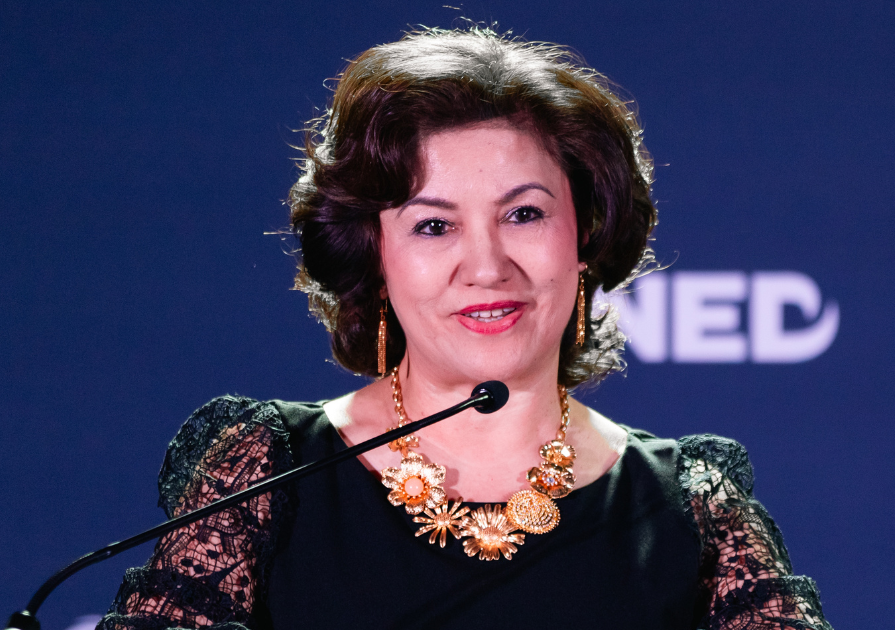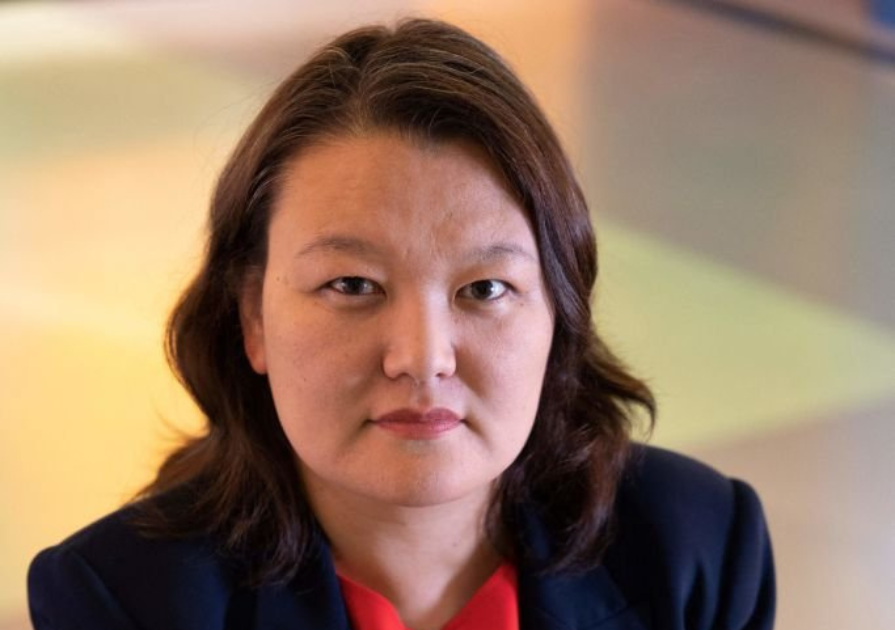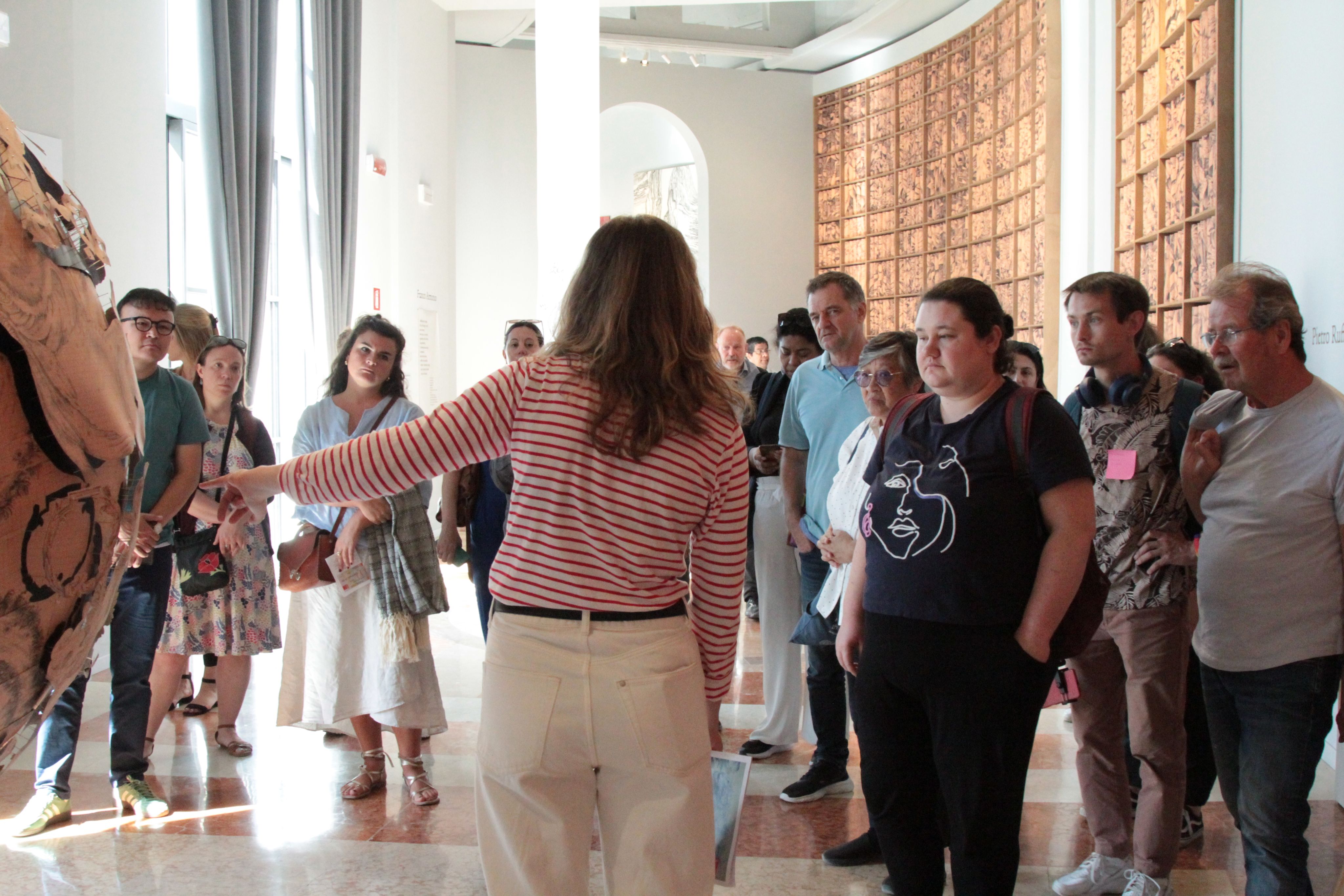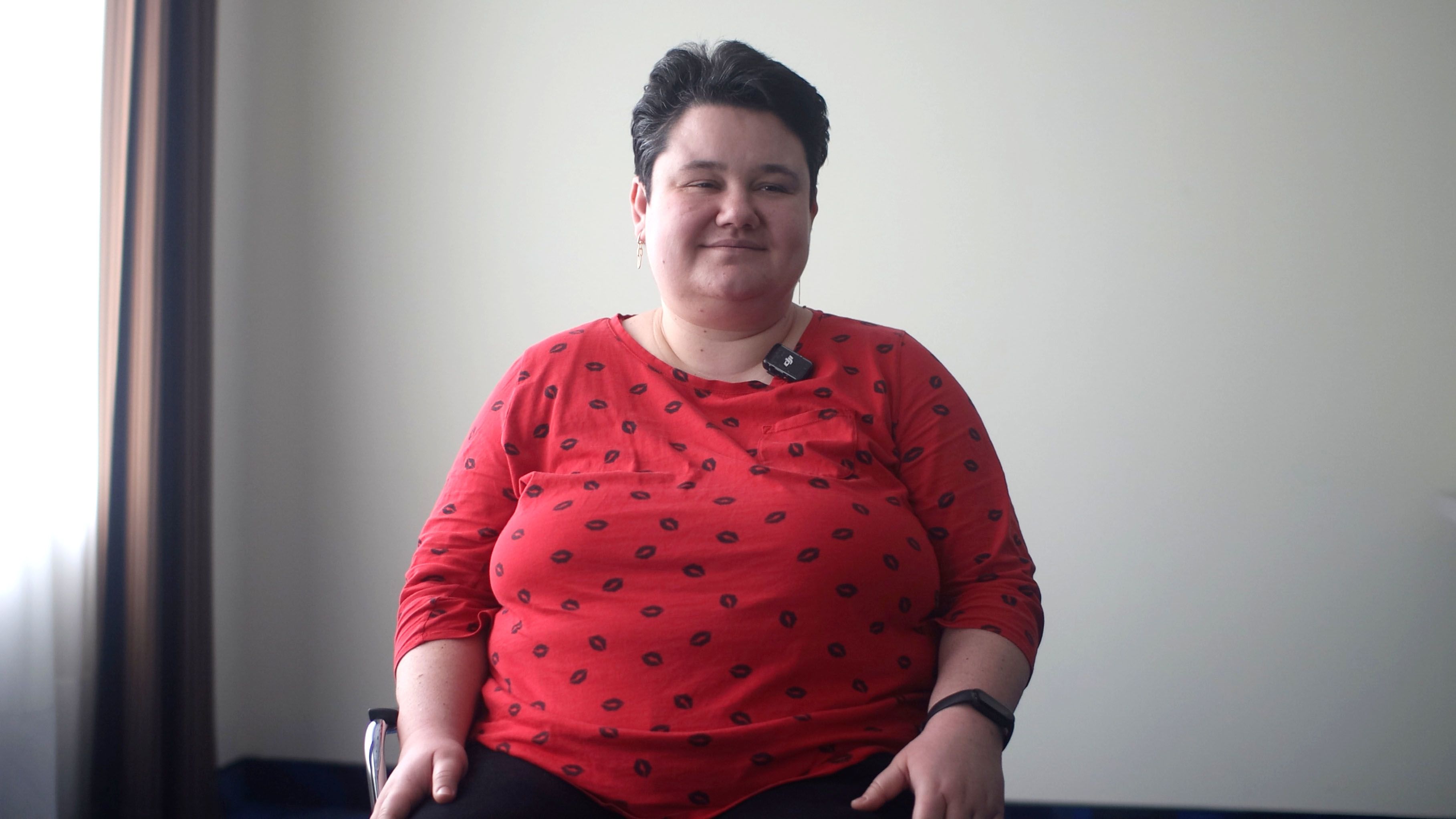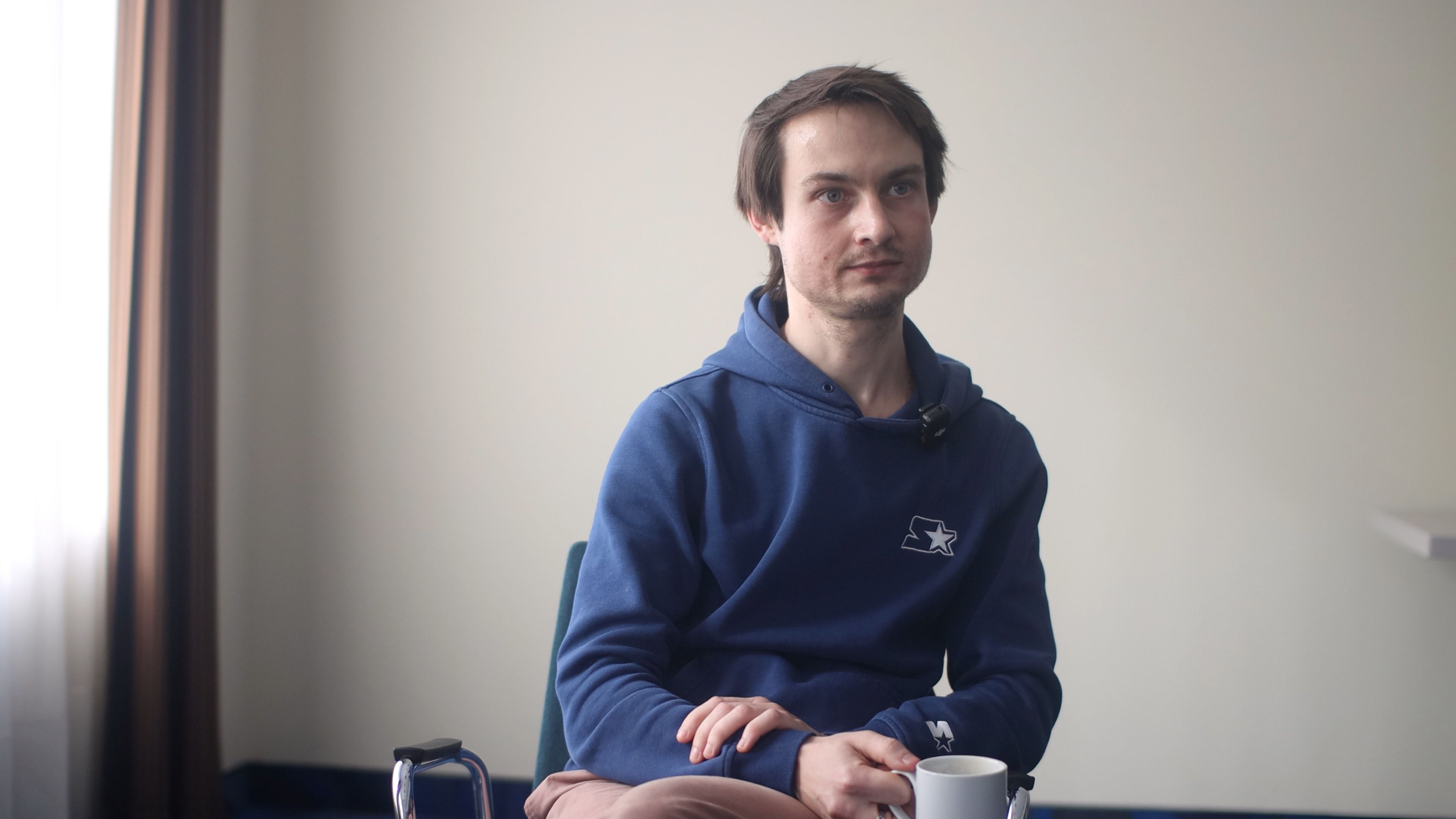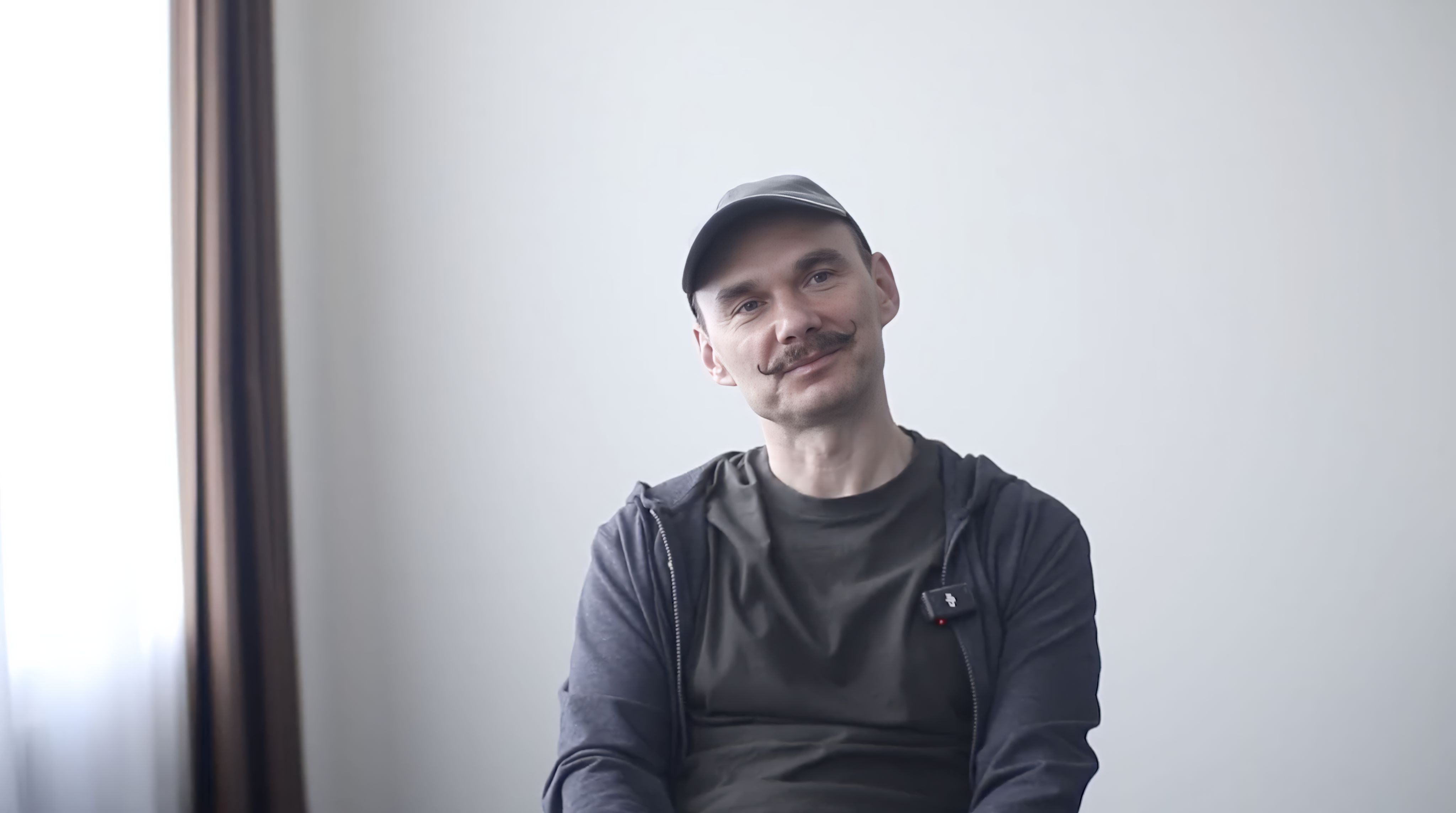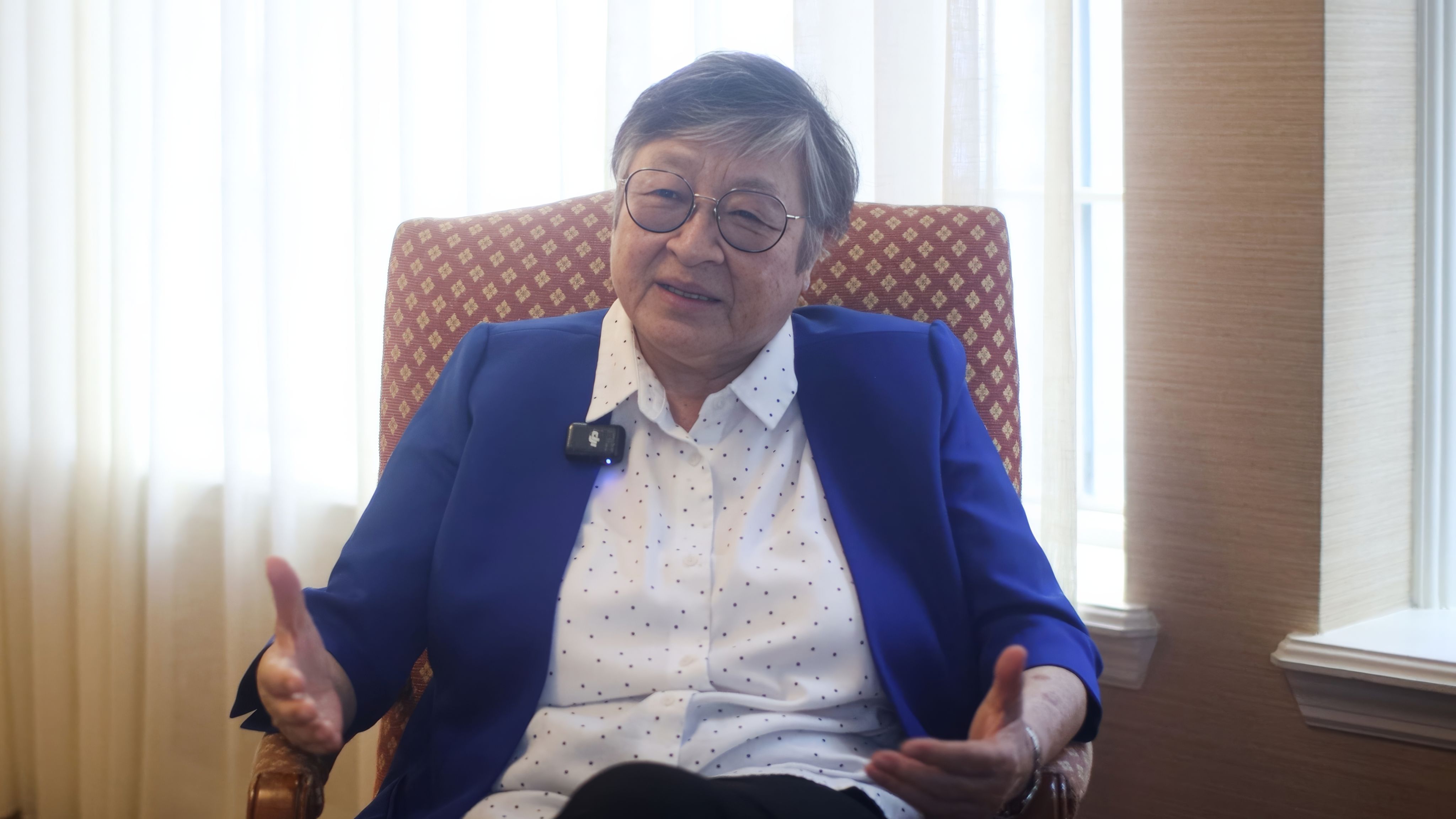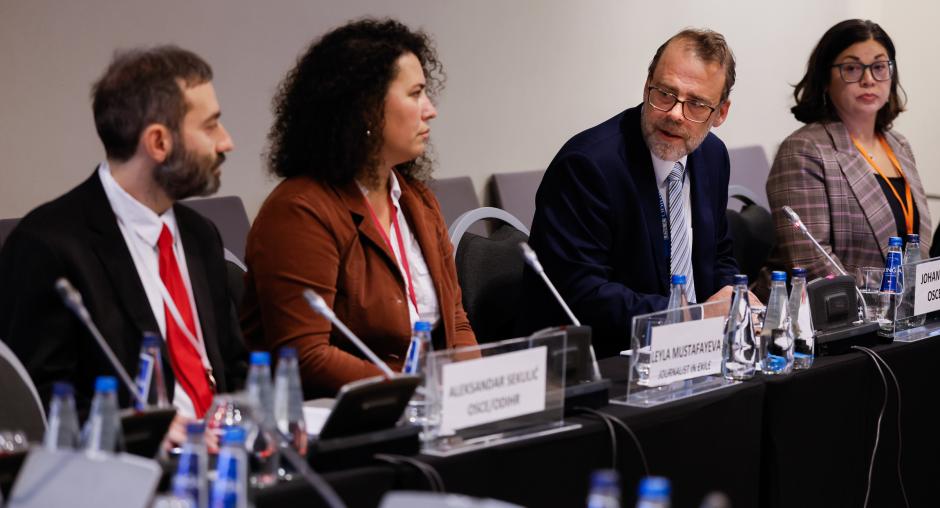
Panelists discussing the need for stronger protection for human rights defenders in exile. Warsaw, 16 October 2025 (OSCE/Piotr Dziubak) Photo details
As civil society space shrinks and attacks against activists increase in many places, a growing number of human rights defenders are being forced into exile as they seek a safe environment to continue their work freely and securely. This was the focus of an event organized by the OSCE Office for Democratic Institutions and Human Rights (ODIHR), Araminta, and the World Organisation Against Torture at the Warsaw Human Dimension Conference on 16 October 2025.
“Human rights defenders face inherent risks in their work, and relocating does not address all their needs. Adopting robust safeguarding mechanisms is essential to ensure minimum standards for mobility and a safe environment for defenders in exile,“ said Jennifer Gaspar, Araminta Managing Director.
While defenders in exile play a crucial role in promoting human rights, they face serious challenges, from urgent personal and legal issues to long-term barriers such as legal insecurity, restricted mobility and limited opportunities to continue their work. Participants discussed the need to establish minimum standards to protect human rights defenders in exile in the OSCE region, as well as EU legislation to ensure stronger legal and practical safeguards for them, participants discussed.
The discussion drew on both institutional perspectives and the lived experiences of exiled defenders, highlighting the need for coordinated action and policy tools to address these gaps. Participants emphasized that ensuring human rights defenders can continue their work in safety is vital to protect human rights and promote democratic values across the OSCE region and beyond.
On 3 July 2025, the undersigned 22 organizations, expressed their deep concern over the increasing use of criminal law without due process guarantees, the harassment, the stigmatization, and the persecution by Salvadoran authorities against human rights defenders, community leaders, environmental activists, university professors, lawyers, journalists, and other voices critical of the government.
Prominent journalists, activists, and lawyers, such as former prosecutor and defenderRuth López and professor and constitutional lawyerEnrique Anaya, have been arbitrarily detained in retaliation for their work documenting and denouncing corruption, human rights violations, and attacks on the rule of law in El Salvador. Both are in prolonged pretrial detention and face spurious and unfounded charges of embezzlement and money laundering, respectively. These detentions send an intimidating message to the rest of civil society and further erode public confidence in the impartiality and independence of the Salvadoran judicial system.
The Salvadoran state has intensified its attacks on civil society and the independent press through coordinated strategies in the legal, institutional, and media spheres to silence their work. It is extremely alarming that they are being persecuted under a prolonged state of exception that suspends fundamental rights and freedoms, a measure whose objective is to control organized crime gangs.
In a context of high concentration of power, the Foreign Agents Law was enacted, imposing severe restrictions on non-governmental organizations, including onerous registration requirements, a 30 percent tax on foreign funding, and broad powers to suspend their activities based on vague allegations of political activity. Together with the hostile rhetoric from senior officials led by President Bukele, these measures aim to delegitimize independent voices and restrict the legitimate activities of civil society organizations.
The persecution of defenders such as Ruth López and Enrique Anaya reflects a broader strategy to dismantle civic oversight and the rule of law, and to criminalize criticism and the defense of human rights. Other examples of criminalization include community leaders from La Floresta and the El Bosque cooperative, among them Fidel Zavala, Alejandro Henríquez, and Ángel Pérez, who have been detained during peaceful protests over land and evictions.
It is important to note that, throughout Nayib Bukele’s administration, dozens of human rights defenders, journalists, lawyers, former public officials, members of the political opposition, and businesspeople have been forced into exile outside the country. This trend, which is worrying in itself, has significantly increased in the last month, reflecting a growing climate of repression and persecution that severely restricts civic and democratic space in El Salvador.
The repression of civic space in El Salvador is taking place within a broader context of erosion of democratic institutions and the rule of law. As a result of the state of exception, more than 85,000 people have been detained without respect for basic due process guarantees, including the presumption of innocence and access to a fair and impartial trial, and in inhumane conditions of deprivation of liberty. Local organizations have documented at least 400 deaths of people in custody since the beginning of the exception regime.
We therefore call on the Salvadoran State to:
Immediately release lawyers Ruth López and Enrique Anaya, as well as all human rights defenders and community leaders who have been arbitrarily detained for political reasons; and respect due process guarantees, including the right to a public trial, in any proceedings against them.
Refrain from using pretrial detention as a form of advance punishment against human rights defenders and others detained for political reasons, in clear violation of due process guarantees and international human rights standards.
Protect human rights defenders from reprisals, harassment, torture, and threats, and ensure accountability for abuses committed.
Restore conditions that allow freedom of expression, association, and assembly, and harmonize national laws with El Salvador’s international obligations, including by repealing the Foreign Agents Law.
End the misuse and abuse of emergency measures and, in all cases, guarantee the right to a fair trial.
We also call on the international community, including the Organization of American States and the United Nations, to:
Urge the government of El Salvador to immediately cease the instrumentalization of the criminal justice system against human rights defenders or those who express criticism of the government.
Take urgent action, through diplomatic channels, assistance, and conditional cooperation, among other means, to protect civic space, the rule of law, democracy, and human rights in El Salvador.
Abogadas y Abogados para la Justicia y los Derechos Humanos (México)
Alianza Regional por la Libre Expresión e Información
Asociación Pro Derechos Humanos -APRODEH, Perú
Center for Gender & Refugee Studies (CGRS)
Centro de Documentación en Derechos Humanos “Segundo Montes Mozo SJ” (CSMM) / Ecuador
Centro por la Justicia y el Derecho Internacional (CEJIL)
Consultora Solidaria (Mexico)
Consultoría para los Derechos Humanos y el Desplazamiento – CODHES (Colombia).
Convergencia por los Derechos Humanos (CDH), Guatemala
Comité de Familiares de Víctimas de los Sucesos de Febrero y Marzo de 1989 (COFAVIC), Venezuela.
Due Process of Law Foundation (DPLF)
Equipo de Reflexión, Investigación y Comunicación (ERIC-SJ). Honduras
Global Strategic Litigation Council for Refugee Rights
Instituto de Defensa Legal (IDL), Peru
Latin America Working Group (LAWG)
Movimiento Autónomo de Mujeres
Robert F. Kennedy Human Rights
Synergía, iniciativas para los derechos humanos
Tejiendo Redes Infancia en América Latina y el Caribe
On June 20 we marked World Refugee Day by honouring the courage, resilience and humanity of those forced to flee their homes in search of safety.
Many of those fleeing conflict and persecution are journalists themselves. Forced into exile, they risk losing not only their homes but their platforms and their purpose. JHR equips these journalists with training and story grants, so they can keep working even in the most challenging circumstances.
In Canada, Soraya Amiri arrived from Afghanistan in 2022. She began her career here through the JHR-Meta Afghan Journalists in Residence Fellowship at The Walrus. Today, she continues as a Contributing Writer. In this essay, she reflects on what it means to reclaim her voice as a journalist in exile. Read her latest stories here. Mostafa Al-A’sar, another fellow originally from Egypt who resettled in Canada in 2024, joined the Contributing Writers Program in May and is already at work on his first article for The Walrus. Through their stories, Canadians gain a deeper understanding of the lives and events unfolding beyond our borders.
In Europe we fund and train exiled Russian and Belarusian journalists now based in the Baltics and Poland. With our support they continue reporting on shrinking civic space and government repression. Brestskaya Gazeta has documented the lives of former political prisoners, making visible the human toll of repression. Two young Belarusian bloggers used their platforms to counter state propaganda and foster dialogue on democratic values. And SOTA Visionreads letters to political prisoners on livestreams, helping ensure that those imprisoned in Russia are not forgotten.
At a moment of global upheaval, when self-interest drowns out solidarity, when aid budgets are slashed and the number of displaced people worldwide has never been higher, it is more urgent than ever to stand with refugees.
At JHR, we remain committed to supporting journalists in exile and to equipping local reporters with the tools they need to cover refugee rights objectively and accurately.
Emirati authorities have designated as “terrorist” 11 political dissidents and their relatives as well as 8 companies they own, reflecting the country’s indiscriminate use of overbroad counterterrorism laws and contempt for due process, Human Rights Watch said on 22 April 2025.
On January 8, 2025, Emirati authorities announced a cabinet decision unilaterally adding the 11 individuals and 8 companies to its terrorism list for their alleged links to the Muslim Brotherhood, without due process. The authorities did not inform these individuals or entities prior to the designation, nor was there any opportunity to respond to or contest the allegations. The move represents an escalation of the United Arab Emirates’ (UAE) transnational repression, targeting not only dissidents but also their family members.
“Throwing nineteen people and companies onto a list of alleged terrorists without any semblance of due process, and with serious ramifications for their livelihoods, makes a mockery of the rule of law,” said Joey Shea, United Arab Emirates researcher at Human Rights Watch…
Human Rights Watch found that all eight companies are solely registered in the United Kingdom and are owned or previously owned by exiled Emirati dissidents or their relatives. At least nine of the eleven designated individuals are political dissidents or their relatives. Only two of the eleven have been convicted or accused of a terrorist offense, though both under questionable circumstances, according to informed sources and the Emirates Detainees Advocacy Center (EDAC), a human rights organization supporting imprisoned human rights defenders in the UAE. One was convicted in absentia as part of the grossly unfair “UAE94” mass trial of political dissidents in 2013. The other was accused in a separate case related to supporting the “UAE94” detainees.
Individuals on the list found out about the designation only after the Emirates News Agency (WAM), the UAE’s official state news agency, published it on its website. It came as “a real shock, it was very difficult,” one of the people named told Human Rights Watch.
Human Rights Watch searched for the individuals and companies on global terror and financial sanctions lists, including the United Nations Global Sanctions list, the European Union Sanctions list, and the Consolidated List of Financial Sanctions Targets in the UK. None of them are included in these internationally recognized lists.
The UAE’s 2014 counterterrorism law uses an overly broad definition of terrorism and allows the executive branch to designate individuals and entities as terrorists without any corresponding legal requirement to demonstrate the objective basis of the claim. It does not set out a clear procedure for how this authority should be exercised, nor does it provide for any oversight.
Designated individuals face immediate asset freezes and property confiscation under the counterterrorism law and Cabinet Decision No. 74/2020. Those in the UAE, including relatives or friends, face a possible sentence of life in prison for communicating with anyone on the list. Human Rights Watch found that the designation has negatively affected individuals’ careers and personal finances, including through lost career opportunities and clients.
Exiled Emirati dissidents said the designations are part of the UAE’s ongoing crackdown on dissent and political opposition. “They want to hurt us as much as possible,” one individual whose name appeared on the list said.
Over the last decade, Emirati authorities have repeatedly targeted the Muslim Brotherhood and its Emirati branch, the Reform and Social Guidance Association (Al-Islah), in a widespread crackdown. Al-Islah is a nonviolent group that engaged in peaceful political debate in the UAE for many years prior to the crackdown and advocated greater adherence to Islamic precepts. Many of the detainees from the grossly unfair “UAE94” mass trial in 2013 are members of Al-Islah. The UAE designated the Muslim Brotherhood as a terrorist organization in 2014.
The 2014 counterterrorism law enables the courts to convict peaceful government critics as terrorists and sentence them to death. The law has been repeatedly used against political dissidents. In July 2024, 53 human rights defenders and political dissidents were sentenced to abusively long terms in the country’s second-largest unfair mass trial.
The UN’s first special rapporteur on counterterrorism and human rights has said that terrorism should be defined as narrowly as possible, warning that “the adoption of overly broad definitions … carries the potential for deliberate misuse of the term … as well as unintended human rights abuses.”
…The UAE appears to be escalating its persecution beyond openly outspoken dissidents to include family members who have not participated in politics nor spoken publicly about the country’s human rights record. “Many people whose names are on the list, they didn’t speak loudly against the government,” one person said.
In 2021, the UAE added 38 individuals and 15 entities to its terrorism list, including 4 prominent exiled Emirati dissidents. Human Rights Watch found that 14 of the 38 individuals and two of the entities are on other international global terror and financial sanctions lists. None of the individuals nor entities added on January 2025 were found on other internationally recognized lists…
On 23 April, 2025 OMCT made public this interview with Armel Niyongere, exiled Burundian lawyer and Secretary General of SOS-Torture Burundi, a member of the World Organization Against Torture (OMCT) SOS-Torture network. He continues to denounce human rights violations in his home country. Despite 10 years of threats and intimidation from the authorities, Mr. Niyongere continues his fight to promote and protect human rights. In this interview he talks about the difficulties of exile, the challenges facing those who defend human rights, and the role of the international community.
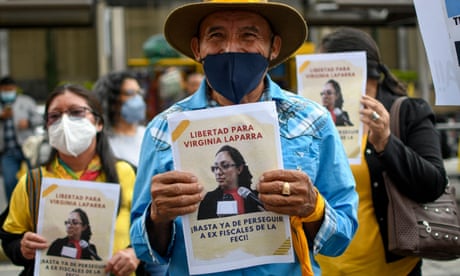
On 5 March 2025 Haroon Siddique in the Guardian wrote about Virginia Laparra, a Guatemalan anti-corruption prosecutor, who spent two years in prison after reporting her suspicion that a judge leaked sealed details of a case. She was forced into exile after being pursued by the country’s conservative elite.
Facing the prospect of going back to prison and further charges, Laparra left her two daughters behind to seek asylum across the border in Mexico.
In an interview with the Guardian in London after receiving the Alliance for Lawyers at Risk’s Sir Henry Brooke award honouring human rights defenders, Laparra said: “Nobody goes into exile voluntarily. Exile is the only thing left when nothing else has worked, it’s the only thing you’ve got left to defend your life and your freedom.
“Exile is just little bit different, a little bit less than death. [Your persecutors] take everything from you, take away your family, your children, your parents, your house, your way of life, your friends.’
Laparra headed a special prosecutor’s office working alongside the International Commission Against Impunity in Guatemala (Cicig), a UN anti-corruption mission that was controversially expelled in September 2019 by the then president, Jimmy Morales. Widespread reprisals followed against those who had worked with Cicig.
When Laparra was taken taken into preventive detention, she said it was as “if I were the worst drugs trafficker in Guatemala. When we drove out of the underground parking in my building there were soldiers, the police, hooded, with heavy weapons on both sides of the street. It was like in a film.”
She spent her first five months in solitary confinement in a windowless 2.5 sq meter cell in a high security jail in Guatemala City, 200 miles away from her Quetzaltenango home, and allowed out for only one hour a day.
She also endured bleeding to the womb in prison but waited months for treatment. Laparra eventually had a hysterectomy and four subsequent operations, during which she said police surrounded “the hospital, the gynaecology area, the operation room, and I had on each side of my bed a member of the police”.
She was later transferred to Matamoros prison, another notorious facility where drug traffickers and gang leaders are held, after she angered the authorities by speaking to a journalist. “My idea was that at least if I’m going to die [in jail], let’s make sure the world knows what happened,” said Laparra.
She considered pleading guilty in the hope that she might be released as both her sentences were commutable, which in Guatemala usually means no jail time is served, but her daughters told her: “Don’t do that, you’ve been here too long to give up now.”
When things reached their lowest ebb, Laparra said she decided to kill herself before remembering the promise she made to her daughters each time they visited – that she would be there the next time they came.
After her release on house arrest last year, she received an award from Guatemala’s current progressive president, Bernardo Arévalo, a surprise victor in the 2023 election. But Laparra believes the award only inflamed the pursuit of her by the public prosecutor’s office led by the attorney general, María Consuelo Porras, who had also tried to stop Arévalo from taking office.
Porras, who has pursued many other anti-corruption prosecutors and judges, also forced into exile her predecessor as attorney general and has been sanctioned by the US for corruption and the Council of the European Union for undermining democracy.
The Fund for Global Human Rights, which nominated Laparra for the Sir Henry Brooke award, and Amnesty International, which named her as a prisoner of conscience in 2022, said they were “deeply concerned about the systematic pattern of criminalisation imposed by the Guatemalan judiciary and the public prosecutor’s office against former judges, prosecutors, human rights defenders and journalists who have worked tirelessly for years to fight impunity and corruption in the country”.
Laparra says she feels proud to have received the award but adds that her persecutors reacted to the news with anger online. “I thought that it wasn’t possible to keep hate burning for so long,” she said. “Surely, two years in prison would have been enough for them, I thought, but it wasn’t.”
A screening of the feature documentary “Dissidents” will take place on Sunday, Feb. 2, 2025, at 2:00 p.m. EST. The event location is Firehouse Cinema, 87 Lafayette Street, New York. “Dissidents” tells the story of three Chinese dissidents who continue to fight for democracy against the Chinese Communist Party (CCP) through art, protest, and grassroots organizing despite being exiled from their own home and despite the CCP’s transnational attempts to threaten them with violence, criminal charges, and arson. The film features Juntao Wang, a primary organizer of the 1989 Tiananmen Square protests; Weiming Chen, a human rights artist whose sculpture criticizing Xi Jinping was burnt down; and asylum seeker Chunyan Wang, who was arrested for attempting to deliver a petition letter to Chinese vice premiers during the US-China trade talks.
After the film, there will be a panel discussion featuring: Yaqiu Wang, research director for China, Hong Kong, and Taiwan at Freedom House Joey Siu, Hong Kong activist and executive council member at the World Liberty Congress Weiming Chen, human rights artist known for the Liberty Sculpture Park in CaliforniaYi Chen, director of “Dissidents” at C35 FilmsPema Doma, Executive Director, Students For a Free Tibet The event is free and open to the public, but registration is required. Please be sure to RSVP on Eventbrite as soon as possible, as reservations are granted on a first come, first serve basis.
On 19 April 2024, the OHCHR published the story of Wendy Flores -Risking it all to stand up for human rights in exile
“I had to leave Nicaragua irregularly. I left with a backpack, my computer, and the feeling that I was leaving my country for having defended other victims, for having accompanied them. I felt like I had committed a crime, when what I had been doing was defending human rights,” said Wendy Flores, a human rights defender from Nicaragua.
Flores studied law and became motivated to defend human rights after observing the injustices occurring in her country. She later joined the non-profit organization Nicaraguan Centre for Human Rights (CENIDH) as an intern in April 2002.
“I began to realise that I was a human rights defender because I was working for the victims, for their rights and supporting them as they faced a series of obstacles in the country,” Flores said.
Flores is currently living in exile, after the government began to cancel the legal status of several civil society organisations dedicated to the defence of human rights, as well as detaining their members, following the protests of April 2018.
According to an Office report, in early April 2018, demonstrations led by environmental groups, the rural peasant population and students erupted in Nicaragua to denounce the slow and insufficient response of the Government to forest fires in the Indio Maíz Biological Reserve. After this, more dissatisfaction grew from among the public from social security reform to the reduction of pension payments, which led to even more protests. The people protesting were quickly seen as Government opponents, which resulted in the repression of the protests, the criminalization of demonstrators and their arrests.
“During the last five years, in Nicaragua more than 3,600 civil society organizations have been cancelled. In December 2018, CENIDH was one of the first 10 organisations to be cancelled,” Flores said. “And even when we said we would continue to defend human rights, unfortunately we didn’t manage to do so inside the country because detentions started happening and it was obvious that that was going to prevent me from doing my job as a defender.”
Flores had to leave Nicaragua because of the risk of being criminalised for defending human rights and putting her family in jeopardy. “Feeling that I was leaving behind, even temporarily, my almost newborn son and my daughter, was one of the hardest situations I’ve faced,” Flores said.
Leaving Nicaragua forced Flores to reinvent her work as a human rights defender and with other human rights defenders who were also in exile, she established the human rights collective Nicaragua Nunca Más (Nicaragua Never Again). The collective aims to support victims, denounce human rights violations, and sends a symbolic message that, despite many obstacles and the need to live in exile, they continue to fight against impunity for human rights violations in Nicaragua.
“We were emotionally broken, apart from our families, disjointed, but we had the strength to continue denouncing human rights violations. And that was the main motivation that we had and that I identified with. In February 2019, we held a press conference to announce that we would continue our work as defenders in exile,” Flores said.
“And since then, we’ve continued to document cases of displaced people in Nicaragua. We’ve managed to identify more than 1140 cases in these five years. We’ve documented the way in which acts of torture have been perpetrated against political prisoners,” Flores said. “We’ve identified more than 40 methods of torture used against political prisoners and their families. And we’ve also identified perpetrators within these documented cases.”
Flores knows that those who remain in Nicaragua face danger, but she points out that there are also extraterritorial risks.
“Those of us who are outside have also experienced acts of siege and surveillance by State forces or forces installed outside Nicaraguan territory to persecute and intimidate defenders. In addition, the denationalisation imposed by authorities, affected more than 317 people who are mainly outside Nicaragua,” Flores said.
“For us to be able to return to Nicaragua, we would need a country that complies with international obligations, that initiates a process of dialogue with international mechanisms for the protection of human rights and that shows evidence that the country is going to undertake a democratic process and respect human rights,” Flores said.
For Flores, some of this evidence would include allowing international organisms such as UN Human Rights and the Inter-American Commission on Human Rights to return to the country.
Our work for defenders in exile
Flores said the impact of UN Human Rights work for human rights defenders in exile has been vital for her as a human rights defender and the human rights movement in her country.
“The UN Human Rights Regional Office for Central America and the Caribbean (ROCA) supports the work of defenders in exile by providing technical assistance to facilitate their access to the human rights mechanisms of the UN and accountability at the international level, such as universal jurisdiction,” said Alberto Brunori, the Representative at ROCA.
Thanks to successive resolutions adopted since 2019, the Human Rights Council addresses the situation in Nicaragua at its sessions through oral updates and written reports submitted by UN Human Rights.
This way, the Office has succeeded in bringing the human rights violations that continue to occur in Nicaragua to the attention of the international community and has supported a solution to the crisis based on human rights principles and standards.
“The Office has advocated for host countries to provide defenders fleeing Nicaragua with the protection they need, as well as the necessary support for their work,” Brunori said.
“Human rights defenders who are forced to leave the country need international protection as they require a safe legal situation that allows them to continue promoting human rights without fear of being returned to Nicaragua,” Brunori said. “They also need their claims of insecurity in exile to be considered. Their work requires financial resources and the necessary political support to ensure that their work, their analysis, and their human rights proposals are included in the decisions that are made about Nicaragua at the international level. Supporting their work means contributing to a more democratic and human rights-based future for the country.”
For Flores, it is essential that the international community continues to keep an eye on Nicaragua.
“Networking and the work that other organisations can do, supporting human rights defenders, really becomes an action for life, because to live is not only to breathe and feed oneself, but to live has to be to live fully, and this has to do with the psychological, mental and physical conditions in which we can carry out our work,” Flores said.
On 22 February 2024, Human Rights Watch came with a study on governments reaching outside their borders to silence or deter dissent by committing human rights abuses against their own nationals or former nationals. Governments have targeted human rights defenders, journalists, civil society activists, and political opponents, among others, deemed to be a security threat. Many are asylum seekers or recognized refugees in their place of exile. These governmental actions beyond borders leave individuals unable to find genuine safety for themselves and their families. This is transnational repression.
Transnational repression looks different depending on the context. Recent cases include a Rwandan refugee who was killed in Uganda following threats from the Rwandan government; a Cambodian refugee in Thailand only to be extradited to Cambodia and summarily detained; and a Belarusian activist who was abducted while aboard a commercial airline flight. Transnational repression may mean that a person’s family members who remain at home become targets of collective punishment, such as the Tajik activist whose family in Tajikistan, including his 10-year-old daughter, was detained, interrogated, and threatened.
Transnational repression is not new, but it is a phenomenon that has often been downplayed or ignored and warrants a call to action from a global, rights-centered perspective. Human Rights Watch’s general reporting includes over 100 cases of transnational repression. This report includes more than 75 of these cases from the past 15 years, committed by over two dozen governments across four regions. While the term “transnational repression” has at times become shorthand for naming authoritarian governments as perpetrators of rights violations, democratic administrations have assisted in cases of transnational repression.
Methods of transnational repression include killings, unlawful removals (expulsions, extraditions, and deportations), abductions and enforced disappearances, targeting of relatives, abuse of consular services, and so-called digital transnational repression, which includes the use of technology to surveil or harass people. These tactics often facilitate further human rights violations, such as torture and ill-treatment.
This report also highlights cases of governments misusing the International Criminal Police Organization (Interpol)—an intergovernmental organization with 195 member countries—to target critics abroad.
Victims of transnational repression have included government critics, actual or perceived dissidents, human rights defenders, civil society activists, journalists, and opposition party members and others. Governments have targeted individuals because of their identity, such as ethnicity, religion, or gender. Back home, families and friends of targeted people may also become victims, as governments detain, harass, or harm them as retribution or collective punishment. Transnational repression can have far-reaching consequences, including a chilling effect on the rights to freedom of expression, association, and assembly among those who have been targeted or fear they could be next.
This report is not an exhaustive examination of cases of transnational repression. Instead, it outlines cases that Human Rights Watch has documented in the course of researching global human rights issues that point to key methods and trends of transnational repression.
Human Rights Watch hopes that by drawing attention to cases of transnational repression, international organizations and concerned governments will pursue actions to provide greater safety and security for those at risk. Governments responsible for transnational repression should be on notice that their efforts to silence critics, threaten human rights defenders, and target people based on their identity are no less problematic abroad than they are at home. This report provides governments seeking to tackle transnational repression with concrete recommendations, while raising caution against laws and policies that could restrict other human rights.
Human Rights Watch calls on governments committing transnational repression to respect international human rights standards both within and beyond their territory. Governments combatting transnational repression should recognize such abuses as a threat to human rights generally and act to protect those at risk within their jurisdiction or control.
On Tuesday, 5th March, 2pm – at the Palais des Nations, Room XXV- will take place the side event Resisting in Exile: Voice of Human Rights Defenders
“I do not like the idea of being a refugee. I do not want to leave the country because I wanted to make it better.” Human rights defender quoted by the Special Rapporteur on Human Rights Defenders in A/HRC/37/51.
In ‘People Power Under Attack’ (2022), CIVICUS reports that the number of countries where civic freedoms are being curtailed and civil society is under severe attack is increasing… In such contexts and under such pressure, defenders can see leaving the country as their only option. These defenders, along with defenders expelled by their home governments, face the huge challenges of short or protracted exile, including economic insecurity and ongoing threats. Defenders in exile question if and how they can continue human rights work from abroad and how those who remain deal with a fractured human rights community.
In this event the four organisers [Centre for Civil and Political Rights (CCPR-Centre), International Institute on Race, Equality and Human Rights, (Race and Equality), International Service for Human Rights (ISHR), and DefendDefenders] will bring the voices of human rights defenders from around the world to the Council so that States, UN experts and officials and civil society colleagues can hear their voices. What is the experience of being in exile like? What is the impact on individual work and that of the community of defenders? What demands do exile defenders make to the Council?
This event aims to raise greater awareness about the phenomenon of defenders in exile and encourage discussion and action on how to support these defenders. It is also aimed at looking at what is needed to prevent exile becoming some defenders’ only feasible option.
During this event, defenders in exile from will speak of the impact of their experience of exile on their own lives, those of their families, and their communities. They will highlight the specific needs defenders in exile have in terms of legal guarantees, and political and financial support and of their ongoing work to defend rights from exile.
Defenders in exile will also send in testimonies, to be shown in video form or read out by fellow defenders. We aim to fill the room with the voices of those in exile who cannot be in Geneva to participate directly.
Recall the recommendations made by the previous Special Rapporteur on Human Rights Defenders, Michel Forst, in his 2018 report to the Council (A/HRC/37/51), including in regard to the prohibition of non-refoulement to persecution, relocation schemes, and access to protection measures for defenders in exile.
The conversation will take place during the Council session when the Special Rapporteur on Human Rights Defenders will be presenting her report to the Council. We hope that the Special Rapporteur will be available to, highlight the need for greater attention to, and investment in the prevention of, the closure of civic space so as to forestall the need for defenders to leave the country.