Mariana de la Fuente, is a human rights defender who fights against slave labour and human trafficking in Brazil. According to ILO, more than 57,000 workers in Brazil were rescued in conditions similar to slavery – between 2003 to 2021.
Posts Tagged ‘Brazil’
Human rights defenders against modern slavery
May 30, 2023Front Line Defenders just published its global analysis 2022: new record of over 400 killings in one year
April 4, 2023Front Line Defenders launched its Global Analysis 2022 on the situation of human rights defenders (HRDs) at risk around the world, an in-depth annual publication detailing the variety of risks, threats and attacks faced by HRDs around the world. Front Line Defenders’ Global Analysis 2022 gives a panorama of the threats faced by HRDs in all regions of the world. Despite an assault on human rights and the rule of law in many countries, human rights defenders (HRDs) showed remarkable courage and persistence in advocating for more democratic, just and inclusive societies in 2022. [see also https://humanrightsdefenders.blog/2022/01/17/at-least-78-human-rights-defenders-killed-in-colombia-in-2021/]
The report also names 401 HRDs killed in 26 countries in 2022 compared to 358 HRDs killed in 35 countries in 2021 – based on statistics by the HRD Memorial, a collective initiative of human rights organisations working to collect and verify data on the killings of HRDs each year.
“In a grim milestone, for the first time we saw more than 400 targeted killings of human rights defenders in 2022. While Latin America remained the deadliest region in the world for human rights defenders, we also saw a more dangerous landscape for defenders in the context of Russia’s full-scale invasion of Ukraine,” said Olive Moore, Interim Director of Front Line Defenders. ”These human rights defenders were deliberately targeted and killed because of their human rights work. Because they choose to speak out and challenge injustice, they paid for it with their lives.”
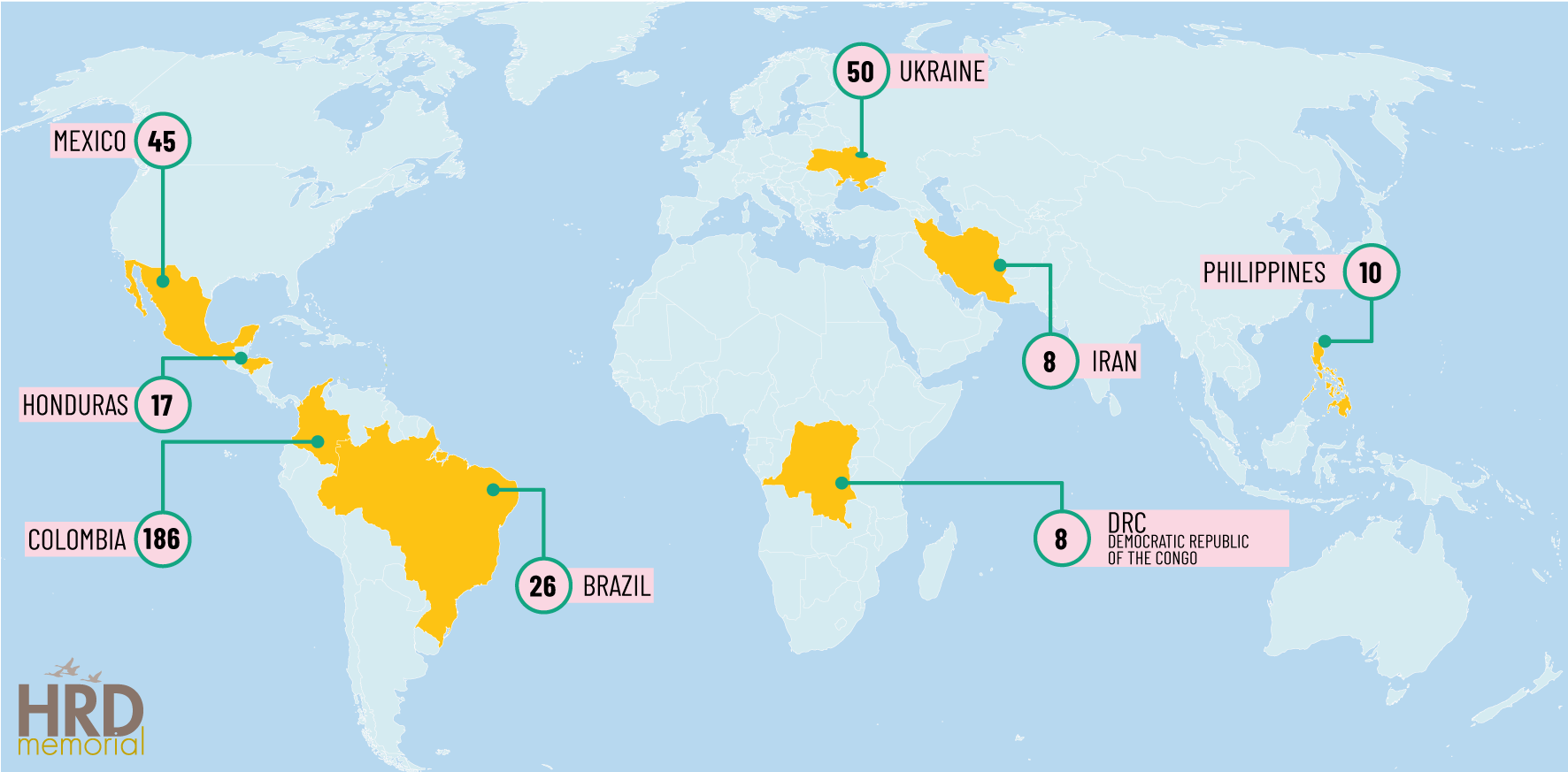
Five countries – Colombia, Ukraine, Mexico, Brazil and Honduras – accounted for over 80% of killings, according to HRD Memorial data. Colombia alone accounted for 46% of the total, with at least 186 killings documented and verified by HRD Memorial partner Somos Defensores to date. Defenders working on land, indigenous peoples’ and environmental rights were the most frequently targeted sector, accounting for almost half (48%) of the total killings.
In the context of Russia’s full-scale invasion of Ukraine, defenders engaged on humanitarian response and human rights journalists were also specifically targeted, with at least 50 documented killings by Russian military forces.
Wide array of threats
Global Analysis 2022 data is based on more than 1,500 threats and violations reported to Front Line Defenders, and is disaggregated by region, type of threat, sector of human rights work and gender.
The main threats HRDs reported to Front Line Defenders in 2022 included: arrest or detention (19.5%); legal action (14.2%); physical attack (12.8%); death threats (10.9%); and surveillance (9.6%). In Asia and the Americas, death threats were the most frequent violation against defenders; in Africa it was arrest and detention; while in ECA and MENA it was legal action against HRDs.
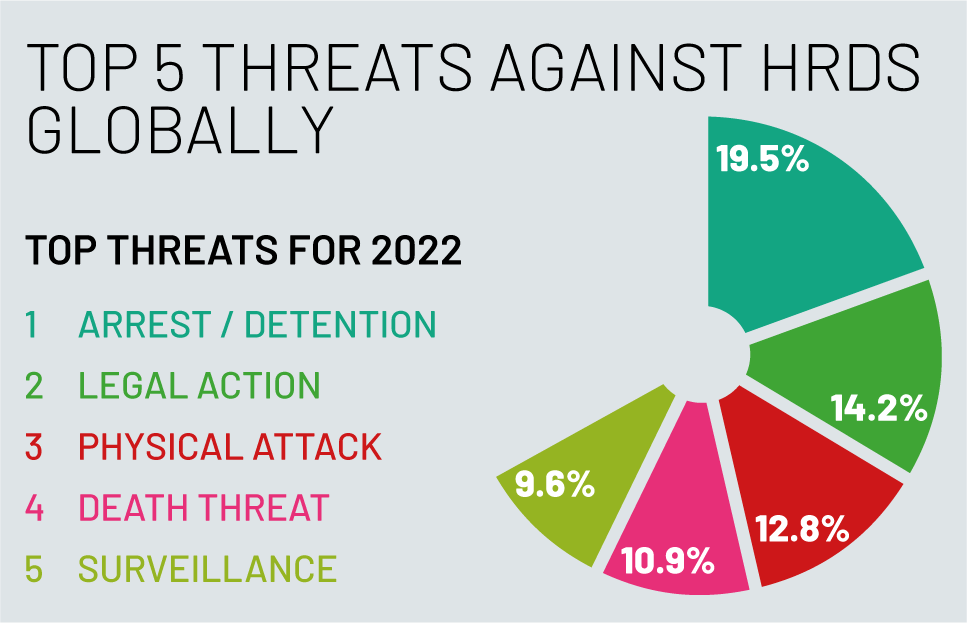
Women HRDs (WHRDs) were frequently targeted with death threats, which accounted for the third most common violation against them. Physical violence was the most prevalent violation reported by trans and gender variant/gender nonconforming HRDs.
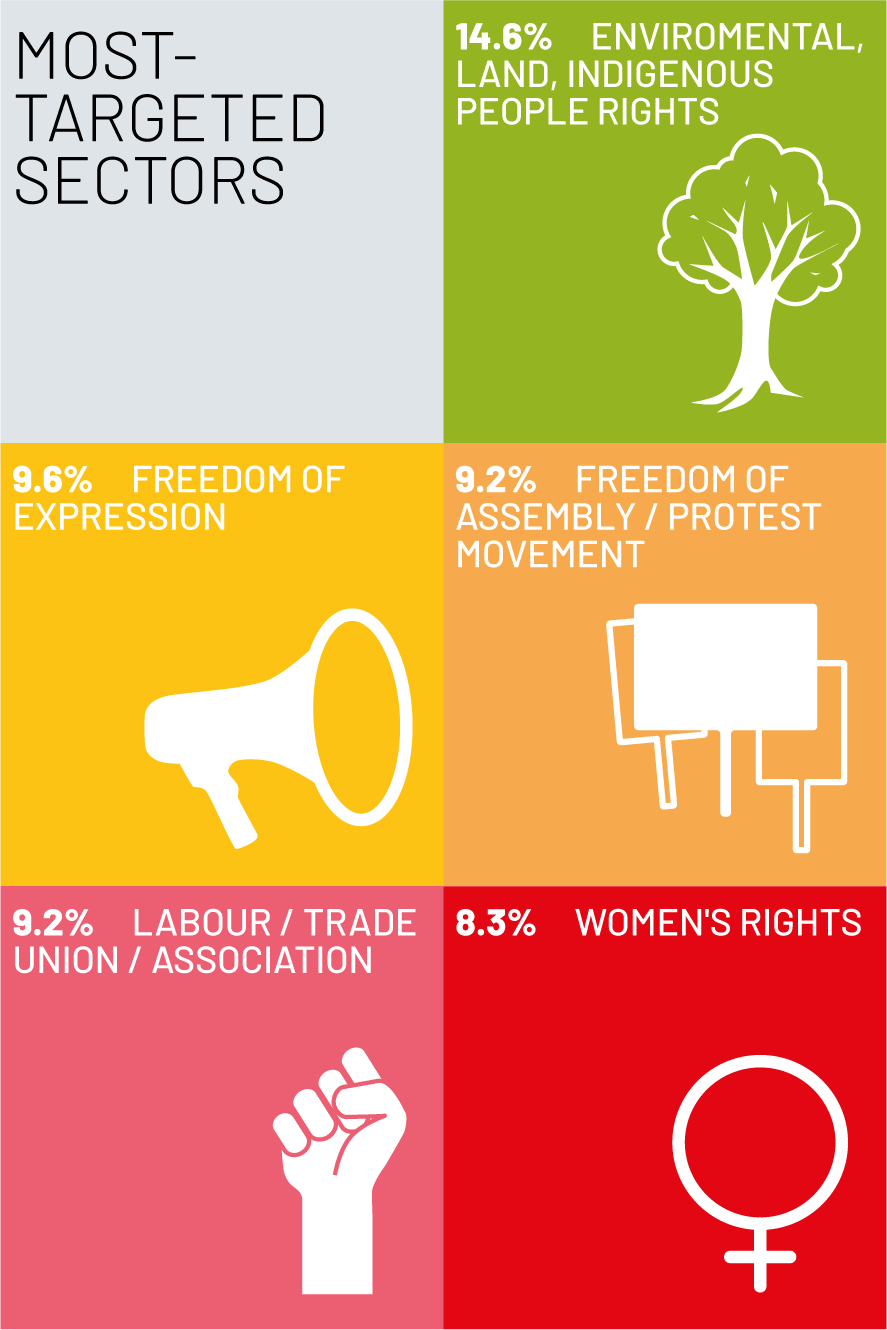
The five most targeted sectors of human rights defence were: environmental, land and indigenous peoples’ rights (11%); freedom of expression (10%); protest movement/ freedom of assembly (9%); women’s rights (7%); and impunity and access to justice (6%).
________________________________________________________________________________________________________________________________
About the data on killings: Front Line Defenders manages the collection of partner-verified data-sets under the HRD Memorial umbrella. The partners in the HRD Memorial are: ACI-Participa (Honduras); Amnesty International; Comité Cerezo (Mexico); FIDH; Front Line Defenders; Global Witness; Human Rights Defenders’ Alert – India; Karapatan (the Philippines); OMCT; El Programa Somos Defensores (Colombia); Red TDT (Mexico); and UDEFEGUA (Guatemala).
About the data on other violations against HRDs: This is derived from 1,583 reported threats and violations, based on Front Line Defenders’ urgent actions and approved grants between 1 January and 31 December 2022. For more details, see the Methodology section of the report.
for last year’s report, see: https://www.frontlinedefenders.org/en/resource-publication/global-analysis-2021-0
Download the Global Analysis 2022
https://www.theguardian.com/world/2023/apr/04/colombia-human-rights-defenders-killings-2022
Global Witness report 2021: continued disaster
October 5, 2022Stuti Mishra in the Independent of 29 September 2022 summarises and analyses the report “A Decade of Defiance: Ten years of reporting land and environmental activism worldwide” by Global Witness
More than 1,700 environmental defenders have been killed around the world in the last decade with one death reported every other day on average…The report titled A Decade of Defiance: Ten years of reporting land and environmental activism worldwide, released by Global Witness, reveals the increasing threats environmental activists are facing as the climate and biodiversity crisis worsens.
The research states that a total of 1,733 people have been killed over the past 10 years trying to protect their land and resources. That is an average of one defender killed approximately every two days over 10 years.
The report shows Brazil has been the deadliest country for environmental defenders with 342 lethal attacks reported since 2012 with over 85 per cent of killings within the Brazilian Amazon.
The data found within the report also shows that over half of the attacks over the 10-year period have taken place in three countries — Brazil, Colombia, and the Philippines — with around 300 killings reported in these countries.
Mexico and Honduras witnessed over 100 killings while Guatemala and India saw 80 and 79 respectively, remaining one of the most dangerous countries. The report also reports 12 mass killings, including three in India and four in Mexico.
Mexico was the country with the highest recorded number of killings in 2021, totalling 54 killings, up from 30 the previous year. Almost half of those killed were again Indigenous people while over a third were forced disappearances, including at least eight members of the Yaqui community.
The report also reveals that over three-quarters of the attacks recorded in 2021 took place in Latin America. In Brazil, Peru and Venezuela, a big majority of 78 per cent of these attacks occurred in the Amazon.
Meanwhile, the biggest increase in lethal attacks was witnessed in Brazil and India in 2021 with 26 deaths reported in Mexico, up from 20 and 14 in India, up from four.
Both Colombia and the Philippines saw a drop in killings to 33 in 2021 from 65, and 19 from 30 in 2021 respectively. Yet overall they remain two of the countries with the highest numbers of killings in the world since 2012.
2021 Highlights from Global Witness report
- Around 200 Land and Environmental Defenders were killed in 2021 – nearly four people a week
- Over three-quarters of the attacks recorded in 2021 took place in Latin America
- Nearly 40 per cent of all attacks reported were against Indigenous people
- Mexico recorded the highest number of killings in 2021
- Brazil and India both saw a rise in lethal attacks in 2021
- 50 of the victims killed in 2021 were small-scale farmers
- Around 1 in 10 of the defenders recorded killed in 2021 were women, nearly two-thirds of whom were Indigenous [see also: https://humanrightsdefenders.blog/2021/09/13/global-witness-2020-the-worst-year-on-record-for-environmental-human-rights-defenders/]
In Africa, the Democratic Republic of Congo remained the country with the highest number of attacks — eight defenders were killed there in 2021. All eight of these killings were in Virunga National Park, which remains extremely dangerous for the park rangers protecting it.
The organisation began collecting data on attacks against those defending land and the environment in 2012 and found that the control and use of land and territory is a central issue in countries where defenders are threatened. Much of the increasing killing, violence and repression is linked to territorial conflicts and the pursuit of economic growth based on the extraction of natural resources from the land, it states. The research has also highlighted that Indigenous communities in particular face a disproportionate level of attacks — nearly 40 per cent — even though they make up only 5 per cent of the world’s population.
However, the research found that the figures also do not capture the true scale of the problem, as tightened control on media has led to severe underreporting in some countries where environmental defenders are most vulnerable. Research has also found that few perpetrators of killings are rarely ever brought to justice due to the failures of governments to properly investigate these crimes.
While a majority of these attacks are not properly investigated or reported on, a big proportion of these attacks were linked to sectors like mining and infrastructure, including large-scale agribusiness and hydroelectric dams.
Many authorities ignore or actively impede investigations into these killings often due to alleged collusion between corporate and state interests, the report says.
All over the world, Indigenous peoples, environmental activists and other land and environmental defenders risk their lives for the fight against climate change and biodiversity loss.
They play a crucial role as a first line of defence against ecological collapse, yet are under attack themselves facing violence, criminalisation and harassment perpetuated by repressive governments and companies prioritising profit over human and environmental harm.
a spokesperson for Global Witness said
“With democracies increasingly under attack globally and worsening climate and biodiversity crises, this report highlights the critical role of defenders in solving these problems,” a spokesperson for Global Witness said, adding that the organisation makes an “urgent appeal for global efforts to protect and reduce attacks against them.”
Apart from killings, the report also reveals a number of tactics being used to silence them, like death threats, surveillance, sexual violence, or criminalisation – and that these kinds of attacks are even less well reported.
https://www.globalwitness.org/en/campaigns/environmental-activists/decade-defiance/
Bolsonaro’s “indigenous medal” is giving awards a bad name.
March 26, 2022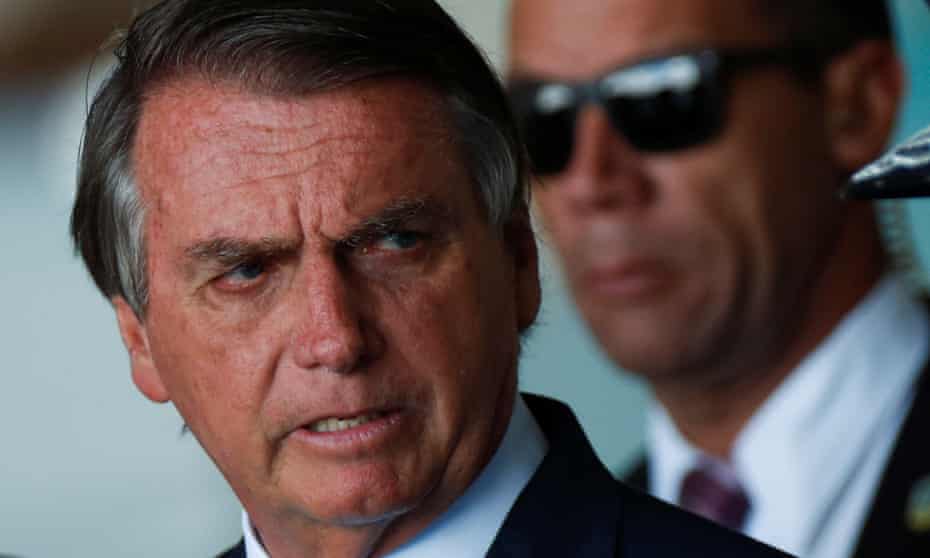
Indigenous leaders said Jair Bolsonaro had spent three years promoting legislation that would open their territories to commercial development. Photograph: Adriano Machado/Reuters
Tom Phillips on 17 March 2022 reported how the Brazilian Government honours a president who activists accuse of undermining Indigenous protections.
Brazilian activists are outraged after Jair Bolsonaro – who has been accused of spearheading a cataclysmic attack on Indigenous rights – was honoured by his own government for his supposedly “altruistic” efforts to protect Indigenous lives.
Bolsonaro was granted the Medal of Indigenous Merit on Wednesday in recognition of what the justice ministry called his attempts to defend Indigenous communities in the South American country.
The same honour was bestowed upon key Bolsonaro allies, including his health, defence and agriculture ministers and the hardline institutional security chief, Augusto Heleno, who has accused Indigenous activists of committing crimes against the state by criticising the government’s policies overseas.
Indigenous leaders reacted to the award with disbelief and exasperation, noting how Brazil’s far-right president had spent three years undermining its Indigenous and environmental protection agencies, Funai and Ibama, and promoting legislation that would open Indigenous territories to commercial development.
The Articulation of Indigenous Peoples of Brazil criticised the government’s “contemptuous gesture”. “They want to destroy us at all costs and, as if that wasn’t enough, they now want to pay tribute to themselves in our name?” the group said, claiming Bolsonaro deserved only “the medal of Indigenous genocide”.
Alessandra Korap, an activist from the Amazon’s Munduruku people, said Bolsonaro needed to be arrested, not honoured “for all the destruction he has inflicted on Indigenous people and the forest”. [see also: https://humanrightsdefenders.blog/2020/10/14/brazilian-alessandra-korap-munduruku-wins-2020-robert-f-kennedy-human-rights-award/]
“Now he wants to use the Ukraine war [as justification] for allowing mining, oil and gas exploration, hydroelectric dams and soy plantations on Indigenous lands,” Korap added, in reference to recent moves to fast-track draft legislation allowing such activities.
Alessandro Molon, the lower house leader of Brazil’s opposition, urged Congress to strip Bolsonaro of the medal. “It’s a mockery that the same government that is trying to legalise mining on Indigenous lands – endangering the existence of these utterly persecuted and mistreated people – has the nerve to award itself medals of ‘merit’ for all of the harm it has caused over the past three years,” Molon told the magazine Veja.
“If Congress doesn’t overrule this absurdity it will be associating itself with this unprecedented assault on Indigenous people,” Molon said.
Front Line Defenders Award for Human Rights Defenders 2021
December 14, 2021With some delay (apologies), here are the winners of the 2021 Front Line Defenders Award for Human Rights Defenders at Risk. For more on this award and all its laureates, see: https://www.trueheroesfilms.org/thedigest/awards/2E90A0F4-6DFE-497B-8C08-56F4E831B47D
The short videos above provide more information on the laureates:
2021 – Africa: Aminata Fabba, Sierra Leone
– Americas: Camila Moradia, Brazil
– Asia: Mother Nature Cambodia, Cambodia [see also: https://humanrightsdefenders.blog/2021/06/22/continued-harassment-of-mother-nature-defenders-in-cambodia/]
– Europe & Central Asia 1: Siarhei Drazdouski & Alah Hrableuski, Belarus
– Europe & Central Asia 2: Mamadou Ba, Portugal
– Middle East & North Africa: Sami & Sameeha Huraini, Palestine.
To watch the on-line ceremony:
https://www.frontlinedefenders.org/en/front-line-defenders-award
World Press Freedom Index 2021 is out
April 24, 2021
The 2021 World Press Freedom Index compiled by Reporters Without Borders (RSF) shows that journalism, the main vaccine against disinformation, is completely or partly blocked in 73% of the 180 countries ranked by the organisation.
This year’s Index, which evaluates the press freedom situation in 180 countries and territories annually, shows that journalism, which is arguably the best vaccine against the virus of disinformation, is totally blocked or seriously impeded in 73 countries and constrained in 59 others, which together represent 73% of the countries evaluated. These countries are classified as having “very bad,” “bad” or “problematic” environments for press freedom, and are identified accordingly in black, red or orange on the World Press Freedom map. To compare with last year, see: https://humanrightsdefenders.blog/2020/04/21/2020-world-press-freedom-index-is-out/
The Index data reflect a dramatic deterioration in people’s access to information and an increase in obstacles to news coverage. The coronavirus pandemic has been used as grounds to block journalists’ access to information sources and reporting in the field. Will this access be restored when the pandemic is over? The data shows that journalists are finding it increasingly hard to investigate and report sensitive stories, especially in Asia, the Middle East and Europe.
The 2021 Edelman Trust barometer reveals a disturbing level of public mistrust of journalists, with 59% of respondents in 28 countries saying that journalists deliberately try to mislead the public by reporting information they know to be false. In reality, journalistic pluralism and rigorous reporting serve to combat disinformation and “infodemics”, including false and misleading information.
“Journalism is the best vaccine against disinformation,” RSF secretary-general Christophe Deloire said. “Unfortunately, its production and distribution are too often blocked by political, economic, technological and, sometimes, even cultural factors. In response to the virality of disinformation across borders, on digital platforms and via social media, journalism provides the most effective means of ensuring that public debate is based on a diverse range of established facts.”
For example, President Jair Bolsonaro of Brazil (down 4 at 111th) and President Nicolás Maduro of Venezuela (down 1 at 148th) promoted medically unproven Covid-19 remedies. Their false claims were debunked by investigative journalists at media outlets such as Brazil’s Agência Pública and in-depth reporting by Venezuela’s few remaining independent publications. In Iran (down 1 at 174th), the authorities tightened their control over news coverage and stepped up trials of journalists in order to weaken the media’s ability to scrutinise the country’s Covid-19 death toll. In Egypt (166th), President Abdel Fattah Al-Sisi’s government simply banned the publication of any pandemic statistics that didn’t come from the Ministry of Health. In Zimbabwe (down 4 at 130th), the investigative reporter Hopewell Chin’ono was arrested shortly after helping to expose the overbilling practices of a medical equipment supply company.
Biggest movements in the Index
Norway is ranked first in the Index for the fifth year running even though its media have complained of a lack of access to state-held information about the pandemic. Finland maintained its position in second place while Sweden (up 1 at 3rd) recovered its third place ranking, which it had yielded to Denmark (down 1 at 4th) last year. The 2021 Index demonstrates the success of these Nordic nations’ approach towards upholding press freedom.
The World Press Freedom map has not had so few countries coloured white – indicating a country situation that is at least good if not optimal – since 2013, when the current evaluation method was adopted. This year, only 12 of the Index’s 180 countries (7%) can claim to offer a favourable environment for journalism, as opposed to 13 countries (8%) last year. The country to have been stripped of its “good” classification is Germany (down 2 at 13th). Dozens of its journalists were attacked by supporters of extremist and conspiracy theory believers during protests against pandemic restriction….The country that fell the furthest in 2021 was Malaysia (down 18 at 119th), where the problems include a recent “anti-fake news” decree allowing the government to impose its own version of the truth. Big descents were also registered by Comoros (down 9 at 84th) and El Salvador (down 8 at 82nd), where journalists have struggled to obtain state-held information about the government’s handling of the pandemic.
Amazon Forest Defender Osvalinda winner Edelstam Prize 2020
November 25, 2020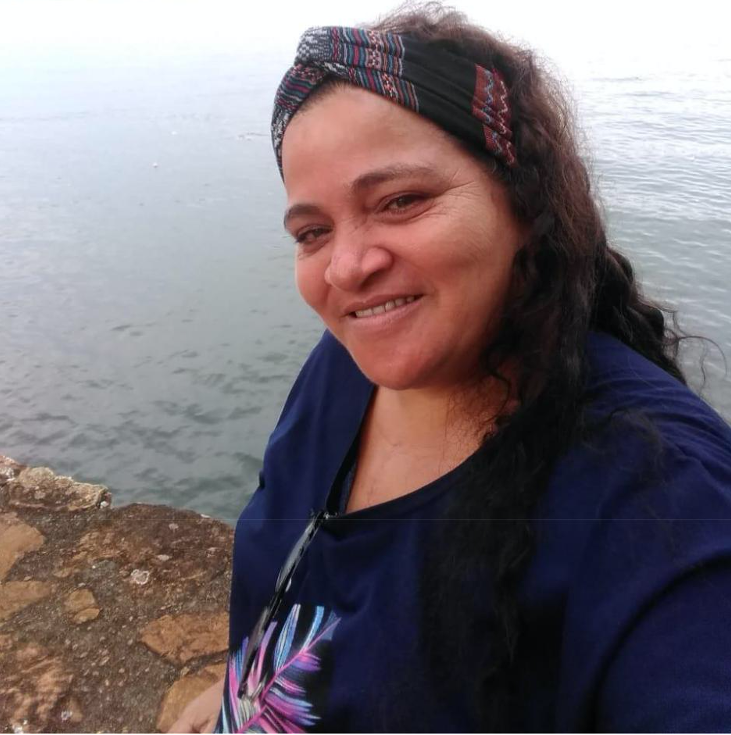
The Edelstam Prize 2020 is awarded to Osvalinda Marcelino Alves Pereira from the Amazon rainforest territory in Brazil for outstanding contributions and exceptional courage. She has fearlessly and continuously been reporting to federal authorities illegal logging of the forest in the Areia region. For more on this and similar awards, see: https://www.trueheroesfilms.org/thedigest/award/CAA00E38-C320-41E0-9FD4-B3BF3DC0D54F
Mrs. Osvalinda Alves Pereira from Pará in Brazil is an Amazon rainforest defender and community organizer who puts herself at great risk in defending the forest and its population. Defending the forest from illegal logging is very dangerous, as laws are rarely enforced against the perpetrators of the abuses. Criminal logging networks deploy men to protect their illegal activities and intimidate, threaten and kill those who obstruct their activities which are causing the deforestation and destruction of the Amazon rainforest.
Osvalinda Alves Pereira and her husband, Mr. Daniel Alves Pereira, have received numerous threats for nearly a decade from criminal networks involved in illegal logging in the state of Pará. For more than 18 months they have been in hiding, with the support of the Federal Program to Protect Human Rights Defenders, Journalists, and Environmental Defenders; however, they are now back in Pará as they feel that, even if the security is not strong enough, they have to continue their work within the rainforest areas where the illegal logging is taking place.
“The courageous activity of Mrs. Osvalinda in reporting illegal logging of the Amazon rainforest despite constant threats and in standing up for her convictions in times when justice is required sets an important example for the resilience needed to protect and defend our environment. Brazil has signed the Paris Agreement on Climate Change and has committed to eliminate illegal deforestation in the Amazon by 2030. However, authorities are failing to implement and enforce environmental laws in the Amazon, which heavily undermines the work to protect the forest,” says Caroline Edelstam, Chair of the Edelstam Prize Jury and co-founder of the Edelstam Foundation
Large farmers involved in illegal logging often use land-reform settlements where poor farmers have small plots to have access to the nearby protected forests. Osvalinda Alves Pereira founded the Areia II Women’s Association to develop sustainable organic agriculture and to reforest areas where logging has occurred. She is a local leader of the Areia Settlement Project, which is geographically situated as a gateway to three major conservation units: the Trairao National Forest, the Riozinho de Afrisio Extractive Reserve, and the Jamanxim National Park, which are areas of great interest to illegal loggers. Pará is today the state with the highest reported number of conflicts over land and resources.
In spite of offers of bribes and persistent threats, Osvalinda Alves Pereira has courageously continued to report the activities of the illegal loggers. Criminal networks are engaged in the large-scale extraction, processing, and sale of timber, illegal land seizures, as well as illegal mining in the Amazon. They employ armed men to intimidate the local population. The vast majority of threats and attacks against forest defenders is never properly investigated or punished. As a consequence, forest defenders are at great risk, and Osvalinda Alves Pereira fears for her life.
“It is important to find ways to enforce national and international law and promote accountability for serious abuses of human rights. In this case, Brazil, should be able to provide protection to forest defenders who receive death threats. Impunity is not an option. The international community also has a responsibility to uphold justice and ensure the protection of victims and defenders of the forest, including both environmental enforcement officials and members of the Indigenous and other local communities, and to uphold the principle that nobody is above the law. This year, nearly 8000 square kilometres have been deforested,” says Caroline Edelstam, Chair of the Edelstam Prize Jury.
The prize will be awarded during a live-streamed ceremony tomorrow, the 24th of November at 5 pm CET, 2020 on http://www.edelstam.org
https://www.hrw.org/news/2020/11/23/brazilian-forest-defenders-are-not-alone
b
Climate defense suffers from on-line abuse of Environmental Defenders
October 30, 2020Deutsche Welle carries a long but interesting piece on “What impact is hate speech having on climate activism around the world?”
From the Philippines to Brazil and Germany, environmental activists are reporting a rise in online abuse. What might seem like empty threats and insults, can silence debate and lead to violence.
Renee Karunungan, an environmental campaigner from the Philippines, says being an activist leaves you “exposed” and an easy target for online hate. And she would know. “I’ve had a lot of comments about my body and face,” she says, “things like ‘you’re so fat’ or ‘ugly’,” she says. “But also, things like ‘I will rape you‘.” Such threats were one reason she decided to leave the country.
There isn’t much data on online abuse against environmentalists. But Karunungan is one of many saying it’s on the rise.
As it becomes woven into the fabric of digital life, we sometimes forget the impact a single comment can have, Karunungan says: “The trauma that an activist feels – it is not just ‘online’, it is real. It can get you into a very dark place.”
Platforms like TikTok and Facebook have begun responding to calls for stricter regulation for stricter regulations. [see also: https://humanrightsdefenders.blog/2020/06/03/more-on-facebook-and-twitter-and-content-moderation/]..
“There is also a huge gray zone,” says Josephine Schmitt, researcher on hate speech at the Centre for Advanced Internet Studies, and definitions can be “very subjective.” ..
While no international legal definition exists, the UN describes hate speech as communication attacking people or a group “based on their religion, ethnicity, nationality, race, color, descent, gender or other identity factor.”
According to several researchers and activists, environmental campaigning also serves as an identifying factor that attracts hate.
“Environmental defenders are attacked because they serve as a projection surface for all kinds of group-based enmity,” says Lorenz Blumenthaler of the anti-racist Amadeu Antonio Foundation.
Blumenthaler says his foundation has seen an “immense increase” in hate speech against climate activists in Germany – and particularly against those who are young and female. This year Luisa Neubauer, prominent organiser of Germany’s Fridays for Future movement, won a court case regarding hateful comments she received online. This came after far-right party Alternative für Deutschland’s criticisms of Greta Thunberg included likening her to a cult figure and mocking her autism.
In Bolsonaro’s Brazil, for example, Mary Menton, environmental justice research fellow at Sussex University, says in there is often a fine line between hate speech and smear campaigns. She has seen an increase in the use of fake news and smear campaigns – on both social and traditional media – aiming to discredit the character of Indigenous leaders or make them look like criminals. Coming from high-level sources, as well as local lobbies and rural conglomerates, these attacks create an atmosphere of impunity for attacks against these Indigenous activists, Menton says, while for activists themselves, “it creates the sense there is a target on their backs.“..
Some of it comes from international “climate trolls” calling climate change a hoax or the activists too young and uninformed. But the most frightening come from closer to home. “Some people outrightly say we are terrorists and don’t deserve to live,” Mitzi says. In Philippines, eco-activists are targets for “red-tagging” – where government and security forces brand critics as “terrorists” or “communists.”
Global Witness ranks it the second most dangerous place in the world for environmental defenders, with 46 murders last year, and Mitzi believes there is a clear link between hate speech online and actual violence.
Online hate can delegitimize certain political views and be the first step in escalating intimidation. Mitzi says many environmental groups are frightened of having their offices raided by the police and have experienced being put under surveillance.
Ed O’Donovan, of Irish-based human rights organization Frontline Defenders says in contrast to the anonymous targeting of human rights defenders by bots, attacks on climate activists “often originate with state-controlled media or government officials.”
And they can serve a very strategic purpose, dehumanizing activists so that there is less outrage when they are subject to criminal process, or even attacked and killed. Extractive industries and businesses are also involved, he adds, highlighting how “very calculated” hate speech campaigns are used to divide local communities and gain consent for development projects.
Indigenous people protesting against large-scale projects, like these activists against a mine in Peru, are particular targets for hate campaigns For those invested in suppressing climate activism, Wodtke says hate speech can be a low-cost, high-impact strategy. For environmental defenders, it diverts their “attention, resources and energy,” forcing them into a position of defence against attacks on their legitimacy. …
Brazilian Alessandra Korap Munduruku Wins 2020 Robert F. Kennedy Human Rights Award
October 14, 2020
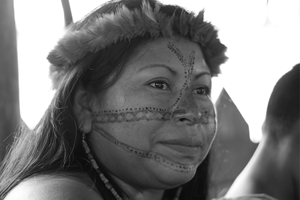
Robert F. Kennedy Human Rights has named Alessandra Korap Munduruku the winner of its 2020 Human Rights Award for her work defending the culture, livelihoods, and rights of Indigenous peoples in Brazil.
Indigenous peoples, including Alessandra’s Munduruku community, have faced tremendous challenges in Brazil in recent years—from gold miners and loggers illegally invading and exploiting Indigenous territories; to widespread fires in the Amazon; and an increased risk to the coronavirus; not to mention a combative president who’s proactively removed protections for Indigenous tribes and insulted them on numerous occasions.
As one of the key leaders and organizers of the Munduruku people, Alessandra has fought to stop construction projects and illegal mining that are infringing upon Munduruku territory, garnering international attention and support. She’s advocated for the demarcation of Indigenous lands and for Indigenous communities to be consulted on decisions that affect their territories. Alessandra has also played an important role in advancing the leadership of women in the Munduruku community and among other Indigenous tribes in Brazil through her involvement in the Wakoborûn Indigenous Women’s Association and the Pariri Indigenous Association.
“I’m humbled to be this year’s Robert F. Kennedy Human Rights Award winner,” said Alessandra Korap Munduruku. “To have the additional backing and support of Kerry Kennedy and her entire organization, especially during the pandemic, will make all the difference as we continue to fight for our rights, including the demarcation of our lands to ensure that Indigenous peoples have their autonomy, and for the fight of women who are also the strength of the resistance.”
“Throughout history, Indigenous peoples, including the Munduruku, have repeatedly been oppressed, silenced, and subjected to horrific human rights abuses,” said Kerry Kennedy, president of Robert F. Kennedy Human Rights. “Alessandra has heroically faced intimidation and violence for defending Indigenous rights across Brazil—including the ability to oppose projects and developments that affect her peoples and their livelihoods. She is a champion of women’s rights, Indigenous rights, and the foundational right of all human rights—civic space. Civic space protects the right to dissent, to advocate and to defend human rights, free of government reprisal. It is the keystone of a functioning democracy.”
Alessandra will be honored at a virtual ceremony on Thursday, October 22, at 6:00pm EDT. The event is free and open to the public. You can register here.
Kerry Kennedy will present the award, followed by a keynote address from former U.S. Secretary of State John Kerry on the countless threats and challenges Indigenous peoples face around the world. Andrew Revkin, director of Columbia University’s Earth Institute, will then moderate a discussion on the pathways forward for Indigenous peoples in Brazil with an esteemed panel of experts:
- Juarez Saw Munduruku, Chief of the Sawré Muybu village in Brazil
- Maria Leusa Cosme Kaba, a Munduruku women’s leader
- Francisco Calí Tzay, UN Special Rapporteur on the Rights of Indigenous Peoples
- Sebastião Salgado, Award-winning French-Brazilian documentary photographer
- Antonia Urrejola Noguera, Rapporteur on the Rights of Indigenous Peoples and Commissioner of the Inter-American Commission on Human Rights
- Christian Poirier, Program Director at Amazon Watch
- For more on the Robert F. Kennedy Human Rights award, see: https://www.trueheroesfilms.org/thedigest/award/69FD28C0-FE07-4D28-A5E2-2C8077584068
Sergio Pinheiro, UN human rights veteran, speaks out
September 21, 2020swissinfo.ch: After 25 years of service at the UN, what role do you believe the international body can actually play to protect human rights?
Paulo Sérgio Pinheiro: If we think of the United Nations as a whole, from the very beginning human rights have been at its core, starting with the 1948 Universal Declaration of Human Rights. They are present in decisions at the General Assembly and the Security Council. All UN agencies protect human rights around the world. But the most important body that ensures this is the UN Human Rights Council in Geneva, with its special rapporteurs [in place] since 1979 examining the human rights situation in various countries, assisted by the UN High Commissioner for Human Rights.
Paulo Sergio Pinheiro (centre) listens to an official while visiting the Shwedagon pagoda in Yangon, Myanmar, during his visit to the Asian country in November 2007 as an independent rights investigator. Keystone / Str
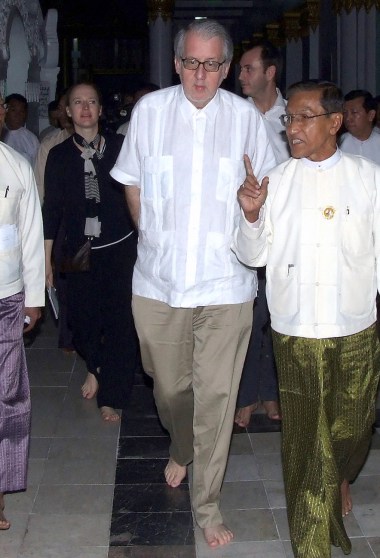 Paulo Sergio Pinheiro (centre) listens to an official while visiting the Shwedagon pagoda in Yangon, Myanmar, during his visit to the Asian country in November 2007 as an independent rights investigator.
 Have you experienced any frustrations because of the limits of the international role?
Only the victims – whom I prefer to call survivors – of human rights violations can feel frustration. Those of us who try to bring rights violations to light and seek justice are only frustrated by UN bodies that don’t function as they should. After more than 10 years of human rights violations and war crimes [in Syria, for example], the malfunctioning of the Security Council means that these crimes are not being tried at the International Criminal Court. This is not only frustrating but also inexplicable for survivors of the war.
In Burundi, in your first assignment in 1995, there was a real expectation that progress would be made. Did it work out?
The special rapporteur has no magic wand to change the situation in a particular country. But it makes a difference that there were special rapporteurs and, after 2016, a commission of inquiry. Local civil society is stronger, and the government feels empowered in the area of human rights. My best interlocutor there was the human rights minister Eugene Nindorera, who later became a UN director of human rights for missions in Ivory Coast and South Sudan.
You also spent years dealing with Myanmar and its leader, Aung San Suu Kyi, when she was still under house arrest. What were those meetings like?
Myanmar was an exceptional case, because it was a military government that wanted to get closer to UN human rights bodies and civil society. During the first four years, I got access to all the places and institutions I requested. But neither I nor the other UN representatives in the country responded satisfactorily to this openness. The government therefore was not able to justify our presence to the military junta [which effectively ruled the country] and was eventually ousted. I did not go back until four years later, in 2007, when there was an uprising by the [Buddhist] monks and civil society.
The war in Syria is now nearly ten years old, and the inquiry you are leading has gathered an unprecedented amount of information on the crisis. What can you do with this information?
The Independent International Commission of Inquiry on the Syrian Arab Republic is not a court, and it doesn’t have any competence in political negotiations. The aim of these commissions is to investigate and document human rights violations, war crimes, and crimes against humanity. We work to address the right to truth of the Syrian people.
Our database has been used in investigations into human rights perpetrators of the conflict that were opened in several countries. Our data has also been used by the International Impartial and Independent Mechanism on Syria, which is preparing criminal cases to be brought before the courts in the future.
2020 also marks the 75th anniversary of the UN. What is there to celebrate?
There is more to commemorate than there is to regret. Let’s imagine that the UN did not exist. International conflicts would be much more intense, humanitarian crises would not be addressed, and there would be even fewer guarantees of economic and social rights. And the application, even if flawed, of the principles of the Universal Declaration and the human rights conventions would be even less effective. My assistant when I was working in Burundi, Brigitte Lacroix, said to me when she left: “Paulo, what really matters is what you will do for the victims. From the perspective of the survivors, we must be glad because they are at the centre of our actions.”
The UN and multilateralism are at a crossroads, and the response to the pandemic is showing that. Is there a real risk to the system?
The pandemic has clearly exposed the inequality, the concentration of income, and the racism that continue to prevail in almost all societies, both in the North and the South. No one has escaped. Those who were poor are getting poorer, the healthcare situation of the poor has gotten worse, not only in the lack of care for those affected by Covid-19, but in the right to healthcare in general.
I don’t think that after the pandemic there will automatically be greater solidarity […] or better care for the disenfranchised. For this to happen, UN member states, instead of denying resources to the system – as they did with the WHO – have to increase their political support and financial resources to the UN.
Has your Brazilian citizenship helped you in your international work over the last 25 years?
Latin America, as a former French ambassador to Brazil, Alain Rouquié, says in one of his books, is the “Far West”, a category apart from the western world. Because they are in this group, Brazilians are perceived as being independent. After the return to democracy in 1985 and until the Dilma Rousseff administration [in 2016], Brazil was considered an honest broker – a reliable negotiator. Because during this period we never denied serious human rights violations in Brazil. Every country wanted to be in the picture with Brazil – until the coup against President Dilma Rousseff took place. At the UN Human Rights Council, Brazil was always present for the most sensitive resolutions, such as on homosexuality, racism, and violence against women and children. I think that Brazil’s aura has certainly been of benefit to me.
You were included in a list [of so-called “anti-fascists”] prepared by the Ministry of Justice in Brazil this summer – a dossier of sorts of those who question the government.
It was a strange honour to have been included, when it would have been enough to open Google to see what I think, say and do in Brazil, in UN bodies and around the world. It was a regrettable initiative to resurrect the abhorrent political espionage dossiers of the military dictatorship.
Fortunately, the Federal Supreme Court made a historic decision – in a 9-1 vote on August 21 – to prohibit the Ministry of Justice from distributing these reports on what certain citizens think and do.
—
https://www.swissinfo.ch/eng/un-human-rights-veteran-is-a-target-in-his-native-brazil/46025454

