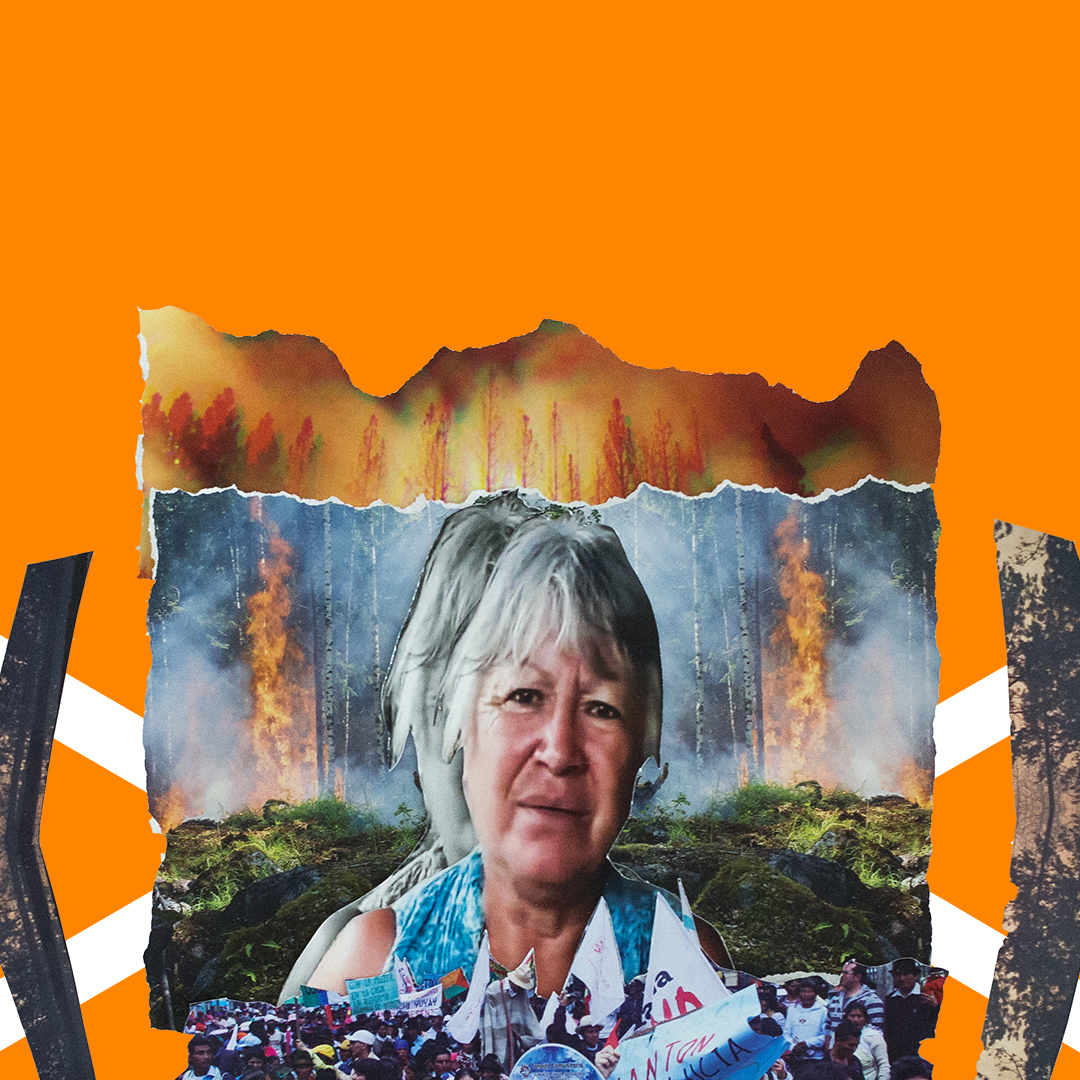
Archive for the 'Amnesty international' Category

Amnesty asks Myanmar to drop charges against detained filmmaker Min Htin Ko Ko Gyi

August 1, 2019
In response to the opening of the trial of filmmaker Min Htin Ko Ko Gyi on 1 August 2019, Nicholas Bequelin, Amnesty International’s Director for East and South East Asia said: “Min Htin Ko Ko Gyi should be celebrated for his human rights work, not wallowing in prison without appropriate care.

Min Htin Ko Ko Gyi is the latest in a long line of Myanmar activists targeted for criticising the Myanmar military. Peaceful comments on Facebook are not a crime, even if they criticise officials, and his is yet another politically motivated trial. Authorities should drop these vindictive charges, and Min Htin Ko Ko Gyi must be immediately and unconditionally released. “We remain deeply concerned about his health in detention, as he recovers from his battle with liver cancer. Min Htin Ko Ko Gyi should be celebrated for his human rights work, not wallowing in prison without appropriate care. “As the 2020 elections draw near, the clock is ticking for the NLD-led government to repeal the abusive legislation repeatedly used against peaceful critics like Min Htin Ko Ko Gyi.

Min Htin Ko Ko Gyi is a prominent filmmaker and founder of the Human Dignity Film Institute and the Human Rights, Human Dignity International Film Festival in Myanmar in 2013 [see: https://humanrightsdefenders.blog/2013/06/06/burmamyanmar-to-have-first-international-human-rights-film-festival-in-june/#more-2975. He was arrested on 12 April 2019 after a Myanmar military official accused him of defamation for a series of Facebook posts critical of the military-drafted 2008 Constitution and the military’s role in politics. He was initially accused of “online defamation” under Section 66(d) of the 2013 Telecommunication Act. Several days later, the same officer who had lodged the initial proceedings filed a second complaint under Section 505(a) of Myanmar’s Penal Code, which prohibits the circulation of statements or reports which could cause a solider or other member of the Myanmar military to “mutiny or otherwise disregard or fail in his duty.” If found guilty and convicted of the 505(a) charge, Min Htin Ko Ko Gyi faces a maximum sentence of two years in prison. The complaint under Section 66(d) – which also carries a maximum of two years in prison – remains pending.

Min Htin Ko Ko Gyi is being detained in Yangon’s Insein prison, where he has been held for more than three months since his arrest. He has been denied bail, despite battling liver cancer and undergoing a major operation earlier this year.

https://www.amnesty.org/en/latest/news/2019/08/myanmar-drop-charges-detained-filmmaker/

Aruanas: human rights defenders in fiction series playing in Amazon

July 17, 2019
Eco trip
Michael Pickard Michael Pickard writes in Drama Quarterly of 2 July 2019 about the Brazilian drama Aruanas, which charts the work of environmental human rights defenders who investigate the suspicious activities of a mining company in the Amazon rainforest. The Brazilian drama Aruanas  – launched two weeks ago worldwide – won’t be found on any of the major global streaming giants. Instead, it will be available on a standalone platform for anyone around the globe to download – because the subject matter demands this story not be restricted to viewers with the right kind of subscription. The 10-part Portuguese-language thriller, which is backed by more than 20 international and national non-governmental organisations (NGOs), including WWF Brazil, Amnesty International, Global Witness, UN Environment, UN Women, Oxfam Brazil and the Rainforest Foundation. Greenpeace is a technical collaborator on the show.

Aruanas comes from a partnership between prodco Maria Farinha Films and Brazil’s Globo TV, which have created the fictional story about three idealistic women who set up an NGO to investigate the suspicious activities of a mining company operating in the Amazon. Bypassing traditional broadcast partners by making the series available at aruanas.tv – in more than 150 countries and 11 different languages – also means 50% of the download fee will go to initiatives designed to protect the Amazon rainforest. In Brazil, Globo will air the first episode on its domestic and international channels, which reach more than 100 million people, with the series then being made available on SVoD service Globoplay…

For the last 10 years, Maria Farinha Films has been built on producing documentaries and TV series focusing on social and environmental issues, tackling subjects including childhood obesity, refugees and LGBT rights. Climate change has been a cause long on its agenda but, as the company’s founder Estela Renner explains: “We wanted to do something long term, something that could stay for seasons,” she tells DQ following the London premiere of Aruanas. “There are so many seasons of Grey’s Anatomy and ER and you learn so much about hospitals and the dynamics that are involved. How about making a TV series that takes place in an environmental NGO? What better way to talk about the drama and activists and all issues there are to address – the oceans, oil, soil, air. That’s why we decided to jump into fiction.”

Renner wrote the series with her business partner Marcos Nisti, in collaboration with Pedro de Barros, and developed it alongside Globo. The story introduces Aruana, an NGO that receives an anonymous complaint about a mining company working deep in the Amazon rainforest. When the NGO’s contact is killed and the incriminating dossier is destroyed, its staff become determined to uncover what is going on.

……the series is not a lecture about climate change, nor does it present an unwaveringly positive representation of an NGO or condemn mining outright. “It’s not propaganda. You can see the activists doing stuff you wouldn’t recommend doing,” Renner says. “We found a way to build the layers of the series so we can see why mining can be important, because it develops a country, it creates jobs and it brings development sometimes.

“Even when Natalie interviews our villain, they have a battle where, for a while, you don’t know which side to take because both sides are right. But at the end of the season, we see this type of mining is wrong. You cannot mine and pollute the rivers, the soil, the air and people. You have to do it the right way.”

Renner also states that her NGO partners, which contributed no money to the production, were clear this would be a non-factual drama from the outset: “They were with us from the beginning but they also understood this is fiction. You have to put some salt and pepper in to make it interesting and edgy. All the organisations understood that and were happy. Because it’s  fiction, they knew they didn’t have to correct us. It’s important it’s fiction; it’s not a documentary.”

Filming took place across four months, with the cast and 190-strong crew travelling back and forth between the south-west city of São Paulo and the Amazon, where filming took place in Manacapuru, in the northern state of Amazonas in the centre of the rainforest.

……..
The decision to set the drama within an NGO and the world of its activists doubles as a mechanism for the organisation, in future seasons, to explore other aspects of climate change, looking at the oil industry and the oceans. Work is already progressing on a second season, which will explore a different type of environmental crime. But Renner says that despite Aruanas’ representation of the work of NGOs and their fight for a more equitable and sustainable world, her main priority is to entertain viewers with this high-stakes thriller.

“Chernobyl would be the perfect example because it’s super well done, super entertaining and when you finish watching it, it makes you think this power of destruction we have now is bad,” she says, referring to HBO and Sky Atlantic’s recent miniseries about the 1980s nuclear disaster.

“Maybe people can connect with NGOs and see what they’re doing. We didn’t want this to be too on the nose. We want to stay for several seasons through the characters and their lives, and it does have a happy ending. There are so many series with a dystopian future; dreaming collectively of a good future is important because it has power.”

Eco trip

Harassment of migration human rights defenders in the US alleged by AI

July 8, 2019
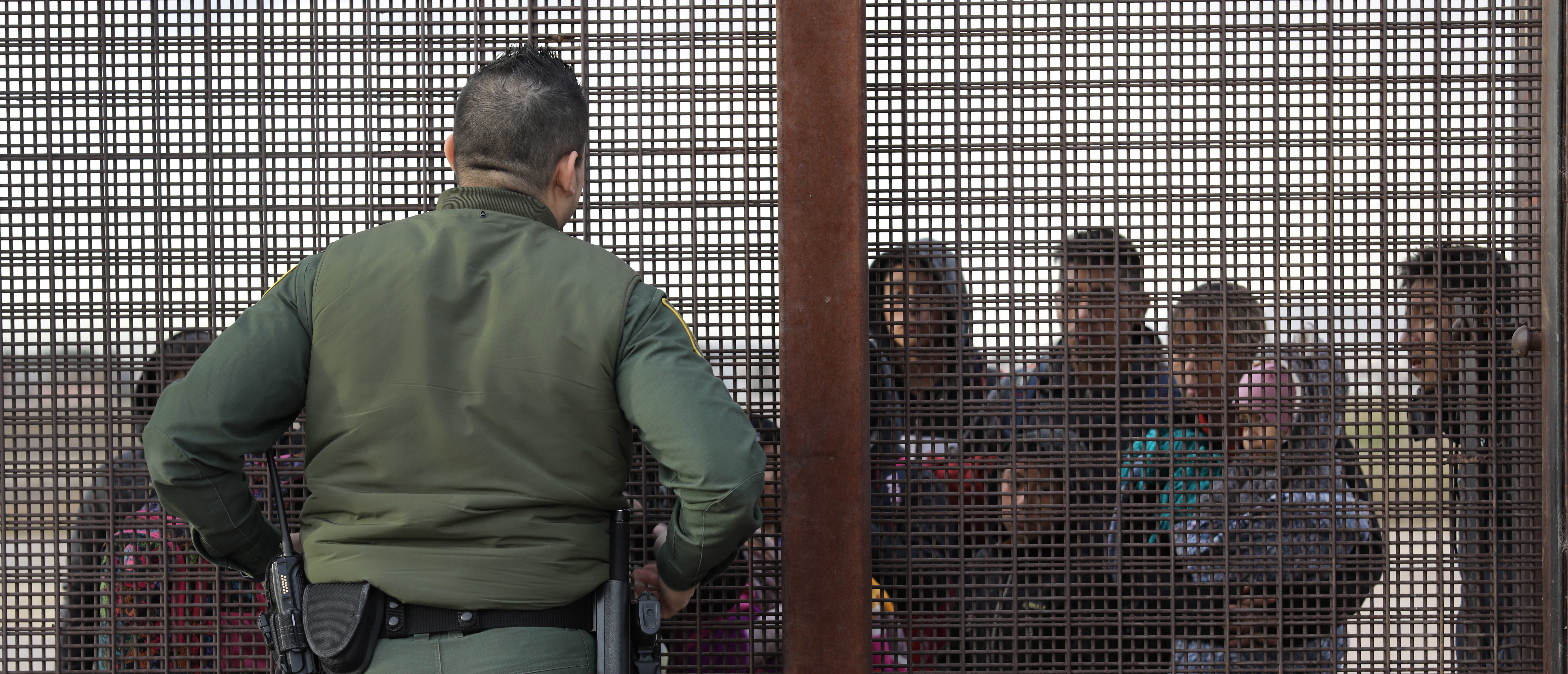
(Photo by John Moore/Getty Images)

On 2 July 2019, Amnesty International said that the Department of Homeland Security (DHS) and the Justice Department are using the justice system to target illegal immigrant activists. “Amnesty International has found since 2018 that the United States (US) government has executed an unlawful and politically motivated campaign of intimidation, threats, harassment, and criminal investigations against people who defend the human rights of migrants, refugees and asylum seekers (‘migrant human rights defenders’) on the US–Mexico border,

The London-based human rights organization interviewed 23 “human rights defenders” who claim they have being targeted by the U.S. government because of their work on behalf of immigrants. Of the 23 who were interviewed, 10 were put under a DHS watch list for their alleged involvement in human smuggling — criminal investigations that Amnesty International referred to as “dubious.” Others alleged instances of targeted harassment and intimidation at the hands of U.S. authorities. The people interviewed by human rights group included activists, lawyers and others who work to promote the interests of illegal aliens.

The Trump administration’s targeting of human rights defenders through discriminatory misuse of the criminal justice system sets it on a slippery slope toward authoritarianism,” Erika Guevara-Rosasa, Americas director for Amnesty International, said in the report. “The US government is disgracing itself by threatening and even prosecuting its own citizens for their vital work to save the lives of people in a desperate situation at the border.”

See also: https://humanrightsdefenders.blog/2019/05/29/also-in-usa-helping-migrants-is-criminalised-scot-warren-in-court-on-29-may/. His case ended in a mistrial: https://theintercept.com/2019/06/12/felony-trial-of-no-more-deaths-volunteer-scott-warren-ends-in-mistrial/ But now faces a retrial: https://www.democracynow.org/2019/7/3/no_more_deaths_scott_warren_retrial

https://dailycaller.com/2019/07/01/amnesty-international-report-migrants/

https://www.amnesty.org/en/latest/news/2019/07/usa-authorities-misusing-justice-system-harass-migrant-human-rights-defenders/

Even Eritrean human rights defenders abroad are not safe

June 27, 2019
Amnesty International published on 27 Jun 2019 a report called “Eritrea: Repression without borders – Threats to human rights defenders abroad

On 12 October 2018 the UN General Assembly elected Eritrea to be one of 47 member states of the UN Human Rights Council (UNHRC), despite its appalling human rights record. UNHRC membership comes with certain commitments, including the requirement to “uphold the highest standards in the promotion and protection of human rights, [and to] fully cooperate with the Council […]”. The Eritrean government falls far short of these requirements in practice – both domestically and internationally. This briefing highlights the routine and widespread use of harassment and threats by the Eritrean government and its supporters against Eritrean human rights defenders. See also: https://humanrightsdefenders.blog/2017/05/04/eritrean-born-journalist-dawit-isaak-awarded-2017-unescos-guillermo-cano-world-press-freedom-prize/

https://reliefweb.int/report/eritrea/eritrea-repression-without-borders-threats-human-rights-defenders-abroad

NGO joint letter to UN Human Rights Council about Belarus

June 16, 2019
Five international human rights organisations (see below), urge the UN Human Rights Council to maintain scrutiny on the human rights situation in Belarus, including by ensuring the renewal of the mandate of the Special Rapporteur and seeking preventive measures to ensure against an increase in human rights violations ahead of upcoming Parliamentary and Presidential elections in Belarus.

1 million people demand that Iranian government release Nasrin Sotoudeh

June 13, 2019

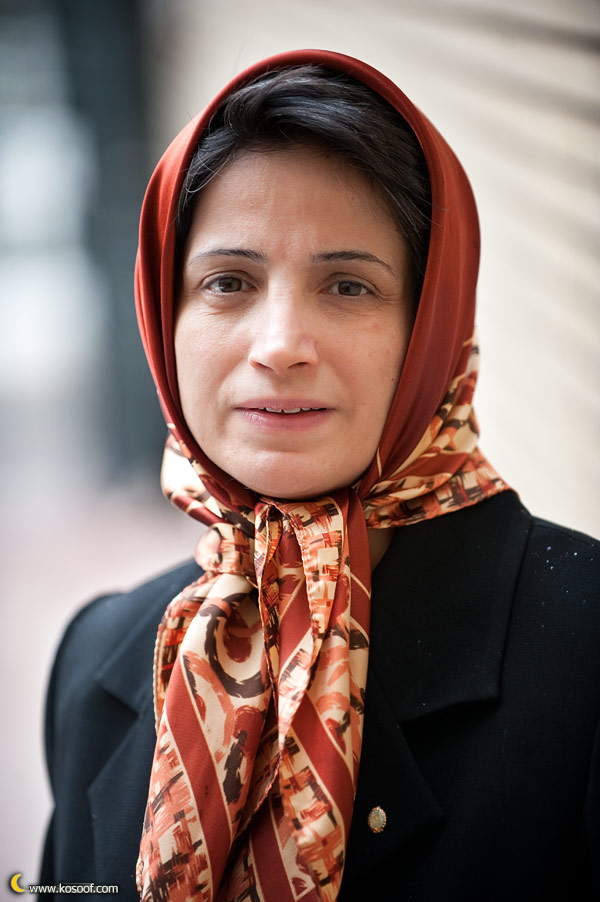
“The cruel sentence handed down to Nasrin Sotoudeh for defending women’s rights and standing up against Iran’s discriminatory and degrading forced veiling laws has sent shock waves around the world. The injustice of her case has touched the hearts of hundreds of thousands of people who, in a moving display of solidarity, have raised their voices to demand her freedom,” said Philip Luther, Research and Advocacy Director for the Middle East and North Africa at Amnesty International.

We hope the support for Amnesty International’s campaign shows Nasrin Sotoudeh that, despite having to face an agonizing ordeal, she is not alone. Her continued detention has exposed the depths of the Iranian authorities’ repression on an international stage. Today we are sending them a clear message: the world is watching and our campaign will continue until Nasrin Sotoudeh is free.

As of 10 June, 1,188,381 people had signed Amnesty International’s petition.

https://www.amnesty.org/en/latest/news/2019/06/more-than-1-million-people-join-global-campaign-to-demand-iranian-government-release-nasrin-sotoudeh/

One-day dialogue on Human Rights Council membership on 1 july 2019

June 12, 2019

ISHR, Amnesty International and Human Rights Watch organise a meeting on STRENGTHENING AND LEVERAGING HUMAN RIGHTS COUNCIL MEMBERSHIP on Monday 1 July 2019, 13h00-14h30 Restaurant des Délégués, 8th Floor, Palais des Nations, Geneva.The composition of the HRC has captured significant public attention over the past year – with people around the world rightly asking: how can States accused of gross and systematic human rights violations become members of the United Nations’ Human Rights Council? And what does that mean for the credibility and effectiveness of this body? Clearly, for the HRC to be effective, and to be credible and relevant to the wider human rights community, and the wider public, it needs members committed to the promotion and protection of human rights at home and abroad in its 47 seats, as foreseen by UNGA resolution 60/251. Of course, no State has a perfect human rights record, and a wide and diverse range of States should be encouraged to address their shortcomings and enhance their commitment to human rights through HRC participation and engagement. While the argument does not apply to candidates that are in clear breach of the membership criteria, HRC membership may be an important incentive for national-level change, particularly where States, as candidates, make voluntary pledges and commitments, and are willing and able to implement them. The framing and implementation of those pledges and commitments is, however, rarely discussed at national or international level. Against this backdrop, in February 2019, Amnesty International, Human Rights Watch, the International Service for Human Rights (ISHR) and HRC-net convened a one-day dialogue bringing together national and regional actors – including human rights defenders and NHRIs – with a cross-regional group of State representatives, OHCHR officials and international civil society, to address two important and interlinked questions regarding HRC membership: 1) how can we encourage greater respect and application of the membership criteria clearly set out in GA resolution 60/251; and 2) how can a State’s membership of the HRC be leveraged for positive change on human rights at national level? Drawing on good practices and lessons learned, participants identified a range of challenges, opportunities and practical recommendations. A report of the one-day dialogue will be presented during a lunch time reception at the Restaurant des Délégués on 1 July, in the side-lines of the 41st session of the Human Rights Council. The reception will provide an opportunity for the presentation of some of the key challenges, opportunities and practical recommendations identified in the report, including with regards to good practice relating to candidacy and membership of the HRC.

Speakers:

  • Ambassador Nazhat Shameem Khan, Permanent Representative of Fiji to the UN
  • Salma El Hosseiny, ISHR’s Human Rights Council Advocate
  • Hilary Power, Amnesty International’s Senior UN Advocate

Please RSVP by clicking here <https://crm.ishr.ch/sites/all/modules/civicrm/extern/url.php?u=884&qid=111418> by 19 June 2019 to confirm your participation at this event.

See also: https://humanrightsdefenders.blog/2017/09/02/hrc-elections-how-do-the-candidates-for-2018-rate-11-september-events/

World Environment Day: seven stories of human rights defenders

June 9, 2019

Amnesty International marked 5 June – World Environment Day – by focusing on environmental human rights defenders, who often face the gravest risks to protect their homes and communities. Being an environmental human rights defender has deadly consequences, making it among the deadliest types of activism. According to the NGO Global Witness, in 2017 almost four environmental defenders were killed each week for protecting their land, wildlife and natural resources. In 2017, 207 environmental activists were killed. The vast majority of them hailed from South America, making it the most dangerous region in the world. [see: https://humanrightsdefenders.blog/2019/01/09/global-witness-report-2018-on-environmental-defenders-bad-but-2017-was-worse/]

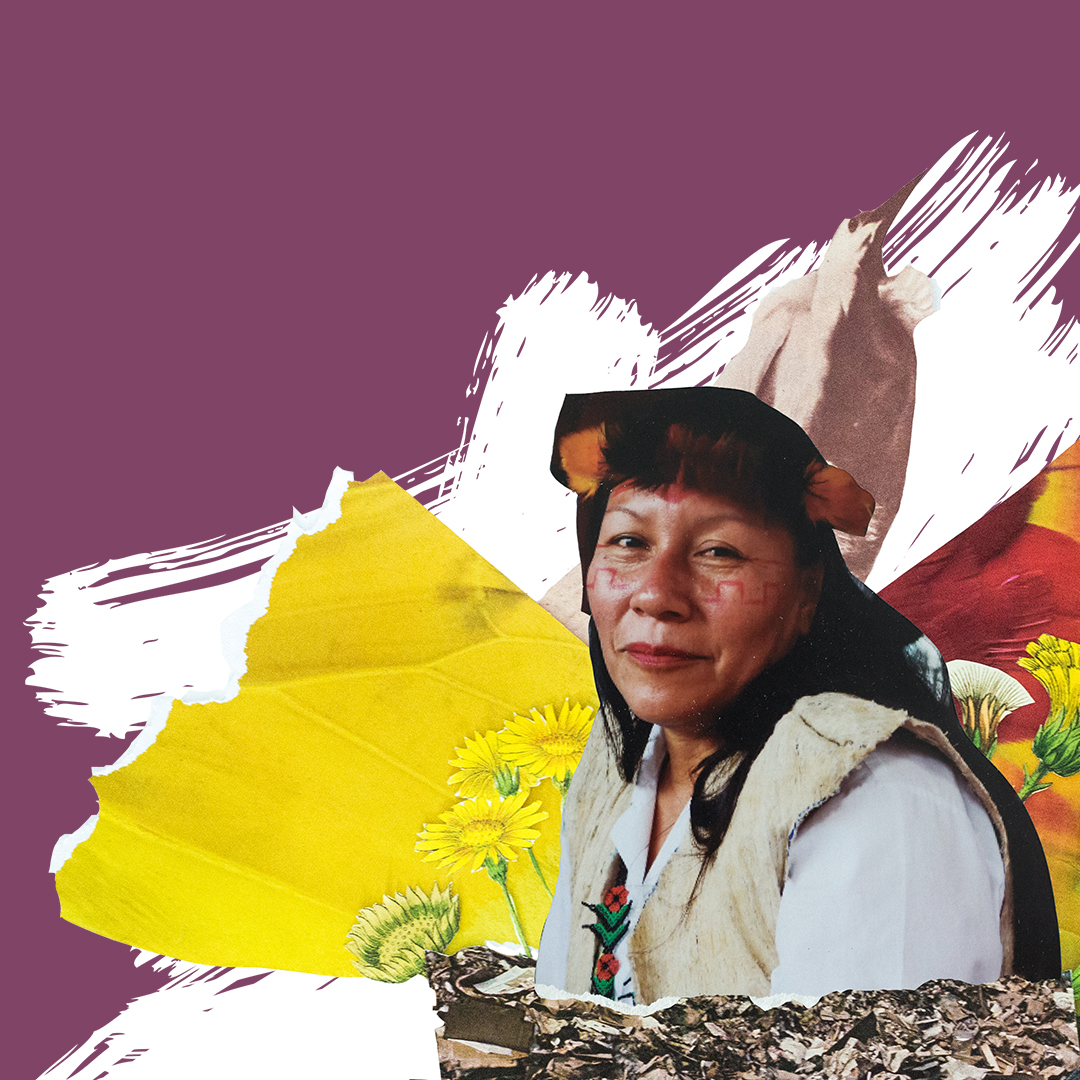
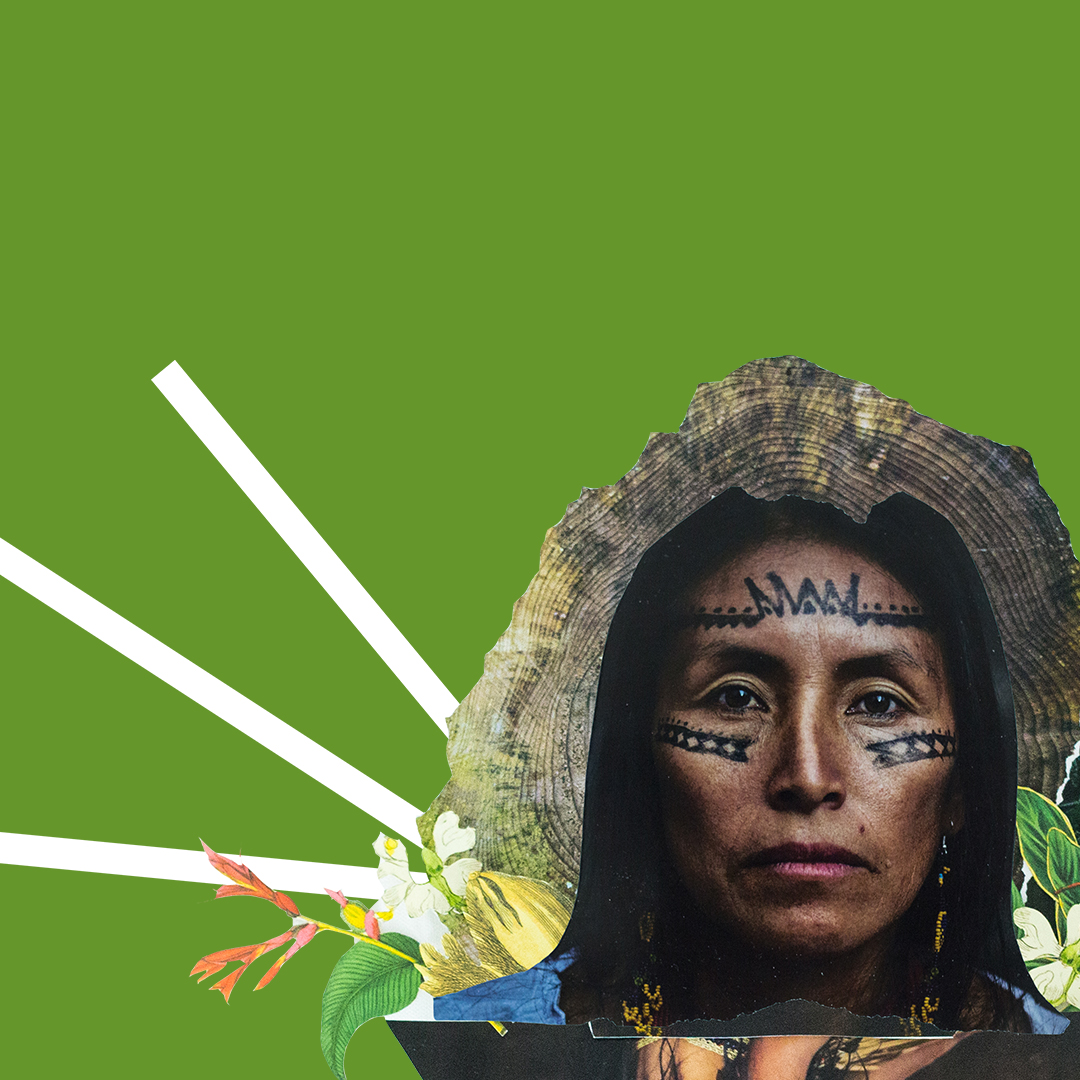
Amnesty highlights the stories of seven environmental activists from the Americas who remind us of why we need to stand up for Earth’s defenders.

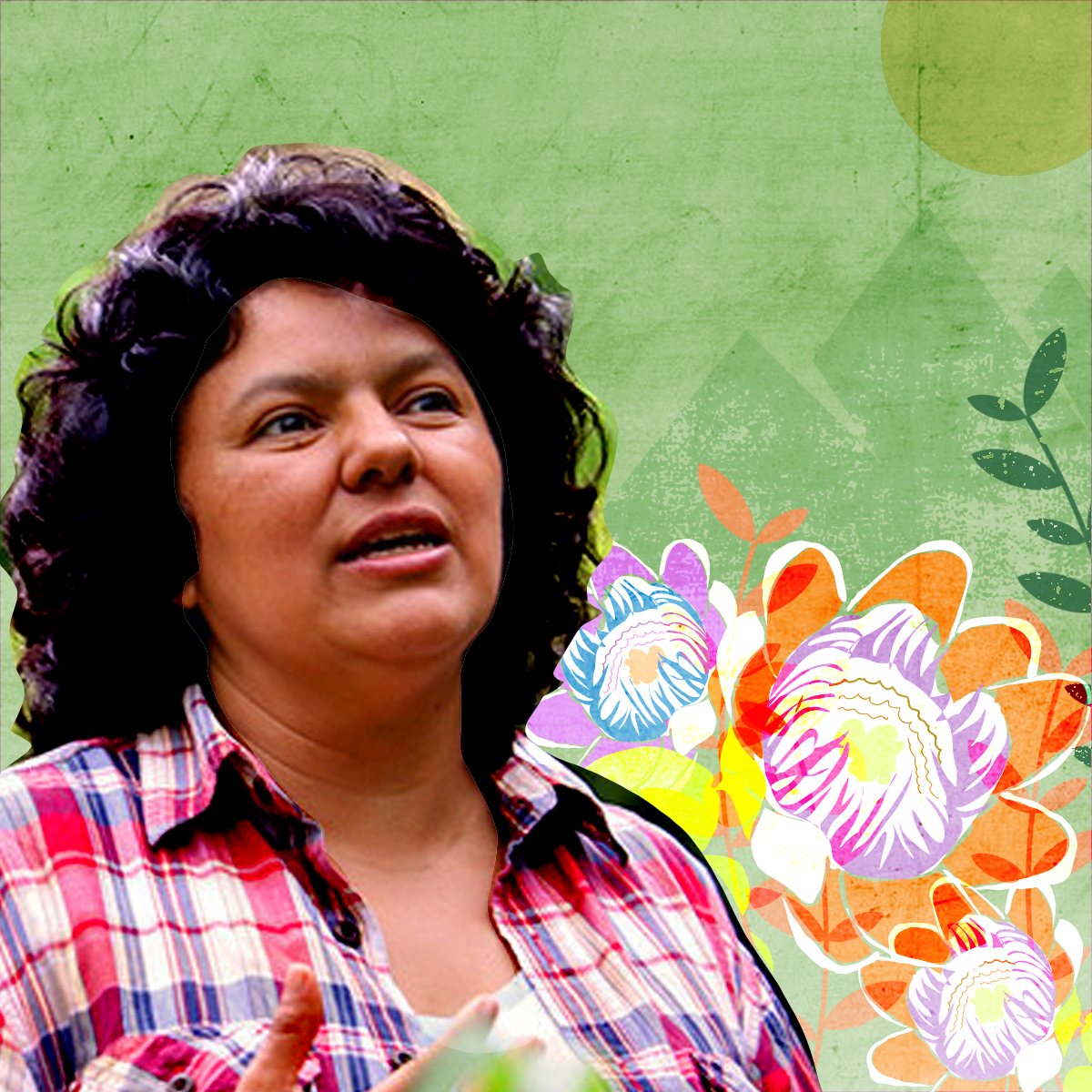
BERTA CÁCERES, COPINH (HONDURAS)

Berta Cáceres cofounded the National Council of Popular and Indigenous Organizations of Honduras (Consejo Cívico de Organizaciones Populares e Indígenas de Honduras, COPINH) in 1993 to address the growing threats posed to the territorial rights of the Lenca communities and improve their livelihoods. For more on her case see: https://humanrightsdefenders.blog/tag/berta-caceres/

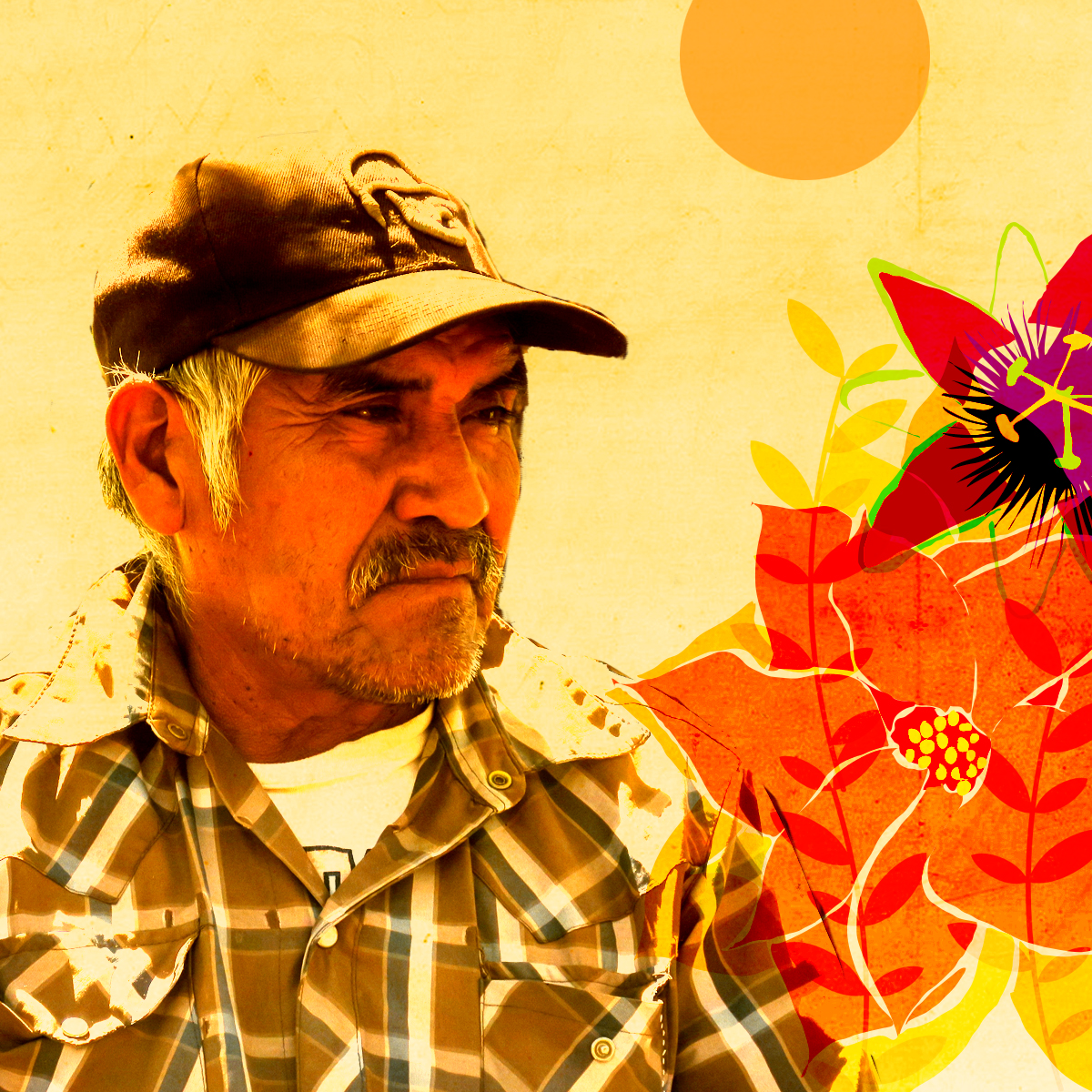
JULIÁN CARRILLO AND THE COLORADAS DE LA VIRGEN COMMUNITY (MÉXICO)

Julián Carrillo was a leader of the Coloradas de la Virgen community. His job was to take care of the territory, the water, the forest and the wildlife. He had publicly denounced logging and mining by landlords in their ancestral land, as well as violence by criminal armed groups against his community. See also: https://humanrightsdefenders.blog/2018/11/07/reprehensible-says-un-about-mexican-killing-of-human-rights-defender/%5D

PARAGUAY: AMADA MARTÍNEZ, INDIGENOUS DEFENDER OF THE ENVIRONMENT AND TERRITORY

Amada is an Avá Guaraní Indigenous environment defender from the Tekoha Sauce community.

In the 1970s, the construction of the Itaipú Binational hydroelectric plant, in the border between Paraguay and Brazil, forcibly displaced her community from its ancestral territory, putting their survival at risk. Since then, she has defended the right of her community to have a territory in which they can thrive in harmony with nature and has denounced the serious impacts of hydroelectric projects on nature and Indigenous Peoples’ lives. On 8 August 2018, a group of armed men threatened to kill her. Amada was leaving the community in a taxi along with his seven-year-old son, his sister and two young nephews, when the vehicle in which they were traveling was intercepted by a pickup truck with the logo of the hydroelectric plant. Amada Martínez believes that the threat against her was due to her work defending Indigenous Peoples rights and the environment.

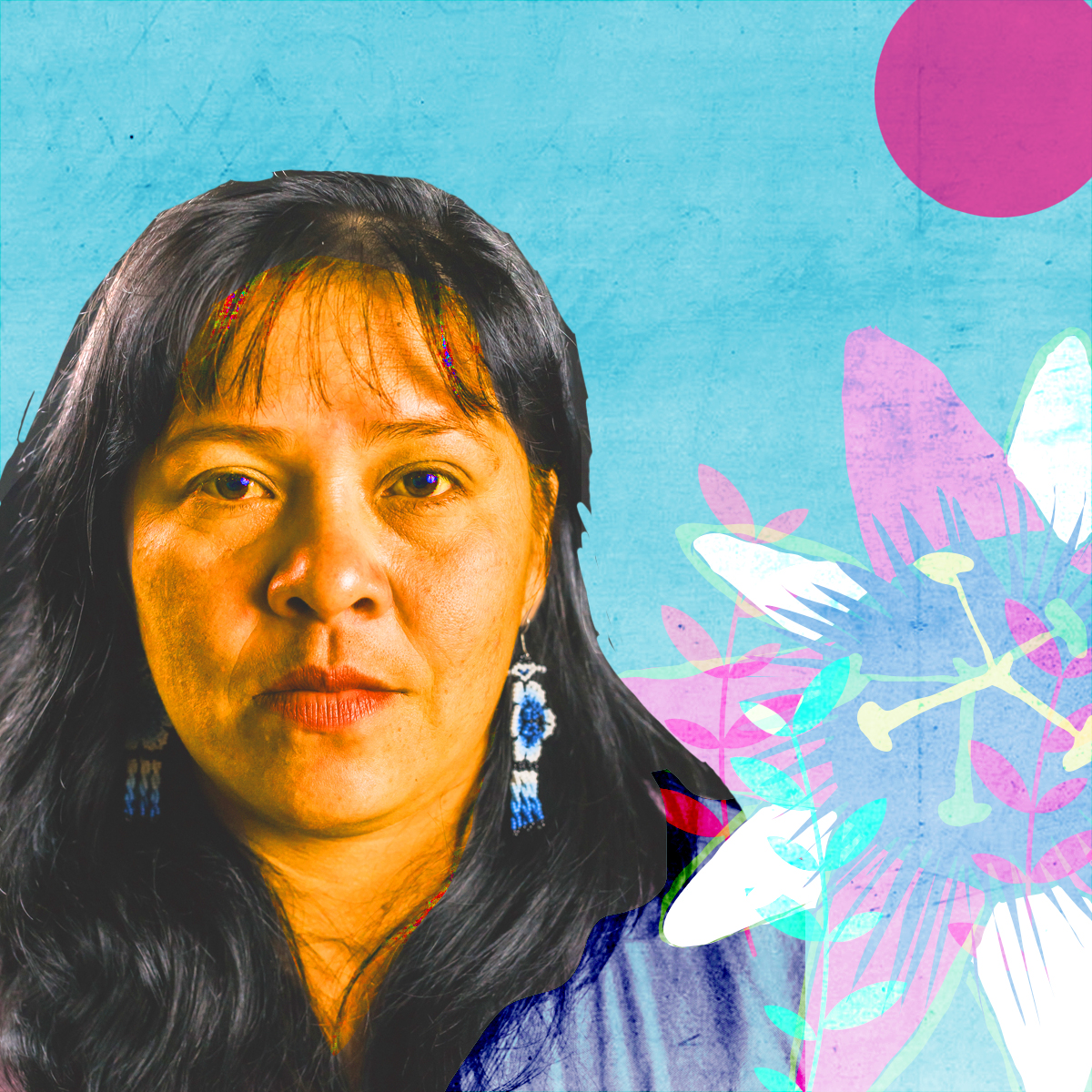
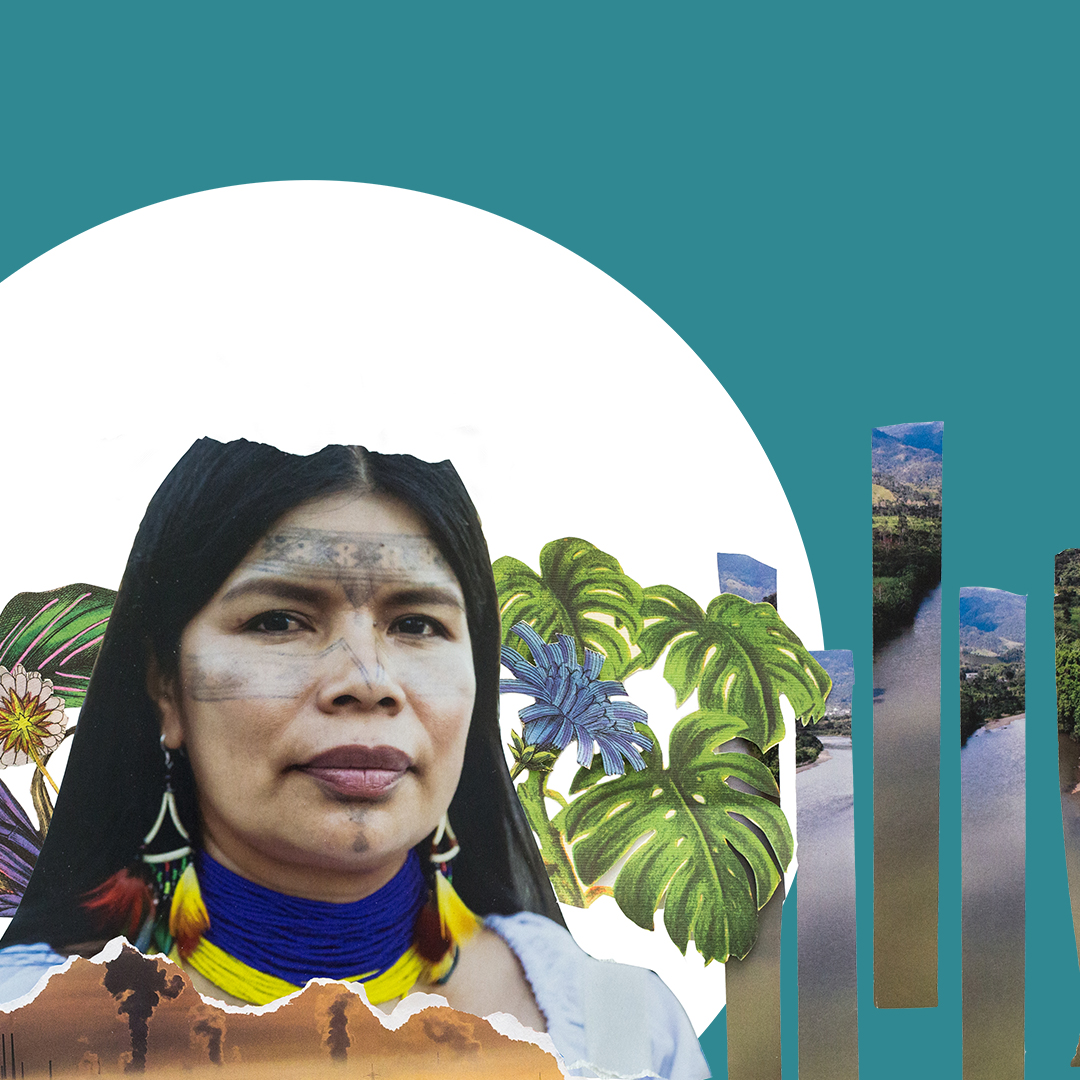
PATRICIA GUALINGA, INDIGENOUS DEFENDER OF THE ENVIRONMENT AND TERRITORY

“We are united and we will continue our struggle to defend Mother Earth.”

Patricia is an Indigenous leader of the Kichwa people of Sarayaku community. She defends her people’s rights to their territory and to live in a healthy environment in the face of damaging oil activities there. Patricia is also protecting the Amazonian environment and promoting sustainable development. In 2012, the Indigenous Sarayaku community achieved a historic victory for Indigenous Peoples against the Ecuador government after reporting an oil concession that had installed explosives on their territory without consulting them. In the early hours of 5 January 2018, an unknown man made death threats to Patricia and attacked her at her home in Puyo, in the east of Ecuador., The man shouted, “Next time we’ll kill you, bitch!” before fleeing. Patricia and her family had to leave their home after the attack because the property owner “was terrified that something would happen to her.”

NEMA GREFA, INDIGENOUS DEFENDER OF THE ENVIRONMENT AND TERRITORY


Nema is defending the Amazon environment and her people’s right to protect their territory from the possible negative effects of oil activity. After being legally recognized as President of the Sápara nationality of Ecuador in January 2018, her appointment was challenged by a group of people who Nema says are supportive of oil activities on the Sápara territory. Nema’s appointment was revoked in April 2018 as a result. Later that month a video was shared on social media featuring a man armed with a spear, identified by Nema as belonging to the group who had challenged her appointment, issuing her with a death threat: “Those present here are united in rejecting her and are thus going to kill Nema Grefa; she has no territory.” One year on, the Attorney’s Office has yet to open in investigation into the death threat. On 19 October 2018 Nema was finally recognized as president but still faces serious threats to her life. In April this year, despite the Ecuadorian authorities’ promises to protect her and her family, unknown individuals forcibly broke into her home to steal two computers containing sensitive information on her human rights work.

SALOMÉ ARANDA, INDIGENOUS ENVIRONMENTAL AND WOMEN’S RIGHTS DEFENDER

Salomé is an Indigenous leader from the Kichwa people who is defending the Amazonian environment and the right of women in her community to live in a healthy environment, free from sexual violence. Salomé is the Women and Family Leader in Moretecocha commune, Pastaza province. Salomé has publicly denounced the possible environmental impacts of oil operations in the Villano River basin, Pastaza province, and the sexual abuse of Indigenous women that have occurred in this context. In the early hours of 13 May 2018, a number of unidentified individuals attacked and threatened her and her family at home. Despite making a formal complaint, the Pastaza Provincial Attorney’s Office has yet to make any significant progress in this investigation. The authorities have not even offered her protection measures to address the risk facing her and her family.

MARGOTH ESCOBAR, ENVIRONMENTAL AND INDIGENOUS PEOPLES’ RIGHTS DEFENDER

Margoth has devoted her life to defending the environment and Indigenous Peoples’ rights. In August 2015, Margoth was physically attacked by police officers at a protest and national strike called by the social and Indigenous movements in Puyo, Pastaza province. She was held on pre-trial detention for more than a week despite poor health caused by her injuries. She was charged with “attack and resistance”, which she was eventually acquitted of. In September last year Margoth’s house was set on fire, destroying all her belongings. On 1 October 2018, the Puyo Fire Brigade Commander stated that the fire at Margoth’s house had been intentional. Margoth lodged a criminal complaint with the Pastaza Provincial Attorney’s Office to investigate the attack, yet no progress has been made in her case. Margoth refused to join the country’s witness protection program because of her previous experience at the hands of the police: “I didn’t want to join the victim and witness protection system because I have no faith in the current government, I have no faith in the independence of the legal system in Ecuador, nor in the military or police forces.”

https://www.amnesty.org/en/latest/campaigns/2019/06/why-we-need-to-stand-up-for-earth-defenders-this-world-environment-day/


Positive communication is the (only) way forward for effective human rights work!

May 30, 2019

For a human rights movement dedicated to exposing abuses, positive communication does not come naturally. But to make the case for human rights, we need to promise a brighter future” says Thomas Coombes – head of brand and deputy director of communications at Amnesty International – in a piece in Open Global Rights of 19 February 2019. I have perhaps also contributed to the gloom with many posts about the decline of the international guman rights regime [with some more constructive posts e.g. https://humanrightsdefenders.blog/2018/12/26/barbara-von-ow-freytag-argues-well-for-a-new-communication-based-approach/ ]. I think rightly Thomas argues: “to break this cycle and sell hope to the media, we need two things: challenging ideas and surprising stories“. Please read the full (short) piece:

For a human rights movement dedicated to exposing abuses, positive communication does not come naturally. We in the human rights community are driven by a desire to make known the suffering and injustice we see in the world, yet what people need from us is not information about what is going wrong, but hope and a means of making it better.

To make the case for human rights, we need to promise a brighter future. At Amnesty International we have a saying: better to light a candle than curse the darkness. But in the human rights movement, we spend a lot more time cursing the darkness. We want to expose terrible suffering so that people are shocked into action. But when we only show the abuses, people start to believe that we live in a world of crisis with no alternative. They accept that reality, give up, or turn to people who preach division, fear and a false sense of safety.

While the human rights movement will always have to expose abuses, we also need to give people a chance to unite behind a cause, challenge governments to live by their values and build support for our way of seeing the world. Hope-based communication is simply a smart strategy for shifting public opinion not by saying what is popular, but by making popular what needs to be said.

Hope-Based Communication is about illustrating what we want to see, not just what other people are doing. Because the human mind adapts easily to bad news, every dose of shock that we administer to the global conscience inoculates people. Without a tangible, believable alternative vision of how things should be, we risk reinforcing current rights abuses as a regrettable but inevitable reality.

Constant stories of crisis create an alarming picture of the world in our minds. When news is all about negative, sensational and exceptional events, it skews our view of other people, cultivates distrust and blinds us to important but unsurprising developments, as Rob Wijnberg, has argued in his manifesto for constructive news outlet The Correspondent. To break this cycle and sell hope to the media, we need two things: challenging ideas and surprising stories.

The environmental movement has already made that first step from dire warnings to big ideas that convince people that another world is possible. For example, in This Changes Everything, Naomi Klein writes about how promises of a bright green future offered a way forward: “What this part of the world has clearly shown is that there is no more potent weapon in the battle against fossil fuels than the creation of real alternatives.

The human rights movement must now do the same thing, and new research offers us a way to completely reframe the way we talk about human rights. For example, Amnesty International Australia now says “Bring them here” of refugees, rather than asking the government to stop treating them like criminals. Anat Shenker-Osorio’s linguistic analysis of how advocates in Australia, the UK and USA make the case for human rights shows that we talk about human rights as an object that is given to individuals, rather than a tool for people to improve their communities and live together. It encourages us to be more specific about power relations and use the language of journeys instead of war.

We want to take society on a journey to a better place, but when we lean heavily on the language of conflict: we fight, recruit, mobilise, resist, defend, protect and counter. We build coalitions. We wage campaigns. We seek to win battles. We ask people to take sides. This language is divisive—it won’t power a constructive, unifying movement. Instead, we need to talk about building, growing and sticking together.

Research from the Common Cause Foundation shows that altruism is as great a motivator to good causes as self-interest, if not more. Successful movements are propelled forward by enthusiasm and passion. While Donald Trump united his base with the simple red baseball cap, ordinary people demanding women’s rights queued for hours to buy “Together for Yes” buttons in Ireland and thronged the streets wearing green scarves in Argentina.

More and more research points to the fact that fear and pessimism triggers conservative and suspicious views, while, hope and optimism tend to more liberal views. Joyful, inspiring content like Planned Parenthood’s Unstoppable campaign serves not just to inspire, it creates political momentum. Anger mobilizes, hope organizes.

New approaches to stories about people seeking refuge highlight not what they flee but what they create in their new home, how the act of welcome transforms the host, or the power of friendships that face adversity and politics.

The stories we tell become our reality, so we need stories of humanity and compassion, reinforcing the idea that human rights are about people standing up for each other

How do we talk about hope and opportunity when human rights defenders are under attack and we need to defend ourselves, to fight back? How can we be positive when it is our duty to document despair?

Human rights defenders have “long been on the front line”, as Kathryn Sikkink argues in Dejusticia’s Playbook for Human Rights Actors. She warns that the frame of crisis and peril inadvertently harms perceptions of the movement’s effectiveness and legitimacy.

The most urgent challenge is to rebrand what it means to do human rights. The space that we most need to create for civil society is a conscious space apart from today’s struggles in which we allow ourselves to envisage bold possibilities of a better world. Human rights should take pride in being the “slow change” movement, that brings about generational attitudinal and societal progress, offering the path out of the darkest times.


Check out this virtual guide for how you can make a shift towards hope based communications in your human rights work.


There is still a place for anger and sadness, if we balance them with a sense of how we make things better. For no matter how dark the story, there is always some glimmer of hope. And it is our job to kindle that flame. The darker the crisis, the more people exhausted by fear and anger will turn to extreme options. So, we have to give people what every human needs: hope. After all, you light a candle when it gets dark. Hope, like a candle, shines brightest in the dark.

the-future-of-human-rights-must-be-hopeful/

Arsenal and Chelsea are not the only ones strugggling in Azerbaijan on 29 May

May 23, 2019

Baku’s Olympic Stadium is hosting the Europa League final between Arsenal and Chelsea Wednesday 29 May 2019 and is also the venue for four games in next year’s European Championship. I will certinaly watch the match but will keep in mind Amnesty International’s warning that we should not let Azerbaijan hide human rights abuses behind football.  Sports washing is a phenomenon that deserves more attention, see e.g.:

https://humanrightsdefenders.blog/2019/02/01/sports-and-human-rights-focus-on-sports-washing-big-names-play-for-big-money/

https://humanrightsdefenders.blog/2019/05/22/andrew-anderson-the-dangerous-game-of-sportswashing/

https://humanrightsdefenders.blog/2018/12/03/fifas-second-report-on-human-rights-misses-sustainable-approach/

https://humanrightsdefenders.blog/tag/sports-and-rights-alliance/

The decision to stage the Europa League final in Baku has drawn criticism from fans and human rights groups.
The decision to stage the Europa League final in Baku has drawn criticism from fans and human rights groups. Photograph: Robert Prezioso/Getty Images

We must ensure that Azerbaijan isn’t allowed to sportswash its appalling human rights record as a result of the football fanfare,” Amnesty International’s UK director, Kate Allen, said. “Azerbaijan is in the grip of a sinister human rights crackdown, with journalists, bloggers and human rights defenders being ruthlessly targeted. Unfair trials and smear campaigns remain commonplace.

LGBTI people have been arrested, and even people fleeing the country have been harassed and pressured to return. Fans, players and backroom staff can help prevent Azerbaijan’s likely attempt to sportswash its image by informing themselves about the human rights situation behind the glitzy facade of Wednesday’s match….All too often, governments are using high-profile sporting competitions to distract attention from repressive policies and human rights violations, to instead project an image of openness. This couldn’t be further from the truth with the current administration, and the Arsenal-Chelsea clash is just the latest reminder of this.”

https://www.theguardian.com/football/2019/may/22/amnesty-international-azerbaijan-human-rights-football