Archive for the 'human rights' Category

Sports and Politics: Minsk 2019 apes Baku 2015 and with similar results

June 17, 2019

Belarus news, Alexander Lukashenko, European Games 2019, European Games Minsk, European Games Baku, Belarus human rights, Belarus press freedom, sports and human rights, European Olympic Committee, corruption in sport

Minsk, Belarus, 05/09/2019 © Tricky_Shark / Shutterstock

The second edition of the European Games is set to kick off on June 21 2019 in Minsk, Belarus. Events covering 15 different sports, from archery to sambo, will be contested over nine days. The 10 disciplines recognized as Olympic sports are especially important because they serve as qualifications for Tokyo 2020. Belarus finds itself trying to oversee a successful international sporting event while at the same time dismissing condemnation of its domestic political situation.

International organizations such as the United Nations, Amnesty International and Human Rights Watch routinely criticize the human rights conditions in Belarus. Actions such as peaceful protests and membership in opposition organizations are basically criminalized under Belarusian law. Access to websites critical of the government is routinely denied, and press freedom curtailed. To add to this, Belarus remains the last country in Europe to employ the death penalty. These issues once again have risen to the fore when Belarus was selected to host the European Games that are thought to represent a different political culture.

These views are echoed by Human Rights Watch, which strongly pushed the European Olympic Committees (EOC) for assurances that journalists can carry out their work unhindered during the games. For its part, the EOC states that it will appoint special observers to ensure press freedom, but critics contend this is not enough. Key questions remain about the conditions for journalists when the games are over, and whether the EOC will ensure action if serious issues arise. The German Olympic Sports Confederation (DOSB) went so far as to contemplate a boycott of the 2019 European Games. It was a half-hearted idea, as the DOSB viewed the maneuver as a last resort rather than an actionable response to the situation in Belarus. In the end, the requirement for athletes to achieve qualifications for the Tokyo Olympics quashed any sort of political activism.

Further, the Sports and Rights Alliance — a coalition of leading NGOs, sports organizations and trade unions — petitioned for positive advancements for Belorussian human rights prior to the commencement of this year’s games. It alleges that the EOC overlooks duties established in the Olympic Charter to protect human rights and dignity. At the recent Olympism in Action Forum, which focused on the relation of human rights and sport, David Grevemberg, chief executive of the Commonwealth Games Federation, stated that “You’re judged by the company you keep and what you stand for.”..

Azerbaijan hosted the first European Games in Baku in 2015. [see: https://humanrightsdefenders.blog/2015/06/12/baku-games-starting-today-with-avalanche-of-human-rights-criticism/] It is apparent that the past experience of 2015 had little effect on the EOC, and that the organization will not shift its mandate to accommodate the demands put forward by human rights defenders. Baku 2015 provides a template and numerous lessons for Minsk 2019. In the case that Minsk can put on a well-managed spectacle with memorable moments of sporting excellence, human rights concerns will not overshadow the Belarusian edition of the European Games.

.,… Lukashenko explained that “Visitors should get positive impressions of their stay in Belarus, in Minsk, and should take these impressions back home.” The president often refers to the 2014 Sochi Winter Olympics and how the event improved opinions about Russia prior to the ensuing scandals linked to the Kremlin. Lukashenko knows there is a tough task ahead of him in regard to the human rights lobby and criticism of his strongman style of governance. However, the EOC’s president, Janez Kocijančič, firmly stated that any human rights concerns would not overshadow the competition, and that it is not in the dominion of the sports committee to influence domestic politics of host nations. This is a reaffirmation that sport is to be kept separate from politics and goes neatly along with Lukashenko’s retorts to criticism…

It is naive to believe that sport and politics are separate, as much as EOC and Belarusian officials insist on that principle. While the actual sporting activities are guided by apolitical rules, both the atmosphere and the message of large-scale events are inherently political. Hosting duties bring international scrutiny of human rights offences, while the country anticipates a public relations makeover. Both require diplomatic nuance and managed interactions with the regional community. Thus, levels of political involvement are apparent….

International sporting events held in countries with tainted human rights records often become lighting rods in the global community. It is of great importance to highlight these issues and to focus attention on states that regularly infringe upon basic freedoms. However, little perceptible success has been achieved by international NGOs advising boycotts or protective mechanisms by the umbrella organizations responsible for the events — in this case the EOC.

It is a difficult task to shift the development and implementation of a large-scale multidisciplinary event with a lot invested in its success on all sides. Campaigns need to expand their reach beyond those involved in the human rights movement who are already aware of calls to action. Social engagement must overcome the collective excitement over sport.

……

It seems that sport governing bodies struggle with achieving a balance between spectacle and sport. This issue will continue to complicate the relationship between athletics and politics, as liberal democracies balk at the cost of hosting such events, while states with debatable democratic records seek legitimacy from the international community. Sports diplomacy delivers this through soft power.

See on this tipic also: https://humanrightsdefenders.blog/2019/02/01/sports-and-human-rights-focus-on-sports-washing-big-names-play-for-big-money/

The views expressed in this article are the author’s own and do not necessarily reflect Fair Observer’s editorial policy.

Belarus Understands the Diplomatic Power of Sport

Speech by Commissioner Dunja Mijatović at RightsCon 2019, Tunis, about digital security

June 17, 2019

Council of Europe Commissioner for human rights, Dunja Mijatović, gave a speech at the world’s leading summit on human rights in the digital age, RightsCon 2019, in Tunis, on 11 June 2019:

…A recent article of the New York Times from the city of Kashgar showed the extent to which the Chinese authorities are using facial recognition and snooping technologies to keep a tight control of the Muslim community.  If you think that this does not concern you because it is happening far away, you would be terribly wrong. The Chinese experiment bears a great significance for all of us. It shows to what extent the cozy relations between technology companies and state security agencies can harm us. This has become particularly acute as part of states response to terrorist threats and attacks. States around the world have increased their surveillance arsenal, not always to the benefit of our safety. On the contrary, in several occasions they used it to silence criticism, restrict free assembly, snoop into our private life, or control individuals or minorities.

An illustration of this comes from human rights defenders. If in the past human rights defenders have been ahead of states in using technological progress to expose human rights abuses, now they are facing a backlash. As we speak, states and non-state actors are intercepting their communications, intrude their personal data, trace their digital footprint. States are using technologies to learn about human rights defenders’ plans or upcoming campaigns; to find or fabricate information that can help intimidate, incriminate or destroy their reputation; or to learn about their networks and sources.

This concerns us all. At stake here is the society we want to live in and bequeath to the next generations. Technology should maximise our freedoms and rights – and keep those in power accountable.

To get there we need to strengthen the connections among us and crowdsource human rights protection, promotion and engagement. An important step in that direction would be to provide more support, funding and digital literacy training to human rights defenders. It is also crucial that the private sector and state authorities uphold human rights standards in the designing and implementation of all technological tools.

Living in an increasingly digital world does not mean living artificial lives with artificial liberties. Our rights must be real, all the time.

We all must resist the current backlash and persist in demanding more human rights protection, more transparency and more accountability in the digital world.

https://www.coe.int/en/web/commissioner/-/2019-speech-by-dunja-mijatovic-council-of-europe-commissioner-for-human-rights-at-the-world-s-leading-summit-on-human-rights-in-the-digital-age-rights

Social media councils – an answer to problems of content moderation and distribution??

June 17, 2019

In the running debate on the pros and cons of information technology, and it complex relation to freedom of information, the NGO Article 19 comes on 11 june 2019 with an interesting proposal “Social Media Councils“.

Social Media Councils: Consultation - Digital

In today’s world, dominant tech companies hold a considerable degree of control over what their users see or hear on a daily basis. Current practices of content moderation on social media offer very little in terms of transparency and virtually no remedy to individual users. The impact that content moderation and distribution (in other words, the composition of users’ feeds and the accessibility and visibility of content on social media) has on the public sphere is not yet fully understood, but legitimate concerns have been expressed, especially in relation to platforms that operate at such a level of market dominance that they can exert decisive influence on public debates.

This raises questions in relation to international laws on freedom of expression and has become a major issue for democratic societies. There are legitimate motives of concern that motivate various efforts to address this issue, particularly regarding the capacity of giant social media platforms to influence the public sphere. However, as with many modern communication technologies, the benefits that individuals and societies derive from the existence of these platforms should not be ignored. The responsibilities of the largest social media companies are currently being debated in legislative, policy and academic circles across the globe, but many of the numerous initiatives that are put forward do not sufficiently account for the protection of freedom of expression.

In this consultation paper, ARTICLE 19 outlines a roadmap for the creation of what we have called Social Media Councils (SMCs), a model for a multi-stakeholder accountability mechanism for content moderation on social media. SMCs aim to provide an open, transparent, accountable and participatory forum to address content moderation issues on social media platforms on the basis of international standards on human rights. The Social Media Council model puts forward a voluntary approach to the oversight of content moderation: participants (social media platforms and all stakeholders) sign up to a mechanism that does not create legal obligations. Its strength and efficiency rely on voluntary compliance by platforms, whose commitment, when signing up, will be to respect and execute the SMC’s decisions (or recommendations) in good faith.

With this document, we present these different options and submit them to a public consultation. The key issues we seek to address through this consultation are:

  • Substantive standards: could SMCs apply international standards directly or should they apply a ‘Code of Human Rights Principles for Content Moderation’?
  • Functions of SMCs: should SMCs have a purely advisory role or should they be able to review individual cases?
  • Global or national: should SMCs be created at the national level or should there be one global SMC?
  • Subject-matter jurisdiction: should SMCs deal with all content moderation decisions of social media companies, or should they have a more specialised area of focus, for example a particular type of content?

The consultation also seeks input on a number of technical issues that will be present in any configuration of the SMC, such as:

  1. Constitution process
  2. Structure
  3. Geographic jurisdiction (for a national SMC)
  4. Rules of procedure (if the SMC is an appeals mechanism)
  5. Funding

An important dimension of the Social Media Council concept is that the proposed structure has no exact precedent: the issue of online content moderation presents a new and challenging area. Only with a certain degree of creativity can the complexity of the issues raised by the creation of this new mechanism be solved.

ARTICLE 19’s objective is to ensure that decisions on these core questions and the solutions to practical problems sought by this initiative are compatible with the requirements of international human rights standards, and are shaped by a diverse range of expertise and perspectives.

Read the consultation paper

Complete the consultation survey

https://www.article19.org/resources/social-media-councils-consultation/

Nigeria finally has its Democracy Day: 12 June

June 14, 2019

Democracy Day – in honour of the late Chief Moshood Kasimawo OlawaleAbiola – President Muhammadu Buhari has finally signed into law, the bill to make June 12 Democracy day for the country. For the first time since his assumption of office, pro-democracy activists, human rights defenders, and other critical stakeholders are unanimous in praising President Muhammadu Buhari for this milestone decision

Some Nigerians, particularly, political leaders of the Yoruba extraction in the South Western part of the country believed that the socio-economic and political fortunes of the country would have been better if the late MKO Abiola, the presumed winner of the annulled June 12, 1993, presidential election, had been allowed to assume power. However, this statement of declaring June 12 as real democracy day and honouring the deceased appears to have assuaged the feelings of the people, particularly those who believed that the election symbolizes true democracy and justice for the country.

Although, some say that the recognition of the date was a good idea, they equally expressed suspicion that it was meant to garner votes from a section of the country and that it negates the spirit behind it.

The piece then recounts in detail how the election issue devleoped over time.

Precisely, 25 years later, President Muhammadu Buhari declared that the day must be brought back to the national reckoning as the nation’s true Democracy Day as against the May 29 date that had been celebrated since 1999. Although by the time president made that declaration last year, the country was preparing for 2019 general elections, andnothing was done on it until a year

….

Even, the former Vice President, Alhaji Atiku Abubakar, sometimes said June 12 and the events that brought it were part of our country’s history and could not be forgotten, especially because of the unity and comradeship displayed by Nigerians on that Election Day in 1993. Atiku noted that the events of June 12, 1993, were watersheds in the history of the nation and that all Nigerians must work hard to ensure that the nation never again repeats that painful experience.

Atiku recalled that June 12 traumatized Nigerians and made some people to question the unity and oneness of the country and whether true democracy can take root in the country.

Political watchers, however, posited that it was the June 12 struggle which led to the death of acclaimed winner, MKO Abiola, that actually propelled military to hand over power on May 29, 1999, and the roles played by the then democracy activists, not that the military willingly relinquishes power.

…..

However, pundits said, President Muhammadu Buhari, with the fulfillment of his pronouncement,has done what they could not do for several years. Even. The president, during the conferment of Grand Commander of Federal Republic (GCFR) on MKO in Abuja, also offered an unreserved apology on behalf of the Federal Government to the family of MKO Abiola, over the annulment of June 12, 1993, poll, presumably won by late Abiola….

https://leadership.ng/2019/06/12/democracy-day-no-easy-walkto-june-12/

Guide to Human Rights Defenders issues at the 41st Human Rights Council starting on 24 June

June 14, 2019

Thanks to the – as always very complete and timely – “Alert to the Human Rights Council’s 41st session” (from 24 June to 12 July 2019) issued by the International Service for Human Rights. I am able to give a short guide to the main items that relate to human rights defenders. To Read the full Alert to the session online click here and stay up-to-date with @ISHRglobal and #HRC41 on Twitter.

Thematic areas of interest:

Sexual orientation and gender identity: The interactive dialogue with the Independent Expert on protection against violence and discrimination on the basis of sexual orientation and gender identity (SOGI) will be held on Monday 24 June at 11:00. The Council will consider the new thematic report of the mandate holder as well as the report of the country visits he made to Georgia and Mozambique. The Council will also consider the renewal of the mandate.

Business and human rights: The Council will hold an interactive dialogue with and consider several reports of the Working Group on the issue of human rights and transnational corporations and other business enterprises on 26 June. The Working Group will present a report on the gender dimensions of the Guiding Principles on Business and Human Rights and the reports of country visits to Thailand and Kenya. The Working Group’s report on the gender dimensions of the Guiding Principles integrates clear recognition that women human rights defenders play a vital role in challenging business-related human rights abuses as well as in promoting and protecting human rights in relation to business activity, including the right to an effective remedy. As a result of this work, women human rights defenders often face gender-specific risks including sexual violence, misogynist public shaming and online harassment. Among its recommendations, the Working Group calls on business enterprises to ensure the meaningful participation of women’s organisations, women human rights defenders and gender experts in all stages of human rights due diligence.

Women human rights defenders and women’s rights: The annual full day discussion on the human rights of women will take place on 27 and  28 June. The discussions will focus this year on violence against women in the world of work, the rights of older women and their economic empowerment. A panel focused on women’s rights and climate change will also be organised, focusing on climate action, best practices and lessons learned. States should place due consideration on the role of women human rights defenders and social movements in this regard, in line with the Human Rights Council resolution focused on environmental human rights defenders adopted in March 2019…
The Council will also hold an interactive dialogue with the Working Group on the issue of discrimination against women in law and in practice which focuses on women deprived of liberty (including women human rights defenders in detention, facing travel bans, among other situations), and will consider their reports including a report on the country visits to Honduras and Poland. The Council will hold an interactive dialogue with the Special Rapporteur on violence against women, its causes and consequences on 27 June and will consider her report including the report of her visits to Canada and Nepal.

Reprisals:  In spite of a number of measures, reprisals not only continue, but grow. Item 5 of the Human Rights Council’s agenda provides a key opportunity for States to raise concerns about reprisals, including specific cases, and for relevant governments to provide updates on cases to the Council on any investigation or action taken toward accountability. During the organisational meeting held on 7 June, the President of the Council stressed the importance of ensuring the safety of those participating in the Council’s work, and the obligation of States to prevent intimidation or reprisals. In line with previous calls, ISHR expects the President of the Human Rights Council to publicly identify and denounce specific instances of reprisals by issuing formal statements, conducting press-briefings, corresponding directly with the State concerned, publicly releasing such correspondence, and insisting on undertakings from the State concerned to investigate, hold the perpetrators accountable and report back to the Council on action taken. [see also: https://humanrightsdefenders.blog/2019/05/13/ishr-on-reprisals-un-and-states-must-do-more-to-address-reprisals/]

Other key thematic reports: The Council will hold dedicated debates and consider reports of several mandates relating to civil, political, economic, social and cultural rights, and the role of human rights defenders in that work area, in some instances involving the renewal of the mandate:

  • The Special Rapporteur on independence of judges and lawyers and on the right to health (including country visits report to Canada and Kyrgyzstan) on 24 June
  • The Special Rapporteur on the rights to freedom of peaceful assembly and association (mandate renewal, reports include country visits to Tunisia and Armenia) on 25 June
  • The Special Rapporteur on extrajudicial, summary or arbitrary executions and right to education on 26 June
  • The Special Rapporteur on freedom of opinion and expression (including thematic report on surveillance companies and country visit report to Ecuador) on 25 June
  • The Special Rapporteur on extreme poverty and human rights (including country visits reports to the UK and Laos) on 28 June

In addition, the Council will hold dedicated debates on rights of specific groups including with:

  • The Special Rapporteur on the human rights of migrants (and country visit report to Niger) on 24 June
  • The Special Rapporteur on the human rights of internally displaced persons on 28 June (mandate renewal)
  • The Special Rapporteur on trafficking in persons (and country visit to Nigeria) on 27 June
  • The Special Rapporteur on the elimination of discrimination against persons affected by leprosy and their family members on 24 June

Country-specific developments:

China: For more than a year, the international community has had access to credible reports and first-hand testimony of the harassment, surveillance, and mass detention of more than one million Uyghurs and other Turkic Muslims in Xinjiang. Despite the consistent work of the UN human rights mechanisms to review China, ask questions, and make recommendations, there has been no serious or effective response. The Council should take urgent action to seek access, monitoring and reporting of the situation to inform future actions. ..ISHR urges States to act collectively to advance a resolution calling for China to allow access to the region to independent human rights experts and to end country-wide the arbitrary detention of individuals based on their religious beliefs or political opinions.

Sudan: In response to the gross and systematic human rights violations occurring in Sudan, ISHR andother NGOs have urged Council Member States to urgently hold a Special Session on the human rights situation in Sudan. The Council should urgently establish an international fact-finding mission to document violations, identify perpetrators and push for accountability, in line with calls made by a group of Special Procedures including the Independent Expert on Sudan. Since 3 June, Rapid Security Forces, riot police and national security officers violently dispersed peaceful protesters in Khartoum as well as in different cities across Sudan. The MENA Women Human Rights Defenders’ Coalition reported that at least 113 people have died including women human rights defenders. Civil society documented cases of rape, attacks on hospitals, with hundreds injured and missing.  The Transitional Military Council is enforcing a ban on communication causing an internet black out. The High Commissioner has deplored the killings and proposed ‘the rapid deployment of a UN human rights monitoring team’ to Sudan.

Saudi Arabia: The June session provides an important opportunity for the Council to follow up on the joint statement delivered on behalf of 36 States [see: https://humanrightsdefenders.blog/2019/03/08/saudi-arabia-for-first-time-openly-criticized-in-un-human-rights-council/] .. Seven women’s rights activists have been provisionally released, but they are still facing trial, and other women human rights defenders are still in detention, with the human rights situation on the ground deteriorating markedly on other fronts, including through increased use of the death penalty and the authorities’ continuing crackdown on freedom of expression.  [see also: https://humanrightsdefenders.blog/2019/03/28/3-saudi-women-human-rights-defenders-released-but-for-how-long-and-what-about-the-others/]
The Special Rapporteur on extrajudicial, summary or arbitrary executions will present her findings of the investigation into the killing of Khashoggi. [see: https://humanrightsdefenders.blog/2019/01/26/other-members-of-the-uns-khashoggi-investigation-team-named/%5D…..ISHR calls on States to advance a Human Rights Council resolution establishing a monitoring mechanism over the human rights violations in the country and calling explicitly for the immediate and unconditional release of all human rights defenders including the detained women human rights defenders and to drop all charges against them, including those provisionally released. ISHR considers the March joint statement as a first step towards more sustained and dedicated review by the Council in its efforts to hold its members accountable.

The Philippines: The Philippines is one of the most dangerous countries for human rights defenders. Several NGOs callied on the Council to advance accountability for human rights violations by adopting a resolution establishing an independent international investigation into extrajudicial killings and this call was strongly endorsed by a group of independent UN experts who condemned a ‘sharp deterioration in the situation of human rights across the country, including sustained attacks on people and institutions defending human rights.’ [see also: https://humanrightsdefenders.blog/2019/06/07/philippines-labour-rights-defender-dennis-sequena-shot-dead-while-meeting-with-workers/]

Egypt: Despite the Egyptian government’s assurances to the African Commission civil society faced restrictions, reprisals and intimidation for engaging or seeking to engage with the Commission. These restrictions and reprisals happened in a context where the Government of Egypt crushes dissent, discourages public participation in public affairs and punishes people who dare to claim basic human rights. Individuals and communities who engaged with the Special Rapporteur on the right to housing during her visit in September 2018 faced systematic reprisals. All other scheduled visits by the Special Procedures have been postponed as a result. [see: https://humanrightsdefenders.blog/2018/12/07/egypt-denounced-for-reprisals-against-human-rights-defenders-who-talked-to-visiting-un-delegation/ and https://humanrightsdefenders.blog/2019/05/12/reprisal-against-egyptian-human-rights-defender-mohamed-soltan/]. ISHR calls on States to condemn the acts of intimidation and reprisals for civil society engaging with the African Commission and with the Special Procedures, and recall Egypt’s obligations to prevent acts of intimidation and reprisals, investigate the allegations and provide victims with effective remedy.

Burundi: The Commission of Inquiry on Burundi will present its oral briefing on 2 July. The closing of the office of the High Commissioner for Human Rights is regrettable and worrying. In addition, ISHR remains seriously concerned over the breaches to due process observed in all of human rights defender Germain Rukuki’s legal proceedings since his arrest without warrant on 13 July 2017. [See: https://humanrightsdefenders.blog/2019/03/29/ngo-statement-condemns-new-irregularities-in-the-case-of-germain-rukuki-burundi/]. For more information on the situation of human rights defenders in Burundi, check ISHR Briefing Paper for the UPR here.

Other country situations: The High Commissioner will present her oral update to the Council on 24 June. The Council will hear reports on and is expected to consider resolutions addressing a range of country situations, in some instances involving the renewal of the relevant expert mandates. These include:

  • Interactive dialogue with the Special Rapporteur on the human rights situation in Belarus (mandate renewal) on 1 July
  • Interactive dialogue with the Special Rapporteur on the human rights situation in Eritrea (mandate renewal) on 2 July
  • Interactive dialogue with the Commission of Inquiry on Syria, the Commission of Inquiry on Burundi and the Special Rapporteur on Myanmar on 2 July
  • Enhanced interactive dialogue with the government of Sudan and OHCHR on 9 July
  • Enhanced interactive dialogue on the situation in the Democratic Republic of Congo and interactive dialogue with the team of experts on the situation in the Kasai region on 9 July
  • Interactive dialogue with the High Commissioner on the situation in Ukraine on 10 July
  • Interactive dialogue with the Independent Expert on the Central African Republic on 10 July
  • Enhanced interactive dialogue on the report of the High Commissioner on Venezuela on 10 July
  • Interactive dialogue with the High Commissioner on the situation of Rohingya Muslims and other minorities in Myanmar on 10 July
  • First oral update and enhanced interactive dialogue on the report of the High Commissioner on Nicaragua on 11 July
  • Oral update by the High Commissioner on cooperation with Georgia on 11 July

Adoption of Universal Periodic Review (UPR) reports: During this session, the Council will adopt the UPR working group reports on New Zealand, Afghanistan, Chile, Viet Nam, Uruguay, Yemen, Vanuatu, North Macedonia, Comoros, Slovakia, Eritrea, Cyprus, Dominican Republic and Cambodia.

Resolutions to be presented to the Council’s 41st session: At the organisational meeting resolutions were announced (States sponsoring the resolution in brackets); it is possible that more resolutions could be presented at this session. These include:

  • The human rights situation in Belarus (European Union)
  • Human rights of internally displaced persons (Austria, Honduras, Uganda)
  • Human rights and climate change (Bangladesh, Philippines, Viet Nam)
  • Human rights, sexual orientation and gender identity (Argentina, Brazil, Chile, Colombia, Costa Rica, Mexico, Uruguay).
  • Elimination of discrimination against women and girls (Colombia, Mexico)
  • Rights to freedom of peaceful assembly and of association (Czech Republic, Indonesia, Lithuania, Maldives, Mexico)
  • New and emerging and digital technologies and human rights (Republic of Korea, Austria, Brazil, Denmark, Morocco, Singapore)
  • Accelerating efforts to eliminate all forms of violence against women(Canada)
  • The human rights situation in Syria (France, Germany, Italy, Jordan, Kuwait, Morocco, Netherlands, Qatar, Turkey, United Kingdom of Great Britain and Northern Ireland)

There wil be again many side events at the Council, on which I will report separately.

Read here the three year programme of work of the Council with supplementary information.
Read here ISHR’s recommendations on the the key issues that are or should be on the agenda of the UN Human Rights Council in 2019.

One-day dialogue on Human Rights Council membership on 1 july 2019

June 12, 2019

ISHR, Amnesty International and Human Rights Watch organise a meeting on STRENGTHENING AND LEVERAGING HUMAN RIGHTS COUNCIL MEMBERSHIP on Monday 1 July 2019, 13h00-14h30 Restaurant des Délégués, 8th Floor, Palais des Nations, Geneva.The composition of the HRC has captured significant public attention over the past year – with people around the world rightly asking: how can States accused of gross and systematic human rights violations become members of the United Nations’ Human Rights Council? And what does that mean for the credibility and effectiveness of this body? Clearly, for the HRC to be effective, and to be credible and relevant to the wider human rights community, and the wider public, it needs members committed to the promotion and protection of human rights at home and abroad in its 47 seats, as foreseen by UNGA resolution 60/251. Of course, no State has a perfect human rights record, and a wide and diverse range of States should be encouraged to address their shortcomings and enhance their commitment to human rights through HRC participation and engagement. While the argument does not apply to candidates that are in clear breach of the membership criteria, HRC membership may be an important incentive for national-level change, particularly where States, as candidates, make voluntary pledges and commitments, and are willing and able to implement them. The framing and implementation of those pledges and commitments is, however, rarely discussed at national or international level. Against this backdrop, in February 2019, Amnesty International, Human Rights Watch, the International Service for Human Rights (ISHR) and HRC-net convened a one-day dialogue bringing together national and regional actors – including human rights defenders and NHRIs – with a cross-regional group of State representatives, OHCHR officials and international civil society, to address two important and interlinked questions regarding HRC membership: 1) how can we encourage greater respect and application of the membership criteria clearly set out in GA resolution 60/251; and 2) how can a State’s membership of the HRC be leveraged for positive change on human rights at national level? Drawing on good practices and lessons learned, participants identified a range of challenges, opportunities and practical recommendations. A report of the one-day dialogue will be presented during a lunch time reception at the Restaurant des Délégués on 1 July, in the side-lines of the 41st session of the Human Rights Council. The reception will provide an opportunity for the presentation of some of the key challenges, opportunities and practical recommendations identified in the report, including with regards to good practice relating to candidacy and membership of the HRC.

Speakers:

  • Ambassador Nazhat Shameem Khan, Permanent Representative of Fiji to the UN
  • Salma El Hosseiny, ISHR’s Human Rights Council Advocate
  • Hilary Power, Amnesty International’s Senior UN Advocate

Please RSVP by clicking here <https://crm.ishr.ch/sites/all/modules/civicrm/extern/url.php?u=884&qid=111418> by 19 June 2019 to confirm your participation at this event.

See also: https://humanrightsdefenders.blog/2017/09/02/hrc-elections-how-do-the-candidates-for-2018-rate-11-september-events/

‘Access Now’ names Usha Ramanathan a ‘Human Rights Hero’ for her opposition to Aadhaar

June 11, 2019
Jahnavi Sen, writing in the Wire of 10 June 2019, reports Usha Ramanathan, a legal researcher and activist based in Delhi, has been declared a ‘human rights hero’ by international rights group Access Now for her criticism of the Aadhaar programme. Since the scheme was launched in 2009, Ramanathan has been raising the security and privacy risks associated with it, as well as the concerns on linking the programme to welfare schemes. While facilitating Ramanathan’s “tireless” efforts to highlight the issues related to Aadhaar, Access Now has said that it also wants to “recognise the entire community that has protested and litigated against Aadhaar”. In September 2018, the Indian Supreme Court upheld the validity of the Aadhaar law, but placed strict restrictions on its scope. Before the final judgment, the court had passed a number of orders which were conveniently ignored by the administration, Ramanathan and others have pointed out. Ramanathan has written a number of articles on why the programme needs to be rebooted, and the risks it poses to people’s privacy. A number of her articles have been published in The Wire.

The award function will be held in Tunis between June 11 and 14, as a part of RightsCon. The awards will be handed out by Michelle Bachelet, the United Nations high commissioner for human rights.

Since 2014 Access Now issues the anual award “in celebration of…the work of people around the globe to protect human rights in the digital age, naming “heroes” and “villains” who have either protected the principles of freedom online, or worked to undermine them.”

There are a total of five winners this year. Other than Ramanathan, Bahraini activist and digital security consultant Mohammed Al-Maskati, Australian human rights lawyer, broadcaster and writer Lizzie O’Shea, Tanzanian digital security trainer Zaituni Njovu and Venezuelan lawyer, writer and human rights activist Marianne Díaz Hernández have also been designated ‘heroes’.

https://thewire.in/rights/usha-ramanathan-aadhaar-opposition

“Turkey NGOs” urge UN Committee Against Torture to undertake Turkey enquiry

June 10, 2019
The substantive parts of the report (produced below) seem quite solid but it is rather annoying that four out of the five NGOs in question all come with rather broad and general names while in fact cover solely or mostly Turkey:
International Association for Human Rights Advocacy in Geneva (IAHRA GENEVA),
Journalists and Writers Foundation (JWF),
Advocates of Silenced Turkey (AST),
HRD Human Rights Defenders e.V. and
Stockholm Center for Freedom (SCF).

Among main arguments addressed within the document sent to the CAT Secretariat, it is emphasized that:

‘Following the graft probes of December 17 and 25, 2013 that exposed the prevalent corruption within the government, the then Prime Minister of Turkey, Recep Tayyip Erdogan has initiated a gruesome scheme to seize control of all aspects of the Turkish society. The bogus coup attempt of July 15, 2016 granted the Erdogan Regime the carte blanche it needed. The Regime, with all the state apparatuses including the judiciary under its tight grip and a well-oiled propaganda machine fed by appropriated public funds, turned the Gulen movement into a scapegoat and unleashed its wrath onto innocent people in Turkey and around the world.

This wrath demonstrated itself in a government policy of wide-spread, deliberate and systematic human rights violations. The notoriously-long custody periods with little to no oversight due to introduction of state of emergency and ensuing legislative decrees, Gulenists have been pressured into making “confessions”. The judiciary is far from being independent and impartial, and as such, there has been effectively no judicial review of arbitrary detentions – numbers of which is more than 400 in a regular week. The UN Working Group on Arbitrary Detention (WGAD) has so far found nine cases of fundamental human rights violations pertaining to cases of Gulen movement followers.

Systematic, deliberate and wide-spread torture as a government policy, which manifested itself lastly with the torturing of diplomats in Ankara Police Headquarters, is made possible by, inter alia, practices of prolonged detention, prohibition of lawyer-client meetings and/or violation of their confidentiality, dissolution of all prison monitoring boards and prevention of obtaining fair medical examination reports. The practice of torture to extract confessions is well documented by the Office of the United Nations High Commissioner for Human Rights (OHCHR) and Human Rights Watch (HRW). These practices include battery, rape, sexual assault and threats thereof, electroshocks and waterboarding. The acts of torture take place particularly at the time of arrest and during the preliminary detention. In addition to the communication a list of alleged perpetrators of torture or ill- treatment is also submitted to the United Nations as an Annex.

Not only Turkey lacks competent and willing judicial bodies to investigate well-grounded allegations of torture, it also suffers from obscuring of evidences of torture. For instance, in a leaked confidential document, the Directorate General of Security (National Police) instructs all 81 provincial police departments to cover up traces of torture in detention centres and not to use official detention centres [for torture] ahead of a fact-finding visit by the Committee for the Prevention of Torture (CPT) of the Council of Europe (CoE). The OHCHR and HRW both underline pervasive climate of fear and difficulty to document and investigate acts of torture and other forms of ill- treatment.

The Erdogan Regime’s security and intelligence arms have not abstained from abducting people either. All 26 cases of enforced disappearances in Turkey so far follow a similar pattern, which proves the fact that it is a systematic effort. The victims spend months with their conditions or whereabouts unknown, are subjected to torture and other forms of ill-treatment. Enforced disappearances are not confined within the borders of Turkey, the government abducts people abroad as well. Turkish Foreign Minister brazenly boasted about kidnapping of 100 individuals by the National Intelligence Agency (MIT) from 18 countries. These victims have also reported being subjected to severe torture.

Penitentiaries are no exception to the rule of systematic human rights violations. In lack of official figures, it is estimated that there are more than 3000 inmates held in solitary confinement. Prolonged detention in solitary confinement is a degrading punishment in itself, but more importantly, it is conducive to other acts of torture and ill-treatment. As such, there are 54 documented, murky cases of suicide in penitentiaries. These suspicious deaths are in fact due to torture and lack of adequate medical care.

The Erdogan Regime has also systematically targeted vulnerable groups such as expectant or new mothers, elderly, sick and disabled persons. The OHCHR reported 50 cases of women being arrested just before or after giving birth and estimates that there are 600 mothers held in detention with their young children. In almost all cases, these women were charged with alleged offences of their husbands, ina total disregard for the principle of individuality of criminal responsibility.

The information available provides a reasonable basis to conclude that multiple offences within the scope of Article 6(c) and 7(1) of the Rome Statute have been committed by the Erdogan Regime as a government policy, in its systematic and widespread attack on followers of the Gulen movement, particularly in the aftermath of 15 July coup attempt. There are also strong indications that rape (Article 7(1)(g) of the Rome Statute) and threats thereof have been systematically and deliberately resorted to by the government in its attacks against the movement.

The NGOs call on the Committee Against Torture as well as all relevant bodies of the United Nations, the Council of Europe, the European Court of Human Rights, the International Criminal Court and other international organizations to initiate investigations and to stay vigilant in prevention of practices of systematic and widespread torture and other forms of ill-treatment by the Erdogan Regime and bringing perpetrators of such acts to justice. The said organizations pledge to remain active in its endeavors to this end.


Joint NGO submits observations on Turkey to UN Committee Against Torture

Bangladesh policeman ‘escapes’: a tale of incompetence that amounts to impunity

June 10, 2019

web-Moazzem Hossain Officer-in-Charge of Sonagazi police station in Feni

File photo of Moazzem Hossain Dhaka Tribune

Former Officer-in-Charge (OC), Moazzem Hossain, stands accused of having had a role in the murder of Feni madrasa student Nusrat Jahan Rafi. The way the authorities bumbled his arrest warrant is told in more detail below by the Dhaka Tribune on 9 June 2019. Understandably human rights defenders raise questions about the role of the police and criticize the home minister who has confirmed that the officer in question is ‘on the run’.

…It took over a week for the authorities concerned to send copies of the arrest warrant for the former Sonagazi OC, to Feni and Rangpur police stations. But dilly dallying over sending the warrants to concerned police ranges was ‘just to help the OC flee,’ claimed some human rights defenders.

Deputy inspector of police of the Rangpur range, Debdas Bhattacharya, yesterday said they have received the warrant and OC Moazzem remains absent from his office without any prior permission. The top police official also said proper procedure was not followed in sending the warrant to Rangpur police and that he would speak to Feni police about acting according to procedure. It also took over a week for the Feni police to receive the warrant from the tribunal in Dhaka even though the warrant was issued on May 27. Kazi Moniruzzaman, superintendent of Feni Police, said the last location of OC Moazzem was in Rangpur. “Upon receiving the warrant on June 3, it was sent to the Rangpur range,” he saidd….

Noted human rights defenders slammed the government and police authorities for ‘indirectly allowing’ OC Moazzem to go into hiding, and accused the police of helping him flee the country. “When people like OC Moazzem go into hiding, a police official accused of negligence in duty in a sensational murder case that shook the whole nation,  some quarter has surely assisted him by dragging out his arrest procedure,” said Dr Mizanur Rahman, former chairman of the National Human Rights Commission. “With his statement that Moazzem is on the run, the home minister is trying to make fools of the people. Action should be taken against everyone involved in the process, for negligence, if Moazzem is not arrested and is not placed on trial immediately,” he said.

Former Ain O Salish Kendra director Nur Khan Liton also found the slow process of delivering the arrest warrant, to be a bid to help Moazeem flee. “When an official of a law enforcement agency gets involved in a crime and we see  authorities slowing down the process of apprehending him, instead of meting out strict and speedy punishment, it indicates the process has been slowed down to help him/her flee from being put behind bars,” he said.

……
Supreme Court lawyer Syedul Haque Sumon, who filed the case against Moazzem, said Moazzem has fled taking advantage of police procrastination. “If he flees the country, police will have to take responsibility for that, ” he said, adding: “The inspector general of police should have initiated the required actions himself, considering the sensitivity of the case, but he did not. Since the warrant has now been received by police in both Feni and Rangpur, it is their responsibility to arrest Moazzem and produce him in court.”

[Case proceedings: According to the case details, Nusrat went to Sonagazi model police station to file a case against Sonagazi Islamia Fazil (Degree) Madrasa Principal Sirajuddaula on March 27 for sexually assaulting her the day before. Moazzem recorded a video of her statement without her consent, asking her offensive and insulting questions. The video then surfaced on various social media platforms. It was alleged that Moazzem had put up the video. Moazzem, whose voice was heard on the video, had also appeared unconcerned about Nusrat’s complaints and said the sexual assault was not a major incident. He asked Nusrat to go home, and assured her of taking steps in accordance with her written complaint. However, no action was taken against Sirajuddaula. Nusrat, 18, an Alim examinee, was set on fire by Sirajuddaula’s followers on April 6 for refusing to withdraw the rape attempt case her family had filed against him. She died from the injuries four days later.

On April 10, Moazzem was withdrawn from his post as OC and transferred to the Armed Police Battalion, after Nusrat’s family said he had not been cooperating with them. On April 11, Supreme Court lawyer Syedul Haque Sumon saw the video on social media, which prompted him to file a petition against Moazzem for breaking the law. Barrister Sumon then filed a case against Moazzem under the Digital Security Act on May 15. The Dhaka Cyber Tribunal ordered the OC’s arrest on May 27 when the PBI found the allegations against him to be true. Later, OC Moazzem filed a bail petition with the High Court. The hearing for the case is scheduled for June 11.]

https://www.dhakatribune.com/bangladesh/dhaka/2019/06/09/home-minister-oc-moazzem-on-the-run-arrest-taking-time


World Environment Day: seven stories of human rights defenders

June 9, 2019

Amnesty International marked 5 June – World Environment Day – by focusing on environmental human rights defenders, who often face the gravest risks to protect their homes and communities. Being an environmental human rights defender has deadly consequences, making it among the deadliest types of activism. According to the NGO Global Witness, in 2017 almost four environmental defenders were killed each week for protecting their land, wildlife and natural resources. In 2017, 207 environmental activists were killed. The vast majority of them hailed from South America, making it the most dangerous region in the world. [see: https://humanrightsdefenders.blog/2019/01/09/global-witness-report-2018-on-environmental-defenders-bad-but-2017-was-worse/]

Amnesty highlights the stories of seven environmental activists from the Americas who remind us of why we need to stand up for Earth’s defenders.

BERTA CÁCERES, COPINH (HONDURAS)

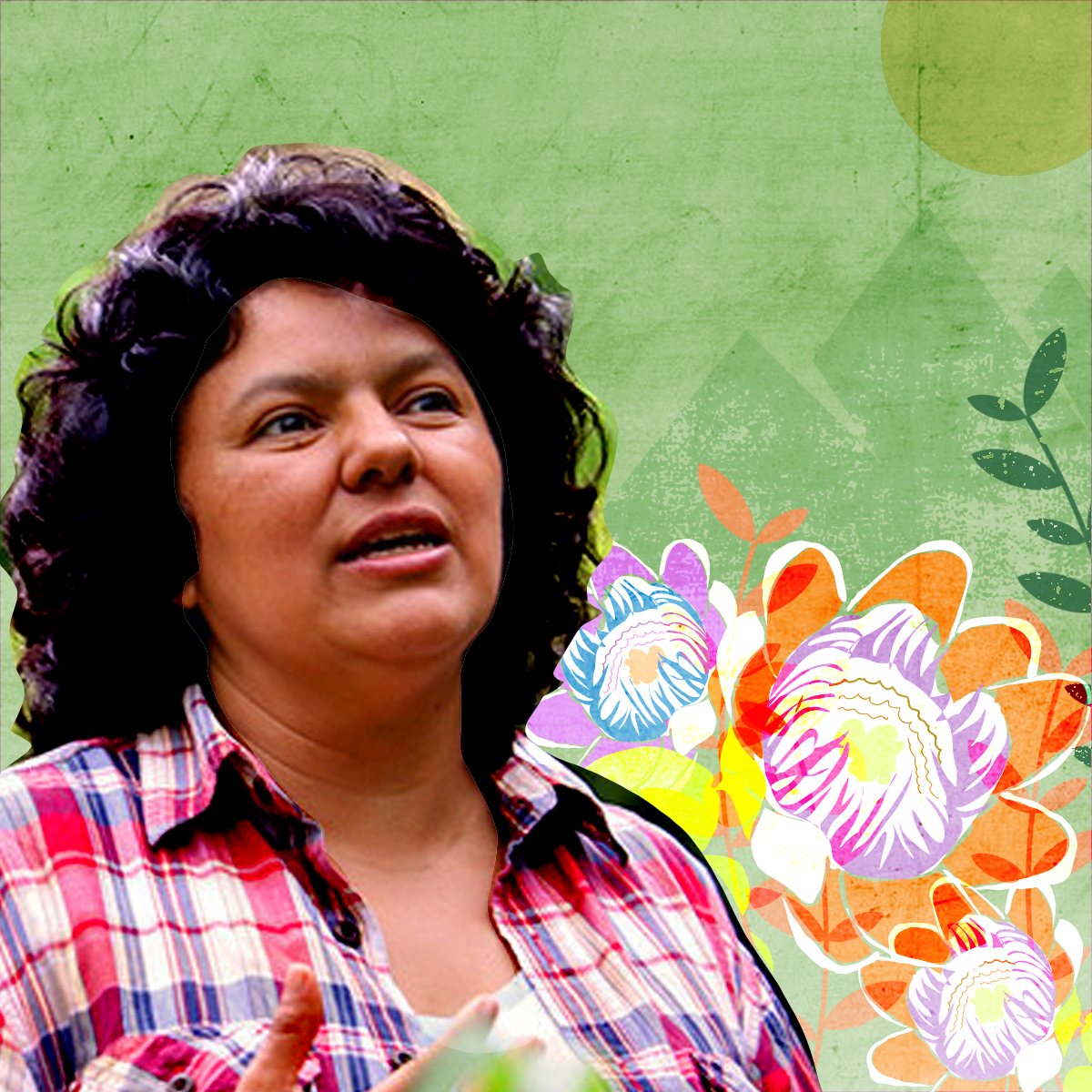
Berta Cáceres cofounded the National Council of Popular and Indigenous Organizations of Honduras (Consejo Cívico de Organizaciones Populares e Indígenas de Honduras, COPINH) in 1993 to address the growing threats posed to the territorial rights of the Lenca communities and improve their livelihoods. For more on her case see: https://humanrightsdefenders.blog/tag/berta-caceres/

JULIÁN CARRILLO AND THE COLORADAS DE LA VIRGEN COMMUNITY (MÉXICO)

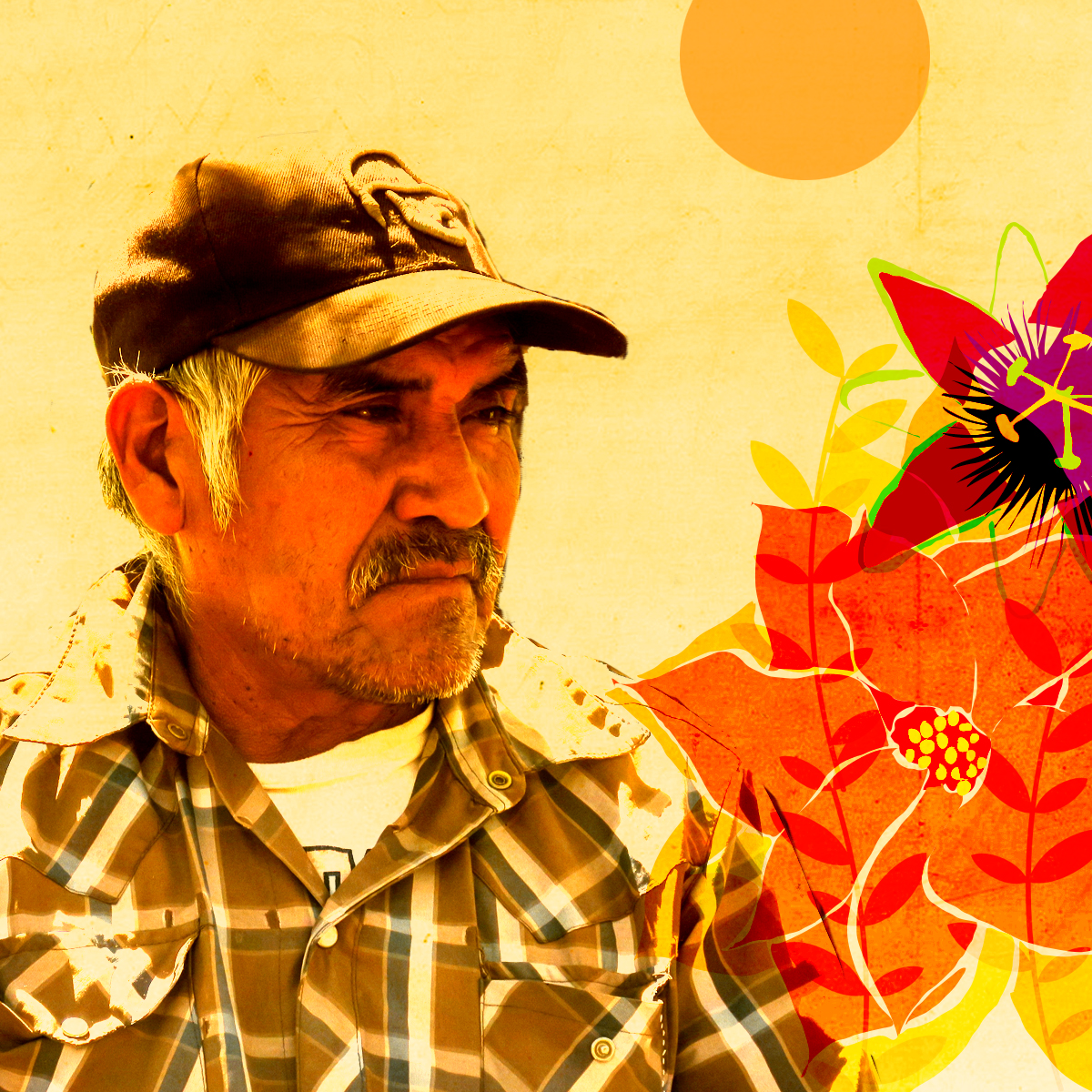
Julián Carrillo was a leader of the Coloradas de la Virgen community. His job was to take care of the territory, the water, the forest and the wildlife. He had publicly denounced logging and mining by landlords in their ancestral land, as well as violence by criminal armed groups against his community. See also: https://humanrightsdefenders.blog/2018/11/07/reprehensible-says-un-about-mexican-killing-of-human-rights-defender/%5D

PARAGUAY: AMADA MARTÍNEZ, INDIGENOUS DEFENDER OF THE ENVIRONMENT AND TERRITORY

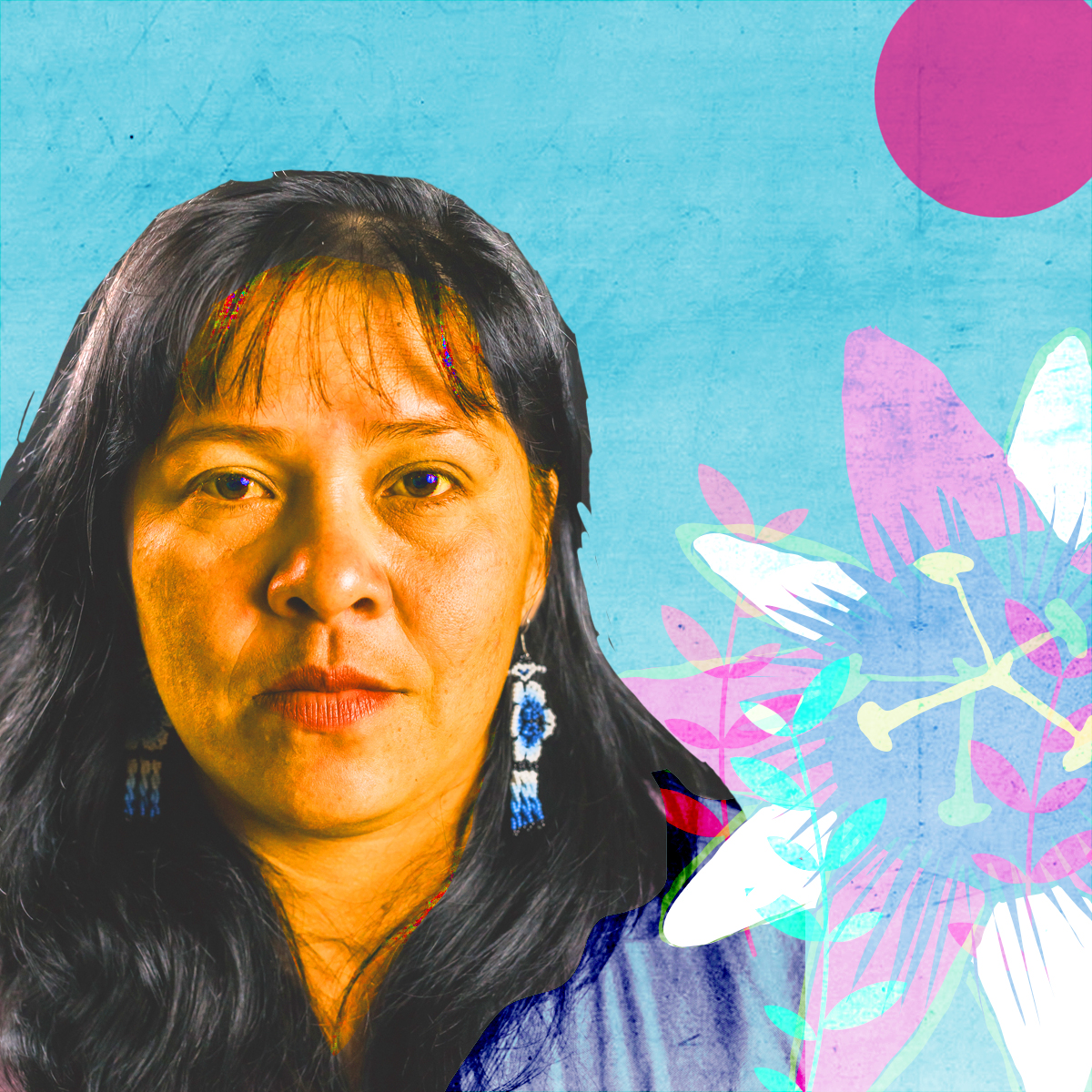
Amada is an Avá Guaraní Indigenous environment defender from the Tekoha Sauce community.

In the 1970s, the construction of the Itaipú Binational hydroelectric plant, in the border between Paraguay and Brazil, forcibly displaced her community from its ancestral territory, putting their survival at risk. Since then, she has defended the right of her community to have a territory in which they can thrive in harmony with nature and has denounced the serious impacts of hydroelectric projects on nature and Indigenous Peoples’ lives. On 8 August 2018, a group of armed men threatened to kill her. Amada was leaving the community in a taxi along with his seven-year-old son, his sister and two young nephews, when the vehicle in which they were traveling was intercepted by a pickup truck with the logo of the hydroelectric plant. Amada Martínez believes that the threat against her was due to her work defending Indigenous Peoples rights and the environment.

PATRICIA GUALINGA, INDIGENOUS DEFENDER OF THE ENVIRONMENT AND TERRITORY

“We are united and we will continue our struggle to defend Mother Earth.”

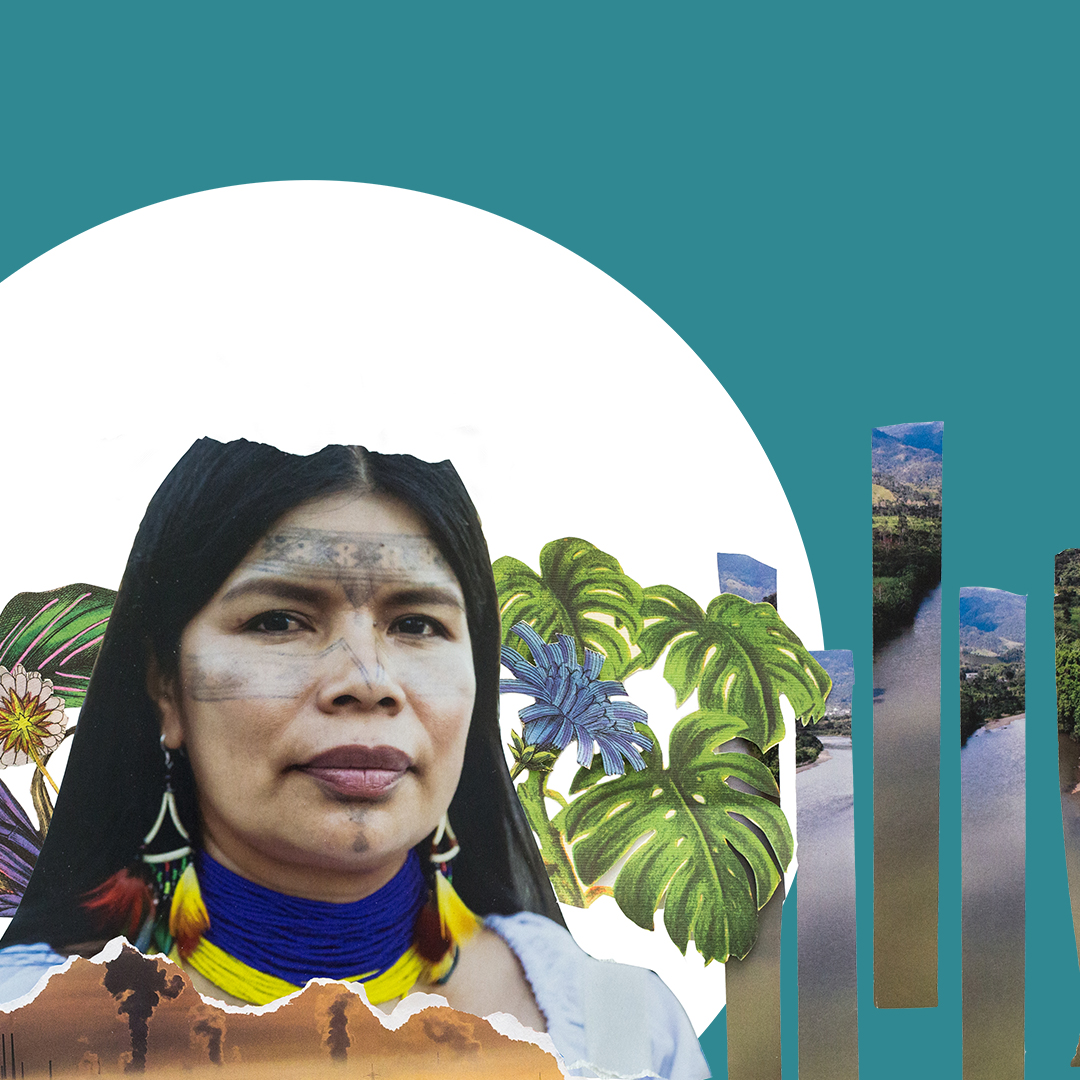
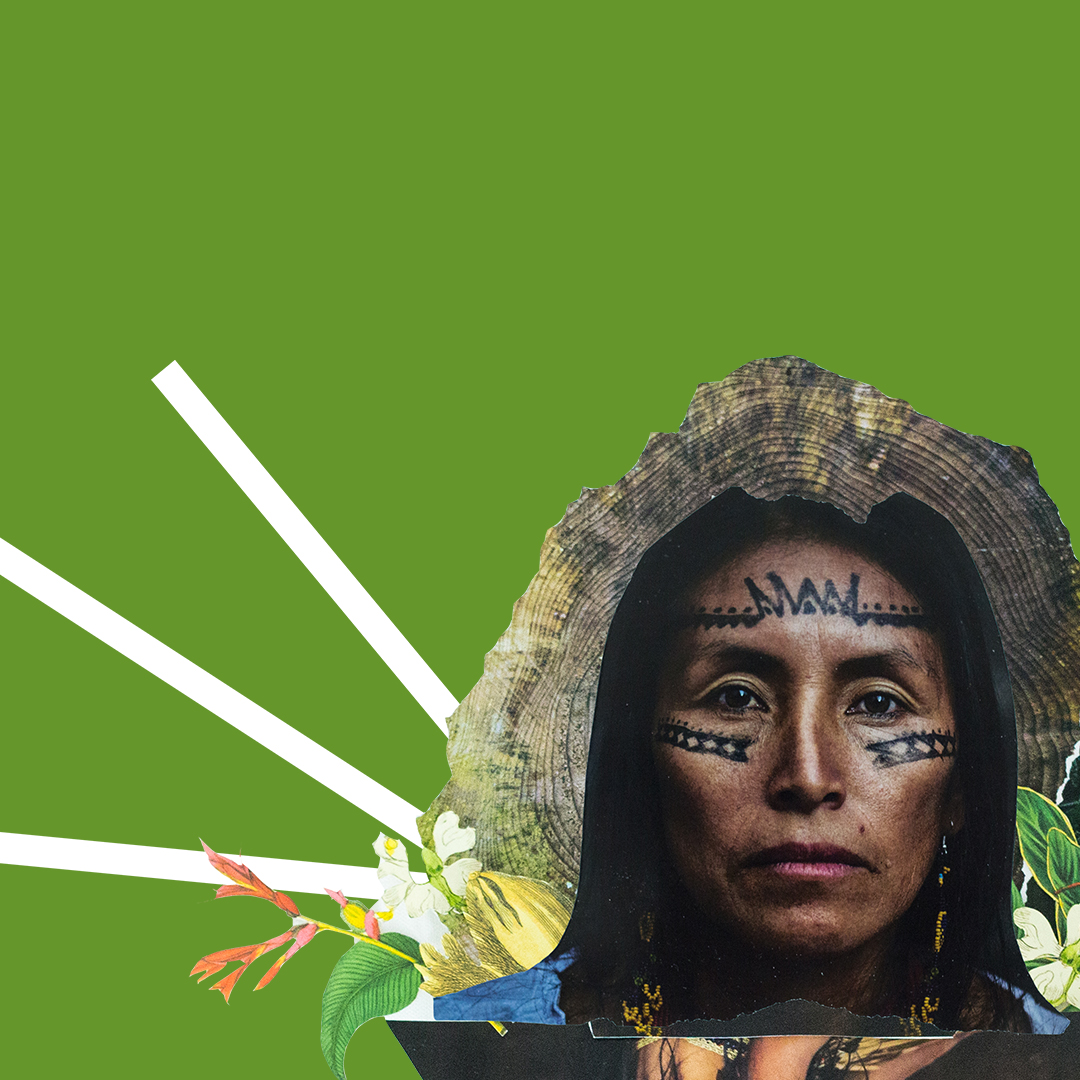
Patricia is an Indigenous leader of the Kichwa people of Sarayaku community. She defends her people’s rights to their territory and to live in a healthy environment in the face of damaging oil activities there. Patricia is also protecting the Amazonian environment and promoting sustainable development. In 2012, the Indigenous Sarayaku community achieved a historic victory for Indigenous Peoples against the Ecuador government after reporting an oil concession that had installed explosives on their territory without consulting them. In the early hours of 5 January 2018, an unknown man made death threats to Patricia and attacked her at her home in Puyo, in the east of Ecuador., The man shouted, “Next time we’ll kill you, bitch!” before fleeing. Patricia and her family had to leave their home after the attack because the property owner “was terrified that something would happen to her.”

NEMA GREFA, INDIGENOUS DEFENDER OF THE ENVIRONMENT AND TERRITORY


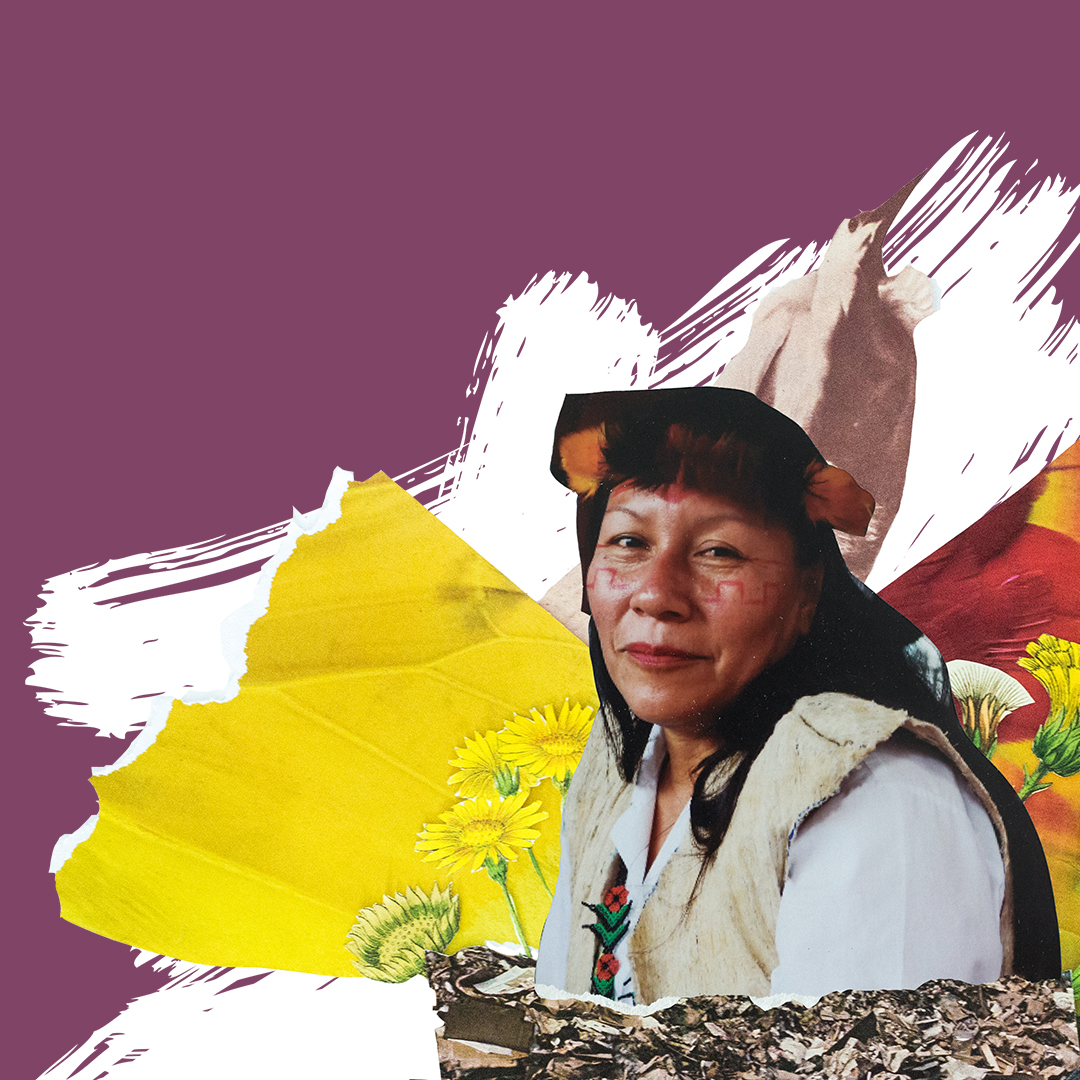
Nema is defending the Amazon environment and her people’s right to protect their territory from the possible negative effects of oil activity. After being legally recognized as President of the Sápara nationality of Ecuador in January 2018, her appointment was challenged by a group of people who Nema says are supportive of oil activities on the Sápara territory. Nema’s appointment was revoked in April 2018 as a result. Later that month a video was shared on social media featuring a man armed with a spear, identified by Nema as belonging to the group who had challenged her appointment, issuing her with a death threat: “Those present here are united in rejecting her and are thus going to kill Nema Grefa; she has no territory.” One year on, the Attorney’s Office has yet to open in investigation into the death threat. On 19 October 2018 Nema was finally recognized as president but still faces serious threats to her life. In April this year, despite the Ecuadorian authorities’ promises to protect her and her family, unknown individuals forcibly broke into her home to steal two computers containing sensitive information on her human rights work.

SALOMÉ ARANDA, INDIGENOUS ENVIRONMENTAL AND WOMEN’S RIGHTS DEFENDER

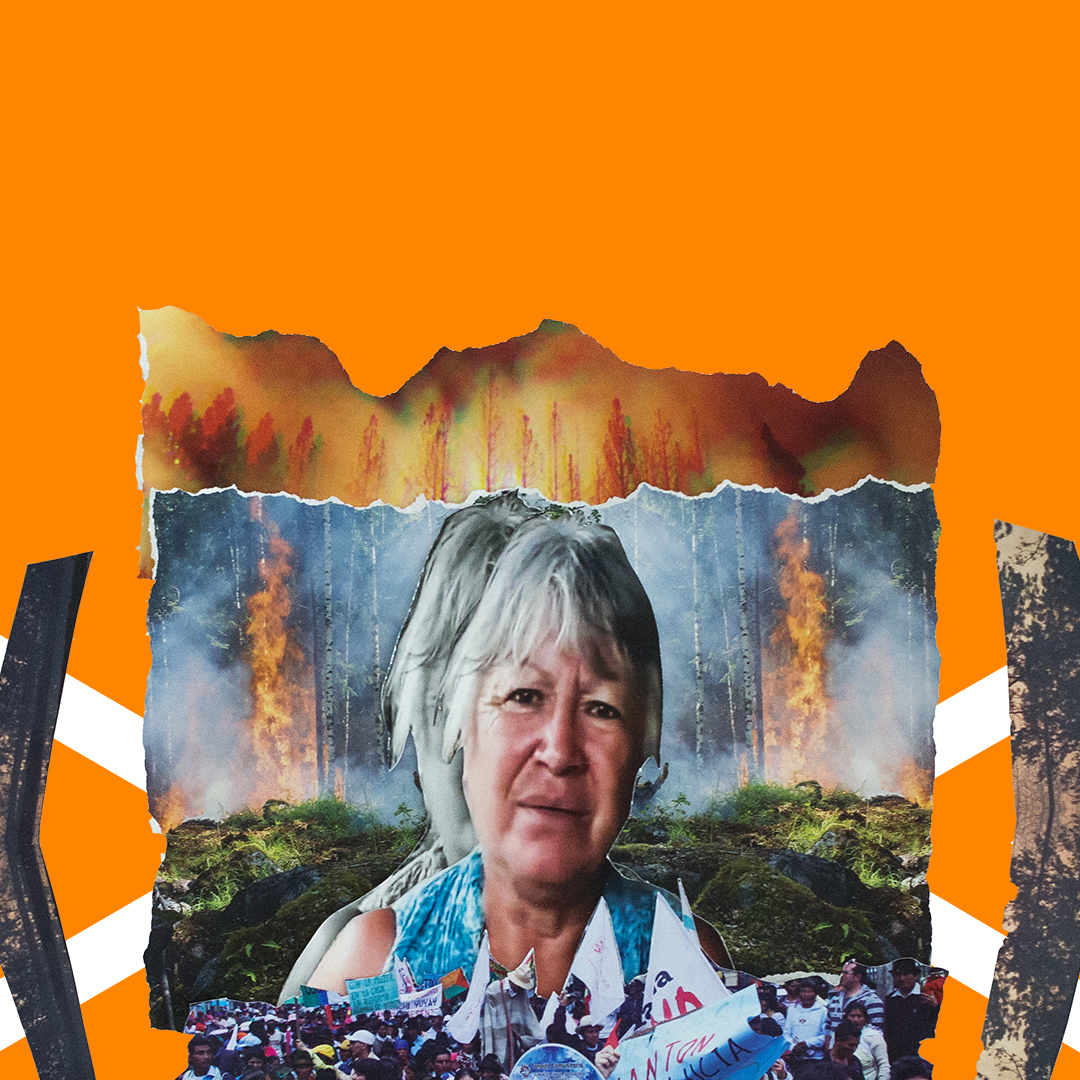
Salomé is an Indigenous leader from the Kichwa people who is defending the Amazonian environment and the right of women in her community to live in a healthy environment, free from sexual violence. Salomé is the Women and Family Leader in Moretecocha commune, Pastaza province. Salomé has publicly denounced the possible environmental impacts of oil operations in the Villano River basin, Pastaza province, and the sexual abuse of Indigenous women that have occurred in this context. In the early hours of 13 May 2018, a number of unidentified individuals attacked and threatened her and her family at home. Despite making a formal complaint, the Pastaza Provincial Attorney’s Office has yet to make any significant progress in this investigation. The authorities have not even offered her protection measures to address the risk facing her and her family.

MARGOTH ESCOBAR, ENVIRONMENTAL AND INDIGENOUS PEOPLES’ RIGHTS DEFENDER

Margoth has devoted her life to defending the environment and Indigenous Peoples’ rights. In August 2015, Margoth was physically attacked by police officers at a protest and national strike called by the social and Indigenous movements in Puyo, Pastaza province. She was held on pre-trial detention for more than a week despite poor health caused by her injuries. She was charged with “attack and resistance”, which she was eventually acquitted of. In September last year Margoth’s house was set on fire, destroying all her belongings. On 1 October 2018, the Puyo Fire Brigade Commander stated that the fire at Margoth’s house had been intentional. Margoth lodged a criminal complaint with the Pastaza Provincial Attorney’s Office to investigate the attack, yet no progress has been made in her case. Margoth refused to join the country’s witness protection program because of her previous experience at the hands of the police: “I didn’t want to join the victim and witness protection system because I have no faith in the current government, I have no faith in the independence of the legal system in Ecuador, nor in the military or police forces.”

https://www.amnesty.org/en/latest/campaigns/2019/06/why-we-need-to-stand-up-for-earth-defenders-this-world-environment-day/