Author Archive

The Emirates trying to do good with one hand but what horror with the other!

May 8, 2019

The two faces of the UAE on human rights:

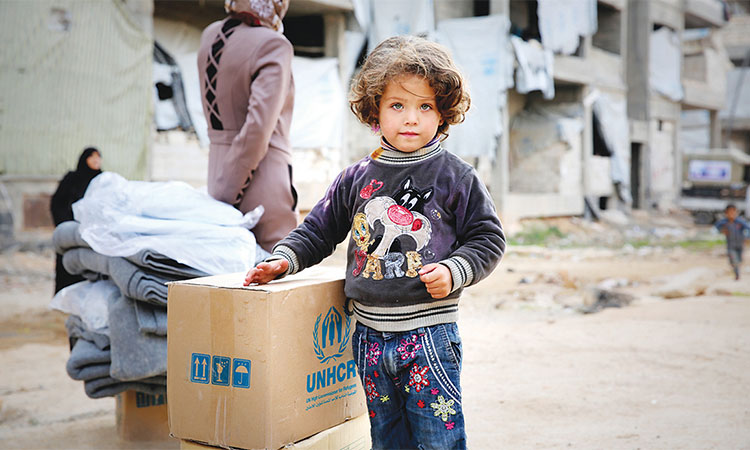
While major NGOs are involved in a campaign to save the life of human rights defender Ahmed Mansoor, Sharjah – the third largest and third most populous city in the United Arab Emirates – launches an international award for refugee work.

Update 6 May 2019:  Ahmed Mansoor remains in isolation in Al-Sadr prison in Abu Dhabi with no bed or water, despite an unconfirmed report that he may have ended his hunger strike recently. See: https://humanrightsdefenders.blog/2019/04/10/mea-laureate-ahmed-mansoor-on-hunger-strike-in-emirates/

Mansoor is being kept in an isolation ward in Al-Sadr prison in Abu Dhabi, where he is being held in “terrible conditions” in a cell with no bed, no water and no access to a shower. His health has deteriorated significantly, and he is in bad shape, moving slowly when he is allowed out of his cell. He is not allowed to have regular family visits, another reason he started his hunger strike in mid-March. The NGOs – Arabic Network for Human Rights Information (ANHRI), ARTICLE 19, Cairo Institute for Human Rights Studies (CIHRS), CIVICUS, English PEN, FIDH and the World Organisation Against Torture (OMCT) under the Observatory for the Protection of Human Rights Defenders, Front Line Defenders (FLD), the Gulf Centre for Human Rights (GCHR), IFEX, International Service for Human Rights (ISHR), Martin Ennals Foundation, PEN International and Reporters Without Borders (RSF)- call on the UAE to immediately and unconditionally release Ahmed Mansoor, and other unlawfully detained human rights defenders.

————–
Special Rapporteur Forst launches campaign: “TOGETHER WE DEFEND HUMAN RIGHTS”

May 8, 2019

“We all can be human rights defenders, as long as we peacefully stand up for other people or speak out against injustice or discrimination” says Michael Forst – the UN Special Rapporteur on human rights defenders – in launching his new campaign #TogetherWeDefend. The campaign promotes human rights defenders worldwide by fully recognising the good they do. 

Follow the link https://togetherwedefend.org  to find out more, subscribe and join the campaign.

For some of my earlier posts on Forst see: https://humanrightsdefenders.blog/tag/michel-forst/

YouTube human rights news channel ‘Just Asia’ deserves more viewers

May 8, 2019

As founding video producer of Just Asia, Amila Sampath, 30, gathers film clips and news snippets from around the region. His sources include activists, lawyers and NGOs, and the show, uploaded on Fridays, is anchored by university student volunteers. Sampath has produced more than 250 episodes of Just Asia, but getting audiences to take an interest in the protection and well-being of fellow human beings has not been easy. He is disappointed the show is not more widely viewed. “It is difficult to get people to watch human rights stories,” Sampath says. “They’re not music videos, but I just have to keep trying.”

Sampath’s aim is to broadcast regional human rights abuses to a global audience. Photo: Dickson Lee
Sampath’s aim is to broadcast regional human rights abuses to a global audience. Photo: Dickson Lee 

Just Asia he puts together with a skeletal crew comprising himself as producer, cameraman and director, and colleague Meryam Dabhoiwala, who writes the scripts and edits. Their studio is a simple office in Ho Man Tin, Kowloon, with a green screen background. Each week he compiles five regional stories and enlists the help of university students to shoot the episodes and edit the videos.

Hong Kong student volunteer Alexandra Leung presents an episode of Just Asia, a weekly human rights news programme on YouTube produced by the Hong Kong-based Asian Human Rights Commission.

Hong Kong student volunteer Alexandra Leung presents an episode of Just Asia, a weekly human rights news programme on YouTube produced by the Hong Kong-based Asian Human Rights Commission.

One volunteer is Alexandra Leung Chui-yan, 22, who will be graduating from the School of Communication at Hong Kong Baptist University this month. On August 17, 2017, Leung was in Barcelona, walking along La Rambla boulevard, when a car ploughed into a crowd. The terrorist attack killed 13 people and injured more than 130, including Leung. In the ensuing chaos she was trampled, resulting in a broken toe and fractured knees. Leung has since undergone surgery, but is still not completely healed. A few months after the incident she began volunteering for Just Asia as a trainee, learning how to read the news in front of a camera and how to pronounce Southeast Asian names.

Find out more about Just Asia at www.alrc.asia/justasia or www.humanrights.asia

In Memoriam Murray Thomson one of the founders of Peace Brigades International

May 7, 2019
Age Is More: Image: Still from Murray Thomson/YouTube
Murray Thomson passed away at 96 years of age on 2 May 2019 in Ottawa, Canada. 

The founding statement for PBI that Thomson helped draft almost 40 years ago said, “We are forming an organisation with the capacity to mobilise and provide trained volunteers in areas of high tension, to avert violent outbreaks.” There was no way for Thomson and the 10 other people who gathered on Grindstone Island, southwest of Ottawa, from August 13 to September 4, 1981 to know that the seed they planted with their vision would grow into a global organization.

Fathi Zabaar, the New York City-based Tunisian human rights activist who chairs PBI’s International Council says, “In 2017, PBI’s community of activists provided effective protection and support to more than one thousand women, men and LGBTI defenders, despite the challenging context and huge risk those working to change the world continued to face.“… Along with Thomson, there were two other people from Canada at that meeting: Henry Wiseman and Hans Sinn. Wiseman passed away at 93 years of age of in Guelph, Ontario in January 2017. Sinn remains active and still lives in the Ottawa Valley.

In April 2015, Sinn told Ottawa Magazine about the founding of PBI in 1981. “Our first project was in Guatemala. The mothers of the disappeared appealed to us for an international presence. By looking for their children, who had been made to disappear, they came under threat too,” Sinn said.  Sinn added, “They needed a link to the outside world — for protection and for international pressure to help improve the situation — and we provided that.”

….

Thomson’s contributions to human rights and peace extend far beyond the formation of Peace Brigades International. He helped found the Quaker Peace Education Centre-Grindstone Island in 1963, which worked to address the question: “How can we, who advocate nonviolence, actually practise it in hostile, threatening situations?” and Project Ploughshares in 1976, which was based around the observation that newly independent countries were spending vast amounts of borrowed money to build up military institutions rather than on the public interest and social needs. Thomson also helped found the Group of 78 in 1981 to promote peace and disarmament, equitable and sustainable development, and a revitalized United Nations system, and Peacefund Canada in 1985 as a campaign aimed at allowing conscientious objectors to have their tax payments spent only for non-military purposes.

Thomson helped found Canadian Friends of Burma in 1991 to support the pro-democracy movement in the struggle for peace, democracy, human rights and equality and Canadians for a Nuclear Weapons Convention in 2008, a group which seeks a verifiable treaty on the prohibition and elimination of nuclear weapons. Thomson made an extraordinary contribution to peace, justice and human rights during his lifetime and his example inspires many of us to continue that work.

For more on Thomson’s life of faith and activism, please see the rabble.ca blog by Dennis Gruending, the Tribute to ‘a renaissance man of peace’ by Koozma J. Tarasoff, and the post by Peace Brigades International-Canada.

http://www.rabble.ca/blogs/bloggers/brent-patterson/2019/05/murray-thomsons-lasting-legacy

Ethiopia: a progress report by DefendDefenders made public on 7 May

May 7, 2019

In a new report launched 7 May 2019, Turning the Page: Rebuilding Civil Society in Ethiopia, the regional NGO DefendDefenders examines the challenges faced by Ethiopian human rights defenders amid the ongoing reform process and makes concrete recommendations for rebuilding a robust and inclusive civil society ahead of elections planned for 2020. Despite some positive developments, serious gaps remain, the report concludes and rights-based organisations in the country currently lack the capacity to keep pace with these developments. This report outlines several avenues donors and international organisations can use to help effectively rebuild civil society in Ethiopia, such as capacity-building activities, and areas of focus like psychosocial support.

I believe that the role of HRDs and civil society is prescient in ensuring that ideals of democracy and open civic space are not only achieved in Ethiopia, but offer a roadmap to other African countries,” says Hassan Shire, Executive Director of DefendDefenders. “This report should not only highlight the many achievements of Ethiopia in the last year, but also acknowledge the uneasy road ahead and make concrete recommendations to mitigate potentially negative outcomes.

After a 13-year crackdown on civil society (hundreds of killings and the arrest, arbitrary detention, and torture of thousands of peaceful protesters), amid internal pressure, Dr. Abiy Ahmed was appointed as the new Prime Minister In April 2018 and began a series of reforms aimed at opening political and civic space in the country. This has been accomplished by releasing thousands of political prisoners and granting them amnesty, and accepting previously banned groups back into the Ethiopian political mainstream, in addition to the appointment of prominent women to positions of power within the government. [see also: https://humanrightsdefenders.blog/2019/02/12/human-rights-defender-yared-hailemariam-back-in-his-homeland-ethiopia-after-13-years/]

However, concerns remain over the top-down nature of the reforms, as well as gaps in the economic, security, health, and legal sectors. This report also contains a detailed analysis of the new Civil Society Organisations Proclamation, with commentary on the provisions that mark an improvement, as well as remaining concerns.

Questions over how to achieve accountability for past and ongoing human rights violations remain, with concerns regarding civil society’s lack of capacity to effectively support such endeavors, as well as the state’s ability to constructively handle this process.

While the majority of the country’s media remains state-owned, small publications and online outlets have flourished since the reform process began. The ongoing liberalisation of the media sector raises concerns over the rise of online hate speech spurred by ethnic nationalism.

Women HRDs remain at risk in the country, with rigid social norms often preventing their active participation in public life or human rights organisations. Women also often lack access to justice, especially in cases of female genital mutilation and sexual and gender-based violence, as well as access to positions of power in the government.

Lesbian, gay, bisexual, transgender, and other sexual minority (LGBT+) HRDs remain a critically unaddressed group within Ethiopia’s burgeoning human rights movement, partially rooted in the country’s religious and conservative value systems, in addition to lack of prior experience and sensitisation. Mainstreaming LGBT+ organisations into the wider rebuilding of Ethiopian civil society will be paramount to addressing these gaps.

Forthcoming elections scheduled for May 2020 offer a critical test for the country with questions over what role civil society will be ready to play ahead of, and during, a free and fair poll, and whether there is sufficient capacity to conduct effective democratic sensitisation campaigns and monitor polls.

A properly functioning national coalition of HRDs is paramount to effectively rebuild civil society, however, issues remain with regard to the inclusion of previously marginalised groups. If these efforts are successful, Addis Ababa also bears the potential to become an important Ubuntu Hub City for HRDs from across Africa, with welcoming policies regarding migration, refugee rights, and institutional support from international organisations and diplomatic missions. For more information, please contact communications@defenddefenders.org.

https://www.defenddefenders.org/publication/turning-the-page-rebuilding-civil-society-in-ethiopia/

Breaking news: Reuters journalists Wa Lone and Kyaw Soe Oo freed in Myanmar

May 7, 2019

All the mainstream media (here Al Jazeera) are reporting that today the Reuters journalists Wa Lone and Kyaw Soe Oo were freed from Myanmar jail.

Earlier on Tuesday, Myanmar said it will release 6,520 prisoners in an amnesty, according to a statement from the president’s office.  President Win Myint pardoned thousands of prisoners in two mass amnesties last month. It is customary in Myanmar for authorities to free prisoners around the time of the traditional New Year, which began on April 17.

We are enormously pleased that Myanmar has released our courageous reporters,” Reuters editor-in-chief Stephen Adler said in a statement. “Since their arrests 511 days ago, they have become symbols of the importance of press freedom around the world. We welcome their return.” Reuters has said the two men did not commit any crime and had called for their release.

https://www.aljazeera.com/news/2019/05/jailed-reuters-journalists-freed-prison-myanmar-190507024627552.html

World Press Freedom Day celebrated on 3 May 2019

May 6, 2019

Friday 3 May was World Press Freedom Day. Read the rest of this entry »

#MeToo movement leaders win Sydney Peace Prize 2019

May 6, 2019
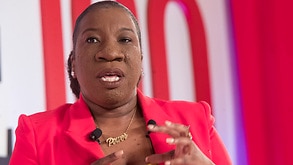
Activist Tarana Burke speaks during the during the TIME 100 Summit, April 23, 2019,
Activist Tarana Burke founded the #MeToo movement in 2006. Source: AAP

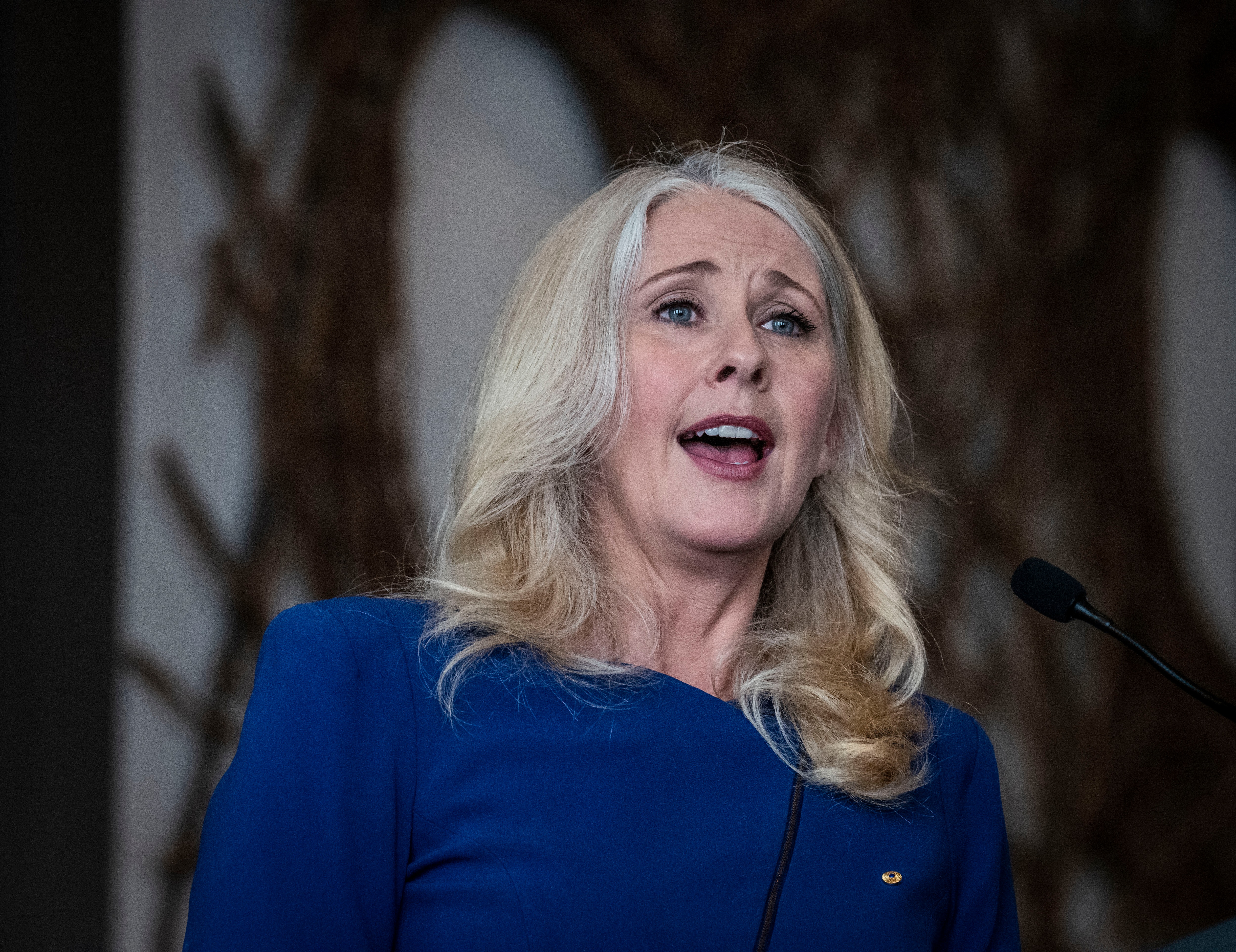
SBS reports that the founder of the global #MeToo movement, Tarana Burke, and one of the leading faces of the Australian movement, Tracey Spicer, have been jointly awarded the Sydney Peace Prize for their work in the #MeToo movement. [For more on this and other awards: http://www.trueheroesfilms.org/thedigest/awards/sydney-peace-prize]. The two human rights defenders have received the award for their work in revealing and protesting against sexual harassment, particularly the widespread 2017 investigations into sexual harassment in the media industry.

Tracey Spicer addresses the UsToo lunch at the Westin Hotel in Perth, 2018.

Tracey Spicer has been one of the spearheads of Australia’s movement against sexual harassment. AAP

Ms Burke said that receiving the peace prize highlights the prevalence of sexual violence and strengthens belief that the issue can be eradicated.  “The #MeToo movement will continue this work until we shift the culture to one that believes that every person, no matter their identity or circumstance, has the right to consent and safety,” Ms Burke said.

Ms Spicer greatly contributed to revealing sexual harassment in the Australian media industry, through work investigating multiple allegations of sexual harassment and bullying by Australian TV personality Don Burke.  Ms Spicer expressed her “tremendous honour” in accepting the Sydney Peace Prize alongside Ms Burke. “I dedicate this prize to everyone who is a survivor of sexual violence: your voices are being heard.” Ms Spicer also created Now Australia in 2018 to support survivors who have been sexually harassed, and to support the National Inquiry into Sexual Harassment being led by the Australian Human Rights Commission.

See also: https://humanrightsdefenders.blog/2019/03/16/civicus-publishes-report-on-women-human-rights-defenders-and-the-struggle-against-silencing/

Canada wins bank note competition with human rights defender

May 6, 2019

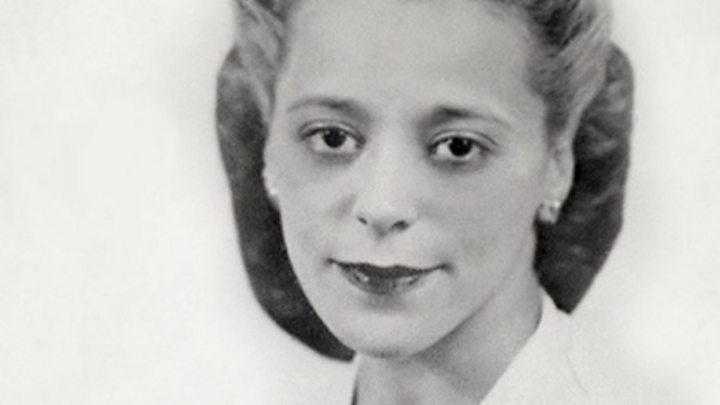
A bit quirky but nice news item: “Canada’s Viola Desmond note wins international banknote competition” as reported by the BBC on 30 April 2019.

A Canadian $10 bill has won the top prize in an international banknote competition.

The bill, featuring Canadian civil rights activist Viola Desmond, beat 15 other banknotes to win the International Bank Note Society award. Desmond became the first female Canadian to be featured prominently on a banknote. Desmond, a black businesswoman from Nova Scotia, stood at the forefront of Canada’s early civil rights movement when she refused to vacate a whites-only area of a theatre in 1946. The back of the $10 note depicts the Canadian Museum for Human Rights in Winnipeg, Manitoba.

The $10 Viola Desmond note (centre) beat competition from Russia (left) and Venezuela (right)Image copyrightCOURTESY The $10 Viola Desmond note (centre) beat competition from Russia (left) and Venezuela (right)

https://www.bbc.com/news/world-us-canada-48071926

Civil Society and human rights NGOs are fighting back but against odds

May 5, 2019

This article by  (IPS) was published on 10 April 2019 in the context of International Civil Society Week (ICSW), which took place  in Belgrade. Under the title “Civil Society, Once the “World’s New Superpower,” is Battling Against Heavy Odds” it describes how human rights NGOs have come under pressure in recent years

Former UN Secretary-General Kofi Annan once described civil society organizations (CSOs), as “the world’s new superpower” ..but that political glory has continued to diminish over the years against the backdrop of repressive regimes, hard right nationalist governments and far right extremist groups.

Perhaps the most virulent attacks on NGOs are on their attempts to provide protection and security to migrants and refugees in the “dangerous crossings,” from North Africa across the Mediterranean Sea and the Mexico/US border. “There are now serious restrictions in civic space on every continent,” says the annual State of Civil Society Report 2019, released last week by the Johannesburg-based CIVICUS. And it singles out the Italian government’s decision to impose a hefty fine on one of the world’s best-known humanitarian organisations, Médecins Sans Frontières (MSF), while also freezing their assets, impounding their rescue vessel and investigating their staff for human trafficking…in retaliation for their efforts to save refugees from drowning in the Mediterranean Sea. There were also instances of civil society activists being charged, tried and convicted in the United States for providing water supplies for migrants crossing the deadly Sonoran desert on the US/Mexico border. As these attacks continue, international institutions are “struggling” to help shore up these NGOs because these institutions, including the United Nations, are “hamstrung by the interests and alliances of powerful states.”

The report points out these institutions did little to respond to the great challenges of the day– failing to fight overwhelming inequality and also were largely silent on human rights abuses of states such as Saudi Arabia and Sudan while letting down the people of Syria and the Rohingyas of Myanmar, among many others.

Asked if there is a role either for the United Nations or its member states to protect CSOs under attack, Mandeep Tiwana, Chief Programmes Officer at CIVICUS, told IPS the UN is making some efforts to put the issues of attacks on CSOs and activists in the spotlight. In December last year, he said, the President of the UN General Assembly, in a symbolic event, awarded the UN human rights prize to three civil society activists and an organisation dedicated to the protection of human rights defenders. [see: https://humanrightsdefenders.blog/2018/12/20/human-rights-defenders-receive-their-2018-un-prizes/]

Recently, on March 21, the UN Human Rights Council (UNHRC) adopted a first-of-its-kind resolution on the protection of environmental human rights defenders, said Tiwana. The UN Secretary General has a designated senior official to lead efforts within the UN system to address intimidation and reprisals against those cooperating with the UN system. And, he said, the Office of the High Commissioner for Human Rights and UN Women regularly champion the work of CSOs and women human rights defenders respectively. “However, in light of the growing restrictions on civic space, around the world, and even at the UN itself, these efforts are often not enough,” complained Tiwana. This is in part because the UN itself is also under pressure from (undemocratic) governments that restrict civil society at home, and wish to do so at the UN as well.

He said the CIVICUS Monitor, a participatory platform that measures civic freedoms finds that only 4% of the world’s population live in countries where the freedoms of expression, association and peaceful assembly are adequately protected…

“Our 2019 State of Civil Society Report points out, that the UN is hamstrung by the actions of powerful states that refuse to play by the rules including the US, China and Russia”. Tiwana said a number of rights repressing states are joining international bodies. In 2018, for example, Bahrain, Bangladesh and Eritrea, joined the UN Human Rights Council….

Second, states are withdrawing from international institutions and agreements, with the US withdrawing from the Paris Agreement on Climate and undermining UN resolutions on Palestine and the Occupied Territories. Philippines has pulled out of the International Criminal Court (ICC) in a bid to avoid international accountability for widespread human rights violations including attacks on civil society. In 2018, the new Global Compact for Migration also saw a string of states with hardline migration policies pull out between the agreement of the deal and its signing.

Third, rogue leaders are bringing their styles of personal rule into international affairs, ignoring existing institutions, agreements and norms, acting as unilateral strongmen or striking bilateral deals with other hardmen, undermining multilateralism and making it harder to scrutinise their actions, Tiwana noted. Potentially everything seems up for negotiation and nothing can be assured at the international level, even the 70-year-old international human rights norms that underpin civil society action, he warned.

The writer can be contacted at thalifeen@ips.org

http://www.ipsnews.net/2019/04/civil-society-worlds-new-superpower-battling-heavy-odds/