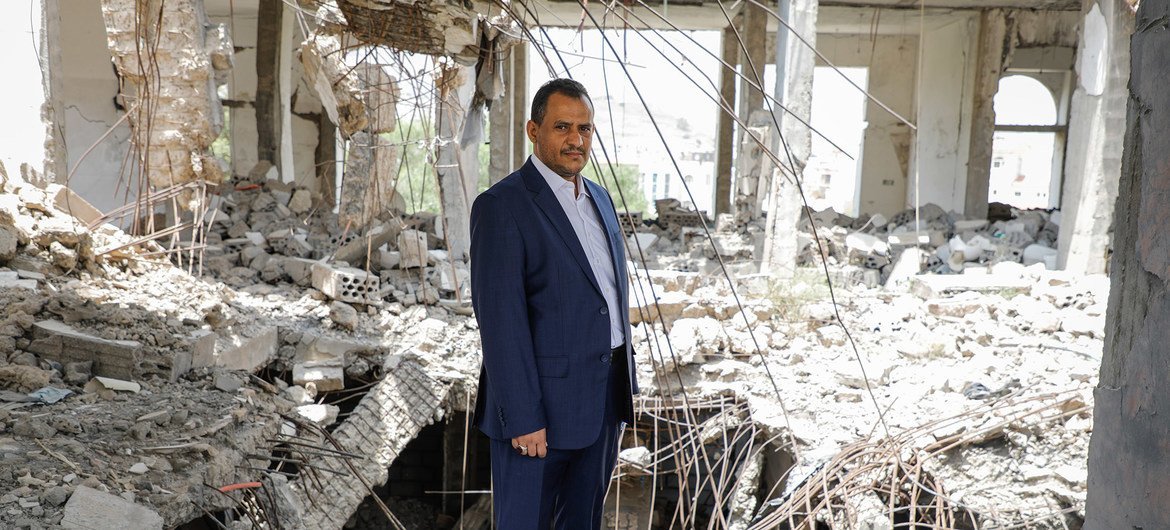
The Jeel Albena Association for Humanitarian Development, a Yemeni humanitarian organization that has supported tens of thousands of people caught up in the country’s conflict, is the winner of the 2021 UNHCR Nansen Refugee Award.
UN High Commissioner for Refugees, Filippo Grandi, announced the laureate this Wednesday 29 September 2021. Every year, the prize recognizes a person or group, that goes above and beyond the call of duty, to help displaced or stateless people. For more on this award for refugee workers: https://www.trueheroesfilms.org/thedigest/awards/CC584D13-474F-4BB3-A585-B448A42BB673
In a statement, Mr. Grandi said that “Jeel Albena does this in an extraordinary way helping people on all sides of Yemen’s conflict.”
“Its staff and volunteers have stayed put, working quietly on the ground throughout the conflict, in the face of the harshest adversity, at a time when many others have left,” he said.
Frontline work
Their work, often near the frontlines, has included constructing 18,000 emergency shelters for internally displaced people and their host communities. Their work has also allowed thousands to make a living, and been a vehicle to restore basic human dignity.
Mr. Grandi noted that Jeel Albena’s motto is “By Yemenis, for Yemenis” and that it “exemplifies its spirit of local community action.”
“Always, they seek solutions together with the communities where they are active,” he explained.
Established in June 2017, the association started with only fifteen staff and now has more than 150 employees, over 40 per cent of them, recruited from within displaced communities. .
The organization’s founder, Ameen Jubran, will collect the award on behalf of the organization.
Mr. Jubran first started working with displaced people while he was at university and he has never stopped. He was nearly killed in the conflict and, like many of his team, have experienced displacement first-hand.
“But he did not give up. In fact, he says the experience of being forced to flee his home only increased his determination, in the true spirit of Nansen,” Mr. Grandi recalled. For the High Commissioner, the award “puts a much-needed spotlight on Yemen, a country where the suffering faced by civilians does not receive the attention it deserves.”“It is my profound hope this award draws international attention to Yemen and that Jeel Albena’s extraordinary work will inspire more action for the people there who have suffered,” concluded the High Commissioner.
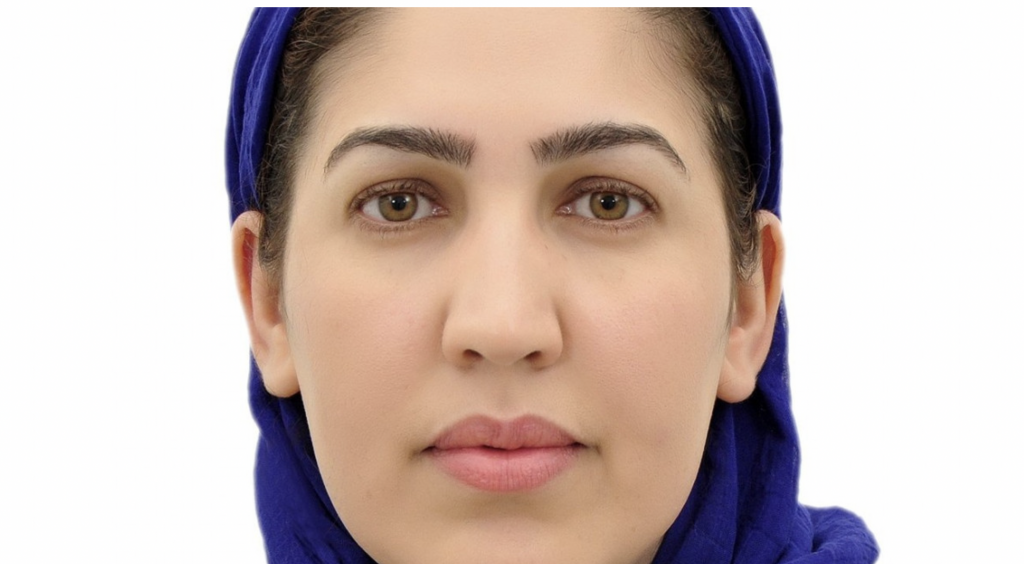
Freshta Karimi, 38, the founder of the Da Qanoon Ghushtonky (DQG) organisation, one of the largest suppliers of legal aid in Afghanistan, won the Ludovic-Trarieux International Human Rights Prize 2021, awarded by jurists to their peers.
Her organisation works in particular on upholding the rights of woman and children in Afghanistan and she has regularly represented it abroad in recent years.
Since the Taliban seized power last month however, she has kept a lower profile, lawyer Bertrand Favreau, the founder of the prize and chairman of its jury, told AFP.
“For at least five years, she has received threats from the Taliban in all the cities where she has tried to open an office to inform women of their rights,” he said.
That had not stopped her continuing her outreach work however, travelling to even the most remote villages, he added. “Today she is one of the most threatened lawyers in the world.”
The Ludovic Trarieux Award is an annual prize which recognises lawyers of any nationality who have sought to defend human rights, often at great risk to themselves. The award was named after Trarieux, who in 1898 founded France’s Human Rights League (LDH). For more on this and other awards for jurists, see: https://www.trueheroesfilms.org/thedigest/awards/7C413DBA-E6F6-425A-AF9E-E49AE17D7921.
Fortify Rights, a human rights organisation on Thursday urged the Bangladesh government to immediately investigate the assassination of Rohingya human rights leader Rohingya human rights leader Mohibullah
In a written statement the organisation called on the authorities to get to the bottom of the murder and hold the perpetrators accountable. No one has claimed responsibility for his murder, but a Rohingya leader claimed that Ullah was killed by the extremist group Arakan Rohingya Salvation Army, which was behind several attacks on Myanmar security posts in recent years.
“This is a devastating loss for everyone who knew and loved Mohib Ullah, and it is also a tremendous loss for Myanmar, the Rohingya people, and the human rights movement more broadly,” said Matthew Smith, chief executive officer at Fortify Rights.
He also said Mohibullah was committed to truth, justice, and human rights and had been facing serious and sustained threats in Bangladesh. Smith further said the Rohingya leader had needed protection.
“Dhaka must prioritize the protection of Rohingya people, including human rights defenders, who routinely experience heightened threats to their personal security,” he added.
Mohibullah, 46, who led the Arakan Rohingya Society for Peace and Human Rights, was shot dead at around 8:30pm at a Kutupalong camp office in Cox’s Bazar on Wednesday.
He had represented the Rohingya community at the United Nations Human Rights Council in 2019. In his address to UNHRC, he said: “Imagine you have no identity, no ethnicity, no country. Nobody wants you. How would you feel? This is how we feel today as Rohingya…”
“For decades we faced a systematic genocide in Myanmar. They took our citizenship. They took our land. They destroyed our mosques. No travel, no higher education, no healthcare, no jobs … We are not stateless. Stop calling us that. We have a state. It is Myanmar.”
Mohibullah came to the limelight on 25 August 2019 when a rally organised by Arakan Rohingya Society to observe two years of the latest Rohingya exodus from the Rakhine state of Myanmar, drew more than 100,000 people.
On 29 September 2021 took place – in the 48th session of the UN Human Rights Council – the Interactive Dialogue on the Report of the Secretary-General on Cooperation with the United Nations, its Representatives and Mechanisms in the Field of Human Rights.
Allegations of reprisals and intimidation were documented against some 240 civil society members, activists and journalists, across 45 countries in the year up to 31 April, simply because they had been cooperating with the United Nations.
That’s according to data from a new report presented on Wednesday to the Human Rights Council by the UN Assistant Secretary-General for Human Rights, Ilze Brands Kehris.
Many cases were reported anonymously, because of fear of reprisal. There were also around 50 individuals who experienced detention, while others were subjected to house arrest.
Despite some push-back, Ms. Brands Kehris said the report “makes clear” that “the scope and severity of cases of intimidation and reprisal persist and in unacceptably high numbers.”
The Assistant Secretary-General for Human Rights, presenting the report of the Secretary-General on cooperation with the United Nations, its representatives and mechanisms in the field of human rights, drew attention to four key trends that emerged from the report. First, in close to half of the countries mentioned in the report, she said that the United Nations had received allegations of monitoring and surveillance, both online and offline, of individuals and groups who cooperated, or attempted to cooperate, with the United Nations. Numerous cases included hacking of accounts, travel bans and other movement restrictions. Second, the United Nations saw signs of a possible pattern in several countries: China, Egypt, Iran, Saudi Arabia and Viet Nam, as well as India, Israel, Myanmar, Philippines and Venezuela. In the first five, the United Nations had identified serious issues with the detention of victims of reprisals and intimidation.
Third, some cases concerned the use of restrictive legislation that prevented or punished cooperation with the United Nations, notably on grounds of national security, including counter-terrorism measures, or based on laws governing activities of civil society organizations. Fourth, the increasingly challenging, or even at times repressive, environments for victims, human rights defenders, journalists and other civil society actors were indicated by the fact that many were deterred from providing specific details about a case, or declined to draw the United Nations’ attention altogether.
Victims of acts of reprisal and intimidation for cooperation with the United Nations continued to be subjected to serious human rights violations – in particular, arbitrary arrests and detention, but also torture and ill-treatment and, even death in custody, killing and enforced disappearances. In the digital sphere, activists and journalists had been attacked on social media after speaking at United Nations meetings and victims had been targeted for submitting information to or communicating electronically with the United Nations. While the report noted that more women were increasingly cooperating with the United Nations, including by using on-line opportunities, the price of such interactions for some included arrests and detention, harassment and intimidation, as well as stigmatisation and vilification. The United Nations could not tolerate that those who brought critical perspectives to the United Nations were silenced. More and better needed to be done to provide safe and open spaces for interaction, where those who spoke up could be heard, and could do so without fear of any sort of retribution.
Speakers regretted that the number of reprisals remained high and that the cases mentioned reflected solely the tip of the iceberg. They were worried about the continued trend of using justifications of any kind for blocking access to the United Nations as well as measures adopted in response to the COVID-19 pandemic as a pretext to stifle civil society space. Concerns were expressed about cases of intimidation and reprisals committed by Human Right Council Members, since they should uphold the highest standards in the promotion and protection of human right, especially against women. Some speakers praised the important and vital role played by civil society in promoting and advancing the global human rights agenda, including through meaningful engagement with the United Nations human rights machinery. They deplored any act of reprisal aiming to restrict or hinder the ability of individuals to access and communicate with international bodies, in particular the United Nations, its representatives and mechanisms in the field of human rights. Some speakers said that reprisals and intimidation against those who cooperated with the United Nations were an attack against the very essence and proper functioning of the United Nations system itself. They condemned any form of intimidation, harassment and reprisals, both offline and online, and called on all States to respect and protect persons cooperating with the United Nations system.
Some speakers stressed the importance of having a constructive and meaningful dialogue on any alleged cases of reprisal and called upon all to pay special attention to fulfil their responsibilities in providing credible and reliable information that should be thoroughly checked and corroborated in order to avoid reaching any false conclusions. They believed it was the mutual responsibility and duty of all stakeholders to collaborate together in order to preserve the efficiency and credibility of the United Nations human rights machinery. One speaker regretted the unfounded mentions contained in the report presented by the Assistant Secretary-General on alleged cases of reprisals. They invited the Assistant Secretary-General to address with objectivity, transparency and impartiality alleged reprisals, which could not be taken a priori as true, as they were not.
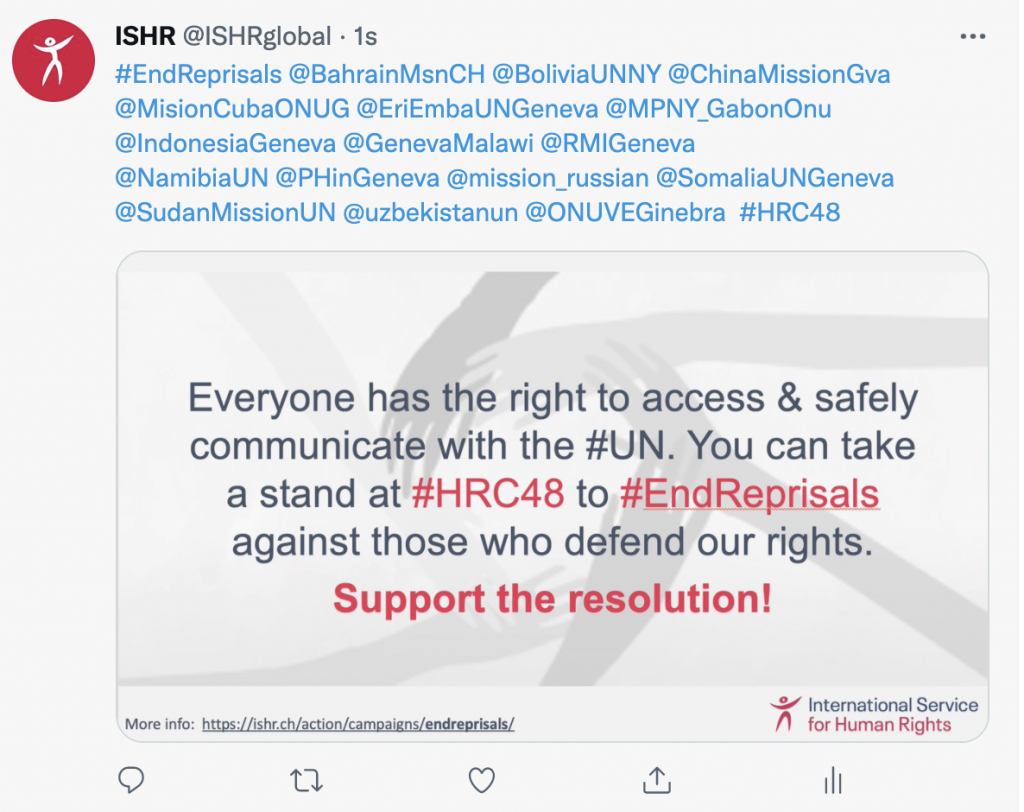
The International Service for Human Rights (ISHR) which is following this topic most keenly says: People who defend human rights must be able to access and communicate with the UN freely & safely. It started a campaign to Call on States at the UN to #EndReprisals!
Help us to #EndReprisals at the UN
Human rights defenders work to make a fairer, more sustainable and just world by promoting and protecting human rights. In considering human rights situations around the world, the UN system is profoundly dependent on the information and testimonies provided by human rights defenders who document situations, abuses and violations. They are essential voices from our communities that need to be part of the conversations at the United Nations.
This important role is a key reason why some States seek to systematically prevent defenders from engaging with UN bodies and mechanisms, and to reprimand and punish those who do engage. They do so through repressive tactics that range from administrative hurdles and travel restrictions to intimidation, imprisonment and killings.
This is not right. Everyone has the right to access and safely communicate with the UN.
Human rights defenders must be able to share crucial information and perspectives with the UN, safely and unhindered.
Do you agree ? Then send a tweet to States at the UN and ask them to support a resolution to #EndReprisals.
We want human rights defenders to have a ‘seat at the UN table’ and be able to effectively and safely engage with UN human rights mechanisms and bodies. We want States and non-State actors to refrain from intimidating or carrying out reprisals against defenders when they engage or seek to engage with the UN. When intimidation and reprisals do occur, we want the UN to effectively address these cases, support the victims and push for accountability and redress.
How do we achieve this?
The countries on the Human Rights Council have the opportunity to take a clear stand on reprisals and intimidation against those who engage with the UN. During the 48th session of the Human Rights Council, between the 17 September and 4 October 2021, States will negotiate a resolution that aims to strengthen the response by the UN and States to intimidation and reprisals. The resolution invites the UN Secretary General to submit his annual report on reprisals and intimidation to the UN General Assembly. Until now, the report has only been presented to the Human Rights Council. The General Assembly is the main policy-making forum of the UN and all 193 States are represented there. Reprisals and intimidation related to cooperating with the UN is a serious system-wide issue and having it discussed at the General Assembly amongst all Member States is crucial to effectively preventing and addressing it. We are calling on States, through meetings, letters and on social media to support the resolution and resist any efforts to undermine and weaken it.
States must take a clear and public position at the UN against intimidation and reprisals and hold their peers to account. Every year the UN Secretary-General publishes a report on incidents of reprisals and intimidation. That report will be discussed at the Human Rights Council on 29 September 2021. We therefore also call on governments States to take a stand during the discussion, publicly condemn reprisals and intimidation against those who engage with the UN, and raise specific cases of victims.
What you can do?
Together we can make sure a strong resolution on reprisals is adopted and push for everyone at the UN to take this issue seriously. This is a crucial step to #EndReprisals. Click on the image below before 4 October to send a tweet to States on the Human Rights Council who have not been supportive of this issue in the past and call on them to support the resolution.
This year’s nominations for the European Parliament’s Sakharov Prize for Freedom of Thought were presented in a joint meeting of the foreign affairs and development committees and the human rights subcommittee in Brussels on 27 September 2021. They are:
Alexei Navalny, nominated by the EPP and Renew Europe for his courage in fighting for freedom, democracy and human rights, is a Russian opposition politician, anti-corruption activist and major political opponent of the country’s president Vladimir Putin. Known through his LiveJournal blog, YouTube and Twitter, where he has millions of followers he came to international prominence by organising demonstrations, running for office and advocating reforms against corruption in Russia, Putin and his government. In August 2020, while on a trip to Siberia, he was poisoned. He spent months recovering in Berlin, but returned to Moscow in January 2021 where he was arrested. In February he was sentenced to 2½ years in prison. Now incarcerated in a high-security penal colony, he went on a 23-day hunger strike in April to protest the lack of medical care. In June 2021, a Russian court banned Navalny’s regional offices and his Anti-Corruption Foundation.
Afghan women, nominated by S&D and the Greens/EFA for their brave fight for equality and human rights. Under the previous Taliban regime, women experienced forced marriage, high maternity mortality, low literacy, forced virginity tests and couldn’t travel without a male. Following the Taliban’s return to power, women are again excluded from government and education and their rights and freedoms are threatened. The women included in the nomination are:
Shaharzad Akbar – chair of the Afghan Independent Human Rights Commission (AIHRC)
Habiba Sarabi – member of the negotiating team of the Islamic Republic of Afghanistan
Anisa Shaheed – political reporter
Jeanine Áñez, nominated by the ECR, is a Bolivian politician and symbol of repression against dissidents and deprivation of due process and rule of law in Latin America. She became interim president in November 2019, after alleged electoral fraud by incumbent Evo Morales. In November 2020, after free and fair elections there was a peaceful transfer of power. However, on 13 March 2021 she was arrested on charges of “terrorism, sedition and conspiracy”. Accused of plotting a coup d’état against Morales, she has been imprisoned ever since.
Sultana Khaya, nominated by The Left, is a Sahrawi activist and human rights defender based in the Western Sahara, promoting the right to self-determination for the Sahrawi people. She is the president of the organisation League for the Defence of Human Rights and against Plunder of Natural Resources in Boujdour/Western Sahara and member of the Saharawi Organ against the Moroccan Occupation (ISACOM). She has been under de facto house arrest without a warrant since 19 November 2020. Since 2005, she has suffered physical attacks, death threats, torture and sexual assaults. Over the last year, the Moroccan authorities have intensified repression against Saharawi activists and journalists, who are subjected to ill-treatment, arbitrary arrests and harassment in order to silence or punish them for non-violent action against the occupation of Western Sahara. On 1 July 2021, the UN Special Rapporteur on Human Rights Defenders Mary Lawlor strongly condemned the reprisals against Sultana Khaya.
Global Witness, nominated by Marie Toussaint and other 42 MEPs, is a UK-based NGO, which for more than 25 years has investigated and exposed environmental and human rights abuses in the oil, gas, mining and timber sectors, tracking money and influence through the global financial and political system. Nowadays, it also focuses on the issue of the climate emergency, attacks on public space and civic freedoms and the protection of environmental defenders throughout the world. Since 2011, Global Witness and its 22 local partners have addressed abuses of power to protect human rights, verifying and publishing each year the number of defenders killed worldwide. Sewe also: https://humanrightsdefenders.blog/2021/09/13/global-witness-2020-the-worst-year-on-record-for-environmental-human-rights-defenders/
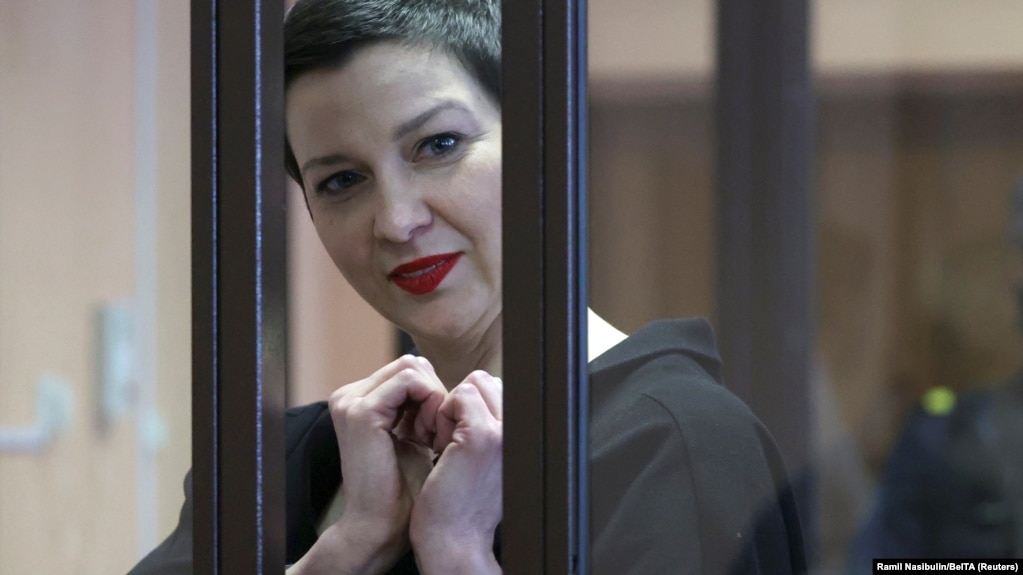
On 27 September 2021 RFE/RL’s Belarus Service reported that jailed Belarusian opposition figure Maryya Kalesnikavahas won the Vaclav Havel Human Rights Prize awarded annually by the Parliamentary Assembly of the Council of Europe (PACE) to honor “outstanding” civil society action in the defense of human rights amid an ongoing crackdown in Belarus on pro-democracy activists and groups by authoritarian ruler Alyaksandr Lukashenka. See also: https://www.trueheroesfilms.org/thedigest/laureates/beff3c8d-0e20-4e88-9efb-cdfcb4c26f40
Maryya Kalesnikava forms a heart shape to supporters from inside a defendants’ cage at her trial in Minsk on September 6.
“In standing up against a regime which has chosen force and brutality against peaceful and legitimate protest, Ms. Kalesnikava showed that she is ready to risk her own safety for a cause greater than herself — she has shown true courage,” Daems said.
Accepting the prize on her sister’s behalf, Khomich said: “This award is a sign of solidarity of the entire democratic world with the people of Belarus. It is also a sign to us, Belarusians, that the international community supports us, and that we are on the right track.”
Kalesnikava and another opposition figure, Maksim Znak, were sentenced to prison terms of 11 and 10 years respectively on September 6, after being found guilty on charges with conspiracy to seize power, calls for action to damage national security, and calls for actions damaging national security by trying to create an extremist group.Both pleaded not guilty, rejecting the charges.
Kalesnikava, 39, was a coordinator of the election campaign of an excluded presidential aspirant, former Belgazprombank head Viktar Babaryka. After Babaryka was arrested weeks before the August 2020 presidential election, Kalesnikava joined forces with another presidential candidate, Svyatlana Tsikhanouskaya, whom the majority of Belarusians have called the winner in the election.
After joining Tsikhanouskaya’s support group, Kalesnikava became a member of the opposition Coordination Council and turned into a prominent leader of protests demanding the resignation of Lukashenka, who was officially announced the winner of the election demonstrators say was rigged and which the West has refused to acknowledge.
Kalesnikava was snatched from the streets of Minsk in September 2020 by masked men along with two staffers. The three were driven early the next day to the border, where authorities told them to cross into Ukraine.
Security officers reportedly failed to deport Kalesnikava because she ripped her passport into small pieces after they arrived in the no man’s land between Belarus and Ukraine. Her two associates entered Ukraine, but with no valid passport, Kalesnikava remained in the country and was subsequently detained.
In the meantime the Belarusian Justice Ministry has filed a lawsuit to dissolve the Belarusian Helsinki Committee, one of the country’s oldest independent human rights groups, Human Rights Watch said today. On September 30, 2021, the Belarus Supreme Court is scheduled to hold a hearing on the lawsuit. The move is part of wider effort by Belarusian authorities to silence all independent or critical voices in the country.
In a September 22 letter, five international human rights organizations, including Human Rights Watch, urged the Justice Ministry to withdraw its lawsuit, calling it “inappropriate [and] inconsistent with the Belarusian government’s obligations to respect and protect the legitimate work of human rights defenders.” They also said the lawsuit “violates a number of fundamental rights, including those of freedom of expression and association and due process.”
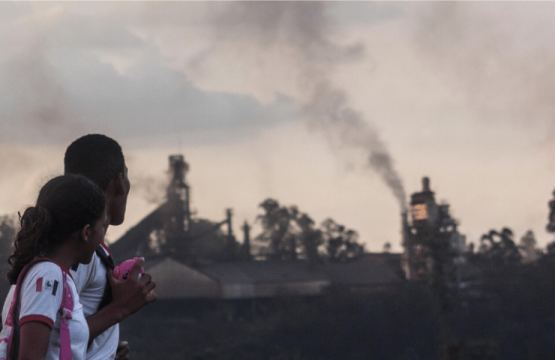
The disastrous impact that multinationals have on the environment can no longer be denied. The human right to live in a healthy environment concerns us all, therefore, FIDH and its member organisations are launching coordinated legal actions across the world. The companies implicated and States which allow it to happen must be held accountable.
It is time to recognize the right to a healthy environment as a fundamental human right and to hold companies accountable for their actions.
Environmental impact = human impact Because human rights and the environment are interdependent, it is crucial that States recognise the right to a healthy environment as a fundamental human right. Hundreds of organisations are fighting for a UN resolution to achieve international recognition of this.
Restoring a healthy environment to affected communities In the face of environmental disasters and human rights violations, the balance is still too often tipped in favour of the companies involved. Ensuring access to justice for those most affected and passing laws which hold multinationals accountable are also means to protect the planet.
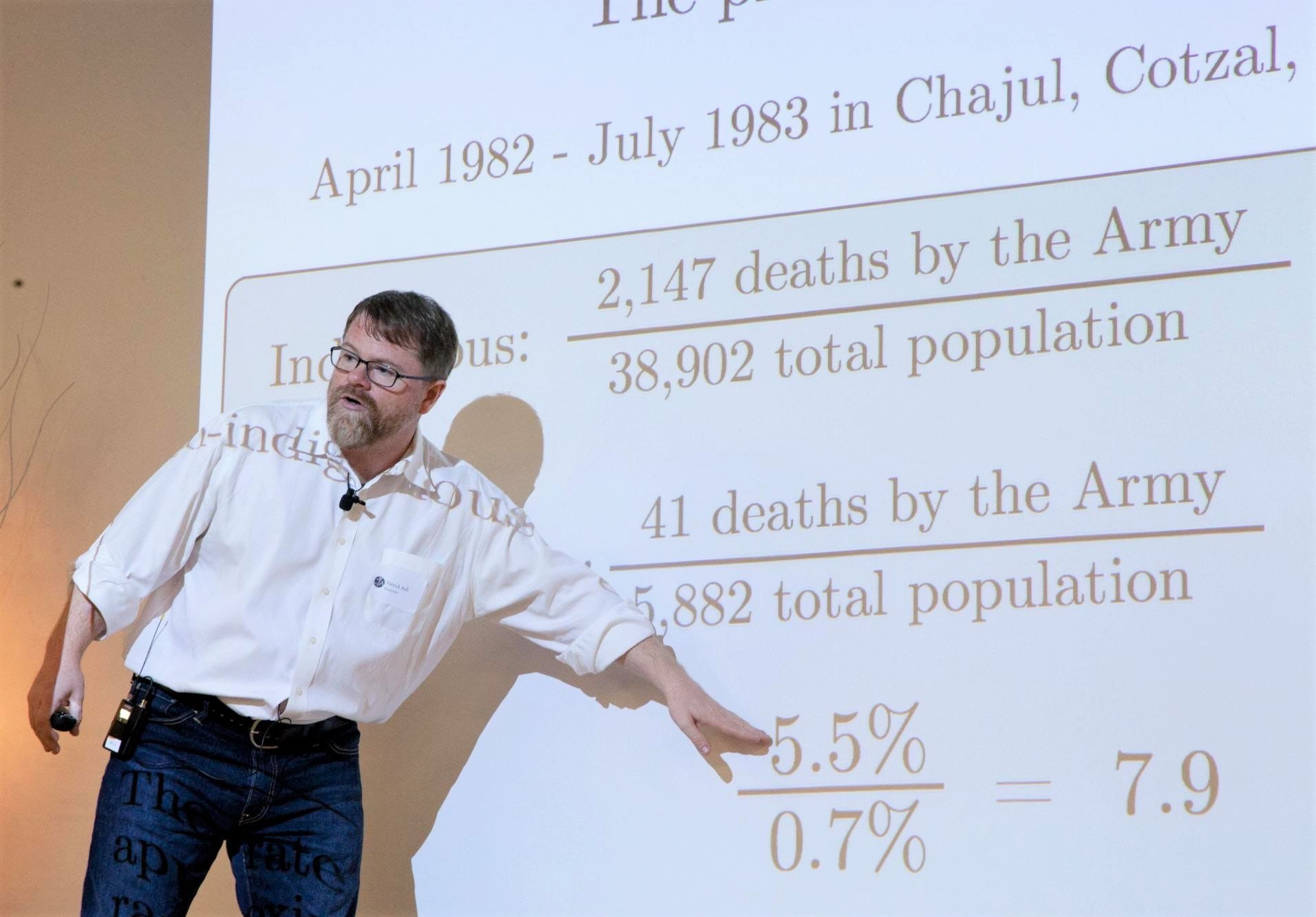
The 36th Rafto Prize 2021 is awarded to the Human Rights Data Analysis Group (HRDAG) for their work in uncovering large-scale human rights violations. By using statistics and data science, HRDAG document human rights violations that might otherwise go undetected. Their approach has enabled courts to bring perpetrators to justice and given closure to affected victims and their families. For more on th4 RAFTO award and its laureates, see: https://www.trueheroesfilms.org/thedigest/awards/A5043D5E-68F5-43DF-B84D-C9EF21976B18
Statisticians for Human Rights: HRDAG seek to uphold credible information as a foundation of human rights advocacy and justice and by doing so, they represent a new generation of human rights defenders that advances the enforcement of human rights globally.
HRDAG promotes accountability for human rights abuse. Evidence is crucial in demanding accountability and justice. Systematic documentation of human rights violations exposes the scope of transgressions. This is central to putting an end to impunity for perpetrators, and vital for the protection and empowerment of the courageous human rights activists at the frontline.
HRDAG’s rigorous methods and analyses also ensure that every death is counted, and a minimum standard of human dignity is respected. The HRDAG team consists of a small group of dedicated experts in computer science, software development, mathematical and applied statistics, and demography. In their work, HRDAG partner with human rights defenders, experts, and organizations worldwide.
Holding perpetrators to account
Based on the idea that “truth leads to accountability”, HRDAG provides thorough documentation of torture, forced disappearances, kidnappings, war crimes and extrajudicial killings. Perpetrators of human rights abuses often do everything they can to hide their crimes from the public, while victims and their families seek answers and justice.
For example, in collaboration with Amnesty International, HRDAG has documented that 25 % of the deaths in Syrian prisons were unreported. Their researchers have been expert witnesses in the trial of General José Efraín Ríos Montt in Guatemala, who was convicted as the chief perpetrator of genocide against the Maya Ixil indigenous people. They have provided evidence of unusually high death tolls among political prisoners under the rule of former President Hissène Habré in Chad, as well as evidence of ethnic cleansing carried out by Serbian forces and former President Slobodan Milošević in Kosovo.
HRDAG has recently launched a project on underreporting police violence in the United States, where their analysis show that one third of all victims murdered by strangers, are killed by the police.
A new approach
The novelty of HRDAG’s approach lies in their efforts to invent and extend scientific methods from other fields, such as mathematical statistics, machine learning, software engineering, and computer science. They apply these methods to the area of human rights to detect patterns of violence and provide statistical estimates traditional approaches have not been able to deliver. They bring the power of quantitative analysis to the pursuit of justice and accountability. In doing so, they establish scientifically defensible historical records of human rights crimes.
Credible information is key
In an era of misinformation and polarization, credible information is more crucial than ever. The Rafto Prize 2021 aims to highlight the importance of HRDAG and other human right defenders’ work in seeking and upholding the truth as a foundation of human rights advocacy and justice.
The Rafto Prize 2021 is a recognition of HRDAG’s pioneering approach and dedicated commitment to detecting and deterring human rights violators by providing reliable scientific documentation.
The prize sends a firm message to human rights violators, both state and non-state perpetrators, that violations will not go unnoticed.
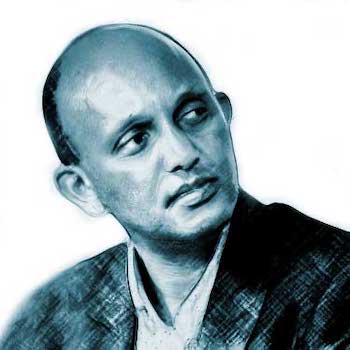
Ethiopian lawyer Daniel Bekele is the winner of the 2021 German Africa Prize. The human rights defender is being honored for his unceasing commitment to monitoring and speaking out against injustice.
“I am delighted that the independent jury has selected an outstanding human rights defender,” said Uschi Eid, President of the German Africa Foundation, which presents the prize.
“[Daniel Bekele] deserves this prize for his lifelong advocacy of human rights. I sincerely hope that the award will encourage [him] and his colleagues at the Ethiopian Human Rights Commission to be fearless and impartial advocates for human rights in Ethiopia,” she added.
Daniel told DW he was “truly excited and humbled to be the first Ethiopian to receive this prestigious German award.”
“I know it will go a long way to encourage and inspire my colleagues at the EHRC, as well as human rights defenders in my country Ethiopia and Africa, who work for the promotion and protection of human rights in increasingly challenging environments,” he said.
As a human rights defender, Daniel Bekele has also fought for women’s rights
Daniel Bekele began his dedication to human rights early in his career.
He started representing non-government organizations as a 23-year-old lawyer, quickly becoming a much sought-after expert on democracy and human rights.
In 2004, Daniel became the Head of Policy Research and Advocacy for Ethiopia at the international charity ActionAid. At the same time, he was also highly involved in the Global Call to Action Against Poverty, a network of thousands of organizations promoting an end to poverty.
As a civil society representative, Daniel assumed a leading role in monitoring Ethiopia’s 2005 parliamentary elections, marked by flawed counting and repeated incidents of post-election violence.
A critic of the election process, Daniel was attacked and injured by armed men in October 2005. He was subsequently arrested, imprisoned, and convicted on charges of trying to “overthrow the government and the constitution.”
He remained in jail from November 2005 until March 2008.
Daniel Bekele’s determination to stand up for political rights, especially those of disadvantaged groups, remains undiminished by his prison sentence.
“The human rights defender believes that economic and social recovery fails to lead to sustainable development without the enforcement of human and political rights,” Eid from the German Africa Foundation said.
“As such, [Daniel Bekele] doesn’t shy away from criticizing donor countries in the North for their cooperation with authoritarian regimes.”
Ethiopia has started a democratic opening under Prime Minister Ahmed
In the wake of Ethiopia’s democratic opening under Prime Minister Abiy Ahmed, who came to power in 2018, the country’s parliament elected Daniel to lead the Ethiopian Human Rights Commission in 2019.
Daniel has not only transformed the commission, but has also successfully advocated for its greater independence, with parliament passing an amendment in 2020 strengthening the commission’s operational and financial autonomy.
The German Africa Foundation acknowledges, however, that Ethiopia’s political crisis and the civil war in the country’s northern Tigray province have cast a shadow over Bekele’s work at the Human Rights Commission. Watch video 01:52
The EHRC is currently conducting an investigation, together with the UN High Commissioner for Human Rights, into human rights violations committed by all sides in the Tigray conflict.
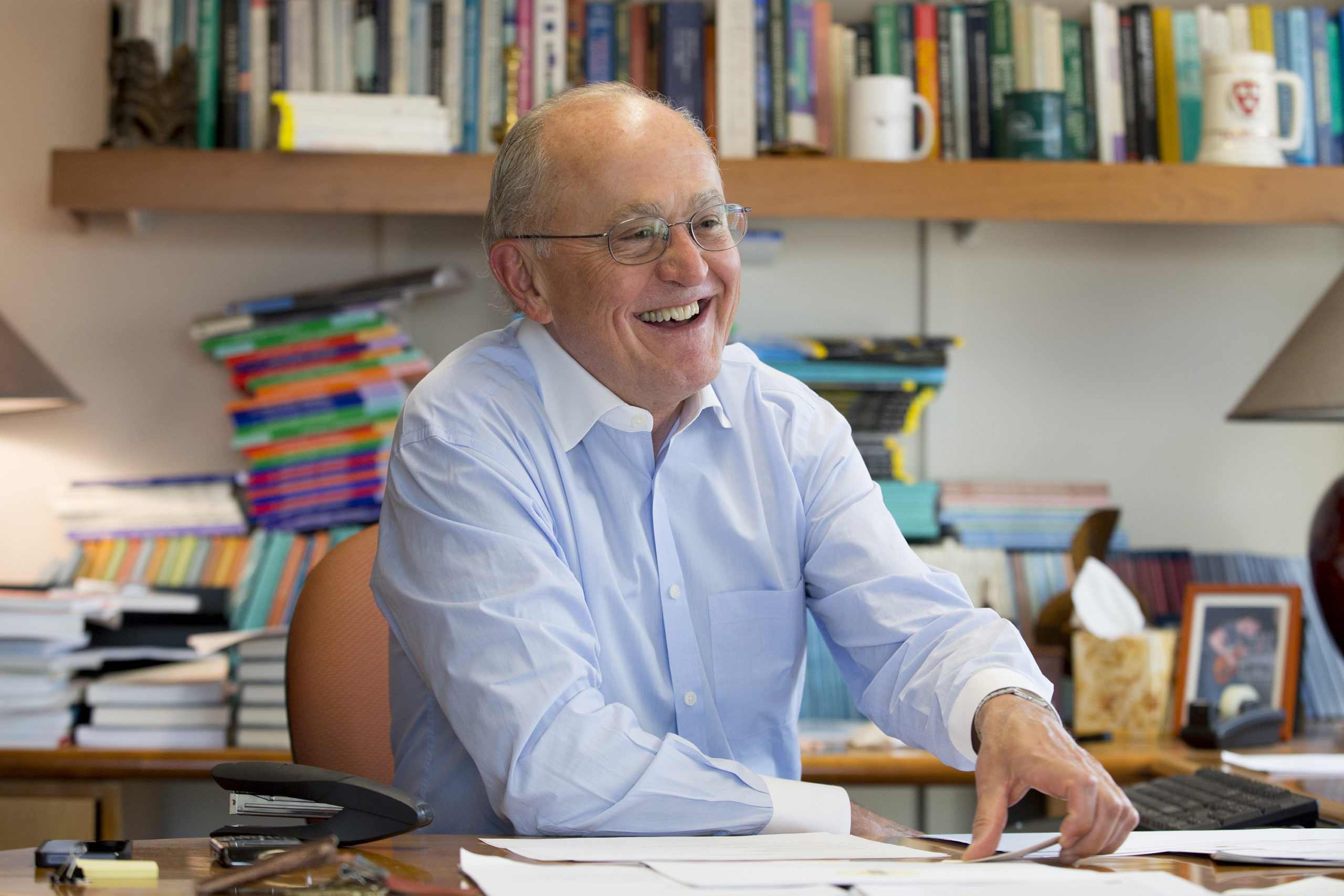
On 22 September 2021, Harvard announced the death of Professor John Gerard Ruggie, last week.
A post by Gerald L. Neuman describes him as a major figure in international relations and human rights. Ruggie was the Berthold Beitz Professor in Human Rights and International Affairs at Harvard’s Kennedy School of Government. In the human rights field he is most famous for establishing a viable foundation for addressing the human rights responsibilities of business corporations, the UN Guiding Principles on Business and Human Rights (2011). A brilliant strategist, Ruggie engaged in extensive consultation, study, analysis and persuasion to rescue the business-and-human-rights project from the polarized confrontation that had brought it to an impasse. His invaluable book Just Business: Multinational Corporations and Human Rights (2013) provides a model for the multi-dimensional negotiations that enable such achievements. John’s unique blend of kindness, rigour, insight, and attentive listening will be sorely missed.
John G. Ruggie is the Berthold Beitz Professor in Human Rights and International Affairs. Rose Lincoln/Harvard Staff Photographer



 Hans Thoolen on Human Rights Defenders and their awards