Human Rights First announced on 24 January 2025 that climate rights activist and lawyer Dang Dinh Bach, jailed in Vietnam since June 2021, is the winner of the 2024 Roger N. Baldwin Medal of Liberty. The Baldwin Medal will be presented at an event in the United States later this year to someone on Bach’s behalf, unless he is freed from prison and able to travel to receive the award in person.
Bach is the co-founder and former Executive Director of the Law and Policy of Sustainable Development Research Center (LPSD), a public interest law firm advising communities on cases of environmental harm, including industrial pollution, involuntary displacement due to hydropower construction, and pollution from coal plants.
Taken from his home in June 2021, he was held in pretrial detention for seven months, with limited contact with his family or his lawyers, and the LPSD was shut down by authorities following his arrest. The UN Human Rights Council’s Working Group on Arbitrary Detention has found Bach’s imprisonment to be arbitrary and in “violation of international law,” and called for his immediate release. United Nations Special Procedures experts have noted reports of his being attacked and beaten in prison.
“I’d like to express honor and gratitude for this recognition of Bach’s life and work,” said Tran Phuong Thao, his wife. “The Baldwin Award represents the critical importance of human rights and rule of law in building a just and sustainable world – values my husband has fought for both outside and inside of prison. It is through solidarity and support from the international community that the movement he has helped to build continues to grow and inspire others.”Press
The Geneva Human Rights Film Festival of 2020 (FIFDH – The Festival) dedicates its 20th edition to human rights defenders Pham Doan Trang and Ida Leblanc
Journalist and blogger Pham Doan Trang has been in detention since October 2020 and was recently sentenced to 9 years in prison for “propaganda against the state”. The 43-year-old was accused by the Hanoi regime of “defaming the Vietnamese government and inventing fake news“. In one of the world’s most repressive countries towards civil society, where freedom of the press is non-existent, Pham Doan Trang – RSF 2019 Prize – has founded numerous independent media and publishing houses – including Nha Xuat Ban Tu Do or Law Magazine – and the NGO Green Trees, making her the target of a government that does not tolerate dissent. Despite intimidation, torture and repeated arrests, Pham Doan Trang is fighting to end systematic abuse of both human rights and freedom of the press in Vietnam. She won several awards including recently the Martin Ennals Award 2022. See: https://www.trueheroesfilms.org/thedigest/laureates/fe8bf320-1d78-11e8-aacf-35c4dd34b7ba
Trinidad and Tobago is home to more than 10,000 domestic workers, most of them without any social protection. Ida Leblanc fights daily for them to obtain rights similar to those of all workers, notably as General Secretary of the National Union of Domestic Employees (NUDE), which she founded. In 2011, the International Labour Organisation adopted the Convention on Domestic Workers thanks to Ida Leblanc’s active campaigning. Though the government of Trinidad and Tobago has never implemented the Convention, tireless Ida Leblanc remains undeterred.
She successfully campaigned for the decriminalisation of the Minimum Wage Act, giving unions the right to hear cases of non-compliance with the Act in the Labour Court. She has spearheaded many victories on behalf of low-income workers in cases of unfair dismissal, lay-offs and breaches of the Maternity Protection and Minimum Wage Acts.
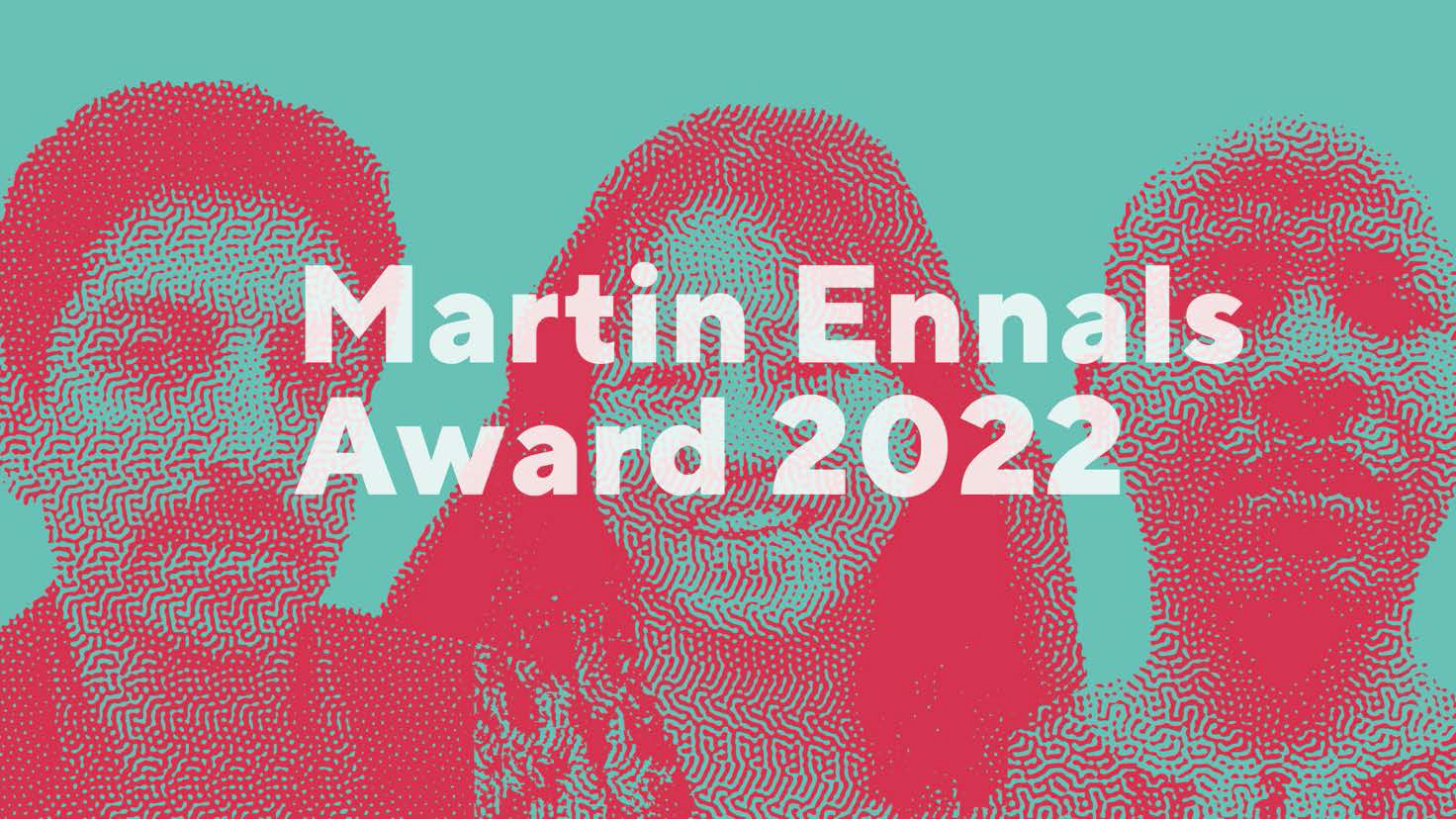
This morning, 19 January 2022, at a virtual press conference in Geneva three driving forces of the human rights movement were announced as the Laureates of the 2022 Martin Ennals Award for Human Rights Defenders. For more on the Martin Ennals Award and its laureates, see: https://www.trueheroesfilms.org/thedigest/awards/043F9D13-640A-412C-90E8-99952CA56DCE
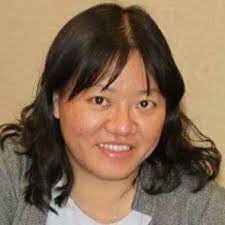
Pham Doan Trang is a leading journalist, editor and democracy advocate in Vietnam, where the Communist Party has left little room for opposition voices to flourish. She directed several independent media outlets to raise awareness amongst Vietnam’s citizens of their fundamental rights galvanising many other journalists and human rights defenders to speak up. She was one of the most hunted activists in her country before being arrested in October 2020. On 14 December 2021, Pham Doan Trang was sentenced to nine years in prison for “conducting propaganda against the state”. There are growing concerns about her health. [see also: https://www.trueheroesfilms.org/thedigest/laureates/fe8bf320-1d78-11e8-aacf-35c4dd34b7ba]
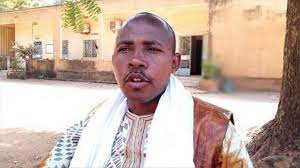
Dr. Daouda Diallo is a trained pharmacist-turned-human rights activist in Burkina Faso. The founder of the civil society coalition CISC, he dedicatedly documents human rights violations in a country rocked by violent crossfires between government forces, local paramilitary groups and Islamist factions. He carries the torch for justice and accountability to victims of the violence and their families. Dr. Diallo’s message of unity amongst different ethnic groups and faiths.
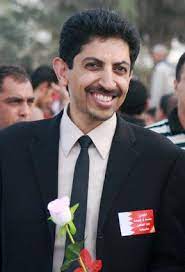
Abdul-Hadi Al-Khawaja is a charismatic architect of Bahrain’s human rights movement and a leader of the 2011 protests calling for democracy and greater freedom in the Gulf region. Al- Khawaja is not only an activist, but also a social entrepreneur who founded some of the first human rights research and defence organizations in the region, which still exist today. He inspires future generations in Bahrain to continue to fight despite his now decade-long imprisonment. See also: https://www.trueheroesfilms.org/thedigest/laureates/4d45e316-c636-4d02-852d-7bfc2b08b78d
It was also announced that due to the COVID-19 pandemic, the Award Ceremony is postponed until 2 June 2022. “As a city of human rights, Geneva is committed to supporting international cooperation on critical issues. Throughout the pandemic, many organizations have persisted in their human rights missions, demonstrating tremendous resilience. In this spirit, we are proud to co-organise another edition of the Martin Ennals Award ”, said Member of the City Executive Alfonso Gomez. (https://www.martinennalsaward.org/committed-to-a-better-world/)
AS Chair of the Martin Ennals Award Jury, I mentioned that the Jury had selected “three galvanizers of the human rights movement and that courage is the connecting dot between them ”.
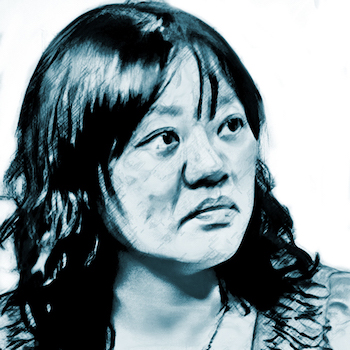
On 30 October 2021 AFP reported that a group of UN human rights experts called for the immediate release of Vietnamese activist Pham Doan Trang (pic), who is awaiting trial after a year in detention. The prominent Vietnamese author, who campaigns for press freedom and civil rights, was arrested in October last year. [see: https://www.trueheroesfilms.org/thedigest/laureates/fe8bf320-1d78-11e8-aacf-35c4dd34b7ba]
Trang has pushed for change on a host of controversial issues, including land grabs and LGBTQ rights. “Pham Doan Trang is only the latest victim of the authorities’ use of vaguely-defined propaganda charges to persecute writers, journalists and human rights defenders,” the experts said in a statement.
The UN experts said the charges against her stem from at least three human rights reports she co-authored, plus interviews with foreign media. They accuse the authorities of “criminalising the exercise of their right to freedom of opinion”.
“We urge the authorities to immediately and unconditionally release Ms Pham Doan Trang.“
The UN experts included the special rapporteurs on the right to freedom of opinion, on human rights defenders, and on the right to physical and mental health.
The government of Vietnam has admitted that it arrested an indigenous rights activist for possessing translated copied of the United Nations Declaration on the Rights of Indigenous Peoples. In an extraordinary statement, made to the United Nations High Commission on Human Rights on 20 September 2021 and just now made public, the government of Vietnam justified these arrests as being necessary to maintain national unity in Vietnam. In doing so, it has effectively sought to justify the criminalization of possession of a UN document that establishes core human rights belonging to indigenous people that the government of Vietnam itself voted to create.
The United Nations Declaration on the Rights of Indigenous Peoples (UNDRIP), in the words of the United Nations, “is the most comprehensive international instrument on the rights of indigenous peoples” and “establishes a universal framework of minimum standards for the survival, dignity and well-being of the indigenous peoples of the world and it elaborates on existing human rights standards and fundamental freedoms as they apply to the specific situation of indigenous peoples.” It was approved by the UN General Assembly on 13 September 2007. … Vietnam was one of the 144 countries to vote in its favor.
In April 2021, the Unrepresented Nations and Peoples Organization (UNPO) brought to international attention the case of Mr. Duong Khai, a Khmer Krom activist campaigning for recognition of the indigenous status of the Khmer Krom people in Vietnam, who was arrested and threatened for possession of translated copies of the UNDRIP. In June 2021, a team of UN independent experts wrote a Joint Allegation Letter to the governmment of Vietnam demanding an answer and expressing their “concern that these reported threats may be connected to his efforts to disseminate United Nations documents, in particular the promotion and translation of the UNDRIP, and may have chilling effect on any expression, by all those, including human rights defenders, who draw attention to minority and indigenous people’s issues in the country.”
On 20 September 2021, the government of Vietnam responded to the UN experts in a letter to the UN Office of the High Commissioner for Human Rights. The response is deeply troubling. Instead of denying that such repressive actions took place, or admitting that they did and outlining a process for redress, the government of Vietnam admitted Mr. Duong Khai was indeed arrested for possession of copies of the UNDRIP and claimed that the arrest was justified in order to maintain “national unity” because, according to the government of Vietnam, there are no indigenous peoples in the country.
It is well-settled that indigenous people make up approximately 15% of Vietnam’s population and that the Khmer Krom are one of the major indigenous communities. Yet Vietnam denies the existance of indigenous people, resulting in significant negative impacts on these communities. Mr. Duong Khai is one of many human rights defenders campaigning for recognition of indigenous status, and persecuted for doing so. In Vietnam, seeking indigenous status is so dangerous that an indigenous person wearing a T-shirt with the logo of the United Nations Sustainable Development Goals stating “Implementing the United Nations 2030 Agenda for Sustainable Development to ensure No Khmer-Krom are left behind” can be arrested.
This case presents a troubling baseline for the status of human rights in Vietnam. If, in Vietnam, a person can be criminalized merely for possessing and distributing UN human rights instruments that their own government has had a hand in creating, there can be no limit to the ability of the state to repress its citizens and eradicate freedom of expression and opinion.
Unfortunately, all too often today, Member States of the United Nations justify the worst repression under the guise of “national unity.” Indigenous communities and religious and ethnic minorities regularly bear the brunt of this fundamental perversion of the international system. Yet rarely do states so explicitly and openly violate these rights as the government of Vietnam has done in this case. By criminalizing the mere possession of a document that presents solely the text of a UN human rights instrument the government of Vietnam is openly repudiating the very foundations of the international order.
In light of the government of Vietnam’s admission in this case, the UNPO is calling on the entire international community to unequivocally condemn the government’s action in this case and to ensure that any aid or support to the country or trade with it is conditioned on the provision of adequate protection for human rights defenders, indigenous communities, and freedom of expression and opinion.
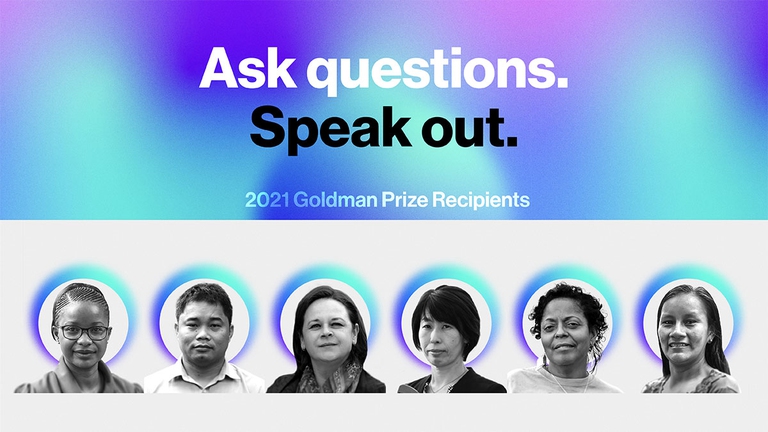
The Goldman Environmental Prize, the “green Nobel Prize”, is awarded annually to activists fighting for the well-being of the planet. They’re often called “heroes”. But, foremost, they’re people. Common folk just like us. They don’t have superpowers or wear capes. And that’s what makes them so special. They’re the activists that are celebrated yearly by the Goldman Environmental Prize, also known as the “green Nobel Prize” [for more on this award and its laureates, see: https://www.trueheroesfilms.org/thedigest/awards/928A7FD2-4E3D-400E-BCE9-488658DA3BAF]
The winners of the 2021 Goldman Environmental Prize
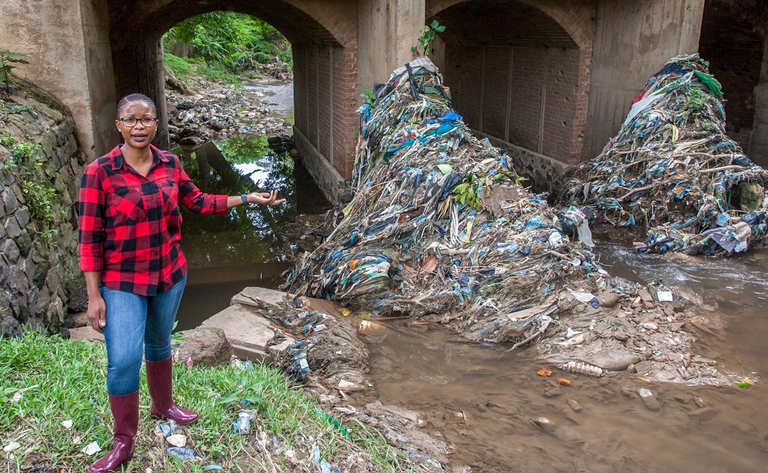
Gloria Majiga-Kamoto, Malawi, Africa
Concerned about the environmental damage caused by plastic pollution in the southeast African state of Malawi, Gloria Majiga-Kamoto decided to fight against this industry by campaigning to stop the production of thin plastics, a type of single-use polymer. Thanks to her campaign a national ban was adopted in 2019. This is the first time a person from Malawi wins the Goldman Prize.
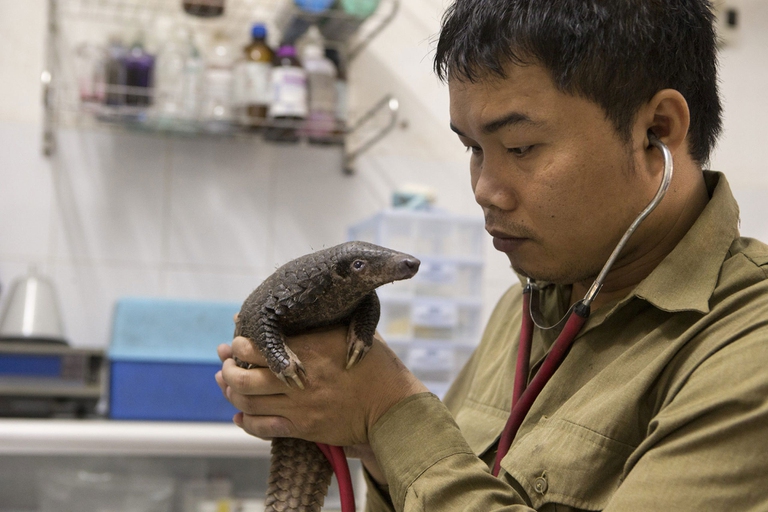
Thai Van Nguyen is the founder of the NGO Save Vietnam’s Wildlife, responsible for saving 1,540 pangolins from the illegal wildlife trade between 2014 and 2020. Nguyen also instituted the first Vietnamese anti-poaching unit. Since 2018, it has destroyed 9,701 animal traps, torn down 775 illegal camps, confiscated 78 guns and brought to the arrest of 558 poachers, leading to a significant reduction in illegal activities in Pu Mat National Park.
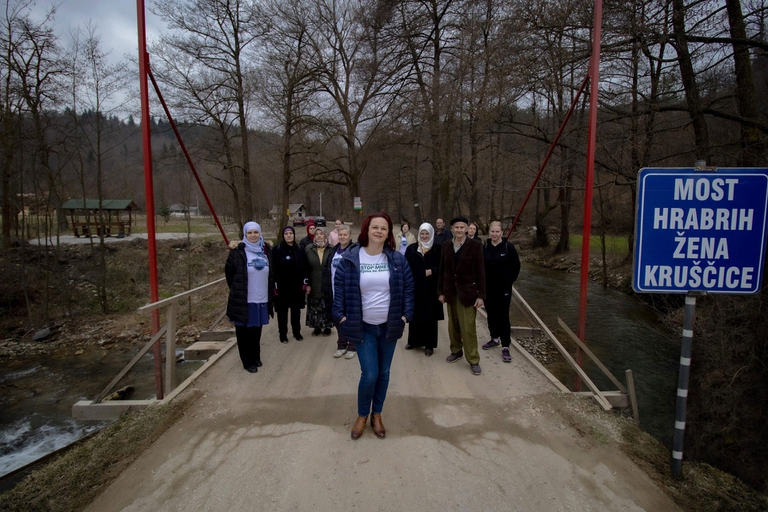
Together with the women in her village, Maida Bilal mounted a 503-days-long protest to stop the construction of two new dams on the Kruščica River in December 2018. The Balkans are home to Europe’s last wild rivers, but demand for hydroelectric power is threatening these precious ecosystems. This marks the first time that a person from Bosnia and Herzegovina receives the Goldman Environmental Prize.
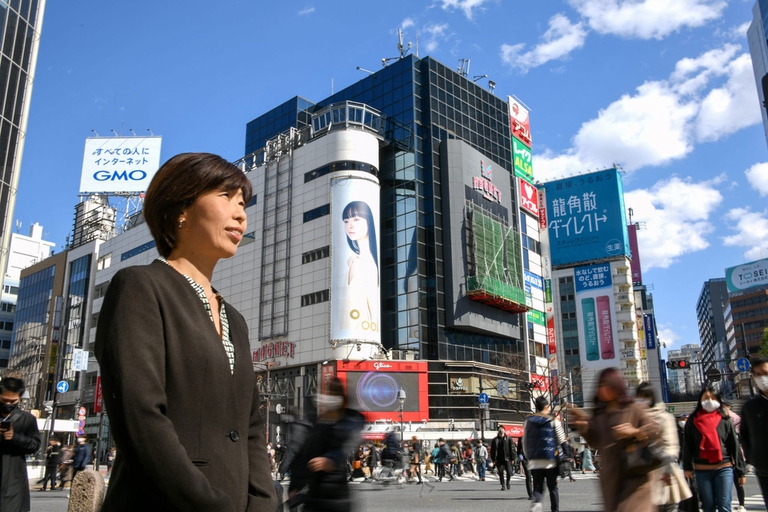
After the Fukushima nuclear disaster in 2011, Japan began relying on coal-based rather than nuclear energy. Kimiko Hirata’s decade-long campaign has stopped 13 new coal power plants from being built throughout the country. These would have released over 1.6 million tonnes of CO2 over their lifetimes. Therefore, Hirata’s efforts have avoided emissions equivalent to those of 7.5 million cars a year, for forty years.
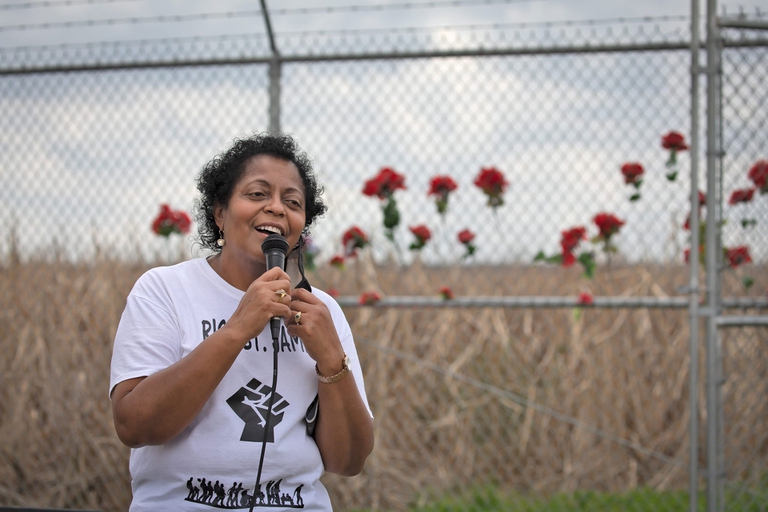
In September 2019, Sharon Lavigne, a special education teacher and climate justice advocate, succeeded in stopping the construction of an enormous plastic production plant in Mississippi, in the state of Louisiana. Lavigne mounted an opposition campaign, raised awareness in her community and organised peaceful protests to protect the right of her fellow citizens, especially African-Americans. The plant would have led to the release of huge amounts of toxic waste in an area where pollution is already destroying many lives.
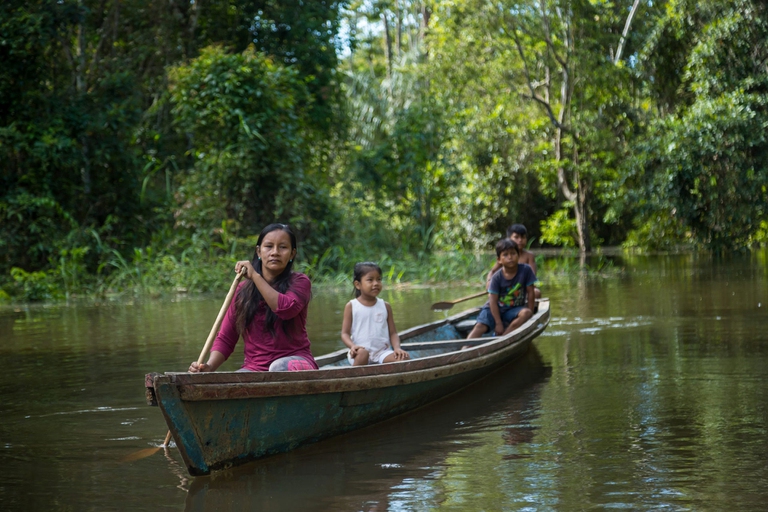
Liz Chicaje Churay, Peru, South and Central America
Thanks to Liz Chicaje Churay and her supporters, in January 2018 the Peruvian government created Yaguas National Park, which protects 800,000 hectares of the Amazon rainforest. The park is key to conserving local biodiversity as well as safeguarding thousands of unique species, carbon-rich peatlands and protecting indigenous peoples.
On 20 April 2021, the Unrepresented Nations and Peoples Organization (UNPO) has told the United Nations that “threats to participation at and cooperation with the United Nations which minority and indigenous communities are presently facing, represent not only matters of individual concern, but also raise concern about whether the United Nations itself will be able to achieve its responsibilities under Article 1 of the UN Charter to ‘respect for the principle of equal rights and self-determination of peoples, and to take other appropriate measures to strengthen universal peace.’”
The UNPO submission highlighted how cooperation with the United Nations is becoming increasingly difficult for minority and indigenous rights defenders given the extent of reprisals that such activists face from authoritarian states and the general closing off of space at the United Nations for these activists, compounded by the COVID-19 pandemic.
The submission included a selection of individuals cases of threats and reprisals that have occurred in the year between April 2020 and April 2021 as a result of UN-related work of people associated with members of the UNPO, noting however that there are many more such cases that the UNPO was asked not to disclose. The cases included:
Family members of disappeared Hmong children in Laos who have been threatened by local authorities because of a case at the UN trying to push the government to find the children;
A Khmer Krom activist whose efforts to seek review of his unlawful detention in Vietnam were stymied by the strong possibility that the government would increase the severity of charges against him related to his unlawful arrest;
A Iranian Baluch refugee in Turkey, whose family members are repeatedly interrogated and coerced by the security forces in Iran whenever he engages with the United Nations; and
A Khmer Krom activist who was recently arrested for doing little more than distribute the UN Declaration on the Rights of Indigenous Peoples in Vietnam, a country that refuses to recognize the existence of indigenous popualtions.
The submission further highlighted that these individual cases were indicative of a broader and growing trend for UN Member States to target those who seek to engage with the UN system; a trend which is exacerbated by the failure of states in UN cost countries to adequately protect diaspora communities and other human rights defenders.
Responding to the arbitrary arrest of prominent Vietnamese human rights defender Nguyen Thuy Hanh on 7 April , Ming Yu Hah, Amnesty International’s Deputy Regional Director for Campaigns, said: “The arrest of Nguyen Thuy Hanh is a blatant and politically-motivated attempt to silence one of the most respected human rights advocates in the country. Nguyen Thuy Hanh is an inspiring activist who has worked tirelessly to support unjustly detained persons in Viet Nam. Despite police beatings and years of harassment, she has remained steadfast in her efforts to help and support those in desperate need. Vietnamese jails are notoriously overcrowded and fail to meet minimum international standards. It is a travesty that Nguyen Thuy Hanh is being targeted for her humanitarian work in support of unjustly detained prisoners. She should be celebrated and supported for this work – not punished.
“We urge the Vietnamese authorities to immediately and unconditionally release Nguyen Thuy Hanh and to end their relentless attacks on human rights defenders and peaceful critics. Authorities must respect, protect, promote and fulfil the rights to freedom of expression, peaceful assembly, and association.” [see also yesterday’s: https://humanrightsdefenders.blog/2021/04/08/worries-about-rsf-laureate-pham-doan-trang-jailed-in-vietnam/
Nguyen Thuy Hanh is a human rights defender from Ha Noi. She founded the 50K Fund in 2017, through which she fundraised support for the families of unjustly detained persons across Viet Nam. In 2019 she won the Le Dinh Luong Human Rights Award an award given by the U.S.-based opposition party Viet Tan for her work supporting the families of prisoners of conscience.
She was arrested on 7 April 2021 and charged under Article 117 of the Criminal Code for “making, storing, or spreading information, materials or items for the purpose of opposing the State of the Socialist Republic of Viet Nam”, carrying a potential prison sentence of between five and 20 years.
Nguyen Thuy Hanh is also a vocal advocate for human rights with a popular Facebook account, where she frequently discusses human rights issues. She has faced multiple instances of harassment in retaliation for her peaceful human rights activism.
Nguyen Thuy Hanh nominated herself as an independent candidate for Ha Noi City in the 2016 National Assembly election. Since then, she has been subjected to harassment and intimidation on many occasions. Amnesty International recently called on the Vietnamese authorities to end their mounting crackdown on independent candidates and other critical voices ahead of the 2021 National Assembly election.
In January 2020, when police raided the village of Dong Tam in Ha Noi, leading to a deadly conflict, Nguyen Thuy Hanh fundraised for the family of a village leader who was killed by security forces. In retaliation, her bank account was frozen, with her bank reportedly telling Nguyen Thuy Hanh that police forced them to do so.
In June 2018, while engaging in a peaceful protest against the Law on Cybersecurity and the Law on Special Economic Zones, Nguyen Thuy Hanh was arrested and detained by police. She reported afterwards that she was severely beaten during the interrogation which resulted in injuries to her face. Police have also interrogated Nguyen Thuy Hanh on her work relating to the 50k Fund on many occasions.
Amnesty International’s 2016 report, Prisons Within Prisons, documented the widespread torture and other ill-treatment which prisoners of conscience are subjected to in Viet Nam.
Reporters without Borders (RSF) learned of the arrest exactly six months ago of Pham Doan Trang, a well-known Vietnamese journalist, was arrested at her Ho Chi Minh City home by plain-clothes policemen last October. There’s been no news of her since then.She’s not been allowed to talk to a lawyer or her family and she is facing up to 20 years in prison on a charge of “anti-state propaganda.”
As she completed her sixth month in detention, several RSF Press Freedom Prize laureates recorded video messages expressing their support for her in order to help draw international attention to her fate. All of them called for her immediate and unconditional release by the Vietnamese authorities. She continues to be held by the Vietnamese authorities and is exposed to the possibility of further acts of torture. We now fear the worst for her and we urge you to sign the #FreePhamDoanTrang petition demanding her release. Let’s save one of Vietnam’s most respected journalists. Every signature counts: SIGN THE PETITION
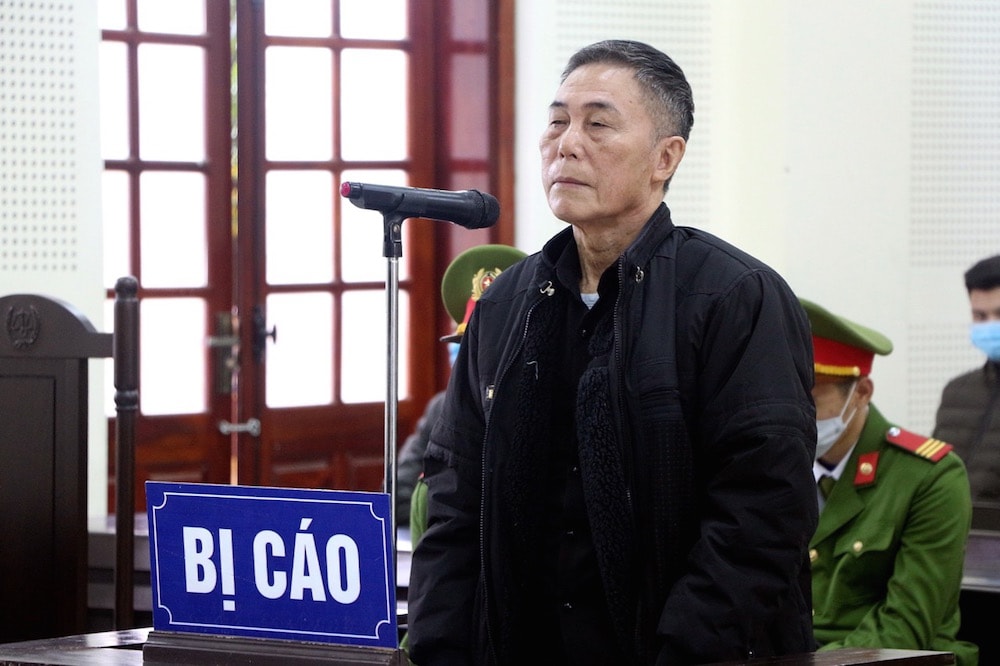
PEN America reported on 17 December 2020 that writer Tran Duc Thach was sentenced to 12 years in Vietnamese prison.
This picture taken and released by the Vietnam News Agency on 15 December 2020 shows Vietnamese writer Tran Duc Thach during his court trial in Nghe An province, as he was sentenced to 12 years in jail. -/Vietnam News Agency/AFP via Getty Images
Vietnamese writer Tran Duc Thach was convicted on charges of subversion under Article 109 of the country’s criminal code. He was arrested in April for Facebook posts criticizing corruption in government and human rights abuses in the country.
Poet, blogger, and human rights defender Tran Duc Thach was sentenced to 12 years in prison and three years probation. PEN America condemned the sentencing today as a repressive attack on free expression in the country. “This is a shocking and shameful outcome in a case that never should have been brought to trial in the first place. Thach should be celebrated for his civic engagement and advocacy, not subjected to mistreatment and imprisonment,” said James Tager, deputy director of free expression research and policy at PEN America. “This draconian sentence is another blatant violation of basic human rights and stifling of freedom of expression by the Vietnamese state in the name of national security. We call for his immediate and unconditional release.”
Thach was initially arrested on April 23 for “activities against the people’s government.” Authorities reportedly used several Facebook posts he published criticizing government corruption and human rights violations as the primary implicating evidence. During the trial, provincial prosecutors claimed that Thach’s activism and writings “threatened social stability, encroached upon national independence and socialism, reduced people’s trust in the political institution of the state of Vietnam, and infringed upon national security and social safety and order.”
Thach is a prolific writer, whose work includes his 1988 novel Doi Ban Tu (Two Companions in Prison), his memoir Ho Chon Nguoi Am Anh (A Haunting Collective Grave), and his poetry collection Dieu Chua Thay (Things Still Untold). His writing commonly deals with human rights issues within Vietnam. Thach is also co-founder of the Brotherhood for Democracy, a civil society group that has been repeatedly targeted by authorities for their activism, with several members of the group apprehended in recent years. Thach has faced repeated harassment for his writing and his activism.
Thach is just one of those who has been targeted by the Vietnamese government’s heightened campaign against internet personalities, rights advocates, and independent journalists, a campaign that has become more pronounced in the run-up to the country’s 13th National Congress scheduled for January 2021. According to the NGO Vietnam Human Rights Defenders, there have been 17 subversion-based convictions this year alone while 31 individuals are currently held in pre-trial detention. Additionally, the government has leveraged the pandemic to arrest dissidents on the pretext of public security and stifling COVID-related disinformation.





 Hans Thoolen on Human Rights Defenders and their awards