On 15 January 2026 – the third anniversary of the enforced disappearance of Ricardo Lagunes and Antonio Díaz – UN experts demanded immediate answers about the fate and whereabouts of the two Mexican human rights defenders. “Mexican authorities must comply with the State’s international obligations, including by investigating the enforced disappearance, proactively searching for them, determining their fate and whereabouts, and holding perpetrators criminally responsible,” the experts said.
On 15 January 2023, Ricardo Lagunes, a human rights lawyer, and Antonio Díaz, an Indigenous leader, were forcibly disappeared in the state of Colima, Mexico. Their enforced disappearance occurred amid an ongoing dispute over natural resources between the Indigenous community of San Miguel de Aquila, Michoacán, and the Luxembourg-based mining company Ternium (part of the Argentine-Italian Techint Group). They were last seen after attending a community meeting to discuss collective action in response to the human rights impacts of the mining company’s operations.
“Refusing to succumb to despair after their enforced disappearance, the families of Mr Lagunes and Mr Díaz have undertaken a tireless quest for truth and justice over the past three years,” the experts said, noting that the authorities have so far not provided an effective response and that the company concerned has reportedly failed to fully cooperate with ongoing investigations and search activities.
The cases have been registered under the Committee on Enforced Disappearances’ Urgent Actions procedure and benefit from precautionary measures granted by the Inter-American Commission on Human Rights, acknowledging the serious, urgent and irreparable risk faced by the two human rights defenders.
“Enforced disappearances have a chilling effect on human rights defenders, including those advocating for land, natural resources and environment issues, as well as Indigenous leaders, and serve to silence critical voices,” the experts said, urging the Government to ensure that human rights defenders can carry out their work in a safe environment, including by strengthening the protection mechanism for human rights defenders.
In the context of resource-extraction projects, business enterprises have often reportedly sown and exacerbated community divisions, inciting violence among locals with opposing views on the projects and the use of land and natural resources. “The Government must ensure that businesses respect human rights across all their activities pursuant to the UN Guiding Principles on Business and Human Rights, including when engaging with human rights defenders and affected communities,” they said.
The experts are in touch with the Government of Mexico and the business concerned in this regard.
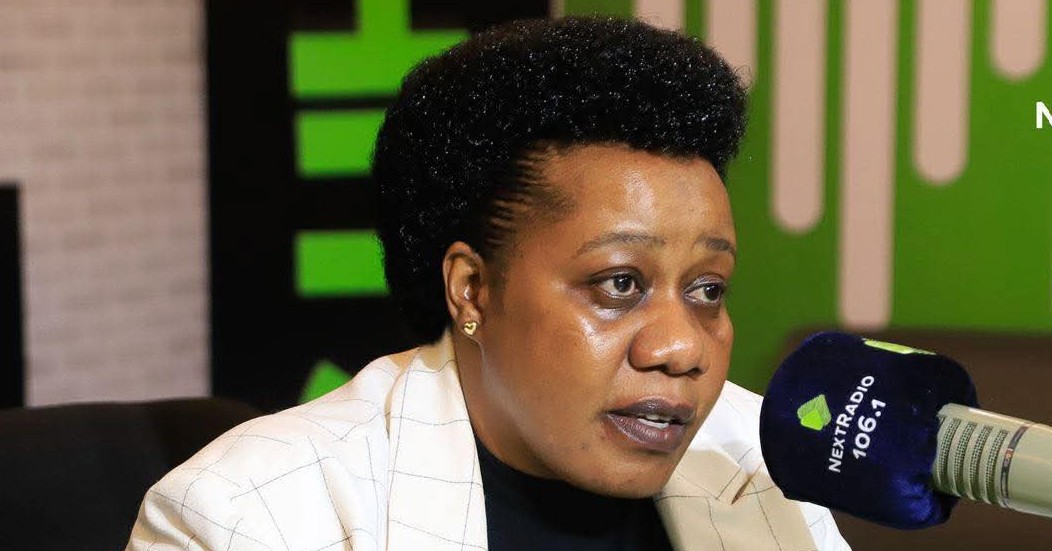
Sarah Bireete was arrested on December 30, 2025, after police and military personnel surrounded her home in Kampala. Shortly before her arrest, she posted on X, “My house is under siege by police and army”. As reported by East and Horn of Africa Election Observation Network (E-HORN) on 2 January 2026
The Police Reforms Working Group (PRWG) Kenya has called for the immediate release of Uganda’s human rights lawyer and civil society leader, Dr Sarah Bireete, warning that her detention ahead of the January elections threatens civic space and undermines democratic processes.
The Uganda Police confirmed her arrest in a brief social media post, stating she would be produced in court “in due course”. Police spokesperson Rachel Kawaala described the detention as part of “ongoing operations” but offered no further details.
“Dr Bireete is widely recognised for her unwavering passion for the protection of civil liberties, her lifelong quest for justice, and her steadfast commitment to democracy, a clarion call that has consistently advanced accountable governance across the region,” the Group said.
Bireete currently serves as Executive Director of the Centre for Constitutional Governance (CCG), Chairperson of the East Africa Civil Society Forum (EACSOF), and Chairperson of the Horn of Africa Election Observers Network (E-HORN).
PRWG Kenya described these roles as reflective of her integrity, credibility and long-standing contributions to human rights, electoral integrity and democratic governance.
The group urged Ugandan authorities to respect civil liberties, the rule of law and democratic processes.
“Respect for civil liberties, rule of law and democratic processes is fundamental to ensuring free, fair, and transparent elections,” PRWG Kenya said.
The statement also highlighted that Uganda’s constitution, under Article 23, guarantees that anyone arrested must be promptly informed of the reasons for their detention, a step that has not been followed in Dr Bireete’s case.
Bireete’s arrest follows her recent advocacy for Starlink, a satellite internet service operated by SpaceX, as a safeguard against potential internet shutdowns during the elections.
In a post dated December 23, 2025, she wrote, “Dear Ugandans, are you thinking of ways to navigate internet shutdown during elections? Starlink got you covered.”
As the country approaches general elections on 15 January 2026, UN experts* today warned that the pervasive climate of fear in Uganda, marked by allegations of enforced disappearance, the use of disproportionate force against political opposition supporters, and the intensified suppression of civil society and independent media, is not conducive to peaceful elections.
On 23 December 2025, the Special Rapporteur on human rights defenders, Mary Lawlor, renewed her call on authorities in Togo to release Togolese-Irish citizen and human rights defender Abdoul Aziz Goma from prison on the seventh anniversary of his arrest.
“Abdoul has now been arbitrarily detained for seven years and has been on hunger strike since 8 November 2025, protesting against the injustices he has faced. As he marks his 44th day without food, I am seriously concerned for his life,” Lawlor said.
Abdoul Aziz Goma was arrested in Lomé in 2018 after providing shelter to a group of young people who had travelled to the capital to demonstrate. Although he did not participate in any protests himself, Aziz Goma offered help to the youths when approached by an acquaintance.
Aziz Goma was initially held in secret for a number of years before being transferred to Togo’s formal prison system in 2022. He has been reportedly subjected to ill-treatment and denial of adequate medical care in prison, which have left him with a debilitating health condition.
In February 2025, when he was finally tried, Aziz Goma was convicted on multiple charges, including undermining national security, in a single day procedure and sentenced to ten years in prison.
Aziz Goma is reportedly very weak from hunger and reduced to spending much of the day lying down.
In September 2023, the UN Working Group on Arbitrary Detention determined that Aziz Goma’s ongoing detention was arbitrary.
The Special Rapporteur has also raised her concerns about Aziz Goma’s treatment and ongoing detention with Togolese authorities in 2021 and 2024.
The issuance of Interpol red notices against two Salvadoran human rights defenders currently in exile in Spain constitutes a grave misuse of the law enforcement mechanism, UN experts warned on 19 November 2025
“This move amounts to an act of transnational repression, as it extends the harassment of human rights defenders beyond borders, targeting them in a country where they are seeking safety,” the experts said.
Ivania Cruz and Rudy Joya have applied for asylum in Spain, fleeing legal harassment in El Salvador stemming from their legitimate human rights work. Both human rights defenders work for the non-governmental organisation UNIDEHC, which has been targeted by the Salvadoran authorities since February 2025 for its support to the La Floresta community, who have been facing attempts of forced eviction since 2024.
“The charges brought against Ivania Cruz and Rudy Joya in El Salvador and related arrest warrants issued by the authorities appear to be without basis and in direct connection with their legitimate human rights work for UNIDEHC to support communities under threat and denounce the actions of the Government under the state of emergency declared in 2022,” the experts said.
In May 2025, the court presiding over their case in El Salvador ordered the Interpol National Central Bureau to submit a request for the issuance of a red notice to the Interpol General Secretariat. Interpol confirmed the issuance in July 2025.
The experts pointed to Articles 2 and 3 of the Constitution of Interpol, which state that the organisation is “strictly forbidden” from undertaking “any intervention or activities of a political nature”, and that the organisation’s activities will be conducted “in the spirit of the Universal Declaration on Human Rights.”
In September 2025, Rudy Joya was summoned by police under the pretext of his asylum application in Spain. Upon presenting himself to the authorities, he was detained and presented before a Spanish specialised court. Ivania Cruz was also summoned and appeared before the same court, which ordered that both defenders sign-in at a local court every 15 days, not leave the country, surrender their passports and report any change of address.
“We call on Interpol to immediately revoke the red notices and judicial sanctions against Ivania Cruz and Rudy Joya, and on Spain to refuse to accede to the red notice and to ensure their safety by rejecting their forcible return to El Salvador,” the experts said.
The experts are in contact with Interpol and the governments of Spain and El Salvador on these concerns.
Ganna Yudkivska (Chair-Rapporteur), Matthew Gillett (Vice-Chair on Communications), Miriam Estrada Castillo (Vice-Chair on Follow-Up), Mumba Malila, and Ethan Hee-Seok Shin,Working Group on Arbitrary Detent
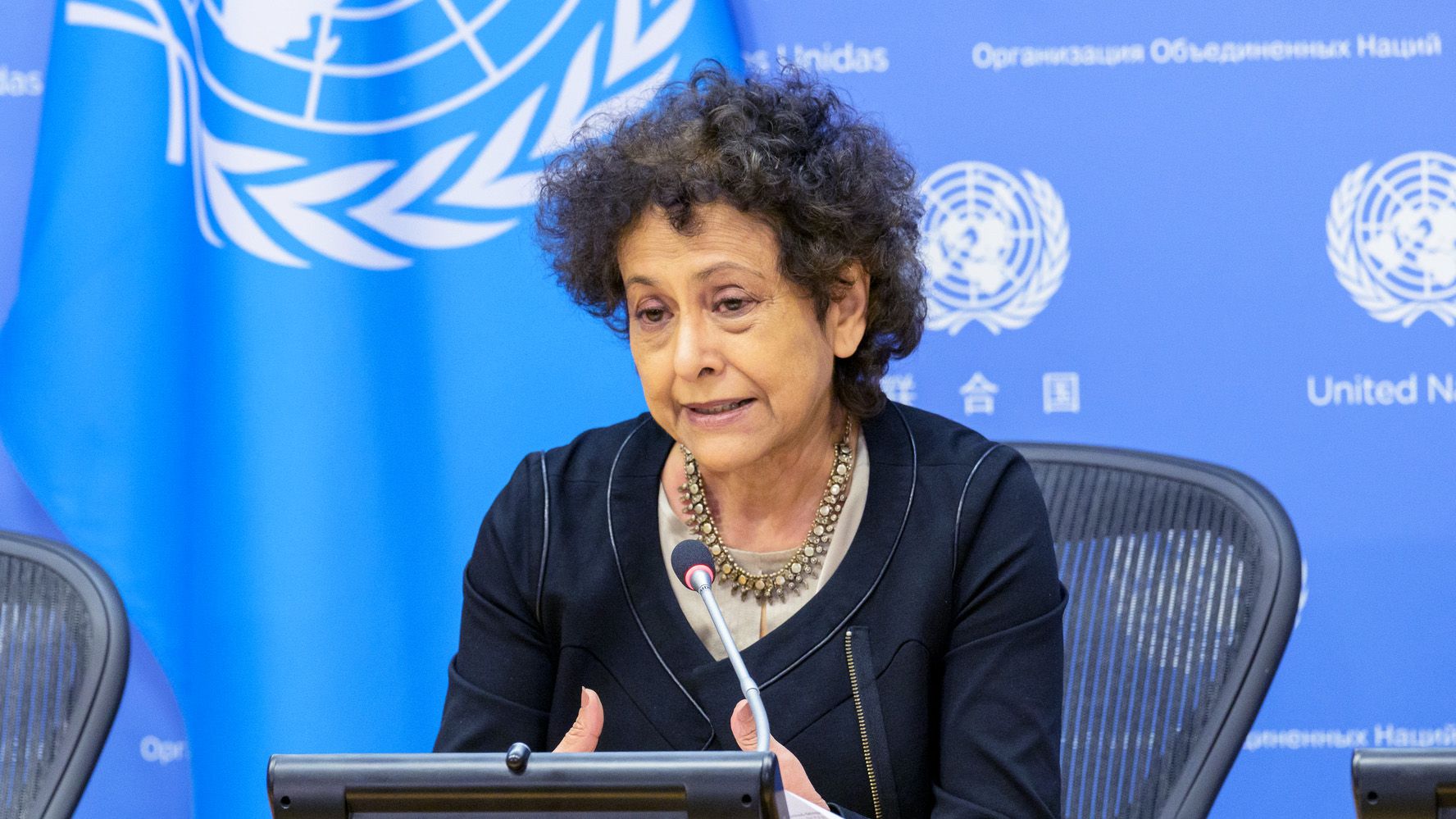
UN Special Rapporteur on Freedom of Expression and Opinion Irene KhanMary Lawlor UN Special Rapporteur for human rights defenders
On 5 August 2025 a group of United Nations human rights experts has written to the Kenyan government over allegations of serious human rights violations. These violations include the killing of protesters, the arrest and detention of human rights defenders, the deportation of a Ugandan lawyer, and the suppression of media freedom during the June 25 protests across the country.
The letter (referenced AL KEN 3/2025,) was sent by four UN Special Rapporteurs, namely Mary Lawlor (Human Rights Defenders), Matthew Gillett (Arbitrary Detention), Irene Khan (Freedom of Expression), and Gina Romero (Freedom of Assembly and Association).
Copies of the letter were also shared with the governments of Uganda and Tanzania, given their involvement in the alleged incidents. The Kenyan government was given 60 days to respond to the communication before being made public on the UN’s human rights website.
By October 22, Kenya had not responded to the contents of the letter. The experts expressed grave concern over what they described as “an emerging pattern of criminalisation and harassment of human rights defenders in Kenya.”
According to the communication, nationwide protests on June 25, 2025, left 16 people dead and hundreds injured. The demonstrations, which marked the first anniversary of the 2024 anti-Finance Bill protest, were allegedly met with excessive police force.
During the protests, several major media houses reportedly had their transmission centres raided by police and communication officials who switched off live broadcasts. The Communications Authority of Kenya allegedly issued a directive barring media outlets from airing live coverage of the protests, a decision later suspended by the High Court in Milimani, which termed it “potentially unconstitutional” pending a hearing scheduled for October 24, 2025.
The letter cites the arrest of Mark Amiani, John Mulingwa Nzau, and Francis Mutunge Mwangi, all members of the Social Justice Centres Working Group, who were detained by police on June 27 while travelling to work in Mombasa. They were later charged with incitement of violence, damage to property, and theft, though the experts said no credible evidence was presented in court.
They were held for five days before being released on bail on July 2, with conditions requiring them to report to the police twice weekly. Their next court hearing was scheduled for August 21, 2025.
Prominent activist and photojournalist Boniface Mwangi was also arrested at his Nairobi home on July 19, where police allegedly confiscated electronic equipment and even tear gas canisters. He was charged with unlawful possession of ammunition and released on bail two days later.
The UN experts noted that Mwangi had previously been arrested several times and was abducted in Tanzania in May 2025, before being found in Kenya’s coastal town of Ukunda days later.
The letter further highlighted the deportation of Ugandan lawyer Martin Mavenjina, a senior legal advisor at the Kenya Human Rights Commission (KHRC), who was expelled from Kenya on July 5 despite having a valid residency and a Kenyan family.
He was allegedly detained at Jomo Kenyatta International Airport and forced onto a flight to Kampala without being informed of the reason or given access to legal counselADVERTISEMENT
A day after Mavenjina’s deportation, armed men reportedly stormed a press conference hosted at the KHRC offices in Nairobi, where women and widows were calling for an end to police brutality and enforced disappearances. The assailants allegedly destroyed journalists’ equipment and accused the women of organising protests. Despite reports being filed, no investigations have been launched, according to the letter.
UN calls for action and accountability: The UN experts urged the Kenyan government to clarify the legal basis for the arrests, detentions, and deportations, and to end the intimidation of journalists and human rights defenders.
They also demanded investigations into the killings and injuries from the protests.
The experts warned that the events “constitute blatant violations” of international human rights laws, including the International Covenant on Civil and Political Rights, which guarantees freedoms of
On 9 September 2025 UN experts called on authorities in Mali to disclose the fate and whereabouts of journalist and activist El Bachir Thiam, who disappeared four months ago.
“Mali must immediately and unconditionally release El Bachir Thiam and other victims of enforced disappearance, and cease the crackdown on civil society actors, human rights defenders, and political opponents or those perceived as such,” the experts said.
El Bachir Thiam is a journalist for the MaliActu website and a member of several civil society organisations and political movements, including the political party Yelema – Le Changement, led by former Prime Minister Moussa Mara, the Collectif Sirako, and a youth movement calling for a return to constitutional order, for which he serves as spokesperson and communications officer.
Thiam was allegedly kidnapped on 8 May 2025, in front of several witnesses in Kati town, by a group of at least five hooded and unidentified men suspected of being Malian intelligence agents – more specifically from the the Agence Nationale de la Sécurité d’Etat (ANSE) – or elements of the Bamako gendarmerie du Camp I, who were traveling in a gray TOYOTA V8 4×4 vehicle with tinted windows and no license plate. His relatives and colleagues reportedly searched for him in vain in police stations and gendarmeries of Bamako and Kati. Since then, Thiam’s fate and whereabouts have remained unknown.
“As time goes by, Thiam’s condition risks deteriorating further and will take a profound toll on his physical and psychological health,” the experts said.
On 17 July 2025, Thiam Mariam Dagnon, wife of El Bachir Thiam, filed a complaint for kidnapping and disappearance with the Public Prosecutor of the Kati Court of First Instance. Thiam’s alleged kidnapping and enforced disappearance took place in the context of peaceful protest movements initiated in early May 2025 by several political movements and parties, as well as civil society actors and organisations, following the adoption of draconian laws further restricting civic space by Malian transitional authorities in April 2025.
The experts stressed that Malian authorities are allegedly making increased use of enforced disappearance as a weapon to instill fear and silence civil society actors, human rights defenders, political opponents or those perceived as such.
“These actions have a pattern. The frequency of the practice, its organised nature and the methods used indicate a systematic character,” they said.
“Thiam’s case reflects the persistent and escalating pattern of human rights violations against members of opposition political parties, civil society organisations, journalists and human rights defenders in Mali,” the experts said, recalling that several mandate holders had expressed similar concerns in 2021, 2024 as well as in February, April and August 2025.
They noted that the situation has continued to further deteriorate, as illustrated by the signature or adoption of several draconian laws, including a presidential decree on 13 May which dissolved all political parties and “organisations of a political nature” in Mali.
The experts have written to the Government of Mali and will continue to closely monitor the situation.
UN independent experts on 26 May 2025 expressed grave concern over the continued detention of Anar Mammadli, a prominent Azerbaijani human rights defender who was arbitrarily detained on 29 April last year. “Defending human rights should never be considered a crime,” the experts said.
Anar Mammadli, Chair of the Election Monitoring and Democracy Studies Centre (EMDS), was arrested on 29 April 2024 amid what experts describe as a growing clampdown on critical voices and independent election observers in Azerbaijan. His arrest came shortly after EMDS reported irregularities during the February 2024 presidential elections, and after he participated in events at the UN Human Rights Council.
On 28 June 2024, the experts wrote to the Azerbaijani authorities to raise serious concerns about Mammadli’s alleged arbitrary detention, warrantless searches, restricted access to legal counsel, deteriorating health conditions in detention and a smear campaign reportedly targeting him in retaliation for his legitimate human rights work.
“There are serious concerns that Mammadli’s detention and prosecution may be in retaliation for his human rights work and his engagement with UN mechanisms,” they said.
The Azerbaijani Government responded by denying the allegations, stating that Anar Mammadli was under investigation for smuggling and money laundering. According to their response, he has been provided with all necessary legal rights and medical care during his detention.
The experts are still concerned about the legal proceedings, especially given Mammadli’s previous imprisonment in 2013, which the European Court of Human Rights deemed unlawful and politically motivated. Despite the Court’s 2018 judgment requiring Azerbaijan to quash the conviction and restore Mammadli’s civil and political rights, these remedies have allegedly not been implemented.
The experts will continue to monitor the case, particularly with regard to any potential connection to reprisals for engagement with UN human rights mechanisms.
A group of UN Special Rapporteurs condemned the criminal prosecution of 85-year-old human rights defender Mark Kuperman, who has a disability and uses a wheelchair.
Kuperman, a prominent Russian human rights advocate, faces severe “terrorism” charges and is being targeted for his anti-war views and human rights work. A celebrated human rights defender, Kuperman is the head of the Public Human Rights Center in Sakhalin region and in 2022, was awarded the Moscow Helsinki Group’s human rights prize.
On 4 April 2024, the Sakhalin Investigative Committee initiated a criminal case against Kuperman on charges of “extremism.” When the investigation concluded in early December 2024, the case was unexpectedly reopened on 20 December 2024, and the authorities escalated the charges to “public calls for terrorist activities” under article 205, part 2 of the Russian Criminal Code. These charges stem from a draft document Kuperman received from a colleague and allegedly shared with his team in January 2023, discussing potential scenarios for Russia’s democratic development and the role of the West in supporting future democratic institutions.
The experts voiced serious concerns about the impact of judicial harassment on Kuperman, especially considering his advanced age, disability, and deteriorating health. The court proceedings, set to start immediately, could endanger his life and well-being, particularly if he is detained.
“It is appalling to prosecute an older human rights defender with a first-degree disability on unsubstantiated charges of “terrorism”, brought against him just to punish him for his criticism of the war against Ukraine,” the experts said.
“Russian authorities rushing the case to trial and denying Kuperman adequate time to prepare his defence demonstrates once again the lack of judicial independence and instrumentalisation of the judicial system to silence the independent and dissenting voices in Russia.”
The Yuzhno-Sakhalinsk City Court set an unreasonably short five-working-day deadline for Kuperman to study the case files, without providing any procedural accommodations and ignoring his disability, cognitive decline, chronic pain, movement restrictions, and weak vision. On 24 January, the investigator arbitrarily ended the review process, hindering Kuperman’s defence preparation and blocking his ability to request case dismissal due to lack of evidence. Additionally, the Russian security services (FSB) apparently installed listening devices in his apartment, preventing his confidential communication with his lawyer, as Kuperman is unable to leave his apartment due to his physical impairment.
“This case fits the broader pattern of using counter-extremism and counter-terrorism legislation in Russia to target human rights defenders, anti-war activists, and political opponents for exercising their freedom of expression,” the experts added. “Kuperman’s private discussions and human rights work have been criminalised, undermining the integrity of legal proceedings and violating due process. All charges against Kuperman should be dropped.”
The Turkish government has refused to respond to allegations of systematic repression against individuals allegedly affiliated with the Gülen movement made by United Nations special rapporteurs, according to official documents published on Friday by the Office of the United Nations High Commissioner for Human Rights.
In a joint letter dated October 7, 2024, seven UN special rapporteurs asked the Turkish government about alleged measures of “systematic repression against persons ostensibly affiliated with the Gülen Movement through the misuse of counter-terrorism legislation, and the concomitant impact on civil society, human rights defenders, political dissidents, and journalists.”
The allegations center on Turkey’s treatment of people allegedly associated with the faith-based Gülen movement, inspired by the late Muslim cleric Fethullah Gülen.
In its response via a diplomatic note dated October 30, the Turkish government refrained from answering the allegations brought up by the special rapporteurs and instead listed their accusations against the Gülen movement and requested the “Special Procedures of the Human Rights Council not to allow FETÖ and its members to abuse these mechanisms, and to dismiss their allegations.”
FETÖ is a derogatory acronym used to refer to the Gülen movement as a terrorist organization.
Turkish President Recep Tayyip Erdoğan has been pursuing followers of the Gülen movement since corruption investigations revealed in 2013 implicated then-Prime Minister Erdoğan and some members of his family and his inner circle.
Dismissing the investigations as a Gülenist coup and conspiracy against his government, Erdoğan designated the movement a terrorist organization and began to target its members. He intensified the crackdown on the movement following an abortive putsch in 2016 that he accused Gülen of masterminding. The movement has strongly denied involvement in the coup attempt or any terrorist activity.
The rapporteurs outlined practices they say violate international human rights laws, including arbitrary arrests, torture, transnational renditions and surveillance abuses.
The UN Rapporteurs said these individuals face intensified crackdowns involving mass detentions, forced disappearances and unjust prosecutions under vague anti-terrorism laws. Between June 2023 and June 2024, more than 8,800 people were detained and 1,500 were charged with terrorism offenses, they said.
Among the rapporteurs’ chief concerns was the treatment of children detained as part of these operations. In May 2024, 16 children were arrested in İstanbul and allegedly subjected to psychological pressure, physical torture and denial of legal counsel. The UN rapporteurs described these actions as clear violations of international protections for children under the Convention on the Rights of the Child.
The rapporteurs also criticized Turkey’s use of public “grey lists,” wanted lists where individuals — ranging from journalists to human rights defenders — are labeled as terrorists, often without evidence or due process. These lists, which include photos and personal details, are made public alongside monetary rewards for information leading to their capture. This practice, according to the rapporteurs, endangers lives, undermines freedoms and creates a “hitman economy.”
Another key concern involved transnational renditions. The rapporteurs alleged that Turkey has systematically abducted and forcibly returned suspected Gülen affiliates from other countries under vague bilateral security agreements. Victims were reportedly detained in secret, subjected to torture and coerced into confessions used in prosecutions.
The misuse of surveillance powers also drew heavy criticism. Turkey’s intelligence agency was accused of fabricating evidence from the ByLock messaging app to convict thousands of people on tenuous charges of affiliation with the Gülen movement. The UN noted that such actions lack due process and violate privacy rights under international law.
The rapporteurs called on Turkey to address these alleged violations, halt ongoing abuses and ensure compliance with international human rights standards. They expressed particular concern about the government’s expansive interpretation of anti-terrorism laws, which they argue target legitimate political activity, dissent and human rights advocacy.
The letter was authored by seven UN special rapporteurs and a UN expert, including Mary Lawlor, special rapporteur on the situation of human rights defenders; Alice Jill Edwards, special rapporteur on torture and other cruel, inhuman or degrading treatment or punishment; and Fionnuala Ní Aoláin, special rapporteur on the promotion and protection of human rights while countering terrorism. Other contributors included Gabriella Citroni, chair-rapporteur of the Working Group on Enforced or Involuntary Disappearances and Irene Khan, special rapporteur on freedom of opinion and expression.
The Zimbabwean authorities must immediately release human rights defenders who have been arbitrarily detained for over two weeks and drop charges against them, independent human rights experts said on15 August 2024.
Woman human rights defender Namatai Kwekweza, teacher and labour rights defender Robson Chere, the Secretary-General of Amalgamated Rural Teachers Union of Zimbabwe (ARTUZ), along with local councilor for Harare Ward 5, Samuel Gwenzi, were forcibly removed from a departing flight at Harare Airport on 31 July 2024. Unidentified men escorted the three to a high security zone within the airport and held them incommunicado for eight hours. During this time, the three were reportedly subjected to enforced disappearance, torture and other cruel, inhuman or degrading treatment or punishment, including waterboarding. Additionally, they were severely threatened against protesting in advance of or during the Southern African Development Community (SADC) summit scheduled for 17 to 19 August 2024 in Harare.
“The enforced disappearance, incommunicado detention and torture, followed by the arbitrary detention of these human rights defenders is inexcusable, and not only violates international human rights law but also makes a mockery of the safeguards contained in Zimbabwe’s own Constitution,” the experts said.
The experts said, “These baseless charges are being used as a fig-leaf to target human rights defenders and opposition voices for calling for greater democracy, human rights and accountability in Zimbabwe. At a time when Zimbabwe is preparing to host the SADC summit, whose values include institutions that are “democratic, legitimate, and effective”, it is unconscionable that these human rights defenders working to strengthen such institutions remain arbitrarily detained.”
The release of the human rights defenders on bail has been opposed by the prosecutor and a further bail hearing has been scheduled for 16 August 2024. The experts have been in touch with the Government of Zimbabwe on the issue.
In response, Zimbabwean Government Spokesperson Ndavaningi Mangwana asserted on X (formerly Twitter) that Zimbabwe is a sovereign nation and will not tolerate interference in its internal affairs. Mangwana stated, “No country’s sovereignty can be compromised! The rule of law must be upheld within each nation’s borders. Even the United Nations Human Rights Council cannot interfere with the implementation of a country’s laws. Respect for sovereignty is paramount!”

&format=jpeg)

 Hans Thoolen on Human Rights Defenders and their awards