Posts Tagged ‘NGOs’

ISHR launches its 2023 Annual Report, highlighting ‘wins’

April 25, 2023

Human rights defenders around the world are coming together in powerful coalitions and turning to international human rights laws and systems to achieve justice and accountability. And while the threats and challenges remain enormous, we’re starting to win! says ISHR in its latest annual report, outlining key impacts during the last year and its vision for 2023 and the years ahead.

Here are just a few examples:  In July 2022, a coalition of more than 1200 NGOs from almost 150 countries secured a win for equality with the renewal of a vital international mechanism to combat violence and discrimination on the grounds of sexual orientation or gender identity. Just a few weeks later, land, environment and indigenous rights defenders secured a win for climate justice with the landmark recognition of the right to a clean, healthy and sustainable environment at the UN General Assembly. Wins for accountability were achieved in April and October when international, regional and national civil society organisations coordinated successful campaigns to suspend Russia from the UN Human Rights Council and establish an independent international expert monitoring mechanism on the human rights situation in the country. International human rights organisations and Uyghur communities came together to score a win against impunity in August by securing the release of a landmark UN Rights Office report on the human rights crisis in Xinjiang, as well as the first ever formal initiative on China at the Human Rights Council just weeks later in September.

See more achievements by visiting the website!
In a recent conversation with Björk, environmental activist Greta Thunberg reflected that hope is not something you feel, but something you do. ‘When people act,’ she said, ‘they create hope’. In 2023, fuelled by indignation and sustained by hope, ISHR’s commitment is to provide solidarity to defenders, contribute to positive momentum and, with your support, achieve even more significant human rights wins!

https://mailchi.mp/ishr/ishrs-human-rights-council-monitor-june-33837?e=d1945ebb90

10 Organisations Demand The Dropping Of Charges Against Journalist Nguyen Lan Thang in Viet Nam

April 13, 2023

On 11 April 2023 10 NGOs demanded the dropping of charges against journalist Nguyen Lan Thang and a fair trial by admitting observation.

Dear President Võ Văn Thưởng,

We are writing to express our concern about the ongoing persecution of Mr Nguyen Lan Thang, a journalist, and we demand that he be released immediately, and all charges dropped against him. Mr Nguyen Lan Thang is a victim of persecution by the Vietnamese government and has been criminally charged due to his work as a journalist. Mr Nguyen Lan Thang is one of many journalists and activists throughout the country who is facing ongoing persecution for reporting of the government of Viet Nam in a critical manner.

On 5 July 2022, Mr. Thang was arrested for “making, storing, distributing, or disseminating information, documents, and items against the State” under article 117 of the 2015 Criminal Code. He has been held in incommunicado detention in Hanoi’s Detention Centre No. 1 for more than seven months, during which time he was prohibited from meeting with his family members and legal counsel. After being arrested in July 2022, he did not meet his lawyer for the first time until 16 February 2023.

According to his lawyers, Mr. Thang will be tried on 12 April 2023 at a closed hearing at Hanoi’s People’s Court. Failing the dropping of charges and release of Mr Nguyen Lan Thang before the trial commences, we demand that his right to a fair trial be upheld, at least in part, by ensuring that media and the public may observe it, as is the obligation of the state of Viet Nam under the International Covenant on Civil and Political Rights (ICCPR).

The right to a public trial is guaranteed under Article 14 of the ICCPR with few exceptions. We understand that Mr Nguyen Lan Thang has been denied this human right. According to Article 14 of the ICCPR:

“the press and the public may be excluded from all or part of a trial for reasons of morals, public order (order public) or national security in a democratic society, or when the interest of the private lives of the parties so requires, or to the extent strictly necessary in the opinion of the court in special circumstances where publicity would prejudice the interests of justice; but any judgment rendered in a criminal case or in a suit at law shall be made public except where the interest of juvenile persons otherwise requires or the proceedings concern matrimonial disputes or the guardianship of children.”

Paragraph 28 of General Comment No 32 of the Human Rights Committee clarifies that the importance of public hearings “ensures the transparency of proceedings and thus provides an important safeguard for the interest of the individual and of society at large”. The Committee has made clear in paragraph 29 that the special circumstances that allow exclusion of the press and public from a trial are “exceptional circumstances”, and otherwise a trial must be open to ensure transparency and assist in guaranteeing the human right to a fair trial.

Despite efforts to obtain further information on the charges and the rationale the court has adopted in excluding the press and public from the trial of Mr Nguyen Lan Thang, there is no information that we possess that indicates any exceptional circumstances exist that would allow the closed nature of this trial under international human rights law.

Accordingly, we demand that the right to fair trial is respected and that members of the public, the press, the United Nations, and the diplomatic community be allowed to monitor the proceedings. We call on the government of Viet Nam, including its courts, to uphold their international obligations and ensure the human rights of those within the justice system.

Yours sincerely,

  • Access Now
  • Amnesty International
  • ARTICLE 19
  • Asian Forum for Human Rights and Development (FORUM-ASIA)
    CIVICUS: World Alliance for Citizen Participation
  • Front Line Defenders
  • Human Rights Watch
    People In Need
  • The Project 88
  • Vietnamese Advocates for Change

See also: https://humanrightsdefenders.blog/2023/03/29/vietnam-should-drop-charges-against-human-rights-defender-truong-van-dung/

Overview of 20 NGO Job Types: Salaries, Qualifications, Tasks

April 11, 2023

Millions of small and large NGOs (non-governmental organizations) work independently of governments around the world. You can work for NGOs dedicated to issues like healthcare, education, economic development, children’s rights, reproductive justice, and humanitarian aid, but what types of jobs are available? In this article, Human Rights Careers describes 20 types of NGO jobs, including what salaries you can expect, what qualifications you need, and what tasks you might be responsible for. The overview is slanted towards the USA, but may still serve its purpose:

CampaignerResearcher
Grant WriterEducator
Program AssistantActivism Coordinator
Communications OfficerAdvocacy Officer
Impact AdvisorPolicy Analyst
M&E OfficerInterpreter/Translator
Outreach CoordinatorFinance Officer
AccountantFundraiser
HR OfficerDigital Content Manager
Project ManagerDirector

The 2023 CIVICUS State of Civil Society Report is out

March 30, 2023

On 30 March 2023 the CIVICUS State of Civil Society Report 2023 was published. This is the world as captured by the report:

[for last year’see: https://humanrightsdefenders.blog/2022/06/29/civicus-state-of-civil-society-report-2022/]

Vast-scale human rights abuses are being committed in Ukraine, women’s rights have been trampled on in Afghanistan and LGBTQI+ people’s rights are under assault in Uganda, along with several other African countries. Military rule has been normalised in countries such as MaliMyanmar and Sudan, and democracy undermined by autocratic leaders in El SalvadorIndia and Tunisia, among others. Even supposedly democratic states such as Australia and the UK are undermining the vital right to protest.

But civil society continues to strive to make a crucial difference to people’s lives. It’s the force behind a wave of breakthroughs in respecting abortion rights in Latin America, most recently in Colombia, and in making advances in LGBTQI+ rights in countries as diverse as BarbadosMexico and Switzerland. Mass protests in response to the high cost of living have won concessions on economic policy in countries including Ecuador and Panama, while union organising has gained further momentum in holding big-brand companies such as Amazon and Starbucks to account. Progress on financing for the loss and damage caused by climate change came after extensive civil society advocacy. The events of the past year show that civil society – and the space for civil society to act – are needed more than ever.

Key findings

  • Civil society is playing a key role in responding to conflicts and humanitarian crises – and facing retaliation

Civil society is playing a vital role in conflict and crisis settings – including in conflicts in Ethiopia, Syria and Ukraine – providing essential services, helping and advocating for victims, monitoring human rights and collecting evidence of violations to hold those responsible to account. But for doing this, civil society is coming under attack.

  • Catastrophic global governance failures highlight the urgency of reform

Too often in the face of the conflicts and crises that have marked the world over the past year, platitudes are all international institutions have had to offer. Multilateral institutions have been left exposed by Russia’s invasion of Ukraine. It’s time to take civil society’s proposals to make the United Nations more democratic seriously – starting with the appointment of a civil society champion.

  • People are mobilising in great numbers in response to economic shock – and exposing deeper problems in the process.

As it drove a surge in fuel and food prices, Russia’s war on Ukraine became a key driver of a global cost of living crisis. This triggered a mass wave of protests in at least 133 countries – from Argentina to Indonesia and from Ghana to Kazakhstan – demanding economic justice. Civil society is putting forward progressive economic ideas, connecting with other struggles for rights, including for climate, gender, racial and social justice.

  • The right to protest is under attack – even in longstanding democracies

Many states, unwilling or unable to concede the deeper demands of protests have responded with violence, including in IranSierra Leone and Sri Lanka. The right to protest is under attack all over the world, including when people are mobilising to seek economic justice, democracy, human rights and environmental action. Civil society groups are striving to defend protest rights.

  • Democracy is being eroded in multiple ways – including from within by elected leaders

Economic strife and insecurity are providing fertile ground for the emergence of authoritarian leaders. In more democratic contexts, there are distinct trends of a further embrace of far-right extremism, and of the rejection of incumbency. In volatile conditions, civil society is working to resist regression and keep making the case for inclusive, pluralist and participatory democracy.

  • Disinformation is skewing public discourse, undermining democracy and fuelling hate

Disinformation is being mobilised, particularly in conflicts and during elections, to sow polarisation, normalise extremism and attack rights. Powerful authoritarian states and far-right groups are key sources, and social media companies are doing nothing to challenge a problem that’s good for their business model. Civil society needs to forge a joined-up, multifaceted global effort to counter disinformation.

  • Movements for women’s and LGBTQI+ rights are making gains against the odds

In the face of difficult odds, civil society continues to drive progress on women’s and LGBTQI+ rights. But breakthroughs have made civil society the target of a ferocious backlash. Civil society is working to resist attempts to reverse gains and build public support to ensure that legal changes are backed by shifts in attitudes.

  • Civil society is the major force behind the push for climate action

Civil society continues to be the force sounding the alarm on the triple threat of climate change, pollution and biodiversity loss. Civil society is urging action using every tactic available, from street protest and direct action to litigation and advocacy in national and global arenas. But the power of the fossil fuel lobby remains undimmed and restrictions on climate protests are burgeoning. Civil society is striving to find new ways to communicate the urgent need for action.

  • Civil society is reinventing itself to adapt to a changing world

In the context of pressures on civic space and huge global challenges, civil society is growing, diversifying and widening its repertoire of tactics. Drawing on its special strengths of diversity, adaptability and creativity, civil society continues to evolve. Much of civil society’s radical energy is coming from small, informal groups, often formed and led by women, young people and Indigenous people. There is a need to support and nurture these..

Interviews For more information or to arrange an interview, please contact: media@civicus.org 

https://www.civicus.org/index.php/media-resources/news/6339-civil-society-in-a-world-of-crisis-2023-civicus-state-of-civil-society-report

Tirana Hassan to lead Human Rights Watch

March 29, 2023
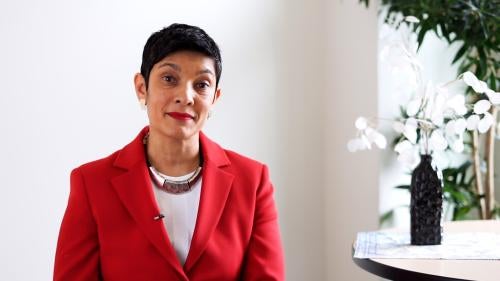
Tirana Hassan

Tirana Hassan, a lawyer and veteran human rights investigator who has documented human rights abuses throughout crises and conflicts globally, has been named the next executive director of Human Rights Watch, the organization announced. Hassan was previously the Human Rights Watch chief programs officer and had been serving as acting executive director since September 2022, following the departure of its long-time leader, Kenneth Roth.

As new executive director of Human Rights Watch, Tirana Hassan brings impeccable credentials as a human rights practitioner and an ambitious vision for human rights solutions to the challenges the world is facing,” said Zeid Ra’ad Al Hussein, CEO and president of the International Peace Institute and the former United Nations High Commissioner for Human Rights. “A hugely experienced activist, Tirana will be a formidable leader and very much a force to be reckoned with!”

With decades of experience in the human rights and humanitarian fields, Hassan, who began her career as a social worker and spent many years working with women and children in conflict and crisis situations, first joined Human Rights Watch in 2010, covering emergencies across Africa, Asia, and the Middle East. She went on to become Amnesty International’s director of crisis response before returning to Human Rights Watch as its chief programs officer in 2020, leading the organization’s research, advocacy, legal, and communications departments.

Tirana has the rare combination of wide-ranging investigative experience, strategic creativity, and a deep commitment to human rights principle that Human Rights Watch needs to tackle the complex human rights challenges the world is facing,” said Kenneth Roth, former executive director at Human Rights Watch, who stepped down in August 2022. “I am thrilled that she will lead Human Rights Watch into the future.”

When she headed Amnesty International’s crisis team, Hassan oversaw the development of innovative uses of technology to advance human rights investigations in Myanmar, Syria, and other crisis areas. She brings a proven track record of developing ambitious programs to address critical human rights issues and will lead the Human Rights Watch’s work with activists, survivors, and civil society to head off the rising threats to human rights around the world.

One of Hassan’s priorities will be to call out government selective applications of human rights obligations. The swift and bold response to the crisis in Ukraine including a UN Human Rights Council commission of inquiry and multiple condemnations by the UN General Assembly – has shown what is possible when governments work together, while the International Criminal Court’s arrest warrant for Russian President Vladimir Putin shows that no one is beyond the reach of justice. However, the same governments have often at best responded in a lukewarm fashion or at worst turned a blind eye to the plight of other victims. Hassan will focus on using all possible levers to push governments to realize their legal obligations to victims everywhere, including in Afghanistan, Israel and Palestine, Ethiopia, and Iran.

Hassan was born in Singapore to a Pakistani father whose family left India during partition and a Malaysian-born Sri Lankan and Chinese mother. Her family resettled in Australia in the 1970s after her father’s academic research on Singapore’s housing policies triggered the ire of the government, which was cracking down on dissent. She has said family stories of racism, prejudice, and repression helped shape her world view and contributed to her decision to work on behalf of rights for dispossessed people.

After receiving a bachelor’s degree in social work from the University of South Australia, Hassan worked as a social worker in Los Angeles, London, and Adelaide, counseling homeless young people before obtaining a law degree from the University of Adelaide. During her last year of law school, she co-founded the Woomera Lawyers Group, a refugee advocacy organization that provided legal services to asylum seekers detained in Australia’s notorious desert detention center. She represented refugees and asylum seekers from Afghanistan, Iraq, and Iran who were detained in the remote facility and later went on to work in the humanitarian sector. Hassan also holds a master’s degree in international human rights law from Oxford University.

She served as a specialist focusing on the need to provide protection for children and for survivors of sexual and gender-based violence in conflict areas and the natural disaster response across Asia and Africa, with Médecins Sans Frontières, United Nations International Children’s Emergency Fund, and Save the Children.

I’m honored and humbled to lead this exceptional organization at a moment when the defense of human rights feels more urgent than ever,” Hassan said. “I look forward to building on Human Rights Watch’s formidable foundation to uplift the human rights defenders we work with and the communities we serve to put pressure on those in power to realize a rights-respecting future for us all.

For more information on Tirana Hassan, please visit: https://www.hrw.org/about/people/tirana-hassan

https://www.hrw.org/news/2023/03/27/tirana-hassan-lead-human-rights-watch

Now it is the turn of the Moscow Helsinki Group to be liquidated

January 3, 2023

Tanya Lokshina, Associate Director, Europe and Central Asia Division, reported on 21 December 2022 on how the Moscow Helsinki Group MHG), Russia’s oldest Human Rights Group, faces ‘Liquidation’

Moscow Helsinki Group’s logo
Moscow Helsinki Group’s logo.  © 2022 Moscow Helsinki Group

Last week, Russia’s Justice Ministry filed a petition with the Moscow City Court seeking “liquidation” of the Moscow Helsinki Group (MHG), a leading Russian human rights organization.

On 12 May Tanya Lokshina received one of MHG’s annual awards for contributions to human rights and the Russian human rights movement. She writes: “By then, in the aftermath of Russia’s full-scale invasion of Ukraine, the authorities had shut down Human Rights Watch’s Moscow office, along with the offices of 14 other foreign nongovernmental organizations. I had already left the country with the rest of our team, and my 9-year-old son received the beautifully framed award on my behalf. I first saw it several weeks later, when he joined me in Tbilisi, Georgia, where I had relocated to continue my work. I generally don’t display awards and diplomas, but receiving one from MHG was so special that it now hangs on my wall.”

MHG was founded in 1976 by Soviet dissidents to expose governmental repression. It lasted nine months before the government jailed or forced practically all its members into exile. After the USSR’s collapse, the group revived in the 1990’s under the leadership of Lyudmilla Alexeeva, a legendary human rights defender, and has been working tirelessly to expose abuses, build up a country-wide human rights movement in Russia, and advocate for the rule of law. [see also: https://humanrightsdefenders.blog/2018/12/10/russian-human-rights-defender-ludmila-mikhailovna-alexeeva-is-no-longer/]

The liquidation lawsuit is based on the Justice Ministry’s ad hoc inspection of MHG. The liquidation petition cites several supposed violations of Russia’s stifling legislation on nongovernmental organizations, including the group being registered in Moscow but operating elsewhere in Russia, and the group’s charter lacking information on the location of its executive body. These are obviously bureaucratic pretexts that could not justify such a drastic move.

This year, Moscow courts liquidated four other major human rights groups in addition to Memorial, so it’s hard to find optimism for a fair trial for MHG. But it’s not hard to be optimistic about Russia’s human rights movement. It outlasted the Soviet Union; it will outlast today’s oppressors. See: https://humanrightsdefenders.blog/2022/12/12/foreign-agent-law-in-russia-from-bad-to-worse/.

And it goes on, the Andrei Sakharov Foundation, see: 24 January 2023 HRW post: https://www.hrw.org/news/2023/01/24/russia-designates-another-rights-organization-undesirable

https://www.hrw.org/news/2022/12/21/russias-oldest-human-rights-group-faces-liquidation

ECOSOC plenary to finally break deadlock on recognition of NGOs?

December 7, 2022

On 6 December 2022 Louis Charbonneau of Human Rights Watch wrote about the need to unblock the accreditation of NGOs which are stuck in the NGO Committee of ECOSOC. See also: https://humanrightsdefenders.blog/2022/02/14/towards-a-fairer-selection-of-ngos-to-participate-in-the-un-human-rights-debate/ These applications have been stuck in limbo due to several countries including China, Russia, and India obstructing the accreditation process.

On December 7, ECOSOC’s 54 members will vote on whether to grant UN consultative status to the Gulf Centre for Human Rights, the International Dalit Solidarity Network (IDSN), the Bahrain Center for Human Rights, Coptic Solidarity, the Arab-European Center of Human Rights and International Law, the Andrey Rylkov Foundation for Health and Social Justice, the World Union of Cossack Atamans, Man and Law, and World Without Genocide. These nine groups are among hundreds whose applications were on hold due to interminable questioning from some members of the UN Committee on Non-Governmental Organizations (the “NGO committee”). UN accreditation gives organizations access to many UN buildings, officials, and agencies – and to formally participate in numerous UN activities.

At its September session, the NGO committee rejected the nine groups’ accreditation applications and deferred action on 319 other organizations’ applications.

India has been instrumental in blocking IDSN, which advocates for the elimination of caste discrimination and other forms of discrimination around the world. According to the International Service for Human Rights, IDSN’s application was deferred for 15 years – a record for blocking an organization. The IDSN says it received over 100 questions from the committee, and despite responding promptly to all of them, was always deferred.

The only way out of this limbo is if individual member countries rescue the applications from the NGO committee and force a vote in an ECOSOC plenary meeting, where civil society groups stand a better chance of success. That is what will happen on December 7.

And on 8 December followed the good news:

After years of delay, the U.N. body overseeing economic development and social issues voted Wednesday to give nine human rights and minority groups the right to raise concerns and participate in its discussions, overriding objections from Russia, China, India, Arab nations and others.

The Economic and Social Council approved a U.S. draft decision giving a green light for the nine groups to get “special consultative status” with the 54-nation U.N. body by a vote of 24-17 with 12 abstentions.

The vote accredited Arab-European Center of Human Rights and International Law; Bahrain Center for Human Rights; Coptic Solidarity; Gulf Centre for Human Rights; International Dalit Solidarity Network; and the interregional rights group Man and Law.

https://apnews.com/article/china-india-united-nations-government-states-51d74ad5f9743ead51122c2668d13584

https://www.hrw.org/news/2022/12/06/un-member-countries-should-accredit-blocked-human-rights-groups

See also: https://www.swissinfo.ch/eng/ngos-face-uphill-battle-to-gain-access-to-the-un/48318440

Joint statement NGOs on 77th GA Third Committee

November 23, 2022

14 NGOs that closely follow and engage with the Third Committee have joined together to publish a joint statement on outcomes of this 77th session. The undersigned civil society organisations mark the conclusion of the UN General Assembly’s (GA) 77th Third Committee session with the following observations on some thematic and country-specific resolutions considered at this session. We urge all States to implement the commitments they have made in the resolutions discussed below to their full extent.

  • Joint statements

We welcome the joint statement on the human rights situation in Xinjiang, China delivered by Canada on behalf of a cross-regional group of 50 countries. This statement echoes the UN Human Rights Office’s independent, objective analysis and its findings which the UN’s human rights office determined may amount to crimes against humanity, and urges China to implement that report’s recommendations, in particular on enforced disappearance. There was an increase in State support compared to last year, signalling hope for future initiatives to debate the situation and support victims to secure accountability. Nonetheless, there is more work to ensure support from member states, in the EU and globally, as well as from Muslim-majority countries. 

We welcome the joint statement on reprisals led by Ireland and joined by a cross-regional group of countries, calling on all States and the UN to prevent, respond to, and ensure accountability for cases of intimidation and reprisals against those who engage or seek to engage with the UN. We welcome that 80 States continued to sign on to the statement but urge more States to sign on to future such statements. See also: https://humanrightsdefenders.blog/2020/11/30/75-countries-join-statement-on-reprisals-at-the-third-committee-but-more-needed/

We welcome a resolution on the right to privacy in the digital age. The resolution integrates much of the progressive language seen in the most recent Human Rights Council version of the resolution, contending with new and persisting challenges for the right to privacy worldwide, with a particular focus on the impact on human rights defenders and journalists. However, the resolution missed an opportunity to make strong recommendations on the proliferation of private surveillance technologies, including spyware, which global experts are calling to ban or suspend through a moratorium. We call on future resolutions to contain stronger language on biometric technologies, particularly recognising that these technologies should never be used for mass surveillance of public spaces. 

We welcome the adoption of the resolution on Extrajudicial, summary or arbitrary executions by a vote which aims to uphold the right to life, liberty and security and acknowledges that impunity is a major contributor to executions. We welcome the new references to freedom of religion or belief, new technologies, institutions as places of custody, as well as strengthened language on the role of civil society and human rights defenders in the protection against arbitrary deprivation of life. We also welcome that the resolution once again highlighted the targeting (including killing) of specific groups of persons belonging to national or ethnic, religious and linguistic minorities, indigenous communities, human rights defenders, lawyers, journalists or demonstrators, or because of their sexual orientation or gender identity. Critically, we welcome the rejection by a vote of an oral amendment attempting to remove the reference to ‘sexual orientation and gender identity’ in that listing.

We welcome support by an overwhelming majority of States for the resolution on a moratorium on the use of the death penalty proposed by Australia and Costa Rica (on behalf of an Inter-Regional Task Force of States). A record number of 126 States voted in favour of the text (including Ghana, Liberia and Myanmar, after abstaining in the GA plenary in 2020), while 37 voted against and 24 abstained. The text reiterates calls made in previous resolutions, including to halt executions with the view to abolishing the death penalty. It also includes additions on the importance of transparency and access to information regarding the use of the death penalty and criminal prosecutions to identify discriminatory practices, the negative impact on the rights of children and youth whose parental caregivers face the death penalty, the need to ensure that trial leading to imposition of the death penalty complies with fair trial and non-discrimination guarantees, ensuring the death penalty is not applied on the basis of laws targeting individuals for exercising their human rights, the need to improve conditions in detention for those on trial for capital crimes or on death row, ensuring respect for their inherent dignity, and complying with international standards, in evaluating, promoting, protecting and improving their physical and mental health.  

We welcome the adoption of the resolution on Inclusive development for and with persons with disabilities, that newly calls for leadership and participation of persons with disabilities in disaster risk reduction, climate change adaptation and mitigation, and other climate change policies and programmes, as well as affordable and accessible internet, and continues to emphasize non-discrimination, accessibility and inclusion in the implementation of the 2030 Agenda, including for women and girls with disabilities. In particular, we welcome the request for the Secretary-General to report on participation of persons with disabilities in COVID-19 response and recovery, and on the implementation of the UN Disability Inclusion Strategy. We regret that despite wide support, language supporting the right to the enjoyment of the highest attainable standard of sexual and reproductive health of persons with disabilities, on an equal basis with others, was not included in the final resolution.

We welcome the adoption by consensus of the resolution on the Human rights treaty body system. We regret that States were not able to ‘welcome’, but merely ‘take note’ of the biennial report by the UN Secretary-General on the state of the treaty body system and the report of the most recent meeting of treaty body chairpersons. We urge all States to follow through with their reaffirmation in the resolution of the formula contained in General Assembly resolution 68/268, and allocate corresponding financial and human resources in the Fifth Committee that the treaty bodies require to function effectively.

Gender Issues

We welcome the adoption by consensus of the resolution on Child, Early and Forced Marriage (CEFM) presented by Canada and Zambia, and for the first time co-sponsored by 125 States, including several countries with high CEFM prevalence. We welcome new references to multiple and intersecting forms of discrimination, including in the context of climate change, conflict and poverty. We particularly welcome the call to Member States to address the root causes of gender inequality, gender stereotypes and negative social norms that underlie CEFM and for participatory and adequately funded measures to address the ongoing impacts of COVID-19 including school closures; the digital divide; uninterrupted access and funding for sexual and reproductive health-care services; adolescent-centered services; and redistribution of unpaid care and domestic work. We regret that despite significant support, references to comprehensive sexuality education and intimate partner violence were omitted. 

The resolution on Intensification of efforts to prevent and eliminate all forms of violence against women and girls, presented by Netherlands and France, was adopted by a vote for the second time. We welcome the text, focused this year on eliminating gender stereotypes and negative social norms. It included commitments to prevent and eliminate violence against all women, including intimate partner violence, femicide, commitments to protect, respect and fulfill all human rights, including sexual reproductive health and reproductive rights; recognize challenges and obstacles to eliminating discriminatory attitudes perpetuating multiple and intersecting forms of discrimination against women and girls; text on migrant and indigenous women and girls, racism, xenophobia, women human rights defenders, promoting young women and adolescents’ participation and leadership in decision making positions as well as full, effective, equal and meaningful participation of all women in all their diversity. Although we are encouraged by the rejection of 9 amendments presented by Guatemala, Egypt, Iraq, Libya, Nigeria, Russia, Saudi Arabia and Yemen, we regret that consensus was not achieved on a number of important commitments, that have been previously agreed, aiming to prevent and eliminate gender stereotypes and negative social norms and take multisectoral, effective and gender-responsive measures to prevent and eliminate all forms of violence. We are also dismayed that a vote was called on the reference to the Generation Equality Forum, an initiative with wide support from diverse stakeholders globally.

We welcome the adoption of the resolution on Intensifying global efforts for the elimination of female genital mutilation (FGM) presented by Burkina Faso (on behalf of African Group) which has not been fully opened up since 2018. The resolution failed to strengthen the most pertinent and pressing areas for preventing and eliminating FGM, especially in relation to health outcomes for girls, adolescents and women including the lack of inclusion on sexual and reproductive health, comprehensive sexuality education and  multiple and intersecting forms of discrimination. Despite this, we welcome language on the cross-border and transnational practice of FGM, an important component of FGM prevention and elimination.

The resolution on Intensifying efforts to end obstetric fistula presented by Senegal (on behalf of African Group) was a  technical rollover (with no substantive changes to the respective 2018 and 2020 texts) and adopted by consensus. Given the devastating impact of Obstetric fistula on women and girls, and the exacerbation of root causes due to climate change and the COVID-19 pandemic, we are disappointed about the missed opportunity to outline global, regional and national level efforts to end this tragedy by 2030, an integral component of achieving the Sustainable Development Goals. 

We welcome the adoption of the resolution on Trafficking in women and girls presented by the Philippines, which includes references to access to justice for victims, government commitments to eliminate, prevent and respond to all forms of violence against women and girls including trafficking, and the linkage between climate change and trafficking. While encouraged that the text maintained critical elements from previous years, we regret that it did not include: progressive references to gender transformative, survivor, victim-centred and trauma-informed approaches to anti-trafficking efforts; references to women and girls in all their diversity; comprehensive sexuality education; and recognition of the importance of full, equal and meaningful participation of women and girls in addressing trafficking. 

Country Situations

We welcome the adoption of the resolution on the human rights situation in the Islamic Republic of Iran, with 50 cosponsors by a vote of 79 (80) votes in favour (Panama voted after votes were locked), 28 against and 68 abstentions. We welcome new references expressing concern on the violent enforcement of the hijab and chastity law by the Iranian morality police, ‘widespread use of force against non-violent protestors’, the proposed bill on the use of firearms during protests, and calls to release persons participating in peaceful protests, to address poor conditions of prisons, and to implement the amendment to the Nationality Law, which gives Iranian women married to foreign nationals the right to request Iranian citizenship for their children under 18. We also welcome calls to end violations of the rights to freedom of expression and opinion including internet disruption practices, and the right to freedom of thought, conscience, religion or belief against recognized and unrecognised religious minorities, particularly Baha’is being subject to increased persecution, arrest, destruction and confiscation of property.  See more: https://humanrightsdefenders.blog/2022/11/23/un-human-rights-council-holds-special-session-on-iran-on-24-november/

We welcome the resolution on the situation of human rights in the Syrian Arab Republic, cosponsored by 32 Member States. The resolution references the wide range of human rights violations and abuses perpetrated in Syria, many of which may amount to war crimes and crimes against humanity. We particularly welcome the decision to take further actions on the issue of missing people in Syria, based on the SG’s recommendation in his report on the matter, and to include survivors and their families throughout the process. We call upon the Member States to implement the SG’s recommendation by establishing an International Mechanism to reveal the fate and whereabouts of the missing persons in Syria without further delay.  

We regret that the resolution on the situation of human rights of Rohingya Muslims and other minorities in Myanmar, which was adopted by consensus, does not reiterate key elements of the 2021 UNGA resolution which followed the military coup in February 2021. We regret that it fails to comprehensively address, condemn, and call for an end to ongoing and escalating human rights violations by the military, as described in detail by the Special Rapporteur on human rights in Myanmar. However, we acknowledge that language regarding the ongoing commission of rights violations against and protection needs of the Rohingya has been retained, and the expression of solidarity with the Rohingya made by Myanmar’s Permanent Representative.

We welcome the consensus adoption of the resolution on the human rights situation in the Democratic People’s Republic of Korea (DPRK). We welcome in particular the retention of a call for the UN Security Council to resume discussions on the human rights situation in the DPRK, supplemented with a call for the OHCHR to brief it. The Security Council held formal meetings annually on the human rights situation in the country in December from 2014-2017, however in December 2020 and 2021, the subject was discussed in closed consultations under ‘Any other Business’.

We welcome the adoption of the resolution on Human rights in the temporarily occupied Autonomous Republic of Crimea and the city of Sevastopol, Ukraine. We welcome in particular the resolution’s condemnation of the ‘unprecedented wave’ of violations that Russian forces have committed in Crimea following the February 2022 invasion of Ukraine, including  arbitrary detention, forcible transfers and enforced disappearances. We also welcome the call on Russia to cease violations and abuses including those within the framework of so-called filtration procedures and forcible transfers or deportation of Ukrainian children to Russia, and to lift discriminatory regulatory barriers prohibiting or limiting the activities of religious groups.

  • Civil society access

While we welcome the action by some States to welcome civil society organisations to join informals as observers this session, it was deeply disappointing that only a few States extended this invitation. This year, civil society again faced additional challenges in even keeping abreast of information regarding informal negotiations as information on informals taking place was once again not shared in the UN journal as it previously was. This year this information was only published on the e-deleGATE platform to which civil society has no access. These critical barriers to civil society access to Third Committee negotiations, deprive the Committee of civil society’s technical expertise and mean that its outcomes fail to leverage the contributions of a crucial stakeholder in promoting the implementation of human rights.

Access Now 

Amnesty International

Association for Progressive Communications 

Center for Reproductive Rights

Fòs Feminista, International Alliance for Sexual and Reproductive Health, Rights and Justice

Global Centre for the Responsibility to Protect

Global Justice Centre

Human Rights in China

Human Rights Watch

International Disability Alliance

International Service for Human Rights

Jacob Blaustein Institute for the Advancement of Human Rights

Outright Action International

Syrian Center for Media and Freedom of Expression (SCM)

https://ishr.ch/latest-updates/joint-civil-society-statement-on-the-outcomes-of-unga-77-third-committee/

Independent Commission of Inquiry hears Palestinian complaints

November 9, 2022
Members of the UN Independent International Commission of Inquiry attend a press briefing at the UN headquarters in New York

Members of the United Nations Independent International Commission of Inquiry on the Occupied Palestinian Territory and in Israel, Navanethem Pillay, Miloon Kothari and Chris Sidoti attend a press briefing at the United Nations headquarters in New York, U.S., October 27, 2022. REUTERS/Eduardo Munoz/File Photo

On 7 November 2022 Emma Farge reported for Reuters how a Palestinian human rights group told a U.N. panel on Monday 7 November it had been subject to threats and “mafia methods” during a campaign of harassment organised by Israel to silence groups documenting alleged Israeli rights violations.

The independent Commission of Inquiry, established by the Human Rights Council, the U.N. top human rights body, last year, plans five days of hearings which it says will be impartial and examine the allegations of both Israelis and Palestinians. Israel dismissed the process overseen by the panel as a sham while it declined comment on the specific allegations.

In the opening session, the commission heard from representatives of Palestinian organisations shuttered by Israel in August and designated as “terrorist” entities. See also: https://humanrightsdefenders.blog/2021/10/23/assault-by-israel-on-palestinian-human-rights-ngos/

Shawan Jabarin, General Director of human rights group Al-Haq, denied the terrorism charge and called the closure an “arbitrary decision“, saying Israeli security forces had used “mafia methods” against it in a years-long harassment campaign. See also: https://humanrightsdefenders.blog/2011/11/30/israel-refuses-to-let-hrd-shawan-jabarin-travel-to-receive-award-in-denmark/

They used all means, I can say. They used financial means; they used a smear campaign; they used threats,” he said, saying his office was sealed with a metal door on Aug. 18.

Asked to detail the threats mentioned to the panel, Jabarin told Reuters after the hearing that he had received a phone call from somebody he identified as being from “Shabak”, or the Israel Security Agency, two days after the raid. They threatened him with detention, interrogation or “other means” if he continued his work, he added.

https://www.reuters.com/world/un-hearings-probing-alleged-israeli-rights-abuses-open-geneva-2022-11-07/

Report on the 51st session of the Human Rights Council

October 14, 2022

The International Service for Human Rights (ISHR) and 12 other NGOs gave a joint assessment of the 51st session of the Human Rights Council which was held from Monday 12 September to Friday 7 October 2022. [see also: https://humanrightsdefenders.blog/2022/09/20/human-rights-defenders-at-the-51st-session-of-the-un-human-rights-council/]

We welcome that for the first time, the Council heard from two representatives of directly impacted communities from the podium in the enhanced interactive dialogue with the High Commissioner and the International Independent Expert Mechanism to Advance Racial Justice and Equality in Law Enforcement: Collette Flanagan of Mothers against Police Brutality (MAPB) whose son was killed by United States‘ police in 2013; and Jurema Werneck, director of Amnesty International in Brazil. As highlighted in the HC’s report, States are continuing to deny the existence and impact of systemic racism, especially institutional racism. Our view is that States actively protect the interests of police institutions in order to maintain the status quo which is designed to oppress Africans and people of African descent.  We call on States to fully implement the Durban Declaration and Programme of Action (DDPA), to fully cooperate with the International Independent Expert Mechanism to Advance Racial Justice and Equality in the context of Law Enforcement including accepting country visits, implement the recommendations from their report and the High Commissioner’s Agenda towards Transformative Change for Racial justice and Equality.

We welcome the ‘from rhetoric to reality: a global call for concrete action against racism, racial discrimination, xenophobia and related intolerance’ resolution. The resolution, interalia,  strongly condemns the discriminatory treatment, unlawful deportations, excessive use of force and deaths of African migrants and migrants of African descent, including refugees and asylum-seekers, at the hands of law enforcement officials engaged in migration and border governance. It calls on States to ensure accountability and reparations for human rights violations at borders and to adopt a racial justice approach, including by adopting policies to address structural racism in the management of international migration. It reiterates that the Transatlantic Trade in Enslaved Africans and colonialism were grave violations of international law that require States to make reparations proportionate to the harms committed and to ensure that structures in the society that are perpetuating the injustices of the past are transformed, including law enforcement and administration of justice and to dispense reparatory justice to remedy historical racial injustices…..

We welcome the resolution on the “human rights implications of new and emerging technologies in the military domain” and its request for a study examining these implications. The adoption of the resolution adds to the growing attention that UN human rights mechanisms are paying to the negative human rights impacts of arms, including new technologies that can be weaponised.  It is undoubtable that concerns relating to the military domain should not be seen as only relevant to disarmament fora. In response to comments from some States on whether international humanitarian law (IHL) falls within the remit of HRC, we recall that international human rights law and IHL are complementary and mutually reinforcing, as the HRC itself has reiterated on several occasions in past resolutions. We welcome the inclusion of paragraph on the responsibility to respect human rights of business enterprises, and in this regard, we recall the Information Note by the UN Working Group on Business and Human Rights on the Arms Industry (“Responsible business conduct in the arms sector: Ensuring business practice in line with the UN Guiding Principles on Business and Human Rights”) published in August 2022. While we welcome the reference in the resolution to the role of human rights defenders and civil society organisations in raising awareness about the human rights impacts of the use of new and emerging technologies in the military domain, we regret that it does not include a specific mention of the risks that the use of these technologies can pose for human rights defenders and civil society organisations.

We welcome the resolution on arbitrary detention and especially the inclusion of a new paragraph on the necessity to fully implement the Declaration on Human Rights Defenders. The resolution recognises the role of HRDs, peaceful protesters, journalists and media workers in safeguarding the prohibition of arbitrary deprivation of liberty and calls upon States to make sure that they are not arbitrarily detained as a result of their activities. We further commend the main sponsor, France, for having rejected any language that could have weakened the resolution, especially on the right to legal assistance.

We welcome the adoption of the safety of journalists resolution. It has now been a decade since the first resolution on this topic, and the HRC has since created an elaborate and robust set of international standards to protect journalists. This iteration of the resolution adds new strong commitments on multiple new and emerging issues affecting journalists, from strategic lawsuits against public participation to extraterritorial attacks. It also strengthens language on investigations into attacks against journalists, calling on authorities to exhaust lines of enquiry that determine whether such attacks are linked to their journalistic work. We now urge States to implement these commitments to their full extent.

We welcome the approval by consensus by the Council of the resolution on terrorism and human rights, that has been updated with important paragraphs related to the centrality of the rule of law and human rights to counter terrorism, international human rights obligations in transfers of terrorist suspects, profiling of individuals, detention, the right to a fair trial and other due process guarantees, the right to privacy and freedom of expression, and in relation to children rights and civil society. We regret that paragraphs stemming from security based concerns have increased even though they are unrelated to the competence of the Council to promote human rights.

We warmly welcome the adoption of the resolution on the human rights situation in the Russian Federation, mandating a Special Rapporteur on Russia for the first time. …The Russian Federation’s growing repressive policies, combined with the country’s exclusion from the Council of Europe – victims of new human rights violations committed by the Russian Federation from 17 September lost protection under the European Convention on Human Rights– and its diplomatic isolation from those States which have been supportive of human rights and civil society in Russia, have made it increasingly difficult for Russian human rights defenders, activists, and civil society organisations to engage with the international community. Russian civil society had been vocal in calling for a Special Rapporteur’s mandate, strongly believing it will help to create a bridge between the United Nations and Russian civil society and the wider general public in Russia at an acute moment of widespread domestic human rights violations, both ensuring their voice is heard at an international level, and that the United Nations can further develop its understanding and analysis of the deterioration in Russia’s domestic human rights situation and the implications that has had – and continues to have – for Russia’s foreign policy decisions.

We welcome the extension and strengthening of the OHCHR capacity to collect, consolidate, analyse and preserve evidence and information and to develop strategies for future accountability, as well as to extend the mandate for enhanced monitoring and reporting by the OHCHR on Sri Lanka. Given the complete lack of any credible avenues for accountability at the national level, the OHCHR’s Sri Lanka Accountability Project remains the only hope of justice, more than thirteen years after the war, for thousands of victims of war time atrocities and their families.

We welcome the UN Secretary General’s report on missing people in Syria; and urge States to support and implement the report’s findings, in line with resolution A/HRC/51/L.18 which underscored “the report’s finding that any measure towards addressing the continuing tragedy of missing persons in the Syrian Arab Republic requires a coherent and holistic approach going beyond current efforts, which must be inclusive and centered on victims”. Addressing the issue of missing persons in Syria requires a “new international institution” mandated to clarify the fate and whereabouts of missing persons, to “work in cooperation and complementarity with existing mechanisms”, the body having “a structural element that ensures that victims, survivors and their families […] may participate in a full and meaningful manner in its operationalization and work” as recommended in the study of the Secretary General.

The Council has taken a vitally important step in renewing the mandate of the Fact-Finding Mission on Venezuela and of the reporting mandate of OHCHR for a further two years. In its most recent report, A/HRC/51/43, the Fact-Finding Mission deepened its investigation of alleged crimes against humanity, making clear that alleged perpetrators remain in power. The ongoing accountability drive through the work of the Mission allied with the work of OHCHR, is key to providing victims of violations with hope for justice. It is also key to the prevention of ongoing violations, particularly in the context of upcoming elections, and of encouraging political processes that respect human rights.

We regret that the Council failed to respond adequately to several human rights situations including Afghanistan, China, Philippines, and Yemen.

We welcome the extension and strengthening of the mandate of the Special Rapporteur on Afghanistan. However, this in no way makes up for the Council’s repeated failure to respond to the calls from Afghan human rights defenders, especially women human rights defenders, and civil society for an independent accountability mechanism with a mandate and resources to investigate the full scope of violations abuses that continue to be committed in Afghanistan by all parties and to preserve evidence of these violations for future accountability. It is particularly concerning that despite the overwhelming evidence of gross violations and abuses in Afghanistan that the Council failed to muster consensus on even the bare minimum.

We deplore that this Council was unable to endorse the proposal for a debate on Xinjiang, after the UN identified possible crimes against humanity committed by the Chinese government against Uyghurs and Turkic peoples. Dialogue is a pillar of multilateralism, and is fundamental, even on the hardest issues. Despite the leadership of the core group and all 18 States who voted in favour, this Council looked the other way. We strongly condemn the 19 countries who blocked this proposal, and regret all the abstentions that enabled it. We particularly regret that leading OIC States Indonesia and Qatar, as well as Kazakhstan, Uzbekistan, Pakistan, the UAE, Côte d’Ivoire, Mauritania, Sudan, Gabon, Cameroon and Eritrea, decided to abandon Uyghurs and Muslim minorities in China. We command Somalia for being the only Muslim Council member to stand up for Muslim minorities. Uyghur and international human rights groups won’t give up efforts to hold China accountable. We urgently call on current and future Council members to support efforts to prevent the continuation of atrocity crimes in Xinjiang, and uphold this Council’s credibility and moral authority. [see: https://humanrightsdefenders.blog/2022/10/05/uyghur-issue-at-the-un-human-rights-council-will-there-be-even-a-debate/]

We are deeply disappointed that despite the High Commissioner’s clear recommendation and demands by victims and their families as well as civil society from the Philippines, the Council has failed to put forward a resolution mandating the High Commissioner to continue monitoring and reporting on the situation, allowing the Philippines to use the rhetoric of cooperation and the UN Joint Programme for Human Rights to window-dress its appalling human rights record without any tangible progress or scrutiny.

We are dismayed by an Item 10 resolution that will not allow for reporting to the HRC on the human rights situation in Yemen.   Despite a truce that now looks in danger of collapsing, the humanitarian and human rights crisis in Yemen has not ended.  …Lasting peace in Yemen requires a sustained commitment by the international community to ensure accountability and redress for the millions of victims in Yemen. We call on UN member states to give meaning to the pledges they have made and begin to work toward the establishment of an international independent investigative mechanism on Yemen.

On 10 October 2022 a Blog post of the Universal Rights NGO gave the following quick summary of this session of the Human Rights Council

With Ms. Michelle Bachelet’s mandate as the UN High Commissioner for Human Rights having come to an end on 31 August 2022, and the incoming UN High Commissioner, Mr. Volker Türk, not taking up his official functions until 17 October 2022, Ms. Nada Al-Nashif, opened, as Acting High Commissioner, by presenting a global update on the situation of human rights around the world.

Four new Special Procedures mandate-holders were appointed to the following mandates: the Special Rapporteur on contemporary forms of racism, racial discrimination, xenophobia and related intolerance (India), the Special Rapporteur on the human rights of internally displaced persons (Colombia), the Special Rapporteur on the independence of judges and lawyers (United States of America), and one member of the Working Group on Arbitrary Detention (from Eastern European States).

9 expert members were elected to the Human Rights Council’s Advisory Committee (from Algeria, Angola, China, Qatar, Slovenia, Spain, Uruguay, Bahamas, Brazil).

42 texts (39 resolutions, one decision, and one statement by the President) were considered by the Council. This represents a 52% increase in the number of adopted texts compared to one-year prior (HRC48). Of the 41 adopted texts, 30 were adopted by consensus (73%), and 11 by a recorded vote (27%).

The Council rejected a draft decision to hold a debate on the situation of human rights in the Xinjiang Uyghur Autonomous Region, China by vote (17 votes in favour, 19 against, and 11 abstentions).

Following the adoption by vote of a draft resolution on the situation of human rights in the Russian Federation (17 votes in favour, 6 against, and 24 abstentions), the Council created a new Special Procedure mandate on the situation of human rights in the Russian Federation for a period of one year, and requested the mandate holder to make recommendations and to present a comprehensive report to the Council at its 54th session and to the General Assembly at its 78th session, while calling upon the Russian authorities to cooperate fully with the Special Rapporteur.

The Council further extended the mandates of 8 thematic Special Procedures (i.e., the Independent Expert on older persons; the Special Rapporteurs on the right to development, on contemporary forms of slavery, on the rights to water and sanitation, on Indigenous Peoples, and on the right to health, as well as the Working Groups on arbitrary detention, and on mercenaries), and 7 country-specific mechanisms (i.e., the Special Rapporteurs on Afghanistan, and on Burundi; the International Commission of Human Rights Experts on Ethiopia; the Independent International Fact-Finding Mission on the Bolivarian Republic of Venezuela, the International Team of Experts on the Democratic Republic of the Congo; the Independent Expert on the situation of human rights in the Central African Republic; and the mandate of the Independent Expert on the situation of human rights in Somalia).

25 written amendments were tabled by States ahead of the consideration of texts by the Council but 14 were withdrawn by the main sponsor prior to voting. The remaining 11 amendments were rejected by a vote. Additionally, one oral amendment was brought forward by China during voting proceedings.

31 of the texts adopted by the Council (79%) had Programme Budget Implications (PBI) and required new appropriations not included in previous Programme Budgets. 

https://ishr.ch/latest-updates/hrc51-civil-society-presents-key-takeaways-from-human-rights-council/

https://www.universal-rights.org/urg-human-rights-council-reports/report-on-the-51st-session-of-the-human-rights-council/