Posts Tagged ‘NGOs’

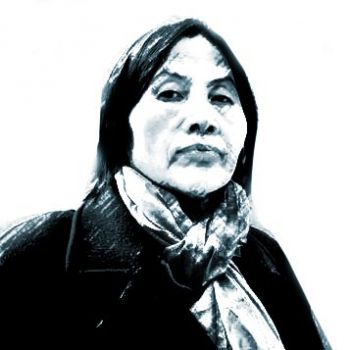
Joint statement on the 10-year anniversary of ‘deadly reprisals’ against Chinese activist Cao Shunli 

March 15, 2024

On 14 March 2024, a large number of leading NGOs paid tribute to Cao Shunli, and all human rights defenders targeted by the Chinese government for their commitment to uphold the promise of the Universal Declaration of Human Rights.  [see also: https://humanrightsdefenders.blog/tag/cao-shunli/]:

Cao Shunli was a brave Chinese woman human rights defender and lawyer. Working with fellow activists, Cao documented abuses, including the now-abolished ‘Re-education through Labour’ extrajudicial detention system, which she was also subjected to as a result of her human rights work. She campaigned for independent civil society to be meaningfully consulted and to be able to contribute to the Chinese government’s national reports to its first and second Universal Periodic Reviews (UPR). In an attempt to speak with government officials about the UPR, Cao courageously organised peaceful sit-ins with other concerned citizens outside the Ministry of Foreign Affairs despite great risks. She also submitted information on extralegal detention and torture in China to the UN and expressed the hope that ‘if we could get even 100 words’ into a UN report, ‘many of our problems could start to get addressed.’

On 14 September 2013, Chinese authorities detained Cao at the Beijing Capital International Airport as she was traveling to Geneva to participate in a human rights training, one month before China’s second UPR. Cao was forcibly disappeared for five weeks, until she resurfaced in criminal detention and was charged with ‘picking quarrels and provoking trouble’. By October 2013, it was clear that Cao Shunli was experiencing serious medical issues while in detention. After months of denial of adequate medical treatment, rejected appeals by her lawyers for bail on humanitarian grounds, and despite multiple calls from the international community for her urgent release, Cao died of multiple organ failure on 14 March 2014 in a hospital under heavy police guard to keep out her lawyers and friends.

Cao was one of the 2014 finalists of the prestigious Martin Ennals Award for Human Rights Defenders.

To this day, there has been no accountability for Cao Shunli’s death. The Chinese government refuses to admit wrongdoing, despite repeated calls in 2014 and 2019 by UN Special Procedures experts for a full investigation into this ‘deadly reprisal’. 

Her case is one of the longest-standing unresolved cases in the UN Secretary-General’s annual reports on reprisals against civil society actors for engaging with the United Nations. China is one of the most consistent perpetrators of reprisals over time, and one of the most egregious perpetrators in terms of the sheer number of individuals targeted. 

Cao is not alone: her courage, but also the abuses she endured, are unfortunately those of other human rights defenders who paid a high cost for cooperating with the UN. Her close colleague, Chen Jianfang was forcibly disappeared under Residential Surveillance at a Designated Location (RSDL) from 19-20 March 2019 after paying tribute to Cao Shunli on the 5th anniversary of her death. Chen was sentenced to four years and six months in jail for ‘inciting subversion of State power’ and left prison on 21 October 2023, after which authorities subjected her to strict surveillance. UN experts have raised with the Chinese government acts of reprisals against Chen Jianfang, but also Jiang Tianyong, Li Qiaochu, Dolkun Isa, Li Wenzu and Wang Qiaoling, among others. The recent instances of intimidation and harassment against NGO participants in China’s 4th UPR in January 2024 further highlight the gravity of the situation.

Li Qiaochu, Xu Zhiyong, Ding Jiaxi, Yu Wensheng, Xu Yan, Huang Xueqin, Li Yuhan, Chang Weiping: many other Chinese human rights defenders are today detained, disappeared, and at grave risk, for upholding the promise of the Universal Declaration of Human Rights.

These documented acts do not account for the even greater self-censorship and refusal to engage with the United Nation as a result of a generalised climate of fear

Ten years ago, when ISHR and many other human rights groups sought to observe a moment of silence at the Human Rights Council in her memory, the Chinese delegation, together with other delegations, disrupted the session for an hour and half.

Cao Shunli is a paradigmatic case of reprisals, not only because of her prominence, but also due to the array of severe human rights violations against her, committed in total impunity. These range from Chinese authorities blocking her exit from her own country, enforced disappearance, arbitrary detention, lack of due process, torture or ill-treatment and denial of adequate medical care, to subsequent death in custody, and the lack of accountability for these abuses. The lack of any progress in achieving accountability underscores the urgent need for continued international attention and pressure on the Chinese government to ensure justice for Cao and all human rights defenders who face persecution for their work.

Cao Shunli said before her death: ‘Our impact may be large, may be small, and may be nothing. But we must try. It is our duty to the dispossessed and it is the right of civil society.’

Today, we pay tribute to Cao Shunli’s legacy, one that has inspired countless human rights defenders in China and abroad. We urge UN Member States to call for a full, independent, impartial investigation into her death. We reaffirm that no perpetrator of reprisals, no matter how powerful, is above scrutiny, and that reprisals are fundamentally incompatible with the values of the United Nations and of the Universal Declaration of Human Rights. 

see also: https://ishr.ch/latest-updates/in-major-win-geneva-to-host-permanent-cao-shunli-monument

Signatories: 

  1. Art for Human Rights
  2. ARTICLE 19
  3. Asian Forum for Human Rights and Development (FORUM-ASIA)
  4. Asian Lawyers Network (ALN)
  5. Campaign for Uyghurs
  6. CIVICUS: World Alliance for Citizen Participation
  7. CSW (Christian Solidarity Worldwide)
  8. Front Line Defenders
  9. HK Labour Rights Monitor
  10. Hong Kong Centre for Human Rights
  11. Hong Kong Democracy Council (HKDC)
  12. Hong Kong Watch
  13. Human Rights in China
  14. Humanitarian China
  15. Humanitarian China
  16. International Bar Association’s Human Rights Institute (IBAHRI)
  17. International Campaign for Tibet
  18. International Federation for Human Rights (FIDH), within the framework of the Observatory for the Protection of Human Rights Defenders
  19. International Service for Human Rights
  20. International Tibet Network
  21. Lawyers’ Rights Watch Canada
  22. Martin Ennals Foundation
  23. Network of Chinese Human Rights Defenders (CHRD)
  24. PEN International
  25. Safeguard Defenders
  26. The 29 Principles
  27. The Rights Practice
  28. Tibet Justice Center
  29. Uyghur Human Rights Project
  30. World Organisation Against Torture (OMCT), within the framework of the Observatory for the Protection of Human Rights Defenders
  31. World Uyghur Congress

On 14 March also a group of UN Special Rapporteurs issued a joint call: “We regret that no action appears to have been taken over the last five years, since the last call for an independent, impartial and comprehensive investigation into Ms. Shunli’s death,” [https://www.ohchr.org/en/press-releases/2024/03/china-un-experts-renew-calls-accountability-cao-shunlis-death]

https://www.frontlinedefenders.org/en/statement-report/joint-statement-10-year-anniversary-deadly-reprisals-against-chinese-activist-cao

https://ishr.ch/latest-updates/in-tribute-to-cao-shunli-rights-groups-call-on-geneva-to-install-permanent-monument-for-her

March 8, 2024 was again International Women’s Day

March 8, 2024

Like every year, many organisations used the occasion to focus on the role of women human rights defenders. Here a selection of this year’s actions [for earlier posts see: https://humanrightsdefenders.blog/tag/international-womens-day/]:

Global Voices has released a special coverage called Empowering voices: Women in politics, which explores the state of women’s political participation around the world. 

Human Rights First referred to a new report reveals that WHRDs face increasing harassment and threats from a global movement against gender equality and LGBTQI+ rights. The Kvinna till Kvinna Foundation, a leading feminist women’s rights organization, released Hope and Resistance Go Together: The State of Women Human Rights Defenders 2023,  a report that found discouraging growth in harassment of WHRDs.  The foundation surveyed 458 women’s and queer rights activists and interviewed 25 activists representing WHRDs from 67 countries affected by violence or conflict.

They found that 75% reported facing harassment for their activism, a 15% increase from two years ago, and 25% of respondents have received death threats. Most harassment comes from government authorities, but increased harassment from far-right groups and anti-gender equality actors is also driving these startling statistics. Human Rights Defenders (HRDs) across the world face resistance and violence. In 2022, at least 401 HRDs were killed for their peaceful work. But some of the obstacles facing WHRDs are distinct. https://humanrightsfirst.org/library/recognizing-women-human-rights-defenders-on-international-womens-day/

Human Rights Watch on 7 March carried a piece by Macarena Sáez who says inter alia:

On this International Women’s Day, we march for the one in three women who experience physical or sexual violence in their lifetime. We cheer for countries like Argentina, Colombia, and Ireland that value our autonomy to choose to be pregnant and have legalized access to safe abortion, while protesting that abortion is still or again illegal in many places, including US states like Alabama and Texas. At the same time, we march to honor the women who marched before us, like the Mexican women who organized the first feminist congress in 1916 to push for family law reforms and their right to vote, and the Nigerians who waged their “Women’s War” against colonization and patriarchal laws in 1929. Their struggles sadly mirror the reality of many women around the world today – especially women who belong to historically marginalized groups – who continue to rally against violence and abuse.

Fearing the power of women’s solidarity and collective actions, governments have  stifled women’s speech through restrictions on movement, censorship, smear campaigns, and criminal prosecutions. In highly repressive contexts, like Afghanistan and Iran, women suffer arbitrary detention, and even enforced disappearance and torture, for their activism. Meanwhile, social media companies have not done enough to protect women from online violence, chilling women’s freedom of expression on and offline.    These barriers make it hard for women’s equality to become reality. Gender justice requires an enabling environment in which women can express themselves, speak and spread their political views, and participate in political and public life. Instead of repressing or tolerating the repression of women, governments should recognize our collective actions – and consequent power – and enshrine our rights in laws, policies, and practice. [https://www.hrw.org/news/2024/03/07/womens-voices-have-power-drive-change]

Amnesty International on 8 March highlighted three prominent women who reveal why sexual and reproductive rights are a major human rights issue : Charlotte Bunch, USA Leila Hessini, Algeria Marge Berer, UK [https://www.amnesty.org/en/latest/campaigns/2024/03/three-prominent-women-reveal-why-sexual-and-reproductive-rights-are-a-major-human-rights-issue/]

On 8 March 8, 2024 Almyra Luna Kamilla and Rosalind Ratana 
opined in IMHO on “Navigating the storms of repression: The resilience of young women rights defenders in Asia

[OPINION] Navigating the storms of repression: The resilience of young women rights defenders in Asia

In recent years, Asia has been witnessing rising authoritarianism and shrinking civic space. Among those in the frontlines of resistance are young women human rights defenders. As we celebrate International Women’s Day, let us demand for an enabling world where women human rights defenders can continue their noble pursuits without fear of reprisals.

In Thailand, the royal defamation law is being excessively used to silence criticisms against the monarchy. Meanwhile in Sri Lanka, economic and political mismanagement has sparked peaceful protests that are met with violence and intimidation. The fate of Asia’s political climate hangs by a thread as elections are held across many countries, including Bangladesh, Indonesia, India, South Korea, and Pakistan. Now more than ever, governments across the region are finding ways to solidify their power, putting an even tighter grip on civil society to the detriment of democracy and people’s fundamental rights and freedoms.

Despite such challenges, many are courageously speaking out and taking collective action to reclaim power for the people. This includes young women human rights defenders – or Youth WHRDs – who are claiming space to call out human rights violations and to demand accountability from oppressive governments. [https://www.rappler.com/voices/imho/young-women-rights-defenders-asia/]

The Alliance for Human Rights in Afghanistan (a coalition of 9 major NGOs) urgently appealed to the international community to significantly bolster its support and actively safeguard the human rights of Afghan women and girls, including Afghan women human rights defenders who face persecution for their peaceful campaigns for rights and basic freedoms.

In 2023, the Taliban further intensified its oppressive policies toward women, girls, the LGBTIQ+ community, and religious minorities. Afghan women and girls have seen their rights and prospects increasingly curtailed, from greater enforcement of restrictions on education – including a ban on girls attending secondary schools and universities – to intensifying exclusion of women from political and public life. Women have been banned from a growing list of forms of paid employment, and economic barriers, such as the ban on women registering organisations and undergoing vocational training, have contributed to a sharp decline in women’s participation in the labour market, impeding their right to make a living. This exacerbates financial insecurity, widens gender disparities, and further confines women to the private sphere. Lesbian, bisexual, and transgender women face severe threats, including torture, sexual violence, forced marriage, and death. Victims of gender violence, including those who identify as such, lack minimal legal and practical support. Obstacles to healthcare and education have exacerbated poverty and vulnerability among women and girls. In 2023, new discriminatory restrictions imposed by the Taliban included the closure of all beauty salons, blocking women from overseas travel for study, mandating female health workers in some areas to have a male chaperone while travelling or at work, and prohibiting women from entering a famous national park.

The oppressive environment extends to female activists, NGO leaders and journalists. Notable cases include the arrests of women’s rights activists Neda Parwani and Zholia Parsi, the enforced disappearance and subsequent discovery of Manizha Seddiqi in Taliban custody to date, the arrest of Matiullah Wesa, founder of an NGO advocating for girls’ education rights, and the arbitrary detainment of Ahmad Fahim Azimi and Seddiqullah Afghan—both dedicated girls’ education activists, among many others. Journalists reporting on the Taliban, facing arrests and threats, equally illustrate the difficulties encountered by the media, particularly women, when covering crimes against women or advocating for women’s rights. Collectively, these cases underscore the near-total denial of freedom of expression, gender equality, or any other internationally recognized right in Afghanistan under the Taliban.

Amid this growing oppression, segregation and fear, Afghan women human rights defenders have urged the international community to exert greater pressure on the Taliban. They call on international bodies to involve Afghan women in all negotiations with the Taliban and to facilitate direct meetings between women and the de facto authorities to address their concerns. Afghan women have also stressed the importance of advocacy for women’s rights by external actors based on the voices and realities of women inside Afghanistan. They call for coordinated efforts between organisations inside and outside the country to defend the rights of Afghan women and girls.

https://www.omct.org/en/resources/statements/afghanistan-lifting-afghan-women-from-the-shadows-into-the-light-in-the-face-of-the-taliban

The UN Special Rapporteur on the situation of human rights in Afghanistan, Richard Bennett, called on the Taliban to release women human rights defenders as the world marks International Women’s Day.

I reiterate my appeal to the Taliban to respect all the human rights of women and girls in Afghanistan, including to education, work, freedom of movement and expression, and their cultural rights, and I urge the meaningful and equal participation of Afghan women and girls in all aspects of public life. I call on the Taliban to immediately and unconditionally release all those who have been arbitrarily detained for defending human rights, especially the rights of women and girls.”

https://www.ohchr.org/en/statements/2024/03/afghanistan-un-expert-calls-taliban-release-women-human-rights-defenders

On 8 March, Civil Rights Defenders presented 4 woman human rights defenders and asked them to share their message to women around the world.


On International Women’s Day, the a group of NGOs (ALQST for Human Rights, Amnesty International, CIVICUS, European Saudi Organization for Human Rights (ESOHR), Front Line Defenders, Gulf Centre for Human Rights (GCHR), HuMENA for Human Rights and Civic Engagement, International Service for Human Rights (ISHR),MENA Rights Group, Salam for Democracy and Human Rights) renewed their call on Saudi Arabian authorities to release all women human rights defenders (WHRDs), women’s rights activists and their supporters who are detained in contravention of international human rights standards. The organisations further call on Saudi authorities to lift travel bans imposed on WHRDs and their relatives, and to abolish the male guardianship system. [https://ishr.ch/latest-updates/civil-society-reiterates-their-call-on-saudi-authorities-to-release-jailed-womens-rights-activists/]

The President of Georgia awarded severl with mesla of honor: co-founder of “Safari” organization Babutsa Pataraia, human rights defender Ana Arganashvili, founders of “National Network for Protection from Violence”: Eliso Amirejibi and Nato Shavlakadze and founder of “Vedzeb” organization Tamar Museridze.

https://www.interpressnews.ge/en/article/130159-in-connection-with-the-international-womens-day-the-president-awarded-five-female-human-rights-defenders-with-medals-of-honor

a few more addtions:

https://www.un.org/sg/en/content/sg/statement/2024-03-08/secretary-generals-remarks-the-observance-of-international-womens-day-delivered

https://www.eeas.europa.eu/delegations/indonesia/launch-women-human-rights-defenders-network-indonesia_en

https://www.unwomen.org/en/news-stories/speech/2024/03/speech-be-the-light-that-brings-hope-and-that-accelerates-progress-towards-an-equal-sustainable-and-peaceful-future

https://iucn.org/es/node/40738 [IUCN President and Director General’s Statement on International Women’s Day]

https://havanatimes.org/features/march-8-womens-day-with-less-rights-in-nicaragua/amp

https://bnnbreaking.com/breaking-news/human/global-women-human-rights-defenders-lead-the-charge-for-equality-and-justice

Phil Lynch talks about Human rights defenders as the lifeblood of the UDHR

December 22, 2023

On 21 November, ISHR celebrated the vital work of human rights defenders at a conference on ‘The Universal Declaration of Human Rights Seventy-Five Years On: Achievements and Current Challenges.’ A slightly shortened version of Phil Lynch’s (Executive Director of the International Service for Human Rights) speech is reproduced below.

Former High Commissioner for Human Rights, Navi Pillay, once called defenders the lifeblood of human rights. ‘They are the promoters of change,’ she said. ‘The people who ring the alarm bell about abuse’. She is right in at least two ways.

Firstly, because, even as most States take a selective and inconsistent approach to human rights principles and situations, defenders reaffirm that all human rights are universal and inalienable; that they are indivisible, interdependent and interrelated.

Defenders are also the lifeblood of human rights because defending and advocating for human rights is integral to realising them, particularly the rights of individuals and groups who have been subject to various and intersecting forms of discrimination and oppression.

The right to defend rights

We all have the right – and the responsibility – to defend human rights. This was the revolutionary idea behind the Declaration on Human Rights Defenders, adopted by the General Assembly exactly 50 years after that same body adopted the Universal Declaration of Human Rights (UDHR). [see also: https://humanrightsdefenders.blog/2023/12/14/some-thoughts-on-the-25th-anniversary-of-the-un-declaration-on-human-rights-defenders/ and https://humanrightsdefenders.blog/2023/12/14/universal-declaration-of-human-rights-at-75-still-relevant/]

This right is now firmly established in jurisprudence. UN Treaty Bodies and Special Procedures recognise that the work of defenders is so integral to the realisation of all human rights, that threats or attacks against them may amount to violations of the very rights for which they advocate…

 The Declaration also went further than enshrining the fundamental right to defend rights. It elaborated existing binding international human rights law as it applies to defenders. This includes the right of defenders and their organisations to access resources, including from so-called ‘foreign sources’, as well as the right to communicate and cooperate with international bodies, free from any form of intimidation or reprisal.

Government action to implement the Declaration

 25 years after its adoption, a number of States have enacted the Declaration at the domestic level with specific national law and mechanisms for the protection of defenders. Côte d’Ivoire, Burkina Faso, Mali, Niger, the DRC, Mongolia and Mexico are among the States that have taken this positive step.

Other States, including Norway, Finland, Switzerland, Ireland and Canada, among others, have adopted human rights defender guidelines heavily inspired by the Declaration, providing guidance to their embassies and diplomats about the protection of at-risk human rights defenders abroad.

Threats facing defenders

But much remains to be done.

Despite their vital work for gender justice and equality, women human rights defenders like Neda Parwan and Zholia Parsi in Afghanistan and Narges Mohammadi in Iran face systemic discrimination and arbitrary detention.

Despite their vital work for racial justice and non-discrimination, anti-racism activists like Assa Traoré in France or Marielle Franco in Brazil face judicial harassment and even death in the case of Marielle.

Despite their vital work for political justice and freedom of expression, pro-democracy activists like Abdulhadi Al Khawaja in Bahrain and Ahmed Mansoor, Maryam al-Balushi and Amina al-Abduli in the UAE all face unfair detention, torture and ill-treatment.

Despite their vital work for reproductive justice and women’s rights, defenders like Vanessa Mendoza in Andorra and Justyna Wydrzyńska in Poland face spurious legal charges and criminalisation.

And despite their vital work for environmental justice, environmental and land rights defenders like Sukhgerel Dugersuren in Mongolia and Trinh Ba Phuong in Vietnam face persecution and worse.

State pledges to recognise and protect defenders

Together with a coalition of 16 NGOs, ISHR is calling on States to make 5 key pledges on the recognition and protection of defenders.

First, States should publicly recognise the vital role of human rights defenders. Authorities should actively promote the work and achievements of defenders, so that we know them not just for the threats they face but also and foremost for their invaluable contributions to freedom, justice, equality and accountability.

Second, States should recognise and address the intersecting forms of discrimination and oppression that many defenders face. They should ensure defenders are protected and able to meaningfully participate in all relevant policy and decision-making processes.

Third, in genuine partnership with independent civil society actors, States should develop and implement specific national laws, policies and mechanisms for the protection of human rights defenders. They should also repeal or amend laws and policies which restrict and even criminalise defenders.

Fourth, States should refrain from any form of intimidation or reprisals against defenders who engage with the UN and other regional mechanisms. They should take a clear and public position against intimidation and reprisals, including by calling out and holding other States which commit such acts to account.

Fifth and finally, States should ensure that all threats and attacks against human rights defenders are the subject of prompt, impartial and independent investigations. Perpetrators must be held accountable, and effective remedies provided both to address the harms to the individual and to address any systemic or structural factors contributing to such threats or attacks.

 Conclusion

Human rights defenders are essential agents of progress and positive change. Their work is vital for gender justice, racial justice, environmental justice, political justice and economic justice. Their work confronts and challenges power, privilege and prejudice. For this, they are frequently exposed to threats and attacks from governments, corporations and other unscrupulous actors. Their work contributes to good governance and accountability at the local, national and international levels.

To defend human rights is an act of bravery and solidarity and, above all, an act of hope and resolve. Hope for a future in which all peoples and communities enjoy freedom, dignity, justice and peace on a healthy planet, in line with the Universal Declaration. And resolve to work, individually and collectively, to realise that still magnificent vision.

https://ishr.ch/latest-updates/human-rights-defenders-are-the-lifeblood-of-the-universal-declaration-of-human-rights/

Mary Lawlor returns from Algeria visit

December 7, 2023

On 5 December 2023, Mary Lawlor, the UN Special Rapporteur on the situation of human rights defenders concluded her visit to Algeria with the observation: “While I welcome the evident reforms which have taken place over the past four years and the new emphasis on public consultation, I regret that some human rights defenders who work on sensitive issues face continued restrictions”.

The UN expert observed four main patterns of violations used to suppress human rights defenders: ongoing judicial harassment, dissolution of key human rights organisations, limitations on freedom of movement and intimidation and surveillance leading to severely negative impacts on their mental health and that of their families.

I was saddened that a handful of human rights defenders who attempted to travel to Tizi Ouzou, where I was holding meetings, were prevented from doing so and detained for 10 hours,” Lawlor said.

“Given Algeria’s recent history, robust laws relating to terrorism are clearly necessary,” the expert said. “However, it is disappointing that laws designed to prevent terrorism are instilling terror in human rights defenders through overly broad and vague definitions of what constitutes terrorism in the Penal Code.”

The Special Rapporteur noted that Article 87 bis of the Penal Code was one of the most frequently cited laws used to prosecute human rights defenders.

Despite this, the expert said there were many people working to protect and promote human rights with the full support of the government and the newly created consultative bodies in areas including women’s rights, children’s rights, healthcare, poverty relief and political participation. Based on this collaboration and experience, the Special Rapporteur believes the government is now better equipped to reach out to human rights defenders working on sensitive issues.

Lawlor welcomed the acquittal of three human rights defenders, Jamila Loukil, Kaddour Chouicha and Said Boudour, of terrorism charges in Dar El Baida court on Sunday. 

“I hope this acquittal will kickstart a review process of Article 87 bis, and I stand ready to assist the Algerian government in any way I can in this regard,” she said.

11 human rights NGOs had publicly expressed their wish that this visit be an opportunity to free imprisoned activists and for reforms to see the light of day.

On 6 December, following the public report of this visit, NGOs support the main measures recommended by the Special Rapporteur, namely that:
• The Algerian government must view Human Rights Defenders as allies and opportunities within society, not as threats. The signatories call for the repeal of all repressive laws and legislative provisions relating to the rights to freedom of association and peaceful assembly, and the adoption, on the basis of broad consultation with Algerian society, a regulatory framework complies with international standards notably respect for human rights in Algeria.
• Many civil society organizations are in danger of disappearing. This is already the case of the Algerian League for the Defense of Human Rights (LADDH) and the Rassemblement Actions Jeunesse (RAJ). Civil society organizations must have the freedom to adequately play their role.
• Several articles of law must also be reformed in accordance with international standards. This is the case of articles 79 and 87 bis of the Penal Code, relating to the attack on the integrity of the national territory and the fight against terrorism which are abusively used to imprison activists. The same goes for the Ban on Exiting the National Territory (ISTN) which is today used in a punitive manner to restrict the movement of human rights defenders in Algeria.

The signatories finally call on the Algerian government to release all prisoners of conscience and human rights defenders currently in prison

https://www.ohchr.org/en/press-releases/2023/12/algeria-continued-restrictions-human-rights-defenders-undermine-social

https://www.fidh.org/en/region/north-africa-middle-east/algeria/algeria-reactions-following-the-visit-of-the-special-rapporteur-on

Celebrating 25 years of the UN Declaration on human rights defenders: take action

December 5, 2023
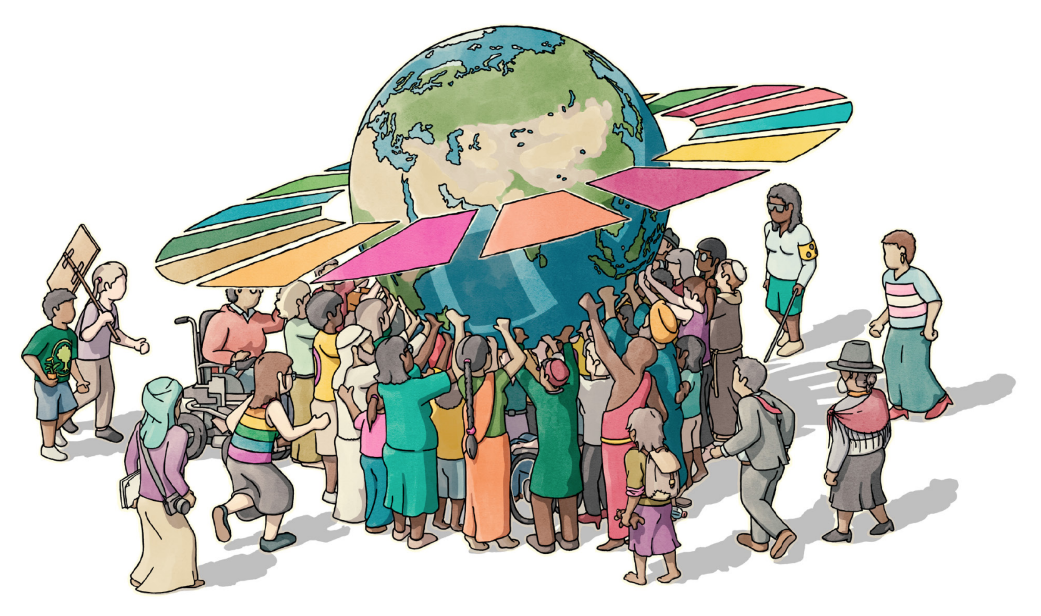
Human rights defenders world illustration

25 years ago, the United Nations adopted the Declaration on Human Rights Defenders. The declaration has been essential to protect those who defend human rights. It’s time to celebrate the Declaration, human rights defenders and all the contributions they have brought to our societies.

The Declaration is a landmark document that sets out the rights and responsibilities of States, human rights defenders, and all actors in society in ensuring a safe environment where defenders are recognised, valued, and encouraged to work for the promotion and protection of human rights.

As part of this celebration, Amnesty International, CIVICUS, Defend Defenders, FIDH, Forum Asia, Front line Defenders, Gulf Centre for Human Rights, ICNL, ILGA World, IM Defensoras, ISHR, MENA WHRD Coalition, OMCT, Peace Brigades International , Protect Defenders, Protection International and RFK Human Rights launched a collaborative project to analyse the contributions of the Declaration to defenders’ lives and work, as well as progress in international human rights law on the protection of defenders. 

What do we want to achieve? 

This project seeks to enhance the awareness of the Declaration and encourage greater dialogue on the protection needs of defenders

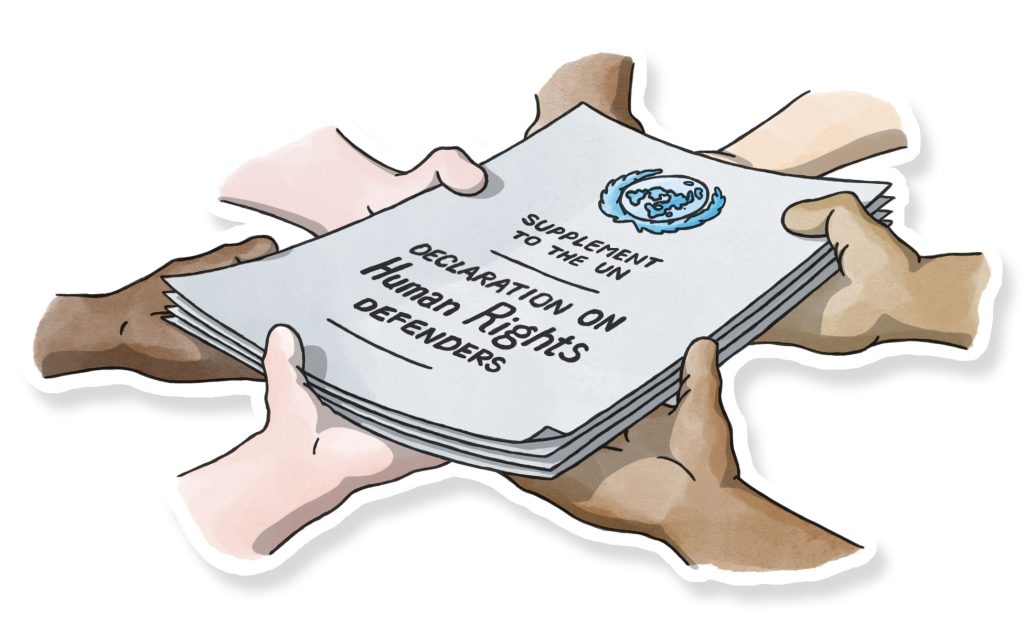
One of the outcomes of the project will be the creation of a supplement to the Declaration that will be a civil society-led document taking into account developments in international and regional jurisprudence relating to defenders over the past 25 years and evolutions of human rights movements, addressing key gaps and limitations in the Declaration, and reflecting defenders’ lived experiences and needs.

This supplement will guide change on the ground in the next 25 years, and beyond!

We need the input and voices from human rights defenders everywhere!

What can you do?

We are consulting online and offline with human rights defenders across the globe on changes in national, regional and global contexts in which they work, evolutions of human rights movements and activism, and defenders’ lived experiences and protection needs. We are also reviewing how international and regional jurisprudence in relation to human rights defenders has developed over the last 25 years. 

1. Add your voice

By sharing your experiences, insights, and recommendations, you can help shape the future of human rights and contribute to the protection and promotion of defenders’ rights.

Are you a human rights defender and want to contribute to the project?

Are you a human rights defender and want to contribute to the project?

Take the survey

2. Spread the word

Help us raise awareness about the UN Declaration on human rights defenders. Join the #Right2DefendRights social media campaign. 

Join the social media campaign!

Join the social media campaign!

Discover our #Right2DefendRights social media kit and post the content on your networks. Download the kit

3. Learn more about the Declaration

Learn more about the Declaration on Human Rights Defenders, its importance, content and application. Visit our online e-learning platform and take our 30 minutes course.

Take the e-course

Take the e-course

Visit our online e-learning platform and learn more about the Declaration.Learn more

4. Get in touch!

Let us know if there are convening of HRDs happening anywhere that we could do consultations around. Drop an email to Tess Mcevoy: t.mcevoy@ishr.ch

—————

And on Monday 11 December (10:00 – 12:00 EST) there will be an event “UDHR75 + HRDS25 = 100% HUMAN RIGHTS” at Ford Foundation Center for Social Justice, New York with HRDs speaking about their lived experiences, with:
Sukhgerel Dugersuren, OT Watch, Mongolia
Karina Sánchez, IM Defensoras, Mesoamerican Intiative of Women Human Rights Defenders, LAC
Sirley Muñoz, Somos Defensores, Colombia
Brenda Kugonza, Women Human Rights Defenders Network Uganda
Edita Burgos, Karapatan, Philippines
Moderation: Tess McEvoy, International Service for Human Rights

See also: https://humanrightsdefenders.blog/2023/06/20/side-event-on-the-25th-anniversary-of-the-un-declaration-on-human-rights-defenders/

https://docs.google.com/forms/d/e/1FAIpQLSfL3XYx_otZ2-iwL7YqGZJj5z5dzlOhNlyiifP5CYzGPtsISA/viewform

https://ishr.ch/25-years-un-declaration-on-human-rights-defenders/

NGO Statement on outcomes of the UNGA 78 Third Committee

November 23, 2023

14 NGOs that closely follow and engage with the General Assembly Third Committee have published a joint statement on outcomes of this 78th sessionp

The undersigned civil society organisations mark the conclusion of the UN General Assembly’s (GA) 78th Third Committee session with the following observations on both thematic and country-specific outcomes. We urge all States to implement the commitments they have made during this session to their full extent.

We welcome the joint statement on reprisals, led by Ireland and Uruguay and joined by a cross-regional group of countries. The statement called on all States and the UN to prevent, respond to, and ensure accountability for cases of intimidation and reprisals against those who engage or seek to engage with the UN. Once again, 80 States signed on to the statement, and affirmed their commitment to freedom of expression and association; solidarity with defenders, civil society and victims of violations; and contributed to ensuring that UN bodies and processes are informed by, and respond effectively to, the needs of communities on the ground. We urge more States to sign on to future such statements. 

We welcome the adoption of the biennial resolution on human rights defenders focusing on the 75th anniversary of the Universal Declaration on Human Rights and the 25th anniversary of the UN Declaration on Human Rights Defenders. The resolution included strengthened language on women human rights defenders, defenders in conflict and post conflict situations and children defending human rights; as well as multiple and intersecting forms of discrimination and defenders’ work to develop new human rights ideas. We welcome calls on States to refrain from internet shutdowns and restrictions including digital technologies, as well as on OHCHR to collect information on threats, attacks and cases of arbitrary detention. We now look to all States to implement these commitments and meaningfully progress the protection of human rights defenders.        

We welcome the adoption of a strong resolution on the safety of journalists. This resolution adds new commitments for States on a wide range of issues, including on strategic lawsuits against public participation (SLAPPs), journalists covering protests, and gender-based harassment and abuse. The resolution also recognised the growing threat of generative artificial intelligence to the safety of journalists. We urge all States to translate these renewed international commitments into allocation of resources and political will at the national level to prevent, protect and remedy all human rights violations against journalists.

A new resolution on the promotion and protection of human rights in the context of digital technologies was adopted, advancing discussion on artificial intelligence at a critical time as the Global Digital Compact attempts a similarly comprehensive exercise. The text brings the omnibus coverage of the various Human Rights Council resolutions to the Third Committee, highlighting intersections of digital technologies, human rights, security and sustainable development, and crucially recognising that certain applications of digital technologies are incompatible with international human rights law. The text included language on racial and gender-based discrimination, business and human rights, privacy, targeted surveillance, data protection, freedom of expression, censorship and internet shutdowns. We hope to build on this broad foundation and strengthen elements on targeted surveillance, commercial spyware, biometric data in digital public infrastructure, and applications of artificial intelligence in future resolutions.

The resolution on terrorism and human rights adopted by consensus underscores the importance of the promotion of human rights and meaningful participation of all of society in counter-terrorism efforts nationally and globally. This resolution offered an opportunity to reflect on changes in State violations in the name of counter-terrorism or national security, and to build on language on gender inclusivity, civil society engagement and the importance of international humanitarian law and humanitarian access included in the recent UN Global Counter-Terrorism Strategy and report by the Special Rapporteur on human rights and counter terrorism. However, as the resolution was a technical rollover from GA76, we regret that this opportunity was not seized this session and hope that future resolutions will build upon these advancements.

We welcome the adoption of the resolution on strengthening the role of the UN in the promotion of democratization and enhancing periodic and genuine elections, focusing on media freedom and freedom of expression, presented by the US. The role of human rights defenders, as well as States’ obligation to ensure the right of all to participate in elections and to take steps to eliminate policies and practices discriminating on various grounds was maintained in the text. Critically, for the second time, the text recognised women and girls in all their diversity, and listed sexual orientation and gender identity as prohibited grounds of discrimination; despite votes being called to amend those references. Consensus was broken on the resolution for the first time, but was ultimately adopted by an overwhelming majority. 

We welcome the adoption by consensus of the resolution on the rights of Indigenous Peoples. We specifically welcome calls on States to ensure the protection and safety of indigenous human rights defenders, and to prevent and investigate human rights violations, killings, reprisals and abuses against them.

The rights of the Child resolution, focusing on the digital environment, was adopted by consensus. Despite the timeline precluding a full consideration of the lengthy text and risking an imbalanced update, we welcome the co-facilitators’ decision to open the full text for negotiation, to include updates related to the theme and references to General Comments 25 and 26 of the Committee on the Rights of the Child. We welcome retention of agreed language, and updates, including: bridging digital divides; protection from violence, harassment and abuse in the digital environment; access to information and impacts of digital acceleration on education access; sexual and reproductive health; multiple and intersecting forms of discrimination; and private sector responsibilities. We are disappointed however by decisions to delete agreed language on the full, equal and meaningful participation of girls, delete paragraphs on COVID-19 that resulted in lost language on children’s rights, to remove language on specific challenges facing girls, and to include new non-agreed language on the common responsibilities of parents.

Gender related resolutions

The resolution on policies and Programmes Involving Youth presented by Cabo Verde, Kazakhstan and Portugal, was adopted by consensus. The zero-draft was slimmed down in a streamlining exercise, leading to the exclusion of human rights frameworks and a focus on reinserting previously agreed language. We are pleased that references to multiple and intersecting forms of discrimination, sexual and gender based violence, sexual and reproductive health services, menstrual health, comprehensive education and human rights frameworks were retained.  However we regret that despite significant support from Member States, agreed language from the previous resolution on sexual and reproductive health and rights, menstrual hygiene management, marginalised persons and situations, comprehensive sexuality education, as well as references to adolescents were not included in the final text.

We welcome the adoption by consensus of the resolution on the human rights to safe drinking water and sanitation (WASH), presented by Germany and Spain, that included new references to menstrual health and hygiene management, sexual and reproductive health-care services, and sexual and gender-based violence. Language was maintained on the stigmatising effect of lack of menstrual health and hygiene management on young women and girls; as well as inequalities caused by COVID-19 in accessing adequate WASH services especially for women, girls and persons in vulnerable situations, adversely impacting gender equality and women’s empowerment. We regret that, despite significant support, references to multiple and intersecting forms of discrimination and sexual and gender-based violence were either omitted or diluted in the final text, neglecting the need to comprehensively address various forms of violence and discrimination women and girls face when accessing water and sanitation. 

We welcome the adoption by consensus of the violence against women migrant workers resolution presented by Indonesia and the Philippines. The resolution includes new references to gender-based violence through digital technologies, particularly impacting women migrant workers in transit and in destination countries; as well as root causes of migration, including climate change, the availability of equitable work and inequitable ownership of local resources, which undermine women’s empowerment. Strengthened recognition of domestic and care migrant workers as a particularly vulnerable group who can face exploitation, violence, and abuse due to the informal nature of their employment was included. We regret that despite significant support, additional references to sexual and reproductive health, intimate partner violence, and multiple and intersection forms of discrimination were omitted in the final text. We echo the resolution’s call to all Member States to protect all migrant women from harassment and violence, regardless of migration status.

The resolution on the Girl Child, presented by the Southern African Development Community (SADC), was adopted by consensus. We welcome the retention of agreed language, as well as the theme proposed for the Secretary General’s Report to the eightieth GA session on the impact of digital technologies on girls, and related language updates. However, we deeply regret   that the circulation of the text did not allow sufficient time for a comprehensive and substantive update. We are disappointed that the only other update to the text was the unprecedented inclusion of language on family-oriented and family-policies. In the absence of references to other policies that aim to realise the rights of girls in all their diversity, this new inclusion results in an imbalanced text that fails to fully recognize and address the challenges they face. Given the rapidly changing global landscape for girls and that last substantive revision of this text was in 2017, a comprehensive update to this resolution remains crucial.

The resolution on rural women was adopted by consensus and co-sponsored by more than 60 Member States. We welcome the retention of agreed language that recognizes the impact of historical and structural power relations, gender stereotypes and negative social norms on the achievement of gender equality and the empowerment of women and girls, particularly those living in rural areas. We also welcome that the resolution urges Member States to implement policies and programs that promote and protect the human rights of women and girls, address sexual and gender-based violence and multiple intersecting forms of discrimination, and strengthen measures to ensure universal access to sexual and reproductive health and reproductive rights. We, however, deeply regret that several proposals to further strengthen the resolution that were supported by many Member States were not retained in the final draft including on the particular challenges women and girls living in rural areas face in accessing sexual and reproductive health services, and references to women and girls in all their diversity. 

The resolution on follow up to the Beijing Declaration and Platform for Action presented by Bangladesh was adopted by consensus. We welcome the text, which includes new references to the high-level meeting on universal health coverage, the universality of the 2030 agenda and their role in achieving gender equality, and to the UN system-wide Knowledge Hub on addressing sexual harassment. It also calls for a high-level meeting at the 80th General Assembly to celebrate the 30th anniversary of the Fourth World Conference on Women, and to accelerate the realisation of gender equality and the empowerment of all women and girls. We regret that proposed text on multiple and intersecting forms of discrimination and on the importance of the realisation of sexual and reproductive health and reproductive rights was not included in the final document. 

COUNTRY SITUATIONS

The joint statement on the human rights situation in Xinjiang, China delivered by the UK on behalf of a cross-regional group of 51 countries is a strong message to Chinese authorities regarding growing concerns about abuses against Turkic Muslim communities. This year, there are new signatories from several regional groups. The statement emphasises the serious human rights violations Uyghurs and other Turkic Muslim communities continue to suffer in Xinjiang, and echoes the UN Office of the High Commissioner for Human Rights’ August 2022 report, which concluded that the abuses ‘may constitute international crimes, in particular crimes against humanity.’ The statement notes that a year has passed since the release of the OHCHR report, and China has yet to engage constructively with its findings. It urges China to end its human rights violations, engage constructively with the OHCHR, and fully implement the reports’ recommendations. With only one more State signature than the 2022 joint statement, work remains to be done to ensure broader support from Member States to hold China accountable for its human rights violations including from Muslim-majority countries.

Resolutions 

While we support the below resolutions that highlight violations of human rights in specific countries, we acknowledge the existence of human rights violations in many other countries that also merit the attention of the UN General Assembly and look forward to a time when they are also considered in the Third Committee.

The resolution on the human rights situation in the Islamic Republic of Iran was adopted following a vote (80 in favour; 65 against; 29 abstentions). Initiated by Canada and a core group and cosponsored by 50 countries, this comprehensive resolution calls on Iran to uphold the rights of all citizens. It specifically calls on Iran to prohibit child, early and forced marriage, female genital mutilation, children being subject to the death penalty, torture and other inhuman treatment. It condemns fundamental rights violations, the frequent imposition of the death penalty, intensified and targeted repression of women and girls, the use of surveillance and force against non violent protesters, and poor prison conditions. It also calls for an end to all discrimination and violations against ethnic, linguistic and other minorities as well as recognized and unrecognised religious minorities, including Baha’is who continue to suffer various violations including persecution, mass arrests, lengthy prison sentences. 

We welcome the adoption of the resolution on the situation of human rights in the Syrian Arab Republic. We particularly welcome new references to the victim- and survivor-centric Independent Institution on Missing Persons, a mechanism established by the UN General Assembly this June, to help clarify the fate and whereabouts of all missing persons in Syria. However, we are disappointed that the resolutions’ co-sponsors orally amended the text to remove a critical paragraph that would have mandated a regular report on humanitarian access in the country. Not only would this report have specifically highlighted instances where humanitarian access was not full, timely, unrestricted or sustained; it would have filled a gap left by the failure to renew the Security Council-mandated cross-border humanitarian mechanism earlier this year. 

The consensus adoption of the resolution on the human rights situation in the Democratic People’s Republic of Korea (DPRK) demonstrates that Member States remain deeply concerned about the appalling abuses committed by the DPRK authorities. We welcome in particular the inclusion of language on accountability. We also welcome language stressing the linkages between the human rights situation in the country, including with respect to the rights of women and girls, and the continuing diversion of DPRK’s resources to pursuing nuclear weapons and ballistic missile programmes over the welfare of its people. 

The resolution on the situation of human rights of Rohingya Muslims and other minorities in Myanmar, which was adopted by consensus, once again does not reiterate key elements of the 2021 UNGA resolution which followed the military coup in February 2021. The resolution fails to comprehensively address ongoing and escalating human rights violations by the military, despite the Special Rapporteur on Myanmar’s warning that a ‘raging fire of brutality’ is engulfing the country. The resolution however recognizes the impacts of militarization aggravated by the continued access to arms from abroad, reiterates protection needs of the Rohingya and calls for all necessary measures to be taken to provide justice to victims and ensure accountability.

The resolution on the situation of human rights in the temporarily occupied territories of Ukraine, including the Autonomous Republic of Crimea and the city of Sevastopol was adopted by vote. The resolution strongly condemns intensifying crackdowns against journalists and other media workers, human rights defenders and civil rights activists, as well as forcible transfers of Ukrainian children and other civilians to the temporarily controlled or occupied territories of Ukraine and their deportation to the Russian Federation. The resolution further calls on Russia to cease all violations and abuses, including discriminatory measures and practices, arbitrary detentions and arrests within the framework of the so-called filtration procedures, enforced disappearances, torture, sexual and gender-based violence, including compeling apprehended persons to self-incriminate or ‘cooperate” with law enforcement, ensure fair trial, and revoke all discriminatory legislation.

CIVIL SOCIETY ACCESS While we welcome the action by some States to invite civil society organisations to join informals as observers this session, it was disappointing that only a few States extended this invitation. This year, once again, civil society encountered challenges in staying informed about informal negotiations. The schedule of these informal sessions, previously available in the UN journal until 2019, was once again absent from the said journal. Instead, it was exclusively published on the e-deleGATE platform, to which civil society does not have access.These critical barriers to civil society access to Third Committee negotiations deprive the Committee of civil society’s technical expertise and mean that its outcomes fail to leverage the contributions of a crucial stakeholder in promoting the implementation of human rights.

SIGNATORIES

Access Now 

Amnesty International

ARTICLE 19

Association for Progressive Communications – APC

Center for Reproductive Rights 

CIVICUS

Fòs Feminista

Global Centre for the Responsibility to Protect

Human Rights in China

Human Rights Watch

International Center for Not-for-Profit Law

International Service for Human Rights

Outright International

Women Deliver

https://ishr.ch/latest-updates/joint-civil-society-statement-on-outcomes-of-the-unga-78-third-committee/

The sad story of Nasta Loika, human rights defender behind bars in Belarus

November 7, 2023

A group of human rights organisations, including the World Organisation Against Torture (OMCT) and FIDH (see Co-signatories), called on 27 October 2023 for the release of the human rights defender Nasta Loika after more than 396 days of her detention.

Nasta Loika is a prominent human rights defender, one of the founders of Human Constanta. For years, she has been promoting human rights education, raising awareness about the repressive “anti-extremist” legislation in Belarus, and protecting foreign citizens and stateless persons in Belarus. She was named Human Rights Defender of the Year 2022 by the Belarusian human rights community. Yet, in the eyes of the repressive Belarusian authorities, she is a criminal and earlier in October, the government put her on a “terrorist” list.

Since 6 September 2022, Nasta has served a total of six 15-day consecutive administrative sentences on trumped-up “petty hooliganism” charges. On 24 December 2022, she was charged with “incitement of racial, national, religious or other social enmity or discord” under notorious Article 130 of the Criminal Code of the Republic of Belarus and on 20 June sentenced to 7 years in prison. [see also: https://humanrightsdefenders.blog/2023/08/11/nasta-anastasia-loika-in-belarus-sentenced-to-7-years-in-a-penal-colony/]

She was tasered, threatened, and featured in a forced “confession” video as a form of digital degrading treatment which was spread across pro-government channels before she was even charged. Her home was searched two times. Her mother’s home was searched too. She spent 93 days in detention, repeatedly sentenced to “administrative arrests” while the authorities looked for a reason to bring criminal charges against her. The charge was ultimately found, and Nasta was accused of inciting hatred for preparing a human rights report in 2018 on the persecution of anarchists and leftists in Belarus. According to the prosecution, the group she was allegedly inciting hatred against was the police.

Belarusian state authorities continued to ignore both the letter of allegation sent by five Special Rapporteurs and the Working Group on Arbitrary Detention following Human Constanta’s appeal to these mandates, as well as the decision on interim measures, adopted by the Human Rights Committee in Nasta’s case.

Her lawyers were repeatedly arrested, disbarred, forced out of the country, and intimidated – hardly a surprising occurrence given en masse persecution of independent lawyers and outlawing of human rights work in Belarus. Disbarment of human rights lawyers is one of the tools the authorities consistently employed to intimidate and persecute lawyers who represent human rights defenders, activists, democratic politicians, and survivors of torture and state-perpetrated human rights violations.

Any assistance to Nasta is punished as well: two people were arrested for 15 and 30 days for bringing her parcels with food and essentials. Now that she has been sentenced, she is only able to receive parcels from her 76-year-old mother, her only family member. Moreover, as she was designated a “terrorist,” it would be impossible to make monetary transfers as those would be characterized as “financing terrorism.”

Nasta also continues her human rights work from behind bars: she helped dozens of other women cellmates to file complaints related to their cases. She also drafted a concept of prison reform in Belarus. This is a powerful reminder that persecution and imprisonment cannot force human rights defenders to stop their work.

In fact, their voices can be amplified not just through letters, but through technology and social media. While the authoritarian government is set on silencing human rights defenders, the Human Constanta team used AI to create Nasta’s animated digital avatar to raise awareness about human rights violations and political persecution of human rights defenders, demand accountability, and support those in detention. The “Human Show” podcast called “Waiting for Nasta” featuring her colleagues and friends also reminds the world about her work and unjustified detention.

“A young girl came up to me [at an event in honor of a human rights award] and said: “Hello, my name is Nasta. I graduated from law school, I’ve entered law school, and I would really like to do human rights work, but I don’t know how. Maybe you could give me some advice?” […] I told her, yes, of course, come to our Committee. She came to the Committee a couple of days later and we hired her. That became her first human rights work.”

Excerpt from “Waiting for Nasta” podcast, episode 1

“And then I asked, “Do you know exactly what you’re doing? This may be the last chance [to flee Belarus].” And Nasta replied very calmly that she was aware of all the risks, that she understood the situation, and that it was not blind stubbornness. In my mind, Nasta lives her life as a person with very high values, who is ready to stand by them to the end.”

Excerpt from “Waiting for Nasta” podcast, episode 2

We call on the Belarusian authorities for Nasta Lojka’s immediate and unconditional release and condemn the physical and psychological torture Nasta was subjected to by state agents. Nasta Lojka’s arrest, torture, and imprisonment are retaliation by the Belarus government for her peaceful and legitimate human rights work.

We continue to call upon the international community to take measures to urge the Belarusian authorities to respect their obligations towards human rights defenders, by raising awareness in various fora, publicly condemning human rights violations, requesting visits to human rights defenders in detention, and inquiring with the Belarusian authorities about their health and detention conditions, demanding the release of imprisoned human rights defenders in bilateral and multilateral fora, exploring additional targeted measures against the individuals allegedly responsible for the torture, ill-treatment, arbitrary detention and harassment of human rights defenders, and keeping the situation of defenders in Belarus high on the political agenda.

We also call to utilize and explore available mechanisms for holding the Belarusian authorities account for human rights abuses against human rights defenders, inter alia, by means of extraterritorial and universal jurisdiction and inter-state complaints under relevant treaties, and through strengthening existing accountability mechanisms.

https://www.fidh.org/en/region/europe-central-asia/belarus/belarus-nasta-loika-human-rights-defense-behind-bar

Not the moment for Switzerland to Suspend Funding for Human Rights Defenders in Israel and Palestine

November 2, 2023

On 1 November 2023 Erin Kilbride for Human Rights Watch wrote critically about a rather weird decision by the Swiss Government namely to suspend funding to 11 respected human rights organizations in Israel and Palestine.

The Swiss government says it plans to “carry out a fresh, in-depth analysis of all financial flows” and assess the “relevance and feasibility of programmes.” Earlier this month, European governments suspended more than $150 million in development aid, as Israel cut access to food, water, electricity, fuel, and medicines to more than 2.2 million people in Gaza, an act of collective punishment, which is a war crime under international humanitarian law.

The affected groups are: Adalah; Al-Shabaka; Gisha; 7amleh; Hamoked; Jerusalem Legal Aid and Human Rights Centre; MIFTAH: The Palestinian Initiative for the Promotion of Global Dialogue and Democracy; Palestinian Center for Human Rights; the Palestinian NGO Network; Physicians for Human Rights, and Women’s Center for Legal Aid and Counselling.

The West Bank, home to several organizations whose funding has been suspended, has seen a significant spike in Palestinians killed or held in administrative detention without charge or trial.

International support for local human rights defenders is a clear way to support protecting rights, documenting atrocities, and securing justice.

Switzerland made unequivocal commitments to stand with defenders in the Swiss Guidelines on the Protection of Human Rights Defenders (2014, revised 2019), the EU Guidelines on Human Rights Defenders (2008), and the OSCE Guidelines on the Protection of Human Rights Defenders (2014). This decision is hard to reconcile with those commitments.

The Swiss guidelines instruct representatives to support defenders’ security through media work, emergency protection programs, and pushing for investigations into attacks. The EU Guidelines provide, “the EU’s objective is to influence third countries to carry out their obligations to respect the rights of human rights defenders and to protect them from attacks and threats.”

Today, the work of Israeli and Palestinian human rights defenders is more critical than ever. Instead of leaving them in limbo, the Swiss government should maintain its funding of defenders while it conducts its review.

https://www.hrw.org/news/2023/11/01/switzerland-decides-suspend-funding-rights-defenders-israel-palestine

see also: https://www.nytimes.com/2023/11/02/opinion/israel-free-speech-hamas-palestine.html

National Human Rights Institutions of Egypt and Bahrain fail the Paris Principles

October 30, 2023
Palais Wilson shutterstock 1084789991

In a letter addressed to the Sub-Committee on Accreditation (SCA) of the Global Alliance of National Human Rights Institutions (GANHRI), civil society organisations, including the FIDH and the World Organisation Against Torture (OMCT), warn that Bahrain and Egypt do not comply with the Paris Principles, failing to respect the very pillars of these principles: pluralism, independence and effectiveness.

The undersigned civil society organisations believe that the two countries’ NHRIs have failed to comply with the Paris Principles and to implement recommendations outlined by the SCA’s previous reports in 2016 and 2018, respectively.

The Paris Principles define the minimal standards that NHRIs must abide by “in order to be considered credible and to operate effectively.” The pillars of these principles are pluralism, independence and effectiveness. NHRIs must be independent from the government, represent and cooperate with civil society, and effectively promote human rights by monitoring violations and addressing them. Based on civil society reports, the Bahraini and Egyptian NHRIs fall short of these standards.

In Bahrain, all the current members of the National Institution for Human Rights (NIHR) were appointed by King Hamad through a royal decree issued on 9 May 2021, and there is no democratic or independant mechanism through which these selections are made. The current Chairman of the NIHR, Ali al-Derazi, was reportedly implicated in abuses against migrant workers. Furthermore, the Vice-Chairperson of the NIHR, Mr. Khaled Abdulaziz Alshaer had previously called on those who criticised the Bahraini government to receive the death penalty.

In August 2022, the UN Committee on Economic, Social and Cultural Rights concluded that “[the NIHR] has not yet attained the independence required to perform its functions.” Previously in 2018, the UN Human Rights Committee had expressed similar concern and “[regretted] the lack of information on the complaints [the NIHR] has received and the investigations it has carried out in response to those complaints.”

In addition, Bahrain’s NIHR fails to address and outright denies the human rights abuses committed by the authorities, including arbitrary detention, ill-treatment and medical negligence in various detention facilities. This contradicts the UN Working Group on Arbitrary Detention’s findings regarding Abduljalil al-Singace, Abdulhadi al-Khawaja and Naji Fateel, three Bahraini human rights defenders who were arbitrarily detained, tortured, medically neglected and subjected to sham trials. [see also: https://humanrightsdefenders.blog/tag/bahrain/]

As for the Egyptian National Council for Human Rights (NCHR), it also lacks independence from the government. In 2021, new members of the NCHR were appointed for four years. The Chair, Ms. Moushira Khattab, and the Vice-President, Mr. Mahmoud Karem Mahmoud are both former Egyptian officials and diplomats. In both 2014 and 2018, Mahmoud was the coordinator of al-Sisi’s presidential campaign, which clearly demonstrates the NCHR’s close relationship with the executive.

In March 2023, the UN Human Rights Committee had echoed these concerns over the “lack of safeguards to ensure [the NCHR’s] full independence and effectiveness”, as well as over “the lack of information provided on the effective implementation of its recommendations.”

The NCHR has left hundreds of complaints unanswered and blatantly denies that certain human rights abuses are being committed. In 2020, the Council stated that findings of the UN Committee against Torture, according to which torture was “systematic” in Egypt, were a “politicized categorization” seeking to “undermine the efforts of the government”. The NCHR has also remained silent on prominent human rights issues such as the practice of enforced disappearance or the dire conditions of detention. In July 2023, the Council’s president compared a new correctional facility in Wadi al-Natroun to a “5-star hotel”. We believe that the Egyptian NCHR is far from acting as a NHRI with “A” status, which it has worryingly been granted since 2006 by the SCA. [see also: https://humanrightsdefenders.blog/tag/egypt/]

In light of the above, it is clear that the NHRIs of Bahrain and Egypt have consistently failed to comply with the Paris Principles and to implement the SCA’s recommendations.

We urge you to consider the aforementioned shortcomings of Bahrain and Egypt’s NHRIs when reviewing them during your upcoming session, and to not grant them status “A”.

Signatories:

  • Bahrain Institute for Rights and Democracy (BIRD)
  • CIVICUS
  • Democracy for the Arab World Now (DAWN)
  • Egyptian Commission for Rights and Freedoms
  • Egyptian Front for Human Rights (EFHR)
  • El Nadeem against Violence and Torture
  • Human Rights Foundation (HRF)
  • HuMENA for Human Rights and Civic Engagement
  • International Federation for Human Rights (FIDH) – within the framework of the Observatory for the Protection of Human Rights Defenders
  • International Service for Human Rights (ISHR)
  • Law and Democracy Support Foundation (LDSF)
  • MENA Rights Group
  • Rights Realization Centre (UK)
  • Salam for Democracy and Human Rights (SALAM DHR)
  • The #FreeAlKhawaja Campaign
  • The Freedom Initiative (FI)
  • World Organisation Against Torture (OMCT) – within the framework of the Observatory for the Protection of Human Rights Defenders

https://www.omct.org/en/resources/statements/bahrain-and-egypts-national-human-rights-institutions-do-not-comply-with-the-paris-principles

UN Secretary-General’s Report 2022/23 on Reprisals : lack of progress

September 29, 2023

On Monday 18 September, over 50 activists, members of civil society organisations and diplomatic partners gathered on Geneva’s Place des Nations, unfurling a giant banner celebrating the right to defend human rights, as enshrined in the foundational UN Declaration on Human Rights Defenders.

The banner and gathering were meant to mark the 25th anniversary of the Declaration, which was adopted by the UN General Assembly in 1998. The document explicitly laid out the rights of human rights defenders and the protection owed to them by governments and businesses, emphasising that everyone has the right to advocate and defend rights and fundamental freedoms.

On 28 September 2023, the UN Secretary-General’s report on reprisals was presented, which covers the period from 1 May 2022 to 30 April 2023. Over 220 individuals and 25 organizations in 40 countries across the world faced threats and retaliation from State and non-State actors for cooperating with the UN on human rights.

Human rights defenders and other civil society actors are increasingly under surveillance and continued to face legal proceedings, travel bans and threats, and be given prison sentences for cooperating with the UN and the UN’s human mechanisms.

A global context of shrinking civic space is making it increasingly difficult to properly document, report and respond to cases of reprisals, which means that the number is likely much higher,” said Assistant Secretary-General for Human Rights Ilze Brands Kehris in her presentation to the Human Rights Council in Geneva. [see also: https://humanrightsdefenders.blog/2020/11/16/new-assistant-secretary-general-wants-to-improve-civil-society-participation-in-the-general-assembly/]

Among the growing trends noted in the report is the increase in people either choosing not to cooperate with the UN due to concerns for their safety, or only doing so if kept anonymous. 

Victims and witnesses in two-thirds of the States listed in the report requested anonymous reporting of reprisals, compared with one-third in last year’s report.  And most people who reported facing reprisals for their cooperation with the Security Council and its peace operations, as well as with the UN Permanent Forum on Indigenous Issues did so on the condition of anonymity.

A second trend was the increasing surveillance of those who cooperate or attempt to cooperate with the UN, being reported in half of the countries named in the report.  An increase in physical surveillance by State actors was also noted, likely linked to the return to in-person forms of engagement with the UN.

Third, almost forty-five per cent of the in the report continued to apply or enact new laws and regulations concerning civil society, counter-terrorism and national security, which punish, deter or hinder cooperation with the UN and its human rights mechanisms. 
These legislative frameworks represent severe obstacles to long-standing human rights partners of the UN worldwide, and were used to outlaw some of them, raid their offices, and question, threaten or try their staff.

Finally, the specificity and severity of acts of reprisals against women and girls, which constitute half of the victims in this year’s report, was once again identified with concern.

Most of them are human rights defenders and civil society representatives targeted for their cooperation with UN human rights mechanisms and peace operations, but there is also a significant number of judicial officers and lawyers subjected to reprisals for their cooperation with the UN in search of accountability and remedy.

We have a duty to those who put their trust in us,” said Brands Kehris. “That is why at the UN, we are determined to live up to our collective responsibility to prevent and address intimidation and reprisals against those who cooperate with the organization and its human rights mechanisms.” 

The 40 States referred to in the report are: Algeria, Afghanistan, Andorra, Bahrain, Bangladesh, Belarus, Burundi, Cameroon, China, Colombia, Cuba, Democratic Republic of the Congo, Djibouti, Egypt, France, Guatemala, India, Indonesia, Iran (Islamic Republic of), Iraq, Israel, Saudi Arabia, Libya, Maldives, Mali, Mexico, Myanmar, Nicaragua, Pakistan, the Philippines, Qatar, the Russian Federation, South Sudan, United Republic of Tanzania, United Arab Emirates, Uzbekistan, Viet Nam, Venezuela (Bolivarian Republic of), Yemen, and the State of Palestine.

The full report at A/HRC/54/61

https://ishr.ch/latest-updates/defenders-gather-before-the-un-headquarters-to-call-for-better-protection-of-their-work/

https://genevasolutions.news/human-rights/punished-for-speaking-up-at-the-un