Posts Tagged ‘Martin Ennals Award for Human Rights Defenders’
April 24, 2013
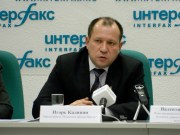
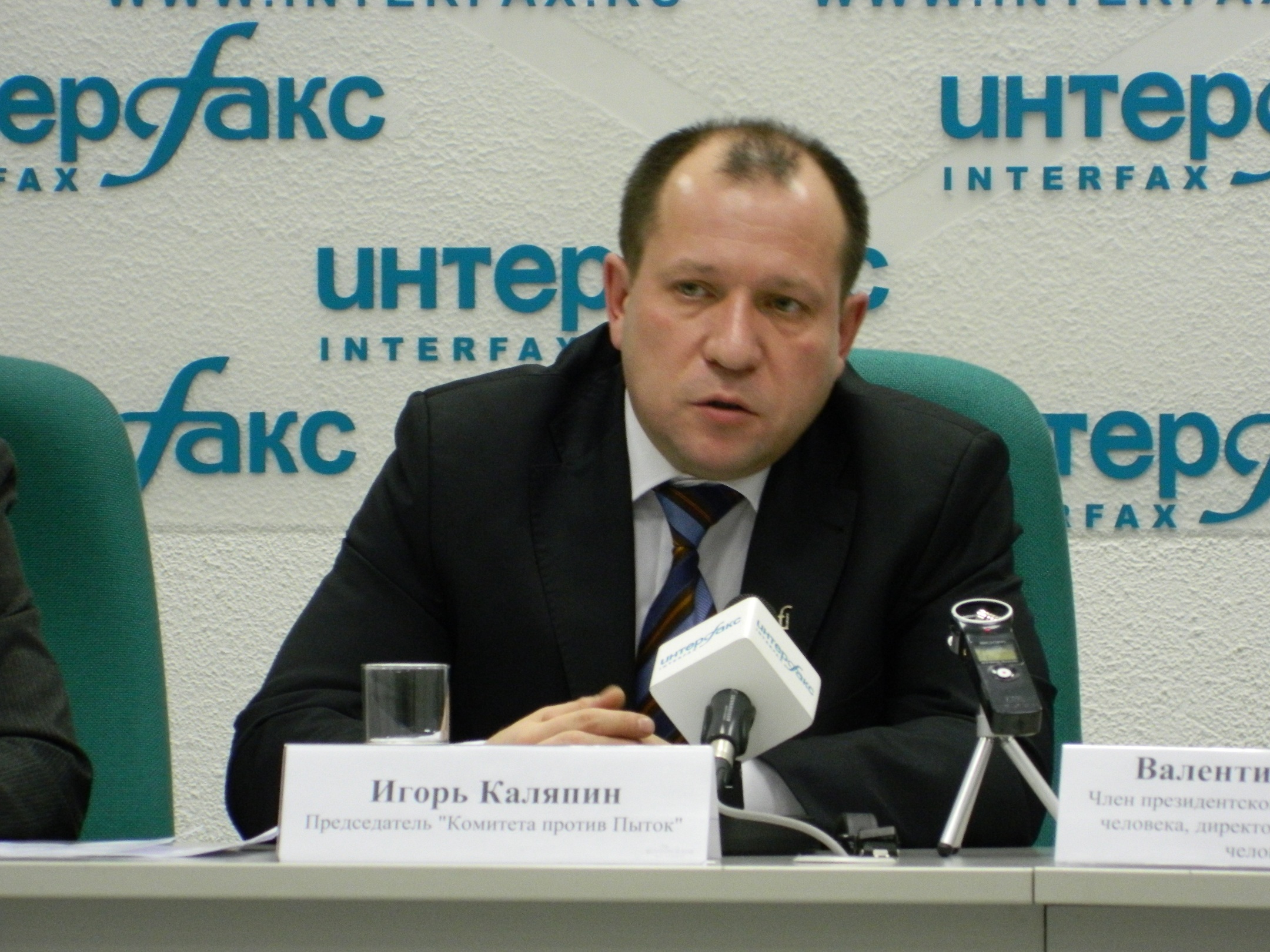
The Martin Ennals Jury just announced today (at 11h00 local time) the three Final Nominees for the Martin Ennals Award 2013. The MEA is the main award of the whole human rights movement thanks to its international Jury composed of 10 well-known human rights organisations (see below). The aim of the award is to provide protective publicity. The Final Nominees are:
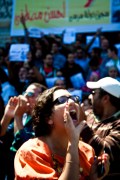
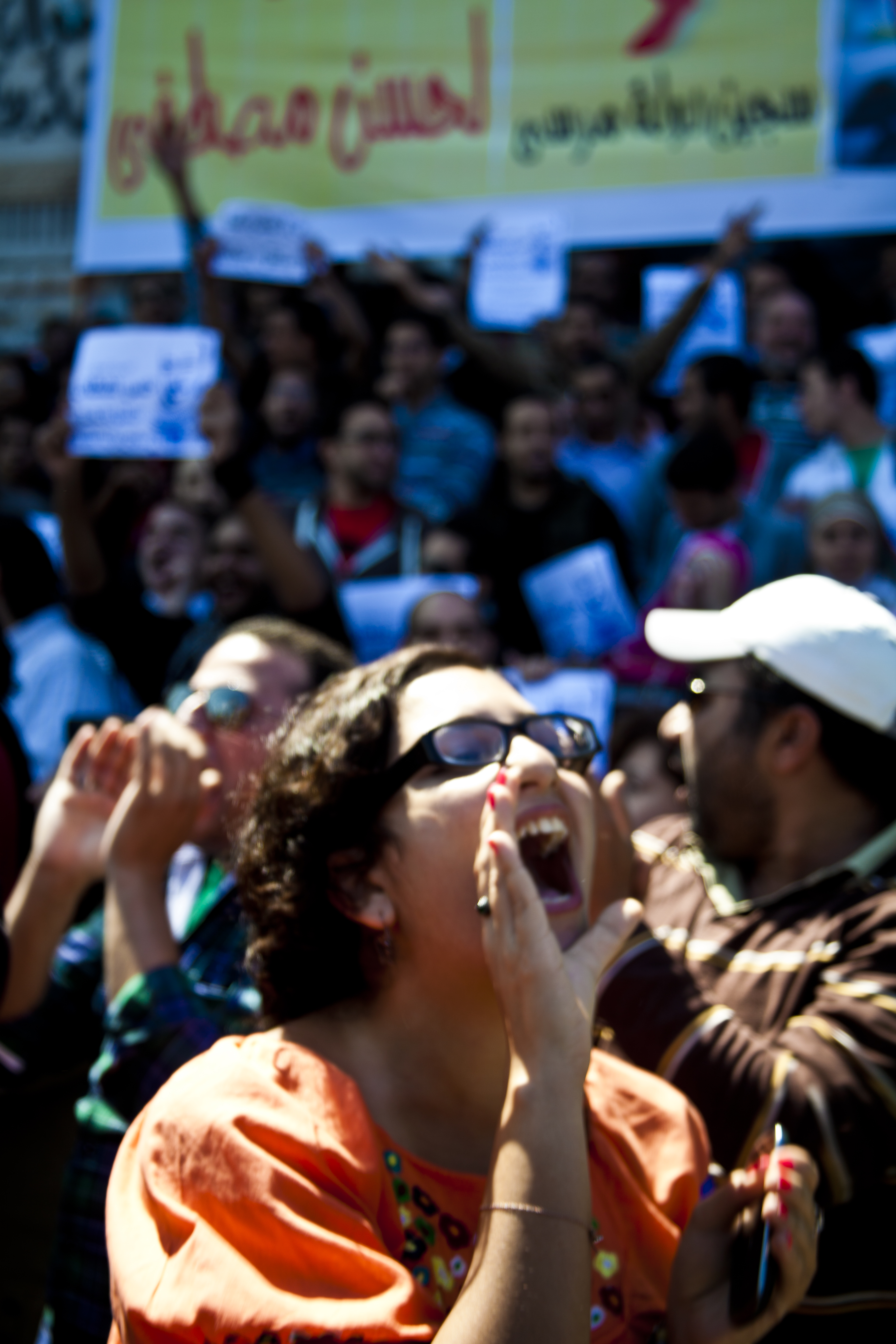
Mona Seif, Egypt – Final Nominee MEA 2013
Mona Seif, Egypt: Core founder of the ”No To Military Trials for Civilians”, a grassroots initiative which is trying to stop military trials for civilians. Since February 2011, Mona has brought together activists, lawyers, victims’ families,local stakeholders and started a nationwide movement against military trials. As part of the recent crackdown on the freedom of speech in Egypt she has been charged along with other Human Rights activists. She noted that “International solidarity, and I mean people’s support not governments’, empowers us to continue our battle and stop military trials for civilians“.
Posted in Human Rights Defenders, MEA | 2 Comments »
Tags: Arab spring, Chechnya, Egypt, final nominees 2013, Final Nominees for the Martin Ennals Award 2013, Haiti, Human right, human rights awards, Human Rights Defenders, human rights lawyer, Igor Kalyapin, impunity, Jean-Claude Duvalier, Joint Mobile Group, Mario Joseph, Martin Ennals, Martin Ennals Award for Human Rights Defenders, MEA, military trials, Mona Seif, news, No To Military Trials for Civilians, Russia, torture, woman human rights defender
April 23, 2013
Tomorrow, 24 April, at 11hoo Geneva time, the three Final Nominees of the Martin Ennals Award for Human Rights Defenders 2013 will be announced. You can find the result here on this blog, of course, or on the site of the Martin Ennals Award: http://www.martinennalsaward.org. The following 10 NGOs on the Jury will also carry the news:

Martin Ennals Award for Human Rights Defenders
– Amnesty International,
– Human Rights Watch,
– Human Rights First,
– Int’l Federation for Human Rights,
– World Organisation Against Torture,
– Front Line Defenders
– International Commission of Jurists,
– German Diakonie,
– International Service for Human Rights
– HURIDOCS.
Posted in human rights, Human Rights Defenders, MEA | Leave a Comment »
Tags: Amnesty International, Diakonie, FIDH, Final Nominees for the Martin Ennals Award 2013, Frontline Defenders, Geneva, human rights, human rights awards, Human Rights Defenders, Human Rights First, Human Rights Watch, HURIDOCS, International Commission of Jurists, International Service for Human Rights, Martin Ennals Award, Martin Ennals Award for Human Rights Defenders, MEA, Non-governmental organization, OMCT, World Organisation Against Torture
April 7, 2013

(Natasa Kandic, Photo: Markus Junghard)
Nataša Kandić, founder of Humanitarian Law Center in Serbia and 1999 MEA Laureate, has been awarded the 2013 “Civil Rights Defender of the Year Award” for her “persistent and fearless work on documenting war crimes and the most serious human rights abuses in the former Yugoslavia, and for supporting war crimes trials by providing courts with evidence and witnesses.” Nataša’s human rights work has put her life at risk but her concern has always been with the war crime victims and not her own persona. “Those who choose to work with human rights connected to war cannot be afraid. I have never thought about risks. I am always only thinking about uncovering the truth about the crimes that have been committed and seeking the conviction of those responsible. There is no room for fear”, she stated. Read the rest of this entry »
Posted in human rights, Human Rights Defenders | 1 Comment »
Tags: awards, Balkan, Civil Rights Defenders, human rights, Human rights defender, Humanitarian Law Center, impuntiy, international justice, Kosovo, Martin Ennals Award for Human Rights Defenders, MEA, Natasha Kandic, Nataša Kandić, Pristina, Serbia, serbian repression, War crime, Yugoslavia
February 28, 2013
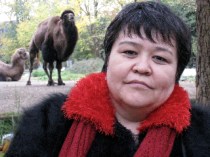
Mutabar Tadjibayeva, one of Uzbekistan’s best known human rights defenders and
Laureate of the Martin Ennals Award 2008, has filed a complaint against Uzbekistan for her brutal torture and forced sterilisation when she was serving an eight-year prison sentence for her human rights activities. The international human rights organisations FIDH and REDRESS recently filed the complaint on her behalf before the UN Human Rights Committee. This is the first known case before the Committee involving a Uzbek human rights defender being forcibly sterilised.
Tadijbayeva has repeatedly sought an investigation from Uzbek authorities into the serious human rights violations that she has suffered since 2002, but her claims have never been investigated and no-one has ever been prosecuted for them. Tadjibayeva is asking the Committee to order Uzbekistan to conduct an effective investigation, punish those found responsible and provide her with reparation, including compensation, as well as her full medical records about the surgery that left her infertile, among other things.
Read the rest of this entry »
Posted in human rights | 3 Comments »
Tags: FIDH, Human right, Human rights defender, illegal detention, illtreatment, International Federation for Human Rights, Martin Ennals Award for Human Rights Defenders, MEA, MEA 2008, Mutabar Tadjibayeva, REDRESS, sexual violence, Souhayr Belhassen, torture, UN, United Nations Human Rights Committee, Uzbekistan
February 4, 2013
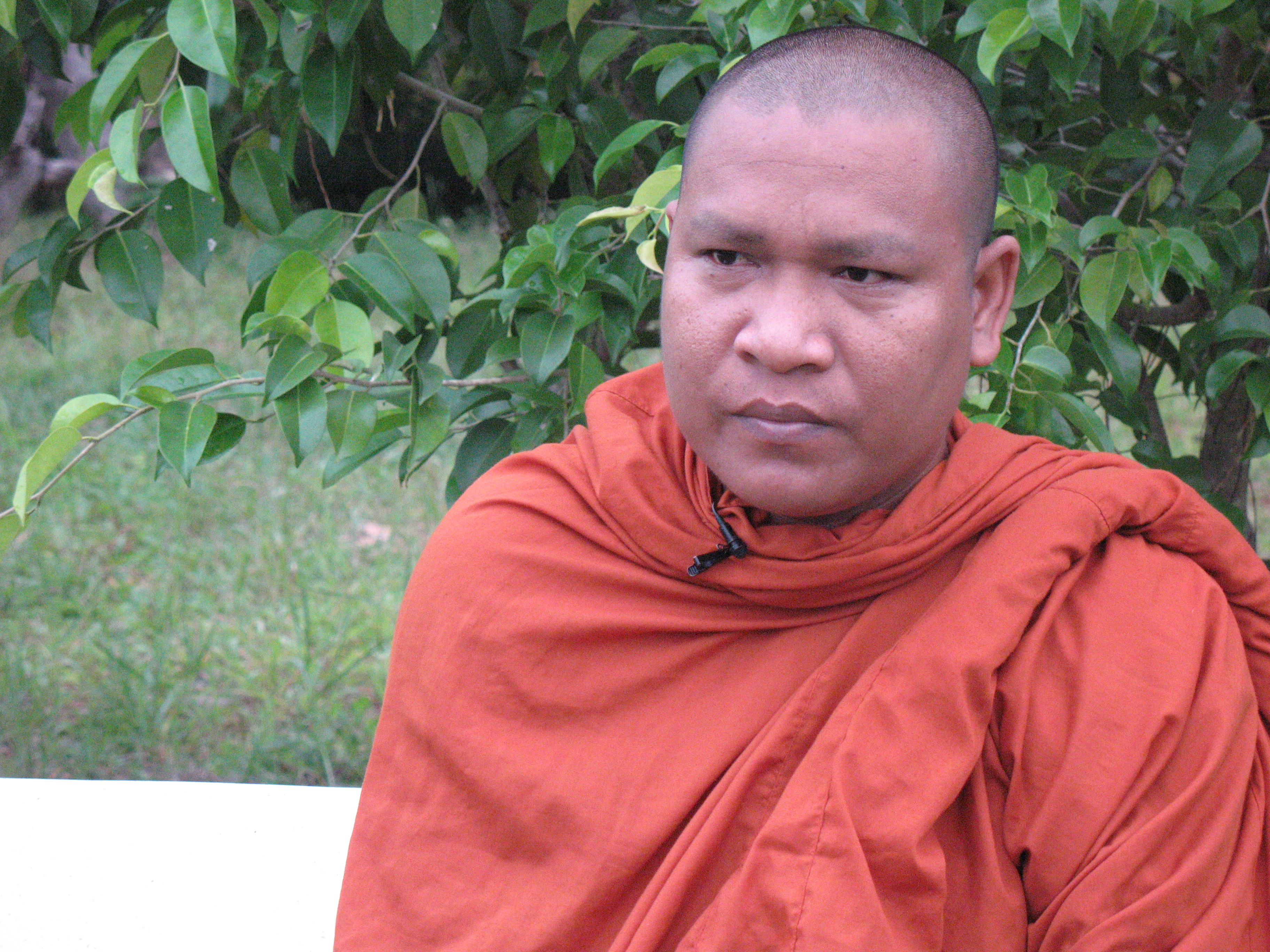
Ever since the monk Luon Sovath became the Laureate of the Martin Ennals Award 2012, I have following events in Cambodia with more than usual interest. And it is clear that the struggle for land rights there is continuing.
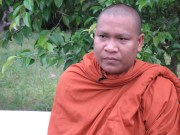
Luon Sovath by Dovona
Two Cambodian women human rights defenders were convicted on baseless charges in separate trials on 26/27 December 2012. Yorm Bopha was sentenced to three years in prison. Tim Sakmony from Borei Keila received a six-month sentence, partially suspended, and has been released.
Both women have been prominent in protesting against the forced eviction of their communities. Yorm Bopha was outspoken during the detention of 13 other women activists from Phnom Penh’s Boeung Kak Lake community, who were sentenced for up to two-and-a-half years’ imprisonment in May 2012. Tim Sakmony is one of the representatives of 106 families now living in tents next to the demolished site of the Borei Keila community, also in Phnom Penh. The two women are believed to have been targeted because of their leading roles in peacefully advocating for the right to adequate housing for their communities.
Further information: http://amnesty.org/en/library/info/ASA23/020/2012/en
In this context I want to draw attention to the film maker Chris Kelly and his colleagues. They have been filming in Cambodia for more than three and a half years, following the lives of three extraordinary individuals(including the Venerable Luon Sovath) caught up in the chaos and turmoil of Cambodia’s economic development. Now they are finished filming and starting the editing phase. They have launched a crowdfunding campaign to help raise funds towards the completion of the documentary.Please visit this link to see what they need to raise. If you cannot afford to donate, please help spread the word using your social media platforms, blogs, word of mouth or any other means that you can think of. http://www.blog.thecauseofprogress.com
Posted in human rights | Leave a Comment »
Tags: AI, Borei Keila, Cambodia, Chris Kelly, documentary, Human rights defender, Khmer Rouge, Land Law, Loun Sovath, Luon Sovath, Martin Ennals Award for Human Rights Defenders, MEA 2012, Phnom Penh, The Cause of Progress, Tim Sakmony, women human rights defenders, Yorm Bopha
January 21, 2013
In an earlier post of 18 December I reported that Sayed Yousif Al-Muhafda was detained (again). After the arrest of most leaders, he was one of the few left to continue the work of the courageous group, the Bahrain Centre for Human Rights, and came to Geneva in October last year to represent the NGO as 2012 nominee of the Martin Ennals Award for Human Rights Defenders.
A court in Bahrain on Thursday released him on bail pending trial for charges of spreading false news to harm security, according to Amnesty International. Al-Muhafda is scheduled to appear in court on January 29 2013 when witnesses are expected to testify. In view of earlier experience with HRDs on trial in Bahrain one should not expect too much.
Posted in AI, human rights, Human Rights Defenders | Leave a Comment »
Tags: Amnesty International, Bahrain, Bahrain Centre for Human Rights, Geneva, illegal detention, judicial harassment, Martin Ennals Award for Human Rights Defenders, Non-governmental organization, release on bail, Sayed Yousif Al-Muhafda, Sayed Yousif Almuhafda
January 16, 2013
Yvette Alberdingk Thijm, executive director of the US-based NGO Witness, wrote a post in the Huffington Post of 15 January about this fascinating topic on the occasion of Witness’ 20th anniversary. Here are some quotes before making a more critical comment:
“Twenty years ago, WITNESS was created because a world with many cameras — a world “where the eyes of the world are opened to human rights” — did not yet exist, a big bold vision at the time. Today, building on two decades of experience in creating tangible human rights change by exposing the truth through video, we are envisioning the next frontier: a world where video is not only ubiquitous, but has given millions the power to hold human rights abusers accountable, to deliver justice and to transform the human rights landscape.”….”So in 2013 and beyond, we are committed to building “video-for-change” communities, supporting networks of human rights defenders, from communities fighting forced evictions in Brazil to youth in the U.S. campaigning to protect the environment.”
In 2012, Witness launched the Human Rights Channel in partnership with YouTube and Storyful to ensure that important human rights stories are seen and contextualized. “We are committing in 2013 and beyond to take on the systems. The technology companies that run the platforms must create more human rights friendly spaces for all of us. And we decided to focus on the international legal systems to improve the understanding of how to authenticate citizen media to hold perpetrators of abuse accountable. We are working to achieve this vision by partnering and sharing in order to meet the challenge in front of us. We’ll join forces with technology mavens and mobile developers, with courageous human rights defenders worldwide, with brave bloggers, with witnessing citizens, with peer networks and effective organizations.”
—
Witness has indeed greatly advanced the use of images in the struggle for human rights and its future plans are daunting. What is missing – understandably in a piece that celebrates the achievement of a group’s anniversary – is the wider picture of what the human rights movement is doing with images. From the visualization of human rights defenders (the Martin Ennals Award, Front Line Defenders, Rights Livelihood Awards, Tulip Award, Civil Rights Defenders, HRF to mention just some who regularly make film portraits and/or stream their proceedings), the production of films on HRDs (e.g. True Heroes foundation), the systematization of access to images (e.g. by HURIDOCS) and the showing of films by a myriad of human rights film festivals (HRW, AI, Movies that Matter, and some 30 others). This modest blog alone has made some 60 references to the use of film images for human rights, many by Witness and the organizations mentioned above.
I mentioning this not because of ‘fairness’ in the sense that others need to be mentioned also, but because the full scope of the challenges ahead needs to be seen and addressed. Human rights images face the same problems as documentation: (1) information overload; (2) finding the most relevant information (even more daunting for images as searching directly on images is still far away); (3) authenticity and veracity; (4) ensuring quantity and quality of dissemination (what goes ‘viral’ is not necessarily what serves human rights) and (5) protecting of sources and participants (have the persons in the film given informed consent?). And I am sure there are quite a few other important issues.
So when the executive director of Witness states that it excites her “that we, together with so many allies, are taking the challenge for the future head on“, one must hope that it includes all those who can contribute to her vision of a world ” where many, many more citizens and human rights defenders have access to knowledge, skills and tools enabling them to create compelling, trustable videos and to make sure that their video is acted upon and human rights change happens.”
http://www.huffingtonpost.com/witness/human-rights-2013_b_2475221.html
Follow Witness on Twitter: www.twitter.com/witnessorg see its annual report: annual report
Posted in human rights | 2 Comments »
Tags: 2012, Amnesty International, Civil Rights Defenders, film, film festival, Front Line, human rights, Human Rights Defenders, Human Rights First, Human Rights Watch, HURIDOCS, Martin Ennals Award for Human Rights Defenders, MEA, Movies that Matter, Non-governmental organization, True Heroes Foundation, Tulip award, video, Witness (human rights group), YouTube
December 18, 2012
Several NGOs on the Jury of the MEA (including Front Line Defenders and Human Rights First) have reported on the arrest and detention of Mr Sayed Yousif Al-Muhafdha, a human rights defender who spoke on behalf of Bahrain Centre for Human Rights at the MEA 2012 ceremony in Geneva on 2 October.
On 18 December 2012, the Public Prosecution Office ordered human rights defender Mr Sayed Yousif Al-Muhafdha to be detained for a period of seven days following his arrest the previous day after he attended a protest in Manama. He was arrested on charges of spreading false information over Twitter. He is currently being held in Hooth Al-Jaff prison in the Governorate of Muharraq.

The arrest took place on the eve of a visit to Bahrain by a delegation of Members of the European Parliament (MEPs) with a focus on human rights issues. This is the second time Sayed Yousif Al-Muhafdha has been arrested in the last two months. The previous occasion was on 2 November 2012 in the village of Diraz, where he was arrested on charges of rioting and participating in an illegal gathering. The charges related to a protest that took place in the village that day and in which the human rights defender denied having participated. He was released without charge on 14 November 2012.
http://www.humanrightsfirst.org/2012/12/17/prominent-bahraini-human-rights-defender-among-dozens-arrested-today-in-manama/
https://www.frontlinedefenders.org/node/20797
Bahrain: Free Human Rights Defender, Says HRW (eurasiareview.com)
Posted in human rights | 1 Comment »
Tags: Bahrain, Bahrain Centre for Human Rights, Front Line, Front Line Defenders, human rights, Human rights defender, Human Rights First, Manama, Martin Ennals Award for Human Rights Defenders, MEA, members of the european parliament
November 10, 2012
 On 7 November the activist monk Luon Sovath, MEA Laureate of 2012, spoke to Radio Free Asia about his work.
As the interview is quite interesting I copied here in in full:
Fresh from receiving the “Nobel Prize for Human Rights,” Cambodia’s technology-savvy activist monk Loun Sovath has called on authorities in his country to end the use of violence in land eviction cases, vowing to continue his struggle to protect victims of land grabs. He also said he would not be cowed by government harassment and called on his fellow monks, often respected as figures of moral authority in Cambodia, to join in the struggle to defend villagers who have become victims of forced evictions. Loun Sovath was the first Southeast Asian to be presented with the 2012
Martin Ennals Award for Human Rights Defenders as he was selected for documenting the struggle of land rights activists and ordinary citizens evicted from their homes in his impoverished country. The monk collected the award—viewed by many as the Nobel Prize for Human Rights—in Geneva last month.
“The Buddha advised people to do good deeds both physically and mentally,” he told RFA’s Khmer service during an interview in Washington on Wednesday. “Respecting human rights is a good deed which will lead to peace and prosperity for this world and in the next. So for monks to become rights defenders is nothing against Buddhism, but can lead to enlightenment and peace.” “Monks play a vital role in society. I appeal to monks to rise up to follow in the Buddha’s footsteps,” he said. Loun Sovath said the Cambodian people must also rise up to demand their rights, highlighting land disputes as the one of the biggest issues facing the public in the country.
“The authorities must stop using violence against innocent villagers who are the victims of land grabbing,” he said. Research by Cambodian rights group LICADHO shows that some 2.1 million hectares of land has been given to private companies in the form of land concessions over the last two decades. The massive transfer has led to countless forced evictions and affected over 400,000 people in the 12 provinces that LICADHO monitors since 2003 alone, the group said.
Sovath is currently touring the U.S., meeting with the Cambodian community and addressing various nongovernmental organizations on the human rights situation in his country. He began his nearly two-month visit last week in New York, traveled to Washington, and arrived in Chicago Thursday. Sovath said he was honored to receive the Martin Ennals Award.
“I was given the award because I have worked as a rights defender and a protector of social justice involved with land issues, forced evictions, and the protection of natural resources and wildlife,” he said. In June 2011, the New York-based Human Rights Watch awarded Loun Sovath with the Hellman/Hammett grant for his work supporting communities facing forced evictions and land-grabbing in Cambodia.
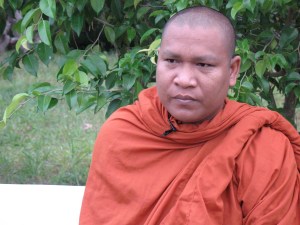
Luon Sovath by Dovana
Years of activism Sovath first became involved in human rights work in 2009, when members of his family were injured during a police shootout at unarmed villagers in a land eviction case. The monk’s brother and nephew were wounded in the standoff, which he documented in a video. He is known for his extensive use of video to inform the world about his confrontations with authorities, earning him the nickname “multimedia monk.” The monk is rarely seen without a mobile phone or tablet. He also uses songs and art to spread his non-violent message of defending human rights. Loun Sovath said he strove to protect human rights in the interest of his country. “I have a desire to help build Cambodia,” he said. In June, Loun Sovath was briefly detained by Cambodian authorities and accused of “causing instability” after he joined protests against the jailing of 13 women over a long-running forced land eviction case in the capital Phnom Penh. Municipal monk officials threatened to have him defrocked as a monk, but released him after he put his thumbprint on a statement assuring that he will not join future protests. Loun Sovath had been banned in April from entering pagodas in Phnom Penh after he participated in land protests.
Sovath, who has since participated in various protests, said he would not stop his activism even though he was concerned about his personal safety. “The authorities have tried to prevent me from doing good things and from helping the country and [the Buddhist] religion,” Sovath said. “I can’t accept this because I have done nothing wrong,” he said. “As long as human rights violations continue to exist in Cambodia, I will continue to do my work.”
Reported by Samean Yun for RFA’s Khmer service. Translated by Samean Yun. Written in English by Joshua Lipes.
Copyright © 1998-2011 Radio Free Asia. All rights reserved.
Posted in human rights, Human Rights Defenders, MEA | 1 Comment »
Tags: award, Buddhism, Cambodia, Eviction, Human Rights Defenders, Land issues, Loun Sovath, Luon Sovath, Martin Ennals Award for Human Rights Defenders, MEA, multimedia, Non-governmental organization, Phnom Penh, Radio Free Asia
November 8, 2012

(Photo credit: Wikipedia)
Human Rights First (HRF), a New York based international NGO and member on the Jury of the Martin Ennals Award, reacted with speed to Obama’s reelection and issued a statement of what it thinks is ready for bi-partisan action on human rights:
1. Champion Women’s Rights. A record number of women will serve in the U.S. Senate in January. And Republicans and Democrats—men and women—agree on the importance of protecting women’s rights around the world. The Obama administration and Congress should work together to make sure that women’s rights are enshrined in the Egyptian constitution and that women in the region who stood side by side with men in demanding their freedom are fully represented in public life, including in elected legislatures, and not forced out of the public square.
2. Support Freedom. Last night, President Obama said, “We can never forget that as we speak people in distant nations are risking their lives right now just for a chance to argue about the issues that matter.” The United States should stand with those people. That means pressing our allies—like Bahrain—to stop cracking down on dissent. It means working effectively with the international community to bring an end to the human rights crisis in Syria. And it means supporting activists in repressive societies like Russia, China, and Cuba.
3. Protect Freedom of Religion. As the recent furor over the anti-Islam film showed, the second Obama administration will have to navigate difficult issues at the intersection of religion and foreign policy. In his second term, the President should push back against efforts to impose an international standard outlawing “defamation of religions,” which would be used, like national blasphemy laws in countries like Pakistan, to persecute religious minorities and restrict freedom of speech, and which would fuel sectarian violence and empower extremists.
4. Protect Gay and Lesbian People from Violence. Voters in Maryland, Maine, and Washington voted to legalize same-sex marriage-the first time gay marriage won at the ballot box. Wisconsin elected the first openly gay U.S. Senator. But while the tide of public opinion on gay rights has rapidly turned here, around the world, gay and lesbian people face discrimination and violence. In his second term, President Obama should build on the work of his first to provide protection for gay and lesbian people, including those forced to flee for their safety.
5. Provide Safe Haven for Refugees. Washington may finally be poised to tackle comprehensive immigration reform. While this issue has been politically challenging, there is broad bipartisan support for keeping America’s promise to be a refuge for those fleeing oppression. For starters, that means reforming the policies that land those seeking freedom in jail.
6. Close Guantanamo. Before it became a political football, national security experts and elected officials from both parties agreed that Guantanamo needed to close. President George W. Bush said he wanted to close it. Senator John McCain campaigned on it. And on his second full day in office, President Obama, flanked by retired Admirals and Generals, promised to do it. He doubled down on the Daily Show right before the election. Now it’s time to get it done. This is a legacy issue.
http://actions.humanrightsfirst.org/p/dia/action3/common/public/?action_KEY=6824
Posted in human rights, Human Rights Defenders | Leave a Comment »
Tags: Barack Obama, freedom of religion, Guantanamo, HRF, human rights, Human Rights First, human rights of women, LGBT, Martin Ennals Award for Human Rights Defenders, Obama, refugees, United States



 Hans Thoolen on Human Rights Defenders and their awards