Posts Tagged ‘Human Rights Defenders’

PBI’s ‘Right to Defend’ – a new multi-media awareness campaign

December 26, 2019
Putting Human Rights Defenders at the Centre

Throughout 2018, PBI ran a global campaign championing defenders for the Nobel Prize. The nomination was supported by over 4000 people and 200 organisations worldwide [https://humanrightsdefenders.blog/2018/10/05/further-plea-to-nobel-foundation-to-recognize-the-hrds-of-the-world/]. Then, it launched the campaign ‘Shoulder to Shoulder with Human Rights Defenders’, to mark the 20th anniversary of the UN Declaration on Human Rights Defenders.

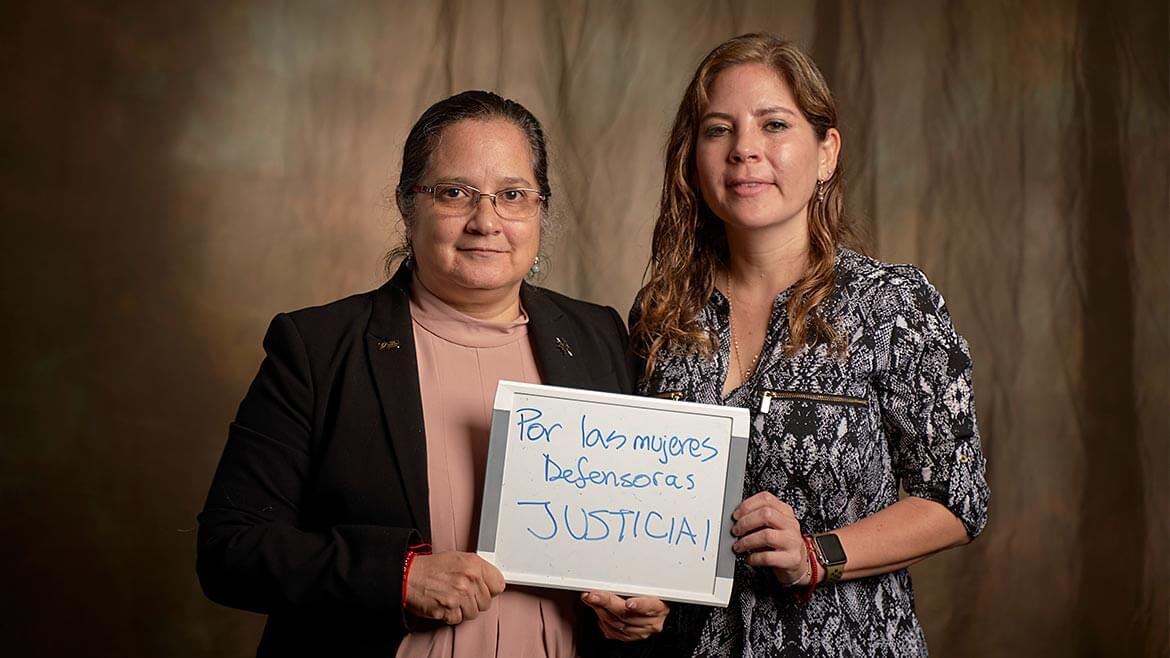
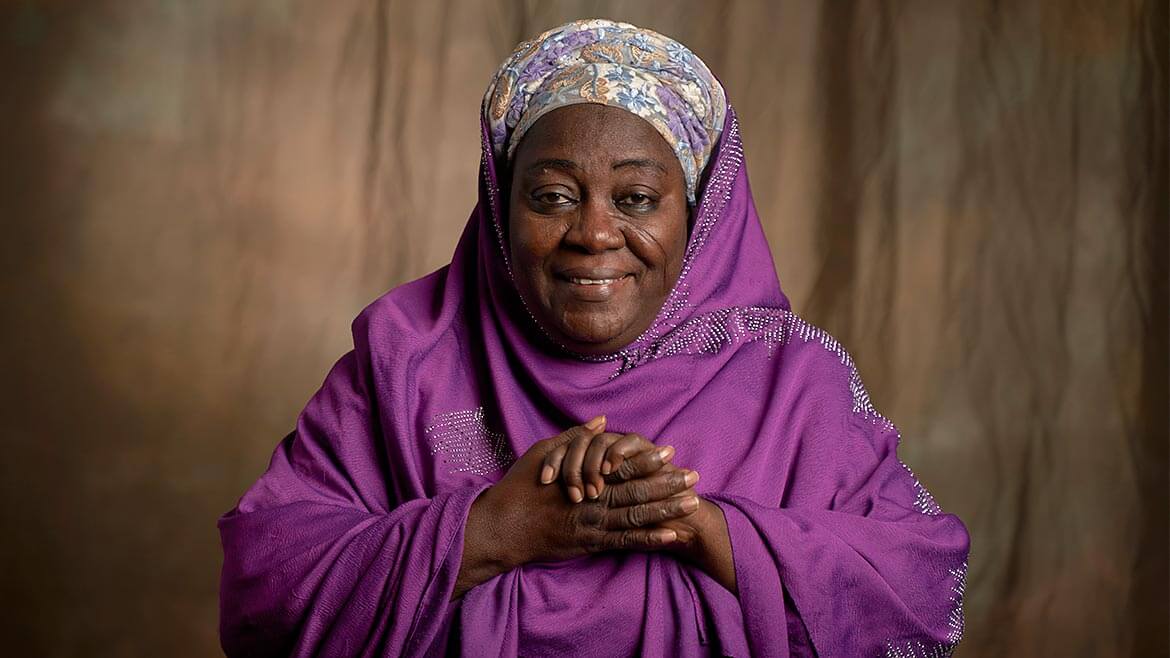
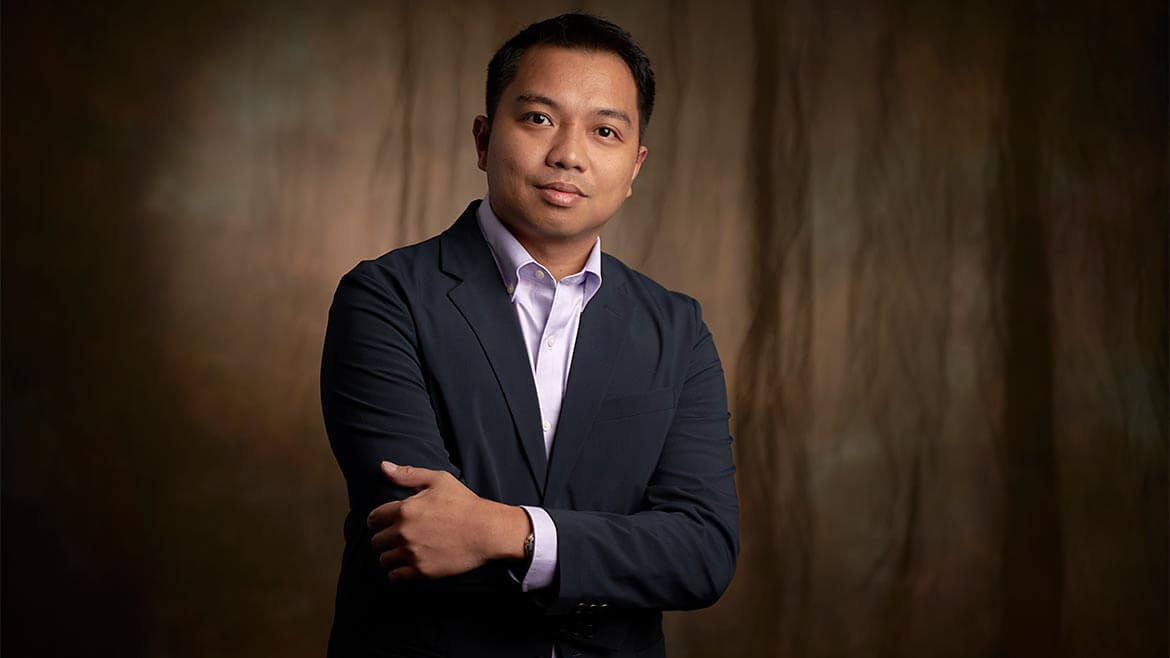
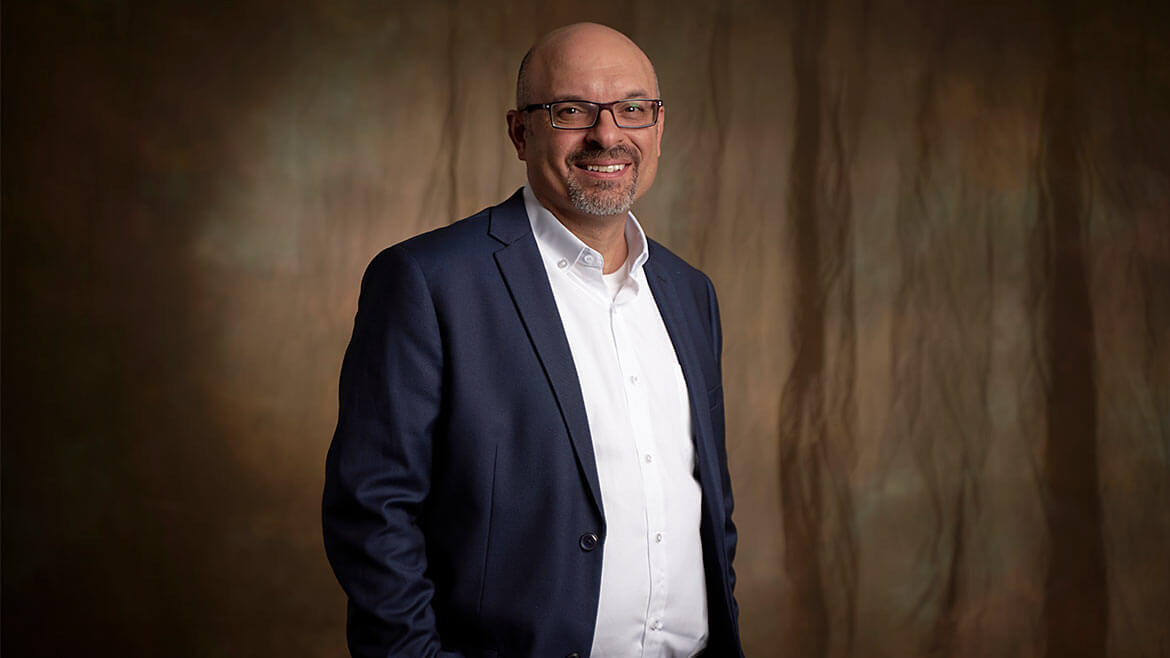
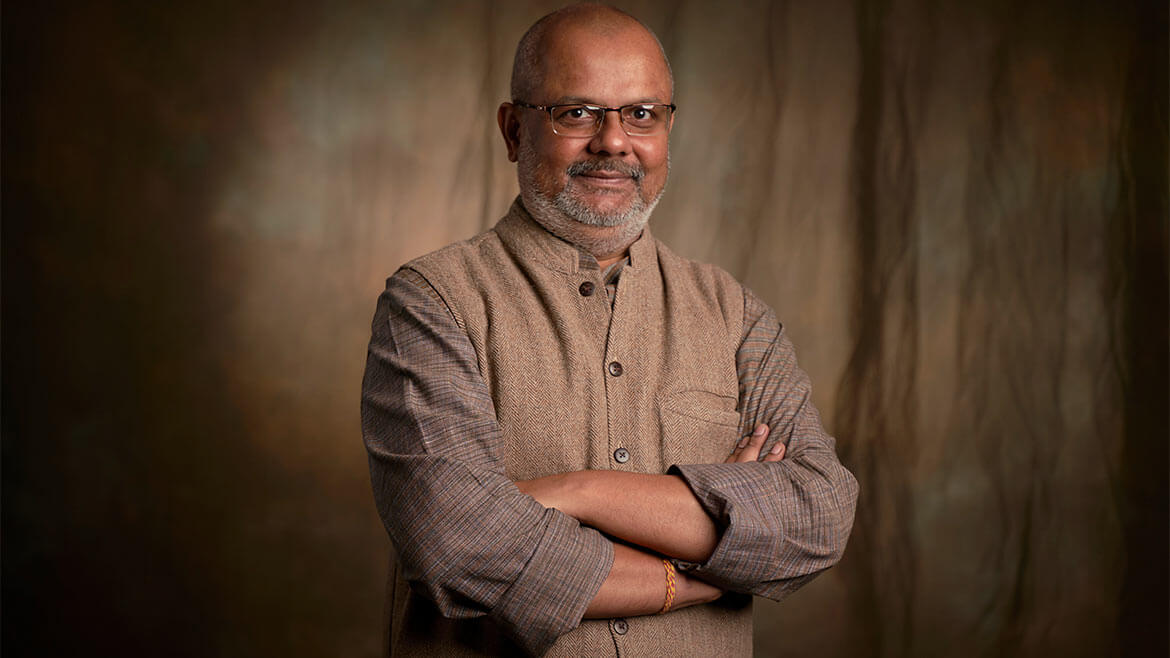
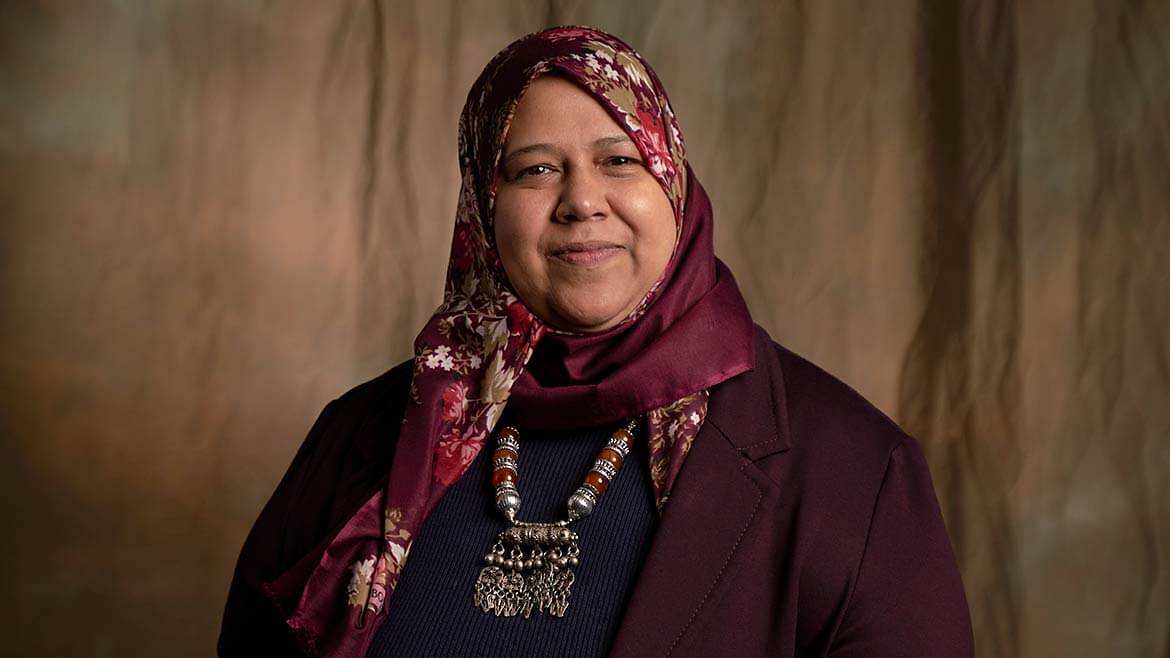
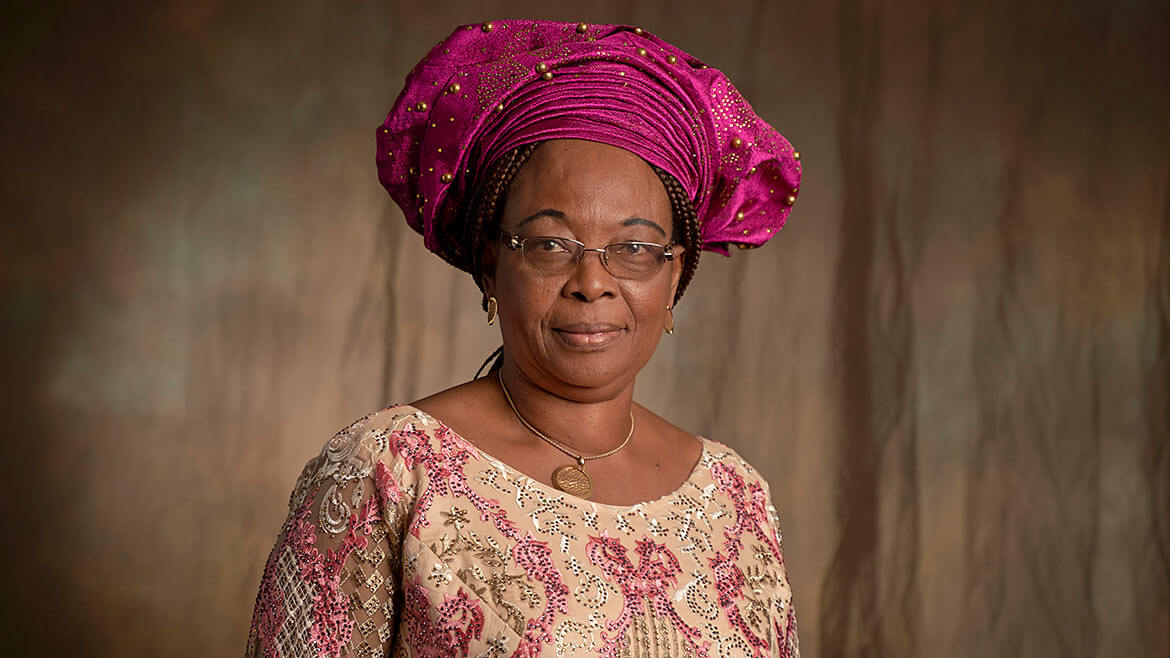
Now, it wants to go further to raise the profile of human rights defenders working in some of the most dangerous environments in the world. PBI UK are working closely with the filmmaker and photographer Manu Valcarce on ‘Right to Defend’, a multi-media, multi-platform communications and awareness campaign, celebrating those making universal human rights a reality. Their stories set an example of solidarity and humanity that needs to be heard: stories of extraordinary human rights defenders taking a stand against injustice: community leaders fighting to protect collective land rights against mining companies; women struggling for gender equality; human rights lawyers risking their own safety to defend the rights of activists.

PBI UK are working on a unique 60-minute documentary film, online platform, photographic exhibition, and social media campaign presenting the work of around 100 at-risk grassroots human rights defenders in Latin America, Africa and Asia on the frontline of the global fight for universal human rights. The first piece of the project was released on the 10th of December: Human Rights Day:

So far, approximately 100 stories of human rights defenders have been recorded across four countries (Colombia, Honduras, Mexico and Nepal) alongside photographic material. You will be able to see the film at festivals in 2020, and the portraits will be debuted at an exhibition held at The Law Society in London, before touring worldwide. The online platform will enable PBI to further its impact as a global entity across 21 countries for campaigning, advocacy and awareness-raising to enhance the protection of human rights defenders.

https://peacebrigades.org.uk/news/2019-12-02/putting-hrds-centre
Targeting of Digital Rights Defenders in Ecuador, Argentina, and Beyond

December 25, 2019
Danny O’Brien wrote in Electronic Frontier Foundation of 19 December 2019 that “More Than Thirty Human Rights Groups Protest the Targeting of Digital Rights Defenders”.

…And some human rights defenders are technologists: building tools to defend or enhance the practice of human rights, and calling out the errors or lies of those who might misuse technology against its users. At this year’s Internet Governance Forum in Berlin, civil society groups mourned a growing trend around the world: the targeted harassment and detention of digital rights defenders by the powerful. Digital rights defenders includes technologists who work to create or investigate digital tools, and who work to improve the security and privacy of vital infrastructure like the Internet, and e-voting devices. As the declaration, signed by a coalition NGOs notes:

The work digital rights defenders do in defense of privacy is fundamental for the protection of human rights. When they raise awareness about the existence of vulnerabilities in systems, they allow the public and private sector to find solutions that improve infrastructure and software security for the benefit of the public. Furthermore, their work as security advisers for journalists and human rights activists is of vital importance for the safety of journalists, activists and other human rights defenders.

The problem is not confined to, but is particular pressing in Latin America. As 2019 draws to a close, Swedish security researcher Ola Bini remains in a state of legal limbo in Ecuador after a politically-led prosecution sought to connect his work building secure communication tools to a vague and unsubstantiated conspiracy of Wikileaks-related hacking. Meanwhile in Argentina, e-voting activist Javier Smaldone remains the target of a tenuous hacking investigation.

See also: https://humanrightsdefenders.blog/2019/01/08/bloggers-and-technologists-who-were-forced-offline-in-2018/

https://www.eff.org/deeplinks/2019/12/over-thirty-human-rights-groups-protest-targeting-digital-rights-defenders-ecuador

Colombia and Mexico: problems with national panic button devices for human rights defenders

December 24, 2019

A GPS-enabled “panic button” that Colombia‘s government has issued ito abut 400 persons is supposed to summon help for human-rights defenders or journalists if they are threatened. But it the article claims that it has technical flaws that could let hostile parties disable it, eavesdrop on conversations and track users‘ movements, according to an independent security audit conducted for The Associated Press. There is no evidence the vulnerabilities have been exploited, but are alarmed. “This is negligent in the extreme,” said Eva Galperin, director of cybersecurity at the nonprofit Electronic Frontier Foundation, calling the finding “a tremendous security failure.

Over the past four years, other “distress alarms” and smartphone apps have been deployed or tested around the world, with mixed results. When effective, they can be crucial lifelines against criminal gangs, paramilitary groups or the hostile security forces of repressive regimes. [see: https://humanrightsdefenders.blog/2014/06/23/today-official-launch-of-ais-panic-button-a-new-app-to-fight-attack-kidnap-and-torture/ and https://humanrightsdefenders.blog/2014/04/24/the-natalia-gps-alarm-bracelet-wins-golden-egg-awards-in-stockholm/]

The “boton de apoyo,” distributed by Colombia‘s Office of National Protection is a keychain-style fob. Its Chinese manufacturer markets it under the name EV-07 for tracking children, pets and the elderly. The operates on a wireless network, has a built-in microphone and receiver and can be mapped remotely with geo-location software. A button marked “SOS” calls for help when pressed.

A company official, John Chung, acknowledged that Rapid7 notified him of the flaws in December. In keeping with standard industry practice, Rapid7 waited at least two months before publicly disclosing the vulnerabilities to give the manufacturer time to address them. Chung told the AP that Eview was working to update the EV-07‘s webserver software, where Rapid7 found flaws that could allow user and geolocation data to be altered.

Activists have good reason to be wary of public officials in Colombia, where murder rates for land and labor activists are among the world‘s highest, and there is a legacy of state-sponsored crime. The DAS domestic intelligence agency, which provided bodyguards and armored vehicles to high-risk individuals prior to 2011, was disbanded after being caught spying on judges, journalists and activists. Five former DAS officials have been prosecuted for allegedly subjecting Duque and her daughter to psychological torture after she published articles implicating agency officials in the 1999 assassination of Jaime Garzon, a much-loved satirist.

Tanya O‘Carroll of Amnesty International, which has been developing a different kind of “panic button” since 2014 , said the Colombian model is fundamentally flawed. “In many cases, the government is the adversary,” she said. “How can those people who are the exact adversary be the ones that are best placed to respond?”…

In Mexico, the attorney general‘s office has issued more than 200 emergency alert devices to journalists and rights activists since 2013. But there have been multiple complaints . One is unreliability where cell service is poor. Others are more serious: Cases have been documented of police failing to respond or answering but saying they are unable to help.

O‘Carroll of Amnesty International said trials in 17 nations on three continents—including the Philippines, El Salvador and Uganda—show it‘s best to alert trusted parties—friends, family or colleagues. Those people then reach out to trusted authorities. Amnesty‘s app for Android phones is still in beta testing. It is activated with a hardware trigger—multiple taps of the power button. But there have been too many false alarms.

Sweden-based Civil Rights Defenders offers a 300-euro stand-alone panic button first deployed in Russia‘s North Caucasus region in 2013 and now used by more than 70 people in East Africa, Central Asia, the Balkans, Southeast Asia and Venezuela, said Peter Ohlm, a protection officer at the nonprofit. The organization‘s Stockholm headquarters always gets notified, and social media is typically leveraged to spread word fast when an activist is in trouble.

https://stockdailydish.com/colombia-panic-buttons-expose-activists/

General Assembly adopted draft resolution seeking protection of human rights in Russian-occupied Crimea,

December 22, 2019

https://www.bignewsnetwork.com/news/263442213/un-adopts-updated-resolution-to-safeguard-rights-in-crimea

Iran: nothing good to report in December 2019

December 20, 2019

The London-based human rights group Amnesty International says more than 300 people were killed in protests in Iran last month. In a report released on 16 December 2019 Amnesty says that according to reports it compiled, at least 304 people were killed and thousands injured between November 15 and 18 as authorities crushed protests with lethal force. The organization interviewed dozens of people inside Iran. It also analyzed video footage obtained by the group, which shows Iranian security forces opening fire on unarmed protesters who did not pose any imminent risk. The report said thousands of journalists and human rights defenders have also been arrested in an attempt to stop them from speaking out about Iran’s repression. Iran has yet to disclose details of the casualties.

On 18 December the European Union extended sanctions against Iran by another year over what the bloc says are serious human rights violations. The EU said in a statement it extended a travel ban and asset freeze against 82 people and also a ban on EU exports that might help in the repression of internal dissent. In 2011, the EU imposed the restrictions over the repression of peaceful demonstrators, journalists, human rights defenders and others. The sanctions also target those involved in torture, inhumane treatment and stonings or hangings. The extension prolongs the sanctions until April 13, 2018.

On 19 December 2019 Reporters Without Borders (RSF) said it is “appalled” by a Tehran court’s decision to uphold prison sentences for four journalists from the Gam (Step) online magazine. However, the appeals court in Tehran reduced the length of the jail terms from 18 to five years for each journalist — Amirhossein Mohammadifard, Sanaz Allahyari, Amir Amirgholi, and Assal Mohammadi — for a combined total of 20 years, the Paris-based media freedom watchdog said on December 18. The journalists were arrested a year ago on what Amnesty International called “spurious” national security charges related to their reporting on workers’ rights protests in Khuzestan Province over grievances concerning unpaid wages and poor conditions.

RSF said on December 18 that the same appeals court in Tehran also upheld a prison sentence for Marzieh Amiri, a journalist for the reformist Shargh newspaper, but reduced her sentence from 10 years in prison and 148 lashes to five years in prison. Amiri was arrested in May after covering a demonstration outside parliament in the capital.

On 20 December 2019 UN human rights experts called on the Iranian authorities to release all individuals arbitrarily detained and mistreated during recent protests, and expressed concerns over the hundreds of people who have been killed. “We are shocked at reports of the ill-treatment of those detained during the protests that took place in November 2019, and deeply disturbed that the reported use of excessive force by the Iranian security forces led to an untold number of casualties, including deaths,” the experts said.

——

https://www3.nhk.or.jp/nhkworld/en/news/20191216_26/

https://stockdailydish.com/eu-extends-sanctions-on-iran-over-human-rights-violations/

https://www.voanews.com/press-freedom/rsf-appalled-five-iranian-journalists-get-total-25-years-prison

UN Experts Alarmed at Alleged Mistreatment of Detained Protesters

2019 Franco-German Human Rights Prize to 14 human rights defenders

December 13, 2019

The Franco-German Human Rights and the Rule of Law Prize [for more indo see: http://www.trueheroesfilms.org/thedigest/awards/franco-german-prize-for-human-rights-and-the-rule-of-law] is awarded to human rights defenders around the world, but also to lawyers who represent the human rights defenders and journalists who work to make the truth known. Through this prize, France and Germany wish to show their support for the work of these individuals. [ for info on the previous round, see: https://humanrightsdefenders.blog/2017/12/07/franco-german-prize-for-human-rights-and-the-rule-of-law-awarded-for-second-time/%5D

The winners of the 2019 Franco-German Human Rights and the Rule of Law Prize are fighting battles in key fields such as the fight against torture and inhuman or degrading treatment, against forced disappearances, against violence on women, against discrimination of LGBT people and the promotion of gender equality.

The prize winners include:

  • Ales BIALIATSKI (Belarus)
  • Li WENZU (China)
  • El Nadim Center (Egypt)
  • Mr Ameha Mekonnen Asfaw (Ethiopia)
  • Ms Robin Chaurasiya (India)
  • Nasrin SOTOUDEH (Iran)
  • Amina HANGA (Nigeria)
  • Ms Miluska Del Carmen Luzquinos Tafur (Peru)
  • Ms Mary Aileen Bacalso (Philippines)
  • Ms Irina Biryukova (Russia)
  • Ms Delphine Kemneloum Djiraibe (Chad)
  • Ms Asena Gunal (Turkey)
  • Luz Mely REYES (Venezuela)
  • Mr Vu Quoc Ngu (Vietnam)

Li Wenzu (center) receives the 2019 Franco-German Human Rights and Rule of Law Award, presented by the French and German ambassadors to China at the French embassy in Beijing, December 11, 2019.

Li Wenzu (center) receives the 2019 Franco-German Human Rights and Rule of Law Award, presented by the French and German ambassadors to China at the French embassy in Beijing, December 11, 2019.

In her acceptance speech, Li said the award was a boost not just to her personally, but to all the hundreds of lawyers, rights activists and their families caught up in a nationwide crackdown that began in July 2015.

——

(From left) Robin Chaurasia receiving the award from Sonia Barney and Juergen Morhard on Thursday.

(From left) Robin Chaurasia receiving the award from Sonia Barney and Juergen Morhard

Mumbai-based women’s rights activist Robin Chaurasiya has won the Franco-German Award for Human Rights. Ms. Chaurasiya, who co-founded the non-profit Kranti in 2010, has worked for the betterment of girls born in the red-light areas of the city. Consul General of the Federal Republic of Germany, Dr. Juergen Morhard, and the Consul General of France in Mumbai, Sonia Barbry, presented the award to Ms. Chaurasiya. “When I came to India from the U.S. to work with another NGO, I saw that many children were left on their own once they entered their teenage years. They would be locked in rooms for the slightest mischief,” she said. She believed these children had many talents but did not have the environment to flourish. “I recall they were only being taught how to make pickles and do basic work. I feel we need to get rid of these notions and let them pursue their passion, which could be the ambition to become a doctor or an engineer,” she said. Ms. Das said she met Ms. Chaurasiya at the NGO. “It motivated us to start this initiative. We nurture and help these women fulfil what they want for themselves, not the other way round. If someone wants to study something like music, we look for the best places where they can be enrolled. One of our members is now a music therapist.”

—-

Günal received the prize at a ceremony held at the Embassy of Germany in Ankara on 16 December. Receiving the prize, Asena Günal made a speech in brief:

As someone working in the field of culture, it would not have occurred to me that I would receive a prize in the field of human rights. As the honorable Ambassador has said ‘cultural rights are more than just an ingredient to the international human rights framework. Participation in cultural life of the society on the one hand, freedom of expression on the other are indispensable rights of every human being’. However, for many years in Turkey, participation in cultural life and freedom of artistic expression remained as a side issue, because there were more pressing concerns such as torture, enforced disappearance and imprisonment. The struggle for human rights was the one carried out by those keeping watch day and night at the Human Rights Association in case someone appealed for help, lawyers who ran to police stations when people were detained, Saturday Mothers who gathered every week despite all obstacles.

Today, the field of human rights in Turkey has expanded to include culture. There are two reasons for this: One of them is that people have become aware of the importance of considering access to artistic expression and culture and arts in the framework of human rights. The other reason is that state oppression on culture, arts and civil society has increased. Here, I would like to particularly underline the ongoing unjust detention of Osman Kavala that began two years ago and the following oppression and unfounded allegations that made him a target. In trying times like these, such awards give the motivation to persevere, and make you feel that your efforts are worthwhile. I have never been alone in this process:


https://www.diplomatie.gouv.fr/en/country-files/germany/events/article/2019-franco-german-human-rights-and-the-rule-of-law-prize-10-dec-2019

https://www.rfa.org/english/women/li-wenzu-franco-german-prize-12132019114110.html

Carter Centre: Human Rights Defenders speak out

December 10, 2019

At the occasion of international human rights day 2019, the Carter Center published “Human Rights Defenders: In Their Own Words“, a selection of participants at the 12th Human Rights Defenders Forum in Atlanta [see: https://humanrightsdefenders.blog/2019/10/22/carter-centre-wants-to-preserve-the-stories-of-human-rights-defenders/]:

  • “The right to defend human rights is a right already recognized. We have to be mindful and careful and state clearly that no one should be defamed, persecuted, prosecuted, or killed because they exercise their right to defend rights, regardless of their political position.”
    CLAUDIA SAMAYOA
    Unidad de Protección a Defensoras y Defensores de Derechos Humanos
    Guatemala
    and
    ALEJANDRA SERRANO PAVÓN
    Environmental Law Alliance
    Mexico

  • “We believe that if people understand the concept of human rights and are able to apply it to their lives, then there will be more peaceful coexistence. Then government can cut down on the bills for buying arms and ammunitions. Then development can take place because everybody’s living peacefully and they’re able to go about their normal businesses fully.”
    HALIMAT JIBRIL
    Federation of Muslim Women’s Associations in Nigeria (FOMWAN)
    Nigeria

  • “We have seen the rise of many youth-led movements around the world, and these young protesters are speaking out and standing up not just on the issue of environmental crisis, but also on land rights, on democracy. All of them are using the internet as a tool not just for communication but also for organizing and mobilizing these campaigns.  One concrete way we can support youth-led movements is to make sure that these internet tools remain accessible, safe, and truly empowering.”
    RAYMOND “MONG” PALATINO
    Global Voices
    The Philippines

  • “The Palestinian people, just like all people around the world, are seeking the preservation of life, liberty, and the pursuit of happiness. And when that is undermined in one part of the world, it is undermined everywhere. I feel like the Palestinian situation is just a microcosm of global injustice. If we can solve one, we can solve the other. But big problems require collective minds.”
    WESAM AHMAD
    Al-Haq
    Palestine

  • “Every time that we’ve had significant change in our country, religion has been at the heart of it. It’s been part of what motivates people. It speaks to our values. To neglect religion in thinking about human rights would be to neglect a huge part of the resources that we have in taking on the injustices we face.”
    COLLEEN WESSEL-MCCOY
    Kairos Center for Religions, Rights, and Social Justice
    United States

  • “Solidarity is not about ‘me’; it’s about ‘we.’ It’s about just being there – not being ahead of somebody or behind somebody, but standing with them.”
    STACEY HOPKINS
    Activist
    United States

  • “The relationship we build between people is the greatest wealth we can have. It is beyond money. It goes beyond what you have in your bank account. When you have a good relationship with the people – your friends, your family, your colleagues – that is a good foundation to build a country.”
    HALIDOU NGAPNA
    Carter Center Human Rights House
    Democratic Republic of Congo

  • “In 1996, we embedded human rights into our three-year program. Immediately, we started seeing change. It was like a revolution. Community members started coming out and promoting their own rights, started talking about their responsibilities. This was possible because we talked about all the aspects of human rights – economic rights, cultural rights, political rights, and civil rights. After people understood human rights, we started seeing changes in deeply rooted cultural practices, including female genital cutting and child marriage. They started having dialogues around gender-based violence against women and girls. Women started taking political positions, because they now understood they have the right to vote, and the right to be elected. Things started changing.”
    GODFREY OCHIENG OKUMU
    Tostan International
    Senegal

  • “If you’re not indifferent, the world will be different. Challenging our own indifferences is extremely important.”
    RAMESH SHARMA
    Ekta Parishad
    India

  • “In 2015, our lives began to change completely. We lost our jobs; we lost our homes; we lost our country; we lost our dignity. But we did not lose hope, and we will never lose hope.”
    MUNA LUQMAN
    Food4Humanity
    Yemen

  • “The motto of our organization is taken from John 17:21, which says, ‘That all of them may be one.’ If all should be one, there should be no violence, there should be no quarrel, there should be no killing. For all of us to be one, there must be love. There must be peace. There must be unity. And there must be togetherness.”
    VICTORIA BOLANLE IHESIULOR
    Christian Association of Nigeria, Women’s Wing
    Nigeria

    https://www.cartercenter.org/news/features/p/human_rights/hrdf-in-their-own-words.html

Andrew Gilmour in the Financial Times about reprisals

December 10, 2019

On the occasion of International Human Rights Day 2019, Andrew Gilmour – the UN assistant secretary-general for human rights – wrote an opinion piece in the Financial Times stressing that the UN must protect human rights defenders from government reprisals against them….

Within the global movement, it’s widely accepted that the onslaught on the human rights agenda is more ferocious now than ever before. ……..We estimate that, around the world, several hundred people have been punished for co-operating with the UN since 2016 when I was assigned responsibility for dealing with this issue. Reprisals can take many forms — I’ve been presented with countless stories of travel restriction, threats from security agents, internet abuse, arrest, imprisonment and even torture, rape, disappearance and killing. The aim is punishment and/or deterrence. And it often works. Despite the staggering courage of many human rights defenders, who persist in exposing violations notwithstanding their knowledge of the likely consequences, others understandably self-censor their actions and words.

For his annual report see: https://humanrightsdefenders.blog/2019/09/23/andrew-gilmours-2019-report-on-reprisals-it-gets-worse-but-response-remains-mostly-rhetoric/

…..Even though reprisals appear to be on the rise, however, there are grounds for optimism. More countries now take the issue seriously. They condemn such acts and warn against the scope of the problem, which many recognise has an impact on the global discourse on any matter related to human rights — development, the environment, protection of civilians in conflict settings and even preventing terrorism. When people are cowed into silence, governments and inter-governmental organisations are deprived of the full picture, and that makes their actions in any of these spheres less effective. Increased awareness that there is a growing problem with intimidation and reprisals against human rights defenders is vital. But so is the courage to speak out on behalf of the victims of such actions, even if the perpetrators are hugely powerful, such as the Chinese authorities, whose efforts to silence almost anyone from speaking out are often draconian and can extend even into UN headquarters. There are many brave people who are ready to withstand the threats of their own governments and provide information to the UN, even when the price for doing so can be horrific. Surely everyone at the world body, starting with its member states, has a moral obligation to show at least a fraction of that courage and speak up in defence of those beleaguered front-line defenders. Such is the nature of the governments that carry out most reprisals that only a firm international response of solidarity can have any chance of halting this ominous trend.

For some of my other posts on reprisals see: https://humanrightsdefenders.blog/tag/reprisals/

—-

https://www.ft.com/content/e339fe22-1a66-11ea-81f0-0c253907d3e0

Save the date: 14 January 2020 Webinar on protection of human rights defenders in development

December 1, 2019

The Human Rights Funders Network announces a WEBINAR: “Uncalculated Risks: How funders can address threats to human rights defenders in development” to be held on 14 January 2020.

Sheryl Mendez of Freedom House, Katie Skartvedt and Greg Regaignon of Wellspring Philanthropic Fund, and Mark Fodor and Gretchen Gordon of the Coalition for Rights in Development, discuss how funders can use the report, Uncalculated Risks: Threats and attacks against human rights defenders and the role of development financiers, as a tool in their work.See: https://humanrightsdefenders.blog/2019/07/30/uncalculated-risks-attacks-on-human-rights-defenders-in-name-of-development/.More information (including a time and registration link) will be available soon!

Four jailed Iranian human rights lawyers win European Bar award

November 29, 2019
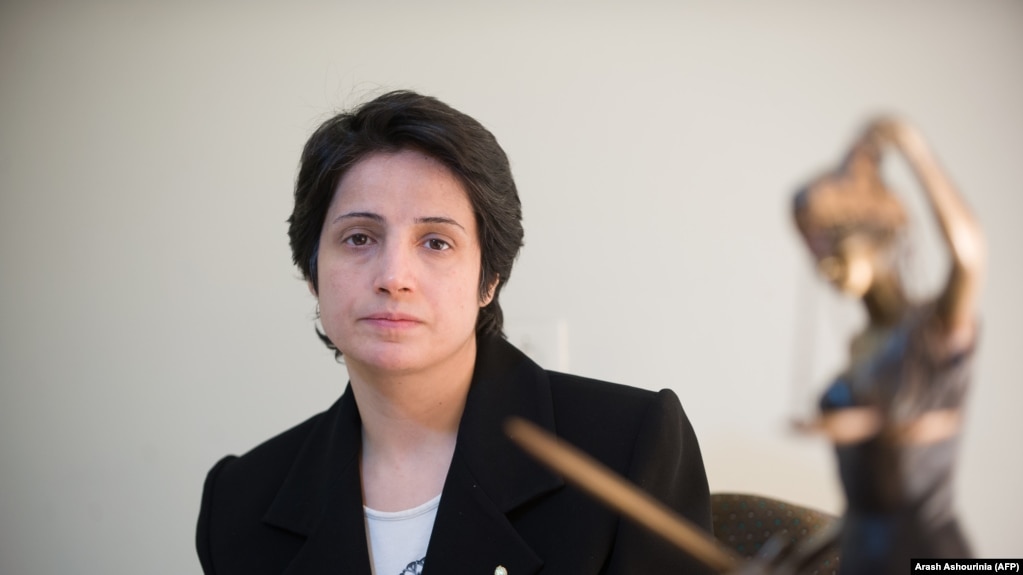
IRAN -- Iranian lawyer Nasrin Sotoudeh is seen in Tehran on November 1, 2008.

Iranian lawyer Nasrin Sotoudeh is seen in Tehran on 1 November 2008.

The Council of Bars and Law Societies of Europe (CCBE) has bestowed its annual Human Rights Award to four lawyers from Iran: Nasrin Sotoudeh, Addolfattah Soltani, Mohammad Najafi and Amir Salar Davodi. Shirin Ebadi will receive the award on behalf of the jailed lawyers from CCBE President José De Freitas.

The CCBE is a professional organization that represents Law Societies from 45 different countries and over one million lawyers. Previous recipients of the award include Avocats Sans Frontières (ASF) and Azerbaijani human rights lawyer Intigam Aliyev. For more on this and other awards for lawyers see: http://www.trueheroesfilms.org/thedigest/awards/ccbe-human-rights-award

Nasrin Sotoudeh is a human rights defender who has been in prison since summer of 2018 for her peaceful activities defending women’s rights to choose their dress style. Although there is no written law in Iran for compulsory hijab, the police and courts spend considerable resources to force women to use the veil. [see also: https://humanrightsdefenders.blog/2019/06/13/1-million-people-demand-that-iranian-government-release-nasrin-sotoudeh/]

Abdolfattah Soltani who co-founded the Defenders Of Human Rights Center along with his colleagues, Nobel Peace Prize laureate Shirin Ebadi and others served as the attorney defending the family of Iranian-Canadian photo journalist Zahra Kazemi. [see also: https://humanrightsdefenders.blog/2018/11/22/iranian-human-rights-defender-abdolfattah-soltani-released-from-jail/

Mohammad Najafi performed various human rights related work and defended protestors who were arrested during a mass uprising in early 2018.

Amirsalar Davoudi was sentenced to 30 years in prison, 111 lashses and substantial monetary fine for his work. One of the charges included “collaborating with the enemy sate” which was brought against Davoudi for doing an interview with the Voice of America’s Persian section.

A statement from the CCBE urges Iran “to take all the necessary measures to release these four human rights lawyers and to guarantee that all lawyers in the Islamic Republic of Iran are able to perform their professional duties without fear of reprisal, hindrance, intimidation or harassment.

https://en.radiofarda.com/a/jailed-iranian-lawyers-win-human-rights-award/30297336.html