Posts Tagged ‘Human Rights Defenders’
April 24, 2013
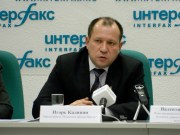
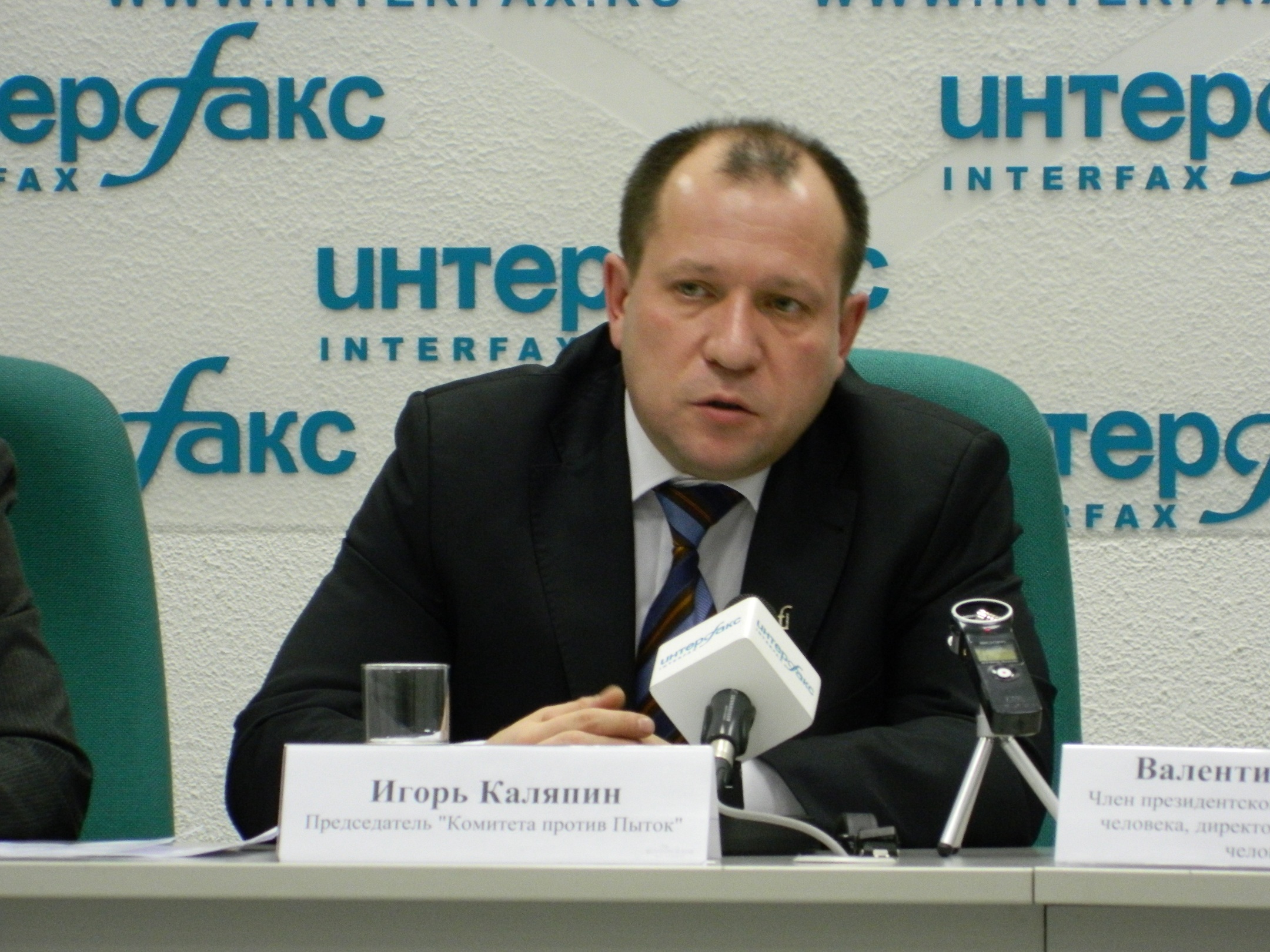
The Martin Ennals Jury just announced today (at 11h00 local time) the three Final Nominees for the Martin Ennals Award 2013. The MEA is the main award of the whole human rights movement thanks to its international Jury composed of 10 well-known human rights organisations (see below). The aim of the award is to provide protective publicity. The Final Nominees are:
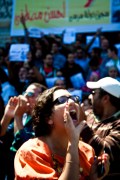
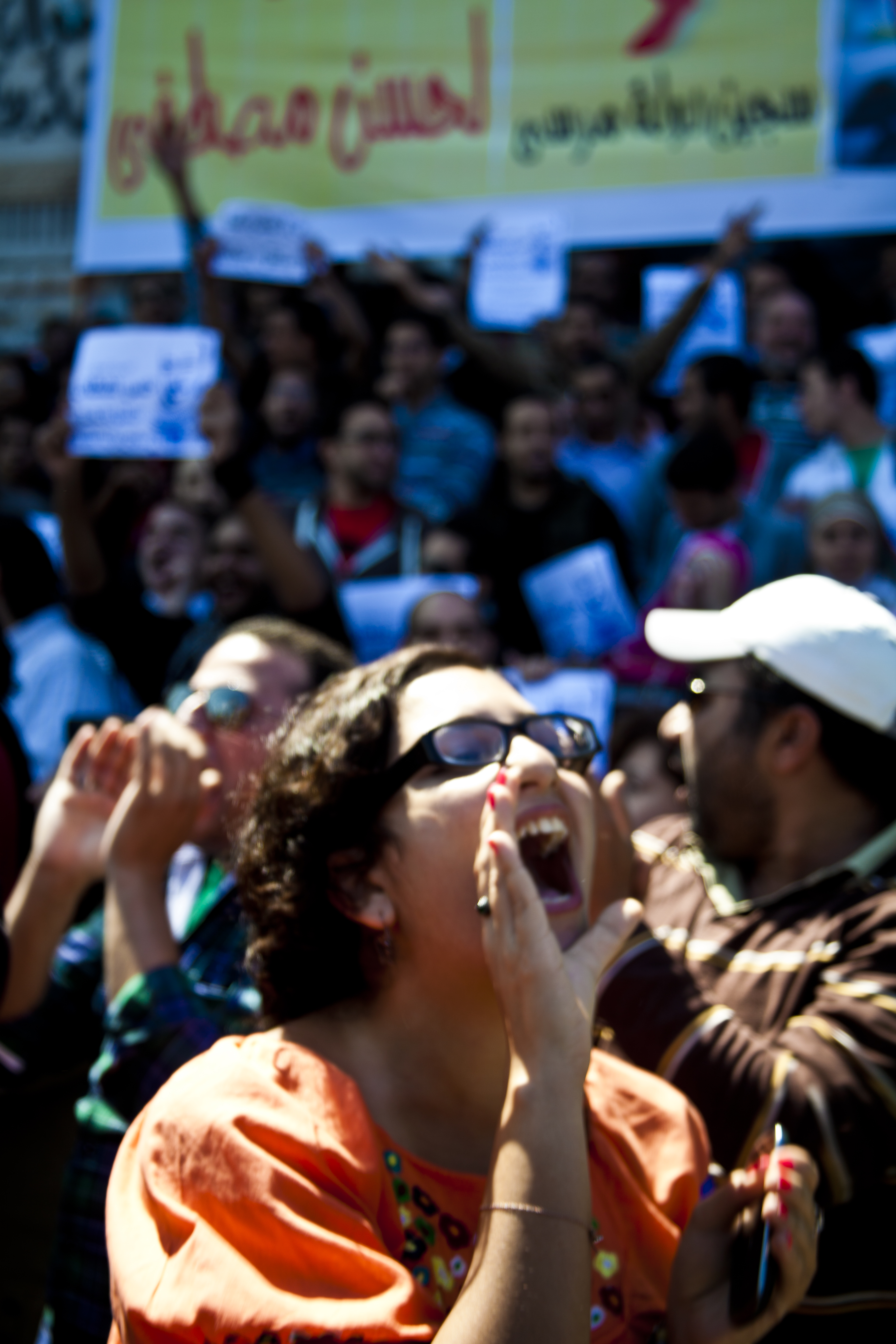
Mona Seif, Egypt – Final Nominee MEA 2013
Mona Seif, Egypt: Core founder of the ”No To Military Trials for Civilians”, a grassroots initiative which is trying to stop military trials for civilians. Since February 2011, Mona has brought together activists, lawyers, victims’ families,local stakeholders and started a nationwide movement against military trials. As part of the recent crackdown on the freedom of speech in Egypt she has been charged along with other Human Rights activists. She noted that “International solidarity, and I mean people’s support not governments’, empowers us to continue our battle and stop military trials for civilians“.
Posted in Human Rights Defenders, MEA | 1 Comment »
Tags: Arab spring, Chechnya, Egypt, final nominees 2013, Final Nominees for the Martin Ennals Award 2013, Haiti, Human right, human rights awards, Human Rights Defenders, human rights lawyer, Igor Kalyapin, impunity, Jean-Claude Duvalier, Joint Mobile Group, Mario Joseph, Martin Ennals, Martin Ennals Award for Human Rights Defenders, MEA, military trials, Mona Seif, news, No To Military Trials for Civilians, Russia, torture, woman human rights defender
April 23, 2013
You can now apply for ISHR‘s Geneva Training Course 2013. This advanced level training course will be held in Geneva from 26 May to 7 June, in parallel to the 23rd session of the UN Human Rights Council. The course offers an opportunity for participants with existing advocacy experience at domestic or regional level to expand their knowledge and skills, and over the 2-week period in Geneva directly engage in lobbying and advocacy activities at the UN level. This new programme blends ISHR extensive training experience, with its unique access to the UN mechanisms in Geneva and its close collaboration with leading human rights organisations. It will combine a common intensive training course with supported lobbying and advocacy activities adapted to the areas of interest of participants, as well as peer education among different groups of defenders. The programme will consist of the following elements:
a) A short online learning component, which takes place prior to Human Rights Council sessions, and supports participants in consolidating existing knowledge and developing advocacy objectives;
b) An intensive course in Geneva during the beginning of the June 2013 session of the Human Rights Council, focusing on ways to use international human rights mechanisms and to influence outcomes at the Human Rights Council;
c) Specific advocacy at the Human Rights Council session, with regular feedback and peer education to learn from the experiences;
b) Where appropriate, common follow-up at national level.
It is directed at experienced human rights defenders at the national level who have already some prior knowledge of the international human rights system.
The 23rd session of the Human Rights Council, which runs in parallel, will among other things focus on the following key areas:
- A resolution to follow-up to the Council’s work combating discrimination and violence based on sexual orientation and gender identity (the SOGI resolution).
- Thematic reports by the Special Rapporteur on Violence against Women; Special Rap on Cultural Rights; Working Group on Discrimination Against Women
- Thematic Reports by Special Rapporteur on freedom of peaceful assembly and of association, and Special Rapporteur on freedom of expression.
- Annual Full Day Discussion on Women’s Rights
- Report of the Working Group on the issue of human rights and transnational corporations and other business enterprises, the Forum on Business and Human Rights and a panel discussion on human rights and business
The draft programme of work of the Human Rights Council is expected to be published shortly, and will be available at http://bit.ly/pow-hrc23.
A description of the course, what is expected of participants and instructions on how to apply are available at http://bit.ly/gtc2013-tor.
Posted in human rights | 2 Comments »
Tags: Geneva, Human right, human rights, Human Rights Council, Human Rights Defenders, human rights of women, International Service for Human Rights, intervention, lobbying, Special Rapporteur, training course, United Nations, United Nations Human Rights Council, Working Group
April 23, 2013
Tomorrow, 24 April, at 11hoo Geneva time, the three Final Nominees of the Martin Ennals Award for Human Rights Defenders 2013 will be announced. You can find the result here on this blog, of course, or on the site of the Martin Ennals Award: http://www.martinennalsaward.org. The following 10 NGOs on the Jury will also carry the news:

Martin Ennals Award for Human Rights Defenders
– Amnesty International,
– Human Rights Watch,
– Human Rights First,
– Int’l Federation for Human Rights,
– World Organisation Against Torture,
– Front Line Defenders
– International Commission of Jurists,
– German Diakonie,
– International Service for Human Rights
– HURIDOCS.
Posted in human rights, Human Rights Defenders, MEA | Leave a Comment »
Tags: Amnesty International, Diakonie, FIDH, Final Nominees for the Martin Ennals Award 2013, Frontline Defenders, Geneva, human rights, human rights awards, Human Rights Defenders, Human Rights First, Human Rights Watch, HURIDOCS, International Commission of Jurists, International Service for Human Rights, Martin Ennals Award, Martin Ennals Award for Human Rights Defenders, MEA, Non-governmental organization, OMCT, World Organisation Against Torture
April 23, 2013
Karl Ombion, writing for Bulatlat.com, reports that in a court hearing on 18 April 2013 at RTC Branch 55, in Himamaylan City, Adjutant General Alexis Gopico and Lt. Col Ricardo B Bayhon positively identified the two suspects in the brutal murder of Philippine human rights defender Benjamin Bayles as military enlisted men. Edre Olalia, legal counsel of the victim’s family, and Secretary General of National Union of People’s Lawyers (NUPL), confirmed this report. Bayles was murdered 14 June 2010 by two suspects who claimed to be Roger Bajon and Ronnie Caurino when they were captured by Himamaylan police operatives hours after the incident. Olalia said “the confirmation, positive identification and specific personal pinpointing of the killers of activist Benjamen Bayles by top army officials as enlisted personnel under their command is a welcome development and a high point in making perpetrators of extra judicial killings accountable.” This is ultimately a product of public vigilance and pressure by human rights defenders aided also by conscientious legal work, Olalia stressed, but it remains to be seen if this leads to a deeper investigation, determination of other guilty parties, including possibly, superior officers. The accused who are lowly private first class personnel maybe sacrificial dispensable small fry to stop the investigation and let masterminds escape identification and prosecution.”“As in other cases, like that of Jonas Burgos, extra judicial killings and enforced disappearances and other rights violations, there is no closure until there is full justice for the victims,” Olalia concluded.
via Military admits Bayles killers as their own « Bulatlat.
Posted in human rights, Human Rights Defenders | 1 Comment »
Tags: Benjamin Bayles, Civil society, Enlisted rank, extra judicial killings, Extrajudicial killing, Filipino, Human right, Human rights defender, Human Rights Defenders, impunity, justice, killing, lawyer, military, Olalia, Philippine, Philippines
April 22, 2013
Turkmenistan and Uzbekistan’s highly repressive policies are coming up for rare international scrutiny as from today (22 and 24 April 2013), Human Rights Watch said today. United Nations member countries gathering at the Human Rights Council in Geneva under the Universal Periodic Review (UPR) procedure should seize the opportunity to expose and denounce the ongoing repression in both countries and press for concrete steps to end abuses.
The governments of Turkmenistan and Uzbekistan stand out as among the most repressive in the world, Human Rights Watch said. Both also stand out for their failure to heed recommendations made during their previous Human Rights Council reviews, in December 2008. “The extraordinarily high levels of repression in both Uzbekistan and Turkmenistan, coupled with their governments’ refusal to acknowledge problems, let alone to address them, underscores the need for a strong, unified message,” said Veronika Szente Goldston, Europe and Central Asia advocacy director at Human Rights Watch.
In submissions on Turkmenistan and on Uzbekistan Human Rights Watch highlighted key concerns with respect to both countries, and the steps needed to address them. One immediate step – and crucial if crime should not pay ! – is that both governments should be urged to end their longstanding denial of access for the UN’s own rights monitors. Ten UN rapporteurs have requested such access to Turkmenistan, while the number of UN rapporteurs barred from Uzbekistan has reached 11! Cooperation with the International Committee of the Red Cross ICRC is another pressing issue [On April 12, the ICRC took the unusual step of announcing publicly its decision to end prison visits to detainees in Uzbekistan].
Other key concerns in Turkmenistan include: The government’s longstanding use of imprisonment as a tool for political retaliation and draconian restrictions on freedom of expression and association, which authorities enforce by threatening, harassing, or imprisoning those who dare to question its policies, however modestly. The severe repression of civil society activism makes it impossible for independent human rights defenders and journalists to work openly.
via Turkmenistan/Uzbekistan: Abuses in International Spotlight | Human Rights Watch.
Posted in HRW, human rights, Human Rights Defenders, UN | Leave a Comment »
Tags: Central Asia, Freedom of speech, Geneva, Human right, human rights, Human Rights Defenders, Human Rights Watch, political prisoners, political retaliation, Turkmenistan, UN, UN Rapporteurs, United Nations, Universal Periodic Review, Uzbekistan
April 20, 2013
You can join the ‘engine room’ and the New Tactics online community for an online conversation on “Incorporating Social Media into Your Human Rights Campaigning“. This will take place from 13 to 17 May 2013.
Social media are increasingly being used by human rights organizations around the world, but the question remains how do organizations use these tools strategically and creatively to reach their goals? The online conversation will explore topics such as:
- How to define your social media goals and targets;
- Strategizing about how to reach your stakeholders with social media;
- Making decisions about the resources you should devote to building and maintaining a social media presence;
- How to use social media without putting your staff and your constituents at risk.
This online conversation will be an opportunity to exchange experiences, lessons-learned and best practices among practitioners using social media strategically in human rights work.
To learn more and sign up: Incorporating Social Media into Your Human Rights Campaigning | New Tactics in Human Rights.
Posted in human rights, Human Rights Defenders | Leave a Comment »
Tags: Advocacy Organizations, exchange experiences, facebook, human rights, Human Rights and Liberties, Human Rights Defenders, human rights organizations, media presence, New Tactics in Human Rights, on line conversation, social media, twitter
April 19, 2013
Intervening at the 53rd ordinary session of African Commission on Human and Peoples Rights, on 18 April 2013, the FIDH and the OMCT, in the framework of their Observatory for the Protection of Human Rights Defenders, expressed their grave concern about the situation of human rights defenders in Africa, which they stated had not observed an improvement. Violations of human rights targeting defenders have continued, notably in Algeria, Cameroon, Chad, Democratic Republic of Congo DRC, Djibouti, Egypt, Gambia, Sudan and Zimbabwe. Judicial harassment based on false accusations, accompanied by arbitrary arrests and detentions, remains the most common harassment technique, especially in Algeria and Zimbabwe, but also in Cameroon, Djibouti, Egypt, The Gambia and Sudan. In several countries, including The Gambia and DRC, defenders have also been subjected to threats and smear campaigns. In late December 2012 / early January 2013, the presence in Goma in the Kivu region of non-State armed groups notably led to increased threats against local defenders, forcing many of them to hide or flee into exile. The targeted defenders are, inter alia, members of NGOs and lawyers in Chad, DRC, Zimbabwe, journalists in Djibouti, trade unionists fighting against impunity in Algeria, Djibouti, DRC, Zimbabwe or defending land rights and the right to a healthy environment in Cameroon; defenders of the right to work in Algeria and the right to health care in Sudan; advocates for the abolition of the death penalty in The Gambia, women’s rights in DRC, The Gambia, and free and fair elections in Zimbabwe; and activists campaigning against arbitrary detention in Egypt. Some excerpts follow but the reference to the full report is below:

Read the rest of this entry »
Posted in FIDH, human rights, Human Rights Defenders, OMCT | Leave a Comment »
Tags: Africa, African Commission on Human and Peoples' Rights, Algeria, Arab region, Arab spring, Burundi, congo drc, Djibouti, DRC, Ethiopia, FIDH, funding, Gambia, human rights, Human rights defender, Human Rights Defenders, impunity, International Federation for Human Rights, judicial harassment, Non-governmental organization, Observatory for the Protection of HRDs, OMCT, regulation, Sudan, threats, World Organisation Against Torture, Zimbabwe
April 18, 2013
The annual lecture on human rights in Maastricht with the Minister of Foreign Affairs of the Netherlands, has quickly become a major event on the human rights agenda. As I was not able to attend, i have the great honor to introduce as my first guest author the well-known Theo van Boven, professor emeritus at Maastricht University, former Director of Human Rights in the UN, former Special Rapporteur on several subjects and a Patron of the MEA. With many thanks and in the hope that this will encourage others to contribute:

Theo van Boven 2011 (c) THF
On Wednesday April 17th, the newly appointed Foreign Minister of The Netherlands, Frans Timmermans, came to a very well-attended meeting at Maastricht University where he made a passionate plea for human rights as one of the cornerstones of Dutch foreign policy. While the Foreign Minister was the main speaker, his appearance was framed in a broader setting with other lively presentations on such issues as the need for consistency between domestic and foreign human rights policy (“practise what you preach”), the role of women in the Syrian armed conflict and the Rights of Lesbian ,Gay, Trans, Bisexual and Intersex Persons (LGTBI rights).
Frans Timmermans expressed his strong personal commitment to human rights : “I passionately believe in human rights” and he recalled that no human right was achieved without struggle. He stressed that human rights, the rule of law, and democracy are strongly interconnected but that democratic majorities should respect the rights of minorities and individuals.
The Netherlands foreign minister praised the role of persons,groups and organizations who in situations of great risk are standing up for human rights. He pledged his support for human rights activists/defenders as a “top priority“. It is of crucial importance to help human rights activists in expressing themselves and for The Netherlands to coöperate with other countries, bilaterally and through international organizations, in the defence and the promotion of the values enshrined in human rights instruments.
Among the points that came up in the Q and A discussion were the need to give due and equal weight to the promotion and protection of economic,social and cultural rights together with civil and political rights; the inherent and imminent danger to human rights of the use of drones; the serious reduction in the Netherlands budget for development coöperation ( although not implying the reduction of funds in support of human rights activities); and the persistent evil of human trafficking as a contemporary form of slavery.
Theo van Boven
Posted in human rights, Human Rights Defenders | Leave a Comment »
Tags: Dutch Foreign Policy, Frans Timmermans, Human right, human rights, Human rights defender, Human Rights Defenders, human trafficking, lecture, LGTBI rights, Maastricht, Maastricht University, MEA, Netherlands, Special Rapporteur, Theo van Boven
April 18, 2013
The Asian Human Rights Commission (AHRC) has received information regarding the detention of two activists by the Sausapor Sub-District Police in Papua, Indonesia. The activists were taken from their house to the police station and were being interrogated in relation to an investigation they conducted regarding the death of villagers in Tambrauw Regency due to the lack of medical treatment. It was reported that the two activists as well as others who were engaged in the investigation were previously followed by police officers.
According to the Justice, Peace and Integrity of Creation Desk of Protestant Church in Tanah Papua GKI-TP, Yohanis Mambrasar and his father, Hans Mambrasar, were taken from their house at Werur Village on 8 April 2013 at 12.20pm by two police officers wearing civilian clothes. The two officers who were identified as Darius Burdam and Sucipto from Sausapor Sub-District Police took the two activists on a black pickup truck to Sausapor Sub-District police where they were interrogated in two separate rooms. He was questioned on the investigation he conducted with his father and other activists regarding the death of Papuans in Tambrauw regency during November 2012 to March 2013, due to the lack of medical treatment. According to Yohanis and information gathered by other activists, the villagers were suffering from various sicknesses including diarrhoea and malnutrition and the lack of medical treatment resulted in the death of the villagers. The two police officers asked Yohanis regarding organisations in Papua which are against the Indonesian government as well as the name of organisations he is working with. Yohanis was later released without any charge on the same day.
Yohanis’ father, Hans Mambrasar, was interrogated separately by four officers wearing civilian clothes, along the same lines as his son. Hans, who is also a priest, was further asked by the police on the source of the funding. Hans was also released by the police without any charge on the same day.
via INDONESIA: Activists are detained by the police for reporting deaths due to lack of medical treatment in Tambrauw, Papua — Asian Human Rights Commission.
Posted in AHRC, human rights, Human Rights Defenders | 1 Comment »
Tags: AHRC, arrest, Asian Human Rights Commission, Civil society, human rights, Human Rights Defenders, Indonesia, intimidation, NGOs, Papua, Papuan people, Police officer, Police station, right to health, Tambrauw Regency
April 18, 2013
The Women Human Rights Defenders International Coalition (WHRD IC) strongly condemns the attempted assassination of the Honduran journalist Fidelina Sandoval, who was shot at outside the television and radio station Globo TV where she works on the morning of 8 April, 2013. Fidelina Sandoval was crossing Boulevar Morazán on her way to work when a grey van with two men sitting in the front caught her attention. She turned her face so as not to be looking directly at them, but seconds later heard a shot fired from a gun. The WHRD IC is disturbed by this attack and expresses its concern for the well-being of Fidelina Sandoval, her family and her colleagues, who have also been targeted. Globo TV alone has experienced multiple attacks including raids and the destruction of equipment, as well as threats, persecution, intimidation and other forms of rights violations and violence against the numerous staff members.
The WHRD IC is further disturbed by the escalating violence against WHRDs and widespread impunity in Honduras since the coup d’état in June 2009. As highlighted in a case study on Honduras in the WHRD IC’s Global Report <http://www.defendingwomen-defendingrights.org/pdf/WHRD_IC_Global%20Report_2012.pdf> , repression and denial of rights are not isolated cases but rather demonstrate a general policy of terror and abuse enacted with impunity – particularly towards women.
Posted in Human Rights Defenders | Leave a Comment »
Tags: Fidelina Sandoval, freedom of expression, Globo, globo tv, Honduras, human rights, Human Rights and Liberties, Human Rights Defenders, Journalist, journalists, Rede Globo, threats, WHRD IC, woman human rights defender, Women Human Rights, Women Human Rights Defenders International Coalition





 Hans Thoolen on Human Rights Defenders and their awards