On 3 July 2021, a new interactive online platform by Forensic Architecture, supported by Amnesty International and the Citizen Lab, maps for the first time the global spread of the notorious spyware Pegasus, made by cyber-surveillance company NSO Group.
‘Digital Violence: How the NSO Group Enables State Terror’ documents digital attacks against human rights defenders around the world, and shows the connections between the ‘digital violence’ of Pegasus spyware and the real-world harms lawyers, activists, and other civil society figures face. NSO Group is the worst of the worst in selling digital burglary tools to players who they are fully aware actively and aggressively violate the human rights of dissidents, opposition figures, and journalists. Edward Snowden, President of Freedom of the Press Foundation.
NSO Group is a major player in the shadowy surveillance industry. The company’s Pegasus spyware has been used in some of the most insidious digital attacks on human rights defenders. When Pegasus is surreptitiously installed on a person’s phone, an attacker has complete access to a phone’s messages, emails, media, microphone, camera, calls and contacts. For my earlier posts on NSO see: https://humanrightsdefenders.blog/tag/nso-group/
“The investigation reveals the extent to which the digital domain we inhabit has become the new frontier of human rights violations, a site of state surveillance and intimidation that enables physical violations in real space,” said Shourideh C. Molavi, Forensic Architecture’s Researcher-in-Charge.
Edward Snowden narrates an accompanying video series which tell the stories of human rights activists and journalists targeted by Pegasus. The interactive platform also includes sound design by composer Brian Eno. A film about the project by award-winning director Laura Poitras will premiere at the 2021 Cannes Film Festival later this month.
The online platform is one of the most comprehensive databases on NSO-related activities, with information about export licenses, alleged purchases, digital infections, and the physical targeting of activists after being targeted with spyware, including intimidation, harassment, and detention. The platform also sheds light on the complex corporate structure of NSO Group, based on new research by Amnesty International and partners.
“For years, NSO Group has shrouded its operations in secrecy and profited from working in the shadows. This platform brings to light the important connections between the use of its spyware and the devastating human rights abuses inflicted upon activists and civil society,” said Danna Ingleton, Deputy Director of Amnesty Tech.
Amnesty International’s Security Lab and Citizen Lab have repeatedly exposed the use of NSO Group’s Pegasus spyware to target hundreds of human rights defenders across the globe. Amnesty International is calling on NSO Group to urgently take steps to ensure that it does not cause or contribute to human rights abuses, and to respond when they do occur. The cyber-surveillance must carry out adequate human rights due diligence and take steps to ensure that human rights defenders and journalists do not continue to become targets of unlawful surveillance.
In October 2019, Amnesty International revealed that Moroccan academic and activist, Maati Monjib’s phone had been infected with Pegasus spyware. He continues to face harassment by the Moroccan authorities for his human rights work. In December 2020, Maati Monjib was arbitrarily detained before being released on parole on 23 March 2021.
Maati Monjib, tells his story in one of the short films, and spoke of the personal toll following the surveillance, “The authorities knew everything I said. I was in danger. Surveillance is very harming for the psychological wellbeing of the victim. My life has changed a lot because of all these pressures.”
Amnesty International is calling for all charges against Maati to be dropped, and the harassment against him and his family by the Moroccan authorities to end.
To find out more visit digitalviolence.org
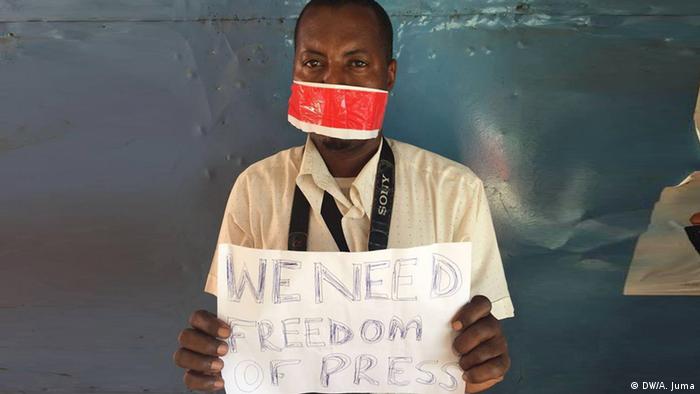
 On the occasion of World Press Day, the Syrian Network for Human Rights (SNHR) issued a report demanding the release of 422 citizen journalists in Syria, most of whom are detained by the Syrian regime, and are now threatened by the COVID-19 pandemic. The report notes that 707 citizen journalists have been killed since March 2011 to date, 78% of them by Syrian Regime forces. The 20-page report shows how the Syrian regime has been well aware of the danger posed by press freedom to its tyrannical rule for decades, abolishing all independent newspapers, and allowing only three official newspapers to be published, which are simply Syrian regime mouthpieces, dedicated to promoting, defending and justifying the regime’s actions. As the report further notes, it’s no exaggeration but simply a statement of fact to say that there is no such thing as a free press under the Syrian regime…..The report distributes the total death toll according to the main parties to the conflict, with the Syrian regime being responsible for the deaths of 551 citizen journalists, including five children, one woman, five foreign journalists, and 47 other citizen journalists due to torture in detention centers, while Russian forces were responsible for the deaths of 22 citizen journalists, and ISIS killed 64, including one child, two women, three foreign journalists, and three under torture. Hay’at Tahrir al Sham also killed eight, including two who died due to torture. Factions of the Armed Opposition were responsible for the deaths of 25 citizen journalists, including one child and three women.


 Hans Thoolen on Human Rights Defenders and their awards