Archive for the 'UN' Category

Recent events make that May 20 elections in Burundi should be postponed

May 18, 2020
IDN-InDepthNews

It is a matter of extreme urgency that Burundi’s presidential, legislative, and local elections, scheduled for May 20, be postponed. Admittedly, it’s the eleventh hour, but the contagion of violence, and the viral contagion of COVID-19, make rescheduling imperative. Three events of the past several days make an incontrovertible  argument:

  • On May 14, the United Nations Commission of Inquiry (COI) on Burundi—investigating alleged crimes against humanity committed by Burundian government forces since September 2016  —released an urgent statement in light of the “numerous acts of violence and human rights violations” occurring during the election campaign. The Commission made clear that accelerating violence and the “shrinking of democratic space” put the electoral process at serious risk.
  • On May 13, the Burundian government expelled the World Health Organization (WHO) team just as the pandemic inexorably spreads in Burundi. The government has done little to address the COVID-19 crisis. Massive campaign events are being held—making a mockery of physical distancing — in blatant defiance of WHO recommendations. And now the government, in a spasm of defensive irrationality, declares the WHO persona non grata.
  • And, on May 8, the Burundian government informed the East African Community that election monitors would be required to quarantine for 14 days, effectively preventing them from entering Burundi before the May 20 vote. The election will thus be held without any international monitoring to ensure that the vote is free and fair.

Pierre Nkurunziza, granted the title of “Supreme Guide of Patriotism,” heads an authoritarian regime. Nkurunziza, who is not standing for re-election, has chosen as his successor a man who is complicit in the alleged crimes against humanity now being investigated by the UN’s COI and the International Criminal Court. His name is Evariste Ndayishimiye, a retired army general who has served as minister of the interior and security. “Do not be afraid,” General Ndayishimiye said of COVID-19 during the campaign. “God loves Burundi, and if there are people who have tested positive, it is so that God may manifest his power in Burundi.”

New reports from Human Rights Watch and Amnesty International amply testify that the crisis in Burundi has been worsening as the election nears. Government forces are launching attacks against real and perceived regime opponents. The few remaining independent media outlets are being threatened and harassed. Human rights defenders have either fled the country or been intimidated into silence…………..

[see: https://humanrightsdefenders.blog/tag/burundi/]


https://www.indepthnews.net/index.php/the-world/africa/3544-burundi-threatens-to-deal-a-severe-blow-to-un-reputation


Brian Dooley to advice Mary Lawlor

May 13, 2020
Further to the announcement of Mary Lawlor as Special Rapporteur on HRDs [see: https://humanrightsdefenders.blog/2020/05/07/mary-lawlor-takes-up-post-as-un-special-rapporteur-for-human-rights-defenders/]. Human Rights First on 12 May 2020 proudly announced that Brian Dooley, its senior advisor on human rights movements and the risk of persecution and reprisal they face, will also serve as an advisor to Mary Lawlor. Dooley will advise the special rapporteur on a range of issues facing human rights defenders while continuing his work at Human Rights First.

We are incredibly proud Brian was chosen for such a distinguished and important role,” said Mike Breen, president and CEO of Human Rights First. “Brian has been critical to the success of numerous campaigns to support human rights defenders in Bahrain, Egypt and Hong Kong over the last ten years. He will be an asset to the UN Special Rapporteur’s team and his work will undoubtedly increase the visibility of the threats that human rights defenders face, and hopefully, lead to better protections for those doing the vital work of advancing human rights.”  For some of my older posts referring to Brian Dooley: https://humanrightsdefenders.blog/tag/brian-dooley/.

See also: https://en.wikipedia.org/wiki/Brian_J._Dooley

Corona pandemic leads to “tsunami of hate and xenophobia” says Guterres

May 8, 2020
Coronavirus Has Sparked 'Tsunami Of Hate And Xenophobia': UN Chief
UN chief Antonio Guterres appealed for “an all-out effort to end hate speech globally. (File photo)

Additionally, “journalists, whistleblowers, health professionals, aid workers and human rights defenders are being targeted simply for doing their jobs,” Guterres said. The UN chief … singled out educational institutions to help teach “digital literacy” to young people — whom he called “captive and potentially despairing audiences.” Guterres also called on “the media, especially social media companies, to do much more to flag and… remove racist, misogynist and other harmful content.”

See also: https://humanrightsdefenders.blog/2019/06/19/un-strategy-and-plan-of-action-on-hate-speech-launched/

https://www.ndtv.com/world-news/un-chief-antonio-guterres-says-coronavirus-covid-19-has-sparked-tsunami-of-hate-and-xenophobia-2225238

Other new UN Special Rapporteurs appointed in 2020

May 8, 2020

Having referred specially to the appointment of Mary Lawlor [https://humanrightsdefenders.blog/2020/05/07/mary-lawlor-takes-up-post-as-un-special-rapporteur-for-human-rights-defenders/ ], I should point out that the United Nations Human Rights Council appointed in March 12 new independent experts to its fact-finding and monitoring mechanisms. Currently, there are 56 mandates: 44 thematic ones and 12 mandates related to countries and territories, with a total of 80 human rights experts. The 8 May 2020 Media Guide explains who they are and how to contact them. For details go to: https://www.ohchr.org/EN/NewsEvents/Pages/DisplayNews.aspx?NewsID=25871

They are:

Ms. Claudia MAHLER (Austria) is the new Independent Expert on the enjoyment of all human rights by older persons. This mandate gained in importance with the Corona virus pandemic.

Mr. Balakrishnan RAJAGOPAL (United States of America) is the new Special Rapporteur on adequate housing as a component of the right to an adequate standard of living, and on the right to non-discrimination in this context.

Mr. Tomoya OBOKATA (Japan) is the new Special Rapporteur on contemporary forms of slavery, including its causes and its consequences.

Mr. Olivier DE SCHUTTER (Belgium) is the new Special Rapporteur on extreme poverty and human rights.

Ms. Alena DOUHAN (Belarus) is the new Special Rapporteur on the negative impact of unilateral coercive measures on the enjoyment of human rights.

Mr. Michael FAKHRI (Lebanon) is the new Special Rapporteur on the right to food

Mr. José Francisco CALÍ TZAY (Guatemala) is the new Special Rapporteur on the rights of indigenous peoples.

Ms. Mama Fatima SINGHATEH (Gambia) is the new Special Rapporteur on the sale and sexual exploitation of children.

Ms. Mary LAWLOR (Ireland) is the new Special Rapporteur on the situation of human rights defenders.

Mr. Thomas H. ANDREWS (United States of America) is the new Special Rapporteur on the situation of human rights in Myanmar.

Ms. Isha DYFAN (Sierra Leone) is the new Independent Expert on the situation of human rights in Somalia.


Mary Lawlor takes up post as UN special rapporteur for human rights defenders

May 7, 2020

Mary Lawlor

Mary Lawlor

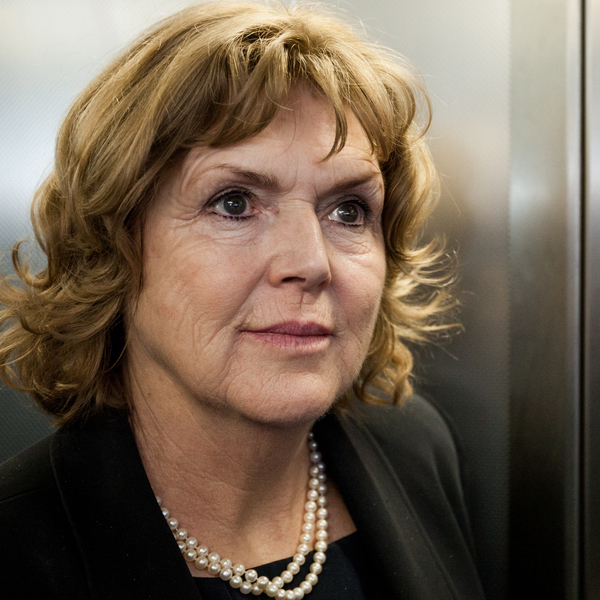
Mary Lawlor takes up her post as UN special rapporteur for human rights defenders, reportes the Irish Legal on 6 May 2020 [see also: https://humanrightsdefenders.blog/2020/03/16/good-breaking-news-mary-lawlor-the-new-un-special-rapporteur-for-human-rights-defenders/].  In spite of all the (sometimes understandable) criticism of the UN and its procedures, I would like to put on record that in my view the UN has made excellent appointments when it comes the big majority of special rapporteurs and espescially with regard to this mandate for human rights defenders which originated in 2000.

Mary Lawlor

Ms Lawlor has decades of experience in human rights, having helped to grow Irish-based NGOs as a previous director of Amnesty International in Ireland and a founder of Front Line Defenders (FLD). She led FLD from 2001 until her retirement in 2016, overseeing its growth to become a global organisation providing resources for the protection and security of human rights defenders (HRDs) at risk. Ms Lawlor helped spearhead civil society efforts to bring the EU Guidelines on Human Rights Defenders into effect and became a recognised leader in focusing on attention on the unique protection needs of HRDs. Congratulating Ms Lawlor on her appointment, Tánaiste and Foreign Affairs Minister Simon Coveney said: “Mary has been a tireless advocate for human rights for over 40 years both in Ireland and overseas. “This appointment is deserving recognition of her work and that of the organisation she founded – Front Line Defenders – supporting human rights defenders at risk around the world.


https://www.irishlegal.com/article/mary-lawlor-takes-up-post-as-un-special-rapporteur-for-human-rights-defenders

Coronavirus and human rights: New guidance highlights support for persons with disabilities

May 2, 2020
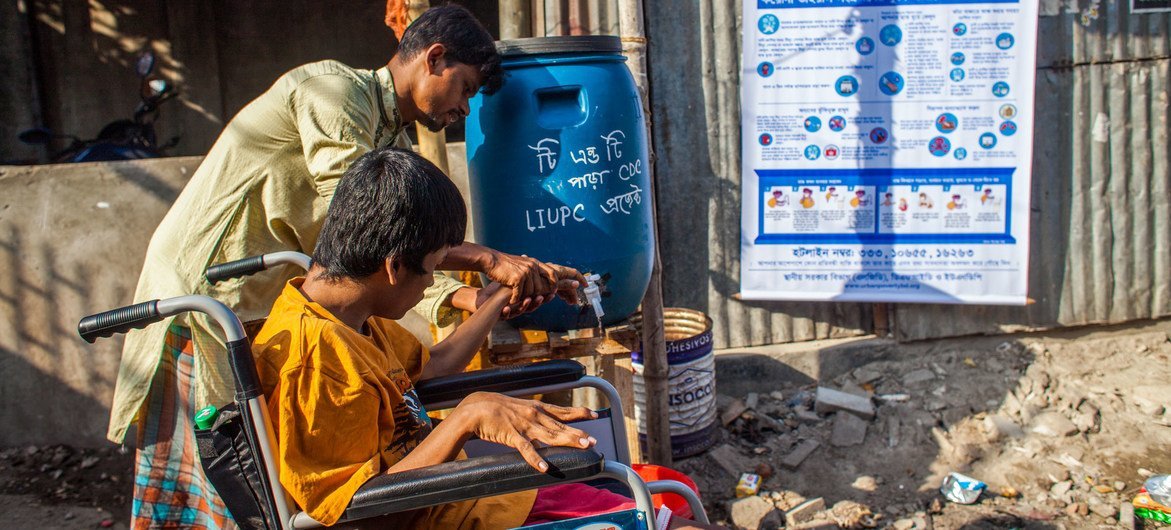
UNDP Bangladesh/Fahad Kaizer – In Bangladesh, the UN Development Programme and partners have rolled out emergency support to vulnerable communities.

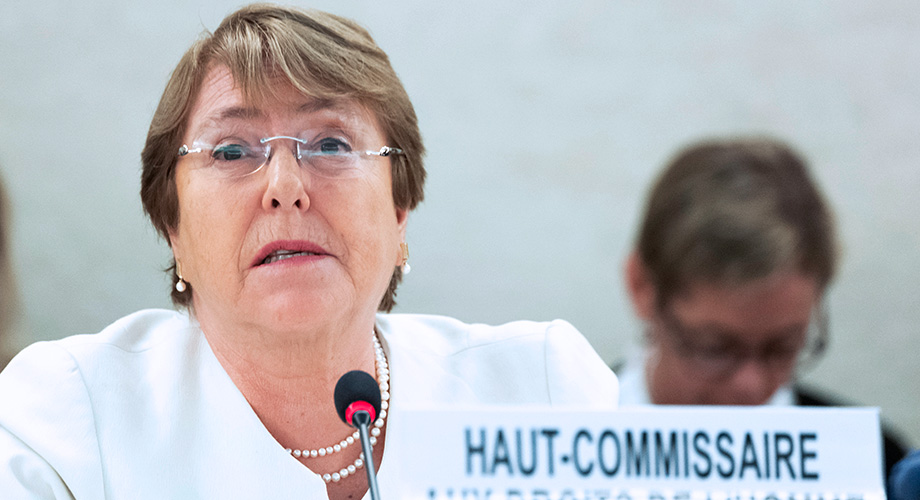
New guidance issued on 30 April 2020 sets out key actions, to counter what the UN High Commissioner for Human Rights has called the “double risk” faced by persons with disabilities in the COVID-19 pandemic. As Michelle Bachelet explained, not only are people with disabilities at higher risk because of the crisis, they also are disproportionately affected by response measures such as lockdowns. “People with disabilities are in danger in their own homes, where access to day-to-day support and services may be limited due to lockdowns, and some may suffer greatly from being isolated or confined”, she said. “Persons with disabilities face even greater threats in institutions, as care facilities have recorded high fatality rates from COVID-19 and horrific reports have emerged of neglect during the pandemic.”

The UN rights chief added that making information about the virus available in accessible formats is vital. She also expressed concern over discrimination and stigma at this unprecedented time. “I have been deeply disturbed by reports that the lives of persons with disabilities may somehow be given different weight than others during this pandemic”, she said. “Medical decisions need to be based on individualized clinical assessments and medical need, and not on age or other characteristics such as disability.”

The guidance note published by the UN human rights office outlines steps governments and stakeholders can take during the pandemic. They range from discharging persons with disabilities from institutions, to increasing existing disability benefits, and removing barriers to COVID-19 treatment. Prioritizing testing and promoting preventive measures within institutions to reduce infection risk are other recommendations. Additionally, the guidance spotlights promising practices already in place in some countries. For example, in Switzerland and Spain, some persons with disabilities living in institutions were moved out to be at home with their families, while authorities in Canada have issued priority COVID-19 testing guidelines with specific measures for these settings.

https://news.un.org/en/story/2020/04/1062912

UN High Commissioner for Human Rights Bachelet calls for restraint in governments’ COVID emergency powers

April 29, 2020

UN rights chief calls for restraint in governments’ COVID-19 emergency powers

photo credit: UN

During the ongoing pandemic, the exercise of emergency powers has been used as an excuse for unlawful detention, restriction of movement and suppression of press freedoms, according to Bachelet. The International Press Institute (IPI), a press freedoms watchdog, reports that many nations have silenced journalists under the pretext of stifling “fake news.” The IPI maintains a list of international media freedom violations occurring as a result of emergency powers abuses.

In Cambodia the application of emergency powers in response to the COVID-19 pandemic have resulted in the unlawful detention of those who disobey the emergency measures for up to 10 years in a move Amnesty International called “a naked power grab which seeks to manipulate the COVID-19 crisis in order to severely undercut human rights.” Further human rights abuses are reported from El Salvador, where grocery shoppers were unlawfully detained when President Nayib Bukele defied a Supreme Court order in their defense. In Central Asia, Amnesty International reports massive expansion of police powers through emergency powers granted during the pandemic.

To guide responsible enacting of emergency powers, the UN has released a new set of policy guidelines that advise states to follow principles such as legality, proportionality and non-discrimination during “humane application of emergency powers,” pursuant to the International Covenant on Human Rights. See also: https://humanrightsdefenders.blog/2020/04/14/un-guidelines-for-use-of-emergency-powers-in-time-of-covid-19-pandemic/.

Given the exceptional nature of the crisis, it is clear States need additional powers to cope,” Bachelet’s statement concluded. “However, if the rule of law is not upheld, then the public health emergency risks becoming a human rights disaster, with negative effects that will long outlast the pandemic itself.”


UN Rapporteurs concerned about detention of Miyan Abdul Qayoom of Kashmir Bar Association

April 28, 2020

Qayoom, who is also a human rights lawyer, was arrested on the night of 4 and 5 August during the clamp down. Qayoom was accused of being a “most staunch advocate of secessionist ideology”. [see also: https://humanrightsdefenders.blog/2020/02/09/forgotten-kashmir-something-has-to-be-done/]

Dated 27 February 2020, the UN has released the letter after 2 months. Qayoom was moved to Agra Central Jail, Uttar Pradesh, on 8 August and was kept in solitary confinement, as per the letter, adding that he is suffering from multiple health issues — including a scheduled open heart surgery at the time of his detention. On 29 January, the letter states, Qayoom suffered a heart attack. Next day, he was taken back to the jail’s dispensary. On 1 February 2020, he was transferred from Agra Central Jail to the All India Institute of Medical Science (AIIMS) in New Delhi, for a medical check-up. “He was then transferred to Tihar Jail, New Delhi,” the letter added.

The Special Rapporteurs also claimed in the letter that Qayoom is being denied “the right to a fair trial… and the right of everyone to hold opinions and to freedom of expression.”

We also express concern that Mr. Qayoom’s deprivation of liberty appears to be a reprisal for his opinions, the legitimate and peaceful exercise of his freedom to express them and his human rights work,” the letter added, citing various previous cases and relevant articles of ICCPR that entitles anyone who is deprived of liberty by arrest or detention to take proceedings before a court. “Arrest or detention as punishment for the legitimate exercise of other rights, as guaranteed by the ICCPR, is arbitrary, including the right to freedom of opinion and expression,” it mentioned.

The Special Rapporteurs stated:

“Please provide detailed information about the factual and legal grounds for the arrest and detention of Mr. Qayoom, including the charges brought against him. Please explain how his arrest and continued detention are in conformity with India’s international human rights obligations under the conventions it has acceded to.

Please provide detailed information on the treatment by the court of the habeas corpus petition initiated by Mr. Qayoom. Please explain how the absence of a decision on his petition more than six months after it was made is compatible with the requirement that the lawfulness of his detention’s petitioner is adjudicated as expeditiously as possible, and with India’s obligations under ICCPR.

Please provide detailed information on the present medical situation of Mr. Qayoom and explain how his medical concerns have been duly taken into account and addressed since he was arrested and placed in detention. Please explain what measures are being taken to ensure Mr. Qayoom’s access to appropriate medical care on a reliable and regular basis.

Please indicate what measures have been taken to ensure that human rights defenders in India are able to carry out their legitimate work in a safe and enabling environment without fear of threats or acts of intimidation and harassment of any sort.

Please provide detailed information, included disaggregated data to the extent possible, as to the number of persons from Jammu and Kashmir who have been detained under the Public Security Act since August 2019.”

https://thekashmirwalla.com/2020/04/un-special-rapporteurs-express-concern-over-detention-of-bar-president-mian-qayoom/

Land rights defenders are the main target of those destroying the environment

April 24, 2020

The world has come together in the fight against a common enemy in COVID-19; a force so strong that it has knocked economies to the ground, turned our daily lives upside down and made us reflect on what really matters. Yet amidst the world’s lockdown, there are land grabbers and investors looking to take advantage of the situation. For them, there is no better time to strike than now.

This Earth Day, more than any other, it’s time to shine a spotlight on the everyday guardians of our planet, land and environment defenders, who stand at the front line to defend their land and territories from corporate or state abuse and unsustainable exploitation.  They protect lands, forests and water sources, which provide their communities with good and healthy food, shelter and medicine.

By protecting such resources for the common good, they find themselves directly in the way of others who want to profit from these natural resources. If their lives were at risk before, this global pandemic has only exasperated an already difficult situation. When a community goes into lockdown, defenders not only become easier to target, they lose their right to protection and the world’s attention and that of the media, is elsewhere.
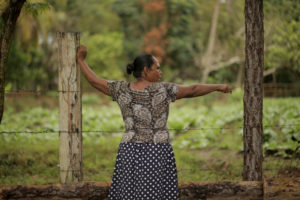
A Miskito woman in Nicaragua. Photo: Jason Taylor/ILC.

Defending land, ecosystems, and Indigenous rights has always come with immense risks.

More than three people were murdered each week in 2019 for defending their land and environment. Countless more were attacked or threatened. Only a year ago, the United Nations Human Rights Council adopted a landmark resolution, recognizing the importance of environmental human rights defenders and urging States to ensure their protection. Yet, as governments call states of emergencies and enforce new containment measures, even where national protection mechanisms for defenders exist, they are rendered futile.

Even worse, lockdowns are being used by irresponsible companies to further suppress defenders and by governments to give industries a free pass.

We saw evidence of this as the first cities in Colombia went into lockdown and three social activists were killed. Marco Rivadeneira, a high-profile activist, was murdered in the southern Putumayo province, Ángel Ovidio Quintero was shot dead in the western Antioquia region, and Ivo Humberto Bracamonte was killed on the eastern border with Venezuela. These follow more than six hundred murders of social activists in Colombia since the Peace Accords were signed.

While in Indonesia, two local land defenders have been killed and four arrested in connection with land disputes in Sumatra and Borneo, as mining and palm oil operations in rural areas continue on with business as usual and activists are told to stay home.

In Brazil, the country’s environment agency is withdrawing its enforcement staff because of the risk of contracting the virus. This move coincides with a 70 percent increase in deforestation compared to 2019. Many fear that loggers and land grabbers will take advantage of the lax policing, hoping for impunity. We are observing the same trend in other countries, all over the world.

The increased vulnerability of these defenders is palpable, and what’s happening, alarming. We must ask ourselves how we can ensure and promote their safetyUN Human Rights Experts have expressed grave concern on “the rise of reports of killings and other instances of excessive use of force targeting in particular people living in vulnerable situations”.  Amnesty International has issued a series of recommendations to states in the Americas to ensure that their responses to COVID-19 are in line with their international human rights obligations.

In addition to appealing to States to maintain and reinforce their promises and protection schemes, there are some urgent steps that we need to take.

Develop an urgent real-time alert system for crisis situations to help people in danger. Where data is available, 80 percent of killings are preceded by a non-lethal attack or a threat on the affiliated group or community.  So while environmental human rights defenders receive daily death threats, usually a sign for what’s to come, who will hear their cries for help?

A group of organizations belonging to the Defending Land and Environmental Defenders Coalition – among them, the Business and Human Rights Resource Centre, Frontline Defenders, Global Witness, the World Resources Institute and the International Land Coalition – are systematically monitoring COVID-related incidents in order to identify trends. Cases can be securely collected beginning Friday via LANDex, a global monitoring system dedicated to democratizing land data.

Particularly vulnerable are many of the world’s 320 million Indigenous peoples, whose territories are often rich in natural resources. Despite protecting more than 50% of the world’s land surface, they have formally recognized ownership over just 10%, which leaves them especially exposed. Governments and corporations should heedcalls for a moratorium on external activities in Indigenous territories without their express consent.

Beyond urgent measures, building longer-term resilience for these communities is essential so that they are not as vulnerable to increased harassment, threats, criminalization and eventually, killings. Secure land rights for local communities gives greater control over their own territories, and provides them with legal recourse when faced with harassment and attacks.

On this Earth Day, as we look forward to re-building a more sustainable world, we cannot forget those who have dedicated their entire lives – putting themselves and their families at risk – to do just that.

See also: https://humanrightsdefenders.blog/2020/01/14/front-line-defenders-global-analysis-2019-is-out-304-hrds-killed/

Land and environmental defenders are sitting ducks, while world goes into lockdown

Joint NGO statement on civil and political rights at First Virtual Informal Dialogue with the UN High Commissioner for Human Rights on COVID-19

April 15, 2020

In the context of policy response by Human Rights NGOs to COVID-19 this joint statement should not be missing: On 9 April 2020 Reliefweb published the Joint NGO statement on civil and political rights at First Virtual Informal Dialogue with the UN High Commissioner for Human Rights on COVID-19

This joint statement on the protection of civil and political rights in the context of the COVID-19 crisis was delivered on behalf of 33 non-governmental organizations (NGOs) during the first virtual informal briefing with the UN High Commissioner for Human Rights on 9 April 2020. It was delivered in conjunction with a separate joint statement on economic, social and cultural rights (IOR 40/2124/2020).

See also: https://humanrightsdefenders.blog/2020/04/14/un-guidelines-for-use-of-emergency-powers-in-time-of-covid-19-pandemic/