Archive for the 'organisations' Category

Human rights lawyer Gao Zhisheng and the practice of enforced disappearances: joint letter

September 5, 2023

We, the undersigned organizations, call on the Chinese authorities to immediately and unconditionally release prominent human rights lawyer Gao Zhisheng ahead of the sixth anniversary of his disappearance on August 13. 

And as we near “The International Day of the Disappeared” on August 30, we also condemn the Chinese government’s use of enforced disappearances as a tactic to silence and control activists, religious practitioners, Uyghurs and Tibetans, and even high-profile celebrities, entrepreneurs, and government officials. [see also: https://humanrightsdefenders.blog/2022/08/31/enforced-disappearances-in-china/]

Gao Zhisheng was one of the first human rights lawyers to emerge in the early 2000s and he became an important leader of China’s rights defense movement. He took on cases to help migrant workers and defend spiritual practitioners, including Falun Gong adherents and Christians. Gao wrote open letters to China’s top political leadership to call attention to the plight of Falun Gong practitioners and the abuse he had suffered while defending them. 

In 2006, Gao was sentenced to three years in prison on the charge of “inciting subversion of state power,” and after being released on parole, he was repeatedly disappeared for extended periods and tortured by police between 2007 and 2011. In December 2011, state media reported that Gao had been imprisoned in the Uyghur region to serve out his sentence after violating terms of his parole. He was then released in 2014 but remained under house arrest.

Gao’s relatives in China, as well as fellow rights lawyers and activists, who previously remained in contact with him, have not heard from him since August 13, 2017. Ever since then, Chinese authorities have, implausibly, claimed that Gao is not under any “criminal coercive measures.”   

Over the past six years, Gao has effectively remained in a state of enforced disappearance. 

Gao Zhisheng’s wife, Geng He, although living in the United States, has continued to advocate for him, pleading with the Chinese government to allow the world to “see him if he’s alive, or see his corpse if he’s dead”. Most recently, she has demanded that he be put on trial if he is guilty, and at the very least, that his lawyers should be allowed to meet with him and family members should have videoconferences. 

However, the Chinese government has not provided Geng He with even this minimum amount of information. 

On several occasions United Nations bodies and human rights experts have sought information about Gao Zhisheng’s status, but the Chinese government has refused to clarify his situation. Most recently, in 2020, the Chinese government responded to a letter from six UN Special Rapporteurs by claiming that, “In August 2014 Mr. Gao was released, having served his sentence. Since his release, the public security authorities have not taken any coercive measures against him.”

Gao Zhisheng’s case has been treated under the humanitarian mandate of the UN Working Group on Enforced or Involuntary Disappearances (case no. 10002630). The UN Working Group on Arbitrary Detention had also previously issued an opinion in 2010 stating that Gao’s detention was arbitrary under international law and calling for his immediate release, but Gao has remained under control of the authorities ever since.

Enforced disappearances of other human rights defenders

While Gao Zhisheng’s case is arguably the most famous and well-documented case of prolonged enforced disappearance in blatant violation of international law, there are several other noteworthy cases: 

Former human rights lawyer Yu Wensheng and his wife Xu Yan were detained in April 2023 as they were taking the subway to attend an event at the European Delegation in Beijing. They have been arrested and charged with “inciting subversion of state power,” but authorities have prevented lawyers from visiting them, and their 18-year-old son is under “house arrest.”  See also: https://humanrightsdefenders.blog/tag/yu-wensheng/

Human rights activist Jia Pin has been missing since September 24, 2022. He was last known to have been traveling to Beihai City in Guangxi. His friends do not know where he is, although some speculate that he may have been taken away by Henan provincial police.

Protester Peng Lifa, was taken away by authorities on October 13, 2022 after engaging in a one-man protest on the Sitong Bridge in Haidian District in Beijing against China’s stringent COVID measures and against the rule of Xi Jinping. There have been no reports about where Peng Lifa is being held.

Jiangsu-based human rights defender Tao Hong has been a victim of enforced disappearance since September 9, 2022, after she signed a open petition showing concern for the death of Mao Lihui, a petitioner who police claimed died via self-immolation while detained in a hotel. Before being detained, Tao Hong told friends on WeChat that she “absolutely wouldn’t commit suicide” – as a pre-emptive warning not to believe authorities should she mysteriously turn up dead.

Journalist Yang Zewei, who goes by the pen name Qiao Xinxin, was presumably taken away in Laos on May 31 by what is believed to have been a joint Chinese and Laotian policing effort. Earlier in the year he had launched a campaign to urge for the dismantling of the Great Firewall, an action he labeled as the #BanGFW movement. Before being detained Yang had tweeted that authorities were harassing his relatives in his hometown, and he also declared that he would not commit suicide in detention. On August 8 it was confirmed that he had been returned to China and was being held at the Hengyang Detention Center in Hunan.

Falun Gong practitioners Chen Yang (陈阳) and Cao Zhimin from Hunan province have been held incommunicado since October 2020, after being detained when studying spiritual scriptures with fellow believers. Yang had previously been jailed for four years for his activism and Cao had been held with her five-year-old daughter at an extralegal detention facility in 2010. According to the couple’s daughter, now a teenager studying in the United States, relatives in China have been unable to meet with them since their detention and lawyers hired were stopped from representing the couple. They are believed to have been sentenced to prison in November 2022, but the length of sentence remains unknown, no formal notification was sent to the family, and no news is available on their condition in custody. 

Enforced disappearances of Uyghurs and Tibetans

The Chinese Communist Party, composed solely of Han Chinese officials at the highest levels of decision making, continues to use systemic enforced disappearances of non-Han groups to control, intimidate, and silence them. See: https://humanrightsdefenders.blog/2023/08/18/un-experts-demand-detailed-information-on-nine-tibetan-environment-defenders/

In the Xinjiang Uyghur Autonomous Region (XUAR), also known as the Uyghur region or East Turkistan by Uyghurs, there likely remain hundreds of thousands of Uyghurs who are subjected to arbitrary detention and enforced disappearance through the legal system. In 2022, the Xinjiang High People’s Procuratorate, stated that 540,826 people had been prosecuted in the region since 2017. In November 2022, the UN Committee on the Elimination of Racial Discrimination (CERD) urged China to “immediately release all individuals arbitrarily detained in the XUAR, and to provide relatives of those detained or disappeared with detailed information about their status and well-being.”

As the UN Office of the High Commissioner for Human Rights (OHCHR) has noted, there is almost no public data about the criminal justice system in the region since 2020 and the government has not made public criminal verdicts or provided relevant information to the OHCHR. Furthermore, as a UN Working Group on Arbitrary Detention (WGAD) opinion noted in a 2022 decision finding that three Uyghurs – Qurban Mamut, Ekpar Asat and Gulshan Abbas – had been arbitrarily detained and were victims of enforced disappearance, no verdicts were ever made public and the Chinese government did not respond to the UN with any information regarding the proceedings, “it is unclear if they have indeed stood trial at all.”  In another case from 2022, the WGAD issued an opinion that found that Abdurashid Tohti, Tajigul Qadir, Ametjan Abdurashid and Mohamed Ali Abdurashid had been arbitrarily detained. The Chinese government refused to provide any information about the detention and or of any legal proceedings against them, and the WGAD was “disturbed at the total secrecy which appears to surround the fate and whereabouts” of the four people.

In Tibet, the Panchen Lama, Gedhun Choekyi Nyima, has been missing since May 17, 1995.  In 2022, UN human rights experts have raised their concerns regarding the arrest, detention and subsequent enforced disappearance of Tibetan writer Mr. Lobsang Lhundup (pen name of Dhi Lhaden), musician Mr. Lhundrup Drakpa, and teacher Ms. Rinchen Kyi, in connection with their cultural activities advocating for Tibetan language and culture. Dhi Lhaden and Rinchen Kyi were subsequently released.

On August 10, UN experts urged Chinese authorities to provide clarification on the situation regarding nine imprisoned Tibetan environmental human rights defenders, including information about why they were imprisoned, where they were detained, and their current health conditions. The nine defenders are Anya Sengdra, Dorjee Daktal, Kelsang Choklang, Dhongye, Rinchen Namdol, Tsultrim Gonpo, Jangchup Ngodup, Sogru Abhu and Namesy. 

Disappearances as a form of governance [see also: https://humanrightsdefenders.blog/2022/08/31/enforced-disappearances-in-china/]

Even powerful and famous people in China are not immune to becoming victims of disappearances: 

..

More broadly, the Chinese authorities appeared to have increasingly adopted disappearances as a form of governance. In 2012, the government amended the Criminal Procedure Law to allow for the police to hold suspects in non-detention facilities for up to six months, depriving those investigated for national security crimes of access to lawyers, family members, or other detainees – a practice known as “residential surveillance in a designated location” (RSDL). The government continues to use RSDL, despite numerous UN independent experts urging its abolition because it is a form of secret detention and enforced disappearance, and therefore incompatible with China’s human rights obligations and despite countless cases of torture and other ill-treatment occurring in RSDL having been exposed. 

In 2018, the National Supervision Law created a “retention in custody” (or liuzhi) system to subject Chinese Communist Party members and public employees to incommunicado detention for up to six months for disciplinary infractions and alleged dereliction of duty, including, but not limited to, corruption. The system is run by a non-judicial, non-law enforcement body, the National Supervision Commission (NSC) and precedes formal detention and arrest. 

As humanity approaches the 75th anniversary of the Universal Declaration of Human Rights (UDHR), we urge the Chinese government to take seriously the fundamental principles of human rights enshrined in the UDHR.

Unconditionally and immediately free Gao Zhisheng, and all others who are victims of enforced disappearance, and pending that release, allow for Geng He and other family members as well as Gao Zhisheng’s lawyers to communicate with him through in-person visits and/or videoconferencing.

Provide other relatives of those detained or disappeared with detailed information about their status and well-being.

End the practice of enforced disappearance, which gravely impacts some of the core rights articulated in the UDHR, such as the right not to be subjected to torture, the right not to be subjected to arbitrary arrest or detention, and even the right to life. 

Abolish RSDL (Articles 72-75 of the Criminal Procedure Law) and liuzhi (Article 22 of the National Supervision Law), and any other laws and regulations providing for practices tantamount to enforced disappearance.

Cosigned by, in alphabetical order:

ARTICLE 19

Campaign For Uyghurs

China Aid

China Against the Death Penalty (CADP)

Chinese Human Rights Defenders (CHRD)

Christian Solidarity Worldwide (CSW)

Committee for Freedom in Hong Kong Foundation

Dialogue China

European Criminal Bar Association 

FIDH – International Federation for Human Rights

Freedom House

Friends of Falun Gong (FoFG)

Front Line Defenders

Hans Gaasbeek, Coordinator of the Foundation Day of the Endangered Lawyer

Human Rights in China (HRIC)

Human Rights Now

Humanitarian China

International Association of People’s Lawyers (IAPL) Monitoring Committee on Attacks on Lawyers

International Observatory for Lawyers in Danger (OIAD) 

International Service for Human Rights (ISHR)

Judicial Reform Foundation

Lawyers’ Rights Watch Canada 

New School for Democracy Association

PEN America

PEN International

Safeguard Defenders

Symone Gaasbeek-Wielinga, President of the Dutch League for Human Rights

Taipei Bar Association Human Rights Committee 

Taiwan Bar Association Human Rights Protection Committee

Taiwan Support China Human Rights Lawyers Network

Tencho Gyatso, President of The International Campaign for Tibet 

Tibetan Centre for Human Rights and Democracy 

The Rights Practice

The World Uyghur Congress (WUC)

Uyghur Human Rights Project (UHRP)
https://www.frontlinedefenders.org/en/statement-report/release-human-rights-lawyer-gao-zhisheng-and-end-practice-enforced-disappearances

International Day for the Disappeared observed in Beirut by Amnesty

September 4, 2023
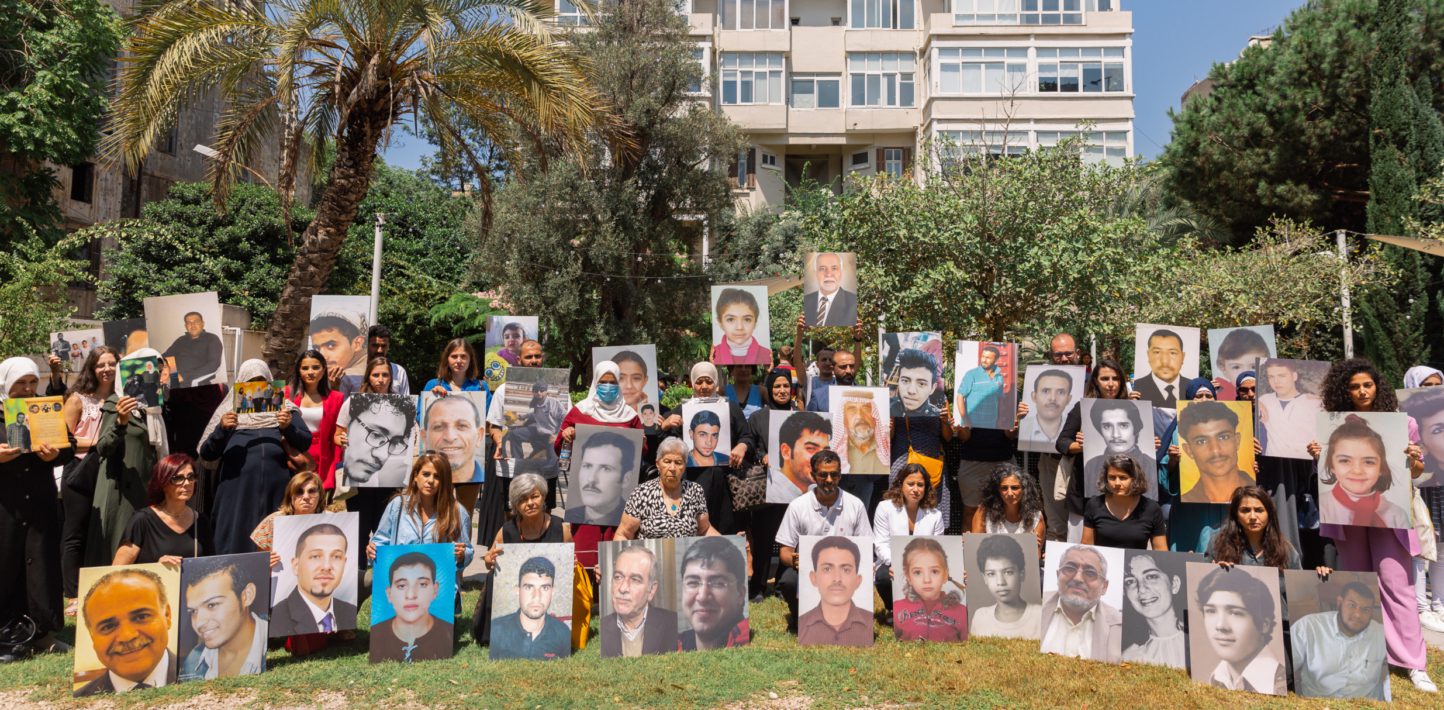
Family members of people who have been forcibly disappeared in the Middle East gather outside venue marking day of the disappeared in Beirut holding photos of their missing loved ones.

On 30 August 2023, Amnesty International reported on that Representatives of the families of people forcibly disappeared in Iraq, Lebanon, Syria and Yemen gathered in Beirut to demand that their governments uphold their rights to truth, justice and reparation, during an event organized by AI to mark the International Day of the Victims of Enforced Disappearances.    

Across the Middle East, both state authorities and non-state actors, such as armed opposition groups, abduct and disappear people as a way to crush dissent, cement their power, and spread terror within societies, largely with impunity.   

While most governments in the region have not yet investigated disappearances nor provided accurate numbers of those missing or disappeared, civil society organizations and UN bodies have published estimated numbers of people abducted and disappeared in each country. These numbers in Iraq, Lebanon, Syria and Yemen, when multiplied by a conservative estimate of the total years these individuals have been missing, suggest that families have spent more than a million years waiting for answers – an agonizing length of time.  

In the face of their governments’ apathy and complicity for the crime of enforced disappearances, the families of the disappeared across the Middle East have led the charge, year after year, in demanding their right to know what happened to their loved ones and to get justice and reparation – often at great personal risk,” said Aya Majzoub, Amnesty International’s Deputy Director for the Middle East and North Africa.   

“Today we honour their perseverance and add our voice to theirs in calling for authorities to take real action to investigate these crimes, hold those suspected of criminal responsibility accountable and ensure these crimes are not committed again.”  

Iraq  

In Iraq, the UN estimates that between 250,000 to 1,000,000 individuals have been disappeared since 1968 – making it one of the countries with the highest number of disappearances in the world. Disappearances are still being carried out today at hands of militias affiliated with the government. Consecutive Iraqi governments have repeatedly failed to take meaningful steps to investigate disappearances or hold those suspected of criminal responsibility to account. Widad Shammari from Iraqi organization Al Haq Foundation for Human Rights, whose son has been missing since 2006, said: “I was a single protester until I met many others who shared my struggle, and we formed a strong coalition who fights for the truth for all the disappeared in the Arab region, not just Iraq.”  

Lebanon    

In Lebanon, the official estimate of those abducted or missing as a result of the 1975-1990 civil war is 17,415. Every year, on 13 April – the anniversary of the start of the Lebanese Civil War – the families of the missing and disappeared gather to mark the beginning of the conflict, repeating the mantra, “Let it be remembered, not repeated.”   

The Lebanese authorities granted amnesty to the perpetrators of crimes that occurred during the civil war, but after years of campaigning, in 2018, the families of the disappeared successfully pressured the government to acknowledge the disappearances that took place. The government also passed a law that established the National Commission for the Missing and Forcibly Disappeared with a mandate to investigate individual cases, locate and exhume mass graves and enable a tracing process.   

However, Wadad Halawani, whose husband was kidnapped in 1982 and who leads the Committee of the Kidnapped and Missing in Lebanon said: “Today, we raise our voice and shout out loud. The National Commission for the Missing and Forcibly Disappeared is 3 years old already. Only two years remain in its mandate. The Commission established a clear strategy for its work, but it cannot carry on without the needed financial and logistical support. The government must provide it with all the needed resources immediately.” 

Syria  

Since 2011, the Syrian authorities have forcibly disappeared tens of thousands of its actual or perceived opponents, including political activists, protestors, human rights defenders, journalists, lawyers, doctors, and humanitarian aid workers, as part of a widespread and systematic attack against the civilian population that amounts to crimes against humanity. Thousands have also gone missing after being detained by armed opposition groups and the so-called Islamic State. Given the Syrian government’s role in orchestrating the campaign of enforced disappearances, there has been total impunity for these crimes in Syria. The families have therefore resorted to international justice mechanisms.  

In a momentous victory for the families, on 29 June 2023, the UN General Assembly voted to establish an international institution dedicated to shedding light on the fate and whereabouts of those missing and disappeared since the start of the armed conflict in Syria.  

Fadwa Mahmoud from Families for Freedom, whose husband and son were disappeared in Syria in 2012 said: “We had big dreams in 2011. But we paid a very heavy price. My husband and son have been disappeared since September 2012… We faced our fears and raised our voice until it reached the United Nations …this [institution] is the product of our labour as the families of the detained…and this is its strength. We are demanding that we have an instrumental role in the institution.”

My husband and son have been disappeared since September 2012… We faced our fears and raised our voice until it reached the United Nations …this [institution] is the product of our labour as the families of the detained…and this is its strength.Fadwa Mahmoud from Families for Freedom, whose husband and son were disappeared in Syria in 2012

Yemen  

In Yemen, human rights organizations have documented 1,547  cases of disappeared and missing people since 2015. All parties to the conflict, including the Huthi de facto authorities and the internationally recognized government forces, are still committing these crimes with impunity at a time when the world’s attention has turned away. Since the Human Rights Council voted in 2021 to end the mandate of the Group of Eminent Experts, following heavy lobbying from Saudi Arabia, efforts to hold all those suspected of criminal responsibility accountable in fair trials and realize victims’ rights to reparations have stalled.   

The Abductees’ Mothers Association in Yemen said: “We were harassed and threatened and beaten-up during demonstrations, but we will not give up and we are determined at ensuring some progress every step of the way. We are not mothers of our own disappeared family members only; we consider ourselves mothers of every single disappeared person in the region and we will continue our fight for the truth for all of them.

See also: https://humanrightsdefenders.blog/2022/09/14/portraits-of-disappeared-defenders-paraded-in-bangkok/

https://www.amnesty.org/en/latest/campaigns/

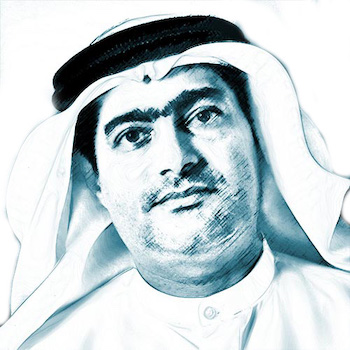
19 NGOs Call on US to Press the UAE to Release Ahmed Mansoor ahead of COP 28

September 1, 2023

On August 29, 2023, Amnesty International USA, Human Rights Watch, Project on Middle East Democracy (POMED) and 16 additional civil society organizations delivered an open letter urging U.S. Secretary of State Antony Blinken to encourage the United Arab Emirates (UAE) government to immediately and unconditionally release Emirati human rights defender Ahmed Mansoor ahead of the 28th Conference of Parties of the United Nations Framework Convention on Climate Change (COP28) that will take place from November 30 to December 12, 2023. [for more on UAE: see https://humanrightsdefenders.blog/tag/ahmed-mansoor/]

In the letter, the organizations urged Secretary Blinken to call on the UAE government to immediately and unconditionally release Ahmed Mansoor and other jailed human rights defenders and peaceful critics both privately and publicly at the highest levels. The organizations also called on the Secretary to signal deep concern about Mansoor’s well-being and request permission to visit him in prison as soon as possible.

“With the world’s attention on Dubai, the US government should deliver on this administration’s promise to center human rights in its foreign policy and press the Emirati authorities to finally release Ahmed Mansoor,” said Elizabeth Rghebi, Advocacy Director for the Middle East and North Africa, “As a participant in COP28, the US government can demand the UAE demonstrate through this high profile release its commitment to the human rights principles required for healthy civic space at this upcoming global gathering.”

Governments have an obligation to protect the civic space for protest, in particular guaranteeing the rights to freedom of peaceful assembly and freedom of expression. Subjecting human rights defenders and critics to unlawful use of force, arbitrary detention, unfair trials, and abusive detention conditions violate these and other rights. The US government should work to uphold its obligations both at home and when engaging diplomatic partners.

Mansoor was arrested by Emirati authorities in March 2017 for “spreading false news” to “harm the reputation of the state.” All the charges on which he was convicted were based solely on his human rights advocacy, including using email and WhatsApp to communicate with human rights organizations. Following more than a year in isolation in pre-trial detention and a grossly unfair trial, an Emirati state security court sentenced Mansoor to 10 years in prison. Mansoor is a laureate of the MEA [see: https://www.trueheroesfilms.org/thedigest/laureates/074ACCD4-A327-4A21-B056-440C4C378A1A]

Throughout his imprisonment, Mansoor has been subjected to treatment that violates the prohibition against torture and other cruel, inhuman, or degrading treatment, including being held in solitary confinement without access to reading materials, television, or radio. Since December 2017, he has been denied eyeglasses, most personal hygiene items and, at least until recently, a bed or mattress in his cell.

https://www.amnestyusa.org/press-releases/19-organizations-call-on-us-administration-to-press-uae-on-release-of-ahmed-mansoor/

https://www.hrw.org/news/2023/08/30/cop28-us-should-press-uae-activists-release

Russia closes now also the Sakharov Center

August 29, 2023

After the closing of Memorial [see https://humanrightsdefenders.blog/2021/12/29/russias-supreme-court-orders-closure-emblematic-memorial/], Deutsche Welle reported on 18 August 2023 that it was now the turn of the Sakharov Centre, the organization, dedicated to Nobel Peace Prize winning rights activist Andrei Sakharov [https://www.trueheroesfilms.org/thedigest/laureates/B3C93212-FADC-4C30-B82A-3E5F2716F1D6] which was accused of illegally hosting conferences and exhibitions. It was created in Moscow almost three decades ago.

The closure of the human rights group is seen as part of the Kremlin’s campaign to crack down on liberal-leaning organizations that challenge official narratives, including those about Moscow’s military campaign in Ukraine.

Moscow City Court said in a statement that it had decided to liquidate the Sakharov Center at the request of the Justice Ministry for illegally hosting conferences and exhibitions.

Since its creation in 1996, the group has hosted hundreds of debates, exhibitions and other events. In 2015, thousands of people gathered there to pay their last respects to opposition politician Boris Nemtsov, who was murdered near the Kremlin walls.

Authorities declared the group a “foreign agent” in 2014 and this year ordered the eviction of the center from its premises.=

On Thursday, authorities charged Grigory Melkonyants, the leader of Golos, a prominent independent election monitoring group, with being involved with an “undesirable” organization. He faces up to six years in prison. [https://www.frontlinedefenders.org/en/case/three-human-rights-defenders-and-members-human-rights-movement-golos-arrested-following-raids]

In January, a court also ordered the closure of Russia’s oldest human rights organisation, the Moscow Helsinki Group.

Another rights group, Memorial, which established itself as a key pillar in civil society, was disbanded by Russian authorities in late 2021, just months before Putin sent troops to Ukraine.

https://www.dw.com/en/russia-closes-human-rights-group-sakharov-center/a-66572098

https://www.fidh.org/en/issues/human-rights-defenders/russia-liquidation-of-the-sakharov-center

See also: https://www.frontlinedefenders.org/en/case/human-rights-organisation-man-and-law-shut-down-court-order

500 Bahraini prisoners on hunger strike over conditions

August 20, 2023

On 18 August 2023 Brian Dooley posted for Human Rights First about the new crisis in Bahrain‘s prisons as at least 500 prisoners are on hunger strike refusing food in protest at their detention conditions. Among those denied the care they need are prominent rights activists Abdulhadi Al Khawaja, Abduljalil Al Singace, and Hassan Mushaima, who have been jailed since their peaceful protests in 2011. On 15 August 2023, human rights defender Abdulhadi Al-Khawaja was denied a prearranged video call with his daughter days after he was rushed to the intensive care unit where doctors declared his life was in danger. Abdulhadi Al-Khawaja is at imminent danger of losing his life since he has started a water-only hunger strike on 9 August 2023. [see: https://www.trueheroesfilms.org/thedigest/laureates/4d45e316-c636-4d02-852d-7bfc2b08b78d]

Bahrain’s main prison, Jau, currently holds an estimated 1300 prisoners, around half of whom are on a hunger strike. The current crisis could have been easily avoided – if Bahrain’s government had shown an iota of wisdom, it would have released those unjustly jailed years ago, and given all those who need medical treatment adequate care.

See also: https://humanrightsdefenders.blog/tag/bahrain/

It’s another mishandling of a situation that now threatens to spiral dangerously out of control. In March 2015 there was a prison riot at Jau. HRF predicted that the poor conditions, overcrowding, and poor medical care would erupt into large-scale disturbances, and they did.

I spoke to several former inmates of Jau last night. One recently released prisoner said “This frustration in the prison has to go somewhere, it’s been building for so long. The situation is getting worse every day with more and more prisoners joining the protest. Some have already collapsed.”

Some prisoners began refusing food on August 7, and many more have since joined the protest. International attention is starting to turn towards Jau. Yesterday I joined others in an overnight protest outside the Bahrain embassy in London, praying for those prisoners in urgent need of medical care.

But if any of the hundreds of prisoners on the hunger protest die, the consequences of Bahrain’s failure to resolve the crisis could be catastrophic, with unrest spilling onto the streets. The authorities in Bahrain need to act fast to prevent a similar outcome to 2015, when they responded to prison unrest by torturing and ill-treating dozens of detainees.  Better to make the smart move now, grant the prisoners’ basic demands including proper health care, and avert another disaster.

Among those in most acute danger are the leading rights activists. Human Rights First joined other NGOs this week urging the State Department to use its considerable influence with Bahrain to press for a speedy and humane resolution to the crisis.

https://www.theguardian.com/world/2023/aug/18/bahraini-prisoners-hunger-strike-conditions

https://www.frontlinedefenders.org/en/case/human-rights-defender-abdulhadi-al-khawaja-imminent-danger-losing-his-life

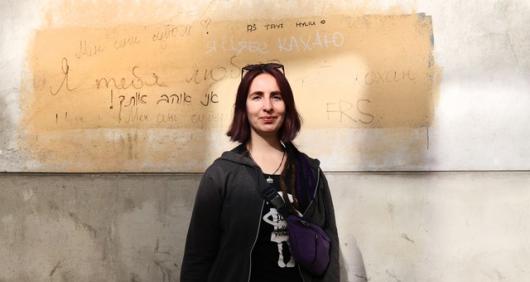
Nasta (Anastasia) Loika in Belarus sentenced to 7 years in a penal colony

August 11, 2023
Nasta Loika

Nasta (Anastasia) Loika was sentenced to 7 years in a penal colony for “inciting racial, national, religious or other social enmity or discord” on 20 June 2023. She is a prisoner of conscience, targeted in retaliation for her human rights work.

Nasta (Anastasia) Loika is a prominent human rights defender and educator, focusing her work on human rights violations resulting from the use of the repressive “anti-extremist” legislation in Belarus, the protection of foreign nationals and stateless persons in Belarus, and on human rights education.

Nasta Loika was sentenced for “inciting racial, national, religious or other social enmity or discord” under Part 3 of Article 130 of the Belarusian Criminal Code on 20 June 2023. The Belarusian human rights defender and prisoner of conscience was arbitrarily detained on 28 October 2022, accused of “petty hooliganism”, a violation under Article 19.1 of the Code of Administrative Offences. As the Belarusian authorities repeatedly brought the allegations against her, she served a total of five consecutive 15-day terms in detention for the same purported offence. On 24 December 2022, she was arbitrarily charged under Articles 342.1 (“Organization and preparation of actions that grossly violate public order, or active participation in them”) and 130.3 (“inciting racial, national, religious or other social enmity or discord”) of the Belarusian Criminal Code.

Nasta Loika reported that she had been tortured by electric shock during questioning and that whilst in detention she was left out in the courtyard for eight hours without outerwear in cold weather. She has consistently not been provided with the medical care she requires, which in itself may amount to inhumane and degrading treatment.

https://www.amnesty.org.uk/resources/urgent-action-outcome-human-rights-defender-sentenced-7-years

Report of the High Representative of the EU: 2022 annual report on human rights

August 11, 2023

2023 will see the 75th anniversary of the Universal Declaration of Human Rights and 30 years since the adoption of the Vienna Declaration and Programme of Action as well as the 25th Anniversary of the UN Declaration on human rights defenders [see also: https://humanrightsdefenders.blog/2023/06/20/side-event-on-the-25th-anniversary-of-the-un-declaration-on-human-rights-defenders/].

These anniversaries come at a challenging moment says the EU in publishing the 2022 edition of its Annual Report on Human Rights and Democracy in the World. (see: https://humanrightsdefenders.blog/2022/04/20/eus-report-on-human-rights-2021/).

What is special is that the report is not a country overview but thematic, including this paragraph on HRDs:

Assistance to human rights defenders through both political and
financial means is one of the flagship EU human rights activities,
having a direct impact on individuals, groups and organisations
defending human rights.
In 2022, human rights defenders continued to face threats and
attacks such as killings, arbitrary detention, smear campaigns or
judicial harassment. They are also increasingly victims of illegal
online surveillance, transnational repression or criminalisation due
to ill-motivated “foreign agent” or counterterrorism laws.
To counter this trend, the EU raised specific cases of human rights
defenders at risk in all its human rights dialogues, subcommittee
meetings and consultations (e.g. dialogue with Colombia or India).
The protection of human rights defenders was also discussed in EU-
supported civil society seminars preceding human rights dialogues
(e.g. EU-Brazil and EU-Mexico seminars). The EU also continued to
make its voice heard with public statements and declarations to
support human rights defenders at risk (for instance on cases in Iran,
Russia, or Mexico). Global support for human rights defenders was
voiced by The High Representative on the occasion of the World NGO
Day in February 2022 and during the 24th EU-NGO Forum on Human
Rights in December 2022.
EU Delegations and Member States’ embassies engaged and met
with human rights defenders, monitored trials, and visited human
rights defenders in detention. Annual meetings between EU
diplomats and human rights defenders have become an established
practice in non-EU countries, increasing the visibility of human rights
defenders where appropriate and allowing for in-depth analysis of
the challenges they face. Some EU Delegations provided awards to
Human Rights Defenders (for instance in Uganda).
The support and protection of human rights defenders is also
a priority for the EUSR for Human Rights. Throughout 2022,
the EUSR continued to raise individual cases of human rights
defenders, particularly those in long-term detention, and to meet
with human rights defenders, both in Brussels and during country
visits. He availed of every opportunity to express support and
solidarity directly to the defenders themselves or their families. He
raised specific cases during visits to several countries, including
India, Uganda, Pakistan, Egypt and Colombia and in other bilateral
contacts, notably with Cuba and Brazil. He also participated in a
number of high profile events aimed at raising awareness and
visibility around their work and the need for their protection, such
as the ProtectDefenders.eu beneficiary meeting in September, or
the Front Line Defenders Dublin Platform in October. The EUSR was
very active on individual cases on social media, notably regarding
Belarus. He also highlighted the situation of Palestinian prisoners on
hunger-strike and their deteriorating health conditions.
The EU remained active in multilateral fora in particular in the
United Nations Human Rights Council and the United Nations
General Assembly. The EU actively collaborated with the UN Special
Rapporteur on the situation of human rights defenders, regularly
exchanging information on cases and thematic priorities. The EU
advocated for the recognition of human rights defenders in several
UN General Assembly resolutions. At the Human Rights Council, the
EU highlighted the critical role that human rights defenders play
in the protection and promotion of human rights and spoke out in
their defence inter alia during the interactive dialogues with several
Special Procedures.””Assistance to human rights defenders through both political and
financial means is one of the flagship EU human rights activities,
having a direct impact on individuals, groups and organisations
defending human rights.
In 2022, human rights defenders continued to face threats and
attacks such as killings, arbitrary detention, smear campaigns or
judicial harassment. They are also increasingly victims of illegal
online surveillance, transnational repression or criminalisation due
to ill-motivated “foreign agent” or counterterrorism laws.
To counter this trend, the EU raised specific cases of human rights
defenders at risk in all its human rights dialogues, subcommittee
meetings and consultations (e.g. dialogue with Colombia or India).
The protection of human rights defenders was also discussed in EU-
supported civil society seminars preceding human rights dialogues
(e.g. EU-Brazil and EU-Mexico seminars). The EU also continued to
make its voice heard with public statements and declarations to
support human rights defenders at risk (for instance on cases in Iran,
Russia, or Mexico). Global support for human rights defenders was
voiced by The High Representative on the occasion of the World NGO
Day in February 2022 and during the 24th EU-NGO Forum on Human
Rights in December 2022.
EU Delegations and Member States’ embassies engaged and met
with human rights defenders, monitored trials, and visited human
rights defenders in detention. Annual meetings between EU
diplomats and human rights defenders have become an established
practice in non-EU countries, increasing the visibility of human rights
defenders where appropriate and allowing for in-depth analysis of
the challenges they face. Some EU Delegations provided awards to
Human Rights Defenders (for instance in Uganda).
The support and protection of human rights defenders is also
a priority for the EUSR for Human Rights. Throughout 2022,
the EUSR continued to raise individual cases of human rights
defenders, particularly those in long-term detention, and to meet
with human rights defenders, both in Brussels and during country
visits. He availed of every opportunity to express support and
solidarity directly to the defenders themselves or their families. He
raised specific cases during visits to several countries, including
India, Uganda, Pakistan, Egypt and Colombia and in other bilateral
contacts, notably with Cuba and Brazil. He also participated in a
number of high profile events aimed at raising awareness and
visibility around their work and the need for their protection, such
as the ProtectDefenders.eu beneficiary meeting in September, or
the Front Line Defenders Dublin Platform in October. The EUSR was
very active on individual cases on social media, notably regarding
Belarus. He also highlighted the situation of Palestinian prisoners on
hunger-strike and their deteriorating health conditions.
The EU remained active in multilateral fora in particular in the
United Nations Human Rights Council and the United Nations
General Assembly. The EU actively collaborated with the UN Special
Rapporteur on the situation of human rights defenders, regularly
exchanging information on cases and thematic priorities. The EU
advocated for the recognition of human rights defenders in several
UN General Assembly resolutions. At the Human Rights Council, the
EU highlighted the critical role that human rights defenders play
in the protection and promotion of human rights and spoke out in
their defence inter alia during the interactive dialogues with several
Special Procedures.

Other sections specially relevant for HRDs include:

The death penalty…………………………………………………………………………………………….page.21
Torture and other cruel, inhuman or degrading treatment or
punishment……………………………………………………………………………………………………………. 24
Freedom of religion or belief ………………………………………………………………………..33
Human rights of persons belonging to minorities………………………………. 38
Gender equality ………………………………………………………………………………………………..40
LGBTI ……………………………………………………………………………………………………………………..50
Migration and mobility – migrants, refugees and asylum seekers ..59
Empowering women ……………………………………………………………………………………….62
Rights of indigenous peoples …………………………………………………………….. 75
Freedom of expression ………………………………………………………………………..78
Safety and protection of journalists…………………………………………………. 80
Countering disinformation, hate speech, extremist and terrorist
content………………………………………………………………………………………………………. 81
Academic freedom and protection of the academic community at
risk…………………………………………………………………………………………………………….. 84
Labour rights ……………………………………………………………………………………………………… 90

Support to Human Rights Defenders in the Digital Sphere ……………..175

UN Human Rights offices in Uganda have to close

August 10, 2023
Communities, marking Human Rights Day in Uganda, 2016 © OHCHR Photo

On 4 August 2023 UN High Commissioner for Human Rights, Volker Türk, expressed deep regret at the closure of his office in Uganda, following the Government’s decision not to renew the Host Country Agreement. The office in Kampala will officially cease its operations on Saturday. Sub-offices in Gulu and Moroto closed on 30 June and 31 July. See also: https://www.hrw.org/news/2023/02/15/uganda-threatens-close-un-human-rights-office

I regret that our office in Uganda had to close after 18 years, during which we were able to work closely with civil society, people from various walks of life in Uganda, as well as engaging with State institutions for the promotion and protection of the human rights of all Ugandans,” said Türk.

“Much progress has been made in the country over the years, but serious human rights challenges remain in the path to full enjoyment of human rights for all,” the High Commissioner said.

Türk expressed particular concern about the human rights situation in Uganda ahead of the 2026 elections, given the increasingly hostile environment in which human rights defenders, civil society actors and journalists are operating.

He noted that most of the 54 NGOs that were arbitrarily suspended in August 2021 remain closed. The High Commissioner also expressed concerns that the amended Computer Misuse law may further erode free expression.

Türk warned against retrogression from Uganda’s commitments under the international human rights treaties it has ratified, including in the passage of the deeply discriminatory and harmful anti-homosexuality law, that is already having a negative impact on Ugandans.

Türk urged the Government to ensure the national human rights body can function effectively and independently, as the the main body tasked with human rights oversight in Uganda.

“The Uganda Human Rights Commission, our long-standing partner in the protection and promotion of human rights in the country, is chronically under-funded and under-staffed, and reports of political interference in its mandate undermine its legitimacy, independence and impartiality,” he said.

“I urge the Ugandan government to provide the Commission with adequate human, technical and financial resources so that it may more effectively execute its important mandate.”

“On our part, the UN Human Rights Office remains committed to working on human rights in Uganda, in line with my global mandate,” he added.

https://www.ohchr.org/en/press-releases/2023/08/turk-announces-closure-un-human-rights-office-uganda

Syrian woman human rights defender Hiba Ezzideen Al-Hajji threatened

August 10, 2023

On 26 July 2023 Front Line Defenders stated that it stands in solidarity with Hiba Ezzideen Al-Hajji, and calls on the de facto authorities in Idlib to put an end to the targeting of the Syrian woman human rights defender.

Despite the efforts of human rights organisations, women human rights defenders in Syria continue to face many forms of restrictions and threats. In this context, Hiba Ezzideen Al-Hajji, a woman human rights defender and CEO of the feminist organisation Equity and Empowerment, has recently been targeted by a malicious online defamation campaign because of her work on women’s rights and democracy in Syria. On 4 July 2023, Hiba Ezzideen Al-Hajji received death threats from unknown individuals who disagreed with her advocacy efforts for “equality and democracy,” asserting that such work went against the teachings of Islam. Subsequently, the Facebook page of her organisation Equity and Empowerment was overwhelmed with hateful comments and threats, further escalating the distressing situation.

Those behind the defamation campaign are believed to be Jihadists operating in Idlib, northwestern Syria, where the woman human rights defender conducts her human rights work. The woman human rights defender has previously reported that these radical groups were responsible for similar threats, indicating a pattern of persecution and harassment against her and other human rights defenders in the area.

The attacks have also manifested in offline harm. On 18 July 2023, a family member of the woman human rights defender was insulted by a stranger who threatened them saying that if Hiba Ezzideen Al-Hajji does not stop her work, one of her family members will be killed. The defamatory narrative against Hiba Ezzideen Al-Hajji aims at inciting further hatred and violence against her, all in an effort to undermine her human rights work.

On 21 July 2023, an imam in the countryside outside of Idlib gave a sermon which mentioned the woman human rights defender Hiba Ezzideen Al-Hajji and the organisation Equity and Empowerment. The sermon called for the organisation to be closed, incorrectly mentioning its links to western states as a means of discrediting its work.

On 2 March 2020, Ahmed Shaheed, the UN Special Rapporteur on freedom of religion or belief declared that they “firmly reject any claim that religious beliefs can be invoked as a legitimate ‘justification’ for violence or discrimination against women or girls.

The campaign has taken place over various online platforms, including WhatsApp, Facebook, Twitter and Telegram, using fake and verified accounts to post derogatory fake images of the human rights defender along with hateful captions. In addition to this, she has been subjected to death threats, harassment, and incitements against her and her family, along with doxing, deep fakes, threats of rape and sexual slurs.

Front Line Defenders believes that the defamation campaign is directly related to Hiba Ezzideen Al-Hajji’s work in defence of human rights, in particular her work towards the promotion of women’s rights in Syria. Front Line Defenders strongly condemns the defamation campaign against the woman human rights defender Hiba Ezzideen Al-Hajji. It calls on the de facto authorities in Idlib to put an end to the targeting of the woman human rights defender, including the defamation campaign, and demands that Hiba Ezzideen Al-Hajji’s safety and well-being be protected as well as that of all women human rights defenders facing similar threats and attacks in the country.

https://www.frontlinedefenders.org/en/statement-report/defamation-campaign-against-syrian-woman-human-rights-defender-hiba-ezzideen-al

Nine Afro-Latina and Afro-Caribbean women human rights defenders

August 8, 2023

On 25 July, 2023 – International Afro-Latina, Afro-Caribbean and Diaspora Women’s Day, – Amnesty International highlighted nine defenders and collectives who have devoted their lives to ending inequality and violence, advocating a dignified life for all people because their work deserves the recognition, visibility, protection and resources necessary for it to continue to spread.

Rede Vozes Negras pelo Clima, Brazil

Rede Vozes Negras pelo Clima is an initiative of 11 Black Brazilian women who are working in their respective territories to protect human rights, confront climate racism and promote anti-racist socio-environmental justice. They belong to traditional, riverine quilombola communities. They are also activists and leaders of communities that live on the margins of large urban centres, communities that are being directly affected by the consequences of the climate crisis and development projects that fail to take into account the rights of local populations.

They are thus fighting for anti-racist adaptation policies and an energy transition that will guarantee the promotion of human rights and nature. Mitigation initiatives need to incorporate the ancestral knowledge and wisdom of traditional peoples and communities and ensure the participation of those people affected by extreme weather events when decisions are being made as to the investments that need to be made to repair losses and damage.

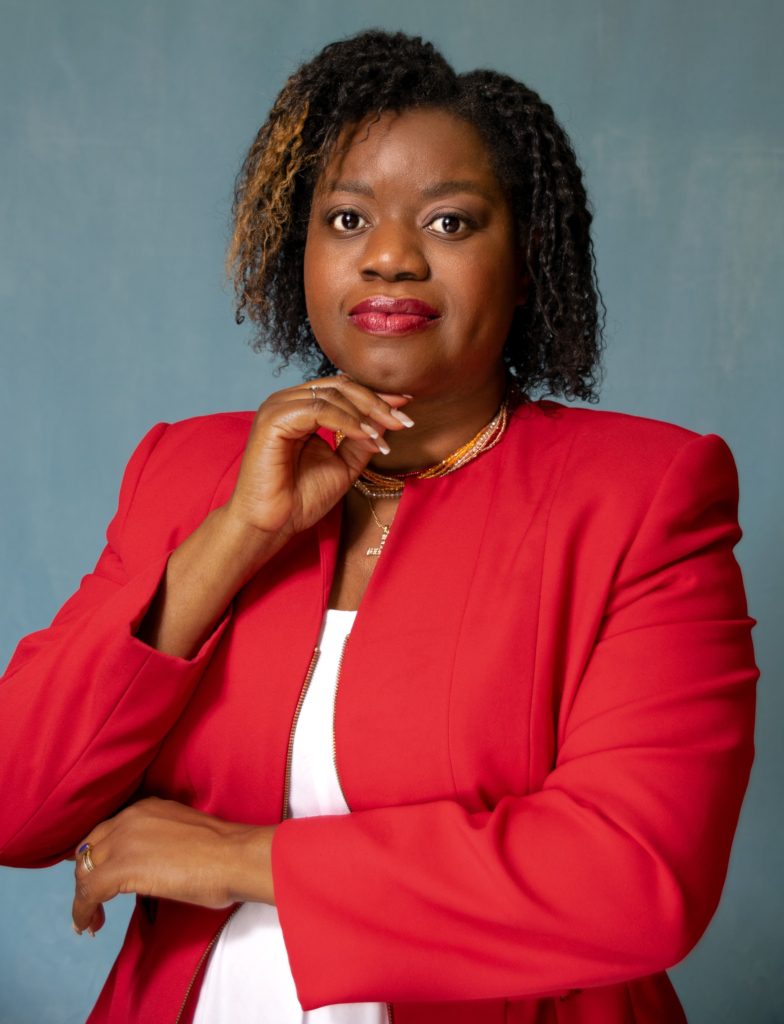
Dayana Blanco Acendra, Colombia

Dayana Blanco is a renowned Colombian lawyer

Dayana Blanco is a renowned Colombian lawyer who heads ILEX Acción Jurídica, an Afro-Colombian and Afro-LGBTQI+ organization committed to racial justice in Colombia, Latin America and the Caribbean. According to Blanco, “Racial justice in Colombia requires all of society to commit to combatting the historical inequality that has affected the Afro-descendant population. This means actions to address social and economic inequality.”

With an outstanding academic background and experience in different sectors, Dayana has promoted innovative research on racist police violence, statistical invisibility in the systematization of violence against Afro-descendant leaders and economic and social rights. In addition, together with her team and in coordination with other civil society organizations, she has obtained notable rulings in defence of Afro-Colombian midwifery, overcoming the statistical invisibility of the Afro-descendant population, among others, and demonstrating her dedication to the struggle for equality and justice.

Under her leadership, ILEX has – through legal mobilization, research and strategic communications – become a reference for promoting the rights of the Afro-descendant population. Dayana and her team highlight the importance of addressing social and economic inequality as a fundamental element of racial justice in Colombia, calling on the whole of society to unite in the struggle and build a more equitable future for all.

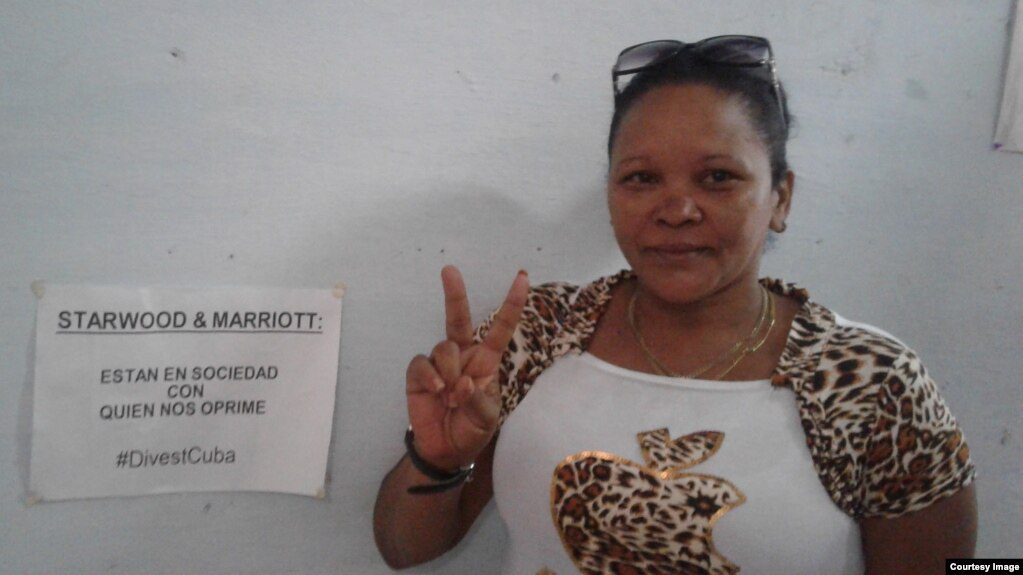
Donaida Pérez Paseiro, Cuba

Donaida Pérez Paseiro is a Cuban activist

Donaida Pérez Paseiro is a Black activist, religious leader and president of the Asociación Yorubas Libres de Cuba. Yoruba is a religion of the African diaspora that is practised in many countries, including Cuba. Donaida was arrested on 16 July 2021 and sentenced in February 2022 to eight years’ imprisonment by the Santa Clara Municipal People’s Court for “public disorder”, “contempt” and “attacking” an official. According to the information available to Amnesty International, Donaida should never have been charged with these crimes.

The charges of “contempt” and “public disorder” are frequently used in Cuba to limit the right to freedom of expression and peaceful assembly. Both she and her husband, Loreto Hernández García, were tried along with 14 other protesters in what appears to have been an unfair trial.

Donaida is the wife of Yoruba leader and activist Loreto Hernandez Garcia who was unjustly sentenced to seven years in prison for demanding respect for human rights in Cuba during the 11 July 2021 demonstrations.

Donaida is an example of courage and perseverance in the resistance against repression in Cuba. Her commitment has manifested itself in numerous peaceful marches and protests. According to her family, she was a freelance journalist and founded the Laurel Express press agency, where she gave visibility to the injustices and challenges faced by her community in the city of Placetas. Her activism spans multiple spheres, having been a member of the Orlando Zapata Tamayo resistance front and the central opposition coalition. Donaida’s legacy transcends borders and leaves a profound inspiration for those who seek a Cuba without repression.

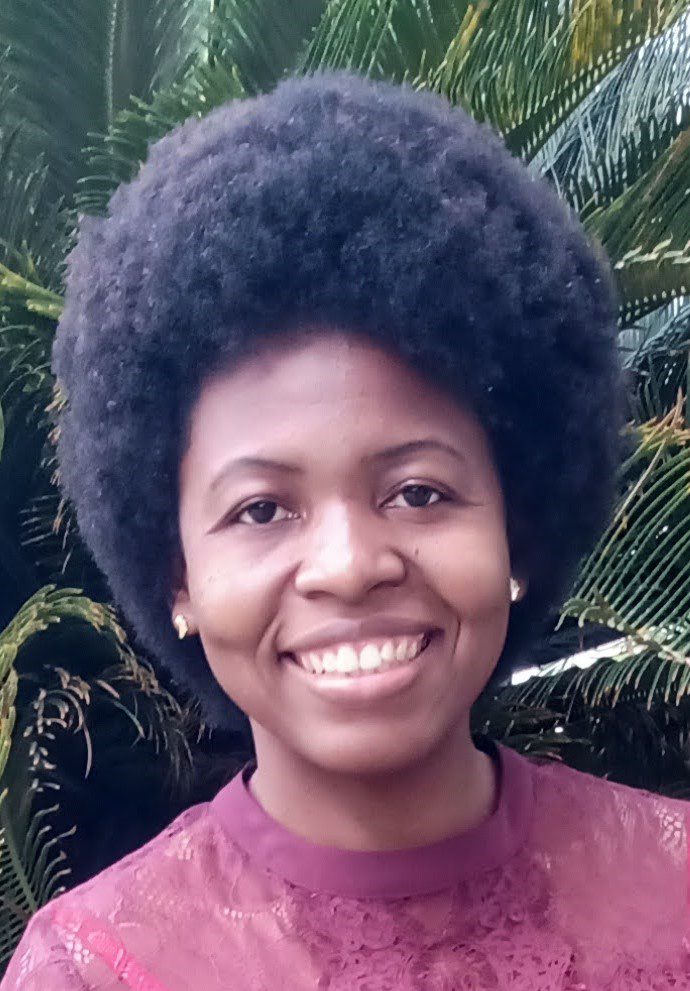
Guerline M. Jozef, Haiti

Guerline M. Jozef is the founder and executive director of the Haitian Bride Alliance

Guerline M. Jozef is the founder and executive director of the Haitian Bridge Alliance, the only Black and Haitian women-led organization serving migrants on both sides of the U.S.-Mexico border. Named one of the most influential people in 2021 on racial issues by Politico, she is also co-founder of the Black Immigrants Bail Fund and the Cameroon Advocacy Network.

 The Haitian Bridge Alliance (HBA), also known as “the Bridge,” is a grassroots community-based organization that advocates for just and humane immigration policies and provides migrants and immigrants with humanitarian, legal and social services, with a special focus on Black migrants, the Haitian community, women and girls, LGBTQIA+ people, and survivors of torture and other human rights abuses. HBA also seeks to highlight issues specific to Black migrants and encourages solidarity and collective action to bring about policy changes. Through her work, Guerline reminds us that together, Anpil men, chay pa lou! Many hands lighten the load!

Miriam Miranda, Honduras

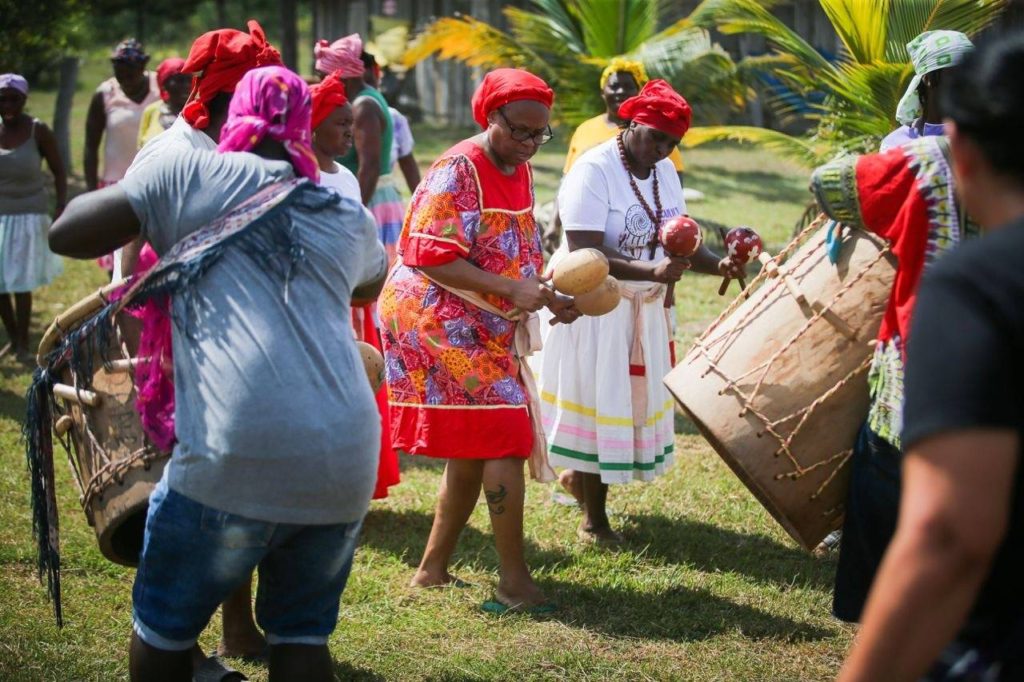
Miriam Miranda is an Afro-indigenous Garífuna leader from Honduras

An Afro-indigenous Garífuna leader from Honduras, Miriam Miranda stands out as a courageous defender of human and environmental rights. As coordinator of the Organización Fraternal Negra Hondureña (OFRANEH), she has carried out invaluable work to protect and defend the rights of the Garífuna people in Honduras. Her tireless work, lucidity and commitment have earned her the recognition of prestigious awards, such as that of the Friedrich Ebert Foundation, as well as the Carlos Escaleras and Oscar Romero awards.

Miriam’s struggle is deeply rooted in the Garífuna territory of Honduras and is manifested through the history of OFRANEH, an organization through which these people are building their dignity and their future. The land and the sea, as an indispensable part of their identity, determine an essential struggle to preserve the natural assets of their territory.

Miriam is a highly respected thinker and leader within the social movement. She has an enormous capacity to devour books and mobilize energies from all sides to defend her people. She is one of those people who make life possible, whose words always point forward and who finds strength in the deep roots of her origin, where her future of freedom was born. As the daughter of Barauda (representing Garífuna female strength, Barauda is an historical character who pushed the Garífuna hero Sathuye to continue the struggle for the liberation of his people), Miriam has turned her critical eye to the source of it all: the predatory civilization of consumerism.

Her tireless work and courage inspire others to keep fighting. Her contribution and leadership have already left an indelible mark on the history of Honduras and global struggles for territory. [see also: https://humanrightsdefenders.blog/tag/miriam-miranda/]

Shackelia Jackson, Jamaica

The Jamaican human rights defender Shackelia Jackson

The extrajudicial killing of her brother, Nakiea Jackson, in 2014 pushed Shackelia Jackson into a life of activism. Since then she has been healing, evolving, learning and gathering the tools with which to reconcile her conflicting realities. A political science scholar and communicator, Shackelia is the mother of an empathetic child, who longs with innocence to experience the world. Despite challenges and setbacks, Shackelia remains dedicated to the wider struggle, supporting causes that prevent the institutionalization and normalization of practices that violate human rights and erode the sanctity of life.

Through her grassroots organizing efforts in Jamaica, she has raised funds to support back-to-school initiatives and education programmes, recognizing the importance of empowering the younger generation. Shackelia’s work has gone far beyond her local community. She has become a global force, lending her voice and expertise to international platforms. As keynote speaker at an Amnesty International event in London, she captivated the audience with her powerful words, urging them to stand up and take action. In 2017, Shackelia also participated in roundtable discussions at Amnesty International events in Brazil and the United States, amplifying the voices of the oppressed and demanding accountability.

It was on this journey that Shackelia realized that change starts with each individual. She has encouraged others to join her in writing for rights, and to use their words as weapons against injustice. “Let us write until we are heard, let us write until justice is done,” she said.

Ivana C. Fred Millán, Puerto Rico

Ivana Fred attends the "Mala Mala" Premiere during the 2014 Tribeca Film Festival at Chelsea Bow Tie Cinemas on April 19, 2014 in New York City.

Ivana Fred is a prominent Black and transgender activist, writer and leader from Puerto Rico. She has dedicated her life to fighting for human rights and equality for transgender people in her country. Her passion for justice has made her an influential figure and a powerful voice in Puerto Rican society.

Since her first steps into activism in 1999, Ivana has formed part of pioneering projects aimed at trans people and has used her voice and pen to amplify the stories and needs of trans people.

As she says: “Life put me in a place where I could develop as a leader, the ‘Ponte el Sombrero’ project gave me the tools to empower and educate socially disadvantaged and discriminated populations. That was how I came to understand that to exist is to resist”.

Ivana has also made her mark in the media, writing for the Metro newspaper and participating in acclaimed documentaries and films such as “Mala Mala” and “Las Muchachas”. Her presence and perspective have helped generate greater visibility and understanding of transgender experiences in Puerto Rico.

Ivana Fred is currently one of the directors of the organization Trans Goofy Games, where she continues to lead and support initiatives that promote transgender inclusion and empowerment. With unwavering commitment, Ivana has remained a visible leader and loyal activist. From her early days of activism to the present day, her voice has been resolute in seeking dignity and respect for all transgender people.

With her courage and determination, Ivana has shown that to exist is to resist and has paved the way for a more inclusive and respectful future in Puerto Rico and beyond. Her legacy as a visible leader and her tireless activism inspire us all to continue fighting for a world where everyone can live with equality and dignity.

Elena Lorac, Dominican Republic

Elena Lorac is a prominent activist and advocate for human rights in the Dominican Republic

Elena Lorac is a prominent activist and advocate for human rights in the Dominican Republic, especially on the part of Dominicans of Haitian descent. As national coordinator of the Movimiento Reconoci.do, she has led the fight for the right to nationality and full integration of this community into Dominican society.

With more than 12 years’ experience, Elena has worked to strengthen community leadership and empower black women in the country’s bateyes [sugar mill settlements]. She also provides support to Haitian migrants and Venezuelan migrants and refugees, and is known for her community-based approach.

Elena is also a nationally and internationally renowned speaker, speaking on issues such as nationality, discrimination and racism, and raising awareness of policies that affect Dominicans of Haitian descent in the Dominican Republic. Her tireless work has been instrumental in promoting human rights and achieving the real inclusion of this community in Dominican society.

Aracelis Sánchez, Venezuela

Aracelis Sánchez is a human rights defender and the founder of Organización de Familiares de Víctimas de Violación de Derechos Humanos (Orfavideh)

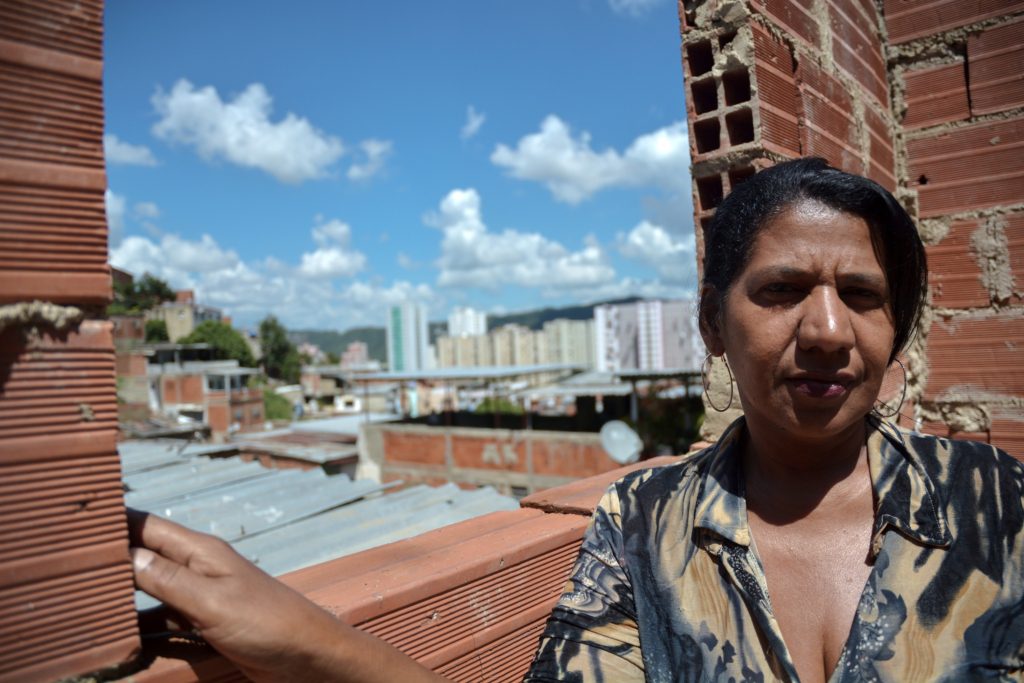
Aracelis Sánchez, a human rights defender and the founder of Organización de Familiares de Víctimas de Violación de Derechos Humanos (Orfavideh), is promoting solidarity and demanding justice together with more than 200 mothers of victims of extrajudicial executions in Venezuela.

Aracelis, who lost her son Darwilson Sequera, has been fighting for more than 10 years to get cases of human rights violations committed by Venezuelan state security forces investigated. Orfavideh provides human rights training workshops for mothers, equipping them with tools with which to demand guarantees and use the mechanisms of justice in Venezuela.

Aracelis stresses that when victims are empowered and able to put pressure on prosecutors, their cases are investigated. She believes that support and empowerment are essential to transform grief into positive action and thus achieve justice for victims and their families.

https://www.amnesty.org/en/latest/news/page/2/

see also: https://www.peacebrigades.org/themes/women-human-rights-defenders