As feared in November (see blog post below) Russia’s Supreme Court on Tuesday 28 December 2021 ordered the closure of Memorial International, one of the country’s most respected human rights organizations, wiping out three decades of work to expose the abuses and atrocities of the Stalinist era. Memorial is the winner of at least 7 international human rights awards: https://www.trueheroesfilms.org/thedigest/laureates/BD12D9CE-37AA-7A35-9A32-F37A0EA8C407
The court ruled that Memorial International had fallen afoul of Russia’s “foreign agent” law. But the group said the real reason for the shutdown was that authorities did not approve of its work.
The ruling is the latest blow to Russia’s hollowed-out civil society organizations, which have gradually fallen victim to Putin’s authoritarian regime.
Videos posted on social media showed Memorial supporters shouting, “Shame, shame!” in the court’s hallways and at the entrance to the building shortly after the ruling. Seven people were detained outside the courthouse following the proceedings, according to independent monitoring group OVD-Info. The organization said three of them are believed to be instigators whose sole aim was to cause havoc, not support Memorial.
Memorial International’s lawyer, Tatiana Glushkova, confirmed the ruling to CNN and said the group would appeal the decision. “The real reason for Memorial’s closure is that the prosecutor’s office doesn’t like Memorial’s work rehabilitating the victims of Soviet terror,” Glushkova told CNN.
The Prosecutor General’s Office of Russia requested Memorial International be liquidated in November. The group was accused of repeatedly breaking the law for failing to mark all its publications with a compulsory “foreign agent” warning. The Justice Ministry had designated the group a foreign agent in 2016, using a law targeting organizations receiving international funding.
Memorial’s representatives argued there were no legal grounds for the group’s closure, and critics say the Russian government targeted Memorial for political reasons.
Oleg Orlov, a member of Memorial International’s board, said the court’s decision was “purely ideological” and “a demonstrative, blatant, illegal decision.”
“Allegedly, we do not assess the Soviet Union and Soviet history the right way. But this is our assessment, we have the right to do it,” Orlov told CNN.
Memorial was founded in the late 1980s to document political repressions carried out under the Soviet Union, building a database of victims of the Great Terror and gulag camps. The Memorial Human Rights Centre, a sister organisation that campaigns for the rights of political prisoners and other causes, is also facing liquidation for “justifying terrorism and extremism”. One of the group’s co-founders was Nobel Peace Prize winner Andrei Sakharov, who went on to be the first honorary chairman of the Memorial Society.
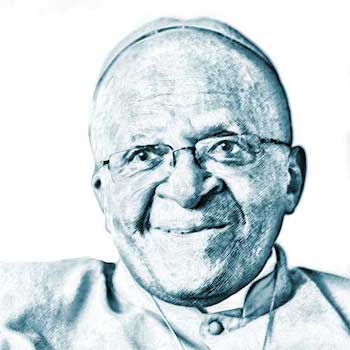
Archbishop Emeritus Desmond Tutu, who was post-apartheid South Africa’s moral compass and the driver of its troubled reconciliation process, has died. He was 90 years old.
He is the laureate of at least 10 human rights awards: For the complete list, see:
Andrew Donaldson in News24 of 26 December 2021 published an interesting obituary: A tireless social activist and human rights defender, Tutu not only coined the term “Rainbow Nation” to describe the country’s ethnic diversity but, after the first democratic elections in 1994, went on to become its conscience, using his international profile in campaigns against HIV/Aids, tuberculosis, poverty, racism, xenophobia, sexism, homophobia and transphobia, among others…
His was a powerful, forthright voice, one that irked both the Nationalist government and its successor, the African National Congress and its allies. He was, an activist noted, “given to expressing his opinion in ways that are guaranteed to be outside the realm of comfortable politics”. As Tutu himself put it, in 2007, “I wish I could shut up, but I can’t, and I won’t.“..
Both at home and abroad, Tutu’s opposition to apartheid, which he often likened to Nazism, was vigorous and unequivocal. The Nationalists twice revoked his passport, and he was briefly jailed in 1980 after a protest march. Many felt that his increasing international reputation and his advocacy of non-violence had spared Tutu from more harsh treatment by the government…
He was a born orator and, according to the journalist Simon Hattenstone, “a natural performer [with] his hands and eyes flying all over the place, his voice impassioned and resonant; a tiny ball of love.”
Tutu would often play down such adulation. “I was,” he once said of his reputation, “this man with the big nose and the easy name who personalised the South African situation.”…
Following the Soweto riots in 1976, Tutu became an increasingly vocal supporter of economic sanctions and a vigorous opponent of US president Ronald Reagan’s “constructive engagement” with the Nationalist government.
In 1978, he was appointed general secretary of the SACC, a position he used to further rally support, both local and international, against apartheid. He was just as harsh in his criticism of the violent tactics later used by some anti-apartheid activists, and was unequivocal in his opposition to terrorism and communism.
Tutu’s finest hour came when he chaired the Truth and Reconciliation Commission, which was set up to bear witness to, record and in some cases grant amnesty to the perpetrators of apartheid-relation human rights violations, as well as rule on reparation and the rehabilitation of victims…
He is survived by his wife, four children, seven grandchildren and great-grandchildren.
Desmond Tutu was responsible for countless notable quotes throughout his life as an activist and elder. TimesLive (Ernest Mabuza) of 26 December 2021 in “In his own words: Desmond Tutu’s unwavering stance on human rights” published 12 of his best:
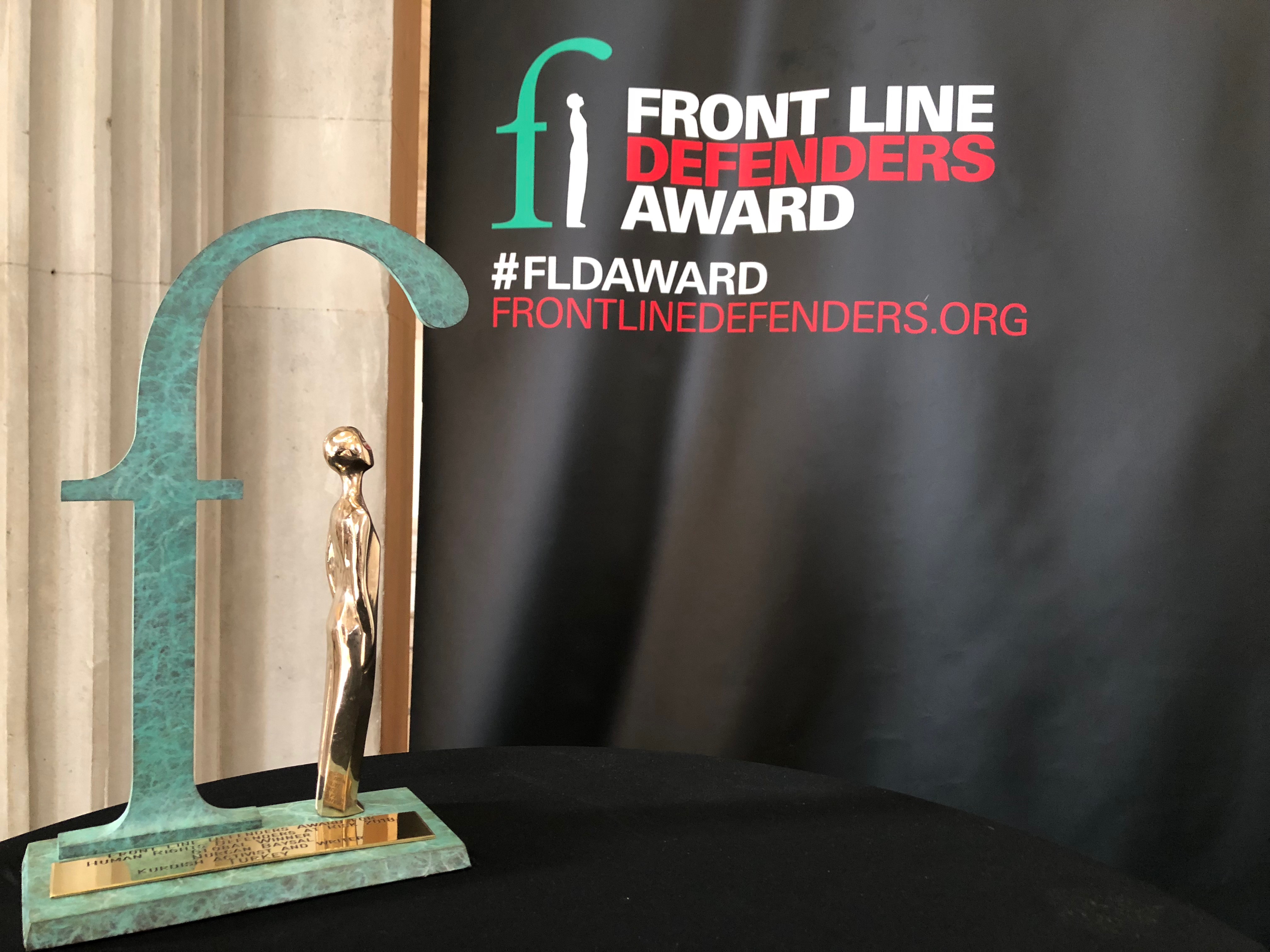
In 2021, Front Line Defenders took the decision to name all 5 regional winners as Global Laureates. For each region of the world (Africa; Americas; Asia-Pacific; Europe & Central Asia; and Middle East & North Africa) there will be one winner selected and Front Line Defenders will recognize all five as the 2022 Front Line Defenders Award Laureates.
The nomination process is open for anyone to submit a nomination of a human rights defender, collective, organisation or community working on any human rights issue and facing significant risk due to their work or operating in an environment that itself is characterised as insecure. Winners will receive:
a modest financial prize;
a security grant to improve their security measures;
collaboration with Front Line Defenders for media work in recognition of the Award;
advocacy by Front Line Defenders related to the Award and the work of the winners;
an event co-organized by the HRD, local partners and Front Line Defenders to give visibility to the Award in the winners’ countries (as determined and guided by the winners);
the Global Laureates will attend a ceremony in Dublin at a date to be determined;
ongoing security consultation with Front Line Defenders
If you would like to nominate a HRD for the 2022 Front Line Defenders Award for Human Rights Defenders at Risk, please follow this link to the secure online nomination form 2022 Front Line Defenders Award – Nomination Form
Please submit nominations via the online form. If there are any problems using the form, or if you have any questions, please contact: campaigns@frontlinedefenders.org
Germany and France honoured this year 15 people who have made outstanding contributions to the protection of human rights, campaigning for causes including women’s rights in Afghanistan, the freedom of the press in South Africa and children who are born as a result of rape in wartime.
On 10 December, international Human Rights Day, Foreign Minister Annalena Baerbock and French Foreign Minister Jean‑Yves Le Drian presented fifteen people with the Franco-German Prize for Human Rights. This award recognises the efforts of all those who work tirelessly every day to advance the causes of human rights and the rule of law. It is presented decentralised by the French and German missions in various locations around the world.
Jake Epelle who works to combat the ongoing stigmatisation and discrimination faced by people with albinism in Nigeria.
Noelah Godfrey Msuya who promotes the rights of children and women in Tanzania.
Monika Borgmann who is a German-Lebanese documentary-maker.
Jacques Letang who is a judge and lawyer in Haiti.
Cristina Palabay from the Philippines who leads the national association Karapatan.
Alexandrine Victoire Saizonou who is an advocate for women’s and children’s rights in Benin.
Ajna Jusic from Bosnia discovered at the age of 15 that she was born as a result of rape during wartime, and since then she has advocated for others in the same situation.
Erika Lorena Aifán Dávila is a judge who has been the target of constant attacks from the authorities of Guatemala.
Nebahat Akkoc is the Managing Director of the NGO Kamer in Turkey.
The Venezuelan Education-Action Program on Human Rights or PROVEA.
Narges Mohammadi who is spokesperson and vice chairman of the Iranian organisation Defenders of Human Rights Center.
May Sabai Phyu is a Kachin activist from Myanmar/Burma.
Shaharzad Akbar is an Afghan human rights defender who campaigns in particular for the rights of women in Afghanistan.
Tabelo Timse is an investigative journalist and a member of an independent non‑profit media centre in South Africa.
At the United Nations Forum on Business and Human Rights, the 2021 award recipient was announced: AFREWATCH — a small, courageous organization headquartered in Democratic Republic of Congo that focuses on the human rights and environmental impacts of extractive companies in Africa.
AFREWATCH researches and reports on abuses by mining and oil companies and by governments; engages with government officials to advocate for improvements in law and practice; presses for extractive companies to pay their fair share of taxes, and helps grassroots community organizations build their capacity.
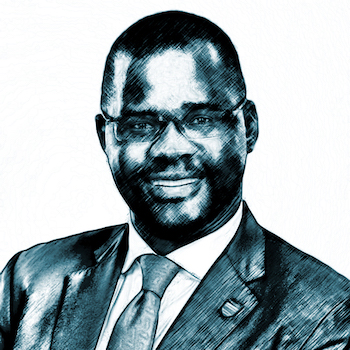
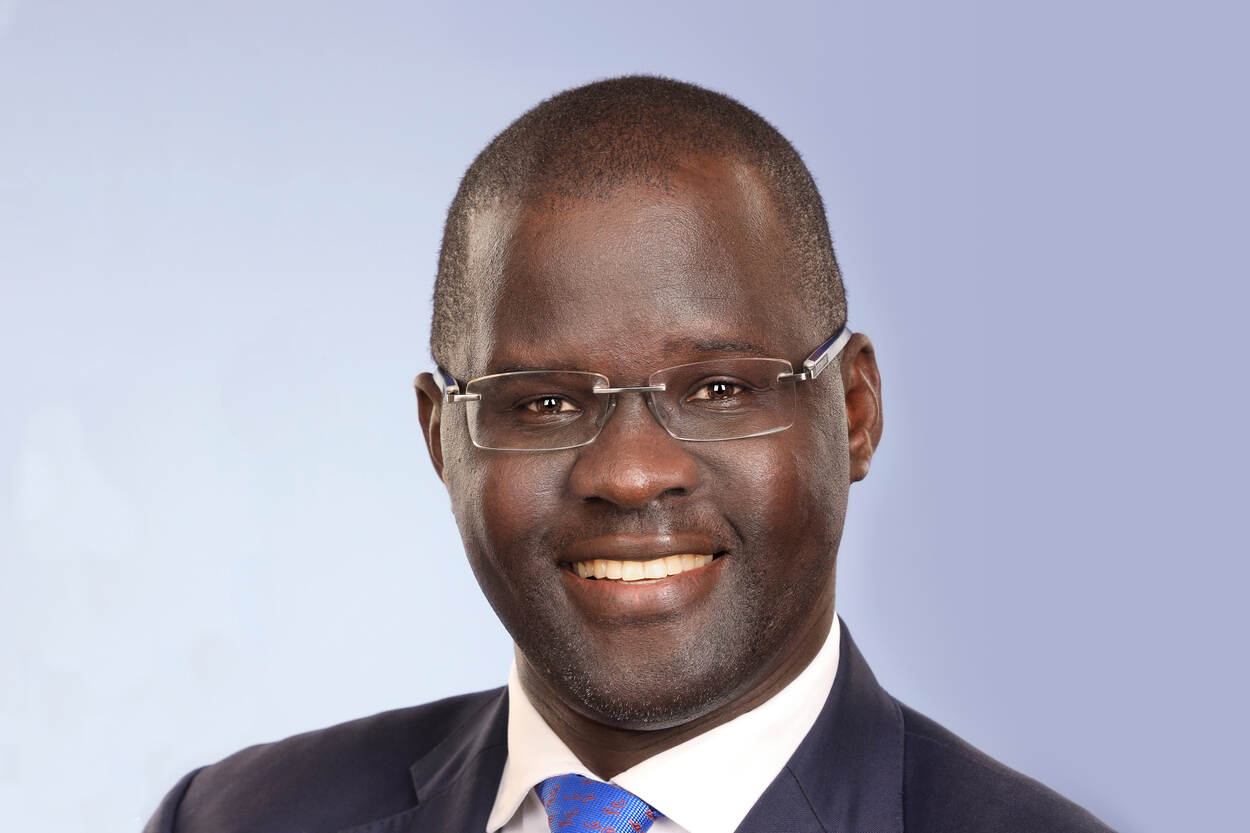
Ugandan human rights lawyer Nicholas Opiyo was awarded the 2021 Human Rights Tulip. The Dutch Ministry of Foreign Affairs awards the honour, which is accompanied by a cash prize of 100,000 euros to help the recipient continue or expand their work. For more on this award and its laureates, see: https://www.trueheroesfilms.org/thedigest/awards/D749DB0F-1B84-4BE1-938B-0230D4E22144
Opiyo opposed a controversial anti-gay law that included a life sentence for homosexuality. According to the ministry, the human rights defender also played an important role in criminalizing torture in his country. His work often leads to him being accused of criminal violations with no evidence to back up the charges, and he is often closely monitored by security forces. “Human rights activists see the charges against Nicholas as a way to hinder his work as a human rights lawyer. Even in jail, he used his time to talk to prisoners who sought advice,” the ministry stated. [see also: https://humanrightsdefenders.blog/2020/12/23/ugandan-human-rights-defender-nicholas-opiyo-arrested-like-a-criminal/]
“His work has made the LGBTI community in Uganda feel stronger, knowing that there are allies who support them,” said caretaker Foreign Minister Ben Knapen.
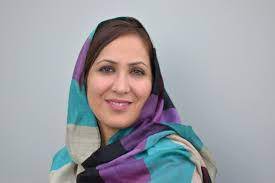
It is hoped that the award will “further inspire the world to pay closer attention to human rights in Afghanistan, especially women’s rights” and “encourage human rights defenders and those who have been deprived of human rights,”
According to the TFD, Rasuli has been actively involved in social activism and the promotion of women’s rights at a young age and thorough her years of work, “Afghan women have gradually been able to receive justice from judicial procedures.”
As the co-founder and executive director of the Women for Justice Organization, Rasuli has led lawyers, gender experts and activists in efforts to increase women’s access to justice, uphold the rule of law in Afghanistan, and investigate some of the most emblematic sex crime cases in the country over the years, the TFD said in its statement.
She also previously served as director of Medica Afghanista, another organization that provides psychosocial counseling and legal support to female survivors of sexual violence. However, in an interview with the European public broadcaster, Arte, aired in September, Rasuli revealed that she has relocated to the U.S. following the U.S. military pull-out from Afghanistan.
The TFD on Tuesday declined to confirm Rasuli’s current whereabouts, but said she would deliver her acceptance speech in a pre-recorded video that would be published on its website on 10 December.
The foundation said it would not host a physical award ceremony this year due to COVID-19.
We Will Stop Femicide was founded in 2010 to provide legal help to Turkish women facing abuse at home. It has been chosen as the winner out of about 400 applicants.
“We are proud to announce the winner of the #IGEP 2021, WE WILL STOP FEMICIDE PLATFORM, a non-governmental organization that does groundbreaking work combating violence against women in Turkey and whose work has a global relevance. Congratulations!” the award’s organizers posted on Twitter.
The prize was awarded in the Finnish city of Tampere to the founder of the organization, Gulsum Onal, by Finnish Prime Minister Sanna Marin.
“The work of the We Will Stop Femicide Platform includes decision meetings, educational activities, informative seminars, mass protests, and a variety of correspondence meetings. The association seeks to work with provincial and district assemblies to ensure gender equality nationwide in Turkey,” Marin said.
She further stressed the importance of a global effort to end violence against women and called on the international community to ensure protection of women‘s rights in all countries.
Nobel Peace Laureate Nadia Murad also attended the ceremony.
A committee of 5 human rights experts has selected a shortlist of 12 human rights defenders from among the nominees for 2021; since then an independent jury composed of 5 members has select 3 candidates from this shortlist. The Minister of Foreign Affairs will now choose a winner from the three remaining candidates:
Human rights activist and lawyer in Uganda
As a child, he grew up in the epicentre of a brutal war between the Lord Resistance Army and government forces. Today, working as a human rights lawyer, he is being threatened, spied on and shadowed. This is his story.
Nicholas Opiyo.
As a human rights lawyer, Ugandan Nicholas Opiyo is not afraid to take on sensitive cases. He challenged the law that gave the police the right to ban public gatherings. He led the campaign for the enactment of a law criminalizing torture and drafted the initial bill that was enacted by parliament in 2012. He, alongside other brave Ugandan activists, successfully challenged Uganda’s anti-gay law in 2014. He has provided legal representation to the gay community in Uganda.
Nicholas is executive director of Chapter Four Uganda, an NGO that works to protect civil liberties and improve universal observance of human rights. He defends human rights activists who are being persecuted in Uganda. He also stands up for people who are in trouble with the government and lack the resources to defend themselves. See: https://www.trueheroesfilms.org/thedigest/laureates/6743A94B-BA1A-AA2A-AC6C-592EBD981EDA
Surviving war
Nicholas grew up on the outskirts of the northern Ugandan city of Gulu. His village was repeatedly attacked by the Lord’s Resistance Army (LRA), a rebel group that used child soldiers. Unlike many young people abducted into the ranks of the rebels, he survived abductions. The rebels kidnapped his father and sister, who managed to return after several months in captivity. To avoid being kidnapped, Nicholas walked several kilometres every day so he could sleep in the city. It was safer in a church compound or on the pavement in front of shops than in his village.
Government soldiers detained Nicholas’ father as part of an operation to eliminate traitors. The soldiers took all men 18 and older to a stadium where they were held for days without food. Looking through a crack in the stadium wall, Nicholas could see his father being beaten. Nicholas’ father was released after three days because he was innocent. Unable to forget these events, Nicholas decided to become a lawyer. ‘First I wanted to be a journalist so I could speak about [mistreatment],’ he said in an interview met Buzzfeed News. ‘But I thought … I can go to court and change things.’
Nicholas’ work often gets him in trouble with the state. He is being threatened, spied on and shadowed. In December 2020, in the run-up to the elections, he was arrested and imprisoned. Although he was charged with money laundering, the government presented no evidence. He spent Christmas and New Year’s Eve in jail. Human rights activists see the charges against Nicholas as a way to hinder his work as a human rights lawyer. Even in jail, he used his time to talk to prisoners who sought advice. In fact, he says, his arrests give him the energy to do even more. [see also: https://humanrightsdefenders.blog/2020/12/23/ugandan-human-rights-defender-nicholas-opiyo-arrested-like-a-criminal/]
Nunca Más: they had to flee from Nicaragua, but their struggle continues
Banished from Nicaragua, a target of cyberattacks: despite all these setbacks, the activist collective Nunca Más is continuing to work for human rights in Nicaragua. This is their story.
Nunca Más.
‘When Daniel Ortega became president of Nicaragua, his supporters said that there was no longer any reason for us to exist. That human rights work in Nicaragua was a thing of the past. But that can never happen! Anyone who exercises power is capable of abusing it.’ So said human rights defender Gonzalo Carrión Maradiaga in an interview with the Nicaraguan magazine Envío. For 14 years he had been legal adviser of the Nicaraguan Center for Human Rights (CENIDH), which combats impunity and human rights violations.
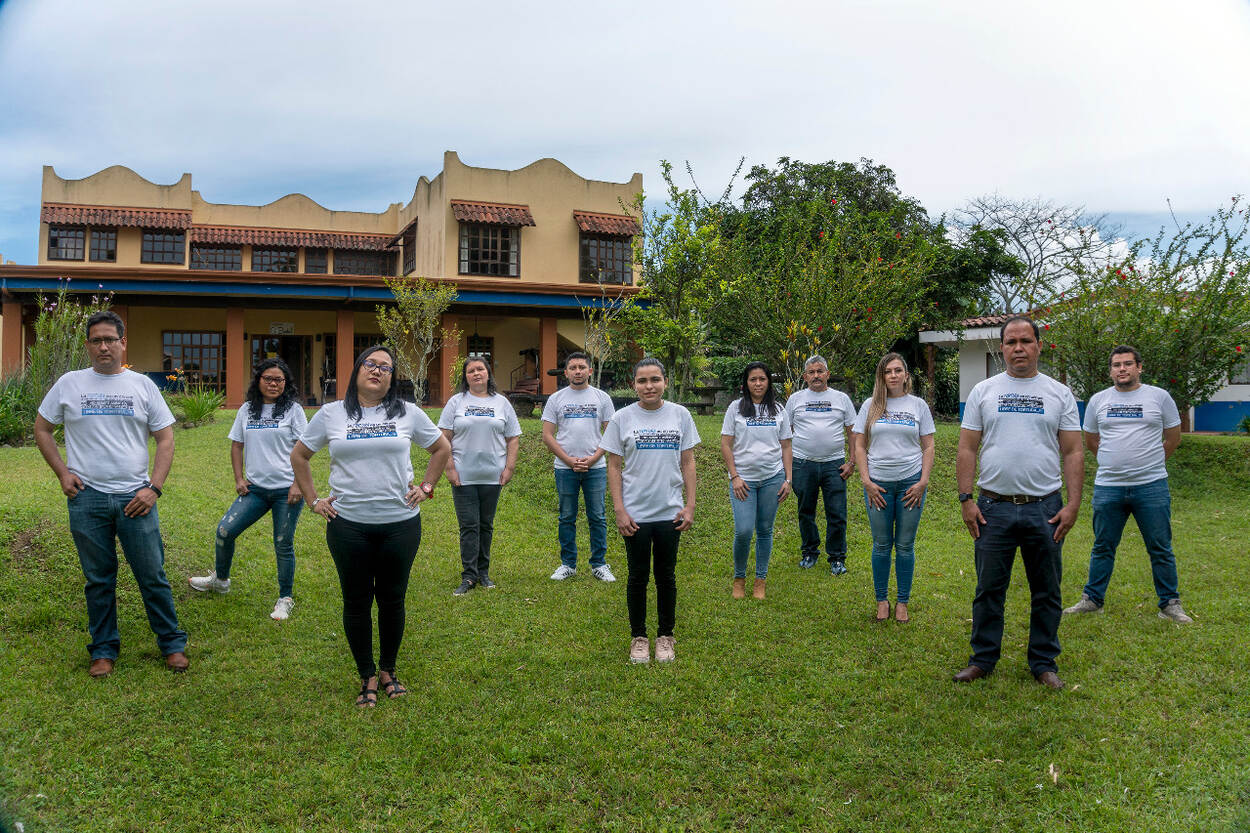
In December 2018 the Ortega government closed CENIDH by force. The human rights defenders on its staff were expelled from Nicaragua. Gonzalo and his colleagues fled to Costa Rica, where they continued their work and in 2019 founded Nicaragua Nunca Más. Nunca Más reports on torture and other human rights violations in Nicaragua, in the interests of justice and to discourage new violations. They offer legal and psychosocial support to victims and their family members, journalists and human rights defenders, and conduct human rights training courses. They also work at international level on behalf of victims of human rights violations. At the moment, justice cannot be sought through the Nicaraguan legal system, as it is under influence of the president. Nonetheless, gathering evidence is crucial to ensure justice for human rights violation in the future.
It was not easy to make a fresh start in a new country, but the founders of Nunca Más have managed to recover. Between 2019 and 2021 the group documented over 400 cases of serious human rights violations. The collective has now issued five reports, including information on victims who have been tortured, humiliated and arbitrarily imprisoned. The reports also contain information about extrajudicial executions and denial of the right to organise. Such reports are crucial in the absence of free press.
Under pressure
The Nicaraguan government have not been pleased with Nunca Más’ reports, and are subjecting the organisation to severe pressure. Its website has been the target of repeated cyberattacks. Extra digital security measures have enabled the collective to safeguard personal data and sensitive digital information. Despite these difficult conditions, including being forced to live far from their familiar surroundings, its human rights defenders are persisting bravely with their struggle. Gonzalo has not seen his wife or one of his daughters for 18 months. ‘But the time will come. One day I’ll go back,’ he said resolutely in the interview with Envío.
It was not easy to make a fresh start in a new country, but the founders of Nunca Más have managed to recover. Between 2019 and 2021 the group documented over 400 cases of serious human rights violations. The collective has now issued five reports, including information on victims who have been tortured, humiliated and arbitrarily imprisoned. The reports also contain information about extrajudicial executions and denial of the right to organise. Such reports are crucial in the absence of free press.
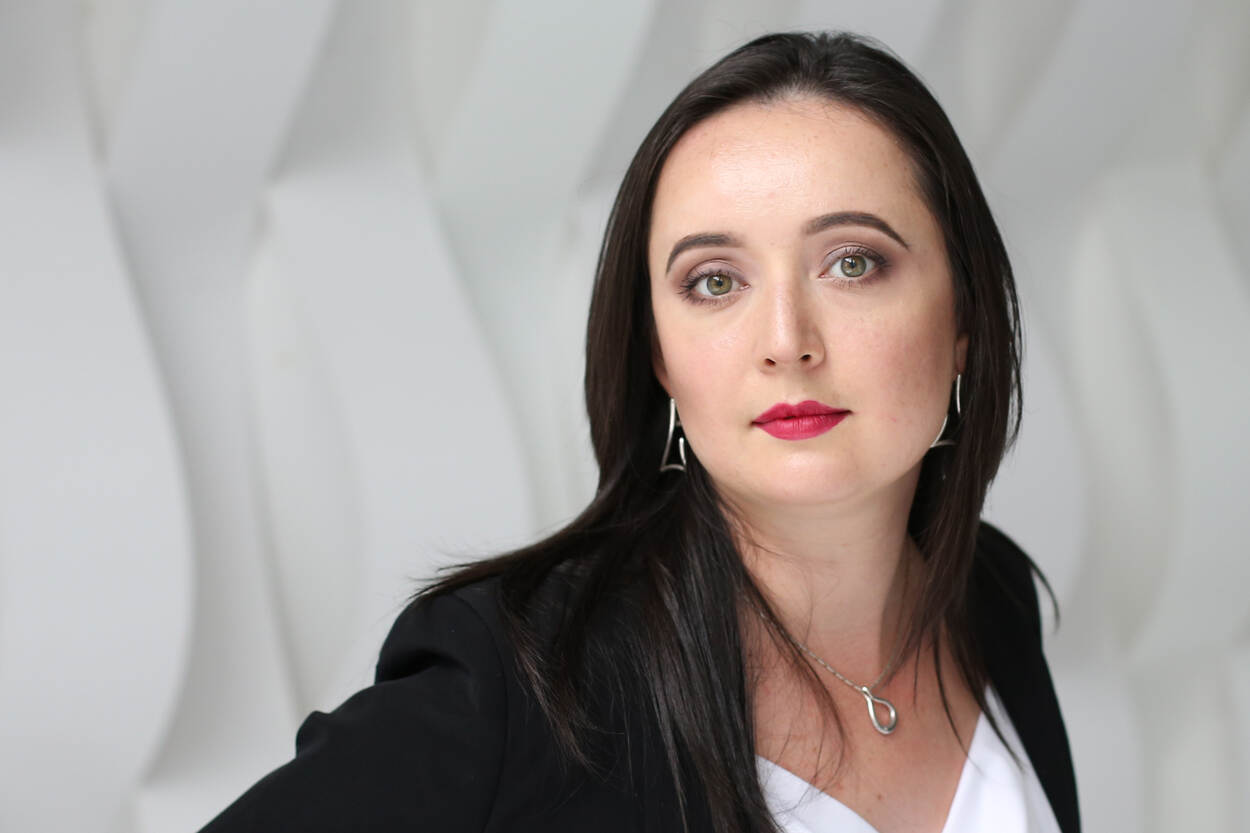
Mari Davtyan, lawyer in Russia, opposes domestic violence
The Russian police do not always respond to domestic violence complaints. Sometimes their failure to act has fatal results. Lawyer Mari Davtyan has been working for years now to change this situation. This is her story.
Mari Davtyan.
In December 2017 Margarita Gracheva’s husband chopped her hands off with an axe. She had asked the police for help several times in the preceding months – in vain. Mari Davtyan was Margarita’s lawyer. Now Mari is working on the case of three teenage sisters who killed their father on 28 July 2018, when they could no longer bear his many years of physical and sexual abuse. Their mother had reported the violence to the police, but was ignored. Domestic violence is seen in Russia as a ‘family issue’, and outside interference is viewed as meddling, Mari noted in an interview with Voice of America. Mari’s strong defence for the teenage sisters has sparked a debate in Russian society on domestic violence and conservative family values.
Since 2017 domestic violence is no longer a serious offence in Russia, but a misdemeanour. Perpetrators are fined, have to do community service or are served with a training order. They are only taken to court in cases of repeated violence or serious injuries. This law is meant to preserve the ‘unity of the family’; according to this logic, fathers don’t belong in jail. Mari has been fighting for years now to change this law, ‘because it has been proven dangerous for the safety of thousands of women in Russia’, Mari said in an interview with Marina Pisklakova-Parker of the Anna Center in Moskou. Fighting and winning cases like this has ‘helped the government understand that we are not dealing with violence in the right way,’ said Mari in an interview with the Washington Post. Growing numbers of people are putting pressure on the courts and government to reflect on how they are treating victims.
Mari is also the head and legal expert of the Consortium of Women’s NGOs, which works to protect victims of domestic violence in Russia. The organisation gives courses on women’s rights to lawyers and the police and helps victims with their legal cases. ‘We have more than 100 lawyers working with us today, this year we have more than 150 cases, and I think about 1,000 consultations with individual women,’ said Mari in an interview with the European Human Rights Advocacy Centre (EHRAC). She sees that women are becoming more confident and more often have the courage to seek her out. ‘They are finding the power to ask for help and they’re starting to understand what a healthy relationship should look like,’ she said in her interview with Voice of America.
 Hans Thoolen on Human Rights Defenders and their awards