Posts Tagged ‘journalists’

Alaa Abdel Fattah, and two others receive heavy prison sentences in Egypt

December 21, 2021

Egypt on Monday 20 December 2021 sentenced Alaa Abdel Fattah, a leading figure in the 2011 revolution, to five years in jail, with two others receiving four years, his sister Mona Seif and a judicial source said. [see also: https://humanrightsdefenders.blog/2020/08/06/re-issued-passionate-plea-for-help-in-open-letter-by-mona-seif-from-egypt-about-targeting-of-her-family/]

A computer programmer, blogger and high-profile activist who mobilized youths in the uprising that unseated autocrat Hosni Mubarak, Abdel Fattah had been in pre-trial detention since September 2019.

Abdel Fattah, his lawyer Mohamed al-Baqer and blogger Mohamed “Oxygen” Ibrahim were convicted of “broadcasting false news” in their trial in Cairo.

A judicial source, speaking on condition of anonymity, confirmed the verdict and sentencing to AFP.

Rulings in the court cannot be appealed. They require final approval by President Abdel Fattah al-Sisi.

Washington, which has already frozen 10 percent of its aid to Egypt over repeated rights violations, said it was “disappointed” by the sentence. “Journalists, human rights defenders, and others seeking to peacefully exercise their freedom of expression should be able to do so without facing criminal penalties, intimidation, harassment, or any other form of reprisal,” said State Department spokesman Ned Price.

The Committee to Protect Journalists decried Monday’s ruling as “unacceptable”.

The verdict “demonstrates the lengths to which authorities are willing to go to punish these journalists for their work”, said Sherif Mansour, CPJ’s Middle East and North Africa Coordinator. “Both journalists have already spent several years in prison on bogus charges, and authorities must release them immediately and unconditionally,” Mansour added.

Human Rights Watch on Sunday slammed “the government’s rush to use emergency courts… after holding people illegally for years in pretrial detention”. The New York-based rights watchdog then said that if Abdel Fattah and the other activists were to be sentenced, this would confirm “that fierce repression of peaceful critics remains the order of the day in Egypt”.

Abdel Fattah has spent most of the past decade in jail at Tora, one of the country’s most notorious prisons, after previous convictions. His mother, mathematics professor Laila Soueif, wrote in a New York Times opinion piece published on Saturday that “the outside world, once so inspired by the Egyptian revolutionaries, is looking away. His crime is that, like millions of young people in Egypt and far beyond, he believed another world was possible. And he dared to try to make it happen.

Prolific writer Abdel Fattah’s critically acclaimed essay collection “You Have Not Yet Been Defeated” was published in October.“At its fundamental core, his writing is attached to justice,” Soueif told AFP in October when the book was released.

Ahead of the trial session, Egypt’s foreign ministry lambasted the German government on Saturday for a statement calling for a “fair trial” and the release of the three dissidents. Cairo described the German foreign ministry’s call as “a blatant and unjustified meddling in Egyptian internal affairs”.

Rights groups say Egypt is holding some 60,000 political prisoners, many facing brutal conditions and overcrowded cells. See also: https://humanrightsdefenders.blog/2021/01/27/egypt-decade-after-arab-spring-amnesty-and-un-express-concern-over-detention/

In a 2019 interview with the show 60 Minutes on US broadcaster CBS, Sisi said there were no political prisoners in Egypt. And – of course – the official reaction to interventions was: Egypt’s foreign ministry stressed on Monday that it was absolutely not appropriate to comment on or in any way refer to an independent judicial process.

https://www.upi.com/Top_News/World-News/2021/12/20/Egypt-prison-sentences-three-activists-2011-uprising/9611640051667/

2021 Reporters Without Borders (RSF) Press Freedom Awards

November 21, 2021

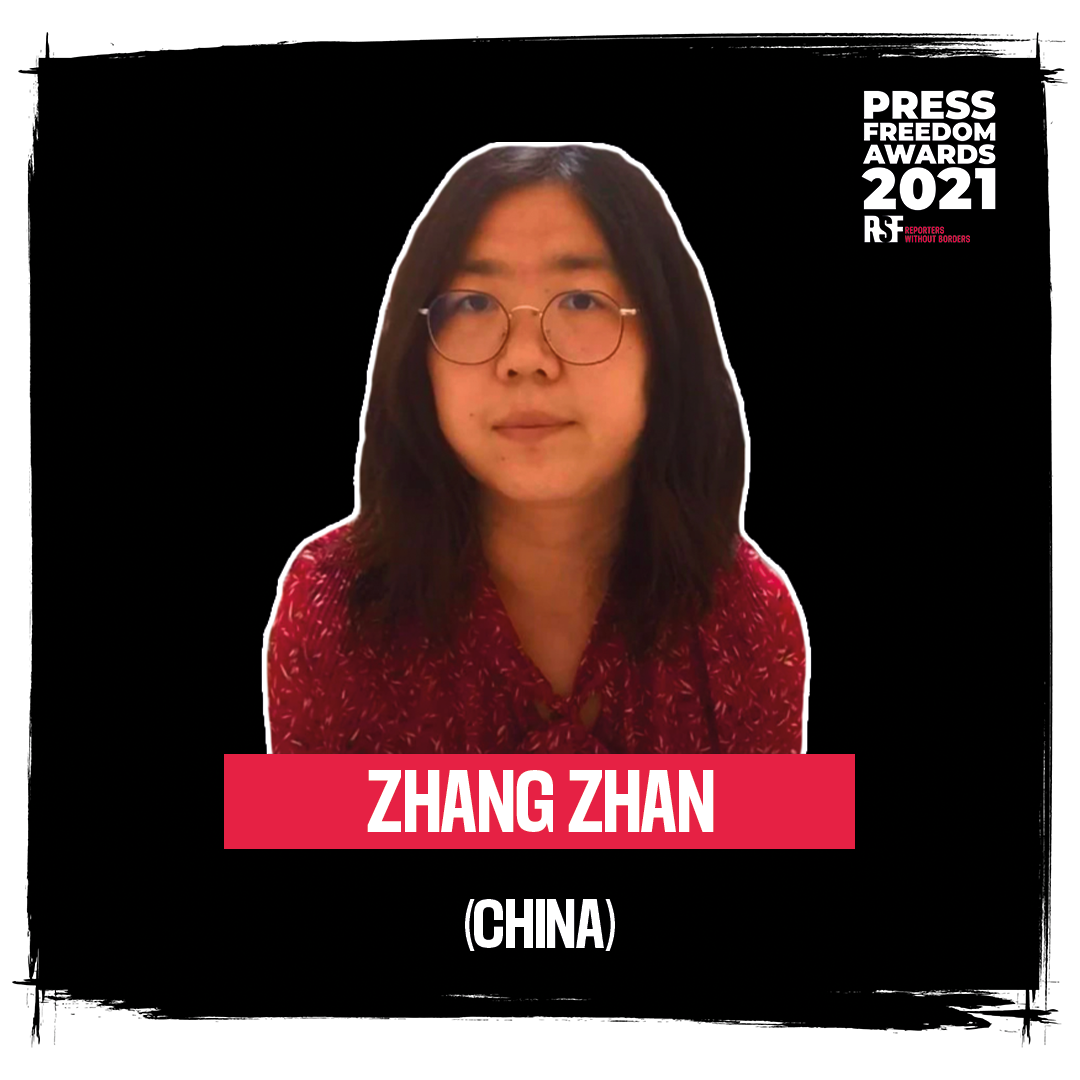
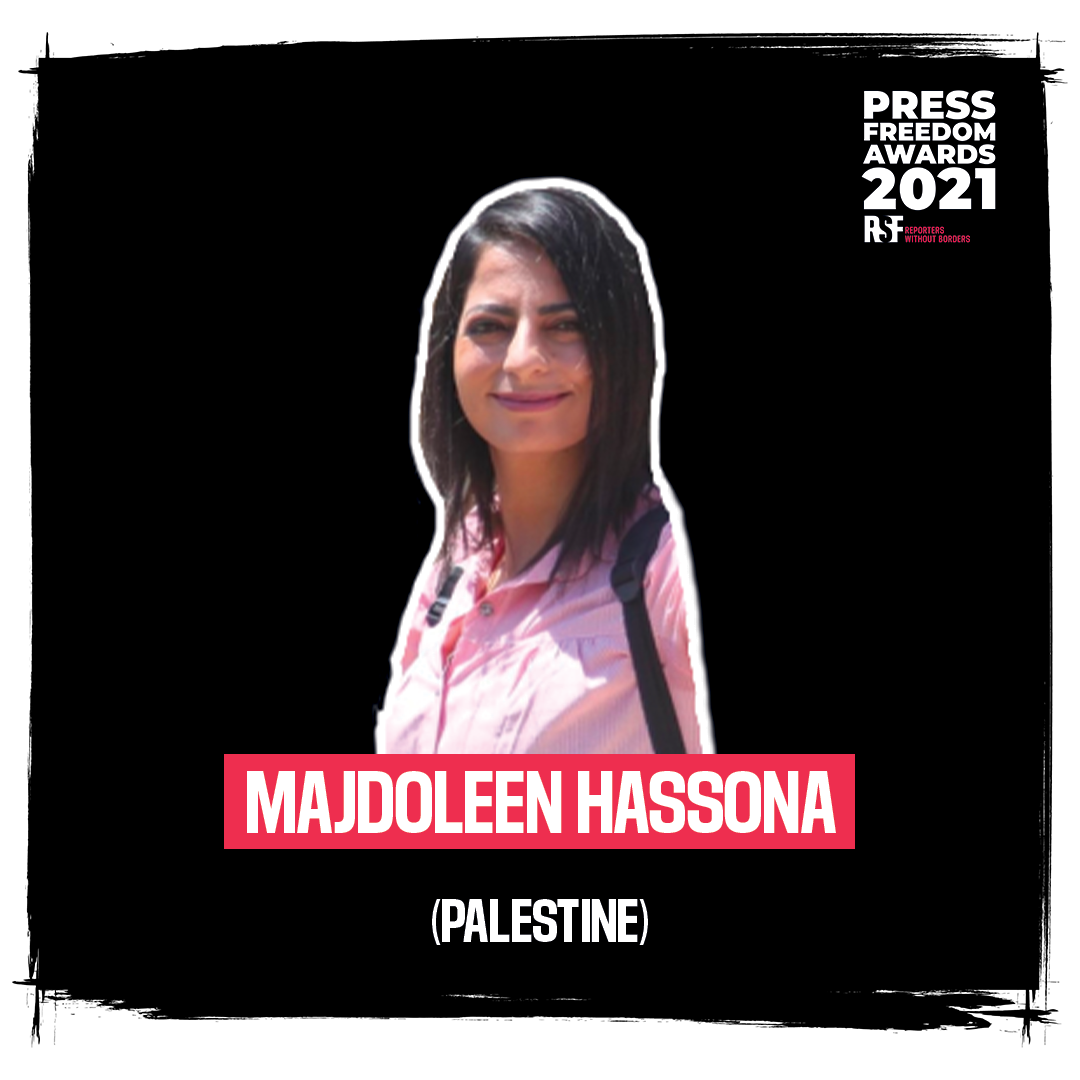
On 20 November 2021 Pacific Media Watch reported that the 2021 Reporters Without Borders (RSF) Press Freedom Awards have been given to Chinese journalist Zhang Zhan in the courage category, Palestinian journalist Majdoleen Hassona in the independence category, and the Pegasus Project in the impact category.

RSF president Pierre Haski announces the 29th RSF Press Freedom Awards in Paris. Video: RSF

RSF’s press freedom prizes are awarded every year to journalists or media that have made a notable contribution to the defence or promotion of freedom of the press in the world. This is the 29th year they have been awarded. The 2021 awards have been given in three categories — journalistic courage, impact and independence.

Courage Prize
The 2021 Prize for Courage, which aims to support and salute journalists, media outlets or NGOs that have displayed courage in the practice, defence or promotion of journalism, has been awarded to Chinese journalist Zhang Zhan.

Zhang Zhan

Despite constant threats, this lawyer-turned-journalist covered the covid-19 outbreak in the city of Wuhan in February 2020, live-streaming video reports on social media that showed the city’s streets and hospitals, and the families of the sick. Her reporting from the heart of the pandemic’s initial epicentre was one of the main sources of independent information about the health situation in Wuhan at the time.

After being arrested in May 2020 and held incommunicado for several months without any official reason being provided, Zhang Zhan was sentenced on 28 December 2020 to four years in prison for “picking quarrels and provoking trouble”. In protest against this injustice and the mistreatment to which she was subjected, she went on a hunger strike that resulted in her being shackled and force-fed. Her friends and family now fear for her life, and her health has worsened dramatically in recent weeks. See also: https://humanrightsdefenders.blog/2021/11/06/chinese-journalist-zhang-zhan-at-imminent-risk-of-death/

Independence Prize
The 2021 Prize for Independence, which rewards journalists, media outlets or NGOs that have resisted financial, political, economic or religious pressure in a noteworthy manner, has been awarded to Palestinian journalist Majdoleen Hassona.

Majdoleen Hassona
Majdoleen Hassona

Before joining the Turkish TV channel TRT and relocating to Istanbul, this Palestinian journalist was often harassed and prosecuted by both Israeli and Palestinian authorities for her critical reporting. While on a return visit to the West Bank in August 2019 with her fiancé (also a TRT journalist based in Turkey), she was stopped at an Israeli checkpoint and was told that she was subject to a ban on leaving the territory that had been issued by Israeli intelligence “for security reasons”. She has been stranded in the West Bank ever since but decided to resume reporting there and covered the anti-government protests in June 2021 following the death of the activist Nizar Banat.

Impact Prize
The 2021 Prize for Impact, which rewards journalists, media outlets or NGOS that have contributed to clear improvements in journalistic freedom, independence and pluralism, or increased awareness of these issues, has been awarded to the Pegasus Project.

The Pegasus Project
The Pegasus Project

The Pegasus Project is an investigation by an international consortium of more than 80 journalists from 17 media outlets* in 11 different countries that was coordinated by the NGO Forbidden Stories with technical support from experts at Amnesty International’s Security Lab. Based on a leak of more than 50,000 phone numbers targeted by Pegasus, spyware made by the Israeli company NSO Group, the Pegasus Project revealed that nearly 200 journalists were targeted for spying by 11 governments — both autocratic and democratic — which had acquired licences to use Pegasus. This investigation has made people aware of the extent of the surveillance to which journalists are exposed and has led many media outlets and RSF to file complaints and demand a moratorium on surveillance technology sales. See also: https://humanrightsdefenders.blog/2021/11/10/palestinian-ngos-dubbed-terrorist-were-hacked-with-pegasus-spyware/

“For defying censorship and alerting the world to the reality of the nascent pandemic, the laureate in the ‘courage’ category is now in prison and her state of health is extremely worrying,” said RSF secretary-general Christophe Deloire.

“For displaying a critical attitude and perseverance, the laureate in the ‘independence category has been unable to leave Israeli-controlled territory for the past two years. “For having revealed the scale of the surveillance to which journalists can be subjected, some of the journalists who are laureates in the ‘impact’ category are now being prosecuted by governments.

https://rsf.org/en/news/chinese-journalist-palestinian-journalist-and-pegasus-project-receive-2021-rsf-press-freedom-awards

Thomson Reuters Foundation’s conference 2021 focuses on the protection of free media and civil liberties

November 11, 2021

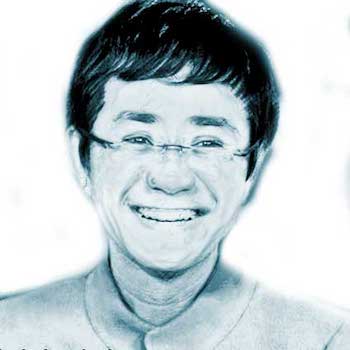
Nobel Peace Laureate Maria Ressa, Economist Jeffrey Sachs and Philanthropist Craig Newmark Amongst Speakers To Address World-leading Human Rights Forum Thomson Reuters Foundation is to host a two-day conference on 17 and 18 November focused on a post-pandemic roadmap to inclusive growth and the protection of free media and civil liberties. Nobel Peace Prize winner Maria Ressa, and an Afghan reporter who fled the Taliban, Zahra Joya, will join a distinguished line-up of speakers that also includes world-renowned Professor of Economics Jeffrey Sachs, Executive Director of Aspen Digital Vivian Schiller and founder of craigslist, philanthropist Craig Newmark. 
They will join human rights defenders, innovators, media experts, policymakers and business leaders at the online forum, which brings together thousands of delegates from around the world. The event comes at a critical juncture of the COVID-19 crisis and the UN climate summit, and will address how the pandemic has deepened longstanding social and economic inequalities, has revitalised the drive for a sustainable future and has triggered an alarming spike in media freedom and human rights violations.

With 18 hours of live-streamed talks, plenaries and insight sessions, leading experts from a variety of disciplines will share new insights on shifting the post-pandemic economy onto a more inclusive and sustainable path, one built on the principles of human rights, media freedom and climate justice. They will weigh in on cutting-edge solutions to tackle the world’s most consequential challenges, including the business case for economic inclusion, the path to zero emissions, the human cost of internet shutdowns and a legal network for journalists at risk.

This year’s diverse speakers also include Dr Hilda C. Heine, Senator and former President of the Marshall Islands; Yvonne Aki-Sawyerr OBE, Mayor of Sierra Leone’s capital, Freetown; Zahra Joya, Journalist and founder of Rukhshana Media in Afghanistan; Javier Pallero, Policy Director at Access Now; Shamina Singh, Executive VP for Sustainability at Mastercard; Jorge Rubio Nava, Global Head of Social Finance at Citi; Danielle Belton, Editor-in-Chief of the Huffington Post; Lina Attalah, Co-founder of independent Egyptian news outlet Mada Masr; Alessandra Galloni, Editor-in-Chief of Reuters; Kanbar Hossein Bor, UK Coordinator Media Freedom Campaign & Deputy Director Democratic Governance, FCDO; Ma Jun, Founding Director of the Institute of Public and Environmental Affairs and Caoilfhionn Gallagher QC, Barrister at Doughty Street Chambers, specialising in human rights and civil liberties.

The converging economic, health and climate crises are putting our democracies, people and planet under an existential threat,” said Thomson Reuters Foundation CEO Antonio Zappulla. “But there is also a great opportunity for a coordinated global response – the success of which depends on how well we work with and learn from each other.

In response to the ongoing, drastic deterioration of media freedoms, the Foundation will also be launching a new Legal Network for Journalists at Risk (LNJAR) at Trust Conference, an initiative in partnership with the Committee to Protect Journalists (CPJ) and Media Defence.

The LNJAR comprises 15 organisations, and strategically coordinates different types of legal support to enable journalists and independent media outlets to continue to cover public interest stories and hold power to account without fear of retribution.

Additionally, the Foundation will unveil its partnership with UNESCO, the International Women’s Media Foundation and the International News Safety Institute (INSI) through which it has developed practical and legal tools for journalists, media managers and newsrooms to counter harassment.

Now in its ninth year, Trust Conference reflects the Thomson Reuters Foundation’s work in tackling the world’s most complex societal issues, with a focus on socio-economic inclusion, sustainability, media freedom and human rights.

The programme and the speaker line-up of Trust Conference are available here. Register for your complimentary ticket here.

Trust Conference Agenda

The 2021 forum will address urgent global challenges through a series of talks, debates and high-profile exchanges. Themes include:

  • Climate change as a human rights risk
  • Making a ‘Just Transition’
  • The impact of financial vulnerability on editorial independence
  • The race for cyber sovereignty
  • Defending media freedom
  • Newsroom diversity

https://www.albawaba.com/business/pr/nobel-peace-laureate-maria-ressa-economist-jeffrey-sachs-and-philanthropist-craig

https://www.trustconference.com/

Nobel Peace Prize in 2021 for freedom of expression

October 8, 2021

On 8 October 2021 the Norwegian Nobel Committee decided to award the Nobel Peace Prize for 2021 to Maria Ressa and Dmitry Muratov for their efforts to safeguard freedom of expression, which is a precondition for democracy and lasting peace. Ms Ressa and Mr Muratov are receiving the Peace Prize for their courageous fight for freedom of expression in the Philippines and Russia. At the same time, they are representatives of all journalists who stand up for this ideal in a world in which democracy and freedom of the press face increasingly adverse conditions.

Maria Ressa uses freedom of expression to expose abuse of power, use of violence and growing authoritarianism in her native country, the Philippines. In 2012, she co-founded Rappler, a digital media company for investigative journalism, which she still heads. As a journalist and the Rappler’s CEO, Ressa has shown herself to be a fearless defender of freedom of expression. Rappler has focused critical attention on the Duterte regime’s controversial, murderous anti-drug campaign. The number of deaths is so high that the campaign resembles a war waged against the country’s own population. Ms Ressa and Rappler have also documented how social media is being used to spread fake news, harass opponents and manipulate public discourse. Maria Ressa has received earlier recognition with 5 human rights awards [see: https://www.trueheroesfilms.org/thedigest/laureates/c048da20-ba0f-11ea-a77e-f524f6fc9aaa]

Dmitry Andreyevich Muratov has for decades defended freedom of speech in Russia under increasingly challenging conditions. In 1993, he was one of the founders of the independent newspaper Novaja Gazeta. Since 1995 he has been the newspaper’s editor-in-chief for a total of 24 years. Novaja Gazeta is the most independent newspaper in Russia today, with a fundamentally critical attitude towards power. The newspaper’s fact-based journalism and professional integrity have made it an important source of information on censurable aspects of Russian society rarely mentioned by other media. Since its start-up in 1993, Novaja Gazeta has published critical articles on subjects ranging from corruption, police violence, unlawful arrests, electoral fraud and ”troll factories” to the use of Russian military forces both within and outside Russia.

Novaja Gazeta’s opponents have responded with harassment, threats, violence and murder. Since the newspaper’s start, six of its journalists have been killed, including Anna Politkovskaja who wrote revealing articles on the war in Chechnya. Despite the killings and threats, editor-in-chief Muratov has refused to abandon the newspaper’s independent policy. He has consistently defended the right of journalists to write anything they want about whatever they want, as long as they comply with the professional and ethical standards of journalism.

Muratov dedicated his award to six contributors to his Novaya Gazeta newspaper who had been murdered for their work exposing human rights violations and corruption. “Igor Domnikov, Yuri Shchekochikhin, Anna Politkovskaya, Stas Markelov, Anastasia Baburova, Natasha Estemirova – these are the people who have today won the Nobel Prize,” Muratov said, reciting the names of slain reporters and activists whose portraits hang in the newspaper’s Moscow headquarters.

Free, independent and fact-based journalism serves to protect against abuse of power, lies and war propaganda. The Norwegian Nobel Committee is convinced that freedom of expression and freedom of information help to ensure an informed public. These rights are crucial prerequisites for democracy and protect against war and conflict. The award of the Nobel Peace Prize to Maria Ressa and Dmitry Muratov is intended to underscore the importance of protecting and defending these fundamental rights.

For more on the Nobel Peace Prize and many other awards on freedom of expression see: https://www.trueheroesfilms.org/thedigest/awards/F8EA8555-BF30-4D39-82C6-6D241CC41B74

https://www.nobelprize.org/prizes/peace/2021/press-release/

https://www.reuters.com/world/philippines-journalist-ressa-russian-journalist-muratov-win-2021-nobel-peace-2021-10-08/

Canada puts its money where its mouth is: ‘human rights defenders’ to be fast tracked as refugees

July 19, 2021

On 16 July 2021 Reuters reported that Canada is establishing a dedicated refugee stream for “human rights defenders,” including journalists, who may need to seek asylum to escape persecution in their country,

The stream – the first of its kind in the world, according to the UN refugee agency – will accommodate 250 people a year, plus their families, and focus on people at heightened risk, such as women, journalists and LGBTQ2 rights advocates.

We must not overlook those who bear witness to these human tragedies, who are active through demonstration and reporting so the rest of us can be informed. But in doing so they risk persecution, arrest, torture and even death,” Immigration, Refugees and Citizenship Minister Marco Mendicino said on Friday in a virtual news conference from Toronto.

One example a spokesperson gave of a person eligible under this program is an activist against the regime in Belarus who had fled to Poland but needed permanent refuge.

Canada aims to resettle 36,000 refugees this year, almost four times its total of 9,200 resettled in 2020. But by the end of April, only 1,630 resettled refugees had arrived in Canada, according to government figures.

https://www.thelawyersdaily.ca/articles/28355/feds-announce-dedicated-refugee-stream-for-human-rights-defenders

https://www.reuters.com/article/canada-refugees/canada-to-welcome-human-rights-defenders-including-journalists-as-refugees-idUSL1N2OS12Q

International abductions are becoming ‘mainstream’ human rights defenders find

July 15, 2021

Shawn Utley reports in the Madison Leader Gazette of July 14, 2021 on a Freedom House “webinar” about the alleged Iranian plot to kidnap Iranian-American journalist Masih Alinejad.

A newly released Justice Department indictment charging four Iranian intelligence operatives with plotting to kidnap a New York-based journalist who had criticized the Iranian regime, dramatically underscores how transnational abductions are becoming the new “normal” for repressive regimes around the world, two human rights activists said Wednesday.

“It’s a horrific attempt to silence dissent,” Saudi activist Lina Alhathloul said during a Freedom House “webinar” about the alleged Iranian plot to lure Iranian-American journalist Masih Alinejad to a third country so she could be forcibly rendered to Iran.

Her sister, prominent women’s rights activist Loujain Alhathloul, was abducted in Dubai in 2018 and flown to Saudi Arabia, where she was thrown in prison and tortured under the direction of a top aide to Saudi Crown Prince Mohammed bin Salman, or MBS, according to U.S. officials and the accounts from the Alhathloul family.

This is very much a moment when we see this phenomenon is becoming mainstream,” added Nate Schenkkan, director of research strategy at Freedom House, “It’s becoming something that dozens of governments around the world use to control exiles and diaspora members. Countries do it because they can get away with it and because the consequences are not there.”

The comments came during a Freedom House-sponsored panel dedicated to the growing threat of the transnational repression trend, as detailed in a recent report and video from the group, and to the new season of Yahoo News “Conspiracy land” an eight-episode podcast that uncovered new details about the brutal murder of Saudi journalist Jamal Khashoggi inside the Saudi consulate in Istanbul in October 2018.

As was noted in the panel discussion, there are striking parallels between the Saudi plot to assassinate Khashoggi and the alleged Iranian plot to kidnap Alinejad. Both targeted journalists who, after criticizing their governments, had moved to the United States to live in exile. Khashoggi had excoriated the harsh crackdowns by MBS, including the detention of Loujain Alhathloul. Alinejad had criticized the corruption and repressive measures of former Iranian President Mahmoud Ahmadinejad.

A general manager of Alarab TV, Jamal Khashoggi, looks on during a press conference in the Bahraini capital Manama, on December 15, 2014. (Mohammed Al-Shaikh/AFP via Getty Images)
Jamal Khashoggi. (Getty Images)

Both plots involved extensive surveillance on U.S. soil. In Khashoggi’s case, Saudi operatives recruited spies inside Twitter to steal personal data about regime critics and later used sophisticated spyware to hack the phones of one of those critics who was in extensive contact with the Saudi journalist. In Alinejad’s case, Iranian intelligence operatives used private investigators to follow, photograph and video-record the Iranian-American journalist and members of her family in Brooklyn, according to federal prosecutors in Brooklyn, who on Tuesday brought the indictment against the Iranian operatives, all of whom reside in Iran..

https://wmleader.com/general-other/103482/iranian-kidnapping-plot-shows-that-transnational-abductions-are-becoming-mainstream-human-rights-activists-say/

https://www.amnesty.org/en/latest/news/2021/08/today-the-reach-of-repressive-leaders-knows-no-bounds-borders-or-country-lines/

https://freedomhouse.org/article/iran-plot-kidnap-american-writer-highlights-threat-transnational-repression

https://nltimes.nl/2021/08/14/attack-pakistani-human-rights-activist-foiled-rotterdam

Three Democratic Voice of Burma journalists and two activists risk refoulement by Thailand

May 11, 2021

The DVB made on 10 May 2021 the following emergency statement :

Three senior DVB’s journalists and two activists, who escaped to Thailand after the
military crackdown in Burma, were arrested by the police on Sunday, May 9th in
Chiang Mai, Thailand. They were arrested during a random search by the police
and charged for illegal entry into Thailand.
DVB strongly urges the Thai authorities to not deport them back to Burma, as their
life will be in serious danger if they were to return. They have been covering the
demonstrations in Burma until March 8 – the day the military authority revoked
DVB’s TV license and banned DVB from doing any kind of media work.
We also appeal to the United Nations High Commissioner for Refugees in Bangkok
to intervene to help guard their safety. We request the international community to
help call the Thai authorities to waive their deportation.
Thank you in name of all DVB journalists,
Aye Chan Naing, Executive director and chief editor DVB

See also: https://www.amnesty.org/en/latest/news/2021/05/myanmar-democratic-voice-of-burma-journalist-jailed/

https://www.scoop.co.nz/stories/WO2105/S00174/thailand-prevent-pushbacks-establish-protection-mechanisms-for-refugees-fleeing-myanmar.htm

Journalists and HRDs pay the price of authoritarian impunity

May 6, 2021

Regan Ralph on 2 May 2021, in Open Democracy, writes: “When authoritarians get a free pass, activists pay the price”. It is a rich piece.

Much ink has been spilled about US president Joe Biden’s non-response to the confirmation by US intelligence services that Saudi crown prince Mohammed bin Salman directed the gruesome murder of journalist Jamal Khashoggi in Turkey in 2018. Most of it, like Joseph S. Nye, Jr.’s recent article ‘Biden and Human Rights’, focuses on the political consequences.

The real price of authoritarian impunity, however, is paid by the victims. Pulled punches – like refusing to sanction the crown prince – endanger the lives of brave individuals standing up for democratic values. If the Biden administration is to deliver on its promise to “stand firm behind our commitments to human rights, democracy, [and] the rule of law”, it must make protecting the lives of activists a priority.

In 2020, 50 journalists were killed worldwide. For activists and advocates, the numbers are even grimmer – at least 331 human rights defenders in 25 countries were murdered. Countless others were detained, beaten, and threatened with worse. Women, especially, are singled out for sexualized violence and harassment. And the number of human rights activists killed, harassed, or thrown in jail is steadily rising. According to UN special rapporteur on human rights defenders Mary Lawlor, 1,300 peaceful activists were murdered between 2015 and 2019.

Like journalists, frontline activists are targeted by the powerful institutions they publicly criticize. Last month marked five years since the murder of Honduran environmental justice advocate Berta Caceres. She was gunned down in her home on the night of 2 March 2016, after a years-long campaign of harassment and intimidation. Caceres was killed because of her peaceful struggle against the Agua Zarca dam project, which threatens the land and livelihoods of indigenous Lenca communities in western Honduras. [see also: https://humanrightsdefenders.blog/tag/berta-caceres/]

Investigations into Caceres’s murder indicated an elaborate web of co-conspirators, including high-level government officials, former military personnel, and top executives at Desarrollos Energeticos SA (DESA)—the company building the dam. Seven men, hired by DESA executives, were convicted in 2018 for Caceres’s murder. DESA’s president, a former military intelligence officer, will stand trial next month. He is indicted as the “intellectual author” of the assassination.

These brutal murders are tragedies. They also reveal the costs incurred when we indulge authoritarians as they crack down on voices of dissent.

Not long ago, it seemed that the price of oppression was on the rise. There was a growing consensus that brutal, autocratic actions would isolate a country from the international community. Powerful actors on the world stage, including the US State Department, could and did support the right of independent voices to criticize abuses of power and call for accountability.

Then the new authoritarians came to power. In countries across the world, illiberal and autocratic strongmen granted each other the gift of impunity and permission to silence critics without consequence. Human rights advocates watched with grim resignation as former president Donald Trump’s administration excused gross rights violations and embraced abusive regimes.

Existential threats to human rights activism are not theoretical; they grow more concrete and specific every day

The now-defunct International Commission Against Impunity in Guatemala (CICIG), for example, was established in 2006 with political and financial support from the United States and the United Nations. It scored groundbreaking victories against corrupt and abusive political and military figures. In 2015, Joe Biden, then US vice-president, helped keep the CICIG alive while the then Guatemalan president Perez Molina – later imprisoned on corruption charges – tried to shut it down. But in 2019, when the Guatemalan government dismantled the CICIG, there was nary a peep from Washington.

Existential threats to human rights activism are not theoretical; they grow more concrete and specific every day. As the Trump administration turned a blind eye, the Egyptian government cracked down on critics, harassing or jailing thousands of activists and journalists. Local advocates say President Abdel Fattah el-Sisi has been emboldened by the lack of consequences over his government’s flagrant disregard for human rights.

Civil society activists are vulnerable wherever they live and travel. Khashoggi’s murder shows the lengths to which an unchecked authoritarian will go to silence critics. This is what happens when heavyweight governments like the United States abdicate their moral leadership—frontline advocates everywhere in the world pay the price. It is unfathomably cruel to valorize the bravery of human rights advocates on the one hand and refuse to hold their murderers accountable on the other.

US leadership should offer the kind of moral suasion that will effectively counter and curtail attacks on human rights defenders. Others, including Khashoggi’s own colleagues at The Washington Post, have outlined the immediate actions Biden can take to hold Saudi Arabia’s crown prince accountable. But beyond sanctions for egregious violations, the Biden administration must do more to proactively support the thousands of courageous individuals who risk their lives to promote democracy and justice.

First, the administration should consistently apply the human rights norms it espouses—at home and abroad. Second, it must lend political and, where appropriate, financial support to those building democratic movements and institutions, especially when their efforts are attacked. Last, it should explore the creation of a novel global security compact, following the collective protection model pioneered by local activists. The safety of human rights defenders anywhere is the concern of governments everywhere, and policymakers must take measures to ensure that all civil society actors can carry out their vital work in safety.

The schoolyard teaches us that bullies don’t back down when they get what they want; instead, they demand more. It’s time to stand up to autocratic bullies and hold them accountable for their actions. The lives of countless brave activists may depend on it.

https://www.opendemocracy.net/en/when-authoritarians-get-free-pass-activists-pay-price/

Shelter City Netherlands: Call for Applications for September 2021

April 29, 2021

Justice and Peace Netherlands is launching a new call for applications for at risk human rights defenders to participate in Shelter City. The deadline for applications is 14 May 2021 at 23:59 CEST (Central European Time). Please be aware that special conditions apply because of the COVID-19 situation (see conditions below).

Shelter City provides temporary safe and inspiring spaces for human rights defenders at risk where they re-energise, receive tailor-made support and engage with allies. The term human rights defender is intended to refer to the broad range of activists, journalists and independent media professionals, scholars, writers, artists, lawyers, civil and political rights defenders, civil society members, and others working to advance human rights and democracy around the world in a peaceful manner.

From September 2021 onwards, several cities in the Netherlands will receive human rights defenders for a period of three months. At the end of their stay in the Netherlands, participants are expected to return with new tools and energy to carry out their work at home.

Journalists’ Safe Haven Initiative

Justice and Peace aims to promote the safety of journalists, and in particular women journalists, worldwide so that they can build new strategies and continue their important work for freedom of expression in their country of origin. With the support of the Dutch Ministry of Foreign Affairs, Justice and Peace will be able to provide two additional temporary safe spaces per year in The Hague for journalists at risk and provide them with tailor-made support.

Shelter City and COVID-19

Please note that the current situation of the coronavirus (COVID-19) may pose certain challenges to the stay of human rights defenders in the Netherlands in 2021. These challenges can include:

  • Limitations and/or changes in the programme that we can offer human rights defenders during their stay in the Netherlands;
  • New measures and restrictions (including a lockdown) taken by the Dutch government;
  • Cancellation of flights to/from the Netherlands;
  • Postponement of return to the home country after 3 months because of travel restrictions;
  • Participants might be requested to self-quarantine for 5-10 days upon arrival in the Netherlands (the Shelter City programme will be adapted accordingly) and to take other preventive measures due to COVID-19 (including a COVID-19 test before travelling to the Netherlands).

Please consider these potential challenges carefully before applying to the programme.

Applicants must fulfil the following conditions:

In order to be eligible to the Shelter City programme, applicants must meet the following conditions:

  1. They implement a non-violent approach in their work;
  2. They are threatened or otherwise under pressure due to their work;
  3. They can be relocated for a maximum period of 3 months. Limited spots are available for people who are not able to stay for the full 3 months;
  4. They are willing and able to return to their country of origin after 3 months;
  5. They are willing to speak publicly about their experience or about human rights in their country to the extent that their security situation allows;
  6. They have a conversational level* of English (limited spots are available for French or Spanish speaking HRDs);
  7. They are willing and able to come to The Netherlands without the accompaniment of family members;
  8. They have a valid passport (with no less than six months of validity) or be willing to carry out the procedures for its issuance. Justice and Peace covers the costs of issuing a passport and/or visa (if applicable);
  9. They are not subjected to any measure or judicial prohibition to leaving the country;
  10. They are willing to begin their stay in The Netherlands around September 2021.

Note that additional factors will be taken into consideration in the final round of selection, such as the added value of a stay in the Netherlands as well as gender, geographic, and thematic balance. Please note that we can only accept human rights defenders currently residing in a third country under exceptional circumstances.

To apply or submit the application of a human rights defender, please fill in the form by clicking ‘Apply Now’ below. Application forms must be completed by 14 May 2021, at 23:59 CEST (Central European Summer Time). An independent commission will select the participants.

Note that the selected human rights defenders will not automatically participate in Shelter City as Justice and Peace is not in control of issuing the required visas to enter the Netherlands.

For last year’s call see: https://humanrightsdefenders.blog/2020/11/24/new-call-for-applications-for-human-rights-defenders-at-risk-to-participate-in-shelter-city-netherlands/

Apply now for Shelter City 2021

For more information, please contact us at sheltercity[at]justiceandpeace.nl.

World Press Freedom Index 2021 is out

April 24, 2021

The 2021 World Press Freedom Index compiled by Reporters Without Borders (RSF) shows that journalism, the main vaccine against disinformation, is completely or partly blocked in 73% of the 180 countries ranked by the organisation.

This year’s Index, which evaluates the press freedom situation in 180 countries and territories annually, shows that journalism, which is arguably the best vaccine against the virus of disinformation, is totally blocked or seriously impeded in 73 countries and constrained in 59 others, which together represent 73% of the countries evaluated. These countries are classified as having “very bad,” “bad” or “problematic” environments for press freedom, and are identified accordingly in black, red or orange on the World Press Freedom map. To compare with last year, see: https://humanrightsdefenders.blog/2020/04/21/2020-world-press-freedom-index-is-out/

The Index data reflect a dramatic deterioration in people’s access to information and an increase in obstacles to news coverage. The coronavirus pandemic has been used as grounds to block journalists’ access to information sources and reporting in the field. Will this access be restored when the pandemic is over? The data shows that journalists are finding it increasingly hard to investigate and report sensitive stories, especially in Asia, the Middle East and Europe.

The 2021 Edelman Trust barometer reveals a disturbing level of public mistrust of journalists, with 59% of respondents in 28 countries saying that journalists deliberately try to mislead the public by reporting information they know to be false. In reality, journalistic pluralism and rigorous reporting serve to combat disinformation and “infodemics”, including false and misleading information.

Journalism is the best vaccine against disinformation,” RSF secretary-general Christophe Deloire said. “Unfortunately, its production and distribution are too often blocked by political, economic, technological and, sometimes, even cultural factors. In response to the virality of disinformation across borders, on digital platforms and via social media, journalism provides the most effective means of ensuring  that  public debate is based on a diverse range of established facts.”

For example, President Jair Bolsonaro of Brazil (down 4 at 111th) and President Nicolás Maduro of Venezuela (down 1 at 148th) promoted medically unproven Covid-19 remedies. Their false claims were debunked by investigative journalists at media outlets such as Brazil’s Agência Pública and in-depth reporting by Venezuela’s few remaining independent publications. In Iran (down 1 at 174th), the authorities tightened their control over news coverage and stepped up trials of journalists in order to weaken the media’s ability to scrutinise the country’s Covid-19 death toll. In Egypt (166th), President Abdel Fattah Al-Sisi’s government simply banned the publication of any pandemic statistics that didn’t come from the Ministry of Health. In Zimbabwe (down 4 at 130th), the investigative reporter Hopewell Chin’ono was arrested shortly after helping to expose the overbilling practices of a medical equipment supply company.

Biggest movements in the Index

Norway is ranked first in the Index for the fifth year running even though its media have complained of a lack of access to state-held information about the pandemic. Finland maintained its position in second place while Sweden (up 1 at 3rd) recovered its third place ranking, which it had yielded to Denmark (down 1 at 4th) last year. The 2021 Index demonstrates the success of these Nordic nations’ approach towards upholding press freedom.

The World Press Freedom map has not had so few countries coloured white – indicating a country situation that is at least good if not optimal – since 2013, when the current evaluation method was adopted. This year, only 12 of the Index’s 180 countries (7%) can claim to offer a favourable environment for journalism, as opposed to 13 countries (8%) last year. The country to have been stripped of its “good” classification is Germany (down 2 at 13th). Dozens of its journalists were attacked by supporters of extremist and conspiracy theory believers  during protests against pandemic restriction….The country that fell the furthest in 2021 was Malaysia (down 18 at 119th), where the problems include a recent “anti-fake news” decree allowing the government to impose its own version of the truth. Big descents were also registered by Comoros (down 9 at 84th) and El Salvador (down 8 at 82nd), where journalists have struggled to obtain state-held information about the government’s handling of the pandemic.

https://rsf.org/en/2021-world-press-freedom-index-journalism-vaccine-against-disinformation-blocked-more-130-countries