Author Archive

2021 Aurora Humanitarians Announced

May 6, 2021

On 24 April 2021 the Aurora Humanitarian Initiative has revealed the names of five 2021 Aurora Humanitarians, chosen by the Aurora Prize Selection Committee for their courage, commitment and impact. The announcement was made today at the Matenadaran, the national repository of ancient manuscripts located in Yerevan, Armenia. During this special event, the attendees also paid tribute to the great scholar and philanthropist Vartan Gregorian, Co-Founder of the Aurora Humanitarian Initiative and member of the Aurora Prize Selection Committee, who passed away a few days ago. In accordance with the tradition, the names of the 2021 Aurora Humanitarians have been inscribed in the Chronicles of Aurora, a unique 21st century manuscript containing the depictions of the Aurora Humanitarian Initiative activities. For 2020 see: https://humanrightsdefenders.blog/2020/09/17/fartuun-adan-and-ilwad-elman-from-somalia-named-2020-aurora-prize-winners/

One of the Humanitarians will become the 2021 Aurora Prize Laureate and will receive an opportunity to continue the cycle of giving by sharing a $1,000,000 award with the organizations that help people in need. The 2021 Aurora Humanitarians are:

  • Grégoire Ahongbonon (Côte d’Ivoire), founder of the St Camille Association, which helps people in West Africa suffering from mental illness and seeks to end the inhumane local practice of keeping them in chains. Mr. Ahongbonon has nominated three organizations that promote international solidarity and support people with intellectual disabilities and mental illnesses: CRÉDIL (Lanaudière’s Regional Committee on Education for International Development), L’Arche Canada Foundation, and St Camille Association.
  • Ruby Alba Castaño (Colombia), a human rights activist and founder of ASOCATDAME (Meta Association for Peasants, Rural Workers and Defenders of the Environment) who works to protect the rights of thousands of Colombian peasants that are subjected to persecution, forced disappearances and displacement. Ms. Castaño has nominated three organizations that advocate for the rights of the peasant and impoverished communities in Colombia: ASOCATDAME, Claretian Corporation Norman Pérez Bello (CCNPB), and National Federation of Agricultural Unions (FENSUAGRO).
  • Paul Farmer (USA), a medical anthropologist, professor at Harvard Medical School, co-founder and chief strategist of Partners In Health (PIH), an international non-profit organization that brings the benefits of modern medical science to those who need it the most. Dr. Farmer has nominated two organizations that deliver healthcare to the world’s poorest communities and build a global movement of social medicine educators and practitioners: Partners In Health and Equal Health.
  • Julienne Lusenge (Democratic Republic of the Congo), a human rights defender, co-founder of Women’s Solidarity for Inclusive Peace and Development (SOFEPADI) and Fund for Congolese Women (FFC), who has been helping the victims of wartime sexual violence for years. Ms. Lusenge has nominated three organizations that support grassroots women’s organizations, empower survivors of gender-based violence and reintegrate internally displaced persons: Fund for Congolese Women, League for Congolese Solidarity and Association of Mothers for Development and Peace.
  • Ashwaq Moharram (Yemen), a physician who provides life-saving support to the starving population of Hodeida, facing a humanitarian crisis in the aftermath of conflict and blockade. Dr. Moharram has nominated two organizations that protect the future of children and provide free healthcare services to the people affected by the ongoing conflict in Yemen: Save the Children and Doctors Without Borders.

“It is a great honor to have the opportunity to recognize these distinguished men and women from all over the world. The 2021 Aurora Humanitarians are individuals who truly believe in the basic human rights and have dedicated their lives to helping people in areas of adversity. They are also recognized for the huge impact that even one individual can have by helping thousands and, most importantly, inspiring millions at the same time,” said Lord Ara Darzi, Chair of the Aurora Prize Selection Committee.

“The outstanding accomplishments of the 2021 Aurora Humanitarians show their unyielding willingness to act in response to the needs of people around them. Aurora believes deeply in the power of humanity to improve and save lives and has come up with the concept of “Gratitude in Action” that describes the human spirit that can motivate humanitarian activism. The heroes we are honoring today are the role models the world needs now more than ever before,” noted Marguerite Barankitse, founder of Maison Shalom and REMA Hospital and the inaugural Aurora Prize Laureate.

At the event, the Aurora Humanitarian Initiative also officially announced the opening of the nomination period for the 2022 Aurora Prize and encouraged everyone to put forward inspiring modern-day heroes. Earlier that day, Aurora representatives had commemorated the Armenian Genocide by attending a flower-laying ceremony at the Tsitsernakaberd memorial in Yerevan, Armenia, dedicated to the victims of the first genocide of the 20th century.  
https://hetq.am/en/article/130109

Rita Aciro winner of the 2021 EU’s Human Rights Defenders’ Award in Uganda

May 1, 2021

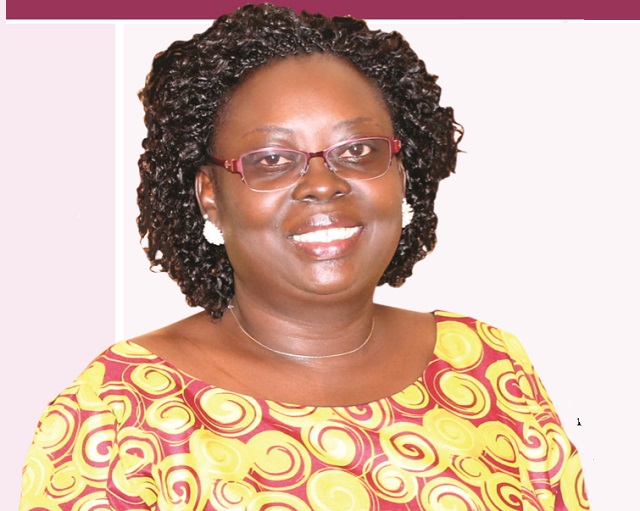
Noelyn Nassuuna in KFM of 30 April 2021 reports that Ugandan women’s rights activist Rita Aciro is the winner of the 2021 European Union Human Rights Defenders’ Award.

The award is given annually by the European Union and Norway to recognise a human rights defender in Uganda for their outstanding contribution.

Aciro, the Executive Director of the Uganda Women’s Network was recognised for her outstanding work to advance the role of girls and women in all aspects of life in Uganda. For last year’s see: https://humanrightsdefenders.blog/2020/06/19/eus-ugandan-human-rights-defenders-award-2020-to-aime-moninga/

Speaking during the award ceremony last evening, the Germany Ambassador to Uganda Matthias Schauer said human rights need to be defended all over the world especially for disadvantaged groups.

While receiving the award, Aciro said it was an honour of the invisible Human Rights Defenders in homes, and public spaces who never have the spot light yet do an incredible job in giving a voice to women and girls.

Sonita Alizadeh, Afghan-born rapper, receives 2021 Normandy Freedom Prize

April 29, 2021

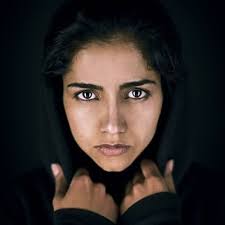
The Normandy Freedom Prize invites young people aged 15 to 25 in France and around the world, to reward each year a person or an organization engaged in an exemplary fight in favour of freedom. The online vote open to 15-25 year olds around the world to elect the 2021 Freedom Prize closed on April 26. Sonita Alizadeh, 25 years old, rapper born in Afghanistan, was named the laureate of this third edition of the Freedom Prize thanks to the votes of more than 5,000 young people from all over the world. For more on this award and its laureates see: https://www.trueheroesfilms.org/thedigest/awards/fef9ddd0-5b73-11e9-aba0-2ddd74eff7fa

Sonita Alizadeh is a rapper who was born in Afghanistan under the Taliban regime. At the age of 9, her parents planned to sell her as a bride but because of the war, her family fled to Iran and the planned marriage fell through. In Teheran, an NGO provided her with access to education and a cleaning job. When Sonita stumbled upon a song by the rapper Eminem, it is a real breakthrough. She began writing to tell her story and to speak out against forced marriage and the plight of millions of children around the world. Her first single, “Brides for Sale” garnered worldwide attention. Having moved to the United States, she now studies law to become a lawyer and to return to her country to defend Afghan women and children.
 

The reaction of Nadia Khiari alias Willis from Tunis, president of the international jury for the Freedom Prize 2021

I am proud to accompany the youth jury for the Prix Liberté. It is essential to sensitize the young generation to the defense of freedoms whatever they may be and to involve them in the construction of equality and the rights of every woman and man in the world. This requires awareness and teaching of what is happening elsewhere but also in France. Young people need to be heard because they are just like adults, victims of suffering and indifference.”

https://normandiepourlapaix.fr/en/actualites/sonita-alizadeh-laureate-2021-freedom-prize

Shelter City Netherlands: Call for Applications for September 2021

April 29, 2021

Justice and Peace Netherlands is launching a new call for applications for at risk human rights defenders to participate in Shelter City. The deadline for applications is 14 May 2021 at 23:59 CEST (Central European Time). Please be aware that special conditions apply because of the COVID-19 situation (see conditions below).

Shelter City provides temporary safe and inspiring spaces for human rights defenders at risk where they re-energise, receive tailor-made support and engage with allies. The term human rights defender is intended to refer to the broad range of activists, journalists and independent media professionals, scholars, writers, artists, lawyers, civil and political rights defenders, civil society members, and others working to advance human rights and democracy around the world in a peaceful manner.

From September 2021 onwards, several cities in the Netherlands will receive human rights defenders for a period of three months. At the end of their stay in the Netherlands, participants are expected to return with new tools and energy to carry out their work at home.

Journalists’ Safe Haven Initiative

Justice and Peace aims to promote the safety of journalists, and in particular women journalists, worldwide so that they can build new strategies and continue their important work for freedom of expression in their country of origin. With the support of the Dutch Ministry of Foreign Affairs, Justice and Peace will be able to provide two additional temporary safe spaces per year in The Hague for journalists at risk and provide them with tailor-made support.

Shelter City and COVID-19

Please note that the current situation of the coronavirus (COVID-19) may pose certain challenges to the stay of human rights defenders in the Netherlands in 2021. These challenges can include:

  • Limitations and/or changes in the programme that we can offer human rights defenders during their stay in the Netherlands;
  • New measures and restrictions (including a lockdown) taken by the Dutch government;
  • Cancellation of flights to/from the Netherlands;
  • Postponement of return to the home country after 3 months because of travel restrictions;
  • Participants might be requested to self-quarantine for 5-10 days upon arrival in the Netherlands (the Shelter City programme will be adapted accordingly) and to take other preventive measures due to COVID-19 (including a COVID-19 test before travelling to the Netherlands).

Please consider these potential challenges carefully before applying to the programme.

Applicants must fulfil the following conditions:

In order to be eligible to the Shelter City programme, applicants must meet the following conditions:

  1. They implement a non-violent approach in their work;
  2. They are threatened or otherwise under pressure due to their work;
  3. They can be relocated for a maximum period of 3 months. Limited spots are available for people who are not able to stay for the full 3 months;
  4. They are willing and able to return to their country of origin after 3 months;
  5. They are willing to speak publicly about their experience or about human rights in their country to the extent that their security situation allows;
  6. They have a conversational level* of English (limited spots are available for French or Spanish speaking HRDs);
  7. They are willing and able to come to The Netherlands without the accompaniment of family members;
  8. They have a valid passport (with no less than six months of validity) or be willing to carry out the procedures for its issuance. Justice and Peace covers the costs of issuing a passport and/or visa (if applicable);
  9. They are not subjected to any measure or judicial prohibition to leaving the country;
  10. They are willing to begin their stay in The Netherlands around September 2021.

Note that additional factors will be taken into consideration in the final round of selection, such as the added value of a stay in the Netherlands as well as gender, geographic, and thematic balance. Please note that we can only accept human rights defenders currently residing in a third country under exceptional circumstances.

To apply or submit the application of a human rights defender, please fill in the form by clicking ‘Apply Now’ below. Application forms must be completed by 14 May 2021, at 23:59 CEST (Central European Summer Time). An independent commission will select the participants.

Note that the selected human rights defenders will not automatically participate in Shelter City as Justice and Peace is not in control of issuing the required visas to enter the Netherlands.

For last year’s call see: https://humanrightsdefenders.blog/2020/11/24/new-call-for-applications-for-human-rights-defenders-at-risk-to-participate-in-shelter-city-netherlands/

Apply now for Shelter City 2021

For more information, please contact us at sheltercity[at]justiceandpeace.nl.

UN experts demand release of Nigerian atheist from one-year detention

April 29, 2021

Seven UN human rights experts on Thursday 29 April 2021 demanded the release of a Nigerian atheist and humanist, Mubarak Bala, who has been detained without charge by the police for a year over alleged blasphemy.

The experts’ demand add to calls by many human rights groups, including Amnesty International, in the last one year for the release of the activist who faces death penalty if convicted under the law being operated in many parts of Northern Nigeria.

Mr Bala who is the president of Humanist Association of Nigeria, was arrested at his home in Kaduna State on April 28, 2020 over his Facebook post considered to be critical of Islam. His post reportedly caused outrage among Muslims in many parts of highly conservative northern part of the country.

The detainee whose arrest was prompted by a petition by a lawyer, S.S Umar, backed by some Islamic figures, was later transferred to the neighbouring Kano State.

His whereabouts remained unknown to his family and lawyer for many months before he was later granted access to them.

Delivering judgment in a fundamental human rights enforcement suit filed on his behalf, a judge of the Federal High Court in Abuja, Inyang Ekwo, on December 21, 2020, declared Mr Bala’s detention illegal and ordered his immediate release.

The court also ruled that the denial of his ability to choose his own legal representation, constituted gross infringements of his rights to personal liberty, fair hearing, freedom of thought, expression and movement.

It awarded damages of N250,000 damages in his favour.

https://www.premiumtimesng.com/news/headlines/458323-alleged-blasphemy-un-experts-demand-release-of-nigerian-atheist-from-one-year-detention.html

https://punchng.com/un-group-kicks-as-atheist-spends-one-year-in-illegal-detention/

Maria Ressa of the Philippines winner of UNESCO’s Guillermo Cano World Press Freedom Prize 2021

April 28, 2021

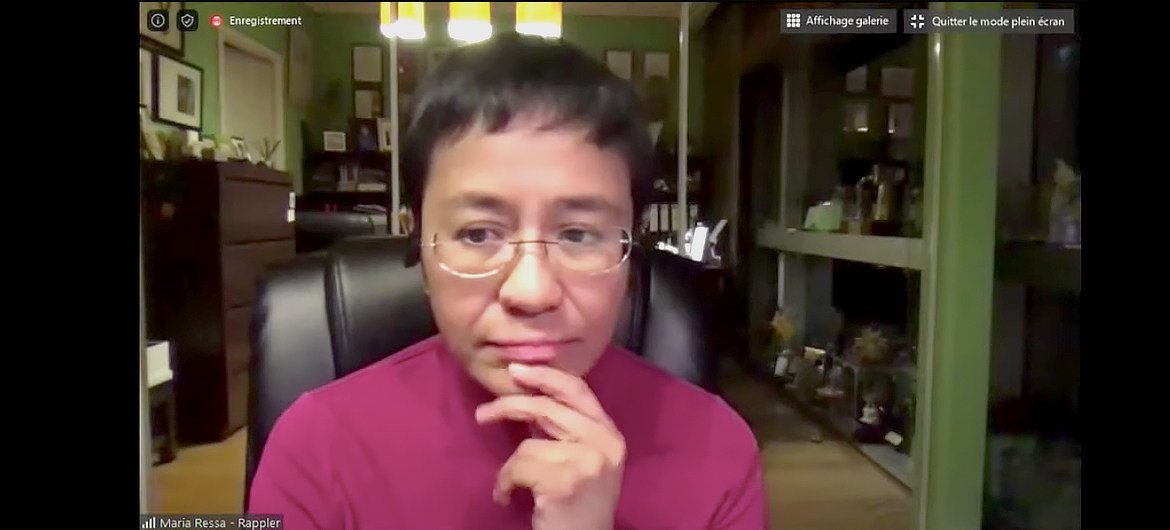
UNESCOA screenshot of Maria Ressa during a UNESCO online dialogue on press freedom in 2020.

On 28 April 2021 UNESCO named investigative journalist and media executive Maria Ressa of the Philippines as the recipient of its 2021 press freedom award. For more on this and other UNESCO awards, see: https://www.trueheroesfilms.org/thedigest/awards/8F8DB978-CD89-4CFB-1C26-D5FEE5D54855

For over three decades, Ms. Ressa has been involved in many initiatives to promote press freedom and currently manages the online outlet, Rappler. Her work however, also made her a target for attacks and abuse, UNESCO – the UN agency tasked with defending press freedom – said in a news release.

Ms. Ressa was chosen for the UNESCO/Guillermo Cano World Press Freedom Prize following the recommendation of an international jury of media professionals.

Maria Ressa’s unerring fight for freedom of expression is an example for many journalists around the world. Her case is emblematic of global trends that represent a real threat to press freedom, and therefore to democracy”, Marilu Mastrogiovanni, Chair of the Prize’s international jury and an investigative journalist from Italy, said.

The award ceremony will take place on 2 May in Windhoek, Namibia, during the World Press Freedom Day Global Conference. It will be streamed online.

Hosted by UNESCO and the Government of Namibia, the 2021 World Press Freedom Day Global Conference will be held from 29 April to 3 May under the theme of information as a public good, and will focus on topics such as transparency of online platforms and the importance of media and information literacy.

The conference will also tackle ways to promote and support independent media struggling to survive a crisis worsened by the COVID-19 pandemic, at a time when national and local media everywhere face financial instability and other pressures threatening their survival and their journalists’ jobs. 

https://news.un.org/en/story/2021/04/1090792

World Press Freedom Index 2021 is out

April 24, 2021

The 2021 World Press Freedom Index compiled by Reporters Without Borders (RSF) shows that journalism, the main vaccine against disinformation, is completely or partly blocked in 73% of the 180 countries ranked by the organisation.

This year’s Index, which evaluates the press freedom situation in 180 countries and territories annually, shows that journalism, which is arguably the best vaccine against the virus of disinformation, is totally blocked or seriously impeded in 73 countries and constrained in 59 others, which together represent 73% of the countries evaluated. These countries are classified as having “very bad,” “bad” or “problematic” environments for press freedom, and are identified accordingly in black, red or orange on the World Press Freedom map. To compare with last year, see: https://humanrightsdefenders.blog/2020/04/21/2020-world-press-freedom-index-is-out/

The Index data reflect a dramatic deterioration in people’s access to information and an increase in obstacles to news coverage. The coronavirus pandemic has been used as grounds to block journalists’ access to information sources and reporting in the field. Will this access be restored when the pandemic is over? The data shows that journalists are finding it increasingly hard to investigate and report sensitive stories, especially in Asia, the Middle East and Europe.

The 2021 Edelman Trust barometer reveals a disturbing level of public mistrust of journalists, with 59% of respondents in 28 countries saying that journalists deliberately try to mislead the public by reporting information they know to be false. In reality, journalistic pluralism and rigorous reporting serve to combat disinformation and “infodemics”, including false and misleading information.

Journalism is the best vaccine against disinformation,” RSF secretary-general Christophe Deloire said. “Unfortunately, its production and distribution are too often blocked by political, economic, technological and, sometimes, even cultural factors. In response to the virality of disinformation across borders, on digital platforms and via social media, journalism provides the most effective means of ensuring  that  public debate is based on a diverse range of established facts.”

For example, President Jair Bolsonaro of Brazil (down 4 at 111th) and President Nicolás Maduro of Venezuela (down 1 at 148th) promoted medically unproven Covid-19 remedies. Their false claims were debunked by investigative journalists at media outlets such as Brazil’s Agência Pública and in-depth reporting by Venezuela’s few remaining independent publications. In Iran (down 1 at 174th), the authorities tightened their control over news coverage and stepped up trials of journalists in order to weaken the media’s ability to scrutinise the country’s Covid-19 death toll. In Egypt (166th), President Abdel Fattah Al-Sisi’s government simply banned the publication of any pandemic statistics that didn’t come from the Ministry of Health. In Zimbabwe (down 4 at 130th), the investigative reporter Hopewell Chin’ono was arrested shortly after helping to expose the overbilling practices of a medical equipment supply company.

Biggest movements in the Index

Norway is ranked first in the Index for the fifth year running even though its media have complained of a lack of access to state-held information about the pandemic. Finland maintained its position in second place while Sweden (up 1 at 3rd) recovered its third place ranking, which it had yielded to Denmark (down 1 at 4th) last year. The 2021 Index demonstrates the success of these Nordic nations’ approach towards upholding press freedom.

The World Press Freedom map has not had so few countries coloured white – indicating a country situation that is at least good if not optimal – since 2013, when the current evaluation method was adopted. This year, only 12 of the Index’s 180 countries (7%) can claim to offer a favourable environment for journalism, as opposed to 13 countries (8%) last year. The country to have been stripped of its “good” classification is Germany (down 2 at 13th). Dozens of its journalists were attacked by supporters of extremist and conspiracy theory believers  during protests against pandemic restriction….The country that fell the furthest in 2021 was Malaysia (down 18 at 119th), where the problems include a recent “anti-fake news” decree allowing the government to impose its own version of the truth. Big descents were also registered by Comoros (down 9 at 84th) and El Salvador (down 8 at 82nd), where journalists have struggled to obtain state-held information about the government’s handling of the pandemic.

https://rsf.org/en/2021-world-press-freedom-index-journalism-vaccine-against-disinformation-blocked-more-130-countries

UNPO: reprisals on the rise

April 22, 2021

On 20 April 2021, the Unrepresented Nations and Peoples Organization (UNPO) has told the United Nations that “threats to participation at and cooperation with the United Nations which minority and indigenous communities are presently facing, represent not only matters of individual concern, but also raise concern about whether the United Nations itself will be able to achieve its responsibilities under Article 1 of the UN Charter to ‘respect for the principle of equal rights and self-determination of peoples, and to take other appropriate measures to strengthen universal peace.’”

In a submission to the United Nations Reprisals Office, the unit within the UN’s human rights infrastructure that deals with instances where UN Member States have targeted or threatened human rights defenders for their work with the United Nations, the UNPO provided information to inform an upcoming UN Secretary General report on reprisals. Sewe also my ‘old’ post: https://humanrightsdefenders.blog/2014/03/13/zero-tolerance-for-states-that-take-reprisals-against-hrds-lets-up-the-ante/

The UNPO submission highlighted how cooperation with the United Nations is becoming increasingly difficult for minority and indigenous rights defenders given the extent of reprisals that such activists face from authoritarian states and the general closing off of space at the United Nations for these activists, compounded by the COVID-19 pandemic. 

The submission included a selection of individuals cases of threats and reprisals that have occurred in the year between April 2020 and April 2021 as a result of UN-related work of people associated with members of the UNPO, noting however that there are many more such cases that the UNPO was asked not to disclose. The cases included:

  • Family members of disappeared Hmong children in Laos who have been threatened by local authorities because of a case at the UN trying to push the government to find the children;
  • A Khmer Krom activist whose efforts to seek review of his unlawful detention in Vietnam were stymied by the strong possibility that the government would increase the severity of charges against him related to his unlawful arrest;
  • A Iranian Baluch refugee in Turkey, whose family members are repeatedly interrogated and coerced by the security forces in Iran whenever he engages with the United Nations; and
  • A Khmer Krom activist who was recently arrested for doing little more than distribute the UN Declaration on the Rights of Indigenous Peoples in Vietnam, a country that refuses to recognize the existence of indigenous popualtions.

The submission further highlighted that these individual cases were indicative of a broader and growing trend for UN Member States to target those who seek to engage with the UN system; a trend which is exacerbated by the failure of states in UN cost countries to adequately protect diaspora communities and other human rights defenders.

Loujain Al-Hathloul wins Europe’s Vaclav Havel Human Rights Prize

April 20, 2021

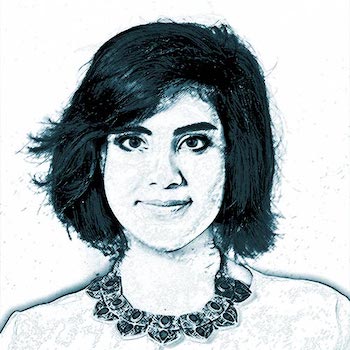
The Council of Europe has given its annual human rights award to the Saudi Arabian women’s rights activist Loujain al-Hathloul who was released last month after nearly three years in prison

The Parliamentary Assembly of the Council of Europe (PACE) on Monday 19 April 2021 awarded its human rights prize to Loujain Al-Hathloul who is the recipient of several awards, see: https://www.trueheroesfilms.org/thedigest/laureates/1a6d84c0-b494-11ea-b00d-9db077762c6c

For more on the Vaclac Havel Human Rights prize and its laureates see: https://www.trueheroesfilms.org/thedigest/awards/7A8B4A4A-0521-AA58-2BF0-DD1B71A25C8D.

https://www.dw.com/en/loujain-al-hathloul-wins-vaclav-havel-human-rights-prize/a-57248168

New award for ‘forgotten’ heroes of the international human rights movement

April 20, 2021

As can be seen from THF’s  Digest of Human Rights Laureates [https://www.trueheroesfilms.org/thedigest] there is a small number of important individuals which do not appear in the Digest for the simple reason that they did not get an award while they were still alive. One explanation is that these leaders of the early days operated in the time that awards were less numerous (most awards were after all created after 2000).

In order to rectify this a group of individuals has created a Life-time Human Rights Achievement Award, which is an honorary, posthumous award for individuals who have greatly contributed to the international protection of human rights defenders but have been ‘forgotten’ by other awards. Attributed in exceptional cases.

The first 6 laureates are: Werner Lottje, Niall MacDermot, Hansa Mehta, Bertha Lutz, Minerva Bernardino and Charles Malik. This selection is an indication of what the “Ad Hoc Committee for recognition of forgotten human rights heroes” considers lifetime achievements. See: https://www.trueheroesfilms.org/thedigest/awards/3816a904-e225-4c74-a5da-136507ba27a2

—-

https://hrheroesrecognition.org/