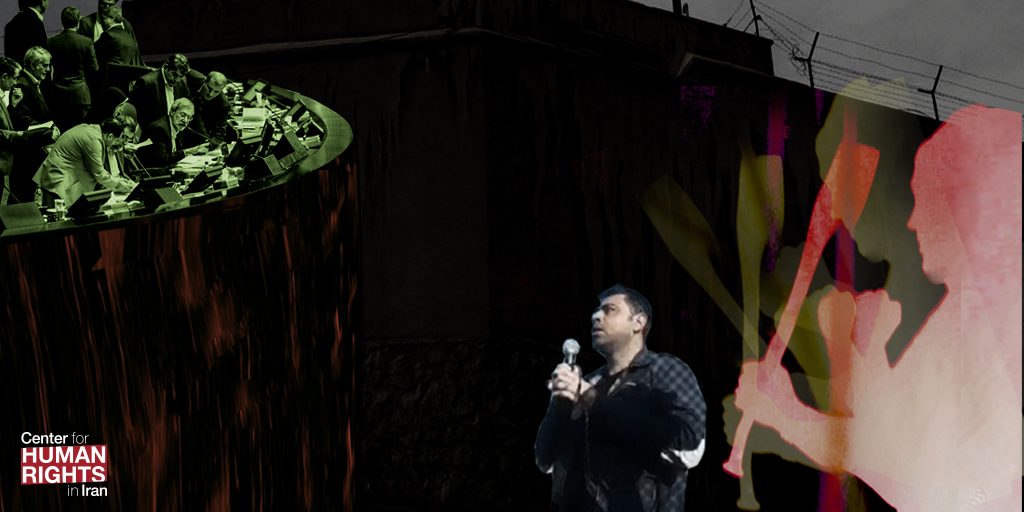
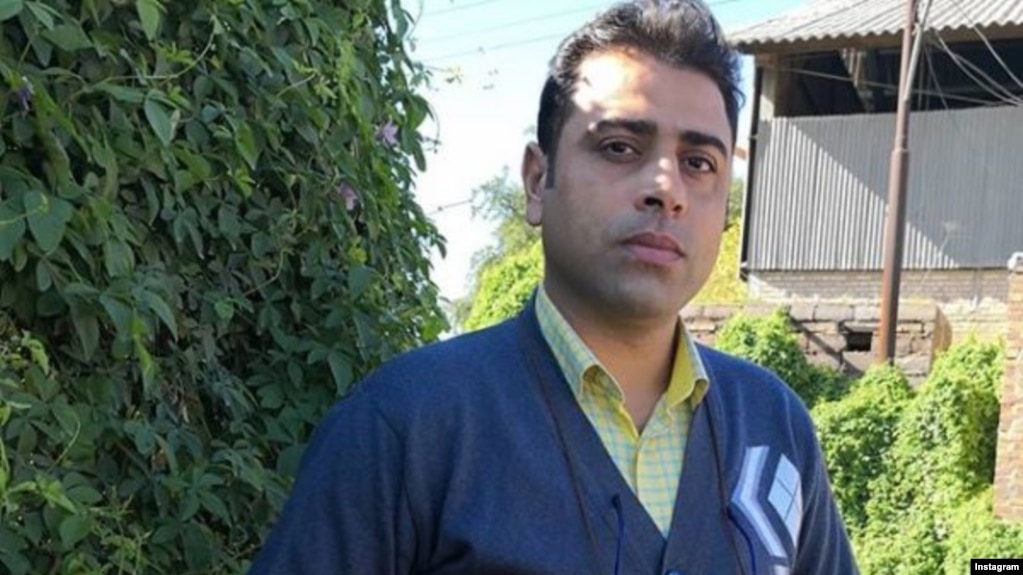
Since the publication of the labor activist’s letter, Bakhshi’s lawyer has indicated that her client has come under intense pressure to retract his statements about being tortured.
On January 6, 2019, Judiciary Spokesman Gholam-Hossein Mohseni Ejei claimed the authorities would investigate if Bakhshi lodged a formal complaint.
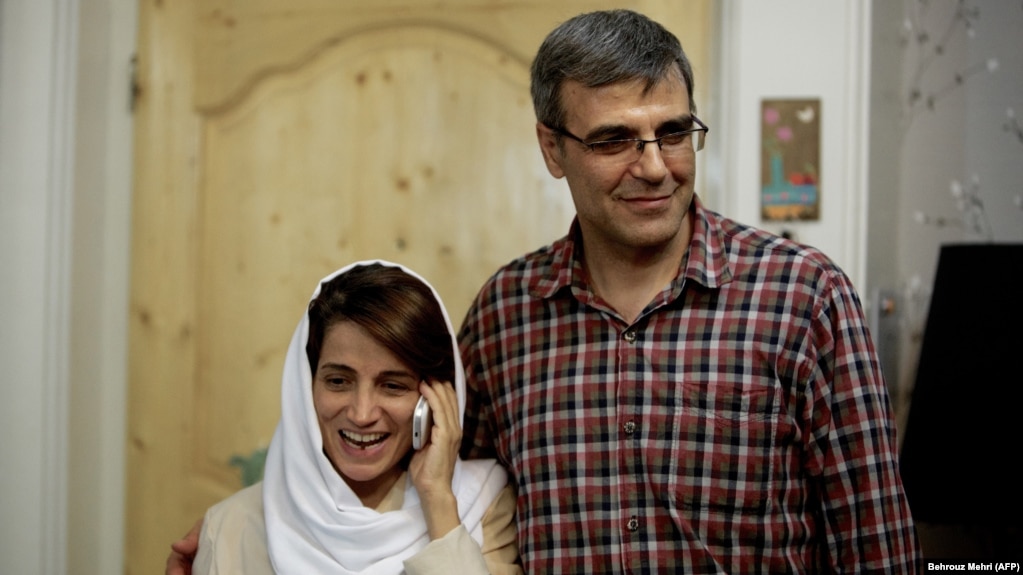
“After mentioning torture Esmail Bakhshi has come under intense pressure aimed at forcing my client to deny what happened,” Zilabi said on January 7.
The suggestion that the Intelligence Ministry could be sued has brought reactions from former political prisoners and prisoners of conscience who have suffered torture at the hands of the state. They noted that it is practically impossible to bring torturers to justice and in most cases it was the victims who received punishments for publicizing the torture.
“After I was released [from more than a month in detention in early December 2004] I gave interviews and spoke to judicial authorities about being tortured,” Fereshteh Ghazi, an Iranian reporter living in exile in the US, tweeted on January 6. “Then I was summoned by [the Tehran Prosecutor at the time, Saeed] Mortazavi and in the presence of my lawyer he told me I had to file a lawsuit, which I did. He said now that the suit had been filed I had to prove my case or else he would lock me up for a long period. So I became a defendant in my own suit.”
Taghi Rahmani, a reporter and political activist who lives in Paris after serving 15 years in Iran’s prisons, tweeted: “In 1991 I was beaten during interrogation. In fact Judge [first name unknown] Haddad had entered the room and witnessed most of the beating. When my attorney [Abdolfattah] Soltani brought up the beatings in court, Judge Haddad sued Soltani and he was sentenced to four months in prison…”
Attorney Ali Mojtahedzade suggested that to assure the public that torturers could be sued and brought to justice, the judiciary should first conclude the prosecution of those responsible for previous atrocities, such as the deaths of Iranian-Canadian photojournalist Zahra Kazemi and blogger Sattar Beheshti during detention.
..Another former political prisoner, Hossein Ronaghi commented: “Sattar Beheshti had said that his interrogator had hung him on the ceiling and beat him. He was terrified about being tortured again”. [see also: https://humanrightsdefenders.blog/2013/08/23/observatory-expresses-grave-concern-over-health-of-iranian-hrd-hossein-ronaghi-maleki/]
[The February 2018 report of the UN Secretary-General on Iran stated: “The Secretary-General remains concerned about continuing reports indicating that the practice of torture and ill-treatment in the Islamic Republic of Iran persists. Such reports point to a pattern of physical or mental pressure applied upon prisoners to coerce confessions….” The UN Special Rapporteur on human rights in Iran also expressed concern in his September 2018 report.]


 Hans Thoolen on Human Rights Defenders and their awards