Posts Tagged ‘refugees’

Human Rights Defenders in Greece on trial for baseless charges for assisting people on the move

November 21, 2025

On 18 November 2025 Frontline published an urgent appeal that I – as a resident of Greece – with some shame share [see also: https://humanrightsdefenders.blog/2022/07/28/human-rights-defenders-in-greece-my-adopted-country-not-doing-well/]:

On 4 December 2025, 24 human rights defenders, including Seán Binder and Athanasios (Nassos) Karakitsos, will appear before the Mytilene Court of Appeals, on the island of Lesvos. This comes seven years (!!) after their initial arrests. The human rights defenders are facing felony charges of ‘membership of a criminal organisation’, ‘facilitation of the entry of third country nationals into the country’, and ‘money laundering’. The charges stem from work carried out by the defenders in Greece between 2016 and 2018, where they assisted people on the move whose lives were at risk while trying to reach safety to the island of Lesvos. If convicted, they face up to 20 years of imprisonment.

Seán Binder and Athanasios (Nassos) Karakitsos are migrant rights defenders who worked with Emergency Response Center International (ERCI) between 2016 and 2018. The humanitarian work carried out by ERCI was extensive, and included helping more than 1000 people reach safety, organising workshops and swimming classes for migrant children in the Kara Tepe camp, and providing residents in the Moria camp with medical assistance. ERCI was registered as a non-governmental organisation and regularly cooperated with Greek authorities, including with the Greek Coast Guard on rescue operations. The organisation was dissolved after the criminalisation of its members and volunteers.

In September 2023, the Supreme Court upheld the Court of Appeals’ decision, delivered on 13 January 2023, to dismiss four misdemeanour charges of ‘forgery’, ‘espionage’, ‘possession of unlicensed radio’ and ‘infringement of state secrets’ faced by Seán Binder and seven other non-Greek speaking defenders. This was due to procedural flaws, including key documents, such as the indictments, having not been translated for the accused. In January 2024, the remaining sixteen human rights defenders, including Athanasios (Nassos) Karakitsos, were acquitted of the same charges. [https://humanrightsdefenders.blog/2021/11/17/greeces-mistaken-deterrence-migrants-and-aid-workers-facing-heavy-prison-sentences/]

On 21 August 2018, Lesvos Police arrested Seán Binder after he attended the police station voluntarily, having learned that another human rights defender had been arrested earlier that day. In the following days, they also arrested Athanasios (Nassos) Karakitsos, the field director of ERCI at the time. The human rights defenders were kept in pre-trial detention for more than one hundred days, accused of ‘people smuggling’, ‘money laundering’, ‘espionage’, and ‘membership of a criminal organisation.’ In December 2018, the human rights defenders were conditionally released on bail.

The upcoming trial is the second court case since 2018 initiated against the 24 human rights defenders based on their work, aiding, assisting and saving the lives of migrants and refugees, who were trapped in the Aegean Sea between Türkiye and Greece.

Front Line Defenders calls on the authorities in Greece to:

Immediately and unconditionally drop all charges against Seán Binder and Athanasios (Nassos) Karakitsos, and the other 22 human rights defenders who are also on trial;

  1. Cease the criminalisation of human rights defenders who peacefully defend the rights of the migrants and refugees, including the humanitarian assistance to save the lives of people stranded at the marine and land borders;
  2. Guarantee in all circumstances that all human rights defenders in Greece are able to carry
  3. out their legitimate human rights activities without fear of reprisals and free of all restrictions, including judicial harassment.

Download the urgent appeal

https://www.frontlinedefenders.org/en/case/human-rights-defenders-trial-baseless-charges-assisting-people-move

https://www.independent.ie/regionals/kerry/north-west-kerry-news/in-limbo-for-seven-years-kerry-man-sean-binder-to-face-trial-in-greece-over-humanitarian-work/a40232245.html

Uzra Zeya new President of Human Rights First

April 4, 2025

Human Rights First, a leading international human rights organization, announced on 1 April 2025 the selection of foreign policy leader and lifelong human rights advocate Uzra Zeya as its next President and CEO. With decades of leadership acumen in international peace, security, and human rights, Zeya brings unparalleled expertise, superb strategic vision, and an unwavering commitment to the protection of vulnerable populations, democracy, and fundamental freedoms. She will take office on April 21st, succeeding Susan Hendrickson who will continue to serve on Human Rights First’s Board of Directors.

“We couldn’t be more thrilled to welcome Uzra as the next President and CEO of Human Rights First,” said Board Co-Chair Lynda Clarizio. “Uzra’s impressive track record of championing human rights both inside and outside of government makes her the ideal leader for this moment. At a time when democracy is under siege, authoritarianism is on the rise, and human rights are at risk both at home and abroad, Uzra brings the experience and perspective needed to further the ongoing pursuit of freedom, justice and accountability.

Zeya has devoted her career to protecting vulnerable communities, advancing democracy and upholding human rights for all. From 2021 to 2025, she served as Under Secretary of State for Civilian Security, Democracy, and Human Rights, and led U.S. efforts to support refugees, expand humanitarian partnerships, defend democracy, and counter human rights abuses globally. Her accomplishments include launching the first-ever private sponsorship plan for refugees in the United States, rebuilding the U.S. refugee resettlement program and enabling it to welcome more refugees than it had in the previous 30 years, expanding global partnerships to combat gender-based violence and increase disability and LGBTQI+ inclusion, helping secure the release of hundreds of political prisoners, and introducing new accountability tools to curb transnational repression and the misuse of commercial spyware. She served concurrently as the U.S. Special Coordinator for Tibetan issues, rallying international solidarity in support of the human rights of the Tibetan people and safeguarding their cultural, religious and linguistic identity.

Outside of government, Zeya led the Alliance for Peacebuilding, a global network of over 200 organizations working for peace in more than 180 countries. While there, she co-led an NGO coalition that succeeded in securing the bipartisan passage of the Global Fragility Act, landmark legislation that prioritizes preventive diplomacy over more costly, military interventions.

Michael Posner, Director, Center for Business and Human Rights at the NYU Stern School of Business, who served as the founding Executive Director of Human Rights First, added, “Uzra is a dynamic leader who throughout her career has demonstrated integrity, vision and courage. I had the privilege of working with her at the State Department where she was widely respected and admired. Uzra is an ideal leader for HRF at this moment. She will challenge the U.S. government when it does not live up to its historic ideals. She also will enhance HRF’s support for and partnership with local human rights activists around the world.”

“I am honored to lead Human Rights First at this existential crossroads for human rights and democracy worldwide,” said Zeya. “For nearly five decades, this organization has stood on the frontlines of the fight for freedom and justice. Today the threats we face are greater than ever, but so is our resolve. I look forward to building on Sue’s leadership and partnering with the talented and dynamic team at Human Rights First to deploy our collective commitment, expertise and creativity toward making a decisive difference in the fight for rights and freedoms.”

To speak with Zeya, please contact Press@HumanRightsFirst.org.

Write for Rights 2024 to start soon

October 26, 2024

Every year, people from around the world take part in Amnesty International’s Write for Rights campaign. It’s a really easy way to make a big difference by doing something “little”. It doesn’t take much time – all you need to do is write a letter, send a post or sign a petition.

Since Write for Rights started in 2001, millions of people have changed the lives of those whose human rights have been taken away. In fact, over the past 20 years more than 56 million actions have been taken, while over 100 people featured in our campaign have seen a positive outcome in their case. For this years toolkit see:

https://www.amnesty.org.au/write-for-rights-2024-activist-toolkit/

This year’s campaign will feature nine individuals and groups from all around the world. From a TikToker in Angola to a women’s rights defender in Saudi Arabia, these inspiring people are connected because their human rights have been violated.

For results from the recent past: Meet three incredible people whose lives have been changed for the better and find out what people power means to them.

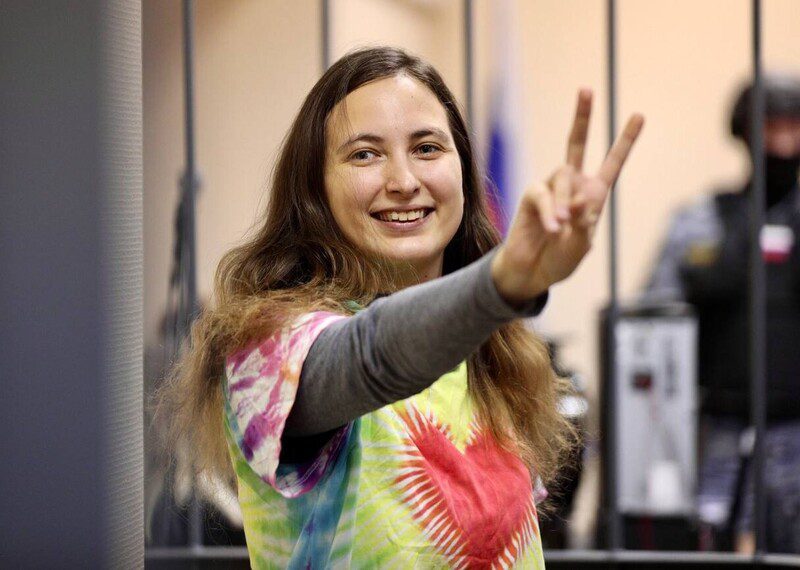
After huge public campaigning, artist and anti-war activist Aleksandra (Sasha) Skochilenko was freed in a historic prisoner swap in August 2024. The deal was brokered between Russia and Belarus on the one hand and Germany, Norway, Poland, Slovenia and the USA on the other.

Woman in rainbow tie-dye tshirt smiles and makes a v / peace hand gesture.
Aleksandra Skochilenko on the day of sentencing, November 16, 2023.

Rita Karasartova is a human rights defender and expert in civic governance from Kyrgyzstan. For over a decade she dedicated her life to providing independent legal advice, helping people whose rights had been violated. Charged with attempting to “violently overthrow the government”, which carries a maximum sentence of 15 years’ imprisonment, Rita and 21 other defendants were acquitted on 14 June 2024.   

In August 2017, Myanmar’s military unleashed a deadly crackdown on Rohingya Muslims – an ethnic minority who have faced decades of severe state-sponsored discrimination in Myanmar. Over 620,000 Rohingya fled to Bangladesh after security forces unleashed a campaign of violence, killing an unknown number of Rohingya; raping Rohingya women and girls; laying landmines; and burning entire Rohingya villages.  

Fearing for their lives, then 17-year-old Maung Sawyeddollah and his family walked 15 days to Bangladesh, where they reached Cox’s Bazar refugee camps. Fuelled by his desire to become a lawyer, Sawyeddollah wanted to seek justice for the suffering around him.

Alongside his studies, he started a campaign calling for Facebook’s owner, Meta, to take responsibility for the way its algorithms amplified anti-Rohingya incitement on the Facebook platform, fuelling the Myanmar military’s violence.  

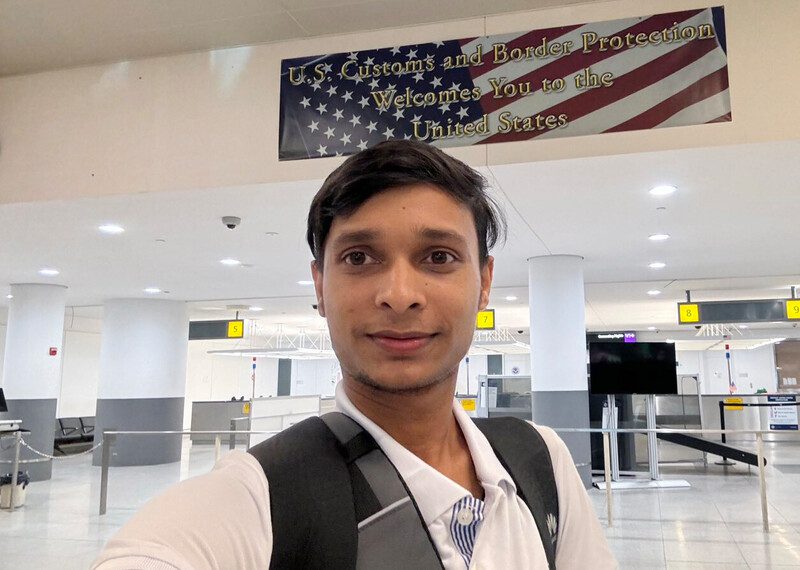
In 2023 Sawyeddollah was facing serious security risks in the refugee camps. Together with partners Victim Advocates International and Dev.tv, Amnesty International put together resources to help ensure Sawyeddollah’s safety. Through Amnesty’s Global Relief Team he was provided with urgent financial assistance to support his security needs throughout the year. In August 2024, Sawyeddollah was granted a student visa and moved to the USA to study. He landed in New York City on 19 August 2024, and he is now an international student at New York University.

Young person wearing a backpack taking a selfie in a US airport.
Maung Sawyeddollah, in New York, USA, 2024.

Brazilian nun Rosita Milesi is the Laureate of the 2024 UNHCR Nansen Refugee Award

October 22, 2024

A Brazilian nun who has helped refugees and migrants for 40 years on Wednesday won the Nansen prize awarded every year by the U.N. High Commission for Refugees for outstanding work to protect internally displaced and stateless people.

Sister Rosita Milesi, 79, is a member of the Catholic order of the Scalabrini nuns, who are renowned for their service to refugees worldwide. Her parents were poor farmers from an Italian background in southern Brazil, and she became a nun at 19.

As a lawyer, social worker and activist, Milesi championed the rights and dignity of refugees and migrants of different nationalities in Brazil for four decades.

https://www.trueheroesfilms.org/thedigest/awards/CC584D13-474F-4BB3-A585-B448A42BB673

She is the second Brazilian to receive the award. Former Sao Paulo Archbishop Dom Paulo Evaristo Arns won the prize in 1985.

Milesi leads the Migration and Human Rights Institute (IMDH) in Brasilia, through which she has helped thousands of forced migrants and displaced people access essential services such as shelter, healthcare, education and legal assistance.

She coordinates RedeMIR, a national network of 60 organizations that operates throughout Brazil, including in remote border regions, to support refugees and migrants.

https://www.unhcr.org/news/press-releases/five-trailblazing-women-win-unhcr-s-nansen-refugee-awards-their-life-changing

https://www.reuters.com/world/americas/brazilian-nun-awarded-un-refugee-prize-work-with-migrants-2024-10-09/

Human rights groups ‘appalled’ at Egypt being added to safe countries list by Ireland

July 5, 2024
Human Rights Groups ‘Appalled’ At Egypt Being Added To Safe Countries List
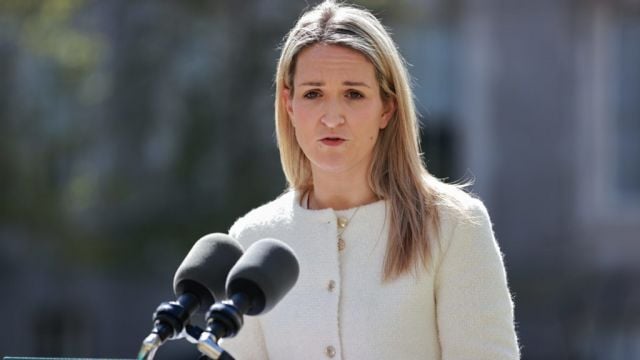
Amnesty Ireland said it was “appalled” at the decision by Helen McEntee to add Egypt, an act it called “deeply reckless”.

On 2 July 2024 Cate McCurry in breakingnews.ie reported that human rights groups have criticised the decision to add countries such as Egypt and Malawi to Ireland’s list of “safe” countries for asylum applications as concerning and “reckless”. The Irish Government made five additions to its list of safe countries on Tuesday: Brazil, Egypt, India, Malawi and Morocco.

Countries added to this list are viewed by the Government as places where “there is generally and consistently no persecution”, no torture, and no armed conflicts. The proposal by Minister for Justice Helen McEntee was approved at Cabinet on Tuesday, meaning protection applications from these countries are to be accelerated from Wednesday following an “extensive review” by the department.

Amnesty Ireland said it was “appalled” at the decision by Ms McEntee to add Egypt, an act it called “deeply reckless”.

This categorisation is particularly shocking, given the protracted human rights and impunity crisis in Egypt, where thousands are arbitrarily detained, and where Amnesty International has consistently documented the use of torture and other ill-treatment and enforced disappearances.”

“No country is safe for everyone. But, putting Egypt with its abysmal human rights record on such a list is deeply reckless. Under Irish and EU law, the Minister for Justice may do so only if there is generally no persecution, torture, or inhuman or degrading treatment in that state. That absolutely cannot be said of Egypt.” As an illustration only, see https://humanrightsdefenders.blog/tag/egypt/

Egypt Researcher at Amnesty International, Mahmoud Shalaby, said that since 2013 the Egyptian authorities have been “severely repressing” the rights to freedom of expression, association and peaceful assembly.

“Dissidents in the country remain at risk of persecution solely for expressing critical views,” he said. “Thousands of arbitrarily detained solely for exercising their human rights or after grossly unfair trials or without legal basis.”

Chief executive of the Irish Refugee Council, Nick Henderson, said they were very concerned at the designation of Morocco, Malawi and Egypt as “safe”.

“Frankly, when you look at some of the human rights information from countries such as Egypt, I’m quite staggered and flabbergasted how they could be designated as safe,” he told RTE’s News at One.

The introduction of accelerated processing in November 2022 has had a significant impact on the number of applications from those countries, which have dropped by more than 50 per cent in that time.

https://www.breakingnews.ie/ireland/human-rights-groups-appalled-at-egypt-being-added-to-safe-countries-list-1645204.html

Profile of Human Rights Defender Pamela Angwench Judith from Uganda

March 12, 2024

DefendDefenders in January 2024 has chosen as HRDs of the Month Pamela Angwech from Uganda.

For most of her life, Pamela Angwech’s existence has always been a defiant and simultaneous act of survival and resistance.  In 1976 when she was born, the anti-Amin movement was gathering pace, and her family was one of the earliest victims in Northern Uganda. Her father, a passionate educationist in Kitgum district was one of the most vocal critics of the dictatorship’s human rights excesses, which made him an obvious target of the state’s marauding vigilantes.  Fearing for his life and that of his young family, he escaped North, to Sudan, leaving behind his wife, then pregnant with Pamela, to follow him as soon as she could. It was on the treacherous journey to rejoin her father that Pamela was born, somewhere between Uganda and Sudan, and named Angwench, an Acholi word to mean “on the run,” in keeping with the circumstances of her birth.

Unfortunately, those precarious circumstances would continue to define most of Angwech’s childhood. Although Amin was eventually overthrown, paving way for her family’s return home, the immediate post-Amin years were equally tumultuous, and when President Museveni’s National Resistance Army took power in 1986, Northern Uganda was immediately engulfed in a civil war by the Lord’s Resistance Army(LRA) rebels that would rage on for the next 20 years, bringing wanton anguish and suffering to the region’s people and communities.

Angwench navigated those precarious circumstances to pursue an education, convinced that only then could she impact her community for the better. At University, she studied Gender and Women Studies and immediately returned home to seek work with the UN’s World Food Program Office in Gulu, determined to join the relief effort to alleviate the suffering of her people in Internally Displaced People’s (IDP)Camps.

Initially, they told me there was no job. But I was determined to work with the UN and nowhere else. So, I camped at their office for 14 straight days. Sometimes, I would volunteer as a gatekeeper when the substantive gatekeeper was away, and other times, I would sit at the front patch of the Office Head the whole day. When they realized I was determined not to leave, they allowed me to start officially volunteering with them. “I would go with them to distribute food in the IDP camps, until later, I was formally integrated as official staff.

Yet, despite her dogged stubbornness and resilience, she was not prepared for the heart-rending experience of life in the IDPs, particularly the plight of women and girls.

I started to notice that after picking their food rations, women and children would start picking residue beans from the floor, to take for either their little children or their elderly parents who could not queue. One other time, I noticed a visibly tired woman carrying a baby on her back, being pushed out of the queue by others. I called her to the front and assured her that I would give her a special ration but asked her to first untie her baby from the back, so she could protect her from the sun and breastfeed her. When she untied her baby, I noticed that the baby’s neck was twisted – it had suffocated and died! That changed me, forever,

From Humanitarian to Human Rights Activist

Angwech realized that like a balm, humanitarian work could only soothe the suffering of her people but fell short of tackling the root causes of the same suffering. “So I decided that someone had to speak up about the heartbreaking indignity and human rights violations surrounding the conflict in Northern Uganda. I turned full scale, from a humanitarian to a human rights activist, particularly championing the rights of women who were most vulnerable “she says.  

Angwech would move on the streets rallying women to stand up for their rights, holding placards signaling injustices against women in IDP camps like molestation and rape. Overtime, she won followers: Emboldened by her courage and audacity, other women started to show up and speak up against the conflict and related violence. Angwech mobilized grassroot women groups to pursue LRA leader Joseph Kony in Congo’s Garamba forest, to dramatize their cries for peace, under UN resolution 13/25 which provides for women’s participation in peace processes. 

In 2004, Angwech started Gulu Women’s Economic Development & Globalization (GWED-G) to rehabilitate victims of the war, from victims of conflict-related sexual and gender-based violence to those physically harmed by the conflict.  Since then, Angwech says GWED-G has rehabilitated over 1700 war victims through physical rehabilitation projects, giving them prosthesis, among other forms of support. It has also continued to sensitise and organise grassroot women into human rights defenders’ groups, through which they can report and address GBV cases, issues of women economic rights among others. Today, Angwech says there are about 600 of these groups across Gulu, Lamwo, Amuru and Kitgum, each with a membership of 30 -40 members.    

Today, GWED-G is arguably the largest grassroots human rights organisation in Northern Uganda. It has also expanded to cover other social and economic causes, including environmental protection advocacy. Angwech says the environment is the local communities’ last refugee, and yet deforestation and charcoal burning are threatening it.  “For post-conflict communities like us in Northern Uganda, land is our primary resource. It is the land from which people make an income to feed their families, send their children to school, and access medical care. War destroyed everything else. So, if we don’t protect the environment, our land will be degraded, rainy seasons will begin to change which will affect food production and bring back hunger,” she says.

https://defenddefenders.org/human-rights-defender-of-the-month_pamela_angwench_judith

Council of Europe’s human rights commissioner lends voice to refugee defenders

March 11, 2024

Lorenzo Tondo in Palermo reported in the Guardian of 22 February 2024 that people and groups who assist asylum seekers are reporting a disturbing trend of escalating intimidation, with aid workers facing direct threats including being held at gunpoint and having their phone communications monitored by government authorities, according to a report from the Council of Europe’s commissioner for human rights.

Dunja Mijatović has warned of increasing harassment and in some cases criminalisation of people and groups who assist refugees, especially in Hungary, Greece, Lithuania, Italy, Croatia and Poland. [see e.g. https://humanrightsdefenders.blog/2021/11/17/greeces-mistaken-deterrence-migrants-and-aid-workers-facing-heavy-prison-sentences/ and https://humanrightsdefenders.blog/2020/10/09/mary-lawlor-condemns-criminalization-of-those-saving-lives-in-the-mediterranean/]

“Organisations and people assisting refugees, asylum seekers, and migrants have been subjected to beatings, had their vehicles or equipment destroyed, or have been targeted by vandalism of their property, and even by arson or bomb attacks,” she wrote.

A recent example was the bombing on 5 January of the office of Kisa, an NGO assisting refugees, asylum seekers and migrants in Cyprus. [see: https://humanrightsdefenders.blog/2024/01/19/attack-against-cypriot-anti-racism-ngo-kisa/]

Mijatović said she had observed in certain member states how authorities had engaged with human rights defenders in an aggressive or intimidating manner. During the humanitarian crisis at the Poland-Belarus border, thousands of refugees from the Middle East were offered a route by the Lukashenko regime to try to reach the EU from Belarus, highlighting the restrictions by Poland on access to the border zone for people and organisations providing humanitarian assistance and legal aid.

The commissioner noted how “the emergence of an approach in which migration issues are increasingly addressed by member states from a security perspective” had led to the building of fences and deployment of military personnel, equipment and surveillance in border areas that has also affected NGOs.

“These physical obstacles deny asylum seekers the chance to seek protection and the right to a fair and efficient asylum procedure [and] this approach has also created an extremely difficult environment for human rights defenders,” she wrote.

“Those who assist refugees, asylum seekers, and migrants may be seen by states as an obstacle to the implementation of asylum and migration policies focused on deterrence and security, and therefore are faced with hostility. The rolling back of human rights, which is often part of states’ policies in this area, also leads to measures explicitly or implicitly targeting those helping.”

NGO rescue boats have also faced violence, including the use of firearms, from non-European countries with which Council of Europe member states cooperate on external migration control. NGO workers on some of these vessels have documented how often the Libyan coastguard has fired gunshots and endangered crew members and people in distress in the central Mediterranean. [see e.g. https://humanrightsdefenders.blog/2019/12/18/international-migrants-day-the-story-of-the-ocean-viking/]

Mijatović also noted the growing use of surveillance technologies. “During discussions for the preparation of this document concerns were raised that, in some member states, pervasive surveillance activities created mounting challenges for human rights defenders, including lawyers and journalists,” she wrote.

“Governments, in the name of national security concerns, often employ advanced surveillance tools to intercept communications and monitor online activities, including human rights defenders’ social media.”

In 2022, the Greek journalists Thanasis Koukakis and Stavros Malichudis were allegedly targeted for investigating sensitive topics such as financial crime cases and migration. The Italian justice minister in 2021 dispatched inspectors to Sicily after revelations that prosecutors had intercepted hundreds of telephone conversations involving no fewer than 15 journalists and covering migration issues and aid workers in the central Mediterranean.

Mijatović wrote: “Invasive surveillance practices, whether through physical surveillance, phone and internet tapping or by using spyware not only infringes on the personal security and privacy of individual human rights defenders, but also threaten the confidentiality between human rights defenders and the refugees, asylum seekers and migrants they assist, which is often crucial to working effectively.”

She added that people helping refugees, asylum seekers and migrants often experience extremely high levels of online hate and even death threats. Human rights defenders who are themselves refugees or from an ethnic minority background may also receive racist abuse, online and offline.

https://www.theguardian.com/law/2024/feb/22/people-helping-asylum-seekers-in-europe-face-rising-violence-report-warns

Nominations open for UNHCR Nansen Refugee Award

February 1, 2024

Nominations are now open for the United Nations High Commissioner for Refugees (UNHCR) Nansen Refugee Award 2024. For more on this award and its previous laureates, see: https://www.trueheroesfilms.org/thedigest/awards/CC584D13-474F-4BB3-A585-B448A42BB673

Eligibility Criteria
  • Anyone may nominate a candidate for the UNHCR Nansen Refugee Award. If you nominated someone in the past but they did not win, you may nominate them again.
  • The strongest nominations will provide a detailed account of the candidate’s work and results for displaced or stateless people, as well as three solid references to vouch for their character and impact. References should not all come from the same organization or group.
  • Please note that self-nominations are strongly discouraged. Current or former UNHCR employees are not eligible.
Criteria
  • Candidates may be individuals, groups or organizations.
  • Their work must have a direct and positive impact on the lives of forcibly displaced or stateless people.
  • Their work relates to a major displacement situation or issue.
  • This year they especially encourage nominations that relate to statelessness, climate, sports, solutions and inclusions but they are open to other themes.
  • They devote substantial time and effort to support forcibly displaced or stateless people, going above and beyond the call of duty and outside their expected role.
  • They have the capacity to successfully implement a suitable project with the prize money (US$100,000 for the global laureate, US$25,000 for regional winners).
  • They have three strong references.

For more information, visit UNHCR.

Attack against Cypriot anti-racism NGO KISA

January 19, 2024

7 January 2024 Cyprus Mail reported that a demonstration will be held condemning the attack on the offices of refugee NGO Kisa.

Kisa’s offices were attacked on Friday, when an improvised explosive device went off outside their offices, smashing windows, destroying computers and photocopiers.

In their statement, the protest organisers said: “Kisa and its members have repeatedly received threats of various forms, against which the state authorities have shown unacceptable tolerance, which, together with government policies and their racist and xenophobic rhetoric on immigration issues, have not only allowed but also encouraged racist and fascist attacks against migrants and refugees, as well as their rights defenders, thus fostering fascism in society.”

Issuing a statement after the attack, the international NGO Amnesty International’s Cyprus Research Kondylia Gogou said: “Last night’s violent attack on anti-racist organisation Kisa is despicable and raises serious concerns over the safety of human rights defenders in the country. However, it did not happen in a vacuum. Racist violence is on the rise in Cyprus, and KISA and its volunteers have been the target of repeated threats, verbal attacks, and smear campaigns in connection with their work supporting refugees and migrants and denouncing hate crimes.”

According to Amnesty, authorities in Cyprus must send an unequivocal message that attacks on human rights defenders and NGOs will not be tolerated, and conduct a prompt, thorough, independent, and impartial investigation on the attack on the Kisa’s offices “that prioritises the hypothesis that the attack was related to their human rights and anti-racist work”.

In August and September 2023, racialised people including refugees and migrants were subjected to pogrom-like attacks in Chloraka and Limassol. Previously, in early 2023, racist attacks were carried out in Limassol and in January 2022 attacks were carried out in Chloraka. In 2023, the European Commission against Racism and Intolerance (ECRI) found that the public discourse in the country had become “increasingly xenophobic”.

In December 2020, further to an amendment to the law on associations, KISA was removed from the Registry of Associations, and proceedings for its dissolution were initiated. KISA’s appeal to challenge the decision before the country’s Appeal Court remains pending, and despite its registration as a non-profit company, KISA operates with many obstacles.    

https://euobserver.com/migration/157914

Polish refugee worker and Kurdish defender receive Paul Grüninger award 2023

November 21, 2023

The Paul Grüninger Foundation awarded Polish refugee worker Paula Weremiuk and Kurdish politician Ayşe Gökkan, who is in prison in Turkey, the 2023 Grüninger Recognition Prize for Humanity and Courage 2023. [see: https://www.trueheroesfilms.org/thedigest/awards/845EA081-C3DB-705C-E6FC-1BA88858803E]

The award ceremony took place on at the Palace Cultural Center in St. Gallen.

Paula Weremiuk from Narewka on the Polish-Belarusian border works as a teacher during the day and as a refugee aid worker in the Bialowieza forest at night. According to the Paul Grüninger Foundation, a refugee drama of enormous proportions has been taking place there since 2021.

Paula Weremiuk searches for people in need in the inaccessible areas of Bialowieza, providing them with clothing, food, sleeping bags and the most basic necessities, writes the Paul Grüninger Foundation. The Belarusian dictator Alexander Lukashenka is forcing thousands of refugees from the Middle East and Africa across the border to Poland, where they are met with strong political rejection.

At the border, in the primeval forest of Bialowieza, there is often brutal violence, abuse, rape and repeated deaths. The refugees, including women and small children, are helplessly abandoned to their fate in the inaccessible terrain and are chased back and forth across the border by the authorities. Refugee helpers are being harassed and criminalized, the press release continues.

Ayşe Gökkan’s award was accepted by her lawyer, Berfin Gökkan. The lawyer read out a letter from Ayşe Gökkan written in Kurdish: “I greet you with the warmth of the sun and the enthusiasm of Jin-Jiyan-Azadî. As a member of the Movement of Free Women, I accept this award on behalf of thousands of struggling Kurdish women. There are many fighting women in prison in Turkey.”

The foundation justified the awarding of the recognition prize of 10,000 francs to the Kurdish feminist and human rights defender Ayşe Gökkan for her civil society commitment and her criminalization:

“Ayşe Gökkan has particularly distinguished herself as a journalist and as an activist for women’s rights. For almost forty years, she has been writing newspaper columns against racial and gender discrimination, speaking at national and international podiums and seminars, leading workshops on the topic of gender inequality and taking part in peaceful demonstrations in this context.

From 2009 to 2014, Ayşe Gökkan was mayor of the Kurdish city of Nusaybin, which lies on the border between Turkey and Syria. When Turkey began to build a wall against refugees between Nusaybin and the neighbouring Syrian town of Qamishlo, the mayor protested against this “wall of shame” with, among other things, a sit-in strike.

Because of her civil society commitment, Ayşe Gökkan has been arrested in Turkey more than eighty times, subjected to more than two hundred investigations and, in 2021, sentenced to more than 26 in a grotesque court case based on the statements of a single “secret witness” for membership in a “terrorist organization”.

She is a victim of the criminalization of the political opposition in Turkey. Ayşe Gökkan is in prison, her sentence has not yet been confirmed by the Turkish Court of Cassation, and proceedings are also pending before the European Court of Human Rights.”

https://anfenglish.com/women/jailed-kurdish-politiciangokkan-awarded-paul-gruninger-foundation-s-recognition-prize-70380