Posts Tagged ‘Policy response from Human Rights NGOs to COVID’

Policy response from Human Rights NGOs to COVID-19: FIDH

April 10, 2020

In the midst of the COVID-19 crisis, many human rights organisations have been formulating a policy response. While I cannot be complete or undertake comparisons, I will try and give some examples in the course of these weeks. Here the one by the International Federation for Human Rights (FIDH): “COVID-19: States bear direct responsibility for the health of individuals in their custody” states a press release of 7 April 2020.
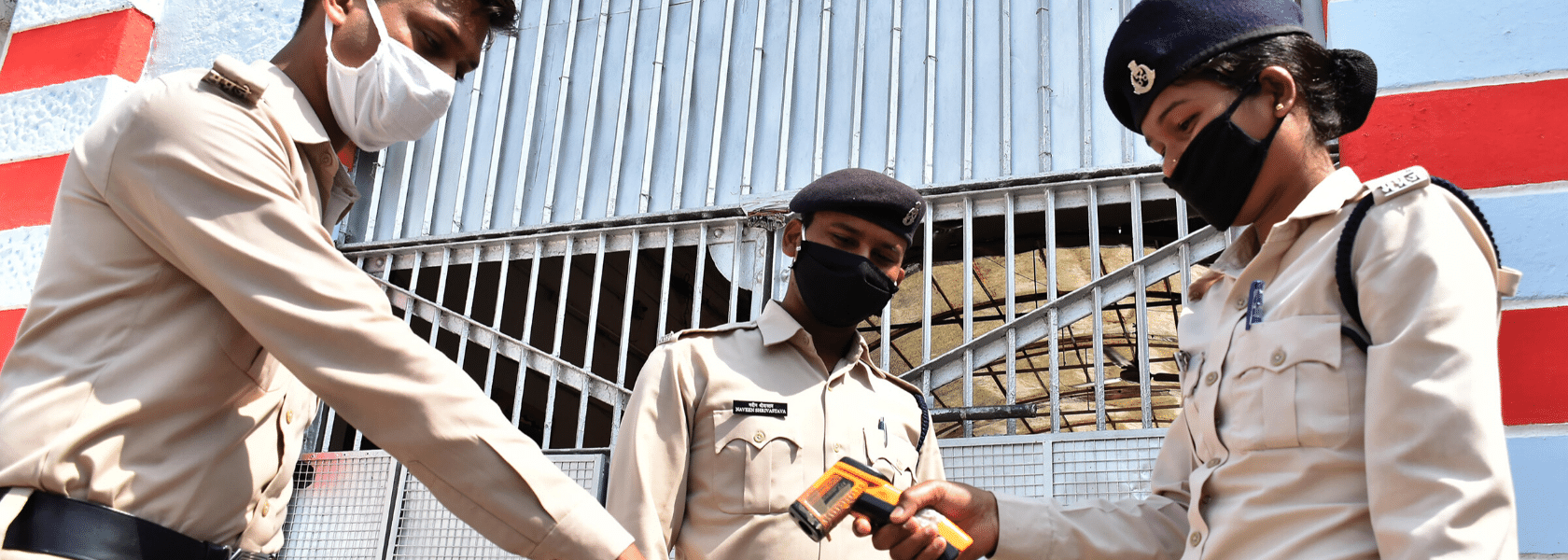
While the cases of COVID-19 are multiplying in prisons, detention centres and in places of custody, faced with the risk of a massive spread of the virus behind the walls, FIDH (the International Federation for Human Rights) calls for urgent measures to be taken to preserve the health of detainees, and for the release of the most vulnerable, of those detained for minor crimes and on remand custody, and of those whose detention is contrary to international norms.
In times of crisis, governments have an obligation to protect those who are most vulnerable. Prison populations, confined to detention facilities that can easily become virus hotspots, are among those most vulnerable to the threat of the COVID-19 pandemic. This is a particular risk where collective cells and overcrowding are the norm, where social distancing is impossible to achieve, where many detainees are awaiting trial, and where the prisons’ health services are unprepared.
Over the past weeks, throughout the countries and regions where the COVID-19 virus has spread, many prison inmates, staff and/or caregivers have tested positive for the virus. Hundreds of inmates with virus symptoms have been “confined”. Tensions in prisons have also increased in the context of the spread of the virus, in reaction to the overcrowding of prisons, to the lack of personal hygiene or health services, or to restrictions on visits —notably when those visits enabled adequate food supply-, or other activities.While every prison, detention centre and place of custody constitutes a potential epidemiological outbreak, the spread of the virus in places of detention will be inevitable unless urgent measures are taken to mitigate this risk.

Echoing concerns expressed by the UN High Commissioner for Human Rights, the African Commission on Human and People’s Rights, the Council of Europe Commissioner for Human Rights, the Inter-American Commission on Human Rights, and the European Committee for the Prevention of Torture and Inhuman or Degrading Treatment or Punishment (CPT) in its COVID-19 Statement of Principles, FIDH calls on governments to relieve congestion in prisons by releasing vast numbers of prisoners through various means, including temporary or early releases and amnesties; home detention and commutation of sentences.

Such measures should be consistent with States’ obligations under the UN Standard Minimum Rules for the Treatment of Prisoners (revised and adopted as the “Nelson Mandela Rules”) which detail measures aimed at ensuring adequate personal hygiene, health, and safety of prisoners.

We welcome the move by a number of countries, including Argentina, Chile, Ethiopia, Indonesia, Iran, Tunisia and Turkey to begin releasing prisoners in an effort to reduce overcrowding and prevent the spread of the virus. These efforts however have been inconsistent with many of these countries’ human rights obligations and with international institutions’ recommendations.

In countries like China, Egypt, Iran or Turkey, where the policies of mass incarceration of journalists, whistle blowers, human rights defenders, political prisoners or of civilians taking part in demonstrations are in flagrant contradiction with international human rights norms, prison releases have not included these persons.

States should thus follow specific priorities for the releases, that are guided by the vulnerablity of the individual detained as well as the motives for his or her detention. As such, priority should be given to the elderly, to pregnant women and to children, to those with underlying health conditions, as well as to administrative detainees, to individuals detained for minor or non-violent offences, and to detainees awaiting trial. In addition, prisoners of conscience, prisoners detained for expressing their opinions, human rights defenders, whistleblowers, and undocumented migrant detainees should be immediately and unconditionally released.

Governments should also ensure that during the COVID-19 pandemic the human rights of all those who remain in detention are upheld. As such, measures adapting the conditions of detention, with regard to food, health, sanitation and quarantine measures, to prevent the spread of COVID-19 within the facilities, should be put in place, to guarantee decent living and health conditions for all detained persons.

Any restrictions imposed on detainees should be non-discriminatory, necessary, proportionate, time-limited and transparent. Measures should not, under any circumstances, justify absolute or solitary confinement. Confinement measures should enable confidential and through distance, meetings of inmates with their families, close companions and lawyers in a confidential manner, while respecting the WHO recommended physical distancing and handwashing protocols. Under the current COVID-19 circumstances, we also recommend that all detainees should have access to time outside of the confins of their cells and be able to utilise recreational spaces available.

Lastly, while States must be able to maintain order and security within prisons and detention centers, measures to prevent riots and restore security conditions in prisons should not empower authorities to resort to the excessive use of force.

Read more

See also: https://humanrightsdefenders.blog/tag/covid-19/

https://www.fidh.org/en/region/Africa/covid-19-states-bear-direct-responsibility-for-the-health-of

Policy response from Human Rights NGOs to COVID-19: CIVICUS’ Protocol

April 10, 2020

In the midst of the COVID-19 crisis, many human rights organisations have been formulating a policy response. While I cannot be complete or undertake comparisons, I will try and give some examples in the course of these weeks. Here the one by CIVICUS which has published a Protocol, that is open for endorsment by other NGOs. The Protocol (online<https://www.civicus.org/index.php/media-resources/news/4367-protecting-our-co-workers-during-covid-19-a-social-security-protocol-for-civil-society>) has been endorsed by over 60 civil society leaders from across the globe, including Greenpeace International.

The 6 point Protocol proposes practical measures and actions that civil society groups can take to help workers during the COVID-19 pandemic. It is aimed at protecting employees from any adverse health, social or economic issues that will arise during this challenging period.

The 6 proposed measures:

  1. Systems to enable social distancing and other precautions
  2. Support for COVID-19 testing and treatment
  3. Protection of pay and jobs during the COVID-19 lockdown and escalation period
  4. Flexibility and support for home and care-related responsibilities
  5. Extending our community of care to our collaborators and constituencies
  6. Acting in solidarity with workers and other vulnerable communities

In a letter to civil society allies CIVICUS Secretary General Lysa John <https://civicus.org/index.php/media-resources/news/3484-lysa-john-announced-as-new-civicus-sg> says,

“The ‘COVID-19 Social Security Protocol for Civil Society <https://www.civicus.org/index.php/media-resources/news/4367-protecting-our-co-workers-during-covid-19-a-social-security-protocol-for-civil-society> ’ is first and foremost a call for us to recognise that the people we work with and alongside need to be assured of our support for their well-being if we are to remain resilient and relevant in the context of a dire and desperately uncertain future. Without the solid foundations of trust and authenticity, our organisations are not equipped to withstand the formidable challenges that all agencies – large and small – will need to respond to in the coming months.”

Recommendations:

1. Systems to ensure physical distancing and other precautions

What it involves:
  • Procedures to enable physical distancing are explicitly adopted and communicated alongside an overarching call to social solidarity
  • Transition to virtual ways of working wherever   possible, provision of protective gear and guidelines for frontline workers whose efforts are needed to ensure the continuation of critical and essential services (e.g. non-transferable support services to vulnerable populations)
  • Ensuring that pay and benefits for personnel who are unable to perform their duties virtually are not reduced at this time
Why is this important?
  • In keeping with WHO guidelines and corresponding national government regulations, all agencies are required to take active measures to protect their personnel from contracting or transmitting the virus
  • If relevant government authorities have not provided effective guidelines on social distancing, we can be proactive in implementing the WHO guidelines for our teams, and support advocacy efforts to ensure relevant   regulations are put in place.


2. Support for COVID-19 testing and related treatment

What it involves: Access to COVID-19 testing differs across countries. A few essential steps that we can take to support our teams in this context are:

  • Mapping and providing active information on testing procedures
  • Covering costs of testing procedures where these are not covered by health insurance.
  • Supporting the return of personnel located outside their home countries who request or require to be repatriated for health and/or family reasons
  • Fully paid sick leave for personnel needing to rest and recuperate; flexible arrangements in relation to time needed to care for family members and dependents. This could include ‘record-free’ leave provisions so personnel do not need to utilise their annual sick leave quota to cover illness related to the COVID19 outbreak
  • Full or partial support for costs of related treatment through existing group medical insurance plans; in case these are not available, explore organisation-supported reimbursements
  • Psycho-social support to deal with the mental health impacts of the pandemic, including with adverse effects of the outbreak within family and communities
Why is this important?
  • Ensuring access to basic health care for employees is an important responsibility for all organisations. For many organisations however, support to core costs that enable social security benefits for   employees is hard to negotiate and organise.
  • More ideas on how donors and intermediaries can support civil society groups to address core costs in this period are available in this Open Letter to Donors


3. Protection of jobs and pay across the COVID-19 lockdown and escalation period

What it involves: In anticipation of the adverse economic effects of the COVID-19 pandemic, we have an important role to play in protecting our co-workers from reduction of pay and loss of employment. Some measures that can be considered include:

  • Extending employment contracts, till December 2020 for instance, as an immediate measure of protection. This should ideally include personnel who work part-time, such as consultants, fellows and interns.
  • In the event that an employment contract must end in this period, ensuring a source of income is available to support transition is a helpful measure. National regulations on allowances linked redundancy and unemployment, for instance, can be used to benchmark this and activate government-backed programs in this regard
  • Coordinating with donors and intermediaries to redirect costs for new positions that were to be proposed in this period towards costs for staff retention
  • Coordinating with Boards to approve the use of organisation’s reserves, if available, and requesting their support for costs related to employment protection measures
Why is this important?
  • The implementation of this recommendation is directly related to donor flexibility and proactive measures adopted by governance bodies of civil society organisations.
  • Ensuring an open conversation with donors to reallocate expenses related to activities that cannot be undertaken in this period, such as budgets linked to travel and in-person meetings, is one possibility in this regard.


4. Flexibility and support for home and care related responsibilities

What it involves: In order to support staff to cope with the added pressure of familial duties, while also taking care of their own needs, we can consider the following:

  • Flexible or reduced work hours for personnel (without affecting levels of pay)
  • Reduction of work related deliverables for staff who have responsibility for children and other dependents, including the elderly and disabled
  • Additional measures (economic and psycho-social) to support single parents, staff who live alone and those who risk violence and abuse within their homes
Why is this important?
  •  Working from home places significant demands on staff who are primary caregivers within their families. Women are often burdened with additional responsibilities in this time


5. Extending our community of care to our collaborators and constituencies

What it involves:
  • Disseminating information on necessary protection protocols advised by the WHO and, where possible, translating these into relevant languages and making them accessible in multiple formats
  • Providing information on support and services provided by our organizations in this time
  • Ensuring that contingency plans for critical services are in place and shared with them
  • Identifying and calling out public measures that are being used to restrict and intimidate civil society
Why is this important?
  • As we conduct our duty of care to our employees, we have the opportunity to extend care and share knowledge with the communities we serve and networks we work with.
  • Civil society across the world often works to respond to and fill critical gaps in service delivery, access to justice and government accountability. Taking steps to ensure that our collaborators and constituencies are informed helps to ensure transparent flows of information and mediate continuity for critical services where possible.


6. Acting in solidarity with workers and other vulnerable communities

What it involves: We have the opportunity to act in solidarity by:

  • Adding our voice and organisational support to campaigning for improved employment protections by organised labour, and for the most vulnerable casual workers and gig-economy workers
  • Supporting campaigns where there is an opportunity to advance progressive social welfare policies, including wage & income protection, universal social protection, access to healthcare and childcare support for frontline workers who are holding up essential public services.
  • Getting behind the bold, systemic reforms that challenge and change the fundamental inequities that have been exposed by the COVID-19 pandemic
Why is this important?
  • Adding our collective weight and support right now, may help secure both immediate relief, as well as pivotal longer-term wins for progressive campaigns


A list of resources to help determine and action relevant measures is available here.

For more information: | @CIVICUSalliance | https://www.facebook.com/CIVICUS/


For other posts like this see: https://humanrightsdefenders.blog/tag/covid-19/

—-

https://www.civicus.org/index.php/media-resources/news/4367-protecting-our-co-workers-during-covid-19-a-social-security-protocol-for-civil-society

Policy response from Human Rights NGOs to COVID-19: Human Rights Watch

April 10, 2020

In the midst of the COVID-19 crisis, many human rights organisations have been formulating a policy response. While I cannot be complete or undertake comparisons, I will try and give some examples in the course of these weeks. Here the one by Human Rights Watch, as submitted during the Informal Dialogue with UN High Commissioner for Human Rights on 9 April 2020

—-

Policy response from Human Rights NGOs to COVID-19: Amnesty International

April 10, 2020
In the midst of the COVID-19 crisis, many human rights organisations have been formulating a policy response. While I cannot be complete or undertake comparisons, I will try and give some examples in the course of these weeks. Here the one by Amnesty International as posred on 8 April in Reliefweb: “Human rights defenders: We need them more than ever! States worldwide must protect Human Rights Defenders in the current COVID-19 crisis“:

At a time when some of our human rights have been restricted in order to implement public health measures, human rights defenders are more crucial than ever in our struggle to overcome the COVID-19 pandemic and ensure that no one is left behind…..

Crisis like this one put these commitments to the test. It is paramount that states around the world recommit to protect and recognize those who individually or collectively take action to protect our human rights, including in the context of the pandemic. In particular, states must ensure that all measures restricting the right to defend human rights, including those imposing limitations on the rights to freedom of expression, association and peaceful assembly, are strictly necessary and proportionate for the protection of public health. The authorities must not use restrictions imposed during the pandemic to suppress relevant information uncomfortable for the government or use the situation as a pretext to crack down critics and human rights defenders. States must recognise that human rights defence is an essential activity during emergency periods and ensure that human rights defenders can exercise their work free from reprisals, intimidation or threats, so that together we can all face up to this crisis.

Human rights defenders, including those working in the field of research, health and social care, journalism and other areas, have been key in informing the public about the challenges posed by COVID-19 at all stages of the crisis. Their work is essential in ensuring states provide accessible and reliable information in a fair and transparent manner and can raise the alarm when measures are damaging or inadequate. Governments must ensure that those carrying out this role can continue to do so. They must respond by being accountable and open to scrutiny as well as by providing evidence-based and accurate information as the pandemic unfolds. Other activists, including women and LGBTI human rights defenders, trade unionists, environmental and land defenders, refugees and migrants’ rights defenders and indigenous rights defenders, are also helping the public understand the impact and implications of COVID-19 in their communities and how it affects different sectors of society, particularly the most marginalized and at risk.

Human rights defenders play a key role in watching that the measures taken by authorities do not infringe unduly on human rights – for example on the right to freedom of expression, on the right to privacy, or on the rights to health, housing and to an adequate standard of living – and speak out when this happens.

Human rights defenders raise the alarm and demand action when marginalized groups or individuals are being disproportionately affected or forgotten by the new measures, that is those historically discriminated against: people in the informal economy, people at risk of domestic violence, refugees and migrants, or people in detention, for example.

Human right defenders keep a check on the misuse of power of non-state actors. For example, they raise their voice against abuses by businesses and corporations, including when they fail to uphold labour and human rights standards in their responses to the pandemic, or when they shift the economic impact on workers, or when they fail to provide adequate protection from contagion for workers at risk.

Health and social care workers are at the frontline of this pandemic, continuing to deliver services despite the personal risks to them and their families, including contracting COVID19 while doing their jobs, working long hours, enduring psychological distress and fatigue. At the same time, thousands of individuals are volunteering to help those in need and provide crucial services. Many others, such as those involved in cleaning, sanitation and domestic work, in running transport systems, in the production of food, and other key workers, are also providing critical services, sometimes without adequate protection for themselves. All these individuals are not only doing their jobs, they are also protecting everybody’s right to health despite serious challenges and risks. They should be given with urgency adequate and quality tools, protection measures and any other support they need to carry out their work in safety.

Without all the individuals and collectives who defend our human rights worldwide, it would be almost impossible to tackle COVID-19 and save as many lives and livelihoods as possible. It is therefore not just states’ obligation, but it is in the interest of states and society at large to recognise, protect and enable human rights defenders to carry out their crucial work so that the harshest impact of the crisis can be mitigated and ensure that no one is left behind.

Recommendations

In the weeks since the outbreak of COVID-19, we have seen a flourishing of solidarity and empathy towards people in need and those most at risk, including a revival of community initiatives and self-help groups. It is time for those in power to recognise and protect human rights defenders, who are precisely those leading the way in showing how to include all sectors of society in the effort against the pandemic. Human rights defenders have long led the way in delivering justice, equality and rights for all without discrimination, with their empathy, activism, passion and hope. They must be protected!

Authorities worldwide must send a clear, unequivocal message in all their communications stating that:

  • Human rights defenders are key allies to address the challenges posed by the COVID-19 pandemic, and therefore will be recognised and protected without discrimination at all times
  • Physical or verbal attacks against human rights defenders will not be tolerated and, where applicable, those responsible will be brought to justice in fair trials
  • Human rights defenders are key to overcoming the pandemic in a way that is inclusive and respectful of human rights, and therefore need to be included in any collective actions to tackle it
  • Those human rights defenders on the frontline of the pandemic must be given the necessary information, the tools and the protective equipment they need to carry out their human rights activities in safety

Policy response from Human Rights NGOs to COVID-19: Civil Rights Defenders

April 10, 2020

In the midst of the COVID-19 crisis, many human rights organisations have been formulating a policy response. While I cannot be complete or undertake comparisons, I will try and give some examples in the course of these weeks. Here the one by Anders L. Pettersson, Executive Director of the Stockholm-based human rights organization Civil Rights Defenders (as published in the The Globe Post of 9 April 2020): “COVID-19 Is No Excuse for Governments to Abuse Human Rights”:

……But the COVID-19 pandemic is no ordinary struggle. The world is in the midst of an unprecedented health crisis with far-reaching political, economic, and social consequences. Basic human rights, such as the right to freedom of movement and assembly, are being suspended to contain the virus’ further spread. Put simply, drastic measures have to be taken, and we are entrusting our respective governments to take them.

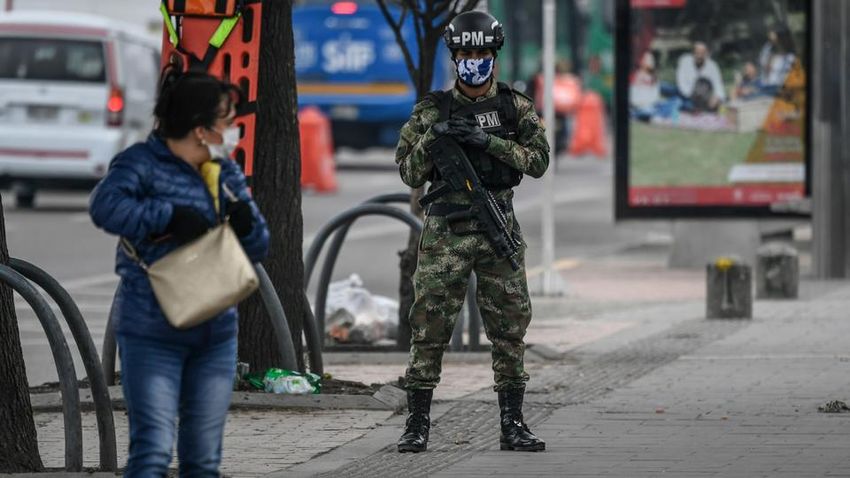
A member of the military police wears a face mask as a preventive measure against the spread of the new coronavirus, COVID-19, as he patrols the streets in Bogota, on March 25, 2020. Photo: AFP

This, however, must not be understood as a blank cheque for authoritarian leaders to tighten their grip on power. While most national constitutions, the European Convention on Human Rights, and the U.N.’s International Covenant on Civil and Political Rights allow for the derogation of certain human and minority rights during a state of emergency, it is “only to the extent strictly required by the situation.”

Across the world, though, numerous examples point to clear overreach of such emergency power and, more depressingly, the abuse of trust vested in governments from civil society.

Abuse of Emergency Powers

  • In Azerbaijan, President Ilham Aliyev said in an address to the nation that his political opponents are trying to use the outbreak to destroy the country, and suggested that measures to “isolate” them might be required. The prominent opposition activist Tofig Yagublu has already been arrested and sentenced to three months of pre-trial detention. He faces up to six years in prison….
  • Meanwhile, Montenegro’s government made the inexplicable move of making public the personal data – including names and home addresses – of all those obliged to be in self-isolation, a gross infringement on the right to privacy.
  • Albania’s Prime Minister, Edi Rama, also wasted no time in flexing his newfound powers. Last weekend, he casually threatened his citizens by posting a video supposedly showing Spanish police beating and chasing people down the streets, with an outrageously inappropriate message “either respect social distancing… or you will also be running.” Except, the video was from a political protest, weeks ago – in Algeria, not Spain.
  • Speaking of “fake news,” we have received reports from partners in Cambodia that over a dozen people have already been jailed, or “re-educated,” for allegedly sharing false social media posts about the pandemic – a measure that we fear is prone to be replicated across the world, not least among E.U. states.
  • Namely, Hungary’s nationalist government recently passed legislation to parliament that would punish anyone who publicizes “fake news” that interferes with the “successful defense” of public health, with up to five years in prison. [see https://humanrightsdefenders.blog/2020/04/07/good-example-of-authoritarian-abuse-of-covid-19-emergency-hungary/]..

Civil society, therefore, finds itself in an incredibly delicate situation.

On the one hand, there is an understanding that the severity of the crisis calls for certain limitations on our fundamental rights. Only national authorities possess the legitimacy to enforce such constraints and the capacity to tackle the virus through strict health and safety measures. We have no alternative but to trust our respective governments to navigate us, and their intentions to save lives and minimize the virus’ impact. On the other hand, we have a responsibility to protect partners across the world, whose fight for democracy and fundamental human rights will be further strained as emergency powers, enforced curfews, and restrictions on free speech come into place. Some measures may be necessary, but others are clearly not – and all must be removed once this is all over. Further, using the pandemic to harass human rights defenders or abuse the rule of law for political gains, as we are already witnessing, is simply unacceptable. We will monitor your moves, keep you accountable, and call you out when the line has been crossed – this is our duty. Widespread trust that has been vested in governments – all governments – amounts to a historic responsibility. Civil society has reached out its hand; do not let us down.

(Disclaimer: The views and opinions expressed here are those of the author and do not necessarily reflect the editorial position of The Globe Post._

Policy response from Human Rights NGOs to COVID-19: the Business and Human Rights Resource Centre

April 9, 2020

COVID-19 (Coronavirus) Outbreak: Human rights defenders & civic freedoms

Public health measures and expanded government powers amid global pandemic pose added threats to freedoms and rights of human rights defenders, including those focusing on business-related human rights impacts. Some governments, and other actors, are using this crisis to attack defenders in new ways, stifle civic freedoms, and push through restrictive measures. Defenders become easier to target, when they isolate, which is compounded by the loss of protective accompaniment and the lack of media attention to their situation. In several countries, rural and indigenous defenders have lost their livelihoods and are experiencing lock-downs – including those in conflict zones – and are less able to raise concerns about harmful business projects as a result. There are also reports of factories using the pandemic to justify dismissal of labour rights defenders. Tech companies may also violate the right to privacy of defenders, as they cooperate with governments to help stop the spread of COVID-19. Some companies are keeping their businesses active, for example in Peru and Colombia, despite the local opposition – and some sectors are likely to use the crisis to lobby for lower regulations, as we are already seeing in Indonesia and the United States, which could lead to more tension and violence in the future. This crisis also underlines that businesses benefit from defenders being able to work freely: this is now more evident than ever, as silencing of health professionals that tried to raise alarm on COVID-19 early, helped turn this ‘potentially containable threat into a global calamity‘, with enormous consequences for businesses and the economy.

The Centre has a section that features the latest news on how the pandemic and the response to it is affecting human rights defenders that raise concerns about businesses, and their impacts on the rights to food, access water, labour rights, environment, housing and health. It also highlights impacts on fundamental freedoms, such as freedoms of expression, association, and assembly, that these defenders need to be able to organize and work. Finally, it will be tracking new ways of protesting and organizing by these defenders and groups amidst the pandemic, and new demands in response to it.

—-

See  In Depth Area for more on COVID-19’s implications for business & human rights


Policy response from Human Rights NGOs to COVID-19: Gulf Center for Human Rights 

April 9, 2020

In the midst of the COVID-19 crisis, many human rights organisations have been formulating a policy response. While I cannot be complete or undertake comparisons, here the position of Khalid Ibrahim, executive director of the Gulf Center for Human Rights (GCHR) posted on 8 April 2020 in Global Voices:

COVID19 cases in the MENA region have led governments to institute containment and other measures to slow the spread the highly contagious coronavirus. These measures have especially targeted some of the most vulnerable groups such as human rights defenders in prison, migrant workers and independent media. The Gulf Center for Human Rights have tracked how some of these measures have seriously impacted the overall human rights situation in the region.

Below is GHCR’s brief human rights review of COVID-19’s impact on the MENA region:

1. Detained human rights defenders

The reality is that most human rights defenders are still in prison in the MENA region at a time when governments including those of Morocco, Saudi Arabia, and Egypt released some prisoners as part of preventive measures to contain the spread of the virus. With the spread of COVID-19, the lives of jailed human rights defenders are at imminent risk in countries such as Iran, Egypt, Kuwait, Syria, Bahrain, Saudi Arabia, the United Arab Emirates, Algeria and other countries that have crowded prisons lacking minimum health standards. Among those currently imprisoned are Abdulhadi Alkhawaja and Nabeel Rajab, founding directors of the GCHR, serving a life sentence and five years in jail, respectively. In the United Arab Emirates, Ahmed Mansoor has been held in solitary confinement for three years, serving a 10-year jail sentence for his human rights activism, including peacefully expressing his views on social media. In Saudi Arabia, women’s rights activist Lugain al-Hathloul also remains in prison.

2. Access to information and shutting down newspapers

Most governments in the MENA region are not releasing the actual numbers of cases of those infected with the virus and also making it very difficult for journalists to have access to reliable information about the spread, treatment, and the victims of COVID-19. Also, journalists who are providing factual information about the crisis to citizens are at risk.

….In Oman, on March 22, 2020, the Supreme Committee for Dealing with COVID-19 ordered all newspapers, magazines, and other publications to cease printing and circulating, according to the Times of Oman, which published the committee’s order. The order also prohibited the sale and circulation of newspapers, magazines and publications imported into the country. In Morocco, that same day, the minister of culture, youth and sports, Hassan Abyaba, announced in a statement the suspension of the publication and distribution of print newspapers until further notice. Also, in Jordan, on March 17, 2020, the Jordanian Council of Ministers suspended the publication of all newspapers for two weeks, according to an official statement by the Jordanian Communications Minister Amjad Adaileh. Newspapers continued to be suspended due to the quarantine and the government’s demand for citizens to stay in their homes.

3. Draft law threatened freedom of expression in Tunisia

4. Temporary imprisonment for spreading rumours in UAE

On April 1, 2020, the Gulf News, a daily English-language newspaper based in Dubai, published an article that says that “people who circulate rumours may be jailed for one year if they spread false information.” It is now possible that COVID-19 could be used as a pretext to imprison some of the bloggers and Internet activists who are targeted by the State Security Apparatus (SSA).

5. Location-tracking applications

Some Gulf states such as Bahrain are using location-tracking technologies which would enable the full detection of the movement of citizens. There are concerns that the use of these applications in countries widely known for gross and documented violations of human rights will allow them to place greater restrictions on personal freedoms.

6. Xenophobia against migrant workers in the Gulf

…..Reports that GCHR received from various Gulf countries confirmed that migrant workers are not given equal access to medical care and they are facing some difficult time at the moment, as many of them already live and work in poor conditions. Authorities across MENA could help stop the spread of COVID-19 by freeing all human rights defenders and prisoners of conscience because they do not pose a risk to the public — but rather are at great risk themselves. While detained, authorities must uphold the UN Standard Minimum Rules for the Treatment of Prisoners to provide basic healthcare and sanitation for all. It is also important to allow visits from UN experts and the International Committee of the Red Cross (ICRC).

https://advox.globalvoices.org/2020/04/08/impact-of-covid-19-containment-measures-on-human-rights-and-civil-liberties-in-the-middle-east/

80 Media and Human Rights groups urge African Heads of State to release jailed journalists amid pandemic

April 9, 2020

On 9 April 2020, the Committee to Protect Journalists (CPJ) and 80 other media and human rights NGOs have urged ten African Heads of State to release journalists from detention in the context of the COVID-19 pandemic.

To:

President of Algeria Abdelmadjid Tebboune
President of Benin Patrice Talon
President of Burundi Pierre Nkurunziza
President of Cameroon Paul Biya
President of Chad Idriss Deby
President of Egypt Abdel Fattah el-Sisi
President of Eritrea Isaias Afwerki
Prime Minister of Ethiopia Abiy Ahmed Ali
Prime Minister of Morocco Saad-Eddine El Othmani
President of Rwanda Paul Kagame

Your Excellencies,

We the 81 undersigned media, press freedom, and human rights organizations are writing to call on your respective governments to release all jailed journalists amid the sweeping COVID-19 pandemic. Last week, the Committee to Protect Journalists published an open letter to world leaders urging the immediate release of all journalists imprisoned for their work. Given that a staggering number of these imprisoned journalists are held in jails across the African continent, we are reiterating that call to your respective countries at this time of grave public health concern.

According to CPJ’s most recent annual survey conducted on December 1, 2019, there were at least 73 journalists in prisons in Africa, including 26 in Egypt, 16 in Eritrea, seven in Cameroon, four each in RwandaBurundi, and Morocco, three in Algeria, and one each in BeninNigeriaChadTanzaniaEthiopiaSomaliaComorosDemocratic Republic of the Congo, and South Sudan.

As of March 31, at least 11 of these journalists have been released from jails in Somalia, Ethiopia, Tanzania, Nigeria, DRC, Algeria, Comoros, South Sudan, and Egypt, according to CPJ research. However, at least six more journalists and media workers have been jailed since December 1, and remain in prison as of March 31, including four inEthiopia and one each in Cameroon and Algeria.

Article 16 of the African Charter on Human and Peoples’ Rights states, “Every individual shall have the right to enjoy the best attainable state of physical and mental health.” These rights were extended to prisoners and detainees when the African Commission adopted the 1995 Resolution on Prisons in Africa. According to the World Health Organization, “People deprived of their liberty, and those living or working in enclosed environments in their close proximity, are likely to be more vulnerable to the COVID-19 disease than the general population.”

For journalists jailed in countries affected by the virus, freedom is now a matter of life and death. Imprisoned journalists have no control over their surroundings, cannot choose to isolate, and are often denied necessary medical care. Many of these journalists have been held in detention without trial for lengthy periods and are suffering from ill health exacerbated by underlying health conditions and overcrowded prisons, where they have contracted malaria, tuberculosis, and other diseases.

We urge you to release every jailed journalist in your respective countries and to protect the free press and the free flow of information at this crucial time. Journalism must not carry a death sentence.

Sincerely,

(for names of signing organisations see link below)

See also: https://humanrightsdefenders.blog/2020/03/20/corona-virus-threatens-human-rights-defenders-in-detention-egypt-and-turkey/

Policy response by human rights to COVID-19: the Human Rights Foundation

April 5, 2020

Further in the series of posts on this topic: On 13-14 April 2020, the New York based Human Rights Foundation will host COVIDCon, a virtual Oslo Freedom Forum event focused on how tyranny sparked and is exploiting the novel coronavirus pandemic to crack down on civil liberties. For earlier posts: https://humanrightsdefenders.blog/tag/covid-19/

This two-day event, open to global audiences, will feature presentations and panels about the current pandemic and its relationship to state censorship, disinformation, surveillance, and the future of civil liberties. COVIDCon sessions will showcase the difference in the responses of authoritarian regimes and democratic governments to the outbreak of the novel coronavirus.

Confirmed speakers include former Chinese prisoner of conscience Yang Jianli; Iranian journalist and human rights activist Masih Alinejad; Russian democracy advocate Garry Kasparov; recently expelled Wall Street Journal deputy China bureau chief Josh Chin; entrepreneur and angel investor Naval Ravikant; Hong Kong pro-democracy activist Joshua Wong; futurist and “After On” author Rob Reid; Pulitzer Prize-winning author Anne Applebaum; Ideas Beyond Borders’ Melissa Chen; China-U.S. expert Kyle Bass; and others.

Day 1 of the conference will focus on how tyranny sparked the pandemic. Sessions will include:

  • Censorship in China: The Pandemic Spark
  • How Democracies and Dictatorships are Reacting to the Virus
  • China: Savior or Culprit?
  • Reporting on COVID-19: State Censorship and Surveillance
  • What the Pandemic has Revealed about Chinese Economic Dominance
  • The Increasing Risk of Synthetic Biology

Day 2 of the conference will focus on how tyranny exploits the pandemic. Sessions will include:

  • Iran’s Criminal Negligence: COVID-19’s Gateway to the Middle East
  • Pandemic Power Grab: State Abuse of Emergency Laws
  • Trampling on the Rule of Law and Undermining Public Health
  • Keeping Protest Movements Alive During The Pandemic
  • How the Pandemic Changes the Relationship Between Citizen, Technology, and State

REGISTER

https://mailchi.mp/dcbac9797509/authoritarian-regimes-ill-equipped-for-public-health-emergencies-287692?e=f80cec329e

Policy response from Human Rights NGOs to COVID-19: Witness

April 5, 2020

In the midst of the COVID-19 crisis, many human rights organisations have been formulating a policy response. While I cannot be complete or undertake comparisons, I will try and give some examples in the course of the coming weeks. Here the one by Sam Gregory of

…..The immediate implications of coronavirus – quarantine, enhanced emergency powers, restrictions on sharing information –  make it harder for individuals all around the world to document and share the realities of government repression and private actors’ violations.  In states of emergency, authoritarian governments in particular can operate with further impunity, cracking down on free speech and turning to increasingly repressive measures. The threat of coronavirus and its justifying power provides cover for rights-violating laws and measures that history tells us may long outlive the actual pandemic. And the attention on coronavirus distracts focus from rights issues that are both compounded by the impact of the virus and cannot claim the spotlight now.

At WITNESS we are adapting and responding, led by what we learn and hear from the communities of activism, human rights and civic journalism with which we collaborate closely across the world. We will continue to ensure that our guidance on direct documentation helps people document the truth even under trying circumstances and widespread misinformation. We will draw on our experience curating voices and information from closed situations to make sense in confusion. We will provide secure online training while options for physical meeting are curtailed. We will provide meaningful localized guidance on how to document and verify amid an information pandemic; and we will ensure that long-standing struggles are not neglected now when they need it most.

In this crisis moment, it is critical that we enhance the abilities and defend the rights of people who document and share critical realities from the ground. Across the three core thematic issues we currently work on, the need is critical. For issues such as video as evidence from conflict zones, these wars continue on and reach their apex even as coronavirus takes all the attention away. We need only look to the current situation in Idlib, Yemen or in other states of conflict in the Middle East.

For other issues, like state violence against minorities, many people already live in a state of emergency.

Coronavirus response in Complexo do Alemão favela, Rio de Janeiro (credit: Raull Santiago)

Favela residents in Brazil have lived with vastly elevated levels of police killings of civilians for years, and now face a parallel health emergency. Meanwhile immigrant communities in the US have lived in fear of ICE for years and must now weigh their physical health against their physical safety and family integrity. Many communities – in Kashmir and in Rakhine State, Burma – live without access to the internet on an ongoing basis and must still try and share what is happening. And for those who fight for their land rights and environmental justice, coronavirus is both a threat to vulnerable indigenous and poor communities lacking health care, sanitation and state support as well as a powerful distraction from their battle against structural injustice.

A critical part of WITNESS’ strategy is our work to ensure technology companies actions and government regulation of technology are accountable to the most vulnerable members of our global society – marginalized populations globally, particularly those outside the US and Europe, as well as human rights defenders and civic journalists. As responses to coronavirus kick-in there are critical implications in how both civic technology and commercial technology are now being deployed and will be deployed.

Already, coronavirus has acted as an accelerant – like fuel on the fire – to existing trends in technology. Some of these have potentially profound negative impacts for human rights values, human rights documentation and human rights defenders; others may hold a silver lining.

My colleague Dia Kayyali has already written about the sudden shift to much broader algorithmic content moderation that took place last week as Facebook, Twitter, Google and YouTube sent home their human moderators. Over the past years, we’ve seen the implications of both a move to algorithmic moderation and a lack of will and resourcing: from hate speech staying on platforms in vulnerable societies, to the removal critical war crimes evidence at scale from YouTube, to a lack of accountability for decisions made under the guise of countering terrorist and violent extremist content. But in civil society we did not anticipate that such a shift to more broad algorithmic control would happen so rapidly in such a short period of time. We must closely monitor and push for this change not to adversely affect societies and critical struggles worldwide in a moment when they are already threatened by isolation and increased government repression. As Dia suggests, now is the moment for these companies to finally make their algorithms and content moderation processes more transparent to critical civil society experts, as well as reset on how they support and treat the human beings who do the dirty work of moderation.

WITNESS’s work on misinformation and disinformation spans a decade of supporting the production of truthful, trustworthy content in war zones, crises and long-standing struggles for rights. Most recently we have focused on the emerging threats from deepfakes and other forms of synthetic media that enable increasingly realistic fakery of what looks like a real person saying or doing something they never did.

We’ve led the first global expert meetings in Brazil, Southern Africa and Southeast Asia on what a rights-respecting, global responses should look like in terms of understanding threats and solutions. Feedback from these sessions has stressed the need for attention to a continuum of audiovisual misinformation including ‘shallowfakes’, the simpler forms of miscontextualized and lightly edited videos that dominate attempts to confuse and deceive. Right now, social media platforms are unleashing a series of responses to misinformation around Coronavirus – from highlighting authoritative health information from country-level and international sources, to curating resources, offering help centers, and taking down a wider range of content that misinforms, deceives or price gouges including even leading politicians, such as President Bolsonaro in Brazil. The question we must ask is what we want to see internet companies continue to do after the crisis: what should they do for a wider range of misinformation and disinformation outside of health – and what do we not want them to do? We’ll be sharing more about this in the coming weeks.

And where can we find a technological silver lining? One area may be the potential to discover and explore new ways to act in solidarity and agency with each other online. A long-standing area of work at WITNESS is how to use ‘co-presence’ and livestreaming to bridge social distances and help people witness snd support one another when physical proximity is not possible.

Our Mobil-Eyes Us project supported favela-based activists to use live video to better engage their audiences to be with them, and provide meaningful support. In parts of the world that benefit from broadband internet access, and the absence of arbitrary shutdowns, and the ability to physically isolate, we are seeing an explosion of experimentation in how to operate better in a world that is both physically distanced, yet still socially proximate. We should learn from this and drive experimentation and action in ensuring that even as our freedom of assembly in physical space is curtailed for legitimate (and illegitimate) reasons, our ability to assemble online in meaningful action is not curtailed but enhanced.

In moments of crisis good and bad actors alike will try and push the agenda that they want. In this moment of acceleration and crisis, WITNESS is committed to ensuring an agenda firmly grounded, and led by a human rights vision and the wants and needs of vulnerable communities and human rights defenders worldwide.

Coronavirus and human rights: Preparing WITNESS’s response