In her latest report to the UN General Assembly, the Special Rapporteur on the rights to freedom of peaceful assembly and of association , Gina Romero, underscored the effects of a growing negative rhetoric directed at civil society and activists.
The Special Rapporteur presented her report ‘Protecting the Rights to Freedom of Peaceful Assembly and of Association from Stigmatization’ in an interactive dialogue with States at the UN General Assembly’s Third Committee.
The report highlights the growing number of harmful narratives that stigmatise civil society groups and activists engaged in association and peaceful assemblies, labeling them as ‘enemies or threats to security and values.’
The Special Rapporteur highlighted an alarming trend of harmful narratives that undermine the legitimacy of peaceful activism and target human rights defenders and the public for exercising their rights to freedom of assembly and association. She discussed how activists and organisations face stigmatising labels and accusations for organising peaceful protests, forming associations, and bringing urgent issues to the attention of authorities and the international community. Her report listed specific narratives and language used in various countries to stigmatise the work of civil society organisations and activists.
Particularly vulnerable to these harmful attacks are advocates for ethnic and religious minorities, women, children, young activists, LGBTIQ+ people, environmental and Indigenous activists, and defenders of democracy, transparency, and fair elections, with trade unions and labor rights groups also being targeted frequently.
These narratives result in the restriction of human rights. While most States participating in the interactive dialogue welcomed the report, some rejected the references to their country in the report, including China, India, Iran, and Russia. Several States asked the Rapporteur about best practices and concrete examples to support and protect the right to peaceful assembly and association.
Gina Romero responded that States should avoid stigmatising protesters and civil society, facilitate peaceful assembly and association, and ensure any restrictions are evidence-based and meet the requirements of legality, necessity and proportionality. She also responded to criticism from China, India, Iran and Russia by emphasising the challenges faced when there are no responses from States to inquiries, denial of requests for country visits, or lack of clear information about state actions and called on states to engage more openly with her mandate.
The Special Rapporteur also noted that harmful narratives from both State and non-State actors restrict access to freedoms of assembly and association, leading to rights violations and shrinking civic space. She called on States to detect, monitor, and counter such cases to ‘prevent undue legal restrictions and repression of these freedoms, which create a cycle of repression and stigmatization’ and implement legal and policy reforms.
The CIVICUS Monitor, which tracks freedom of association, peaceful assembly and expression in 198 countries and territories, announced in a new report – “People Power Under Attack 2023” – that almost one third of humanity now lives in countries with ‘closed’ civic space.
This is the highest percentage –30.6% of the world’s population– living in the most restrictive possible environment since CIVICUS Monitor’s first report in 2018. Meanwhile, just 2.1% of people live in ‘open’ countries, where civic space is both free and protected, the lowest percentage yet and almost half the rate of six years ago.
“We are witnessing an unprecedented global crackdown on civic space,” said CIVICUS Monitor lead researcher Marianna Belalba Barreto. “The world is nearing a tipping point where repression, already widespread, becomes dominant. Governments and world leaders must work urgently to reverse this downward path before it is too late.”
The CIVICUS Monitor rates each country’s civic space conditions based on data collected throughout the year from country-focused civil society activists, regionally-based research teams, international human rights indices and the Monitor’s own in-house experts. The data from these four separate sources are then combined to assign each country a rating as either ‘open,’ ‘narrowed,’ ‘obstructed,’ ‘repressed’ or ‘closed.’
Seven countries saw their ratings drop this year. These include Venezuela and Bangladesh, each now rated ‘closed’ due to intensifications of existing crackdowns on activists, journalists and civil society.
Democratic countries slipped too. Europe’s largest democracy, Germany, fell from ‘open’ to ‘narrowed’ amid protest bans and targeting of environmental activists. Bosnia & Herzegovina also declined to ‘obstructed,’ the twelfth European country downgraded since 2018.
One of 2023’s most dramatic slides occurred in Senegal, once considered among West Africa’s most stable democracies. Senegal entered the ‘repressed’ category amid sustained government persecution of protesters, journalists and opposition ahead of February elections.
“The range of countries where authorities restricted citizen participation in 2023 shows clampdowns are not isolated incidents but are part of a global pattern,” said Belalba. “A global backslide requires a global response. If citizens are not able to freely gather, organise and speak out, the world will not be able to solve inequality, confront the climate crisis and bring an end to war and conflict.”
CIVICUS Monitor data shows that worldwide, authorities target people’s freedom of expression above all else. Half of all documented violations in 2023 targeted free speech, with incidents ranging from a bombing outside a journalist’s house in Indonesia, the arrest of the head of a radio station in Tunisia and police pepper-spraying a reporter covering a protest in the United States.
Our research also reveals that intimidation is the number one tactic to restrict citizen freedoms. Human rights defenders, activists and media experienced intimidation in at least 107 countries. Media in particular bear the brunt, with 64% of incidents targeting journalists.
Despite these alarming trends, People Power Under Attack 2023 highlights areas of progress too. Timor-Leste’s civic space moved up to the second best rating ‘narrowed’ from ‘obstructed,’ reflecting the country’s commitment to fundamental freedoms. Four other countries saw ratings improve, though they remain in ‘repressed’ or ‘obstructed’ zones.
The report also details bright spots where countries made steps toward opening societies. Among these, Fiji repealed a restrictive media law. The Kenyan courts recognised the right of LGBTQI+ people to associate. Even Tajikistan, rated ‘closed,’ created a national human rights strategy with civil society input. Still, these and other improvements remain halting and often disconnected compared to widespread repression.
“These small steps show that even amid unprecedented restrictions, civil society is pushing back,” said Belalba. “These courageous acts of resistance by active citizens and civil society organisations give us hope that the downward trend is not permanent and can be reversed.”
On Wednesday, 16 December 2020 Débora Leão and Suraj K. Sazawal published an opinion piece in IPS entitled: “USA Downgraded as Civil Liberties Deteriorate Across the Americas” (Débora Leão is a Civic Space Researcher at CIVICUS, the global civil society alliance. She has a Master of Public Policy degree. Prior to joining CIVICUS, Débora worked on advocacy and research related to civic participation, urban development and climate justice. Suraj K. Sazawal serves on the board to Defending Rights & Dissent and is co-author of ‘Civil Society Under Strain’, the first book to explore how the War on Terror impacted civil society and hurt humanitarian aid.
Protests in New York City against racism and police violence, following the death of George Floyd. Credit: UN Photo/Evan Schneider
Few images better illustrate the recent decline in civil liberties in the United States than that of peaceful protesters near the White House being violently dispersed so Donald Trump could stage a photo-op. Moments before the president emerged from his bunker on June 1 to hold a bible outside a boarded-up church, federal officers indiscriminately fired tear gas at people who had gathered in Lafayette Park to protest about the police killing of George Floyd. This was far from an isolated incident: nationwide protests against systemic racism and police brutality have been met with widespread police violence.
Since May, the CIVICUS Monitor, an online platform that tracks fundamental freedoms across 196 countries, documented dozens of incidents where law enforcement officers, dressed in riot gear and armed with military grade-equipment, responded to Black Lives Matter protests with excessive force. These include officers driving vehicles at crowds of protesters and firing tear gas canisters and other projectiles at unarmed people, leaving at least 20 people partially blinded.
Throughout the year, journalists and health workers, clearly marked as such while covering the protests, have been harassed and assaulted. In one incident caught on live TV, a news reporter and camera operator from Louisville, Kentucky were shot by police with pepper balls while covering protests over the police killing of Breona Taylor.
This sustained repression of protests and an increased crackdown on fundamental freedoms led to the USA’s civic space rating being downgraded from ‘narrowed’ to ‘obstructed’ in CIVICUS new report, People Power Under Attack 2020.
This disproportionate response by law enforcement officers to protesters goes beyond what is acceptable practice when policing protests, even during an emergency. Under international law, people have a right to assemble freely. Any restrictions to this right must be proportionate and necessary to address an emergency or reestablish public order.
While recent brutality against protests for racial justice is concerning, the decline in basic freedoms in the USA began before this crackdown. The repression seen in 2020 was preceded by a wave of legislation limiting people’s rights to protest.
In recent years, several states enacted restrictive laws which, for example, criminalise protests near so-called critical infrastructure like oil pipelines, or limit demonstrations on school and university campuses. Increased penalties for trespassing and property damage are designed to intimidate and punish climate justice activists and organisations that speak out against fossil fuels.
In the wake of Black Lives Matter protests, some of the ‘anti-protest’ bills introduced this year seem particularly cruel, for instance, by proposing to make people convicted of minor federal offences during protests ineligible for pandemic-related unemployment benefits.
Growing disregard for protest rights underscores wider intolerance for dissent. In parallel with restrictions on the freedom of peaceful assembly, the USA also saw an increase in attacks against the media, even before Black Lives Matter demonstrations erupted. Over the past three years, the CIVICUS Monitor has documented the frequent harassment of journalists by the authorities and civilians while covering political rallies or when conducting interviews.
Correspondents critical of the Trump administration or reporting on the humanitarian crisis in the USA/Mexico border region sometimes faced retaliation; documents obtained by ‘NBC 7 Investigates’ in 2019 showed the US government created a database of journalists who covered the migrant caravan and activists who were part of it, in some cases placing alerts on their passports.
In January 2020 a journalist was barred from accompanying Secretary of State Mike Pompeo in an official trip to Europe after Pompeo objected to the questions by another reporter from the same outlet.
The harsh treatment of people wanting to express themselves and the decline of civil liberties is part of a broader global decline in fundamental freedoms. Our new report shows less than four percent of the world’s population live in countries that respect the freedoms of association, peaceful assembly and expression.
Each country’s civic space is rated in one of five categories: ‘open, ‘narrowed, ‘obstructed,’ ‘restricted,’ or ‘closed’. The USA was one of 11 countries downgraded from its previous rating.
Another recent example may be that on 15 December 2020 five independent UN human rights experts expressed serious concern over the arrest and charges brought against an indigenous leader (Nicholas Tilsen, human rights defender of the Oglala-Lakȟóta Sioux Nation), for peacefully protesting a political rally held last July at Mount Rushmore National Memorial, located on treaty lands of the Great Sioux Nation.
Violations of protest rights were common across the region, with detention of protesters and excessive use of force among the top five violations of civic freedoms recorded this year. In addition, the Americas continue to be a dangerous place for those who dare to stand up for fundamental rights: across the world, 60 percent of human rights defenders killed in 2020 came from this region.
The authorities must engage with civil society and human rights defenders to create an environment where they are able to fulfil their vital roles and hold officials accountable.
Africa: Civic Rights Were Eroded Across Africa in 2020
The most common violations of civic space registered by the CIVICUS Monitor were the detention of journalists, followed by disruption of protests, censorship, intimidation and the detention of protestors. Almost half of CIVICUS Monitor updates in 28 different countries mentioned the detention of journalists. 14 December 2020. Fundamental civic rights, including freedoms of association, peaceful assembly and expression, deteriorated across Africa in 2020. [See also: https://humanrightsdefenders.blog/2016/10/24/today-civicus-launches-its-worldwide-monitor-to-track-civil-space/]
In an allAfrica.com guest column Sylvia Mbataru and Ine Van Severen– CIVICUS researchers who contributed toPeople Power Under Attack 2020 – unpack what the report says about Sub-Saharan Africa. They conclude that civic space has been reduced in four West African nations (Côte d’Ivoire, Guinea, Niger and Togo) and has improved in the Democratic Republic of Congo and Sudan.
Over the past year the CIVICUS Monitor has documented several drivers of civic space violations in Africa including mass protests that were met with violent repression, and electoral processes, mostly presidential elections. Violations in the context of elections often involve the arrest of opposition members and pro-democracy activists, internet shutdowns, detention of journalists and crackdowns on protesters.
In three of the four West African countries that were downgraded – Côte d’Ivoire , Guinea and Togo – constitutional changes were adopted in recent years, leaving incumbent presidents Alassane Ouattara, Alpha Condé and Fauré Gnassingbé all claiming that new constitutions allowed them to run for further terms. The process of changing constitutions or bypassing term limits led to mass protests that were met with excessive force, the adoption and use of restrictive legislation, and punishment for dissenters criticising those in power, in particular pro-democracy activists.
Niger has also been downgraded by the CIVICUS Monitor. Even though a peaceful political change of power seems likely in the elections later this month, serious questions remain about Niger’s democratic prospects as human rights violations continue and civil society is subjected to restrictions.
These countries in West Africa have not been alone in efforts to muzzle dissent, exclude opposition and crack down on protests in the context of elections. This bleak picture is further seen in Eastern and Southern Africa.
In Burundi, ahead of the May 2020 elections, state security forces and members of the youth league of the ruling party threatened, intimidated and killed opposition party members, and stifled the media and civil society organisations.
In Tanzania, as the country prepared for its August 2020 vote, the government embarked on a major crackdown to suppress dissent, including by enacting new laws and regulations to stop opposition members from actively campaigning, prevent civil society organisations and independent observers from observing the electoral process, weaken civil society and the media, and limit the use of online platforms by journalists and voters.
Despite this difficult picture, the year also proved the resilience of people and civil society in exercising their civic freedoms, leading to fundamental democratic changes. In Malawi, although the period surrounding the disputed May 2019 election was characterised by violations including internet shutdowns and repression of protests, civil society successfully contested the results, leading to a new election and a change of government in June 2020 .
However, many other African countries are moving away from holding free and fair elections. With several countries gearing up to hold elections in the coming months, civic rights violations are being reported in countries across the continent.
In Uganda, opposition members and their supporters are being violently prevented from holding rallies and journalists are being arrested and violently attacked while covering events held by opposition candidates and civil society; human rights defenders are being threatened by state authorities, including by having their bank accounts frozen and their operational licences withheld.
In Ethiopia, civil society groups have expressed concern at the crackdown on dissenting political views ahead of the general elections slated for 2021. Similarly, in Zambia, civil society has denounced an escalating trend of judicial harassment, repression and attacks on human rights defenders ahead of the August 2021 general elections. In Benin, electoral laws have been adopted that make it difficult for opposition candidates to stand in the 2021 presidential election, which might lead to President Patrice Talon running almost unopposed.
The situation is so bleak that for the first time in a decade, according to the 2020 Mo Ibrahim Index of African Governance, overall governance in Africa has declined. The Index highlighted that, “in terms of rights, civil society space and participation, the continent had long before embarked on a deteriorating path and the pandemic simply aggravated this existing negative trajectory.”
With even more elections on the cards in 2021 – in Djbouti, Chad and Somalia among others – governments should prioritise the respect of fundamental freedoms, including the right of people to express themselves without intimidation and to assemble peacefully to express their dissent. Africa’s leaders should adhere to the African Charter on Democracy, Elections and Government, ensuring that free and fair elections take place. 2021 must be the year in which Africa’s dismal trends are reversed.
Through these panels, we wish to discuss the challenges and potentials ahead of the human rights movement, in light of both the ongoing erosion in democratic/civic spaces and the disruptions of the Covid-19 pandemic. In each panel we will couple one human rights defender from Turkey with one from abroad.
In the first panel of the series, we hope to start with a hopeful perspective on how we can re-open spaces in times Covid-19. We also wish to put forth a conceptual and comparative understanding on concepts such as shrinking civic spaces, authoritarianism and populism. The title of this first panel is “Re-Opening Civic Spaces in Times of Covid-19”.
We will welcome legal scholar, sociologist and human rights advocate César Rodríguez Garavitofor this event. Murat Çelikkan, co-director of Hafiza Merkezi, will host the event as co-speaker.
Some of the specific issues and questions we want to focus are as follows;
How do concepts such as closing democratic/civic spaces relate to populism, authoritarianism, etc.
How has the situation evolved in recent years in terms of these processes?
What has been the impact of Covid-19 on top of all this?
During Covid times, what are the trends and practices in the global human rights movement that have the potential to push back against the populist tide?
How should we frame the debates about the future of human rights?
The first panel will take place on October 15th at 17.00-18.30 (GMT+3) and will be livestreamed to registered participants. Please register from here.
English-Turkish simultaneous translation will be provided during the event.
About speakers
César Rodríguez Garavito’s research focuses on the transformation of law and politics in the context of globalization. He is co-director of the Center for Human Rights and Global Justice in New York University School of Law. César is the founder of JustLabs and the Editor-in-Chief of OpenGlobalRights. He has been a visiting professor at New York University, Stanford University, Brown University, the University of Melbourne, the University of Pretoria (South Africa), the European University Institute, American University in Cairo and the Getulio Vargas Foundation (Brazil). He is a board member of WITNESS, the Business & Human Rights Resource Center, the Annual Review of Law and Social Science, and the Business and Human Rights Journal. César is obsessed with inter-disciplinary research, social innovation, systems thinking, and anything that can get human rights and social justice practitioners to respond more strategically and effectively to complex challenges such as technological disruption, the climate crisis and populist authoritarianism. He has conducted research and advocacy in various regions of the world and has published widely on human rights, environmental justice, globalization and social movements.
Murat Çelikkan has worked as a journalist for 35 years in various positions such as reporter, editor, columnist and chief executive editor. Çelikkan has been an active member of the Turkish Human Rights Movement. He was a founding member and has been on the boards of the Human Rights Association, Human Rights Foundation of Turkey, Citizens Assembly and Amnesty International Turkey. He has worked on projects related to the Kurdish problem and media ethics, freedom of speech and assembly, refugees, identity politics and peace. Çelikkan is a graduate of Middle East Technical University. He is currently the Co-Director of Truth Justice Memory Center in İstanbul. He is also the producer of two feature films and the documentary Buka Barane. He has received the Civil Rights Defender of the Year 2018 Award and the 2018 International Hrant Dink Award.
On 1 May 2020 the Special Rapporteur on Human Rights Defenders and Focal Point on Reprisals in Africa, Rémy Ngoy Lumbu, expresses concern following reports of reprisals against human rights defenders and civil society in Africa and the adverse effects that national responses of States Parties to combat the COVID-19 pandemic have on their work. [please note that Africa has a regional rapporteur, not to be confused with the UN Secial Rapporteur on HRDs, Mary Lawlor (https://humanrightsdefenders.blog/2020/05/07/mary-lawlor-takes-up-post-as-un-special-rapporteur-for-human-rights-defenders/)]:
In the context of this COVID-19 global pandemic, the role of human rights defenders has become ever more important to safeguard the fundamental human rights enshrined in the African Charter on Human and Peoples’ Rights (African Charter). The Rapporteur notes, in particular, serious violations of the freedom of assembly and association, as enshrined in the African Charter and the UN Declaration on Human Rights Defenders.
The Rapporteur deplores the fact that, notwithstanding the press releases of the African Commission on Human and Peoples’ Rights of 17 and 24 March 2020 encouraging States to ensure compliance with the provisions of the African Charter and advocating for effective and human rights-based responses to curb the spread of the COVID-19 pandemic in Africa, several human rights defenders continue to be detained in overcrowded or unsanitary prisons and other detention centres without being charged, and this makes them especially vulnerable to COVID-19 infection.
The Special Rapporteur stresses the obligation of States Parties to ensure that measures adopted within the framework of COVID-19 national responses are not used as an opportunity to discriminate against, stigmatize or target particular individuals or groups, including civil society organizations and human rights defenders.
The Special Rapporteur would like to remind that efforts deployed by States Parties to curb the spread of COVID-19 in their respective territories should not result in the silencing of human rights defenders and should comply with the provisions of the African Charter. The Special Rapporteur would also like to call on human rights defenders to continue, with determination, their activities to promote and protect human rights in compliance with the laws and regulations adopted in the context of this global threat.
The Special Rapporteur urges States Parties to:
Ensure that national responses to the COVID-19 pandemic do not lead to the targeting or undue interference with the work of human rights defenders;
Refrain from using COVID-19 related emergency declarations to justify the adoption of repressive measures against specific groups such as human rights defenders;
Also refrain from adopting measures that restrict civic space and contribute to creating a hostile environment for human rights defenders;
Ensure that human rights defenders can communicate freely without fear of reprisal;
Take all necessary measures enabling human rights defenders to conduct their core activities, in particular, those providing support to the most vulnerable populations, while complying with the health measures necessary to combat COVID-19; and
Promptly release human rights defenders detained without charge.
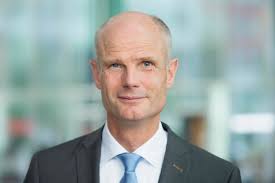
The Middle East Monitor reported on 17 January 2020 that the Dutch government criticised pro-Israel lobby group NGO Monitor for procuding ‘half-facts and insinuations’, singling out the unreliability of their accusations against human rights defenders. Responding to a parliamentary question, Dutch Foreign Minister Stef Blok stated that the Netherlands is “concerned about the shrinking civil space in Israel”, and “therefore consistently brings this matter up in conversations with Israeli authorities”.
The Israeli government’s attacks on human rights defenders are aided by organisations such as NGO Monitor, which in particular lobby European authorities to cease funding such human rights groups. The Dutch minister added that “the government is familiar with the accusations by NGO Monitor against a broad group of Israeli and Palestinian human rights organisations, as well as with criticism of the conduct of NGO Monitor itself”, citing a September 2018 report by the Policy Working Group. “This research shows that many of NGO Monitor’s accusations are based on selective citations, half-facts and insinuations, but not necessarily on hard evidence”, Minister Blok added. “These accusations have contributed to a climate in which human rights organisations have come under increasing pressure”. [see also: https://humanrightsdefenders.blog/2019/08/01/following-threats-to-ngo-offices-in-israel-human-rights-defenders-demand-investigation/]
In response to a separate question, the Dutch foreign minister noted that, “to the best of the government’s knowledge, NGO Monitor…focuses exclusively on organisations and donors who are critical of Israeli policy in the territories occupied by Israel”.
The end of a year usually means looking back and many human rights NGOs issue reports of this kind. Here is the first by CIVICUS, through its Monitor:
Civic space – space for civil society – is the bedrock of any open and democratic society. When civic space is open, citizens and civil society organisations (CSOs) are able to organise, participate and communicate without hindrance. When people are free to participate, they are able to claim their rights and influence the political and social structures around them. This can only happen when a state holds by its duty to protect its citizens and respectsand facilitates their fundamental rights to associate, assemble peacefully and freely express their views andopinions. These are the three key rights that civil society depends upon.
The CIVICUS Monitor analyses the extent to which these three civil society rights are being respected and upheld, and the degree to which states areprotecting civil society. In an attempt to capture these dynamics on a global scale, over 20 organisations from around the world have joined forces on the CIVICUS Monitor to provide an evidence base for action to improve civic space. In order to draw comparisons at the global level and track trends over time, the CIVICUS Monitor produces civic space ratings for 196 countries. Each country’s civic space is rated in one of five categories – open, narrowed, obstructed, repressed, or closed – based on a methodology that combines several sources of data on the freedoms of association, peaceful assembly and expression. Civic space updates from our research partners contain qualitative, narrative information related to the situation for civil society in a country. This qualitative information is directed by a set of guiding questions and the resulting data is gathered from a variety of primary and secondary sources. In many cases, country-specific updates have come directly from national civil society themselves. (Methodology: In countries where it does not have a research partner, the CIVICUS Monitor relies on a variety of other sources produced at the national, regional and international levels to arrive at country ratings. These civic space updates are then triangulated, verified and tagged by the CIVICUS team. Together, the research partners posted 536 civic space updates from 1 October 2018 to 11 November 2019 which form the basis for the analysis presented in this report. For the time period assessed, these civic space updates cover 153 countries. This report analyses trends and developments since its previous report, published in November 2018. As well as global-level trends, it analyses trends in five regions: Africa, Americas, Asia and the Pacific, Europe and Central Asia and Middle East and North Africa (MENA).
Following an update of ratings in November 2019, the CIVICUS Monitor continues to tell a worrying story. The data shows that there are 24 countries with closed civic space, 38 countries with repressed space and 49 with obstructed space. Just 43 countries receive an open rating, and 42 countries are rated narrowed. Since our previous report, published in November 2018, space for activism has reduced: only three per cent of the world’s population now live in countries with open civic space. Nine countries have changed their civic space rating since our November 2018 update: two have improved their ratings, while seven have worsened. This indicates that repression of peaceful civic activism continues to be a widespread crisis for civil society in most parts of the world. Worrying signs for civic space continue to be seen in Asia, where two countries, Brunei and India, dropped their rating from obstructed to repressed. Given the size and global role of India, the decline in the quality of its civic space must be of particular concern. One country in the Pacific – Australia – dropped from an open to narrowed rating, partially due to increased restrictions on the freedom of expression and government surveillance
HRW stated “Omar Shakir’s Expulsion Would Send Chilling Message“. The Israeli NGO “Human Rights Defenders Fund” issued the following statment on the case:
The Court dismissed the claim raised by Shakir’s lawyers Michael Sfard and Emily Schaeffer Omer-Man, according to which he did not violate the law that authorizes the exclusion from Israel of those who call for or support boycotting Israel or an area under its control (Amendment no. 28 to the Entry into Israel Law, 2017). The Court also rejected a request to suspend proceedings until a new Israeli government is formed following the September elections and could consider whether to proceed with the deportation.
The constitutional claims raised in the appeal were not directly addressed by the Court, which stated that the constitutionality of Amendment no. 28 to the Entry into Israel Law will be examined in a separate petition currently pending before the High Court of Justice.
The Court further dismissed the claim that Shakir did not call to boycott Israel, but was merely fulfilling HRW’s long-held mandate in calling businesses not to contribute to human rights violations in the OPT. Head of the panel of judges, Justice Neal Hendel, adopted the State’s position and asserted that Shakir’s Tweets throughout the years, including the ones he posted on behalf of HRW regarding corporate responsibility in the OPT, all amount to active and consistent promotion of boycott activity.
One of the more disconcerting aspects of the Court’s decision is the conflation of Shakir’s independent activities prior to joining HRW with actions taken more recently in his capacity as a researcher at HRW, such as HRW reports shared on his social media, as indication that there is “enough evidence to show substantial, coherent and consistent involvement of Shakir in promoting boycott, in violation of the law.”
The most disturbing component of the ruling is the Court’s holding that the law’s application extends to those who use boycott to promote the protection of human rights in the OPT, in accordance with international law:
“[…] the subjective aim of Amendment no. 28 […] validates that a call to boycott Israelmay be included within the meaning of the law, even if its reasoning is founded on the protection of human rights or on the norms of international law. In fact, it seems that the possibility of disguising a call for boycott under a human rights discourse will devoid Amendment no. 28 of its content and harm its objective aim — fighting the boycott movement. These aims demonstrate that [the text of the law] is not only limited to boycott that is based on political opposition to Israel’s control of the territories, but also includes boycott that is based on the identification of the Israeli control in the territories as a violation of international law.” Following that statement, the Court held that since Shakir’s activity regarding corporate responsibility in the OPT is based on his entire opposition to the legitimacy of the Israeli settlements in the OPT, his work constitutes illegal support of boycott in violation of Israeli law.
In addition, the Court stated that HRW is not considered to be a “BDS organization” and reassured that its activity will not be harmed by the decision to deport one of his representatives. Furthermore, the Court dismissed the petitioners’ concerns by stating that the current decision will not affect other human right defenders and organizations who will want to enter Israel.
Nonetheless, HRDF views this ruling as a dangerous precedent that reflects the shrinking space for human rights advocates who defend human rights in the context of the occupation.
Following the decision, Adv. Sfard stated: “Today, Israel has joined countries like Syria, Iran and North Korea, who have also deported Human Rights Watch representatives in attempt to silence criticism against human rights abuses committed in their territory. The Supreme Court’s decision gives Israel a dangerous and anti-democratic veto power over the identity of the representatives of international organizations operating in Israel and in the OPT. Today they deport Omar, and tomorrow they will deport other representatives, foreign journalists and anyone who opposes the government policies in the occupied territories.”
Adv. Schaeffer Omer-Man added: “Today’s Supreme Court ruling not only lends legitimacy to Israel’s attempts to mask its disapproval of Human Rights Watch’s activities condemning settlement activity in the OPT by deporting Omar Shakir, but it threatens to deepen the already pervasive self-censorship by Palestinian and Israeli human rights defenders who are more vulnerable than ever to persecution for legitimate advocacy against Israeli violations of international law.”
Executive Director of Human Rights Watch, Kenneth Roth stated: “The Supreme Court has effectively declared that free expression in Israel does not include completely mainstream advocacy for Palestinian rights. If the government now deports Human Rights Watch’s researcher for asking businesses to respect rights as we do across the world, there is no telling whom it will throw out next.” HRDF stands in solidarity with Omar Shakir and Human Rights Watch. The decision to deport Shakir on grounds of support for boycott is only one measure in the ever-growing efforts of the Israeli authorities in recent years to delegitimize human rights defenders, silence political expression and shut down the work of human rights organizations who report human rights abuses in the OPT.
The law on which the Court’s ruling relies is only one of a long line of legislation passed in recent years designed to delegitimize and sanction human rights defenders and organizations, block their funding, impose obstacles to their work, and create a chilling effect on Israeli, Palestinian and international human rights organizations.
The State’s and the Court’s insistence on separating Shakir’s work from HRW is artificial and its purpose is solely to conceal the harsh and far-reaching ramifications of this decision, which will enable the state to dictate and censor the work of human rights organizations who monitor and report human rights abuses in Israel and in the OPT. The international community must not be affected by this attempt to separate between HRW and its employee, Omar Shakir, as giving in to such tactics would harm the solidarity and support that all human rights defenders deserve.
(contact the HRDF team with any questions you might have: noa@hrdf.org.il)
The Carnegie Endowment for International Peace pubished on 22 October 2019 a working paper by Saskia Brechenmacher and Thomas Carothers entitled “Democracy,Defending Civic Space: Is the International Community Stuck?”. It concludes that as space for civil society continues to close, the international community must redouble its efforts to defend the right of human rights defenders to hold governments around the world accountable. The Executive Summary:
Civic Space Continues to Close
Since the mid-2000s, civic space has come under attack in many countries around the world. To counter this trend, transnational actors that support civil society have responded in many ways—from exerting diplomatic pressure and building international norms to providing emergency funds for activists. Despite these efforts, governments continue to impose legal and extralegal restrictions amid a worsening larger political environment for civil society. Closing civic space now appears to be just one part of a much broader pattern of democratic recession and authoritarian resurgence. The international response seems stuck: some useful efforts have been undertaken, but they appear too limited, loosely focused, and reactive.
Areas of Progress in the International Response
Research and knowledge dissemination: Timely information about civil society restrictions and overall trends is now widely available. Funders, policymakers, and relevant multilateral organizations are generally more aware of the problem; some actors have carried out internal strategic reviews and trainings to strengthen their programmatic and policy responses.
Support for local resistance and adaptation: Major funders have established or expanded emergency funds for persecuted rights activists and organizations. Some have also initiated programs to help civic actors adapt to regulatory, political, and legal pressures, while some have examined ways to offer more flexible funding. Several new transnational coalitions and initiatives have been set up to share lessons and lead joint campaigns.
Diplomatic pressure and international policy changes: Western governments have sometimes applied pressure on countries that are closing civic space, and they have supported advocacy in international bodies such as the United Nations. Civil society advocates have successfully pushed for reforms to harmful counterterrorism regulations, and some have begun engaging private sector actors on the importance of protecting civic space.
Factors Limiting the International Response
Lack of conceptual and strategic clarity: Ongoing confusion over the root causes of closing civic space impedes efforts to develop a more unified strategy. Diverse actors disagree on whether tackling the challenge will require addressing the global political backlash against progressive causes or the overall global democratic recession, or whether a more focused approach would be more effective.
Countervailing interests: Most Western governments still do not strongly prioritize closing civic space in their foreign policy agendas. They often refrain from escalating diplomatic pressure on repressive governments for fear of damaging their geopolitical, security, or economic interests. The loss of U.S. leadership on the issue has been particularly damaging.
Closing space at home: Civic space is now under threat in many established democracies, and the international repercussions are profound. Western governments that lash out against domestic critics are less likely to speak out against civil society restrictions abroad, and they have less credibility when they do so. Their actions also set a negative example for leaders in other parts of the world.
Inadequate scale: The resources committed to fighting the problem have been insufficient. Funders have also generally failed to embed their responses into a broader strategic framework. Explanations include a weak appetite for political risk among funders, the cross-cutting nature of the problem, and a lack of clarity on what a large-scale response might look like.
Working in silos: Weak coordination and information sharing between different parts of the assistance community persist. Obstacles include the diverging policy and organizational interests within and between governments, as well as divisions in the wider funder community, including between human rights organizations and development and humanitarian actors.
Struggles to change aid practices: Implementing far-reaching changes in aid practices has proven difficult, due to bureaucratic inertia, risk aversion, and narrower methods of monitoring and evaluation.
Chasing a moving target: The problem of closing space continues to evolve quickly, which makes it difficult for the international community to anticipate new openings and threats. For example, international actors have been slow to react to the spread of new technological tools for restricting civic space online and offline.
Policy Recommendations
Develop a strategic framework that links closing civic space to other key foreign policy challenges, articulates a positive vision of civic space globally, and offers tailored tactical guidance. Such a strategy should differentiate short-, medium-, and long-term priorities and distinguish between different types of political contexts.
Improve foreign policy alignment by issuing specific guidance on defending civic space to embassies, systematically integrating the issue into diplomatic training and senior leadership briefings, designating a senior official to spearhead interagency coordination on civic space–related issues, and amplifying the voices of civil society actors, particularly in restrictive contexts.
Avoid setting negative precedents by ensuring that domestic legislation does not threaten civic space. Nongovernmental actors should build cross-border alliances to share knowledge and resources, engage lawmakers in established democracies who stigmatize civil society, and champion transparency and accountability in internal practices and external partnerships.
Bolster coordination among concerned transnational actors by evaluating existing mechanisms, investing in new platforms or tools for information sharing and institutional learning, expanding country-level networks, and forging new partnerships between governmental and private funders.
Adjust funding practices to ensure a balance between support for long-term institution- building and catalytic funding, and track how much funding goes directly to local organizations as core versus project support. Funders should continue to expand flexible funding strategies for hostile environments, work with intermediaries that can reach a wider range of partners, and reduce grantees’ administrative burdens.
Anticipate new opportunities and threats by, for example, monitoring and recognizing examples of positive reform, developing targeted roadmaps that identify opportunities and flashpoints in collaboration with embassies or local partners, and investing in technological know-how.


 Hans Thoolen on Human Rights Defenders and their awards