Transnational repression (TNR), the cross-border targeting, intimidation, and harassment of journalists and human rights defenders, is increasingly undermining press freedom and human rights in Europe and beyond. Journalists in exile often remain subjects of sustained threats, surveillance, cyber-attacks, psychological pressure, and harassment long after reaching presumed safety. These tactics are used by authoritarian states to silence dissent, extend their reach beyond borders, and weaken the role of independent media globally. This is demonstrrated in the 18 December 2025 Position Paper written by Katrin Schatz, Journalists-in-Exile Programme Manager,
The European Centre for Press and Media Freedom (ECPMF) stands firmly against any form of repression that endangers journalists in exile and undermines fundamental freedoms. As a Europe-focused organisation, our mandate centres on strengthening press freedom across the continent. Much of our documented experience with transnational repression comes from our support work in Germany, particularly through the Journalists in Exile (JiE) programme, which gives us direct insight into how these threats continue even after relocation. Our analysis, monitoring and advocacy consistently show that current policy frameworks are insufficiently equipped to address the reality of transnational repression.
Transnational Repression targets journalists in exile
Many Journalists in exile remain at risk. ECPMF’s research on transnational repression in Germany from 2025 finds that journalists who fled authoritarian contexts continue to experience threats, intimidation, surveillance and psychological pressure in their host countries. These tactics are part of a broader strategy by autocratising states to control dissent.
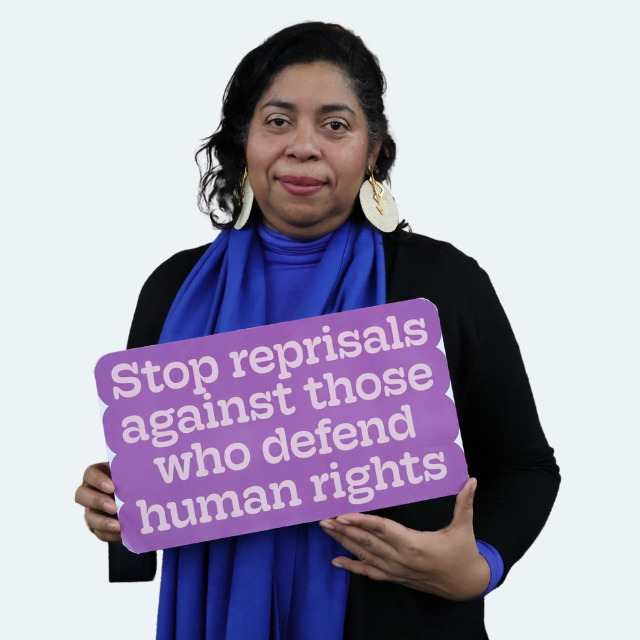
One of the most known examples is the case of Egyptian investigative journalist Basma Mostafa, whose reporting exposed torture and extrajudicial killings. { see: https://humanrightsdefenders.blog/2024/11/30/human-rights-defenders-story-basma-mostafa-from-egypt/] .
Her case was picked up in a report by the UN Special Rapporteur on the promotion and protection of the right to freedom of opinion and expression and echoed in statements by civil society organisations. Despite these actions, German authorities have not yet persecuted anyone. Such inaction by authorities often push journalists in exile to stop reporting or not report attacks against them whatsoever. Her case shows that exile does not guarantee safety for journalists targeted by states seeking to silence them across borders.
ECPMF’s Mapping Media Freedom (MapMF) platform shows exactly this – through the recently initiated category documenting threats against journalists in exile, ongoing surveillance, digital harassment and family members being targeted are reported. However, cases of transnational repression are rarely documented, not because they don’t exist, but because of the extreme sensitivity of the issue: publicity can endanger journalists’ families at home, expose those in exile to additional targeting, and many affected journalists choose or are advised to remain discreet for safety reasons.
Transnational repression threatens press freedom and democratic space
Transnational repression is not only an attack on individual journalists, it is a direct assault on press freedom and democratic spaces globally. However, acknowledging the personal strains of those affected is essential: many journalists in exile face isolation, trauma, financial precarity, and the constant fear that reprisals could reach them or their families, friends, and colleagues.
TNR tactics take place across multiple contexts: through digital harassment, spyware, coordinated smear campaigns, threats to family members, diplomatic pressure, misuse of international legal instruments, or using diaspora networks to intimidate critics abroad. Together, they form a pattern: a systematic effort by authoritarian and autocratising states to suppress independent journalism far beyond their borders. Coupled with the EU’s lack of reaction, this perpetuates cycles of violence and silencing.
By creating a climate of fear among critical voices and disrupting professional and personal safety TNR systematically undermines freedom of expression, independent journalism and the safety of journalists. Journalists in exile play an indispensable role in informing the public through international reporting, providing independent coverage from authoritarian contexts where local journalism is heavily restricted or impossible.
Gaps in policy and protection in the EU
Increasingly restrictive migration and return policies
The EU’s use of “safe country of origin/ third country” frameworks and streamlined return mechanisms risk exposing journalists to environments where they continue facing repression. Recent decisions by the European Council, endorsed by 39 MEPs , including the designation of countries with documented human rights violations, including press freedom violations as “safe” contradicts the very essence of protection that asylum and refugee policies are meant to provide.
The EU-wide list of safe countries will include: Bangladesh, Colombia, Egypt, Kosovo, India, Morocco and Tunisia. ECPMF is highly concerned about the dangerous implications of this policy for journalists and human rights defenders.
Lack of comprehensive frameworks
Current EU instruments still do not provide a systemic approach to TNR. There is no binding definition, no integrated action plan, and no framework that aligns migration policies, human rights obligations, digital safety, and cross-border policing responses to transnational repression. Existing mechanisms remain fragmented, leaving journalists without coherent pathways to protection.
Fragmented national responses
At the EU member state level, responses to TNR are inconsistent. Few governments started to formally acknowledge the threat and explore legal or policy measures, while others lack official recognition and structured responses. Even when awareness exists, protection mechanisms remain fragmented, under-resourced, or inaccessible. Journalists, just as any other person seeking refuge, also face racial discrimination within domestic systems, which can influence how their cases are treated.
Civil society has often stepped in where states have not taken responsibility. In Germany, the Coalition Against Transnational Repression has emerged as a key actor, bringing together human rights and diaspora organisations to push for stronger national policies. At the same time, many institutions and law enforcement bodies lack sufficient knowledge or training to identify transnational repression patterns, assess cross-border threats, or understand the jurisdictional complexities involved. Limited cooperation between migration authorities, police, prosecutors, and security services further weakens effective responses. As a result, national responses remain predominantly reactive rather than preventive, leaving journalists in exile exposed to ongoing risks.
ECPMF’s position and demands
Transnational repression is pervasive and increasingly dangerous. Journalists who have fled oppression continue to face coordinated pressure, digital harassment, legal threats, and physical intimidation across borders. As seen through the experiences of fellows in ECPMF’s Journalists-in-Exile programme, exile does not guarantee safety. Threats often follow them into Europe, leaving them vulnerable even in countries that are supposed to offer protection.
Current human rights and migration policies fall short of addressing the lived realities of journalists in exile and, in some cases, may even increase the risks they face. EU migration policies could force journalists back into the very environments from which they fled, thereby further jeopardizing their safety. This reflects the wider gap in the protection of journalists, where national and EU responses to transnational repression remain inconsistent, under-resourced, and fragmented.
ECPMF calls on the European Union, its member states and international bodies to take the following actions to better protect journalists in exile and combat transnational repression:
- Develop and implement comprehensive legal frameworks that recognise the specific cross-border threats faced by journalists in exile, including digital harassment, surveillance, physical attacks, and threats to family members.
- Ensure the protection of journalists within migration systems, with clear safeguards against forced returns to countries where they face repression, in line with the international principles of non-refoulement.
- Develop and support national and EU-level mechanisms to monitor and respond to transnational repression, including dedicated hotlines, coordinated support services, and legal aid for affected journalists.
- Include transnational repression in the EU’s strategic documents and policies for safeguarding democracies and combating disinformation and malicious interference, including the European Democracy Shield and similar documents, to ensure that the protection of those fighting repression is part of a comprehensive approach to preserving our democracies.
- Incorporate transnational repression explicitly into EU foreign policy, ensuring that the EU’s human rights policies hold countries accountable for using repressive tactics against journalists in exile, as well as creating a system of sanctions and diplomatic pressure to address perpetrators.
- Strengthen cooperation between member states, creating a coherent and coordinated EU response to transnational repression, with particular attention to the intersectional risks faced by journalists, including race, gender, and migration status.
- Engage civil society and human rights organisations in the design and implementation of policies related to journalists in exile, ensuring that those who are most affected have a direct role in shaping the response.





 Hans Thoolen on Human Rights Defenders and their awards