Posts Tagged ‘Covid-19’

Call for applications: COVID-19 funding for artists and human rights defenders working together

April 14, 2020

The CAHR recognises that collaborative endeavours between activists and artists have the potential to provide innovative responses to the current COVID-19 emergency, whether in a reactive, therapeutic or imaginative form. The centre seeks applications from artists and activists to address one or more of the following three objectives:

  • Document, monitor and analyse events in real time.
  • Reflect on well-being, both your own and that of your communities/organisations.
  • Go beyond a reactive response to imagine new, alternative futures. This future oriented work could assess how crises and disruption open up new possibilities for creativity and innovation, as well as for regressive and repressive measures, and/or build on positive responses to the virus itself (local and global forms of solidarity).

Expected outputs

Activists could write a diary, make a weekly podcast, write a blog, etc. Artists could work in their chosen media to respond to the activist’s contribution and/or to wider developments in their country/region. The CAHR is open to innovative suggestions on the nature of the collaboration between activists and artists.

Project proposals

Activists and artists should apply by presenting a single collaborative project proposal that does not exceed two pages in length and includes the following:

  • A brief profile/bio of the artist(s) and activist(s) involved.
  • A brief description of the project/programme of work, highlighting in particular how it responds to the COVID-19 emergency and its links to activism and civic/political space; which of the three objectives set out above it responds to; any safety, security and ethical concerns, and how these will be addressed; whether it builds on existing initiatives or is a new collaboration, and through which media/methodologies it will be carried out.
  • The main beneficiaries and audiences of the project/programme of work and why the methodology/medium is appropriate for the local context.
  • Details of additional sources of funding or contributions.
  • The envisioned output(s) of the project/programme of work, for both the activist(s) and artist(s).
  • The amount of funding you are applying for, and a brief justification for the specific amount requested in the form of a basic budget and justification of resources (subsistence/salary costs can be included). It is envisaged that most grants will be for between £1 000 and £2 000. Additional justification will be required for larger awards, up to £3 000, for example, that the application involves groups of activists and/or artists.
  • One appendix featuring examples of artistic work can be included in the application. The appendix can be additional to the two-page application.

While applications need to be in English, activist and artist outputs that are in part or completely in local languages are welcome.

Criteria for assessment

  • Clear description of the link between COVID-19, and responses to the virus, on the one hand, and threats to activism and civic/political space on the other, affecting either the artists/activists making the application and/or their country.
  • Evidence of a strong working relationship between the artist(s) and activist(s).
  • Feasibility and relevance of the project in challenging and difficult circumstances (including consideration of safety, security and ethics).
  • Evidence of innovation and creativity.

Deliverables

Artists and activists are expected to provide a timeline for outputs in their application, between now and 31 December 2020. Artists and activists are also expected to submit a short joint report (two pages) detailing the activities undertaken as well as all expenses incurred, by 31 January 2021.

All inquiries and submissions should be directed to Piergiuseppe Parisiat at piergiuseppe.parisi@york.ac.uk (link sends e-mail)and Pippa Cooper at pippa.cooper@york.ac.uk(link sends e-mail).

Timeline

There is no fixed deadline for proposals – applications will be considered on a rolling basis over the coming months. The CAHR will endeavour to get back to applicants within two weeks. Successful proposals will be selected by a panel that will include CAHR staff and associates from a variety of backgrounds.

Copyright

Copyright for the outputs remains the sole and exclusive property of the artist and the activist. Terms of reference/contracts will provide the CAHR with the limited right to reproduce, publicly display, distribute and otherwise use the expected outputs in relation to the CAHR’s work, and as an example of work commissioned through the Open Society Foundations’ grant. Copyright will be addressed in terms of reference/contracts developed with successful applicants.

Confidentiality and ethics

The CAHR will discuss anonymity, confidentiality and other ethical issues with artists and activists as they arise in relation to specific projects.

Read the full call callforarctivists.pdf

Policy response by Human Rights NGOs to COVID-19: WOLA

April 14, 2020

In the midst of the COVID-19 crisis, many human rights organisations have been formulating a policy response. While I cannot be complete or undertake comparisons, I am giving some examples in the course of these weeks. Here the one by WOLA (the Washington Office on Latin America), as published in Reliefweb of 13 April 2020.

In the midst of the rapidly spreading COVID-19 pandemic in Latin America, saving lives and reducing community transmission of the disease should be the number one priority of governments, international organizations, the business community, and civil society groups. Addressing the virus will require decisive public health interventions grounded in the best available public health recommendations. At the same time, the pandemic is having serious consequences for democracy, equality, and human rights in Latin America. Actions that are taken by governments today will have long-term impact.

Over the years, WOLA has worked with civil society partners in the aftermath of disasters, both natural and man-made. Though this pandemic is unprecedented, the lessons we’ve drawn from those experiences are clear: we cannot wait until the pandemic passes to investigate challenges to human rights, raise questions, and hold governments accountable. Some public health interventions will include infringements on key rights, like restrictions on freedom of movement and assembly. Those should be time-limited and legally grounded restrictions. Other interventions will require significant investment in health care, social safety nets, and community support and action. These should be transparent, equitable, and accountable.

While acting promptly and decisively, governments across the Americas need to protect key values like democracy and human rights.Upholding these values is critical to establishing the public trust and the social cooperation that will be required to combat this public health emergency and to move forward in the future. Otherwise, the fight against COVID-19 will not only lead to ineffective public health responses, but could further fuel anti-democratic and authoritarian tendencies in the region.

Some challenges that WOLA will be monitoring in the Americas include:

Reinforcement of authoritarian tendencies

Many governments have appropriately invoked emergency powers to respond to the crisis—but their implementation has not been without concern. In El Salvador, over 1,200 people have been detained in “containment centers” for violating curfew orders, provoking debate among legal experts about the legality of such measures (the country’s Supreme Court ruled on April 8 that curfew violations do not justify arbitrary detentions by the police and military). In Honduras, the president issued a decree temporarily restricting freedom of speech rights as guaranteed in the nation’s constitution, asserting this was necessary to combat the spread of misinformation related to the pandemic; the move received strong criticism from the Inter-American Commission on Human Rights and the United Nations. In Venezuela, the de facto Maduro government has sought to silence criticism of its response to the pandemic, harassing and detaining journalists who question official statistics.

Emergency powers need to be clearly limited; the role of legislatures and judiciaries in overseeing and reviewing the exercise of executive power should not be indefinitely suspended. These powers and roles are easy to ratchet up and hard to ratchet back down. It’s been a difficult struggle for governments and societies in the hemisphere to overcome the legacy of Cold War-era military dictatorships; backsliding needs to be avoided.

Military engagement in civilian governance

In some countries, militaries will necessarily play an important role in responding to public health emergencies given their resources, surge capacity, off-the-shelf plans, logistical capabilities, and medical facilities…….In a region still struggling to overcome a history of military dictatorships, any deployment in the current crisis must have a clear end date so that the military’s presence on the street does not become “normalized.”Whatever supporting role the armed forces may play in responding to the pandemic, the military should remain under firm civilian control.

….public health responses that need military involvement must not result in a retreat of democratic progress made over the last few decades in the region.Corruption

……The fight against corruption is a key part of restoring—or establishing—functioning democracies. In Latin America, we’ve seen a major attack on entrenched corruption in the last few years, from Peru to Mexico, and in reaction we’ve seen corrupt actors fighting to preserve their privileges and impunity in countries like Guatemala and Honduras.The need for transparency

Both to provide effective guidance to the public and to assure accountability, governments need to provide clear, consistent, and accurate information based on the best available science from health professionals about the virus and its spread. Authorities also need to be transparent about how public funds are being spent to address the crisis. Additionally, once states impose restrictions on the freedom of movement and assembly, leaders should be clear about what criteria they are using to justify implementing—and eventually lifting—these restrictions. As was highlighted in the IACHR’s resolutionon the pandemic and human rights in the Americas, governments must also refrain from restricting the work and movement of journalists and human rights defenders to provide information and document abuses that may occur in the governments’ response to COVID-19.

The spread of disinformation related to the pandemic is a particularly serious concern. Contrary to other presidents in the region, the presidents of Brazil and Nicaragua have sought to downplay the crisis and even encourage social interaction, while Mexico’s president was slow to act to promote social distancing. The situation in Brazil is particularly worrisome, with President Jair Bolsonaro disregarding all expert medical advice and defying measures taken by governors across the country, as cases of COVID-19 continue to rise at an alarming rate. These actions, which contradict public health experts’ advice, present the population with damaging mixed messages about how they should respond as concerned citizens, which will worsen and prolong the severity of the pandemic….

Restrictive measures will disproportionately affect low-income workers and those in the ****informal sectors **of the economy,** which accounts for over 50 percent of employment in Latin America. Many of these measures will especially impact women, who make up a large share of the informal sector in Latin America. Governments will need to implement income supplements, food security, and strong social safety net measures to protect this population. These measures must take into account gender disparities, and the particular risks that women face; there are already reports from across the region of increases in domestic and gender based violence.

Without increased support, poverty and inequality will increase, along with political discontent and instability. Communities in Colombia, Honduras, and Bolivia have all protested in recent weeks—“the government locks us up, hunger is going to kill us,” read one protest sign in Bolivia, reported El País. In Colombia, where some 40 percent of the workforce consists of informal workers, communities across the country have taken to hanging red flags outside their homes to indicate that they are hungry.

Protecting those in the most vulnerable situations

Governments will need to prioritize protections for historically underserved populations, who traditionally have poor access to health services and live in overcrowded and unhygienic conditions. Specifically, governments will need to ensure protections for:

Migrants and asylum seekers

Many countries have closed their borders and are limiting entries to their own citizens and legal residents. Others are taking more extreme measures and closing their borders completely. These measures will limit movement and the ability of individuals fleeing violence and persecution to seek protection abroad. The United States, for instance, has used public health as a pretext for ending the right to asylum at the border. In the last two weeks, U.S. border agents have expelled more than 6,000 migrants, including asylum seekers, without giving them a chance to seek protection.

Similarly, countries like Brazil, Colombia, and Ecuador have imposed new restrictions making it difficult for Venezuelan migrants, who are fleeing dire circumstances, to gain entry and access services. Many are choosing to return home despite the humanitarian emergency in Venezuela; some of these migrants are now being confined in overcrowded “quarantine zones” with reportedly poor sanitary conditions near the border.

As governments in the region limit public services, asylum seekers waiting for a resolution of their cases will confront an even longer **period of uncertainty.** For undocumented migrants who are apprehended and detained in countries such as Mexico, they may be held in detention centers with a history of overcrowding and poor hygiene. Anti-immigrant sentiment is likely to increase in this context.

Incarcerated individuals

There are an estimated 1.6 million people behind bars in Latin America, many of whom are in pretrial detention. With prisons and detention facilities already overloaded and ill-equipped to control contagion or address COVID-19 illness, governments should urgently take measures to **ease prison congestion,** such as releasing those who are older and have underlying health issues, mothers and pregnant women, those in pretrial detention, LGTBQ+ individuals, and those who have completed much of their sentence. Moreover, governments must and refrain from measures that would result in even more people being confined in such facilities, including those detained for violating stay-at-home orders.

Afro-descendants, Indigenous, and other groups

Progress on public health requires understanding that we are all in this together. Placing blame on specific groups or excluding them from access to health care and other necessities can be a dangerous temptation for leaders seeking scapegoats or those who seek to deflect blame from their own failures. Limiting access to health care or other protections to certain categories of people is a violation of fundamental rights and will only serve to exacerbate the current crisis….

Restrictive measures as a pretext for political repression

Governments may be tempted to use restrictive measures imposed for public health reasons as a tool to repress political opponents. Even where restrictions are initially conceived in good faith, certain sectors of the population may be targeted for more aggressive controls, policing, and disproportionate punishments….Increasingly empowered nationalist leaders may face the temptation to undermine or defund international systems and conventions, processes of conflict resolution, and human rights. But now more than ever, there is a need for international cooperation during a pandemic. This is a time to strengthen institutions that promote peaceful, negotiated solutions—not only to deal with the health crisis but also to other arenas of political conflict.

…..

We will be investigating and analyzing trends. We will be making recommendations to policy makers. We will be working with partners and civil society activists throughout the region who are facing new challenges to basic freedoms. As we recognize the absolute centrality of taking strong and decisive measures to protect the health of the public, we will redouble our efforts to stand for human rights and democracy during this crisis and beyond.

View original

https://reliefweb.int/report/world/monitoring-anti-democratic-trends-and-human-rights-abuses-age-covid-19

Fundamental Rights Agency (Europe): human rights defenders and COVID-19; 17 April on-line

April 12, 2020

https://fra.europa.eu/en/event/2020/discussing-impact-covid-19-measures-human-rights-defenders

https://fra.europa.eu/en/news/2020/international-organisations-discuss-how-support-human-rights-defenders-during-covid

Policy response from Human Rights NGOs to COVID-19: Front Line (tips for human rights defenders working from home)

April 10, 2020

In the midst of the COVID-19 crisis, many human rights organisations have been formulating a policy response. While I cannot be complete or undertake comparisons, I will try and give some examples in the course of these weeks. Here one by Front Line Defenders on the “Physical, emotional and digital protection while using home as office in times of COVID-19

Ideas & tips for human rights defenders

….. Front Line Defenders has experience advising HRDs working remotely and part of its own team has been working remotely – and securely – for years. Below is some of our thinking and learning around the challenges of this modality of work. It is hard to put down one size fits all solutions, especially for physical and emotional protection. This is offered as inspiration to evaluate and improve protection of your particular situation. And if you are a HRD or HRO at risk in your country, you may always reach out to Front Line Defenders for help – the organisation is at work and fully operational during this time.

We encourage you to communicate clearly and promptly with your donors and partners regarding your particular situation. Donors in the human rights space are highly sensitive to the difficulties this crisis is posing to its partners and grantees, even as they face a variety of unprecedented challenges. We believe it makes situation much more manageable if they know what is possible and impossible at this moment for you and your organisation regarding your work or cooperation with them. They also may be able to help you with your specific needs right now, things like portable equipment to work from home or additional at-home security measures.

Physical protection

physical_protection.jpg

Consider which place or room is best to be working on sensitive issues. Is, for example, a basement a best option? How easy is it to get to your work space from entry doors to your apartment or house? Can people see your computer screen or desk/papers from the outside? Do you want/can you avoid house-mates see you working? Or overhear sensitive conversations on the phone or over the internet. You can try to talk quietly if neighbours can overhear conversations, use a headset, close windows when you talk, or use veiled/coded language.

Try not to leave your work around the house (leaving USBs & documents around). Stay organised and protect sensitive information. Think about getting locks on drawers, or lockable cabinets etc. Consider locating some good hiding places (or some kind of safety box) for your valuable information if you need to quickly hide them. Be creative eg. taking out a brick or tile in the floor or wall, in the rooftop, under a floorboard, taped inside a shower drain, etc. At the end of each day, put everything away in a safe space including documents, computers and phones. Keep a clean desk policy. Turn off computers, don’t just put them to sleep or leave them on. Have a system for destroying sensitive information and files. This could be shredding it, tearing into small pieces, burning it, etc.

Consider using a simple surveillance system of the space at times when you are not there. This could be simple traps to detect if someone has entered has the house or room, or opened a drawer. Alternatively, there are digital solutions such as mobile phone applications such as Haven app which you could use with an old Android phone to monitor your work space.

Make sure you have a good ergonomic set up of your work station so that you are sitting comfortably without straining your back, neck or other parts of your body – and take regular breaks.  Reduce tripping hazards. Have first aid kits and sufficient medications. Have enough water for 4 days, and some hibernation kits.

If you share accommodation with others (family, friends, room-mates), have a meeting to make sure everyone is aware of the security rules you want to apply ( i.e. don’t open the door without first checking who it is, don’t touch the laptop, etc.) It is good to have a security check-in meeting with them everyday to see how situation is changing and if they notice anything new or out of place.

Prepare emergency numbers and have them handy such as written/printed and stuck up on the wall, saved in your phone, and kept in your wallet. Consider having a household communication planin case you need support. This means calling one or two people, and then they themselves know who to call and what to do to give you support.

Have an evacuation plan prepared, with different exits and an outside meeting point. It is recommended that you practice it. Sometimes simply placing a ladder near a fence can make a big security improvement in your home. Some people also have a pre-packed bag that they keep next to the exits, that contains copies of sensitive documents, some cash, phone charger, torch/flashlight, medication and other items you would want to have with you.

If you consider the risks are increasing as an HRD and you might need to relocate, review your relocation plan. Are the travel arrangements and end destination still feasible? How can you adapt your plan to reduce your visibility and physical presence?

If you are considering having sensitive in-person meetings in your home, be aware of the restrictions in place and comply with health advisories. Prepare a cover story with your visitors, including who are they and why are they visiting you, in case your neighbours or somebody else asks. Also, it can be a good idea for visitors not to tell taxis (including ride-hailing apps) your exact address, but somewhere close like a well-known place of worship, park, shop, etc. If they come in their own vehicle, it is better that they not park out the front of your house – they can park further down the street so they are not immediately connected with you. Make sure you give very clear instructions so visitors do not have to ask anybody how to find you.

Always consider safety risks like fire in homes. You might be cooking more indoors, using more electricity outlets, smoking indoors, children might be more housebound, and your neighbours will also be home, increasing the risk of them starting a fire. Have a fire plan. Consider things like woollen blankets as fire blankets, smoke detectors if possible, manage your electricity usage and try to use surge protectors, reduce fuel load, etc.

Consider having a personal alarm with you in the home and when you leave to attract attention if you need, this could be something like a whistle.

Keep your doors locked, with the key in the lock on the inside of the door – unless someone on the outside can reach through to open it. In this case, keep the key in a set location, away from the door (and out of sight) ready in case it is needed in an emergency. Consider what is a pattern of criminal attacks in your area. Rates of home burglaries generally fall when more people are at home, but other crime (against offices or shops) may increase. Protect (or take with you) the valuable information from your office before leaving. Consider how your adversaries will try to benefit from you working from home and then mitigate that.

Avoid regular routines especially in leaving and travelling around. When leaving your home to go shopping, consider the risks of leaving your devices in the home vs taking the devices with you. If you leave home, switch off devices and hide them. When leaving, ensure that someone knows where you are going, how you will get there (the route), what time you are expected to return, how to contact you if there is any reason, etc. You may also use things like live location sharing, check-in procedures (“I’ve arrived”, “I’m leaving now”, “should be there in 20 minutes”, etc.)

Be discreet and avoid being targeted by police or security forces by violating any legal local rules.

It is easier said than done but try to plan for economic security or sustainability, this situation could go on for longer than currently envisaged. If possible discuss this with donors or supporters. Try to identify an emergency fund you can establish or have access to – perhaps in cooperation with others. Connect online with your local communities to see what are possible self-organizing strategies for mutual support.

Let Front Line know of your protection ideas or suggestions based on your experience that may benefit other HRDs or HROs at risk, it will develop this guide further.

See also: https://humanrightsdefenders.blog/2020/04/10/policy-response-from-human-rights-ngos-to-covid-19-civicus-protocol/

Policy response from Human Rights NGOs to COVID-19: FIDH

April 10, 2020

In the midst of the COVID-19 crisis, many human rights organisations have been formulating a policy response. While I cannot be complete or undertake comparisons, I will try and give some examples in the course of these weeks. Here the one by the International Federation for Human Rights (FIDH): “COVID-19: States bear direct responsibility for the health of individuals in their custody” states a press release of 7 April 2020.

While the cases of COVID-19 are multiplying in prisons, detention centres and in places of custody, faced with the risk of a massive spread of the virus behind the walls, FIDH (the International Federation for Human Rights) calls for urgent measures to be taken to preserve the health of detainees, and for the release of the most vulnerable, of those detained for minor crimes and on remand custody, and of those whose detention is contrary to international norms.
In times of crisis, governments have an obligation to protect those who are most vulnerable. Prison populations, confined to detention facilities that can easily become virus hotspots, are among those most vulnerable to the threat of the COVID-19 pandemic. This is a particular risk where collective cells and overcrowding are the norm, where social distancing is impossible to achieve, where many detainees are awaiting trial, and where the prisons’ health services are unprepared.
Over the past weeks, throughout the countries and regions where the COVID-19 virus has spread, many prison inmates, staff and/or caregivers have tested positive for the virus. Hundreds of inmates with virus symptoms have been “confined”. Tensions in prisons have also increased in the context of the spread of the virus, in reaction to the overcrowding of prisons, to the lack of personal hygiene or health services, or to restrictions on visits —notably when those visits enabled adequate food supply-, or other activities.While every prison, detention centre and place of custody constitutes a potential epidemiological outbreak, the spread of the virus in places of detention will be inevitable unless urgent measures are taken to mitigate this risk.

Echoing concerns expressed by the UN High Commissioner for Human Rights, the African Commission on Human and People’s Rights, the Council of Europe Commissioner for Human Rights, the Inter-American Commission on Human Rights, and the European Committee for the Prevention of Torture and Inhuman or Degrading Treatment or Punishment (CPT) in its COVID-19 Statement of Principles, FIDH calls on governments to relieve congestion in prisons by releasing vast numbers of prisoners through various means, including temporary or early releases and amnesties; home detention and commutation of sentences.

Such measures should be consistent with States’ obligations under the UN Standard Minimum Rules for the Treatment of Prisoners (revised and adopted as the “Nelson Mandela Rules”) which detail measures aimed at ensuring adequate personal hygiene, health, and safety of prisoners.

We welcome the move by a number of countries, including Argentina, Chile, Ethiopia, Indonesia, Iran, Tunisia and Turkey to begin releasing prisoners in an effort to reduce overcrowding and prevent the spread of the virus. These efforts however have been inconsistent with many of these countries’ human rights obligations and with international institutions’ recommendations.

In countries like China, Egypt, Iran or Turkey, where the policies of mass incarceration of journalists, whistle blowers, human rights defenders, political prisoners or of civilians taking part in demonstrations are in flagrant contradiction with international human rights norms, prison releases have not included these persons.

States should thus follow specific priorities for the releases, that are guided by the vulnerablity of the individual detained as well as the motives for his or her detention. As such, priority should be given to the elderly, to pregnant women and to children, to those with underlying health conditions, as well as to administrative detainees, to individuals detained for minor or non-violent offences, and to detainees awaiting trial. In addition, prisoners of conscience, prisoners detained for expressing their opinions, human rights defenders, whistleblowers, and undocumented migrant detainees should be immediately and unconditionally released.

Governments should also ensure that during the COVID-19 pandemic the human rights of all those who remain in detention are upheld. As such, measures adapting the conditions of detention, with regard to food, health, sanitation and quarantine measures, to prevent the spread of COVID-19 within the facilities, should be put in place, to guarantee decent living and health conditions for all detained persons.

Any restrictions imposed on detainees should be non-discriminatory, necessary, proportionate, time-limited and transparent. Measures should not, under any circumstances, justify absolute or solitary confinement. Confinement measures should enable confidential and through distance, meetings of inmates with their families, close companions and lawyers in a confidential manner, while respecting the WHO recommended physical distancing and handwashing protocols. Under the current COVID-19 circumstances, we also recommend that all detainees should have access to time outside of the confins of their cells and be able to utilise recreational spaces available.

Lastly, while States must be able to maintain order and security within prisons and detention centers, measures to prevent riots and restore security conditions in prisons should not empower authorities to resort to the excessive use of force.

Read more

See also: https://humanrightsdefenders.blog/tag/covid-19/

https://www.fidh.org/en/region/Africa/covid-19-states-bear-direct-responsibility-for-the-health-of

Policy response from Human Rights NGOs to COVID-19: CIVICUS’ Protocol

April 10, 2020

In the midst of the COVID-19 crisis, many human rights organisations have been formulating a policy response. While I cannot be complete or undertake comparisons, I will try and give some examples in the course of these weeks. Here the one by CIVICUS which has published a Protocol, that is open for endorsment by other NGOs. The Protocol (online<https://www.civicus.org/index.php/media-resources/news/4367-protecting-our-co-workers-during-covid-19-a-social-security-protocol-for-civil-society>) has been endorsed by over 60 civil society leaders from across the globe, including Greenpeace International.

The 6 point Protocol proposes practical measures and actions that civil society groups can take to help workers during the COVID-19 pandemic. It is aimed at protecting employees from any adverse health, social or economic issues that will arise during this challenging period.

The 6 proposed measures:

  1. Systems to enable social distancing and other precautions
  2. Support for COVID-19 testing and treatment
  3. Protection of pay and jobs during the COVID-19 lockdown and escalation period
  4. Flexibility and support for home and care-related responsibilities
  5. Extending our community of care to our collaborators and constituencies
  6. Acting in solidarity with workers and other vulnerable communities

In a letter to civil society allies CIVICUS Secretary General Lysa John <https://civicus.org/index.php/media-resources/news/3484-lysa-john-announced-as-new-civicus-sg> says,

“The ‘COVID-19 Social Security Protocol for Civil Society <https://www.civicus.org/index.php/media-resources/news/4367-protecting-our-co-workers-during-covid-19-a-social-security-protocol-for-civil-society> ’ is first and foremost a call for us to recognise that the people we work with and alongside need to be assured of our support for their well-being if we are to remain resilient and relevant in the context of a dire and desperately uncertain future. Without the solid foundations of trust and authenticity, our organisations are not equipped to withstand the formidable challenges that all agencies – large and small – will need to respond to in the coming months.”

Recommendations:

1. Systems to ensure physical distancing and other precautions

What it involves:
  • Procedures to enable physical distancing are explicitly adopted and communicated alongside an overarching call to social solidarity
  • Transition to virtual ways of working wherever   possible, provision of protective gear and guidelines for frontline workers whose efforts are needed to ensure the continuation of critical and essential services (e.g. non-transferable support services to vulnerable populations)
  • Ensuring that pay and benefits for personnel who are unable to perform their duties virtually are not reduced at this time
Why is this important?
  • In keeping with WHO guidelines and corresponding national government regulations, all agencies are required to take active measures to protect their personnel from contracting or transmitting the virus
  • If relevant government authorities have not provided effective guidelines on social distancing, we can be proactive in implementing the WHO guidelines for our teams, and support advocacy efforts to ensure relevant   regulations are put in place.


2. Support for COVID-19 testing and related treatment

What it involves: Access to COVID-19 testing differs across countries. A few essential steps that we can take to support our teams in this context are:

  • Mapping and providing active information on testing procedures
  • Covering costs of testing procedures where these are not covered by health insurance.
  • Supporting the return of personnel located outside their home countries who request or require to be repatriated for health and/or family reasons
  • Fully paid sick leave for personnel needing to rest and recuperate; flexible arrangements in relation to time needed to care for family members and dependents. This could include ‘record-free’ leave provisions so personnel do not need to utilise their annual sick leave quota to cover illness related to the COVID19 outbreak
  • Full or partial support for costs of related treatment through existing group medical insurance plans; in case these are not available, explore organisation-supported reimbursements
  • Psycho-social support to deal with the mental health impacts of the pandemic, including with adverse effects of the outbreak within family and communities
Why is this important?
  • Ensuring access to basic health care for employees is an important responsibility for all organisations. For many organisations however, support to core costs that enable social security benefits for   employees is hard to negotiate and organise.
  • More ideas on how donors and intermediaries can support civil society groups to address core costs in this period are available in this Open Letter to Donors


3. Protection of jobs and pay across the COVID-19 lockdown and escalation period

What it involves: In anticipation of the adverse economic effects of the COVID-19 pandemic, we have an important role to play in protecting our co-workers from reduction of pay and loss of employment. Some measures that can be considered include:

  • Extending employment contracts, till December 2020 for instance, as an immediate measure of protection. This should ideally include personnel who work part-time, such as consultants, fellows and interns.
  • In the event that an employment contract must end in this period, ensuring a source of income is available to support transition is a helpful measure. National regulations on allowances linked redundancy and unemployment, for instance, can be used to benchmark this and activate government-backed programs in this regard
  • Coordinating with donors and intermediaries to redirect costs for new positions that were to be proposed in this period towards costs for staff retention
  • Coordinating with Boards to approve the use of organisation’s reserves, if available, and requesting their support for costs related to employment protection measures
Why is this important?
  • The implementation of this recommendation is directly related to donor flexibility and proactive measures adopted by governance bodies of civil society organisations.
  • Ensuring an open conversation with donors to reallocate expenses related to activities that cannot be undertaken in this period, such as budgets linked to travel and in-person meetings, is one possibility in this regard.


4. Flexibility and support for home and care related responsibilities

What it involves: In order to support staff to cope with the added pressure of familial duties, while also taking care of their own needs, we can consider the following:

  • Flexible or reduced work hours for personnel (without affecting levels of pay)
  • Reduction of work related deliverables for staff who have responsibility for children and other dependents, including the elderly and disabled
  • Additional measures (economic and psycho-social) to support single parents, staff who live alone and those who risk violence and abuse within their homes
Why is this important?
  •  Working from home places significant demands on staff who are primary caregivers within their families. Women are often burdened with additional responsibilities in this time


5. Extending our community of care to our collaborators and constituencies

What it involves:
  • Disseminating information on necessary protection protocols advised by the WHO and, where possible, translating these into relevant languages and making them accessible in multiple formats
  • Providing information on support and services provided by our organizations in this time
  • Ensuring that contingency plans for critical services are in place and shared with them
  • Identifying and calling out public measures that are being used to restrict and intimidate civil society
Why is this important?
  • As we conduct our duty of care to our employees, we have the opportunity to extend care and share knowledge with the communities we serve and networks we work with.
  • Civil society across the world often works to respond to and fill critical gaps in service delivery, access to justice and government accountability. Taking steps to ensure that our collaborators and constituencies are informed helps to ensure transparent flows of information and mediate continuity for critical services where possible.


6. Acting in solidarity with workers and other vulnerable communities

What it involves: We have the opportunity to act in solidarity by:

  • Adding our voice and organisational support to campaigning for improved employment protections by organised labour, and for the most vulnerable casual workers and gig-economy workers
  • Supporting campaigns where there is an opportunity to advance progressive social welfare policies, including wage & income protection, universal social protection, access to healthcare and childcare support for frontline workers who are holding up essential public services.
  • Getting behind the bold, systemic reforms that challenge and change the fundamental inequities that have been exposed by the COVID-19 pandemic
Why is this important?
  • Adding our collective weight and support right now, may help secure both immediate relief, as well as pivotal longer-term wins for progressive campaigns


A list of resources to help determine and action relevant measures is available here.

For more information: | @CIVICUSalliance | https://www.facebook.com/CIVICUS/


For other posts like this see: https://humanrightsdefenders.blog/tag/covid-19/

—-

https://www.civicus.org/index.php/media-resources/news/4367-protecting-our-co-workers-during-covid-19-a-social-security-protocol-for-civil-society

Policy response from Human Rights NGOs to COVID-19: Human Rights Watch

April 10, 2020

In the midst of the COVID-19 crisis, many human rights organisations have been formulating a policy response. While I cannot be complete or undertake comparisons, I will try and give some examples in the course of these weeks. Here the one by Human Rights Watch, as submitted during the Informal Dialogue with UN High Commissioner for Human Rights on 9 April 2020

—-

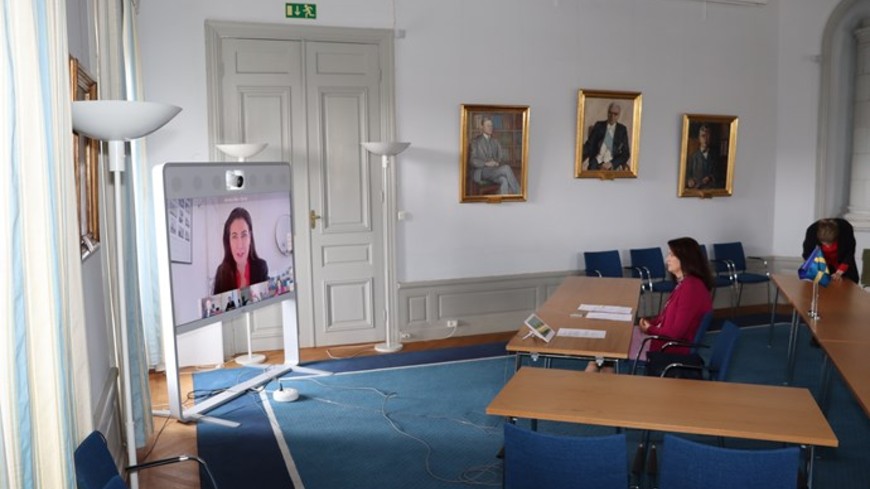
High level European meeting on fight against COVID-19 and its impact on human rights

April 10, 2020
Christian Ugge/Regeringskansliet

Christian Ugge/Regeringskansliet

A “digital meeting” was organised by the Swedish Ministry of Foreign Affairs to discuss the fight against COVID-19 and its impact on democracy and human rights.

“The major social, political and legal challenge is our democracies’ ability to respond to the COVID-19 sanitary crisis effectively, without undermining Europe’s founding values of Democracy, Human Rights and Rule of Law. The Council of Europe, through its statutory organs and all its competent bodies and mechanisms will ensure that measures taken have a legal basis and remain proportional to the threat posed by the spread of the virus and limited in time“, said Christos Giakoumopoulos, Council of Europe Director General of Human Rights and Rule of Law, at a digital meeting organised by the Swedish Ministry for Foreign Affairs.

The topic of the meeting was the fight against COVID-19 and its impact on democracy: the participants aimed at contributing to the global conversation about the risk of the COVID-19 response leading to, or being used as a pretext for, undue restrictions on human rights, democracy and the rule of law.

Christos Giakoumopoulos took part in the meeting with the Swedish Minister for Foreign Affairs Ann Linde and Minister for International Development Cooperation Peter Eriksson, as well as with other three representatives of key intergovernmental organisations: Michelle Bachelet, UN High Commissioner for Human Rights, Eamon Gilmore, EU Special Representative for Human Rights and Ingibjörg Sólrún Gísladóttir, Director of the OSCE Office for Democratic Institutions and Human Rights.

https://www.coe.int/en/web/human-rights-rule-of-law/-/digital-meeting-with-the-swedish-mfa-on-the-fight-against-covid-19-and-its-impact-on-democracy


Policy response from Human Rights NGOs to COVID-19: Amnesty International

April 10, 2020
In the midst of the COVID-19 crisis, many human rights organisations have been formulating a policy response. While I cannot be complete or undertake comparisons, I will try and give some examples in the course of these weeks. Here the one by Amnesty International as posred on 8 April in Reliefweb: “Human rights defenders: We need them more than ever! States worldwide must protect Human Rights Defenders in the current COVID-19 crisis“:

At a time when some of our human rights have been restricted in order to implement public health measures, human rights defenders are more crucial than ever in our struggle to overcome the COVID-19 pandemic and ensure that no one is left behind…..

Crisis like this one put these commitments to the test. It is paramount that states around the world recommit to protect and recognize those who individually or collectively take action to protect our human rights, including in the context of the pandemic. In particular, states must ensure that all measures restricting the right to defend human rights, including those imposing limitations on the rights to freedom of expression, association and peaceful assembly, are strictly necessary and proportionate for the protection of public health. The authorities must not use restrictions imposed during the pandemic to suppress relevant information uncomfortable for the government or use the situation as a pretext to crack down critics and human rights defenders. States must recognise that human rights defence is an essential activity during emergency periods and ensure that human rights defenders can exercise their work free from reprisals, intimidation or threats, so that together we can all face up to this crisis.

Human rights defenders, including those working in the field of research, health and social care, journalism and other areas, have been key in informing the public about the challenges posed by COVID-19 at all stages of the crisis. Their work is essential in ensuring states provide accessible and reliable information in a fair and transparent manner and can raise the alarm when measures are damaging or inadequate. Governments must ensure that those carrying out this role can continue to do so. They must respond by being accountable and open to scrutiny as well as by providing evidence-based and accurate information as the pandemic unfolds. Other activists, including women and LGBTI human rights defenders, trade unionists, environmental and land defenders, refugees and migrants’ rights defenders and indigenous rights defenders, are also helping the public understand the impact and implications of COVID-19 in their communities and how it affects different sectors of society, particularly the most marginalized and at risk.

Human rights defenders play a key role in watching that the measures taken by authorities do not infringe unduly on human rights – for example on the right to freedom of expression, on the right to privacy, or on the rights to health, housing and to an adequate standard of living – and speak out when this happens.

Human rights defenders raise the alarm and demand action when marginalized groups or individuals are being disproportionately affected or forgotten by the new measures, that is those historically discriminated against: people in the informal economy, people at risk of domestic violence, refugees and migrants, or people in detention, for example.

Human right defenders keep a check on the misuse of power of non-state actors. For example, they raise their voice against abuses by businesses and corporations, including when they fail to uphold labour and human rights standards in their responses to the pandemic, or when they shift the economic impact on workers, or when they fail to provide adequate protection from contagion for workers at risk.

Health and social care workers are at the frontline of this pandemic, continuing to deliver services despite the personal risks to them and their families, including contracting COVID19 while doing their jobs, working long hours, enduring psychological distress and fatigue. At the same time, thousands of individuals are volunteering to help those in need and provide crucial services. Many others, such as those involved in cleaning, sanitation and domestic work, in running transport systems, in the production of food, and other key workers, are also providing critical services, sometimes without adequate protection for themselves. All these individuals are not only doing their jobs, they are also protecting everybody’s right to health despite serious challenges and risks. They should be given with urgency adequate and quality tools, protection measures and any other support they need to carry out their work in safety.

Without all the individuals and collectives who defend our human rights worldwide, it would be almost impossible to tackle COVID-19 and save as many lives and livelihoods as possible. It is therefore not just states’ obligation, but it is in the interest of states and society at large to recognise, protect and enable human rights defenders to carry out their crucial work so that the harshest impact of the crisis can be mitigated and ensure that no one is left behind.

Recommendations

In the weeks since the outbreak of COVID-19, we have seen a flourishing of solidarity and empathy towards people in need and those most at risk, including a revival of community initiatives and self-help groups. It is time for those in power to recognise and protect human rights defenders, who are precisely those leading the way in showing how to include all sectors of society in the effort against the pandemic. Human rights defenders have long led the way in delivering justice, equality and rights for all without discrimination, with their empathy, activism, passion and hope. They must be protected!

Authorities worldwide must send a clear, unequivocal message in all their communications stating that:

  • Human rights defenders are key allies to address the challenges posed by the COVID-19 pandemic, and therefore will be recognised and protected without discrimination at all times
  • Physical or verbal attacks against human rights defenders will not be tolerated and, where applicable, those responsible will be brought to justice in fair trials
  • Human rights defenders are key to overcoming the pandemic in a way that is inclusive and respectful of human rights, and therefore need to be included in any collective actions to tackle it
  • Those human rights defenders on the frontline of the pandemic must be given the necessary information, the tools and the protective equipment they need to carry out their human rights activities in safety

Policy response from Human Rights NGOs to COVID-19: Civil Rights Defenders

April 10, 2020

In the midst of the COVID-19 crisis, many human rights organisations have been formulating a policy response. While I cannot be complete or undertake comparisons, I will try and give some examples in the course of these weeks. Here the one by Anders L. Pettersson, Executive Director of the Stockholm-based human rights organization Civil Rights Defenders (as published in the The Globe Post of 9 April 2020): “COVID-19 Is No Excuse for Governments to Abuse Human Rights”:

……But the COVID-19 pandemic is no ordinary struggle. The world is in the midst of an unprecedented health crisis with far-reaching political, economic, and social consequences. Basic human rights, such as the right to freedom of movement and assembly, are being suspended to contain the virus’ further spread. Put simply, drastic measures have to be taken, and we are entrusting our respective governments to take them.

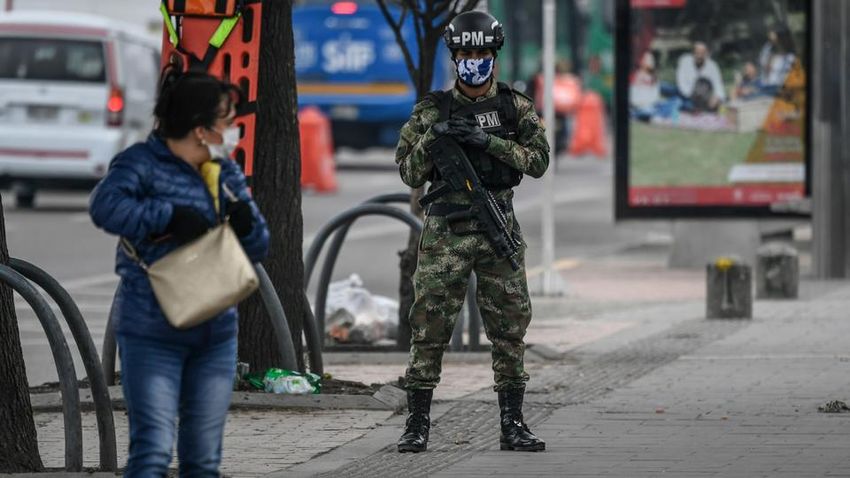
A member of the military police wears a face mask as a preventive measure against the spread of the new coronavirus, COVID-19, as he patrols the streets in Bogota, on March 25, 2020. Photo: AFP

This, however, must not be understood as a blank cheque for authoritarian leaders to tighten their grip on power. While most national constitutions, the European Convention on Human Rights, and the U.N.’s International Covenant on Civil and Political Rights allow for the derogation of certain human and minority rights during a state of emergency, it is “only to the extent strictly required by the situation.”

Across the world, though, numerous examples point to clear overreach of such emergency power and, more depressingly, the abuse of trust vested in governments from civil society.

Abuse of Emergency Powers

  • In Azerbaijan, President Ilham Aliyev said in an address to the nation that his political opponents are trying to use the outbreak to destroy the country, and suggested that measures to “isolate” them might be required. The prominent opposition activist Tofig Yagublu has already been arrested and sentenced to three months of pre-trial detention. He faces up to six years in prison….
  • Meanwhile, Montenegro’s government made the inexplicable move of making public the personal data – including names and home addresses – of all those obliged to be in self-isolation, a gross infringement on the right to privacy.
  • Albania’s Prime Minister, Edi Rama, also wasted no time in flexing his newfound powers. Last weekend, he casually threatened his citizens by posting a video supposedly showing Spanish police beating and chasing people down the streets, with an outrageously inappropriate message “either respect social distancing… or you will also be running.” Except, the video was from a political protest, weeks ago – in Algeria, not Spain.
  • Speaking of “fake news,” we have received reports from partners in Cambodia that over a dozen people have already been jailed, or “re-educated,” for allegedly sharing false social media posts about the pandemic – a measure that we fear is prone to be replicated across the world, not least among E.U. states.
  • Namely, Hungary’s nationalist government recently passed legislation to parliament that would punish anyone who publicizes “fake news” that interferes with the “successful defense” of public health, with up to five years in prison. [see https://humanrightsdefenders.blog/2020/04/07/good-example-of-authoritarian-abuse-of-covid-19-emergency-hungary/]..

Civil society, therefore, finds itself in an incredibly delicate situation.

On the one hand, there is an understanding that the severity of the crisis calls for certain limitations on our fundamental rights. Only national authorities possess the legitimacy to enforce such constraints and the capacity to tackle the virus through strict health and safety measures. We have no alternative but to trust our respective governments to navigate us, and their intentions to save lives and minimize the virus’ impact. On the other hand, we have a responsibility to protect partners across the world, whose fight for democracy and fundamental human rights will be further strained as emergency powers, enforced curfews, and restrictions on free speech come into place. Some measures may be necessary, but others are clearly not – and all must be removed once this is all over. Further, using the pandemic to harass human rights defenders or abuse the rule of law for political gains, as we are already witnessing, is simply unacceptable. We will monitor your moves, keep you accountable, and call you out when the line has been crossed – this is our duty. Widespread trust that has been vested in governments – all governments – amounts to a historic responsibility. Civil society has reached out its hand; do not let us down.

(Disclaimer: The views and opinions expressed here are those of the author and do not necessarily reflect the editorial position of The Globe Post._